Once upon a time, automotive partnerships largely revolved around sharing engines, platforms and technologies. One company would build the car, while another would simply place its badge on the bonnet.
Today’s automotive landscape is rather different. Success is increasingly determined not by what manufacturers can achieve individually, but by how effectively they collaborate. Engineering talent, research capabilities and technological expertise now flow freely across borders, allowing brands to move faster than ever before.
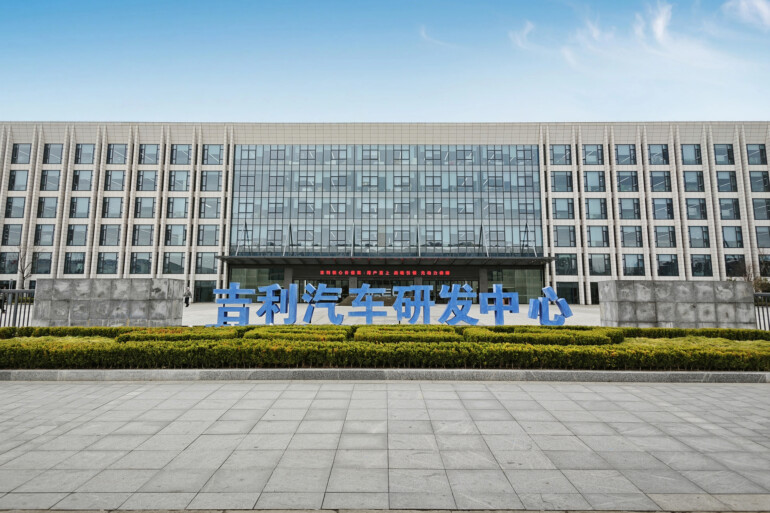
Perhaps nowhere is this more evident than at Zhejiang Geely Automobile’s Hangzhou Bay facility in Ningbo, China. Spanning more than just production lines and testing laboratories, the sprawling campus represents the beating heart of Geely’s global research and development efforts.
More importantly for Malaysia’s national carmaker, it has also become one of Proton’s most important strategic assets as it accelerates its ambitions in electrification, intelligent mobility and next-generation vehicle development.
What began as a strategic partnership between Proton and Geely in 2017 has steadily evolved into something much larger. Today, the collaboration extends far beyond simply sharing platforms. It is increasingly becoming a partnership centred around talent, innovation and engineering development.
And Hangzhou Bay sits right at the centre of it all.
Where Ideas Become Reality
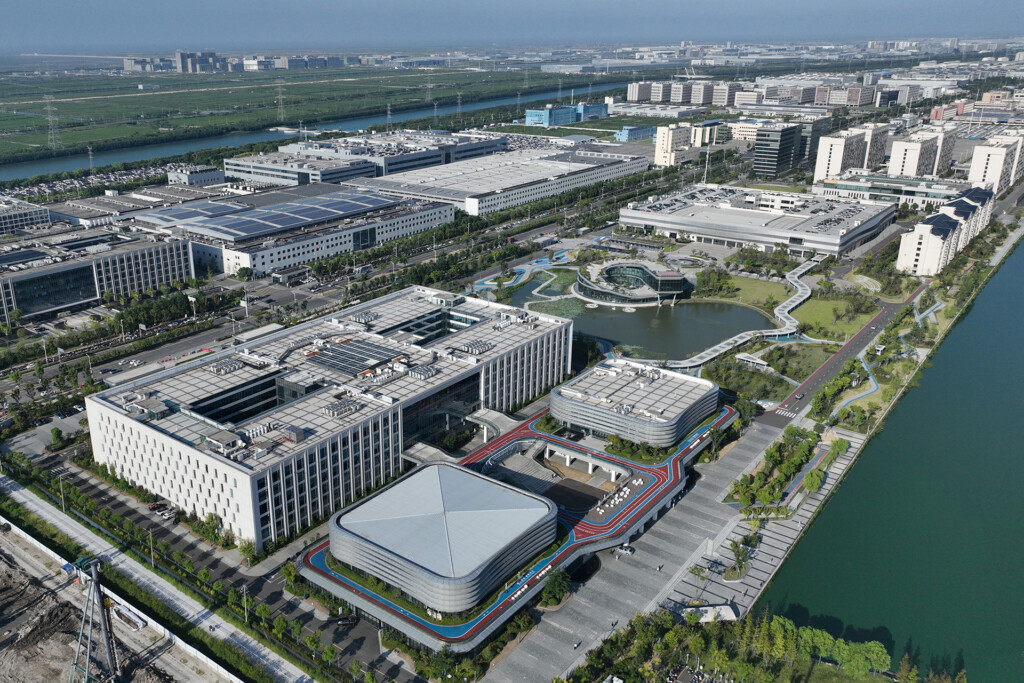
When you first set foot onto the campus, Hangzhou Bay feels less like a conventional automotive factory and more like a technology campus.
Beyond the production facilities lies the Geely Automobile Research Institute (GRI), where thousands of engineers work across multiple disciplines ranging from vehicle development and intelligent driving technologies to digitalisation and electrification. It is here that Proton officially opened its China Research and Development Centre in April 2024, a significant milestone in strengthening cross-border collaboration between both companies.
Rather than replacing Proton’s existing facilities in Tanjung Malim, the centre has been designed to complement them. Think of it as another bridge between Malaysia and China.
By leveraging Geely’s extensive global resources alongside Proton’s own engineering capabilities, both companies are now able to collaborate more closely across multiple areas of vehicle development. These include platform integration for both internal combustion and electric vehicles, intelligent driving technologies, data intelligence systems and project management.
It’s an arrangement that benefits both parties. Proton gains access to one of the world’s largest automotive R&D ecosystems, while Geely strengthens its international engineering footprint through greater collaboration with one of Southeast Asia’s most recognisable automotive brands.
More Than Just Technology Sharing
Perhaps the biggest misconception surrounding automotive collaborations is that they are simply exercises in technology sharing. The reality is often much more nuanced.
The Proton R&D Centre at Hangzhou Bay has been specifically established to facilitate knowledge transfer between Malaysian and Chinese engineers. Eventually housing approximately 50 employees, the facility has been envisioned as a framework for international talent development across both organisations.
Whether it’s upgrading Proton’s homegrown models, developing future EVs or exploring intelligent mobility solutions, teams are now able to draw upon their combined expertise far more efficiently than before.
The collaboration also extends beyond engineering itself. The Hangzhou Bay facility serves as an important liaison platform connecting Proton with suppliers and vendors supporting the continued development of Malaysia’s Automotive Hi-Tech Valley (AHTV) in Tanjung Malim. Areas such as manufacturing, procurement and quality assurance all form part of the wider ecosystem being developed between both countries.
Building Towards The Future
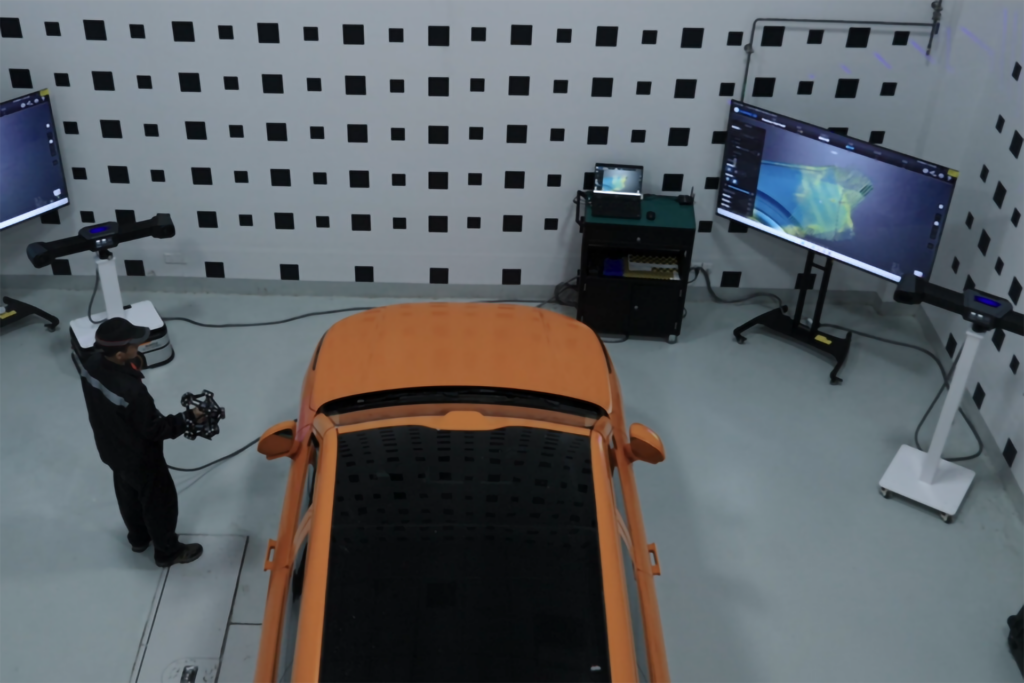
Since 2024, Proton has accelerated its transformation from a conventional vehicle manufacturer into one increasingly focused on New Energy Vehicles (NEVs), culminating in the launch of its national battery electric vehicles under the e.MAS sub-brand.
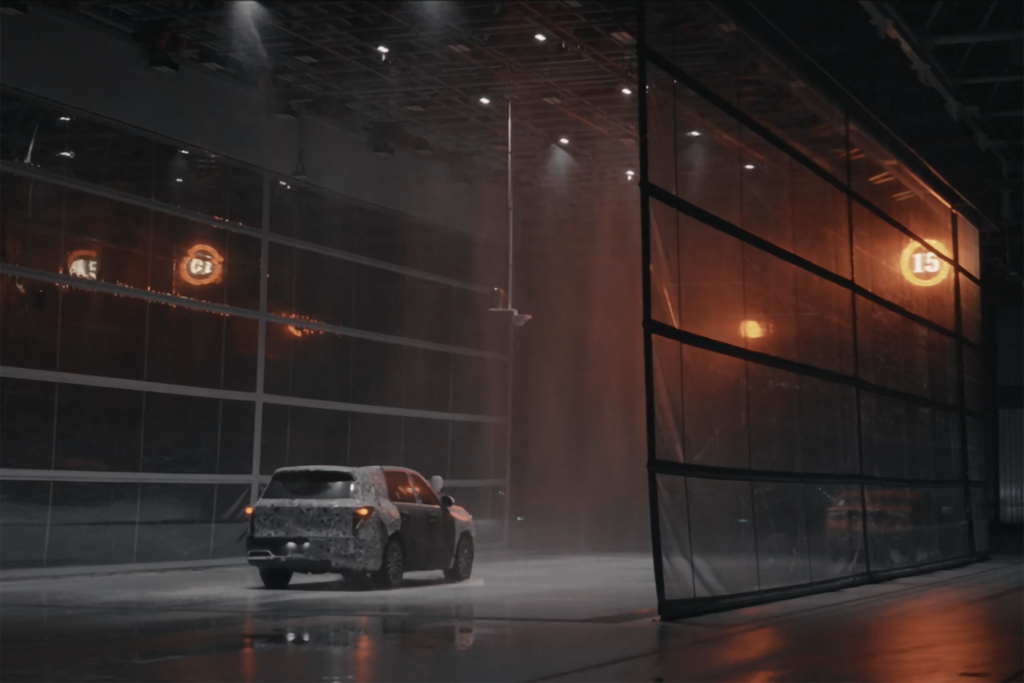
Developing next-generation vehicles, however, requires more than simply adopting existing technologies. It demands access to advanced engineering capabilities, testing facilities and highly specialised talent, areas where Hangzhou Bay offers considerable advantages.
The facility’s three core departments (Central Research Institute, Data Intelligence Development Centre and R&D Digitisation Centre) reflect where the automotive industry itself is heading. Software development, artificial intelligence, digital transformation and intelligent driving technologies will increasingly define the cars of tomorrow just as much as horsepower figures or chassis tuning once did.
For Proton, gaining direct access to these resources significantly shortens the distance between concept and production. And for consumers, it should ultimately translate into better products arriving more quickly.
Pay Attention To What’s Next
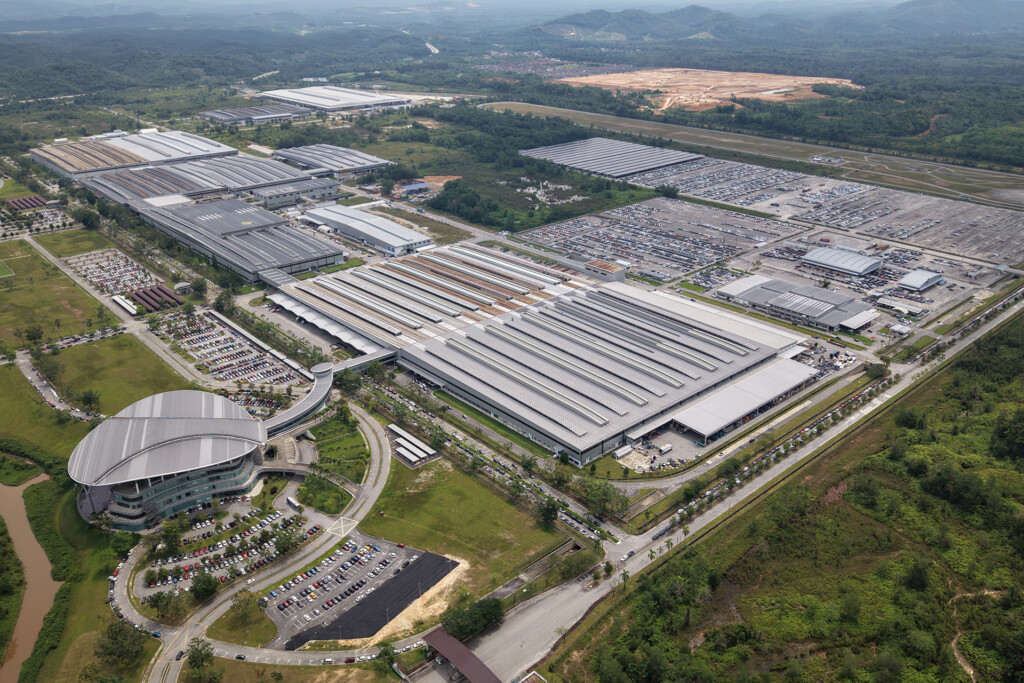
Automotive partnerships are often judged by the products they produce. The Proton X50, X70 and e.MAS 7 are obvious examples of what collaboration can achieve, but perhaps they are only the beginning of a much larger story.
Walking through Hangzhou Bay, it becomes increasingly apparent that the facility isn’t merely about what Proton is building today. It is equally about preparing for what comes next.
Future vehicle platforms. Intelligent driving technologies. New energy vehicles. Greater localisation efforts through the Automotive Hi-Tech Valley in Malaysia. These developments rarely happen overnight, but their foundations are often laid years in advance.
For consumers, much of this work remains invisible. After all, customers seldom see the laboratories, testing facilities or engineering discussions that ultimately shape the vehicles they drive. They simply experience the final product.
Yet facilities like Hangzhou Bay offer a glimpse behind the curtain, a reminder that some of the industry’s most important developments begin long before a car ever reaches the showroom floor.
And if the pace of Proton’s transformation over the past few years is anything to go by, it may be worth paying close attention to what comes next. Because the next chapter of PROTON’s story could very well begin here.
Read more automotive news at AutoApp, or check out our latest videos on YouTube and on TikTok!