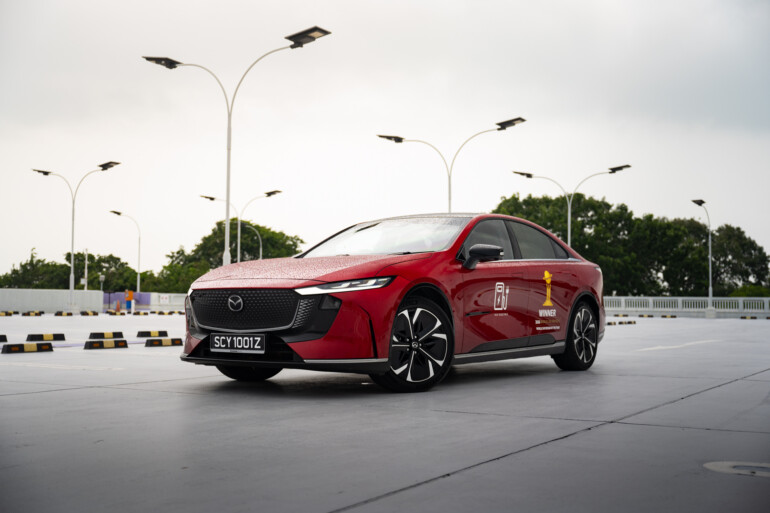
The new Mazda 6e electric fastback is handsome, spacious and capable of travelling 560km on a charge. The strange bit is that the most un-Mazda thing about it is sitting right in front of you.
Mazda has spent years teaching us that cars should be easy to use.
Its infotainment screens were deliberately kept out of reach. There were rotary controllers between the seats. Buttons operated important things. Even when everyone else decided that adjusting the temperature should require the dexterity of a Candy Crush champion, Mazda generally resisted.
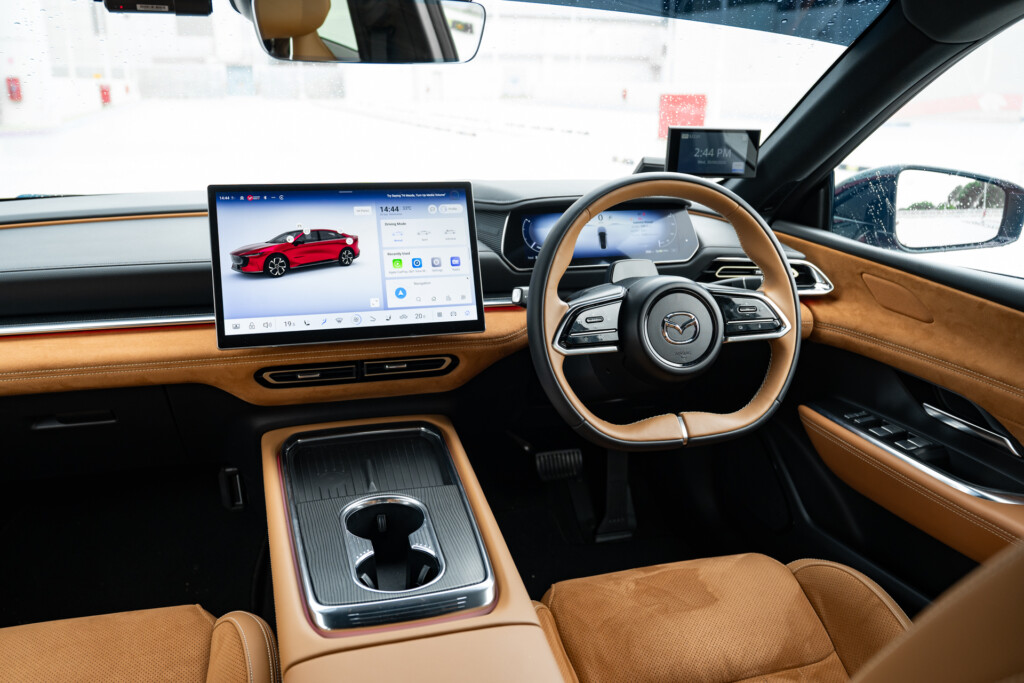
Then along comes the Mazda 6e, and sitting pretty in the middle is a 14.6-inch touchscreen. The climate controls are in it. The regenerative braking settings are in it. Even functions for the lights and windscreen wipers have migrated into software.
Progress, apparently, means occasionally forgetting what you were good at, which is a pity, because the rest of the Mazda6e is rather likeable.
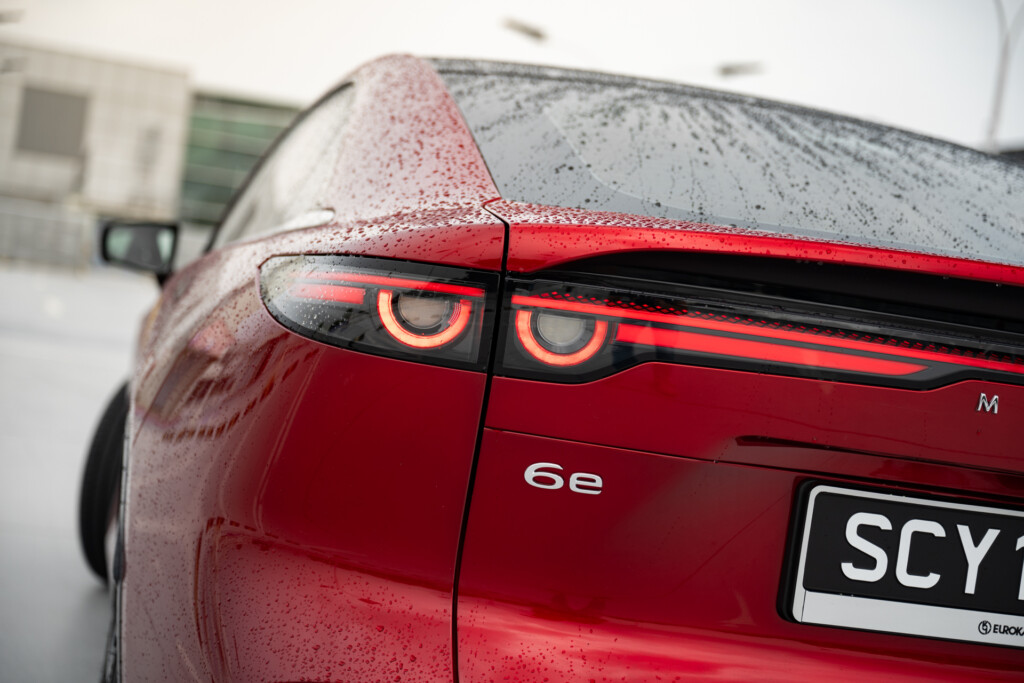
The 6e is Mazda’s new electric fastback, and despite the familiar number in its name, it is not simply an electric version of the Mazda 6 saloon Singaporeans have known for years.
Underneath, it shares its origins with the Deepal SL03 from Chinese manufacturer Changan, with which Mazda has had a longstanding joint venture. The car is also sold in China as the Mazda EZ-6.
That sentence will probably send a certain type of buyer immediately to an internet forum, but badge engineering has levels. There is sticking a different logo on somebody else’s car and hoping nobody notices, and then there is what Mazda has done here.
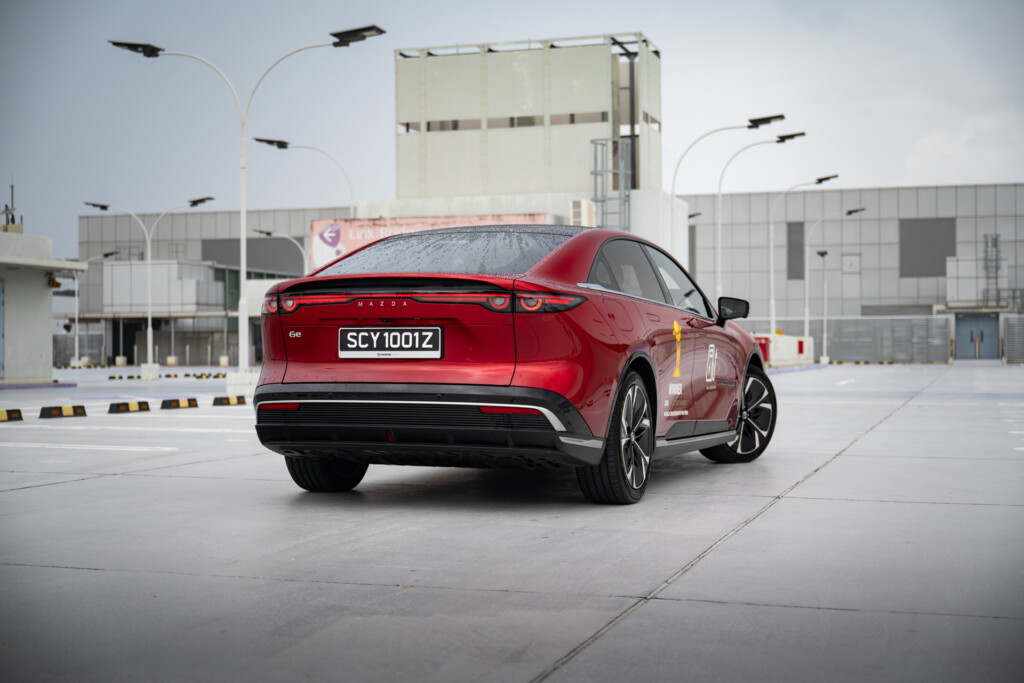
The 6e’s exterior has been thoroughly reworked around the company’s Kodo design language, and to these eyes it is one of the handsomest electric cars in its class.
It is low and long, at 4,921mm from bumper to bumper, with a coupe-like roofline and a relatively short rear deck. Frameless doors help the cause, while flush handles, slim lighting and 19-inch wheels provide the usual clues that electricity is involved.
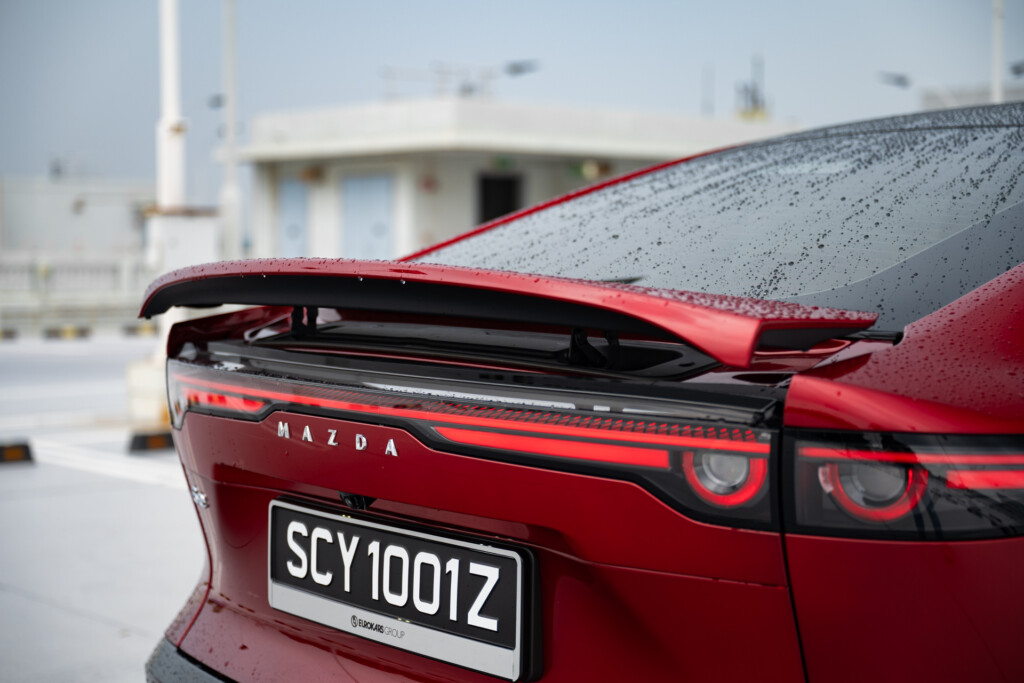
There is even an electrically deploying rear spoiler. Whether anyone needs active aerodynamics while travelling down the PIE at 90km/h is another matter, but it is undeniably entertaining to know it is there.
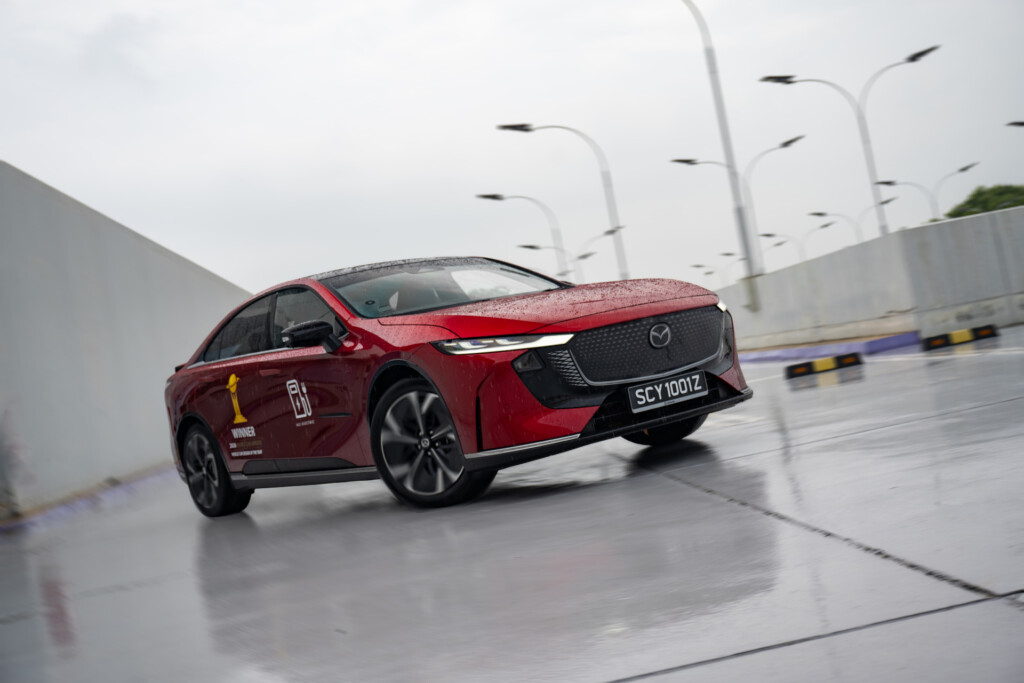
Singapore gets a 78kWh lithium iron phosphate battery feeding a single motor at the rear. Output is 190kW (or 258PS) along with 290Nm of torque. Mazda quotes 0 to 100km/h in 7.3 seconds, while the official WLTP range is up to 560km. DC charging peaks at 194kW.
Press the accelerator and it gathers speed smoothly and briskly rather than attempting to introduce your skull to the head restraint. It is modest and reasonably linear, and it fits the car well.
The rear-wheel-drive layout also sounds more exciting on paper than it generally feels on the road. There is decent inherent balance, helped by weight distribution close to 50:50, but the 6e is not an electric MX-5 with four doors, nor should it be.
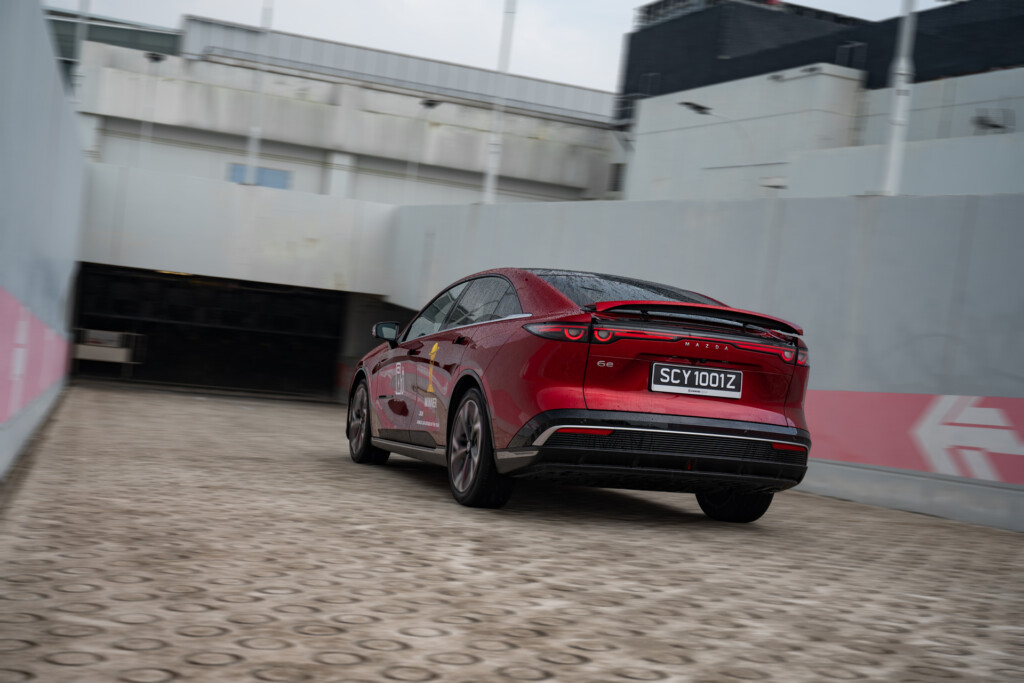
Mazda loves talking about Jinba Ittai, roughly translated as horse and rider working as one. The 6e’s horse weighs about two tonnes, and this presents certain challenges.
Its steering is direct enough and there is a pleasant sense of the rear axle doing the propulsion, but feedback through the wheel is limited. The car will negotiate a series of bends neatly enough, yet it never really encourages you to invent reasons to take the longer road home.
There is also some movement from the body. The ride is generally busy over broken surfaces, with the 6e tending to rock and shift despite initially feeling quite soft. Its 19-inch wheels do not help matters.
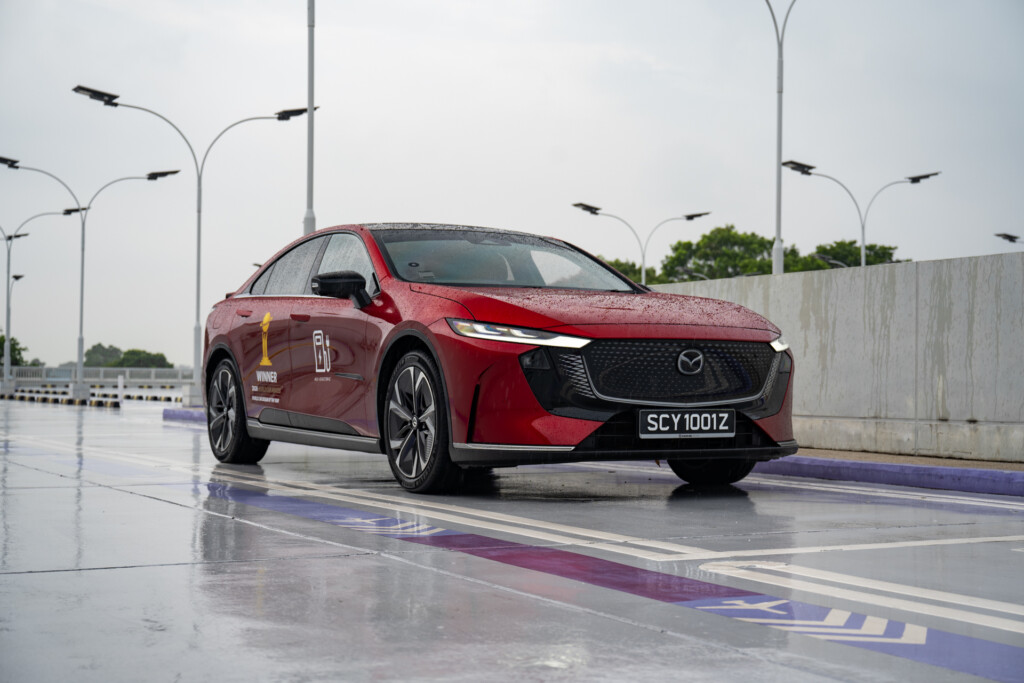
Driven the way most owners presumably will, it is quiet, progressive and easy-going. The throttle calibration is smooth, noise levels are low and the absence of absurd neck-snapping acceleration makes the Mazda unusually relaxing by modern EV standards.
And because the car is a low-slung fastback instead of yet another tall electric SUV, it presents less bodywork to the air. That pays dividends in efficiency. Mazda claims up to 560km on the WLTP cycle, so approaching 480km should be feasible in gentler conditions.
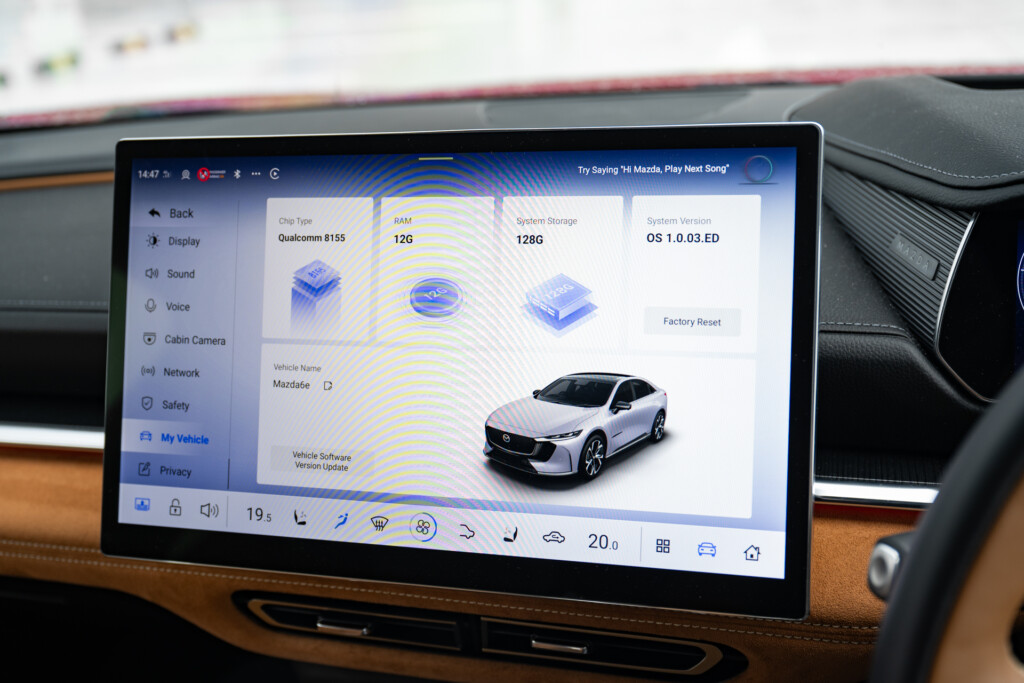
Unfortunately, you will eventually need to interact with that touchscreen.
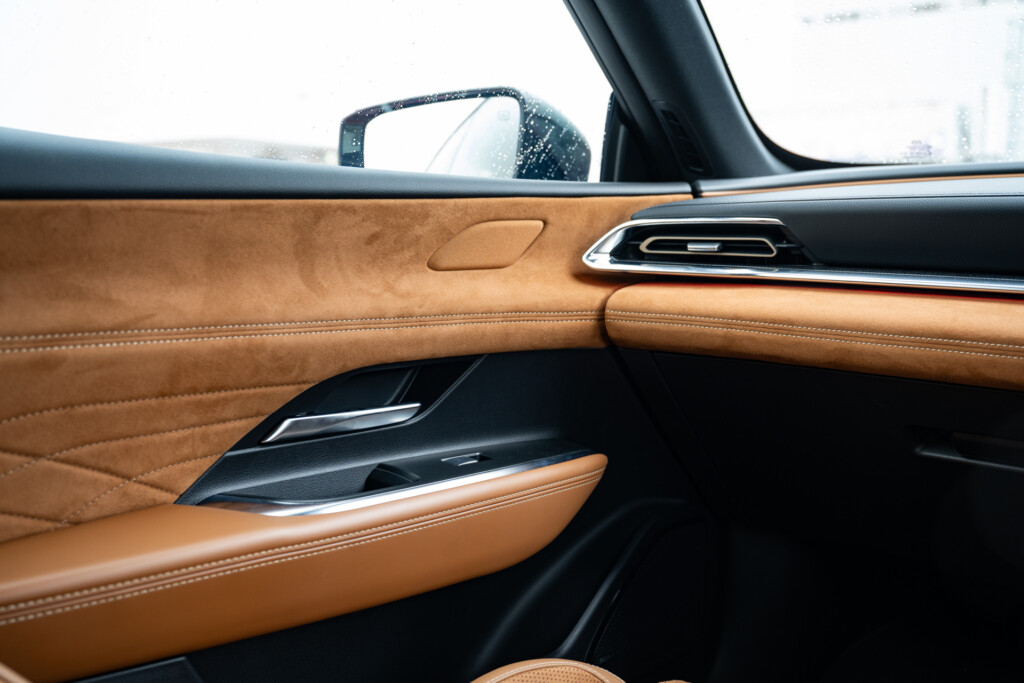
The cabin itself makes a strong first impression. Materials look and feel suitably expensive, the frameless doors add theatre and the enormous panoramic glass roof floods the interior with light. There is a 10.2-inch driver’s display, an augmented-reality head-up display and generous room for passengers in both rows. Then you try to change something.
The 14.6-inch centre screen has swallowed an extraordinary number of controls. Acceleration response, steering weight and regenerative braking can all be adjusted through menus, while other everyday functions have also been absorbed by the interface.
The software itself is quick and the graphics are clear. That is not the problem; the issue is that you have to look at it. This seems like a small distinction until you are travelling at 90 km/h and simply want to alter a setting that, once upon a time, required moving one finger three centimetres.
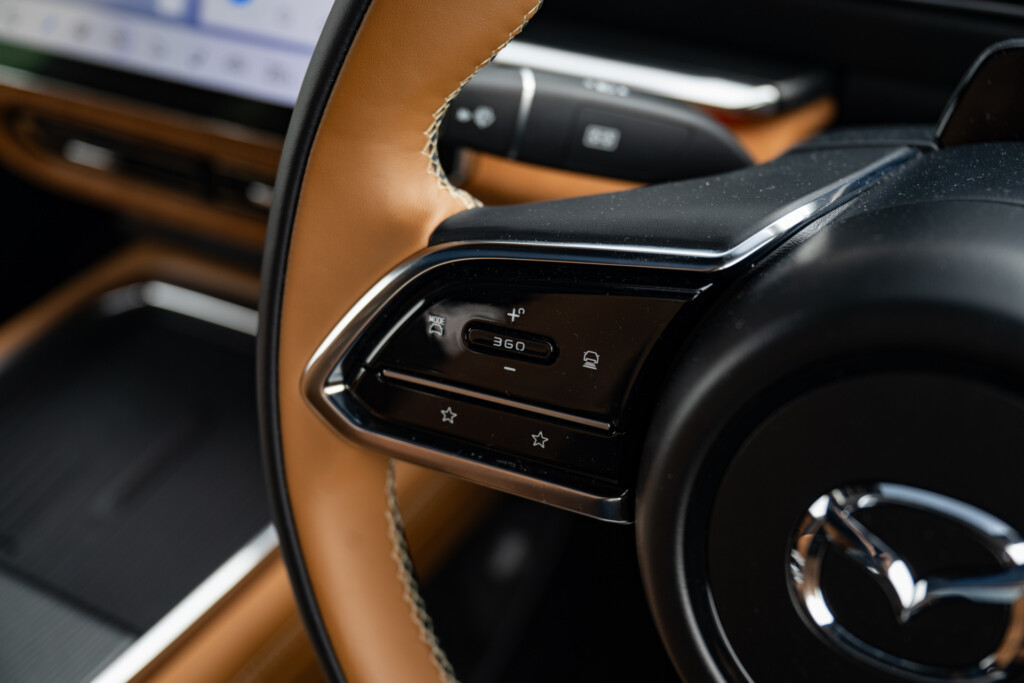
Mazda does allow favourite functions to be assigned to steering-wheel shortcuts, which helps. But it is difficult to escape the irony.
Here is a company famous for interiors designed around minimising distraction, producing a car in which you occasionally need to dig through a giant touchscreen while the car constantly warns you for being distracted.
The computer has caught you looking at the computer. Technology is wonderful.
Put the interface aside and there is much to appreciate.
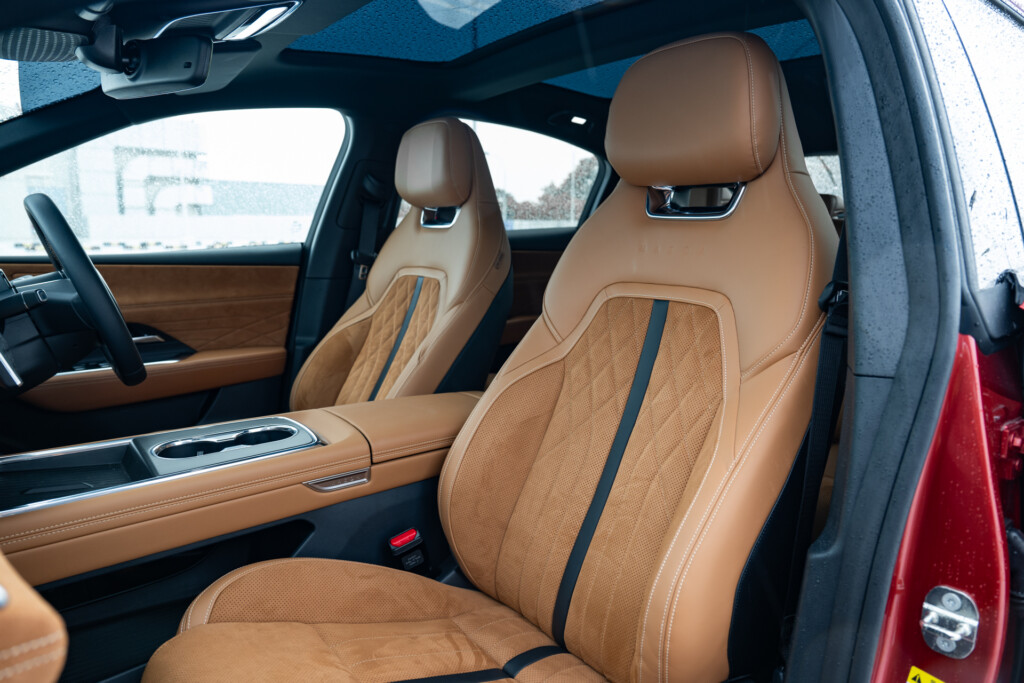
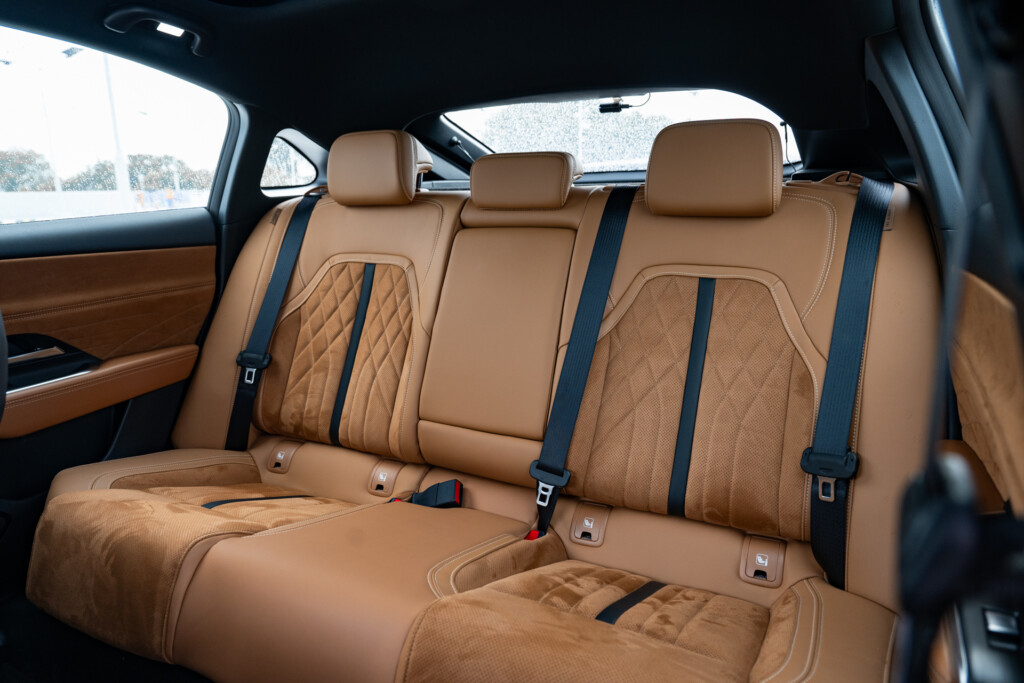
The seats are generously padded and the rear compartment benefits from the car’s 2,895mm wheelbase. There is enough room for adults to get comfortable without contorting themselves into yoga poses.
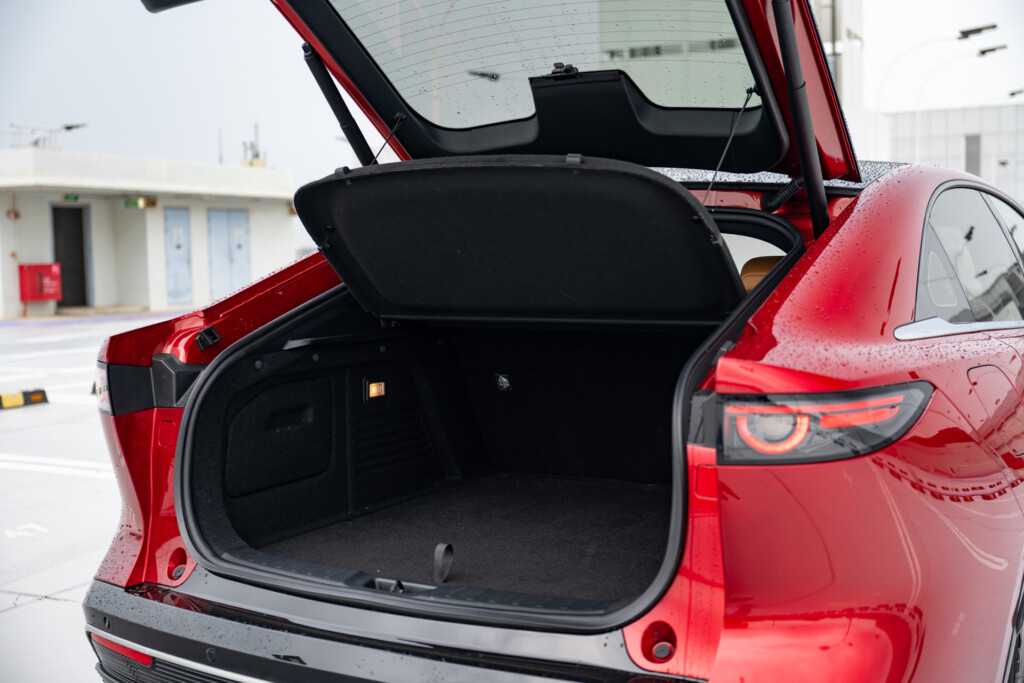
The boot holds 336 litres, supplemented by a useful 72-litre compartment under the bonnet. Fold the rear seats and total luggage capacity grows to 1,074 litres. Better still, although the 6e resembles a conventional saloon, its rear glass lifts together with the bootlid, giving it the practicality of a hatchback.
Depending on variant, there are heated and ventilated seats, a head-up display, a 360-degree camera, wireless phone charging and a Sony audio system, among the usual suite of driver-assistance systems.
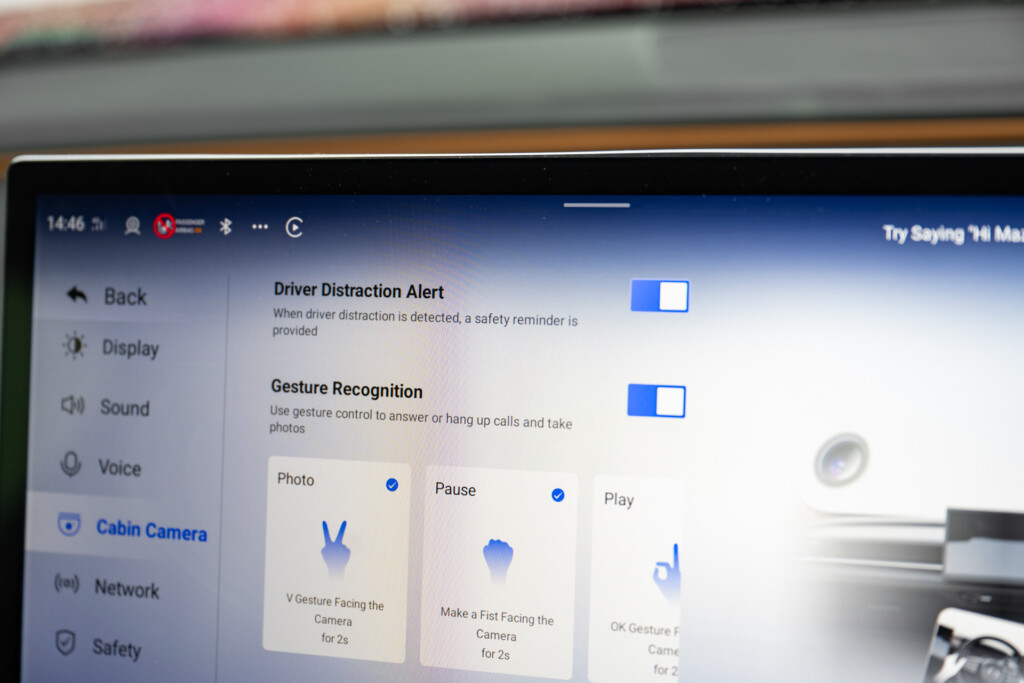
Some of those safety aids can be overenthusiastic, particularly the lane-keeping system and aforementioned driver attention monitor, although Mazda is hardly alone here. Modern cars have increasingly taken the view that every painted line represents an emergency.
At least the 360-degree cameras are useful. The rear window itself is rather narrow, and visibility becomes even more theatrical once that electric spoiler rises into view But, nobody said looking cool was free.
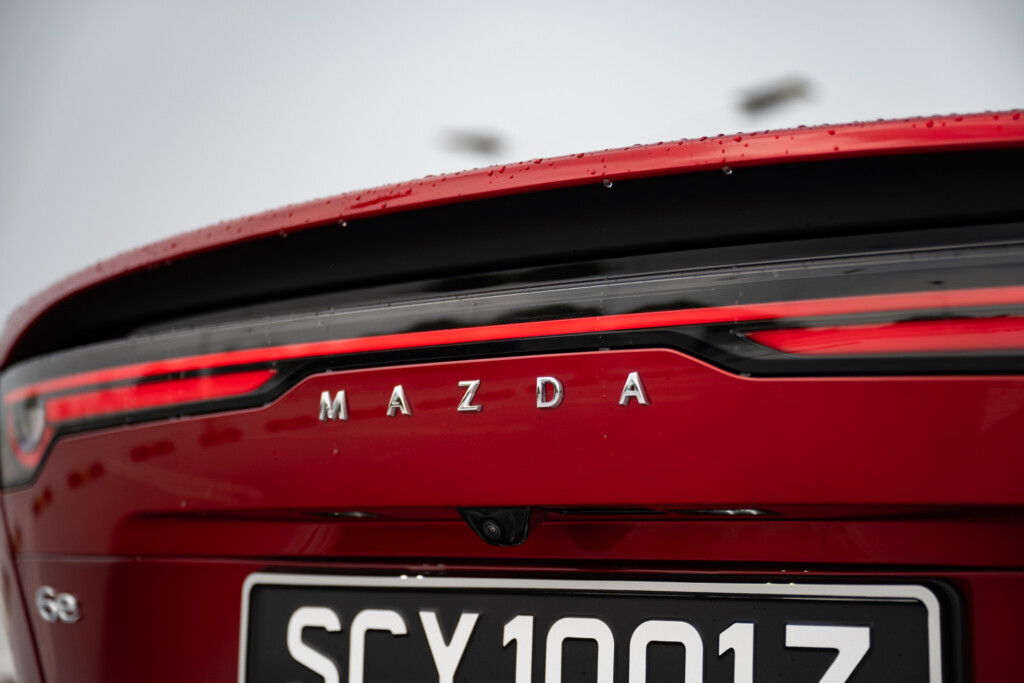
The obvious question surrounding the 6e is whether being developed alongside Changan somehow makes it less of a Mazda.
Perhaps. But that is also an increasingly outdated way to look at modern cars. Manufacturers share platforms, engines, software and factories constantly. What matters is what emerges at the other end.
Older Mazdas often felt as if someone had spent months considering where your hand would naturally fall before deciding where to put a button. The 6e sometimes feels as though someone simply asked where there was space for another submenu.
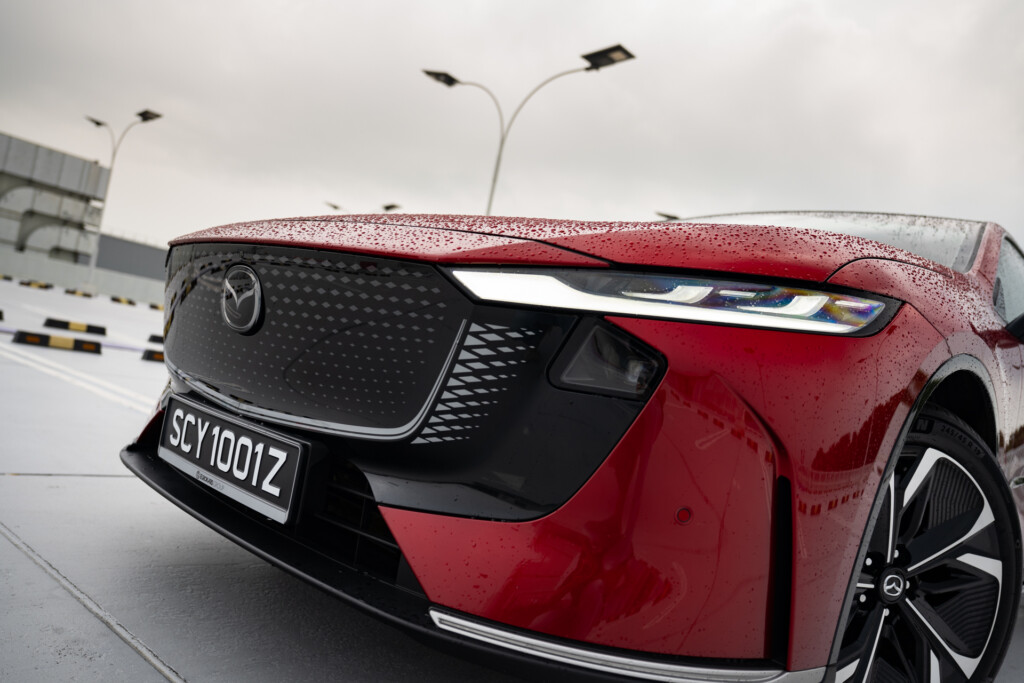
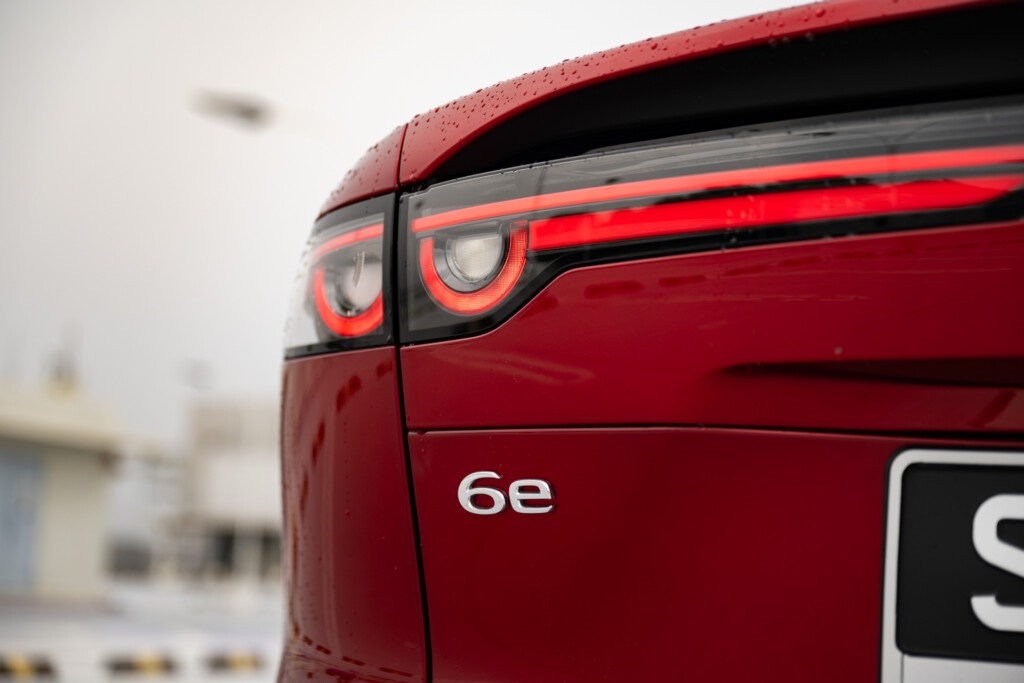
If you judge it simply as an electric fastback, there is quite a lot to like. It looks expensive, has usable range, is roomy without being an SUV, quick without being silly, and sufficiently pleasant to drive that most owners will never trouble themselves with whether the steering has enough feedback.
The trouble is that Mazdas have traditionally offered something beyond merely being competent. They were often the slightly odd choice made by someone who cared about how a steering wheel felt, where the controls were placed and whether a family saloon could make the long way home mildly entertaining.
Some of that remains in the 6e. Some has disappeared into a touchscreen. Perhaps that is simply what becoming an electric-car maker in 2026 requires.
Mazda has successfully made the 6e look like one of its cars. The next job is making the next one feel entirely like one, too.
Technical Specifications
Mazda 6e
Powertrain: Single Electric Motor, Rear-Wheel Drive
Power: 190 kW (255 bhp)
Torque: 290 Nm
Gearbox: Single-Speed (A)
Acceleration: 7.3 Seconds (0-100km/h)
Top Speed: 175 km/h
Battery Capacity: 78 kWh
Drive Range: 560 km
Energy Consumption: 6.2 km/kWh
Price: S$237,888 with COE (accurate at the time of this article)
Photo Credits: Sean Loo (@auto.driven)
Read more automotive news at AutoApp, or check out our latest videos on YouTube and on TikTok!