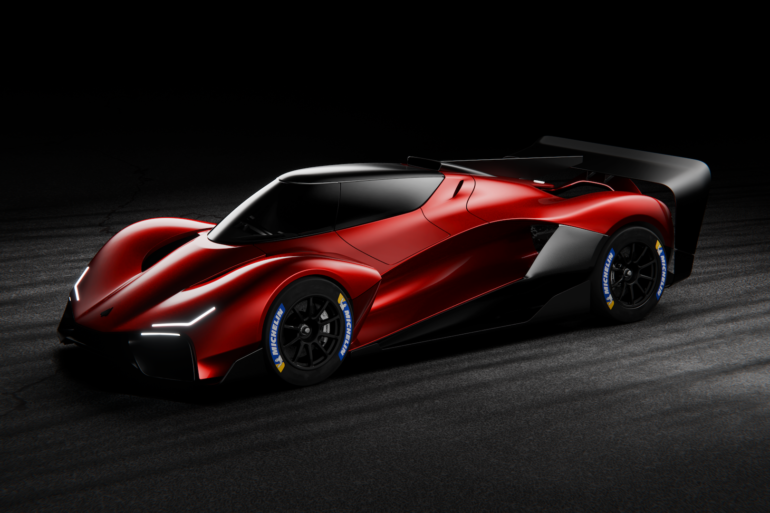
The Dutch-based hypercar newcomer Sanrivatti challenges conventional performance car design with a naturally aspirated V10, fighter jet-inspired styling and an unconventional driving position.
ARNHEM, NETHERLANDS – In an automotive world increasingly obsessed with electrification, digital displays and ever-higher horsepower figures, one ambitious newcomer believes the secret to building an extraordinary hypercar lies somewhere rather different.
Not in the engine, but in the person driving it.
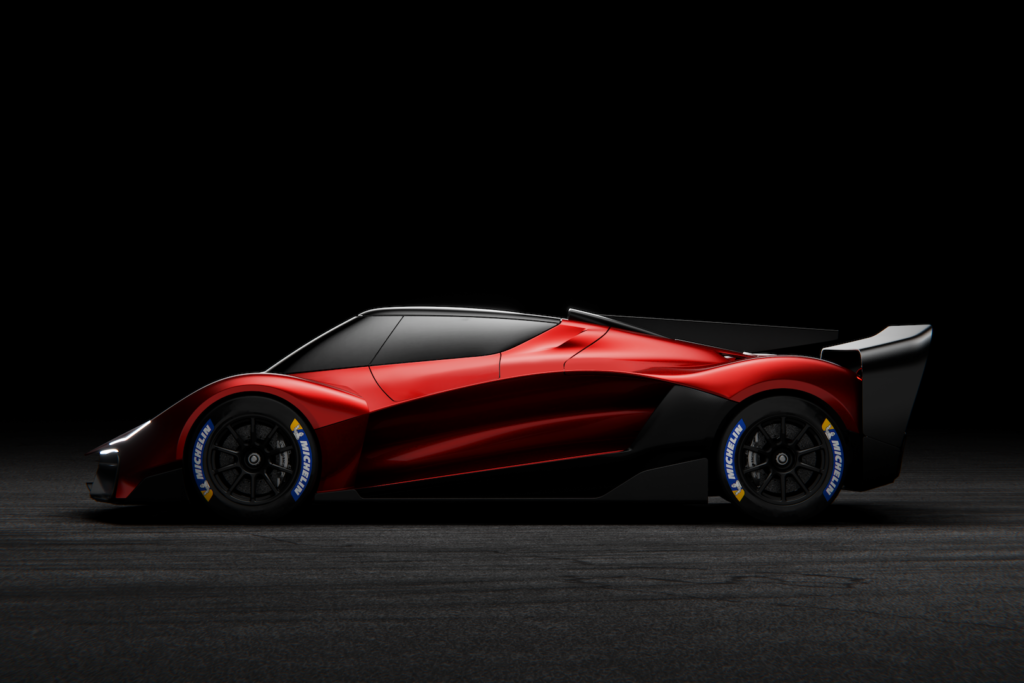
This is the Sanrivatti ONE, a radical new hypercar unveiled on 13 November 2026 at the company’s headquarters in the Netherlands.
Conceived around an unconventional driving position and powered by a naturally aspirated Judd V10, the ONE promises a driving experience that prioritises physical involvement over technological complexity.
A V10 With A Racing Pedigree
The heart of the Sanrivatti ONE is a 5.5-litre naturally aspirated Judd V10, targeting 800hp at 9,000rpm and 700Nm of torque. Power is sent exclusively to the rear wheels through a six-speed Hewland sequential gearbox.
With a carbon-fibre monocoque chassis and a targeted dry weight of just 1,100kg, the ONE boasts a calculated power-to-weight ratio of approximately 727hp per tonne. Its projected top speed stands at 330km/h.
These are provisional development figures rather than independently validated performance results, but they certainly suggest that Sanrivatti is taking its ambitions seriously.
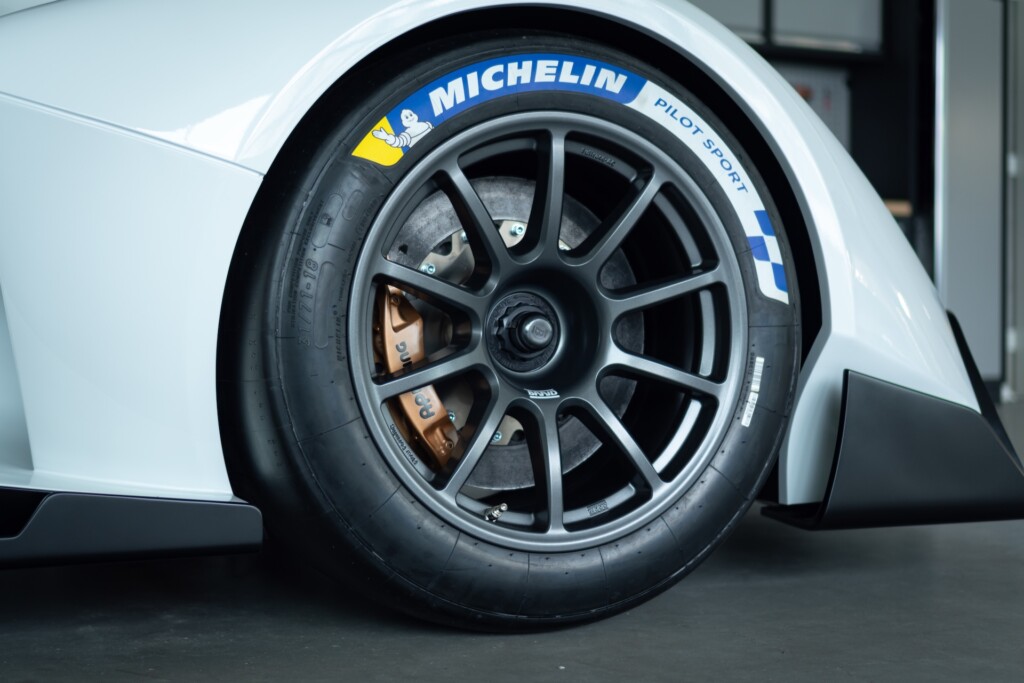
The proposed mechanical package includes double-wishbone pushrod suspension, AP Racing carbon-carbon brakes, forged magnesium-alloy wheels and Michelin slick tyres.
Rather than chasing electrification or increasingly complicated hybrid systems, Sanrivatti has deliberately chosen an analogue approach.
As John W Judd, Managing Director of Judd Engines, explained, “A naturally aspirated V10 is about far more than the headline power figure.”
Inspired By Falcons And Fighter Jets
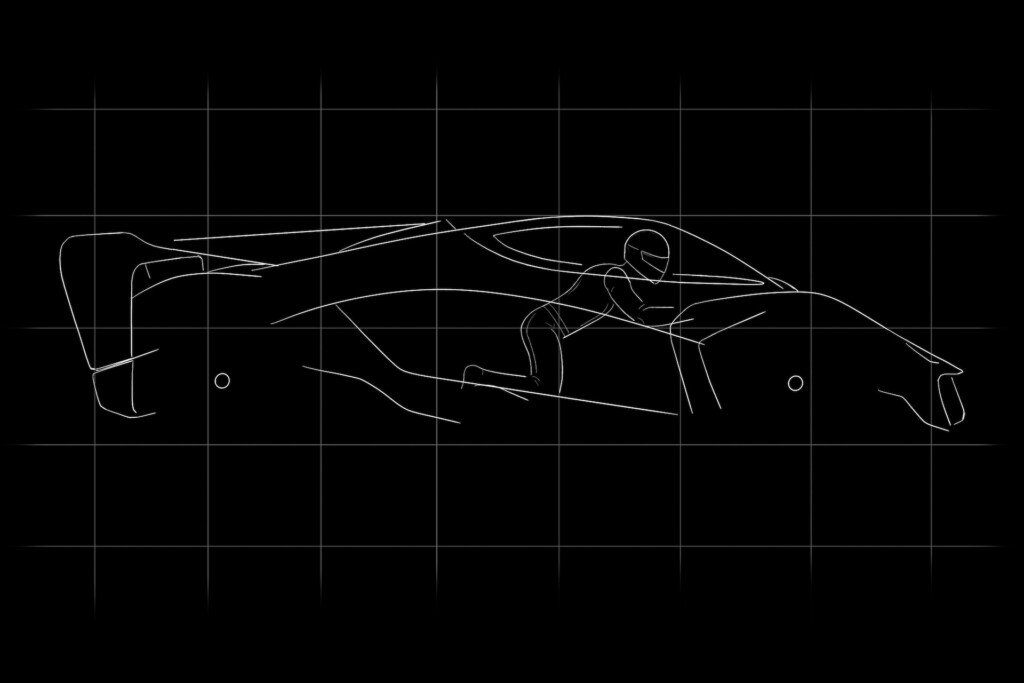
The ONE’s dramatic exterior draws inspiration from two rather unlikely sources: the peregrine falcon and modern fighter aircraft. Designed under Robin van Tilborg, its sweeping silhouette incorporates a distinctive signature line intended to resemble a falcon diving towards its prey.
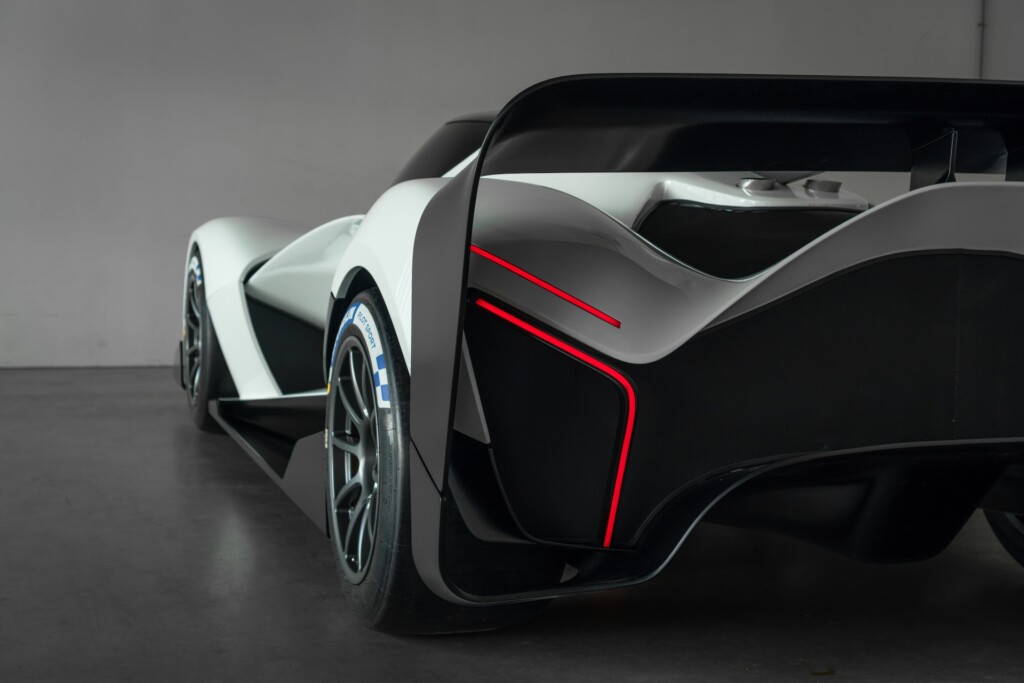
Viewed from above, the body adopts a pronounced coke-bottle shape, with broad front shoulders tapering towards a narrower centre. A single-piece canopy takes inspiration from fighter jet cockpits, while large front air intakes channel airflow through the body.
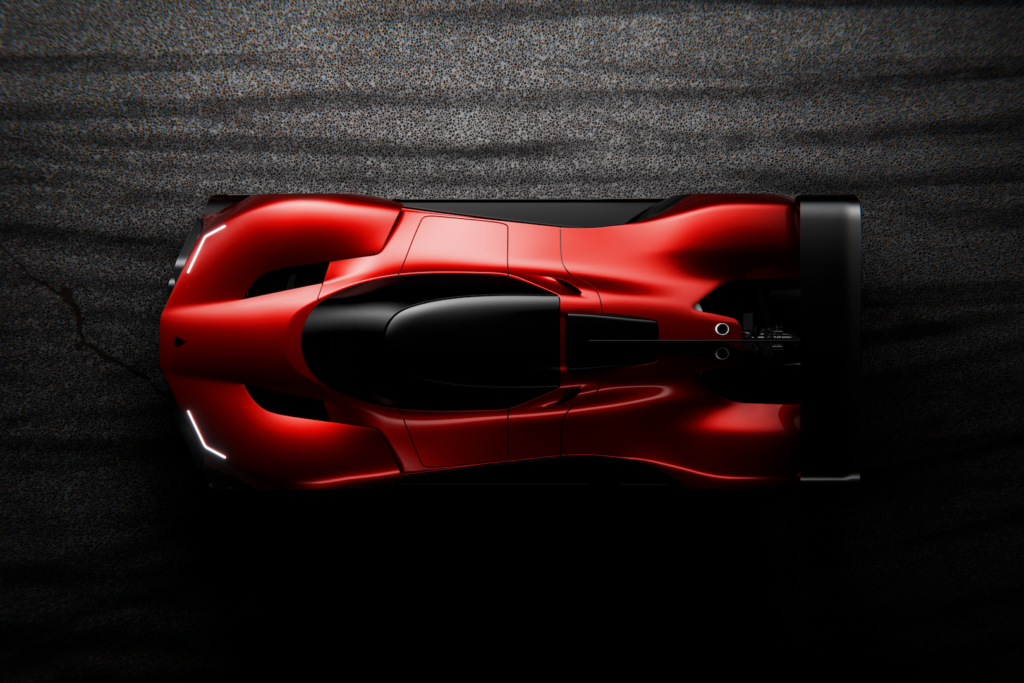
At the rear, exposed aerodynamic elements, a prominent wing and integrated lip spoiler complete the purposeful appearance. The result is a machine that looks more like something designed to attack a circuit.
A Completely Different Driving Position
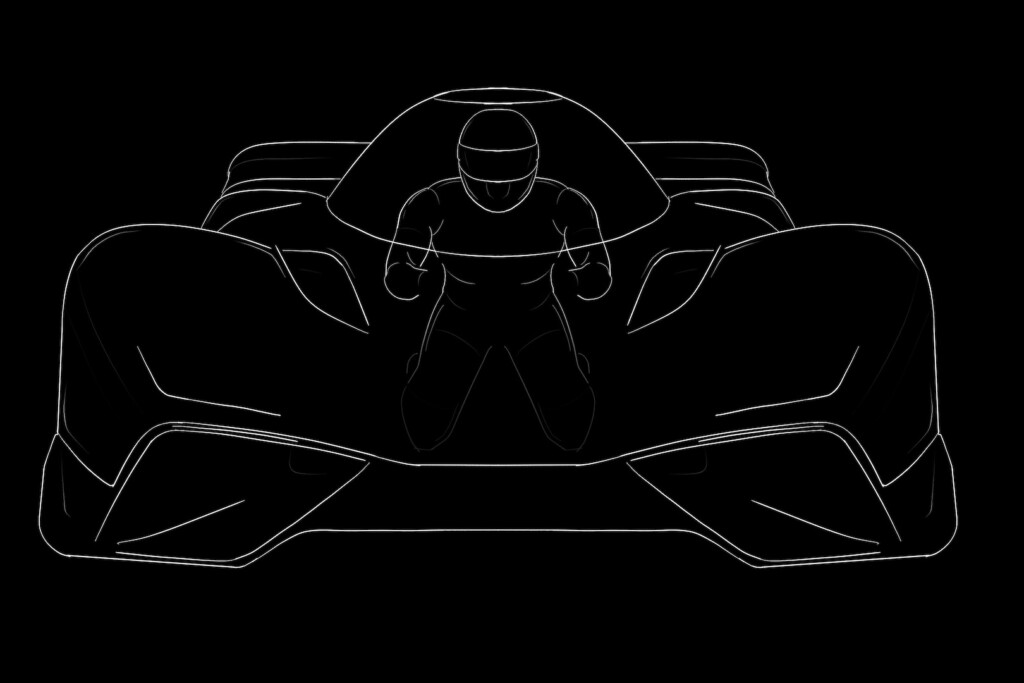
Instead of sitting in the familiar reclined posture of a conventional hypercar, the driver adopts a supported, head-forward position, sitting farther forward and more centrally within the vehicle. The concept takes inspiration from high-performance motorcycles, where the rider’s body position plays an important role in the overall driving experience.
According to Sanrivatti, the arrangement is intended to improve visibility, physical involvement and the driver’s connection with the machine. In comparative virtual testing at Silverstone Circuit, the Apex Position provided an average of 3.2 times more visible racing surface than ten benchmark hypercars and track cars.
Importantly, those findings relate to simulated visibility rather than proven improvements in lap times or real-world performance. Nevertheless, the idea presents an interesting question.
What if the greatest improvement in driving engagement came not from adding more horsepower, but from changing how the driver experiences it?
An Ambitious Vision Still In Development

Sanrivatti was founded by Santiago Sánchez Rivero, who grew up in Uruguay before studying automotive engineering in the Netherlands.
His ambition was to create a performance car that challenged established conventions rather than simply following them.
“When we started Sanrivatti, we didn’t want to create another hypercar that simply followed the established formula with more power and more technology,” said Sánchez Rivero. “We wanted to question something more fundamental: what it actually feels like to drive.”
The ONE remains a show car, with further engineering development, prototype construction and track testing still ahead.
Its final specifications and performance figures have yet to be validated, and the company has not announced production or pricing details.
Nevertheless, the unveiling represents an important milestone for a young manufacturer attempting something genuinely unconventional.
In an industry where performance is increasingly measured through acceleration figures and technological sophistication, Sanrivatti is taking a refreshing approach.
Because while making a hypercar faster is one challenge, making the experience of driving one feel entirely different might be an even greater achievement.
Read more automotive news at AutoApp, or check out our latest videos on YouTube and on TikTok!