Few cars have influenced the modern sports sedan as much as the BMW 3 Series.
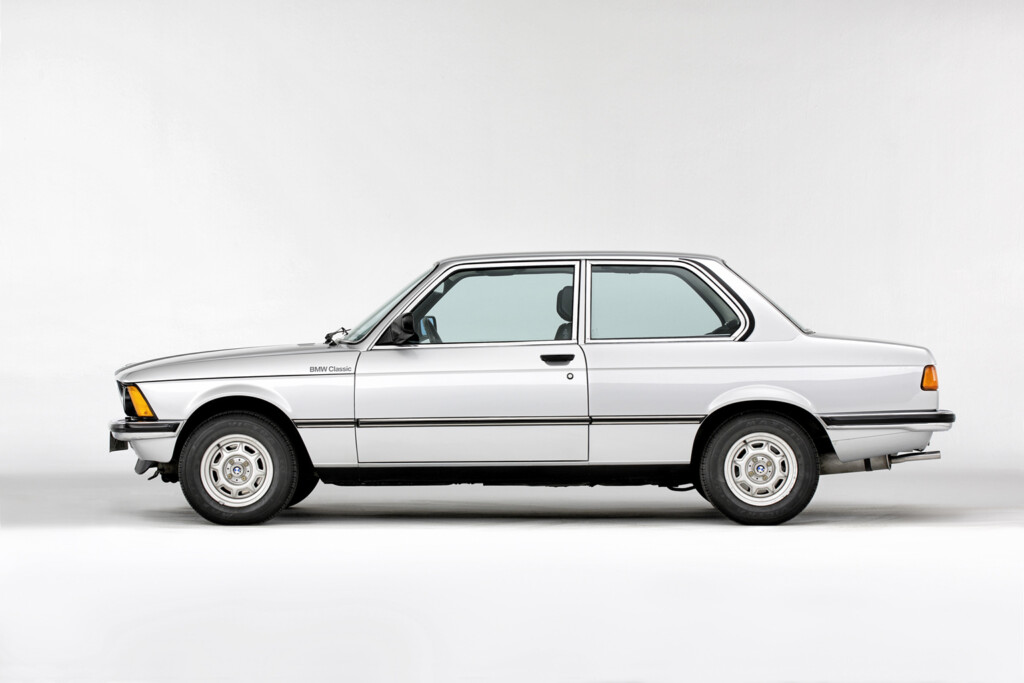
Since the first E21 appeared in 1975, the formula has been remarkably clear: compact dimensions, everyday usability, strong engineering and a genuine sense of connection from behind the wheel.
More than 18 million examples have been sold worldwide over seven generations, making the 3 Series BMW’s most successful model family. BMW itself describes the car as combining everyday practicality with driving pleasure, and that balance goes a long way towards explaining its longevity.
Plenty has changed over five decades. Engines have become turbocharged and electrified, cabins have gone digital, safety systems have grown vastly more sophisticated, and the eighth-generation BMW 3 Series now enters the Neue Klasse era with petrol and fully electric powertrains.
The fundamental idea remains remarkably relevant.
A great sedan should be comfortable, practical and safe. It should also be something you actually enjoy driving.
That last part matters more than ever.
The BMW 3 Series started with the driver
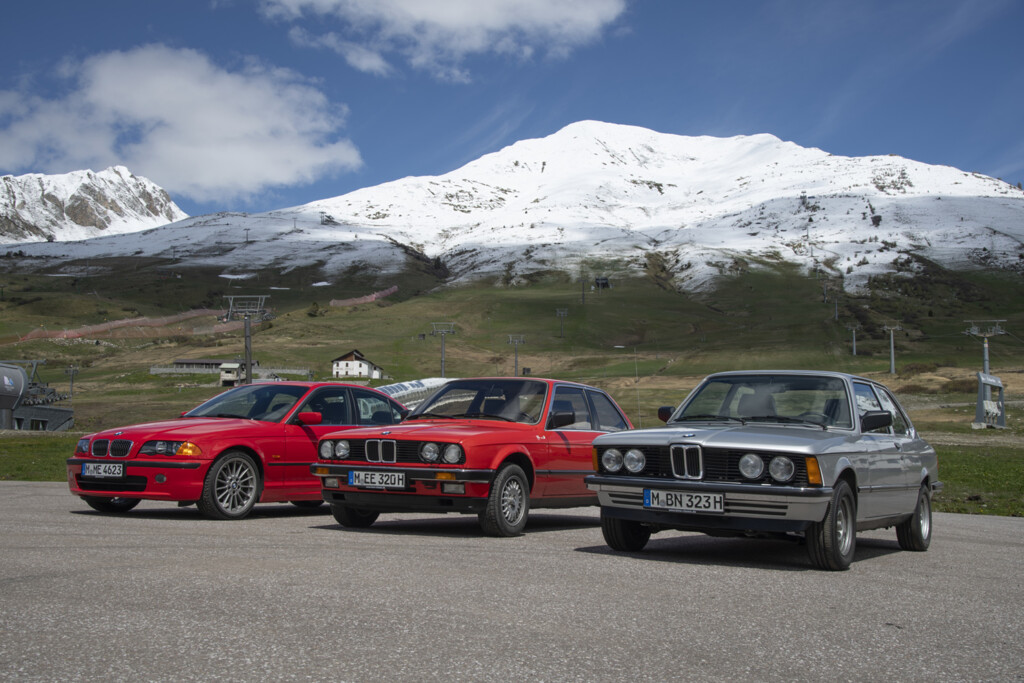
BMW launched the original E21 3 Series in 1975 as the successor to the 02 Series.
Its ingredients sound refreshingly simple today: rear-wheel drive, relatively compact dimensions and a cockpit designed around the person holding the steering wheel.
From there, the idea expanded.
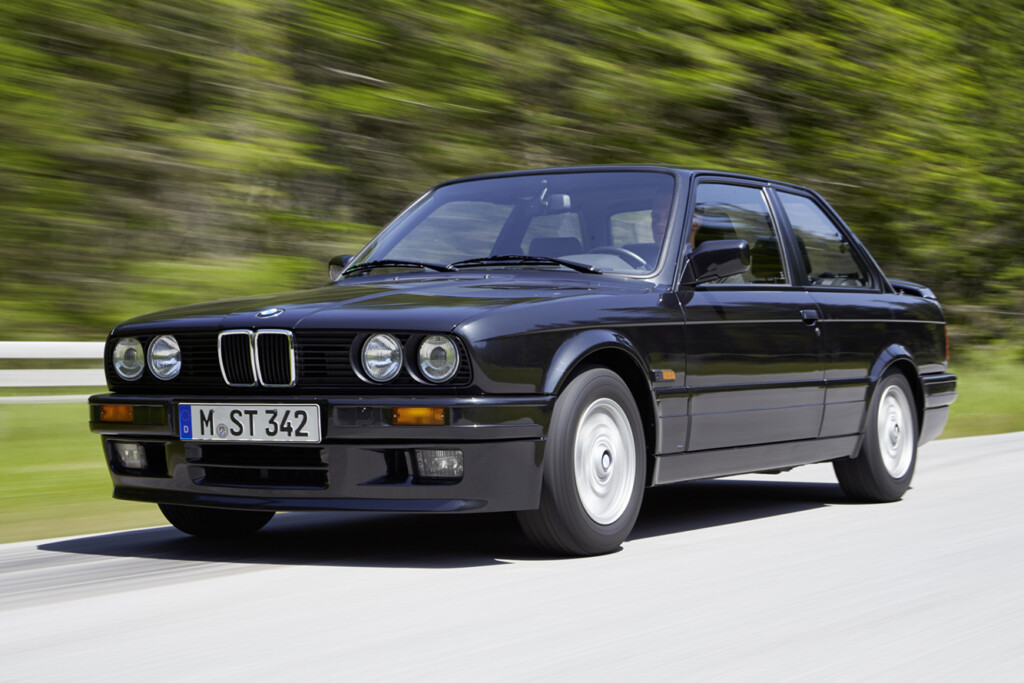
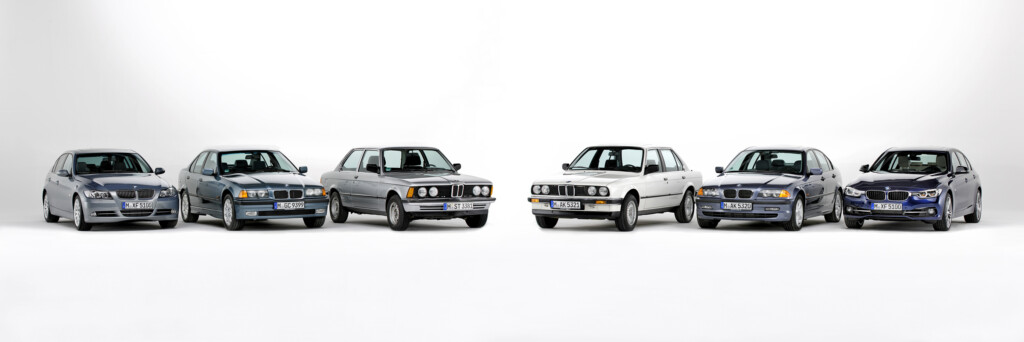
The E30 added four doors, all-wheel drive and eventually the first M3. A Touring joined the family too, proving greater practicality didn’t have to turn a BMW into an appliance.
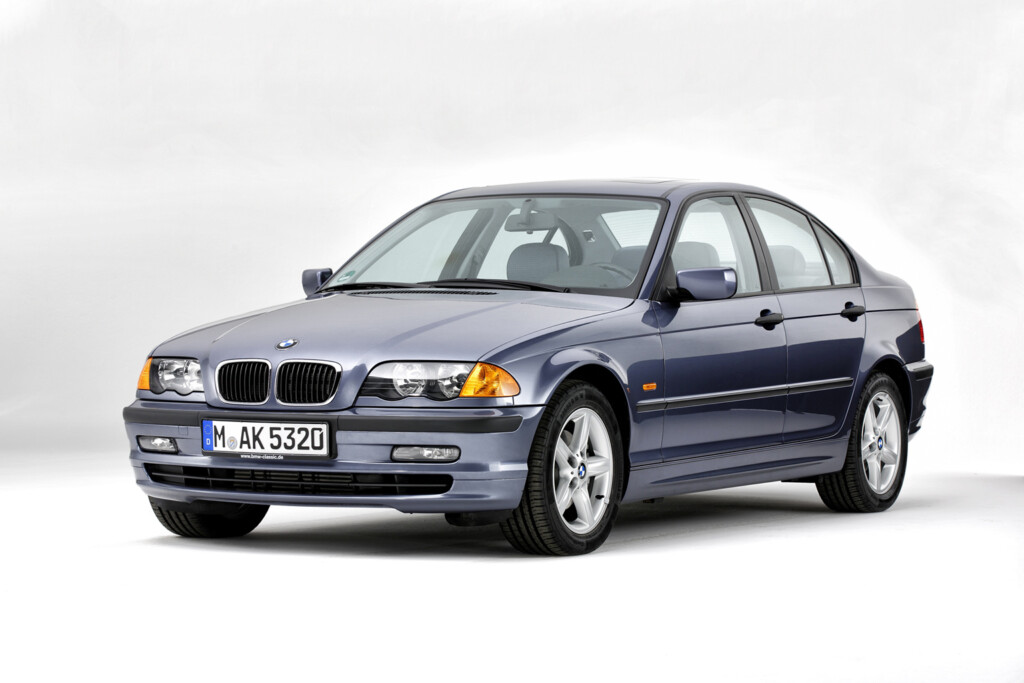
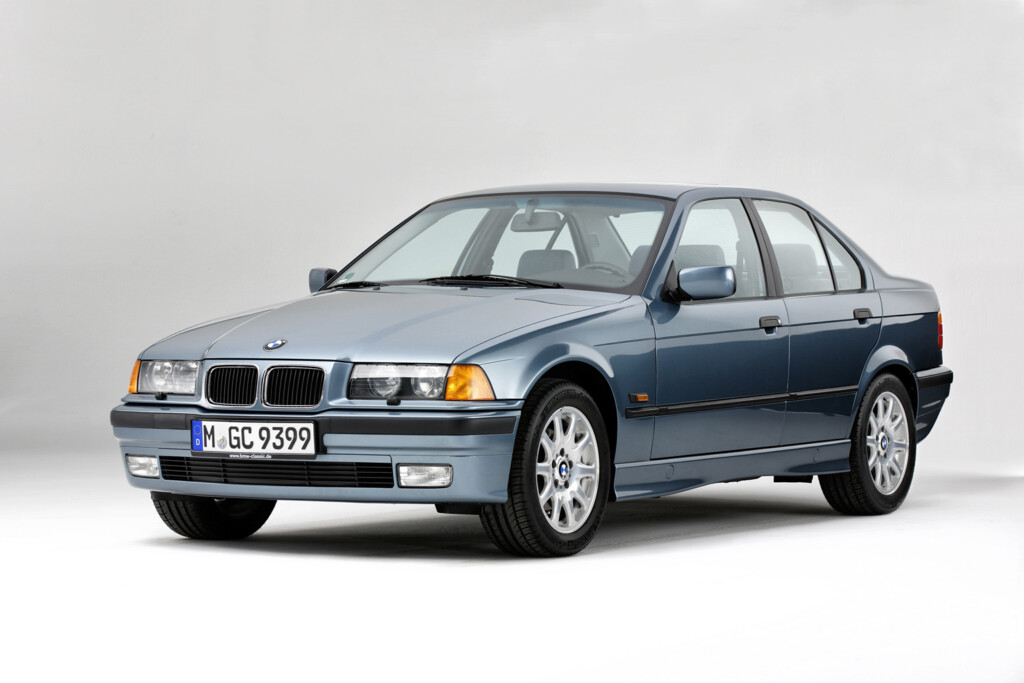
Later generations added refinement, technology and performance.
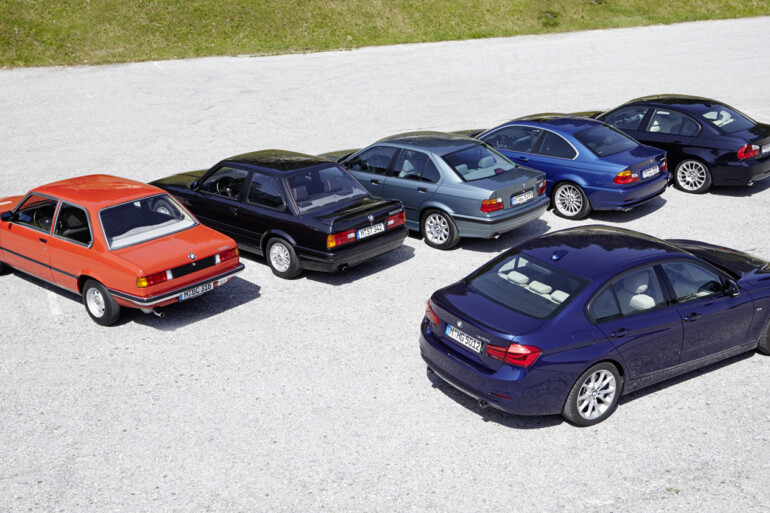
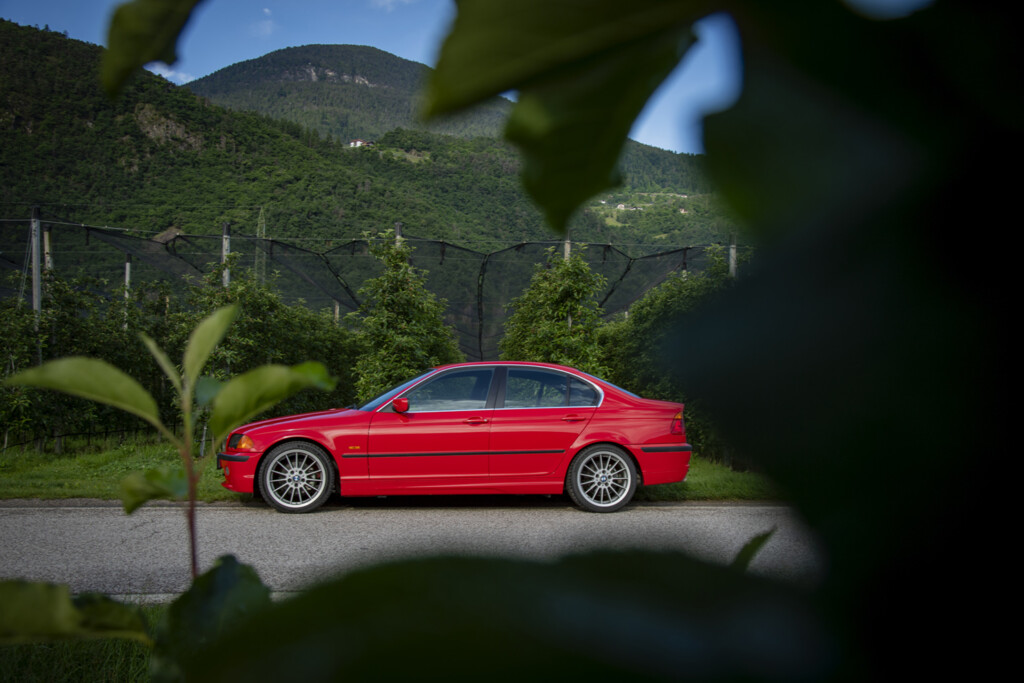
The E36 modernised the shape dramatically. The E46 arguably became one of the purest expressions of the idea. E90 brought greater sophistication, F30 ushered the 3 Series deeper into the turbocharged era, and the current G20 developed into one of the most complete versions yet.
Every generation moved forward.
The basic brief stayed familiar: build a premium sedan that someone who loves driving would still want to own.
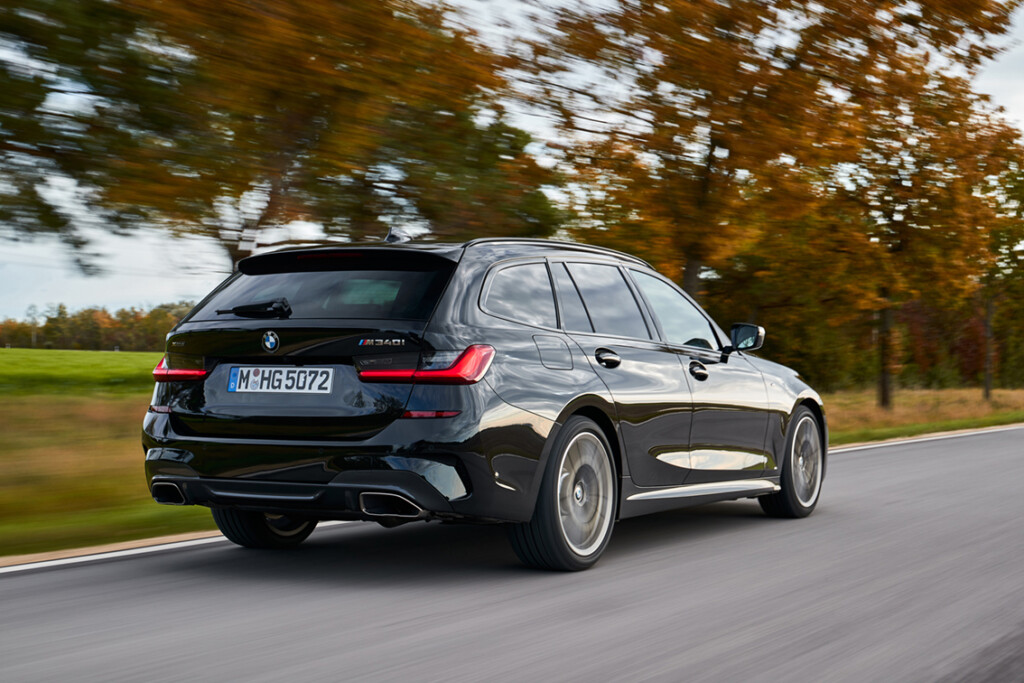
The Touring proved practicality could still be fun
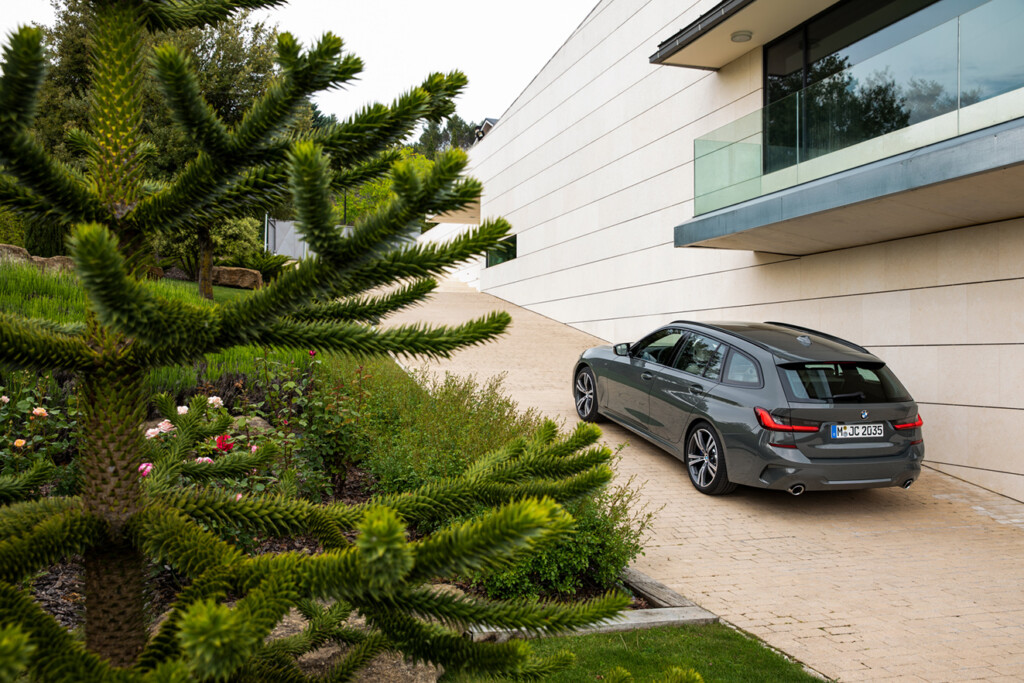
The BMW 3 Series Touring deserves its own chapter in this story.
Estate cars traditionally existed because somebody needed more luggage space.
BMW added another requirement: it still had to drive properly.
That sounds obvious now, but it helped establish the idea of the premium sports estate — something capable of swallowing family luggage, bicycles, camera gear or half your house and still remaining enjoyable on a good road.
Today we see the same philosophy carried through to cars such as the M3 Touring.
That says something important about BMW’s approach.
Practicality never had to mean removing personality.
A good BMW 3 Series Touring can be the family car, the long-distance cruiser and the car you voluntarily take out early on Sunday morning.
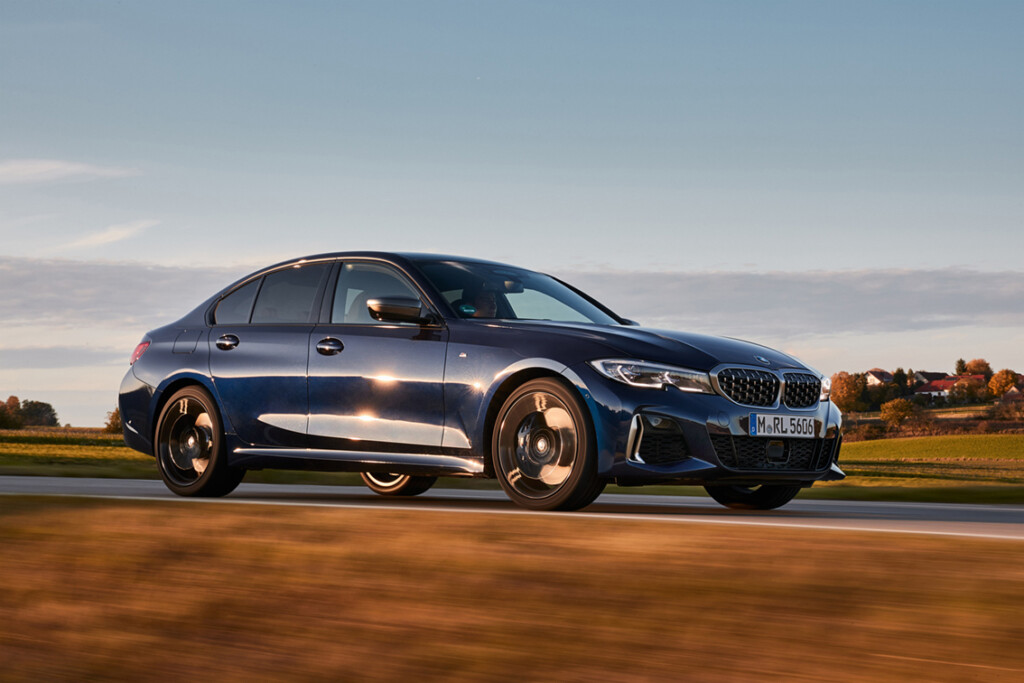
Why driving dynamics still matter
Driving dynamics occasionally get dismissed as something relevant only to enthusiasts.
That misses a much bigger point.
Good handling is fundamentally about how a car communicates with its driver.
Steering response, chassis balance, braking feel and suspension control all contribute to your ability to understand what the car is doing.
When everything works coherently, confidence follows.
You feel the weight transfer as the car turns. Steering inputs produce predictable responses. Braking progressively loads the front axle. The chassis remains composed when you suddenly need to change direction.
Those qualities make a winding road enjoyable.
They also become valuable when an unexpected situation appears in front of you.
An emergency lane change at highway speed puts enormous demands on a chassis. Wet roads reduce available grip. Sudden braking transfers weight dramatically towards the front wheels.
A well-engineered car gives the driver information and control throughout these moments.
That is where good driving dynamics and safety begin to overlap.
Electronic stability systems, ABS and modern driver-assistance technology provide an important safety net. The underlying chassis behaviour still matters enormously.
BMW has spent decades refining that relationship.
Comfort matters too
Different markets naturally prioritise different qualities.
China provides a particularly interesting example.
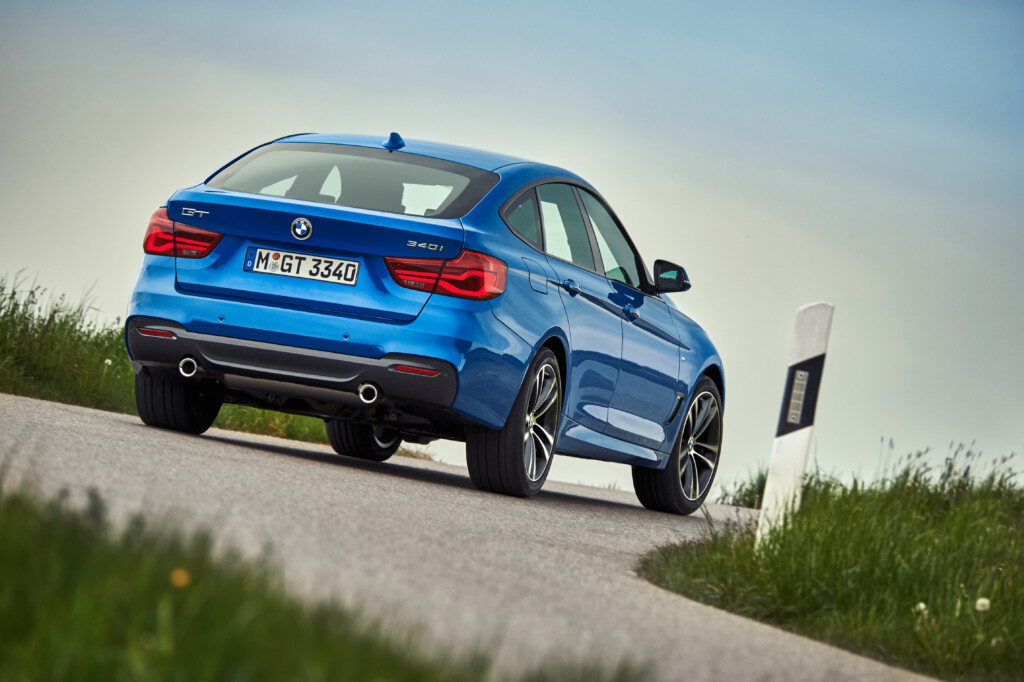
Rear-seat comfort and space became so important there that BMW developed dedicated long-wheelbase versions of the 3 Series. The previous Chinese-market model stretched the wheelbase by 110mm and included market-specific comfort features such as softer rear headrests.
At launch in 2019, BMW said long-wheelbase cars accounted for almost 80 per cent of 3 Series Sedan sales in China.
That tells you a lot about how differently customers can view the same car.
Some buyers spend their time behind the wheel.
Others spend considerable time in the back.
Both needs are perfectly valid.
Things get interesting when comfort becomes the dominant measure of what makes a premium car good.
Huge reclining seats, soft suspension, enormous screens and acres of rear legroom can create a very convincing showroom experience.
Engineering a car to ride comfortably, steer accurately, control its body properly, brake progressively and remain enjoyable over hundreds of kilometres is considerably more difficult.
The BMW 3 Series has traditionally tried to deliver the complete package.
The person behind the wheel still matters
Cars are rapidly becoming digital spaces.
Screens keep getting larger. Voice assistants are improving. Driver aids are getting smarter. Interiors are becoming quieter and increasingly isolated from the outside world.
All of that can improve the ownership experience.
Yet somebody still sits behind a steering wheel.
A well-designed car should make that person feel confident.
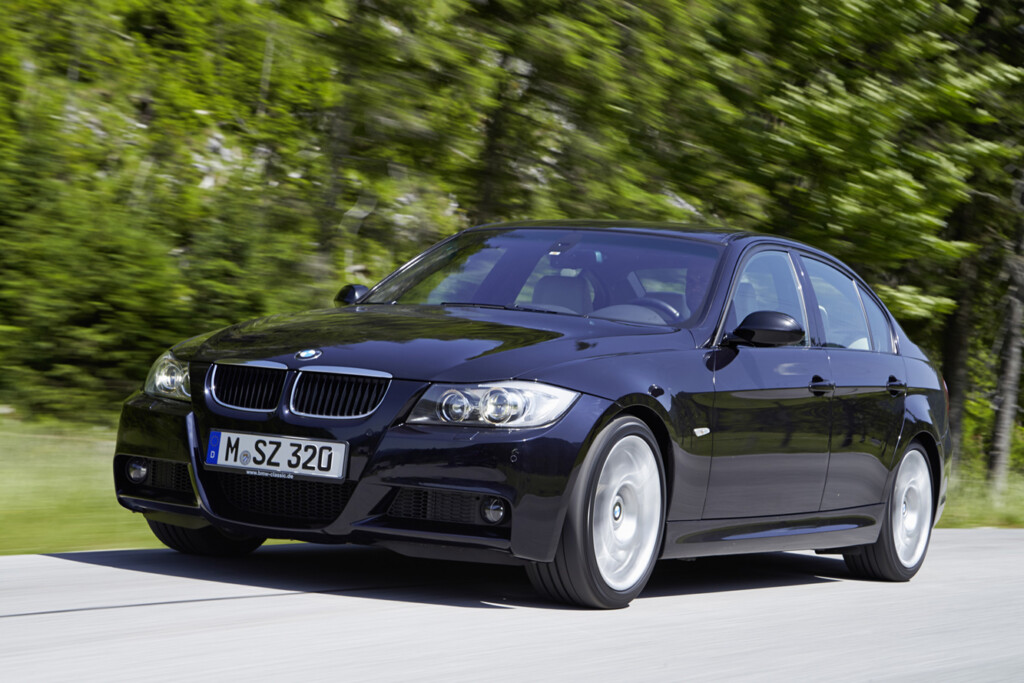
The seating position needs to feel natural. Controls should be intuitive. Pedals should respond progressively. Steering should give the driver a clear sense of what the front wheels are doing.
Software can enhance those qualities.
It cannot make poor fundamentals disappear.
This is one reason the 3 Series has remained such an important reference point for other manufacturers.
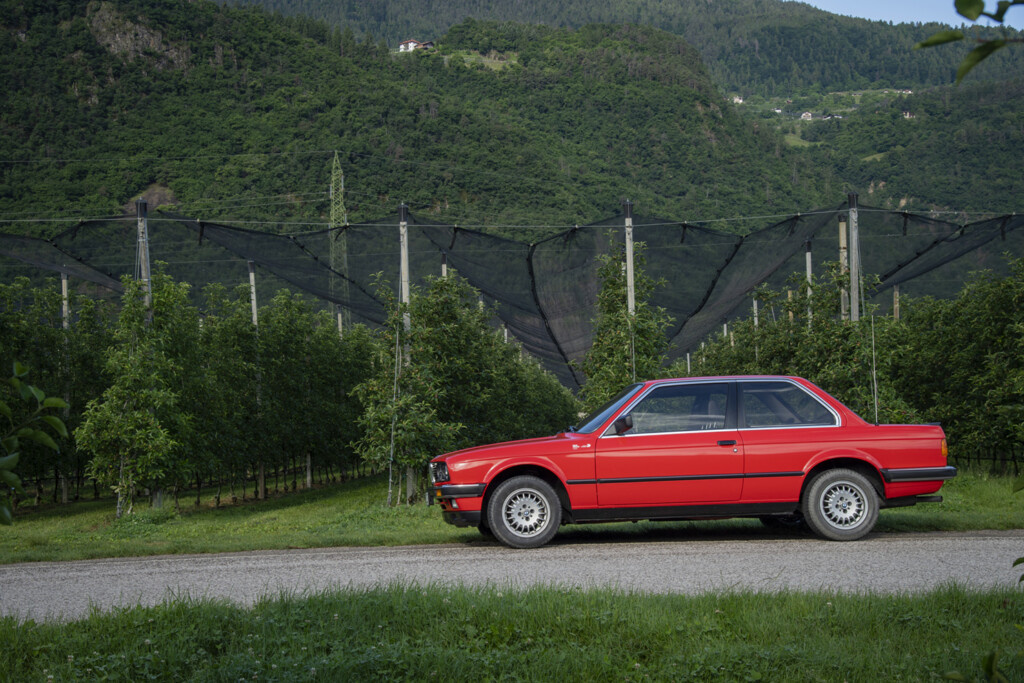
The car everyone wanted to beat
Look through the history of the premium sedan segment, and you will find a long list of cars developed with the 3 Series somewhere in their sights.
Mercedes-Benz built successive generations of the C-Class.
Audi developed the A4 and now the A5.
Lexus created the IS.
Alfa Romeo gave us the Giulia.
Jaguar produced the XE.
Cadillac took aim with the ATS.
A growing number of Chinese manufacturers are now entering the same space with sophisticated electric sedans.
Their interpretations vary enormously.
Some focus on refinement. Others emphasise technology, value, acceleration or luxury.
The continued pursuit of the 3 Series formula shows how influential it became.
BMW created a template others considered worth chasing.
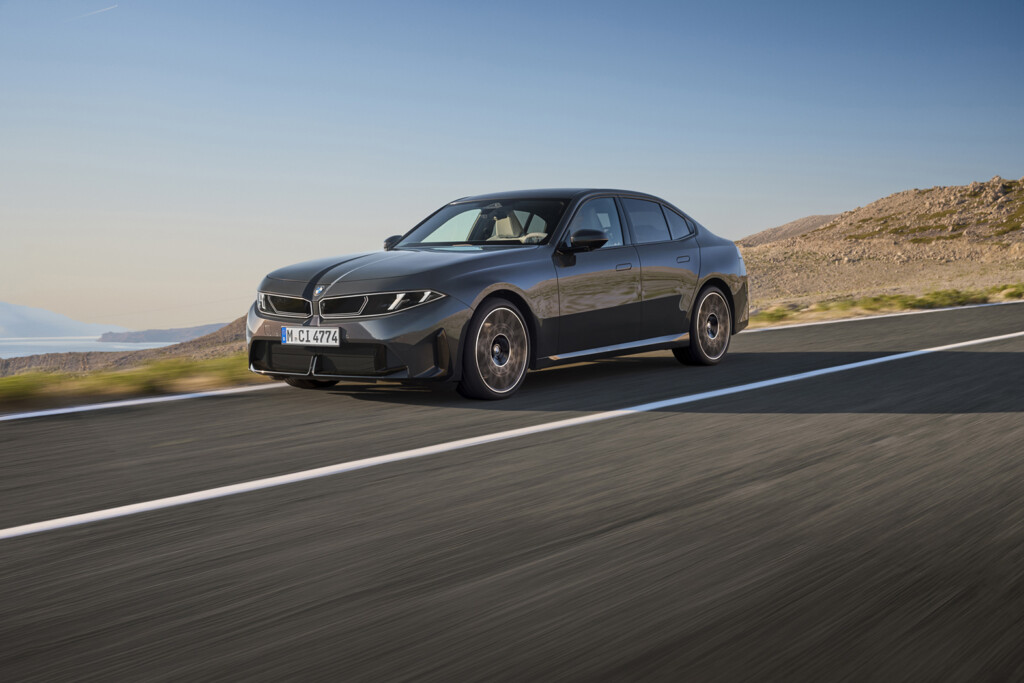
The new BMW 3 Series changes the proportions again
Now we arrive at the eighth generation.
This may be one of the most significant visual changes in the model’s history.
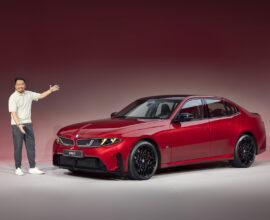
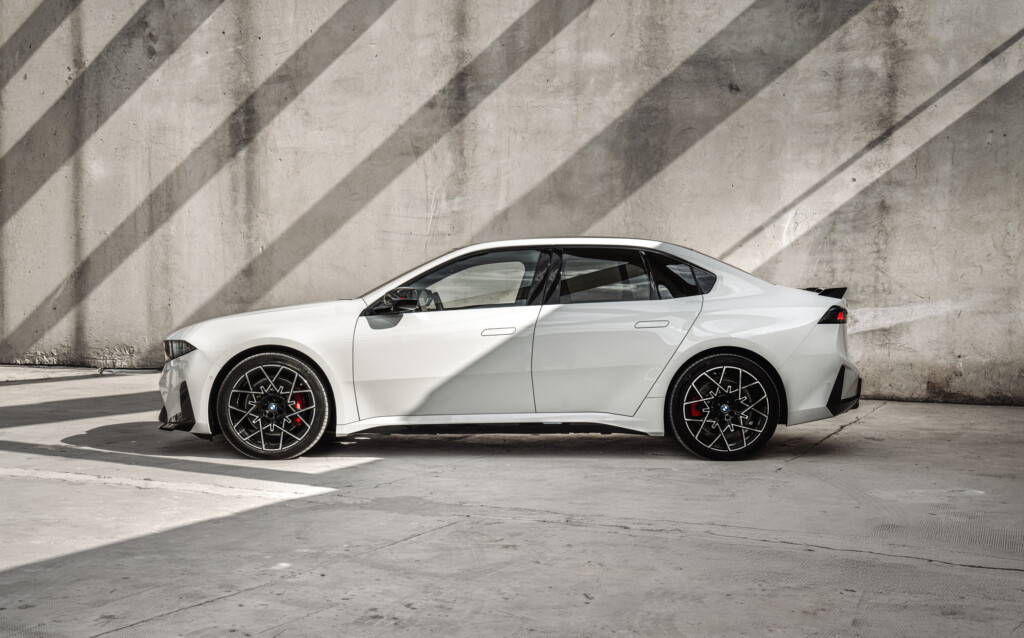
BMW has carried its Neue Klasse design language into the new 3 Series, giving the petrol and electric versions a closely related identity.
The silhouette is especially interesting.
A long wheelbase combines with short overhangs, pronounced shoulders and a greenhouse pushed rearwards. The result feels almost architectural compared with the relatively conventional three-box proportions still used by many sedans.
Up front, BMW’s familiar kidney grille and four-eyed lighting signature have been completely reinterpreted.
The overall impression is clearly BMW, yet it does not look like every other premium sedan.
That is increasingly important.
Modern EVs have begun converging around similar aerodynamic solutions: smooth bodywork, short noses, flush door handles, sweeping rooflines and increasingly minimalist faces.
Distinctiveness is becoming harder.
The new 3 Series makes a fairly bold attempt to establish its own silhouette again.
BMW describes the eighth generation as bringing Neue Klasse design and technology into the heart of the brand.
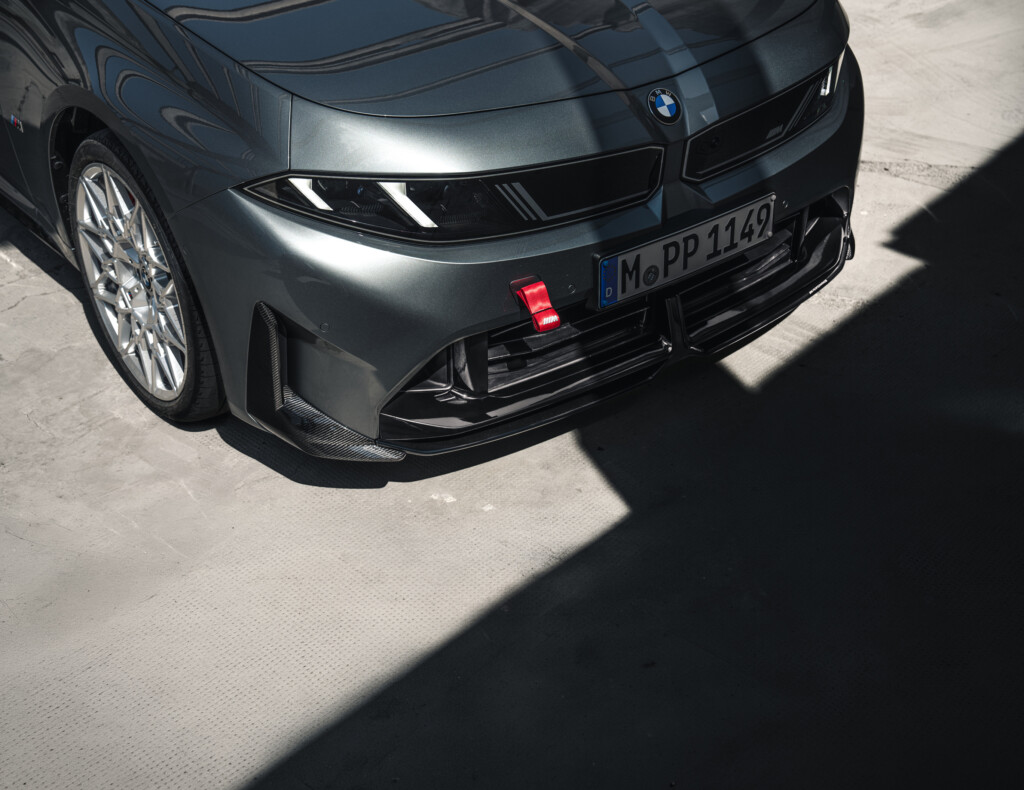
Petrol power is evolving too
Electrification does not begin and end with a charging port.
The new petrol-powered 3 Series models also adopt 48V mild-hybrid technology.
For global markets, the range includes familiar names such as the BMW 318, BMW 320 and six-cylinder BMW M350 xDrive, although individual market line-ups vary. BMW has confirmed that the combustion-powered cars use 48V electrical assistance as part of the new generation.
The idea is straightforward.
Electrical assistance can support the engine, recover energy during deceleration and help improve efficiency and response.
You still have a petrol engine doing the majority of the work.
Electrification simply becomes another tool within the drivetrain.
For anyone researching the BMW 320 Singapore, BMW 318 Singapore or future BMW 3 Series Singapore range, this will be an important part of the story as BMW transitions towards greater electrification.
Exactly which derivatives eventually reach Singapore will depend on BMW Asia’s local product plans.
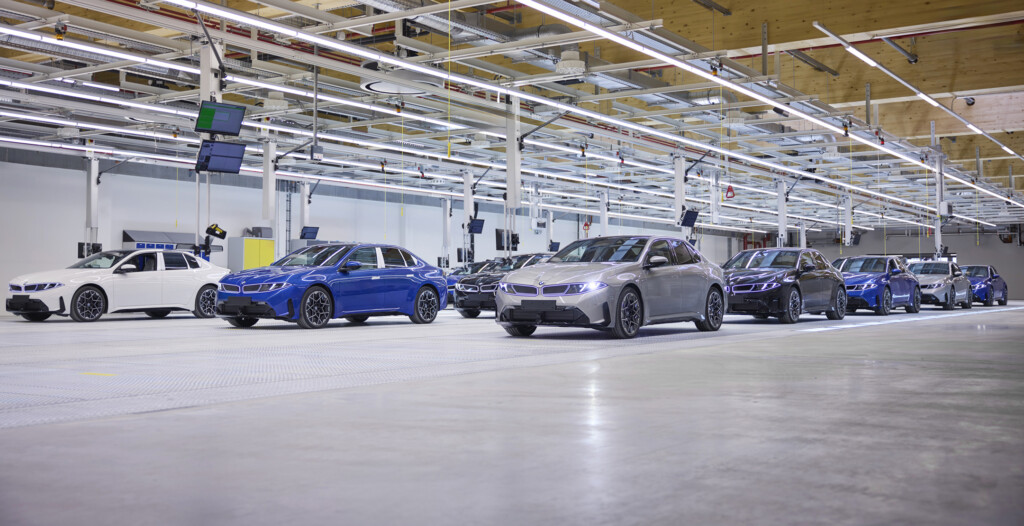
Then comes the electric BMW i3
For the first time, the 3 Series family also includes a fully electric model built around BMW’s Neue Klasse architecture.
The new BMW i3 moves the nameplate into very different territory.
BMW currently offers the i3 40 xDrive and i3 50 xDrive in selected markets, with the latter capable of more than 900km of provisional WLTP range depending on specification. The platform also introduces sixth-generation BMW eDrive technology and high-speed 800V charging.
That gives BMW customers several ways to interpret the same idea.
One uses petrol with mild-hybrid assistance.
Another runs entirely on electricity.
Both share the same broader design philosophy.
That may become a defining characteristic of the next-generation BMW 3 Series.
An EV still needs personality
Electric cars have already demonstrated that they can be fast.
Very fast.
Acceleration is perhaps the easiest part.
Creating character is more difficult.
Drivers remember subtler things: steering weight, how a chassis takes a set through a corner, how confidently the brakes respond, and how relaxed a car feels after several hours on the North-South Highway.
Those qualities rarely dominate specification sheets.
They frequently determine whether you enjoy living with a car.
BMW appears acutely aware of this challenge.
Neue Klasse introduces the company’s new Heart of Joy control architecture, integrating driving dynamics functions far more closely than previous systems. The technology is also being adapted for the combustion-powered 3 Series.
Software becomes part of the chassis philosophy.
The goal remains familiar: make the car respond naturally to its driver.
Why the BMW 3 Series has always made sense in Singapore
The 3 Series has always been particularly well suited to Singapore.
Its dimensions suit our roads. A premium interior makes daily commuting pleasant, and the chassis remains capable enough for longer journeys north into Malaysia.
That breadth matters.
A luxury sedan in Singapore spends plenty of time in traffic, carparks and expressways. Owners still appreciate having something enjoyable when opportunities arise to drive beyond the city.
The new generation adds another dimension through electrification.
Searches for BMW i3 Singapore, BMW 3 Series Singapore, BMW 320 Singapore and BMW 318 Singapore will increasingly reflect buyers deciding not only which engine they want, but which interpretation of the 3 Series suits their lives.
EV charging access, road tax, COE, local specification and pricing will all influence that decision.
Driving character should remain part of the conversation too.
Fifty years later, the formula still works
The automotive world of 2026 would have been almost unimaginable when the first 3 Series appeared in 1975.
Turbocharging became commonplace. Digital cockpits replaced analogue gauges. Safety technology advanced dramatically. China grew into one of the world’s largest premium-car markets, and electrification began transforming the entire industry.
Artificial intelligence and software are now changing the car again.
Through it all, the core appeal of the BMW 3 Series remains surprisingly easy to understand.
Comfort matters. Practicality matters too. Safety provides the foundation, and distinctive design gives a car its identity.
Driving enjoyment completes the equation.
Transport can serve a purpose and still bring joy.
A family sedan can be comfortable, responsible and enjoyable on a good road.
A Touring can carry everyone and everything you need, then still make you look forward to the next corner.
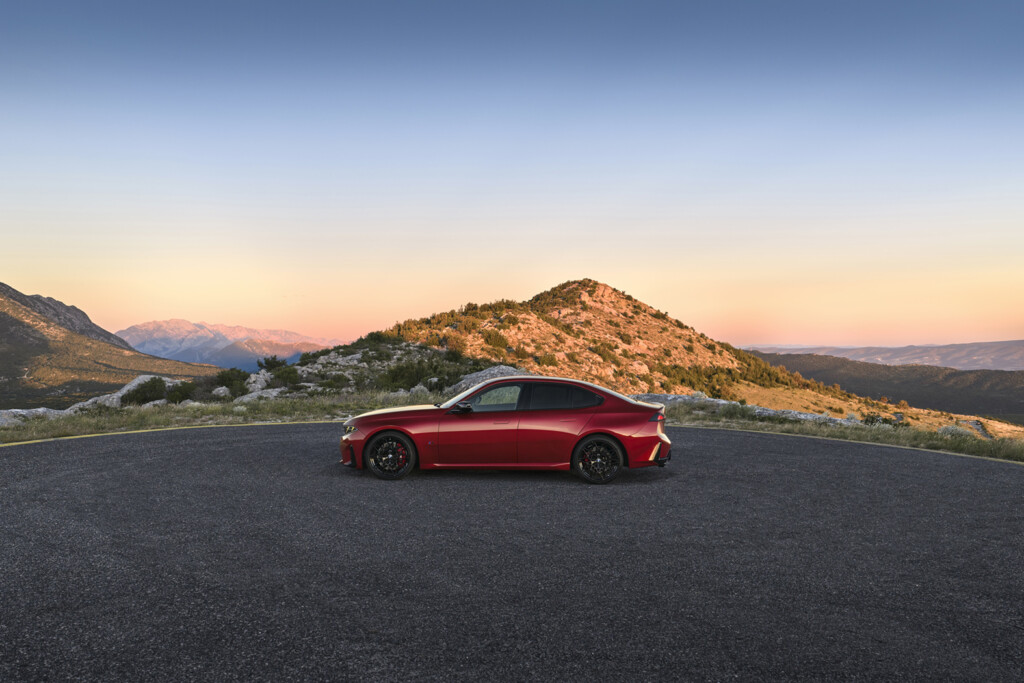
For more than five decades, the BMW 3 Series has shown how those qualities can come together in one car.
That explains why so many manufacturers have spent so long chasing the formula.
As the industry moves into another new era, the 3 Series remains one of the clearest benchmarks for what a great premium sedan or Touring should be.