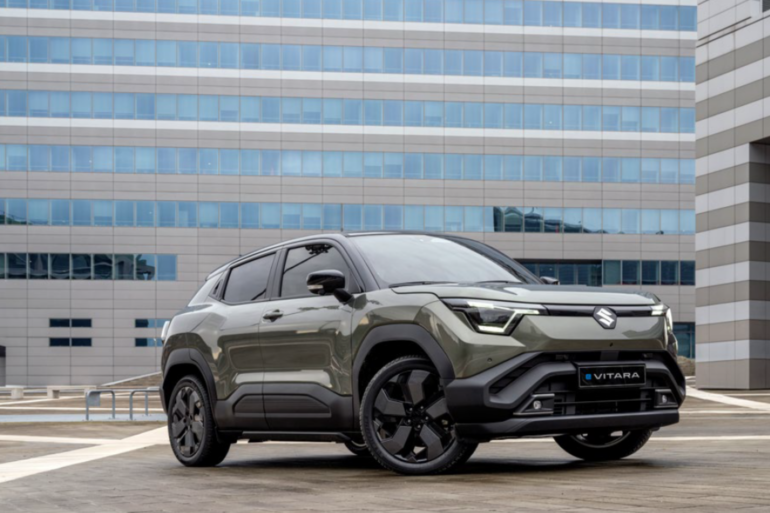
Champion Motors Singapore has officially launched the all-new Suzuki e Vitara, the Japanese manufacturer’s first fully electric passenger vehicle.
This is Suzuki placing one foot firmly into the electric era while attempting to retain the values that have defined the Vitara since 1988: practicality, accessibility and ease of use.
“The e Vitara represents a definitive new chapter for Suzuki in Singapore. It delivers the reliability, practicality, and ease of use that our drivers have trusted for decades, paired with a highly efficient electric powertrain. We believe electrification should simplify daily driving, not complicate it. The e Vitara allows Singaporeans to transition to electric mobility seamlessly, without compromising on functional space or driving confidence.”
Ng Khee Siong, Managing Director of Champion Motors Singapore.
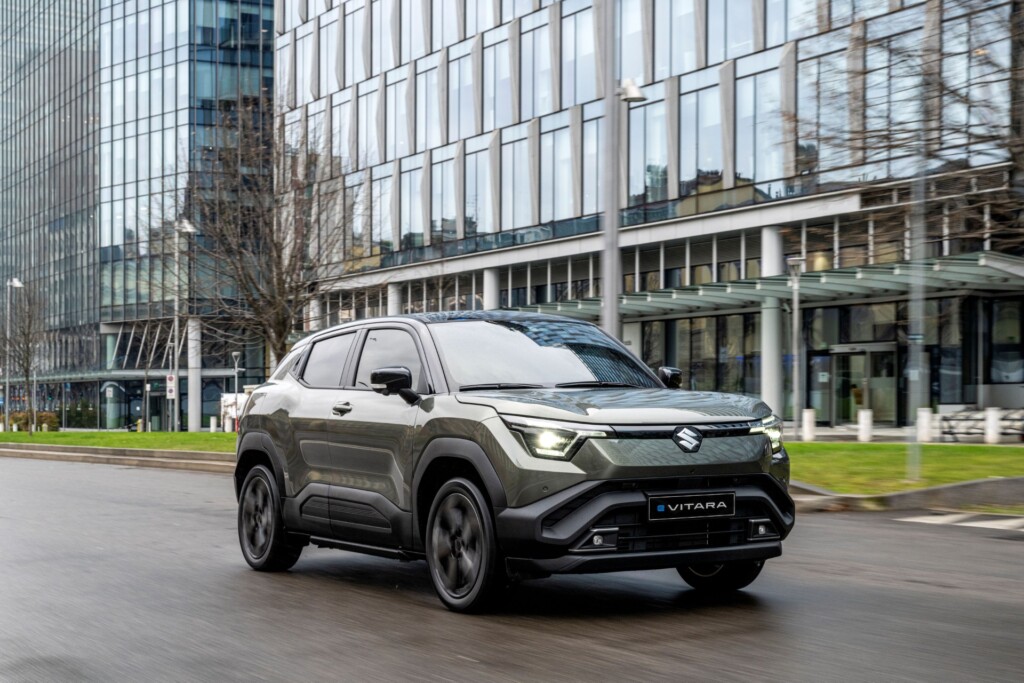
The e Vitara is not an existing petrol-powered SUV with its engine removed and a battery squeezed into the vacant space. It has instead been developed from the outset as a battery electric vehicle, or BEV, using Suzuki’s new HEARTECT-e platform.
This dedicated architecture employs a lightweight, high-rigidity structure designed around the positioning and protection of the battery. It also allows Suzuki to maximise cabin space while maintaining stable driving characteristics.
Power comes from a 49kWh lithium-ion battery paired with a 106kW electric motor. That works out to approximately 142bhp, accompanied by 193Nm of torque.
The e Vitara measures 4,275mm long, 1,800mm wide and 1,635mm tall, with a 2,700mm wheelbase. These dimensions place it comfortably within the compact SUV segment, providing enough space for passengers without becoming an oversized burden in older multi-storey car parks.
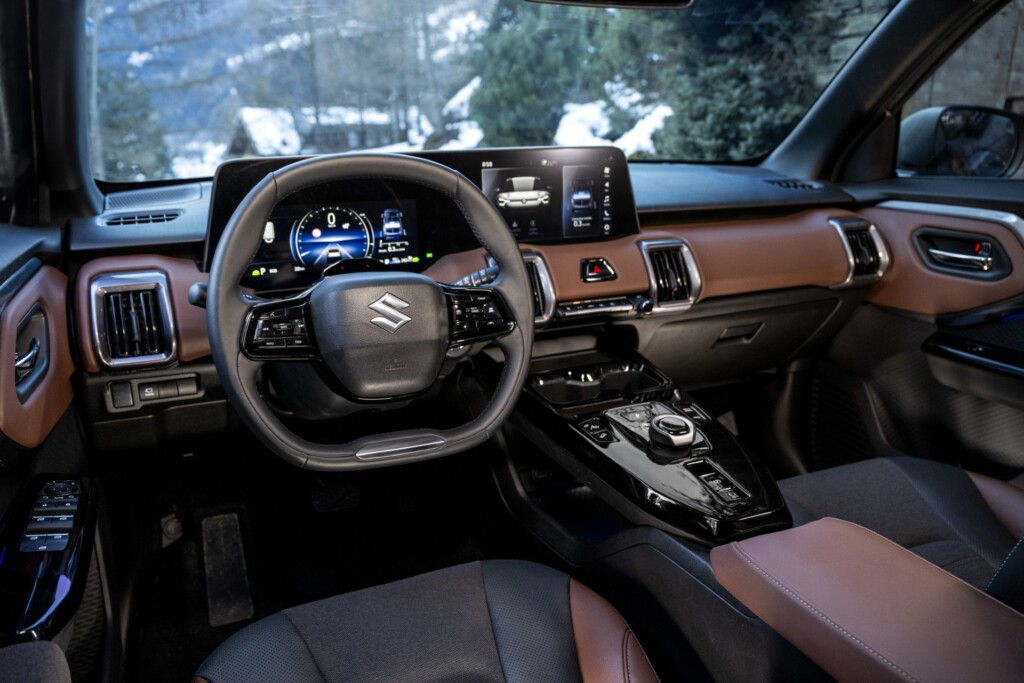
A 10-inch digital Multi-Information Display sits beside a 10-inch multimedia touchscreen, with wireless Apple CarPlay and Android Auto compatibility. USB-A and USB-C ports are positioned around the cabin.
Physical buttons and tactile switches remain available for commonly used controls such as the air-conditioning, fan speed and audio volume.
The cabin also includes automatic climate control, a leather-wrapped multifunction steering wheel, a selectable Sport mode and a 360-degree camera system. The rear seats employ a 40:20:40 split-folding arrangement, offering greater flexibility when carrying long or bulky items.
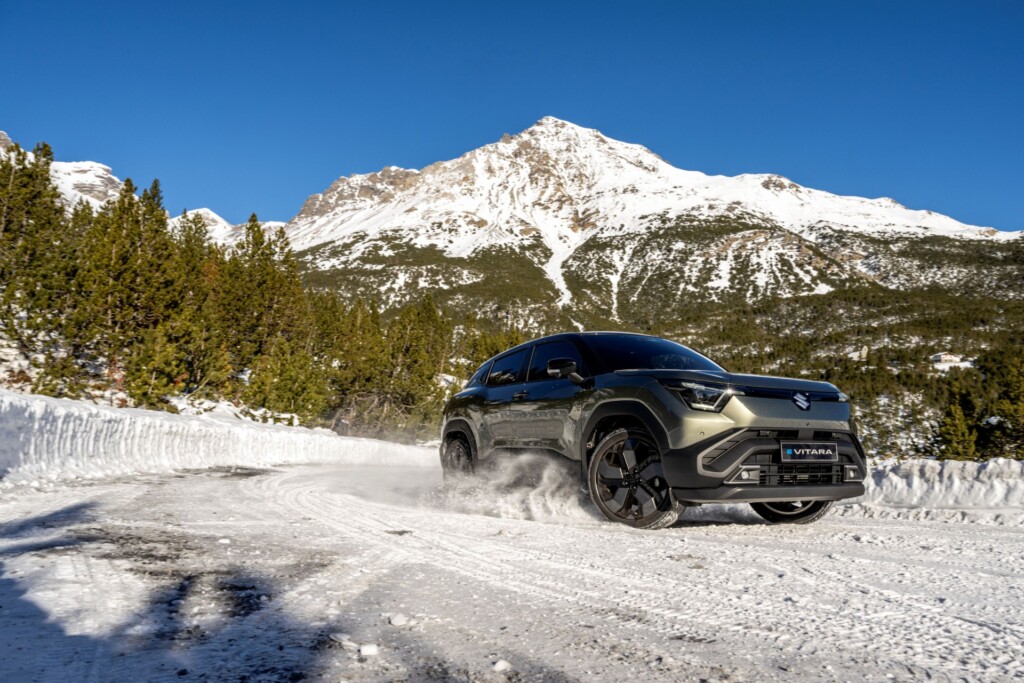
The e Vitara offers a claimed driving range of up to 345km under the WLTP testing cycle. For motorists travelling between home, the office, school and the occasional supermarket, a full battery could potentially cover several days of use before charging becomes necessary.
The car also comes equipped with a broad suite of advanced driver-assistance systems. These include Dual Sensor Brake Support, adaptive cruise control, lane-keeping assistance, lane-departure warning and a weaving alert system. Hill-hold assistance is also included, together with an electronic stability programme and anti-lock brakes with electronic brake-force distribution.
A 360-degree camera provides an overhead-style view during low-speed manoeuvres, which should be particularly valuable in tight parking spaces.
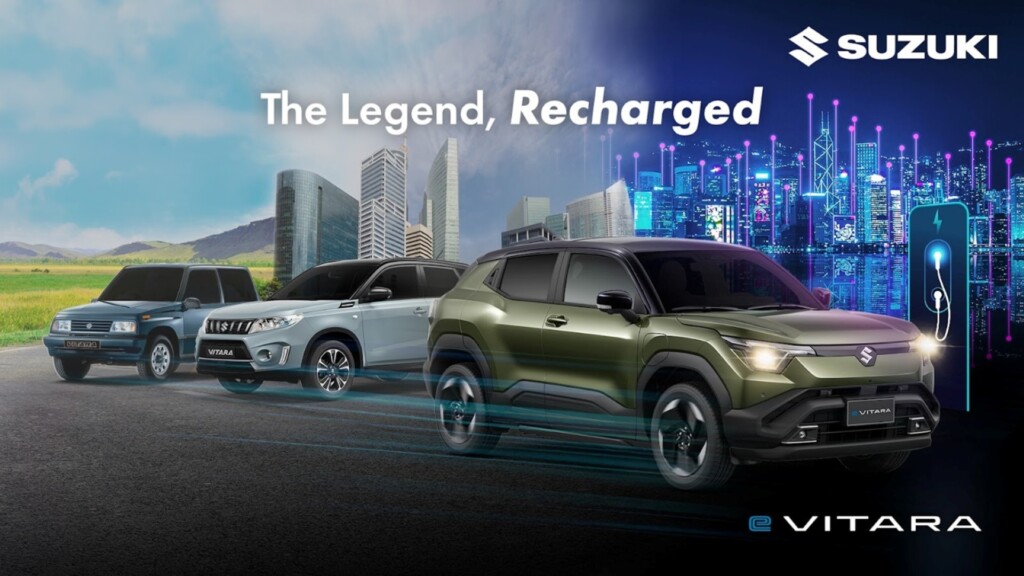
Since its debut in 1988, the Vitara has evolved through several generations and interpretations. It has worn different shapes, adopted different technologies and gradually become more refined. Yet its basic character has remained fairly consistent. It is intended to be a usable SUV for ordinary motorists rather than a lifestyle accessory masquerading as transport.
The e Vitara carries that philosophy forward, but through an entirely new mechanical foundation. It represents the start of a new electric chapter. Yet beneath the battery, screens and charging hardware, the philosophy remains reassuringly familiar: keep it practical, keep it approachable and, above all, keep it simple.
Read more automotive news at AutoApp, or check out our latest videos on YouTube and on TikTok!