We take a look at 10 noteworthy brands with truly innovative concept cars that were presented at Japan’s largest motorshow.
The 2025 Japan Mobility Show had just concluded, and many carmakers present were determined to show the world that the future of the automobile is in good hands.
From six-wheeled people movers to modular “build-it-yourself” cars, Japan’s largest biennial motoring event was certainly not lacking in surprises and technological innovations. Here’s a brief walkthrough of some notable highlights of the show!
TOYOTA
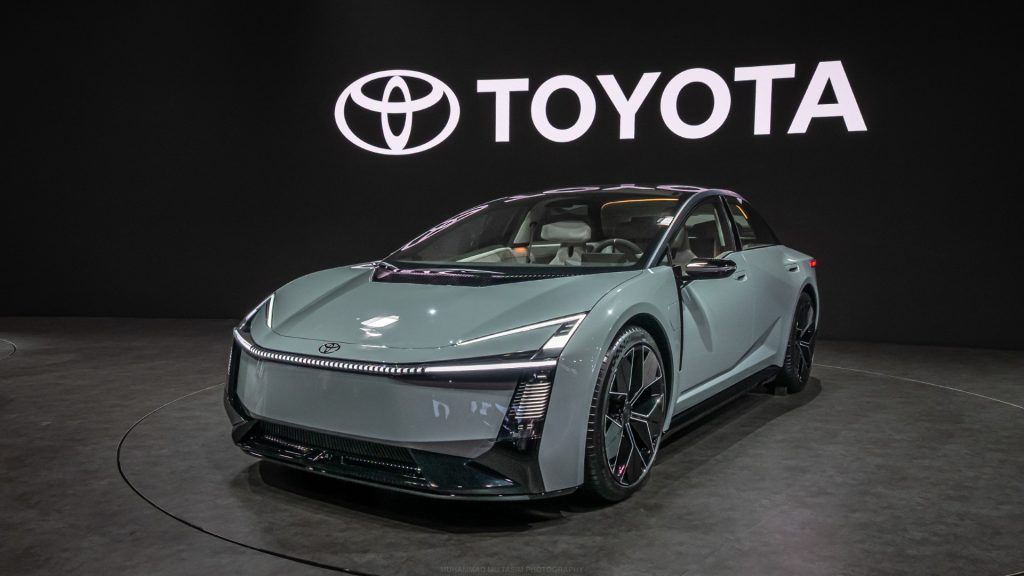
Headlining the motorshow is Toyota, with an entire catalogue of radical concept cars and prototypes on display. A sleek, next-generation Corolla concept car took centre stage at the press briefing, showing off an evolved design language while still retaining the classic three-box silhouette.
Toyota CEO Koji Sato also shared that many car owners share the desire to own “cool-looking cars”.
Said Sato-san, “Whether it’s a battery EV, plug-in hybrid, hybrid, or internal combustion engine vehicle, whatever the power source, let’s make good-looking cars that everyone will want to drive!”
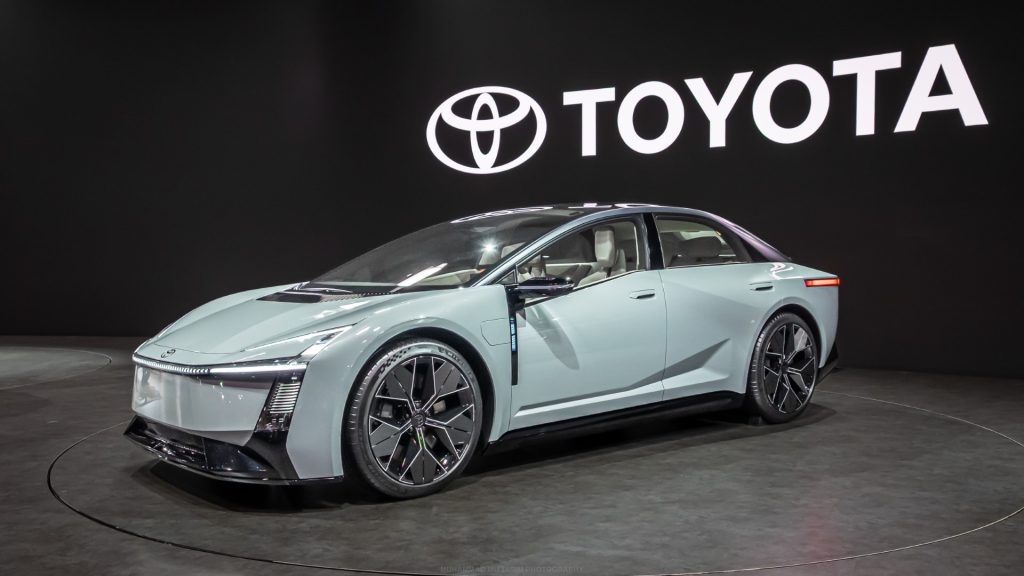
There, he hinted at the future of the Corolla’s powertrain being diverse, ranging from being full electric to hybrid to ICE, addressing the energy realities that different regions around the world face. Many new inventions in the prototype that will make “everyone want to drive” were also promised by the Toyota chief, although details were not shared in the presentation.
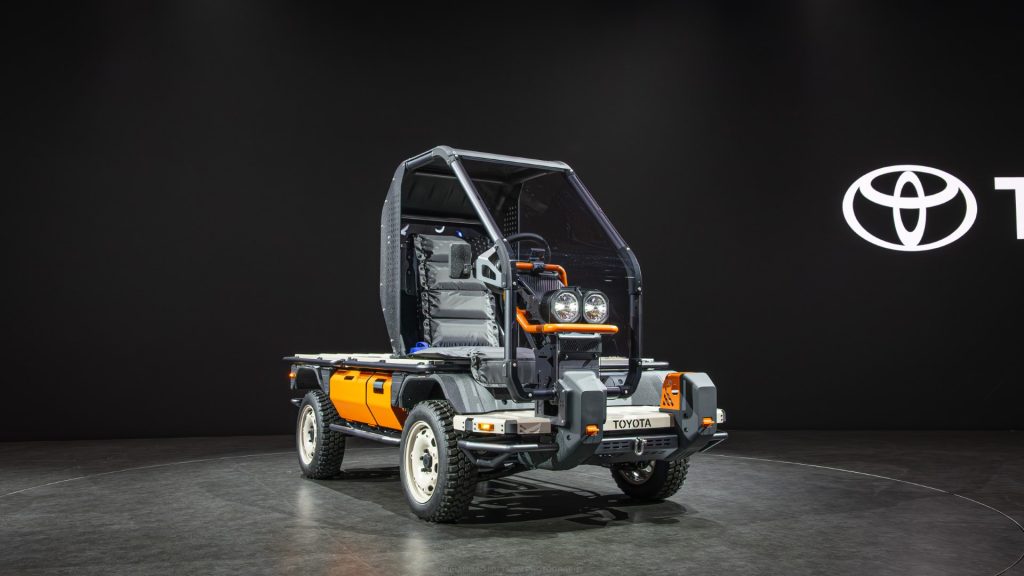
Also making waves is the IMV Origin, a modular vehicle with refreshingly bare looks. This light utility truck is designed to be delivered to customers – primarily aimed at those living in rural villages in Africa – in an incomplete package.
But there is a very good reason (actually two) behind this strategy. For one, it’s meant as a catalyst for job creation in such environments, where people can be trained to assemble vehicles such as the IMV Origin. This, in turn, will supposedly spur a whole new industry in the regions. The second reason is to allow customers to define the car according to their needs, building one that’s more suited to carry cargo, or one to prioritise moving many passengers.
CENTURY
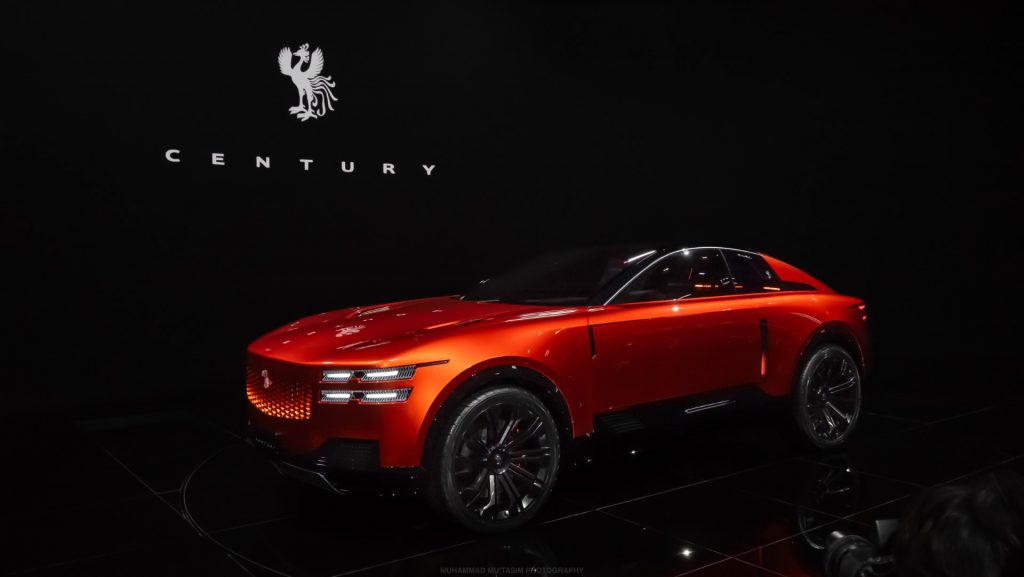
At the Century booth, Toyota Motor Group president Akio Toyoda unveiled the Century Coupé concept, marking a new chapter in the marque’s story.
Just a few weeks after it was announced that the Century brand would be spun off into an ultra-luxury carmaker positioned above Lexus, the snazzy luxury grand tourer’s finally set to define the brand’s lofty ambitions.
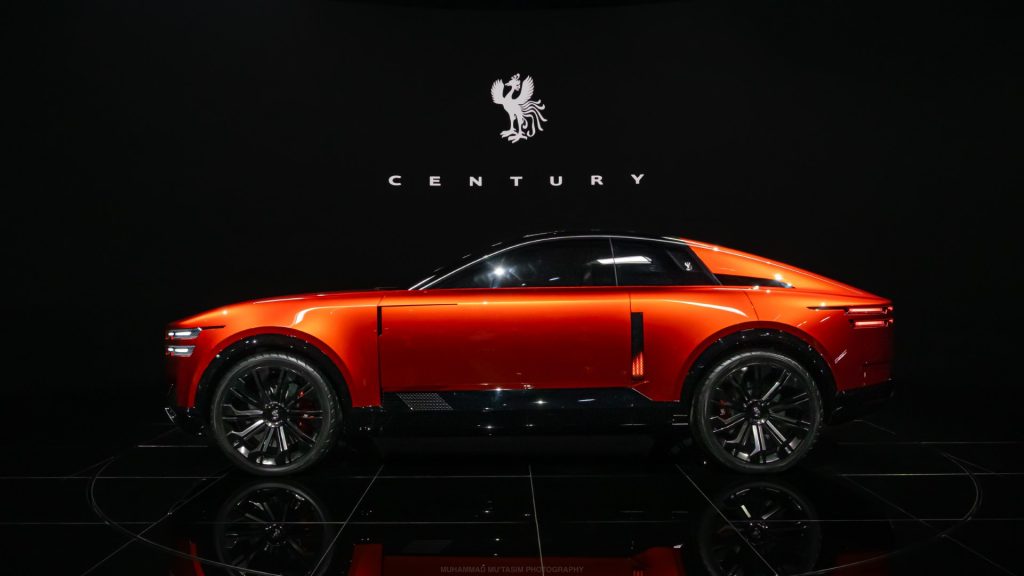
Its dimensions are physically imposing, with a long sweeping bonnet hiding an undisclosed powertrain, 24-inch wheels, and sliding doors that reveal a spacious four-seater cabin. Its paintwork is also nothing short of dazzling, which is said to be 60 layers thick.
Only time will tell when the Century Coupé will go into production, but one thing’s for sure – the folks at Goodwood and Crewe now have a very real, and very opulent threat from Japan.
LEXUS
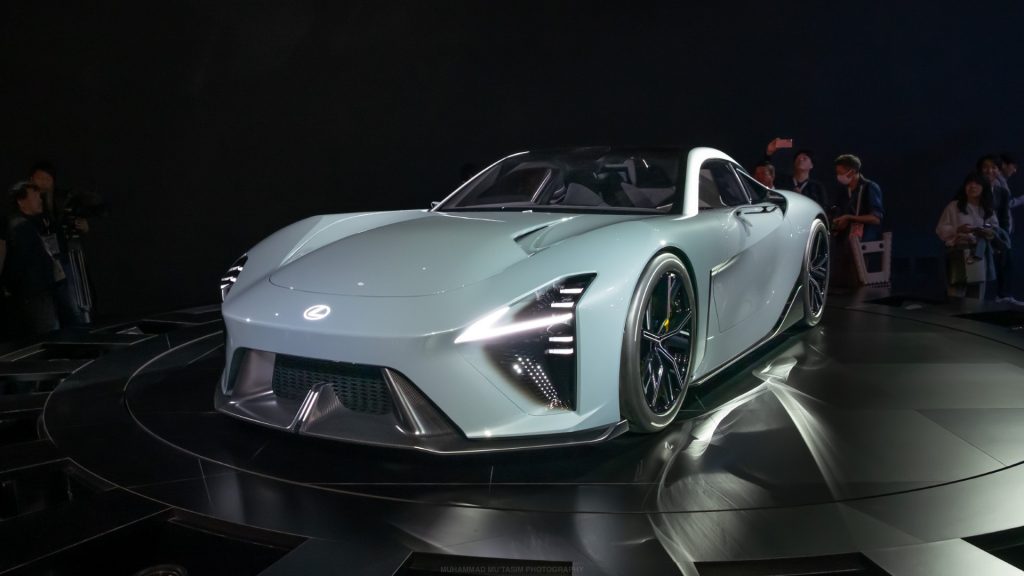
The Century Coupé wasn’t the only two-door from Toyota Motor Corporation (TMC) to bask in the limelight at JMS 2025. Lexus, the group’s mainstream luxury arm, unveiled the much-anticipated Sport Concept, hinting at a much-anticipated LFA successor.
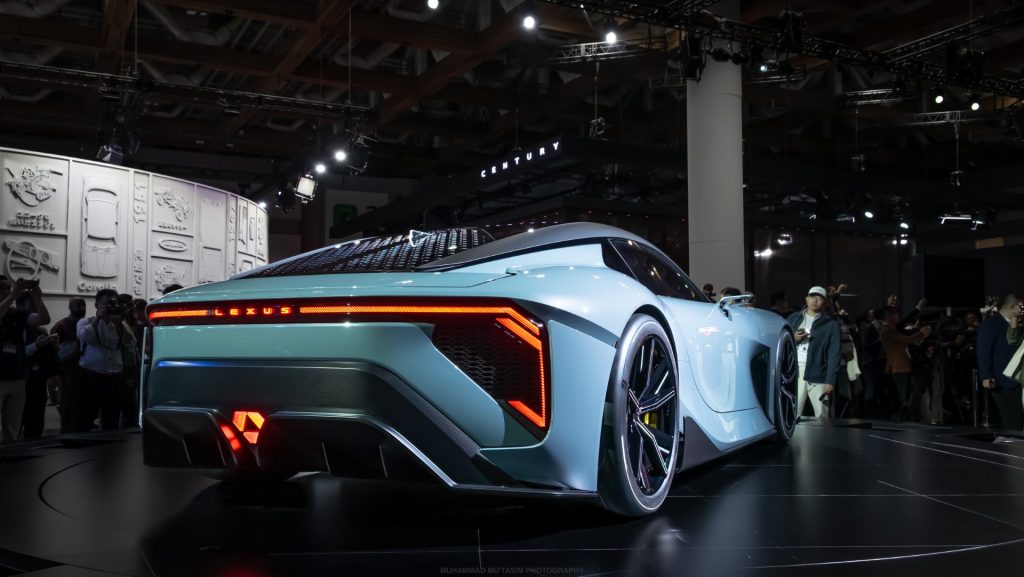
With its low-slung, sleek profile, and muscular bodywork, the Sport Concept is not pulling any punches in the design department. Exquisite LED lights adorn the front and rear fascia a la Tron, further accentuating the sports car’s wide proportions. And thankfully, Lexus has finally moved away from the polarising “Spindle Grille” design language, with the Sport Concept featuring a cleaner, less complex set of air intakes up front.
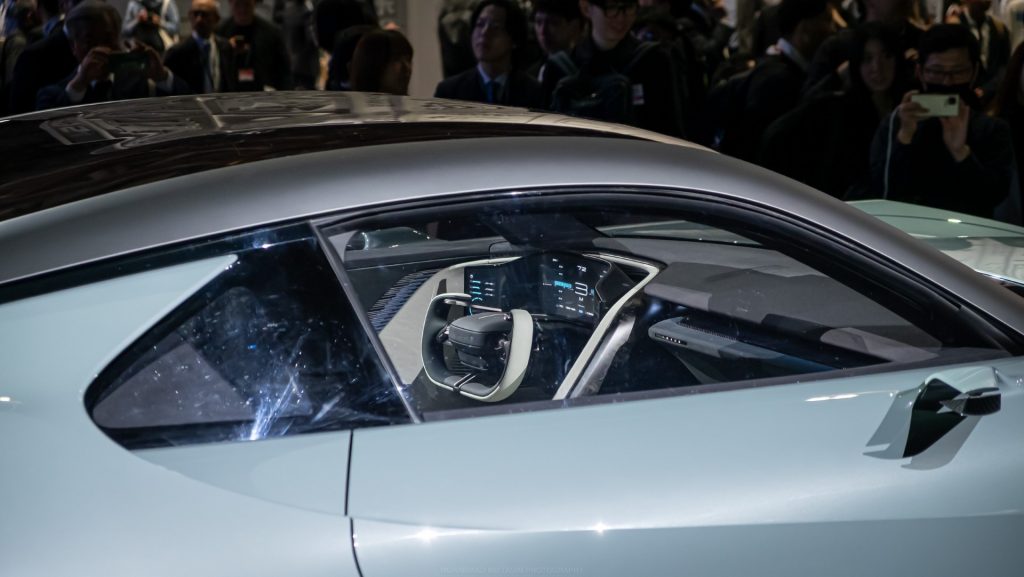
The drama continues inside, with a driver-focused cockpit that includes a yoke-style steering wheel with shifter paddles and a curved digital display that shows crucial telemetry data.
TMC’s chief engineer for their Powertrain Product Planning division, Takashi Uehara, also effectively confirmed that the Sport Concept will be powered by a twin-turbo V8 with some form of hybrid electrification. However, details such as the power and torque outputs are still being kept secret.
HONDA
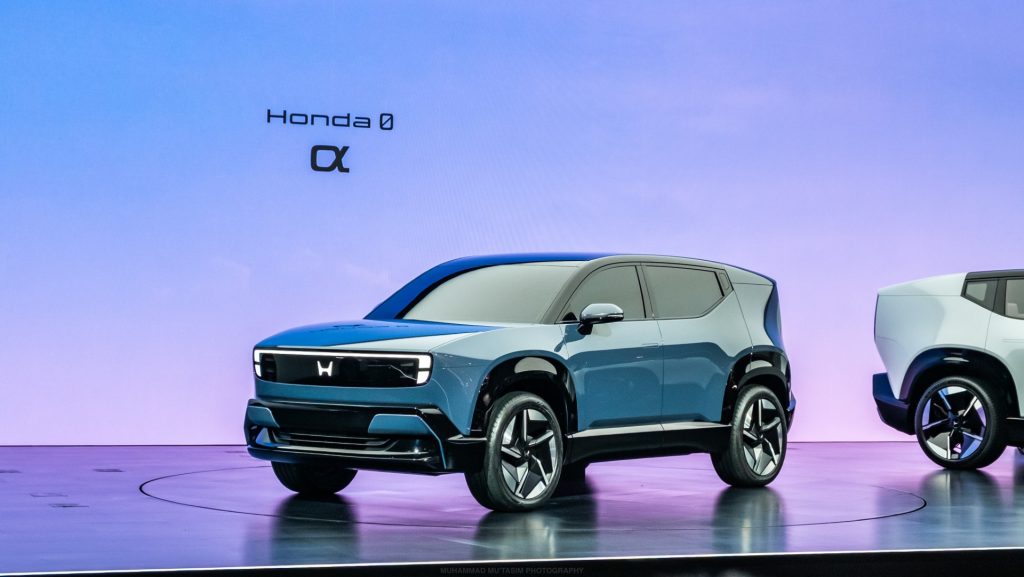
Honda graced the crowds with their latest 0 α (alpha) SUV prototype. Heralded as the “gateway model” for the brand’s all-electric Series 0 lineup, the mid-size off-roader seems to tick all the right boxes – simple and clean design, uniquely Honda features like pillar-mounted rear door handles, and a muscular silhouette that gives it some road presence.
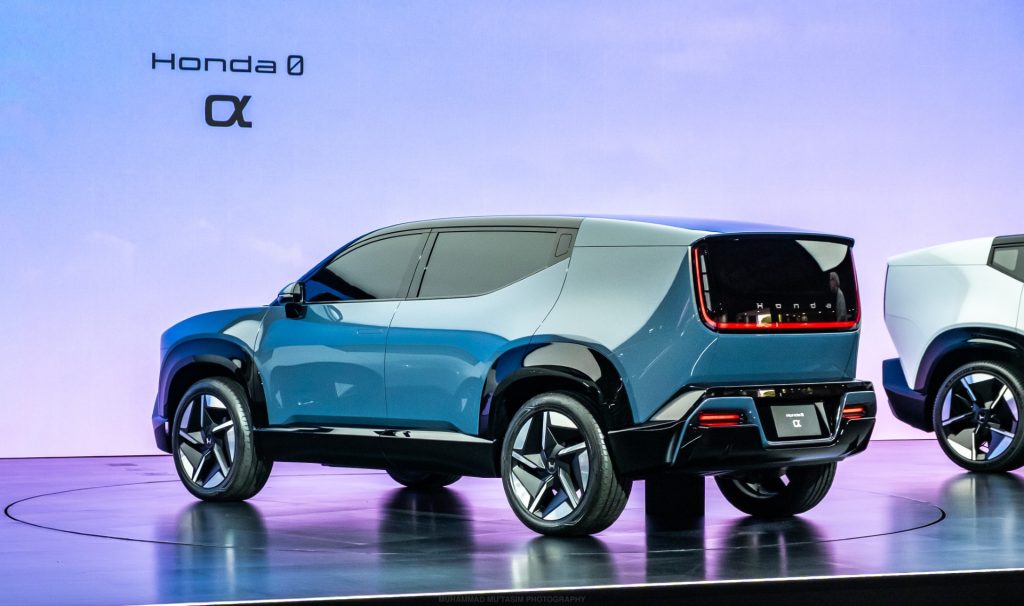
Taking inspiration from India’s road conditions and the significance of car ownership among young households there, the 0 α aims to meet the needs and show that Honda is able to bring to the table global values – not just Japanese ones – to their global car.
Like most other prototypes present at JMS 2025, technical details of the 0 α have been scarce, but Honda plans to bring the crossover into production sometime in 2026.
MAZDA
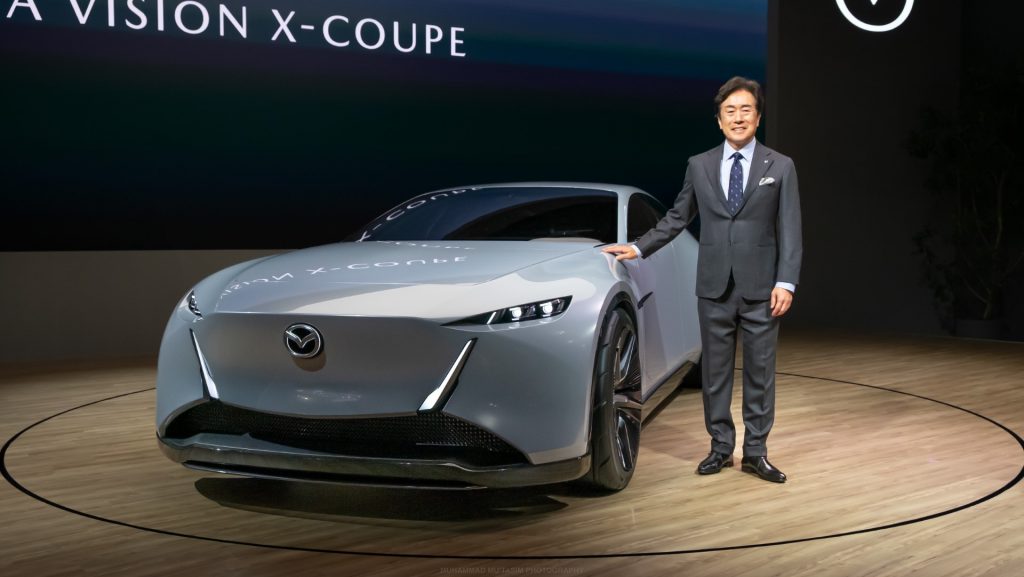
Hiroshima-based carmaker Mazda unveiled their latest Vision X-Coupe concept car, taking a leaf from their Showa-era heydays and then retrofitting it into a vehicle designed for the future.
And by that, we are referring to rotary power, which the Vision X-Coupe packs under the bonnet. Powering the sleek Mazda four-door prototype is a turbocharged twin rotor engine with plug-in hybrid technology, altogether producing 503hp, an electric-only range estimate of 160km, and up to 800km when the biofuel-powered engine comes alive.
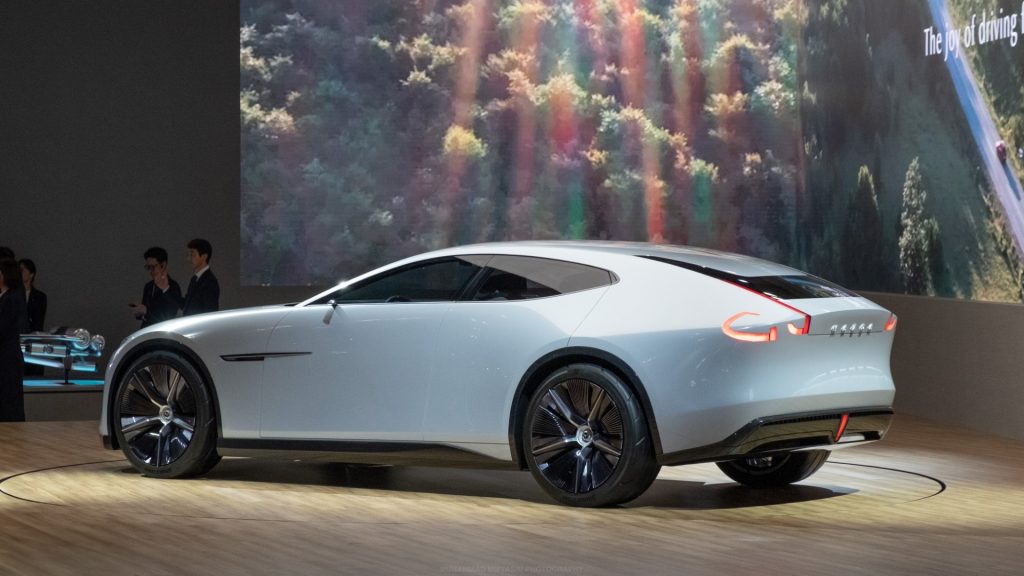
Speaking of which, said biofuel from Mazda is derived from microalgae, which the carmaker insists can reduce carbon emissions by up to 90 percent. Paired with their other CO2 carbon-capturing innovation, the Mazda Mobile Carbon Capture, and you are looking at a carbon-negative future with the car.
Still, this is still an early prototype, and much fine-tuning will still be needed to make these technologies feasible and ready for volume production. But if anything, this is a declaration to the world that yes, the mighty rotary engine will live on.
HYUNDAI
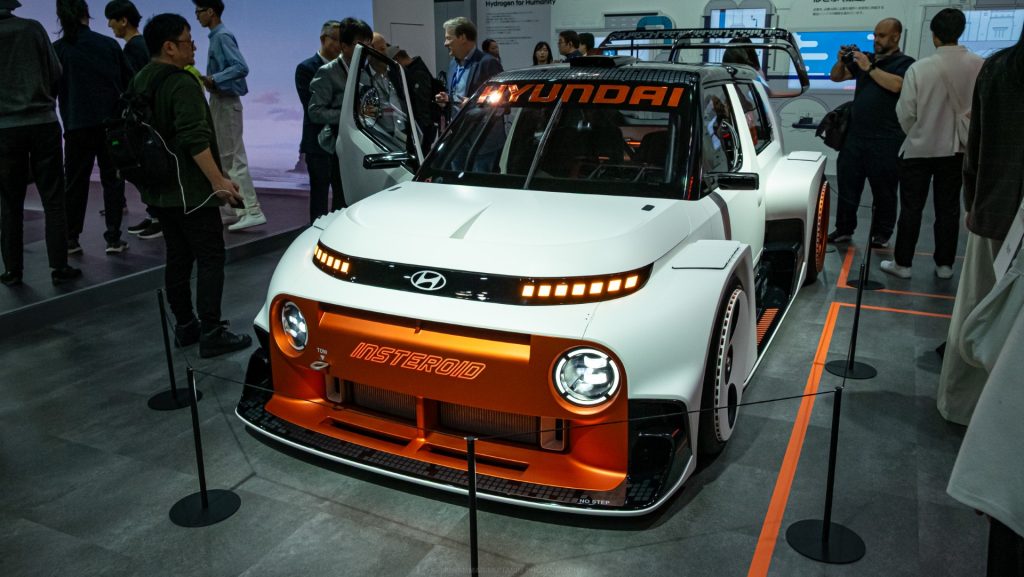
South Korean car giant Hyundai is well-known for going looney with their concept cars (i.e. Vision N 74 and RN22e). This time is no different, with their mad scientists taking a crack at the Inster electric hatch. Enter the Insteroid.
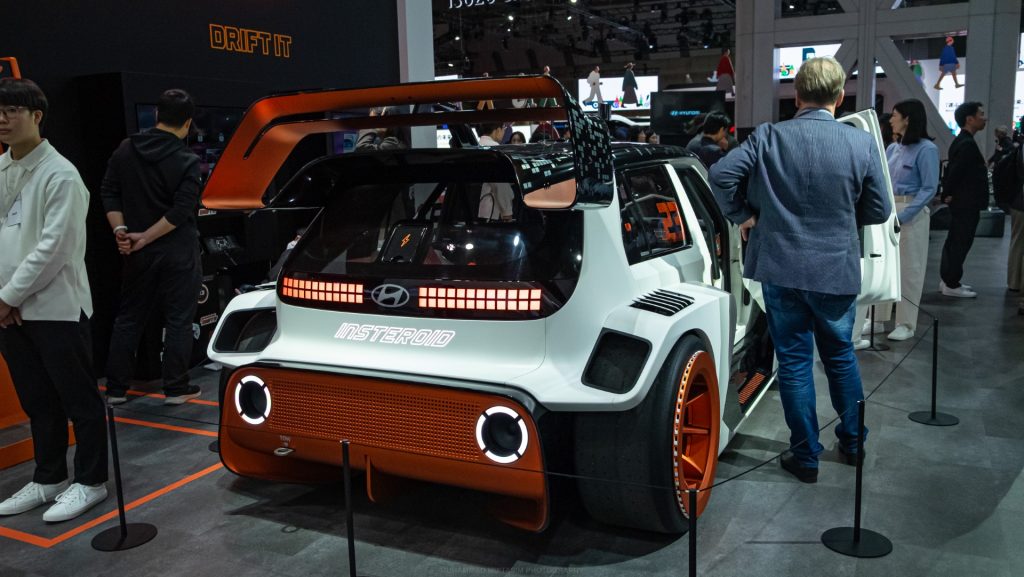
Like its name suggests, this widebody Hyundai combines the cutesy design elements of the Inster with a highly potent dose of steroids. Videogame-inspired details, outlandish wheel designs, and larger-than-life wheel arches that could easily double as benches dominate the exterior.
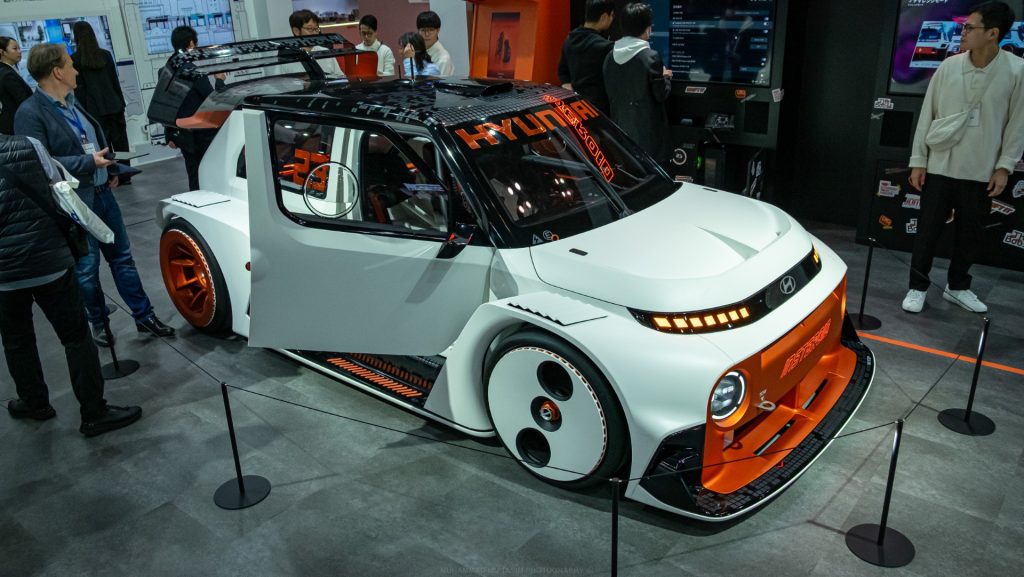
The madness continues inside, with a stripped-out cabin that houses a pair of bucket seats, steampunk-like digital gauges, and an all-round rollcage. Its powertrain is lifted off of the Ioniq 5 N, which is just as insane but with a sleeker, more serious look.
No word on whether Hyundai will greenlight the Insteroid for production, or whether it’s just an exercise for the boffins in Seoul to let off some steam.
MERCEDES-BENZ
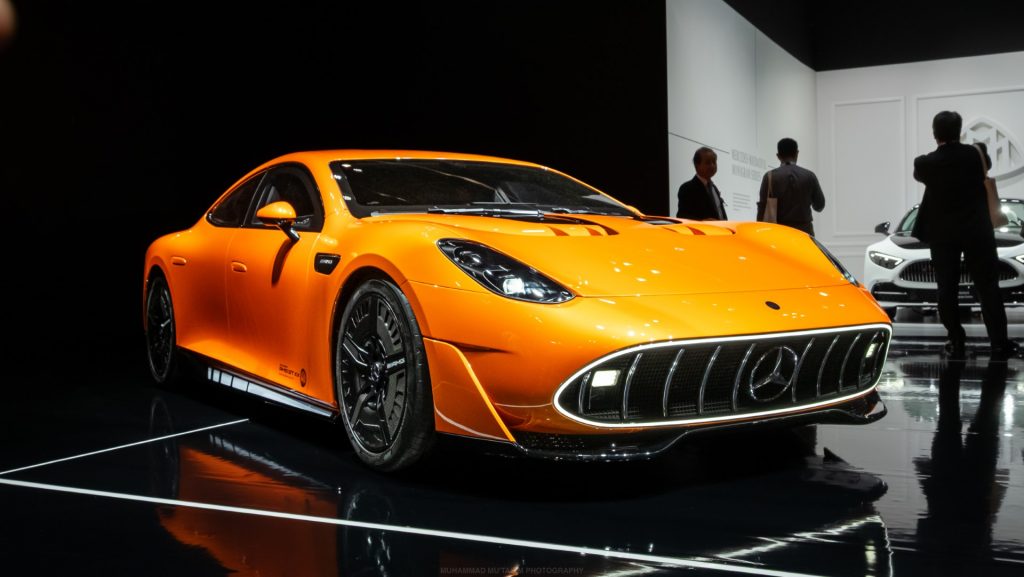
The Three-Pointed Star brought out several all-new models to the Japan Mobility Show: the Concept AMG GT XX concept, the all-new CLA electric car, and the GLC electric SUV.
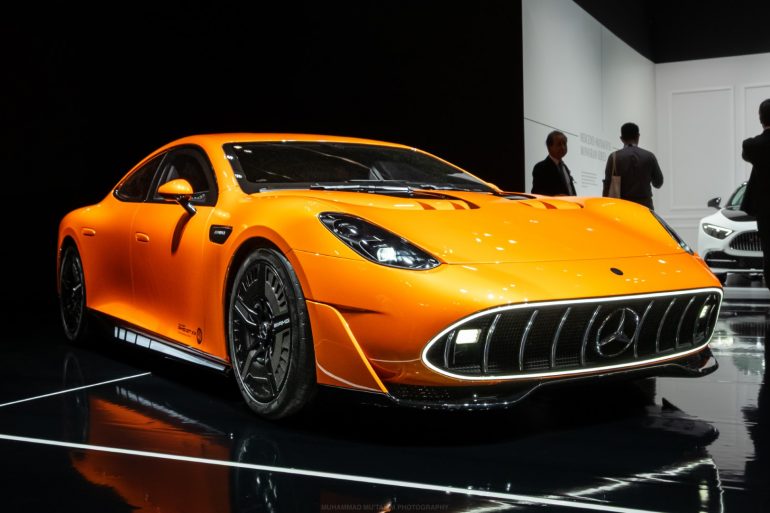
We were able to get up close and personal with the tri-motor coupé prototype, which recently broke several long-distance world records, clocking 40,075 kilometres in 7 days and 13 hours. In other words, the car essentially drove around the world in less than 8 days. And with advanced battery technologies, it was able to charge at more than 850kW, at 1000 ampere, making the pit stops for recharging lightning fast (no pun intended).
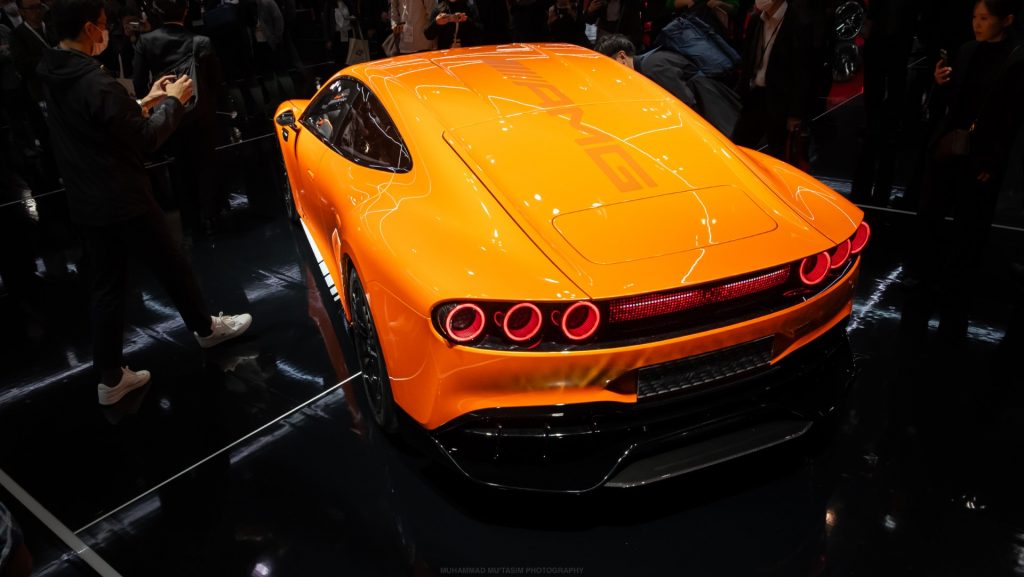
Resembling a modern-day interpretation of the 70s C111/II concept car, the Concept AMG GT XX features a rounded-off wedge-like body finished in metallic orange paintwork. Six circular LED tail lamps dominate the rear fascia, flanking an LED panel that can read out custom messages and even the current state of charge for the battery.
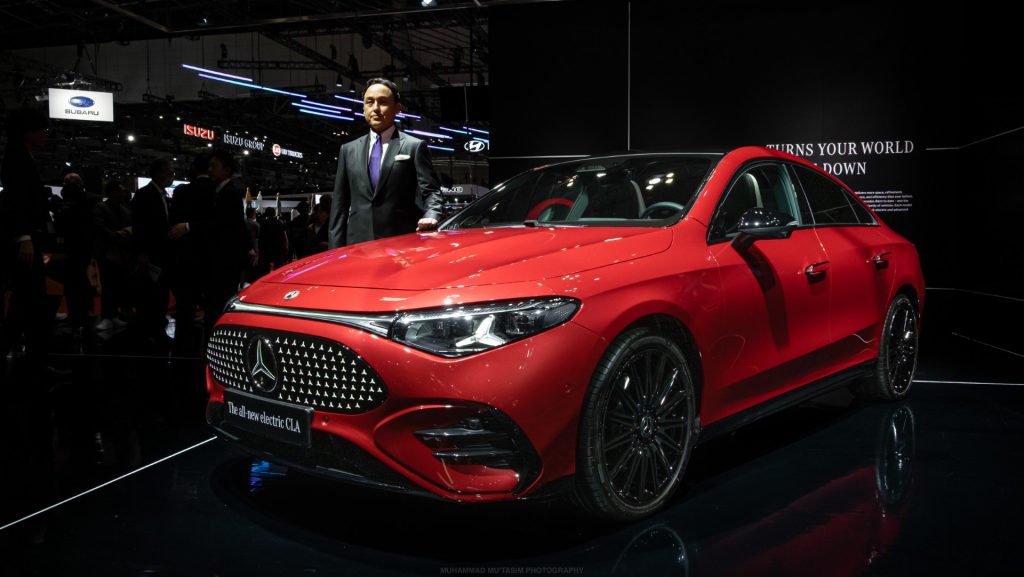
The latest-generation CLA with EQ Technology also broke cover for the first time in Asia, signalling a new era for Mercedes-Benz’s popular compact saloon. It’s larger and longer than the outgoing CLA, sitting on an all-new MMA platform.
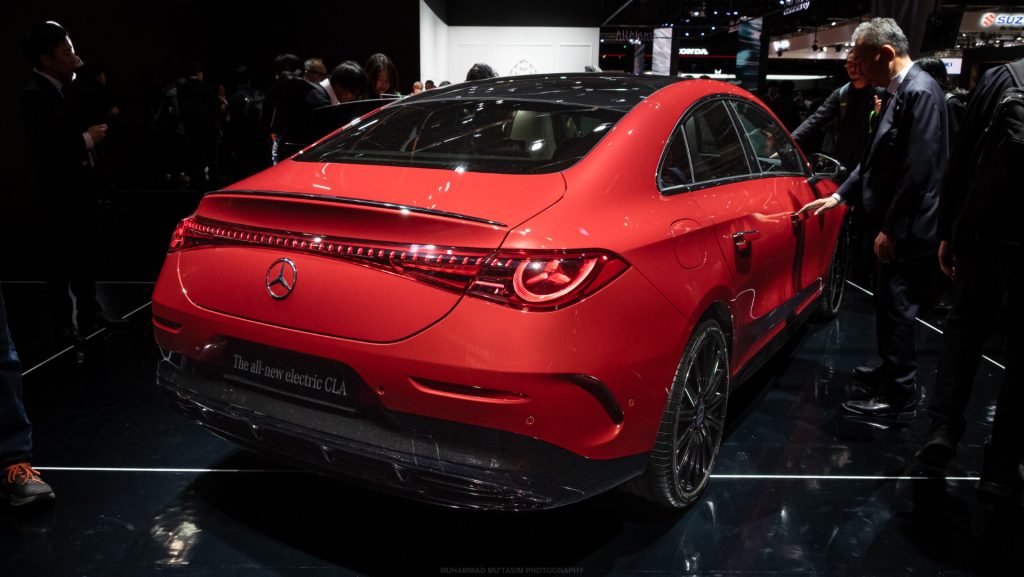
It also gains an electric rear-wheel drive powertrain, with a front-wheel drive petrol-hybrid version set for a 2026 launch. Most impressively, it has a range estimate of up to 790km, exceeding that of the current EQS flagship electric saloon.
A series of illuminated Mercedes star patterns fill the front blacked-out grille, while the LED headlamps and taillamps both feature Three-Pointed Star motifs, a design direction that was first seen in the latest E-Class.
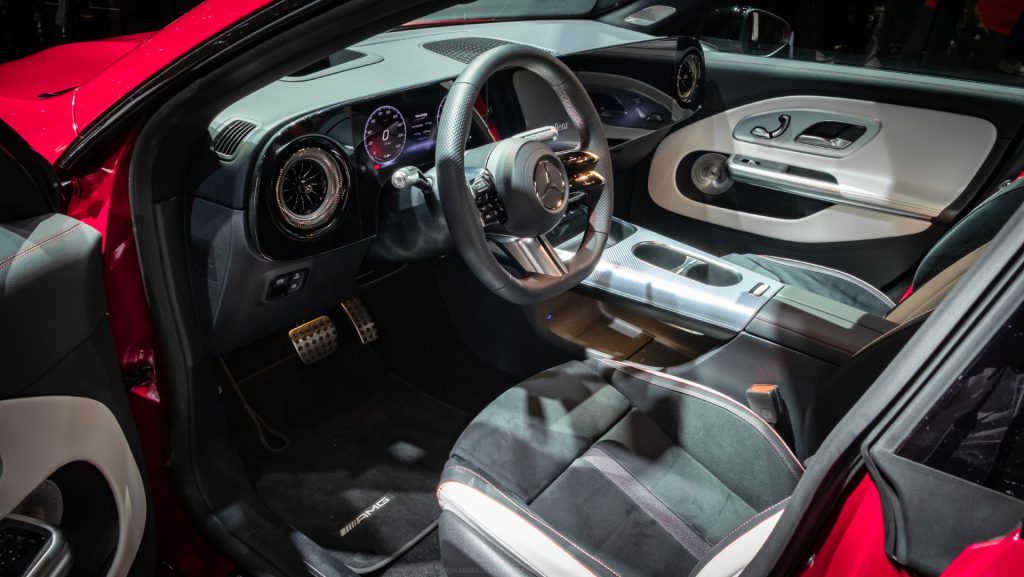
Inside, a completely new infotainment system dominates the front display. Dubbed MB.OS, it is supposed to be much faster, smarter, and more intuitive to use than the brand’s current MBUX system.
And where driving dynamics are concerned, Mercedes has also re-engineered the operation of the car’s energy recuperation. Instead of flicking shifter paddles, drivers now push and pull the gear selector lever to change the intensity of the energy recuperation.
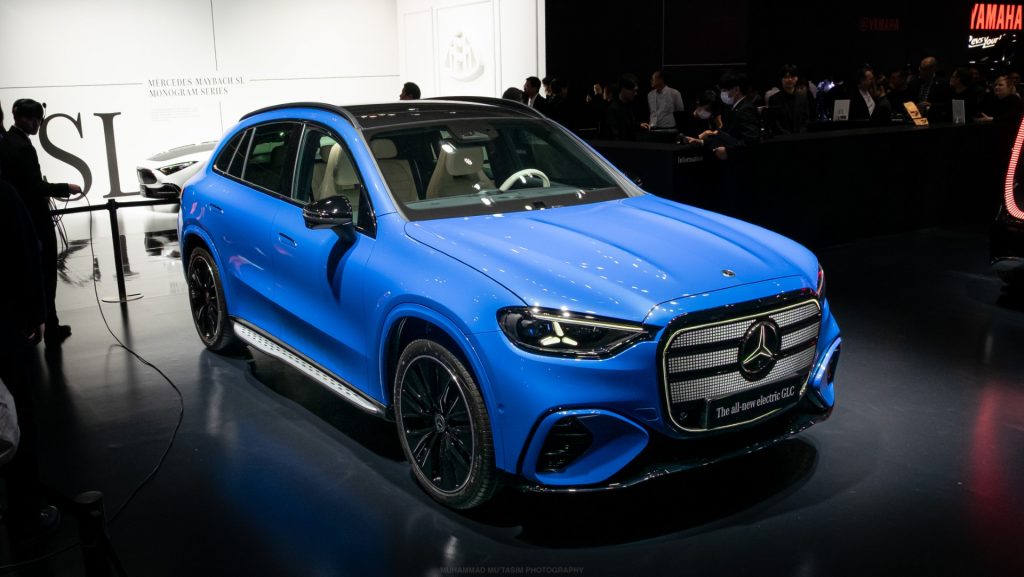
Mercedes-Benz also pulled the sheet off their latest GLC with EQ Technology. Sitting on their latest MB.EA-Medium platform, the highly popular model gains a revised exterior and most notably, the brand’s all-new radiator grille design. While it’s flashy with illuminated elements, the grille design is a return to the Benzes of yesteryear, and will serve as the design basis for many other Benz motorcars in the near future.
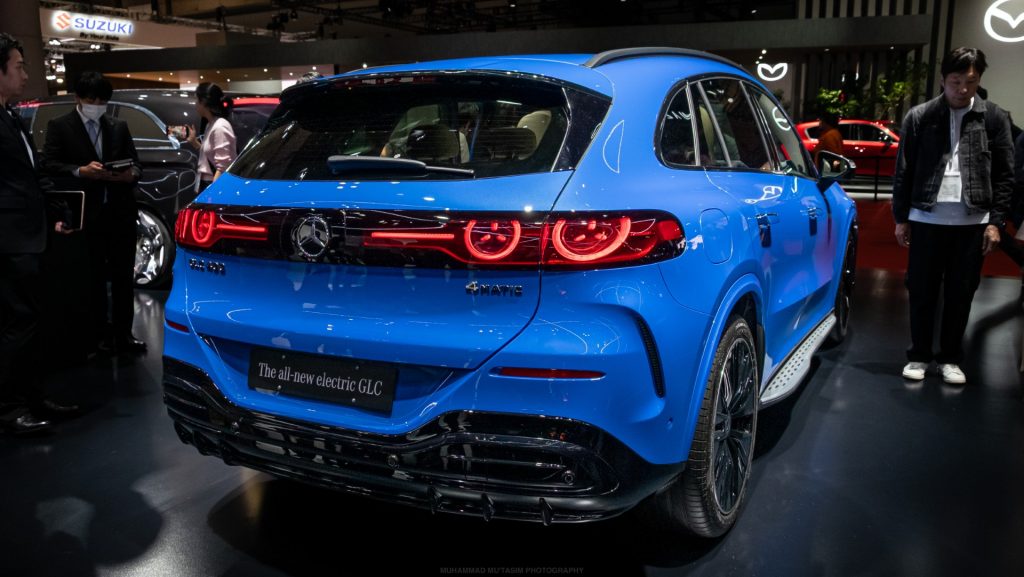
The German manufacturer claims that the GLC can clock up to 715 kilometres on a single charge, which will undoubtedly change the SUV game once it hits showrooms.
SUBARU
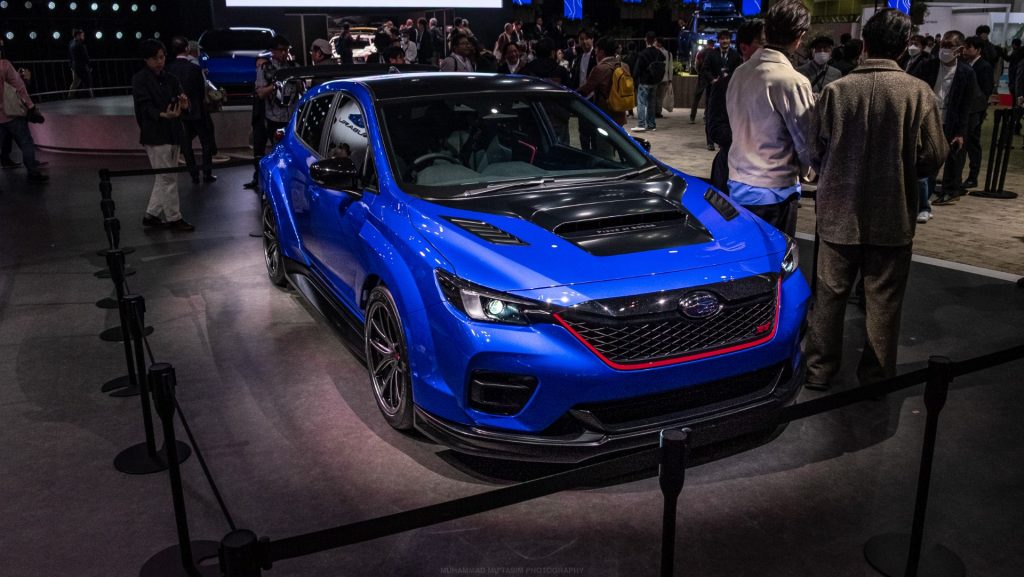
Another star-studded marque (again, no pun intended) that brought out surprises was Subaru, which unveiled the Performance-B STI Concept.
It’s worth noting that the Japanese carmaker has not made an STI model since 2021, making this concept car all the more intriguing. The hot hatch features widened arches, aggressive front and rear bumpers, a bonnet with additional ducts and scoop (with “Proud of BOXER” inscribed letterings), centralised twin exhausts, and a manual transmission. Furthermore, the car looks very much production-ready and not some flight of fancy designed solely to attract eyeballs.
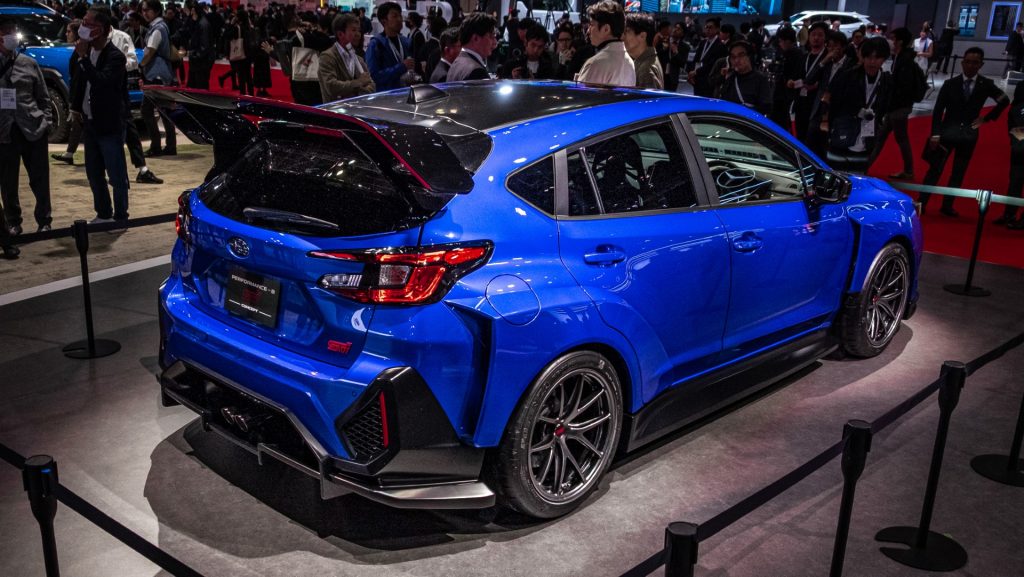
Subaru has kept mum on the Performance-B STI Concept’s performance figures, but the very existence of this concept car gives diehard fans hope that the days of STI are soon to return.
Daihatsu
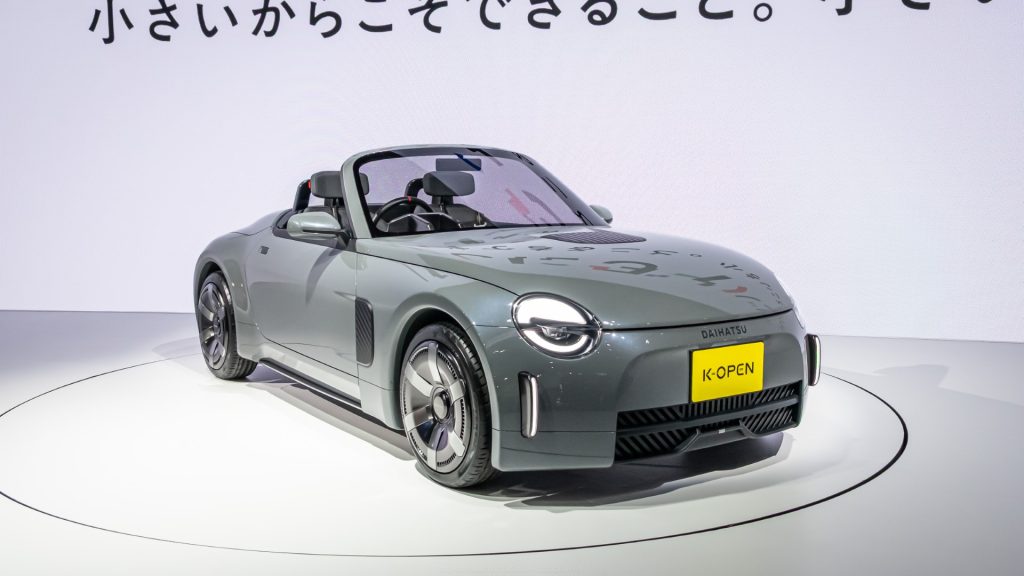
Fans of the Daihatsu Copen can rejoice, with the unveiling of the brand’s latest K-Open concept. This peppy experimental drop-top builds upon the 2023 Japan Mobility Show’s Vision Copen concept, but brings the physical dimensions back to within kei-class regulations. To put it simply, the K-Open is now a kei car once more, just like the original one.
Measuring at just under 3.4 metres long, 1.475 metres wide, and a wheelbase measuring at 2.265 metres, the roadster is remarkably small; such is the case for any kei car. However, Daihatsu has seen fit to bless the K-Open with a front-engine, rear-wheel drive (FR) layout, and a proper 5-speed manual transmission.
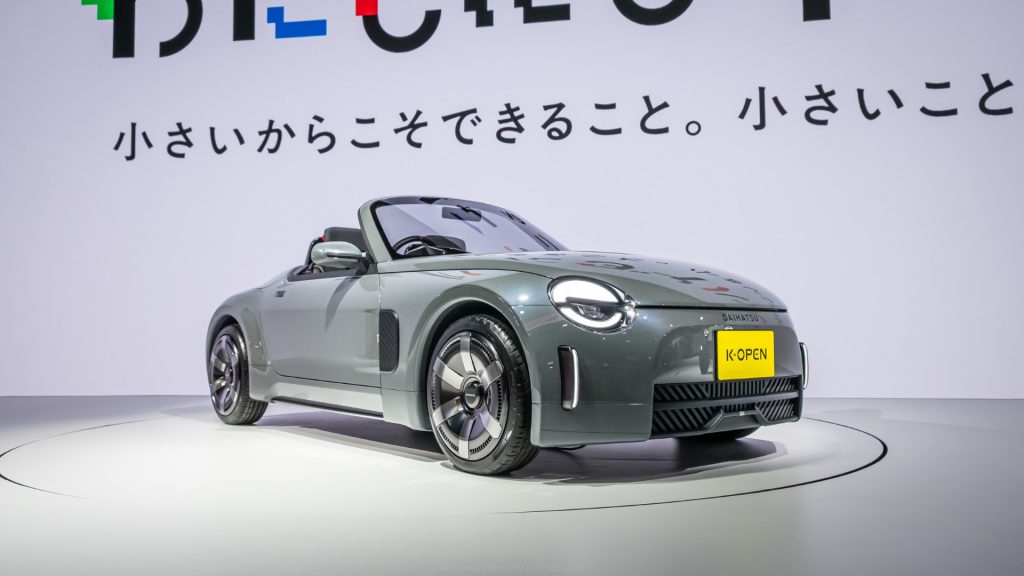
Toyota chief Sato-san lamented about the engineering process behind this decision, saying, “It might be hard to convey how amazing it is, but achieving rear-wheel drive in a front-engine car with such a compact body is truly incredible. You need to place the engine low, carefully package the transmission and propeller shaft, and design the pedal layout so that everything fits perfectly into this body. Well, I would love to take hours explaining why, but to make a long story short, it’s packed full of the wisdom and ingenuity of its developers.”
BMW
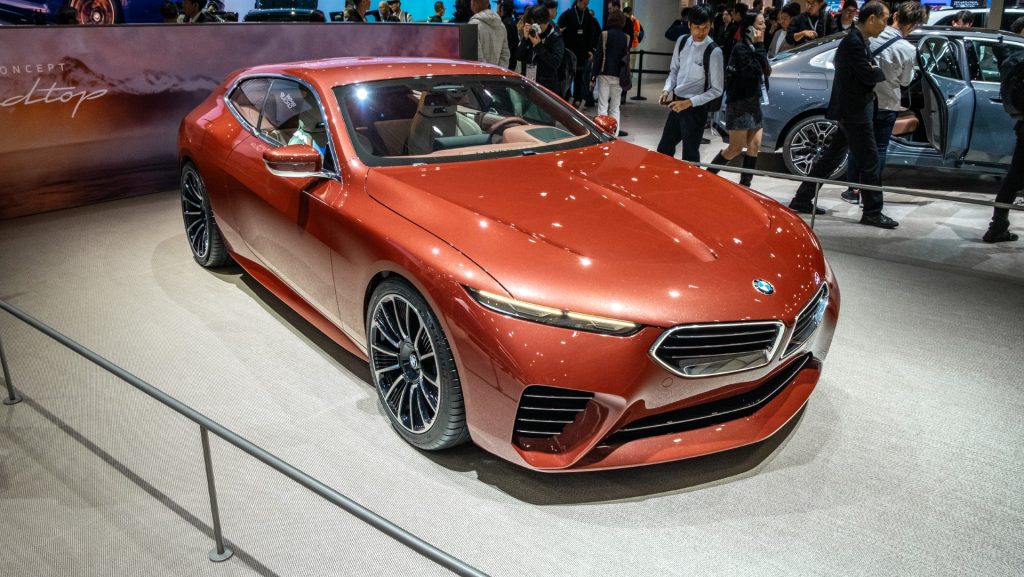
Bavarian carmaker BMW graced the motorshow with its seductive Concept Speedtop, proving naysayers that the brand still can design breathtaking automobiles.
The 8 Series-based shooting brake features hidden door handles along the windowline, an upswept greenhouse, and thin LED slits for the front and rear lamps. Even the signature kidney grille looks relatively understated by modern BMW standards, with horizontal metal slats to accentuate the wide nature of the car.
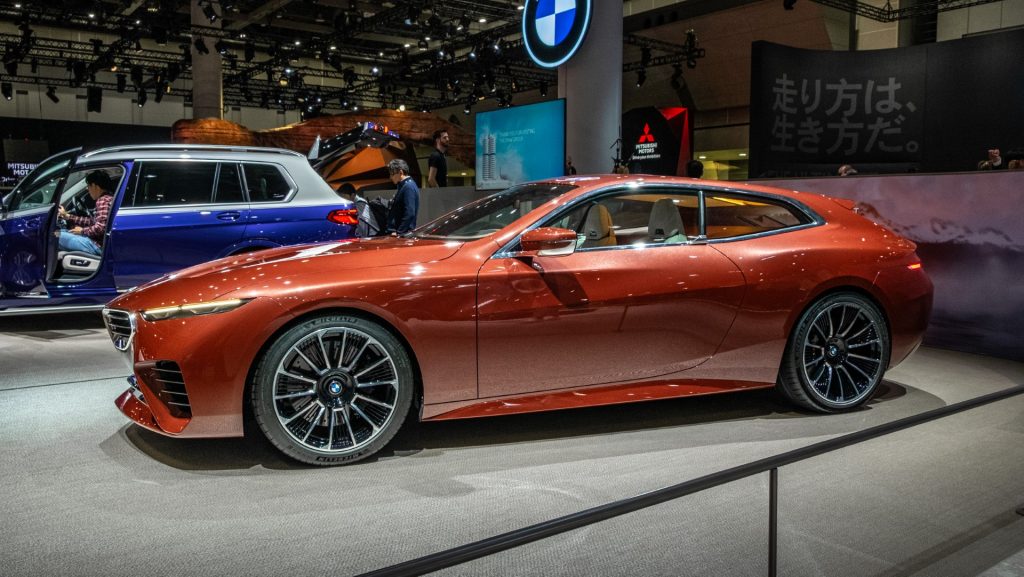
A spine element is featured not just along the Speedtop’s bonnet, but also throughout its roof, before melding together with the rear spoiler. The cabin itself is a work of art, featuring leather from top to bottom.
BMW did not spill the beans on what might be powering the Speedtop, but from sources we spoke to, it’s said to feature the brand’s 4.4-litre S63 twin-turbo V8, producing 617hp and 750Nm torque.
Article and photos by: Muhammad Mu’tasim (@mutasimdrives)
Read more automotive news at AutoApp, or check out our latest videos on YouTube and on TikTok!