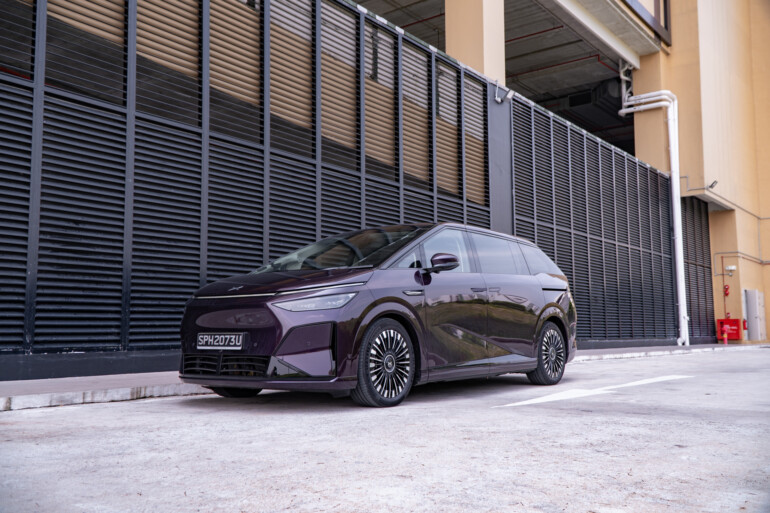
It may be a minor technological update, but new hardware in the XPeng X9 Pro gives the car a significant bump in software usability.
It seems now that every modern carmaker now talks about software, artificial intelligence and “ecosystems” with the enthusiasm of people who have just discovered Silicon Valley. Cars are essentially moving computers now, and you can’t go anywhere without some virtual assistant analysing your every move.
None is more apparent than what XPeng has done with the X9 Pro. Less than two years into the X9’s life, XPeng has already updated it twice. Not with the usual facelift treatment of new bumpers, reshaped lights and a slightly angrier grille, but with faster processors, smarter driver-assistance systems and new software features.
Spot the difference
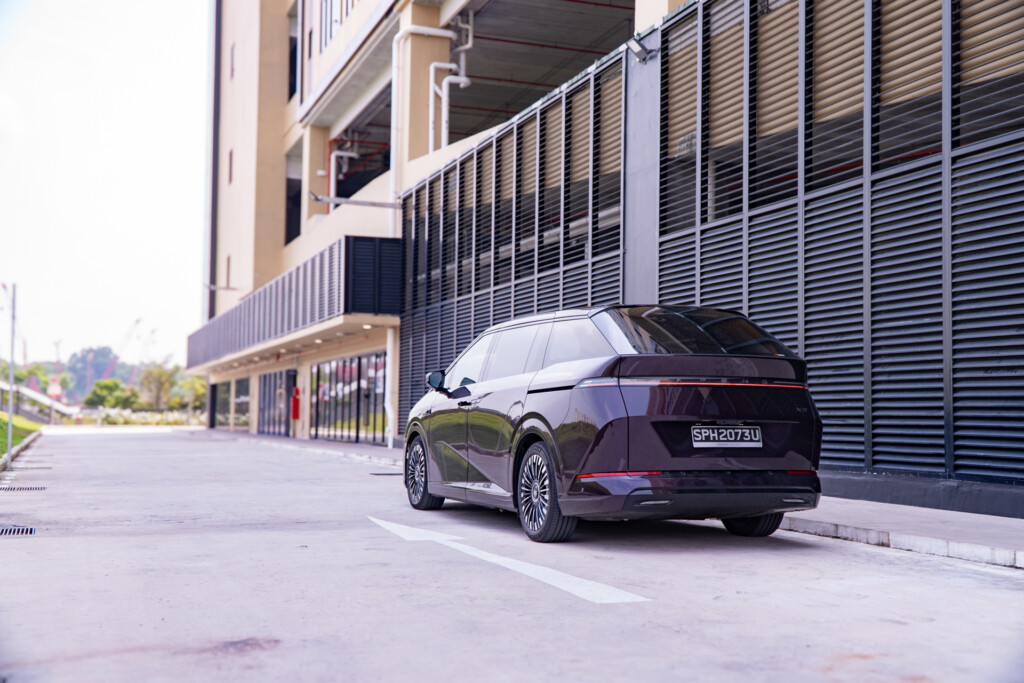
From the outside, identifying the X9 Pro requires fairly specialist knowledge.
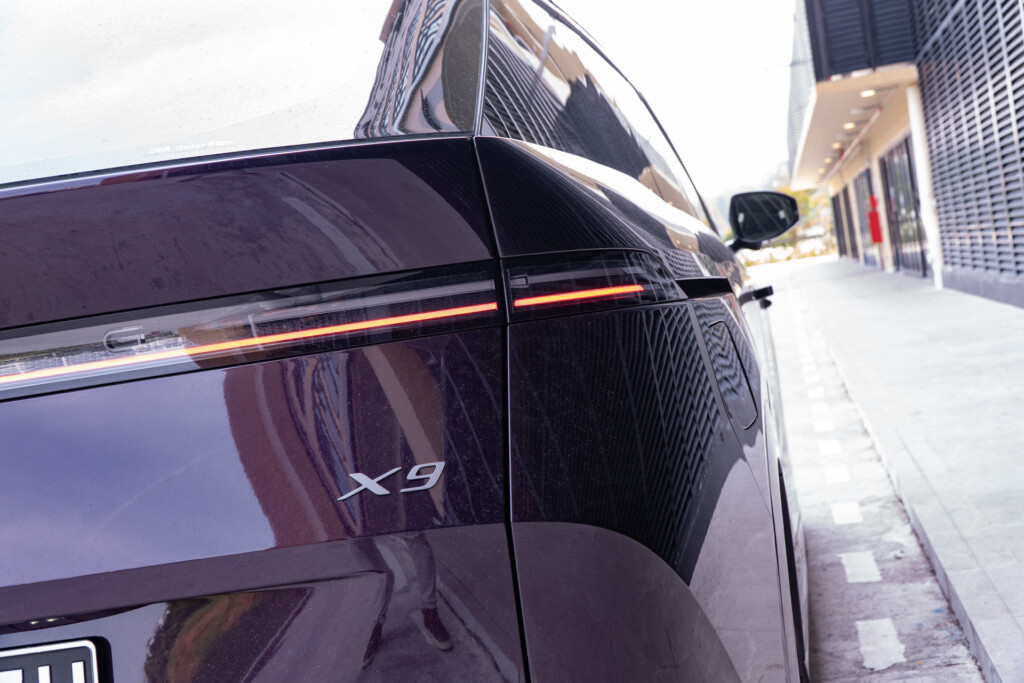
The overall silhouette remains unchanged: long, low for an MPV and slightly futuristic, with that distinctive tapered rear end making it look more like something destined for an airport runway than a school pick-up queue.
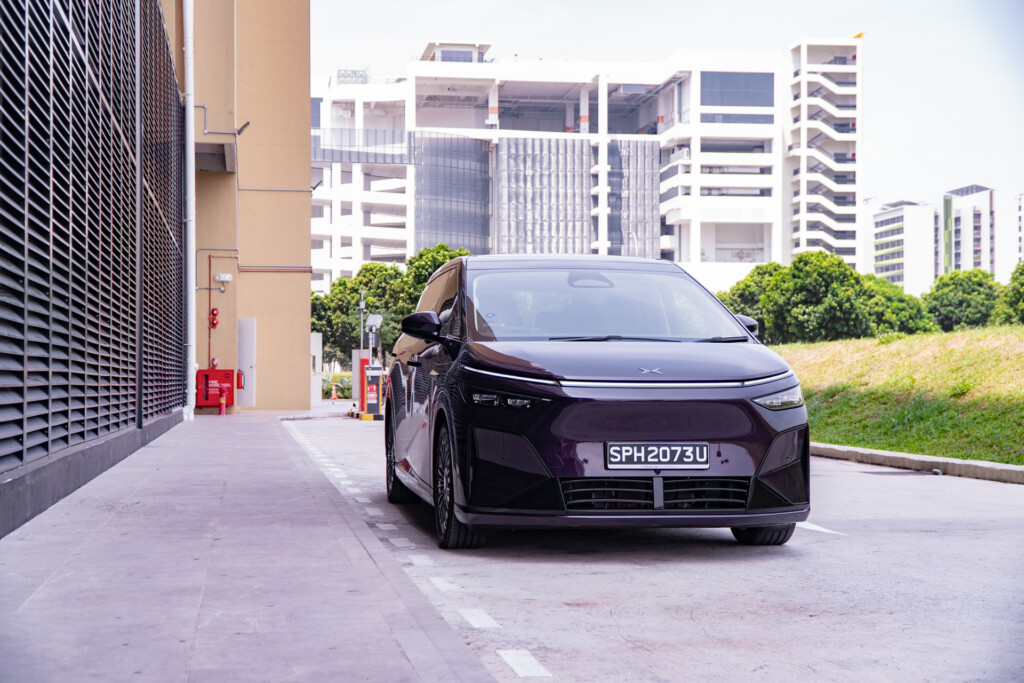
The main visual giveaway is a redesigned front bumper fitted with active shutters in the lower intakes. These can open and close depending on cooling requirements, helping reduce aerodynamic drag when extra airflow is unnecessary.
There are also two new colours, Cyan and the Violet seen here, and that is largely it. The real changes are buried underneath.
More operating system than facelift
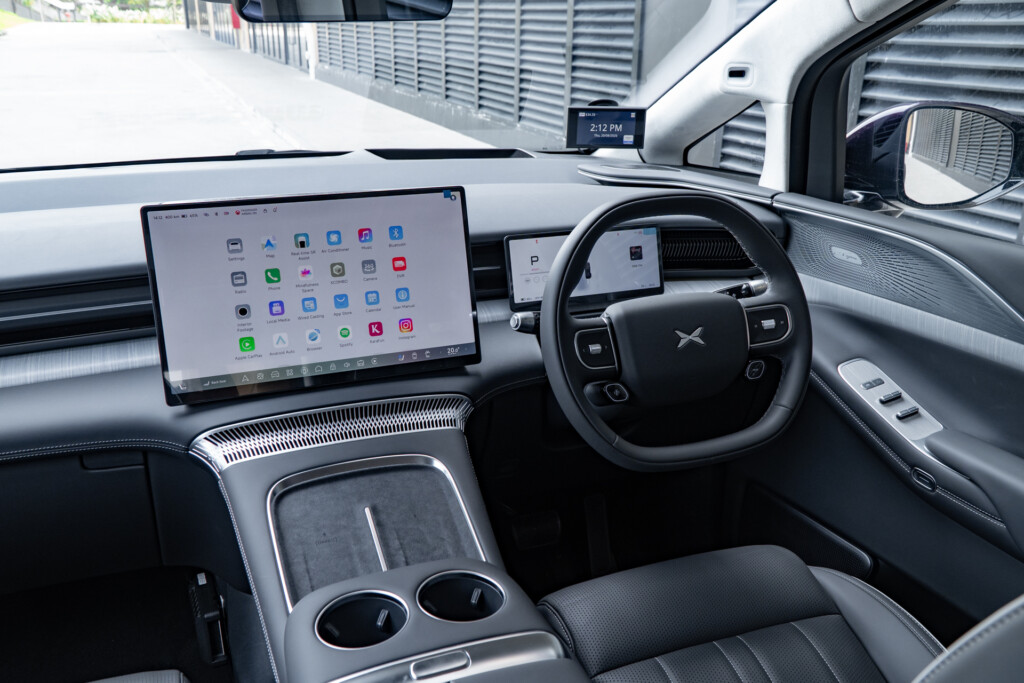
Climb aboard and even here, things initially look familiar.
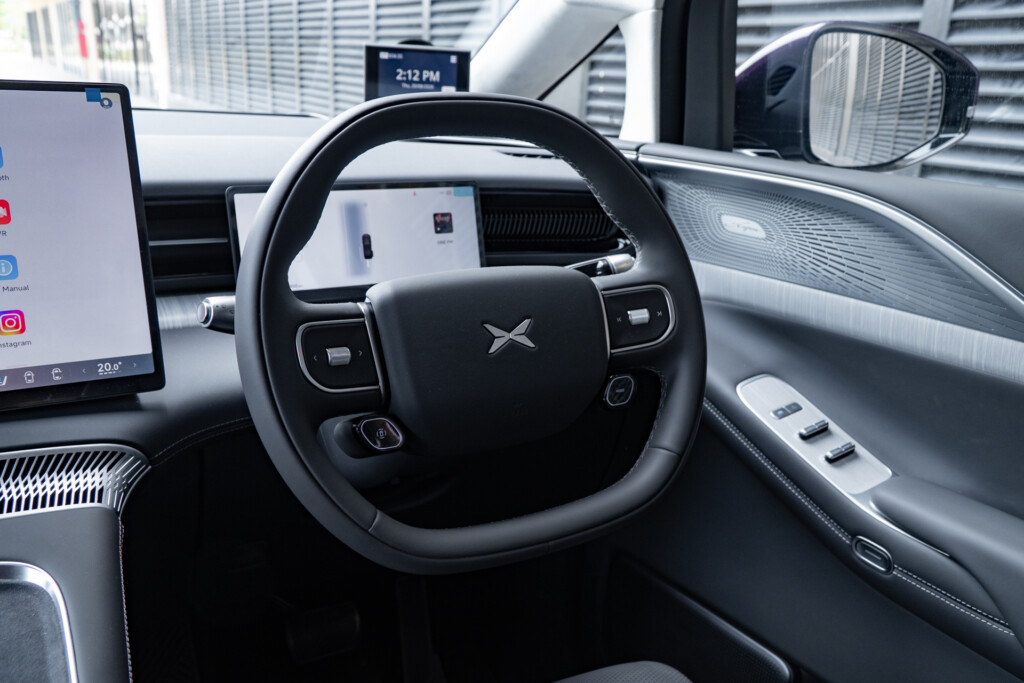
The most obvious physical change is a redesigned steering wheel, which now feels more ergonomic in your hands. The front doors also gain a soft-close function, sparing occupants the indignity of having to slam them shut like ordinary people.
The biggest upgrade is invisible; the X9 Pro now uses XPeng’s latest Turing AI chip, giving the car substantially greater computing capacity. And before eyes glaze over at the mention of processors, this actually has tangible consequences.
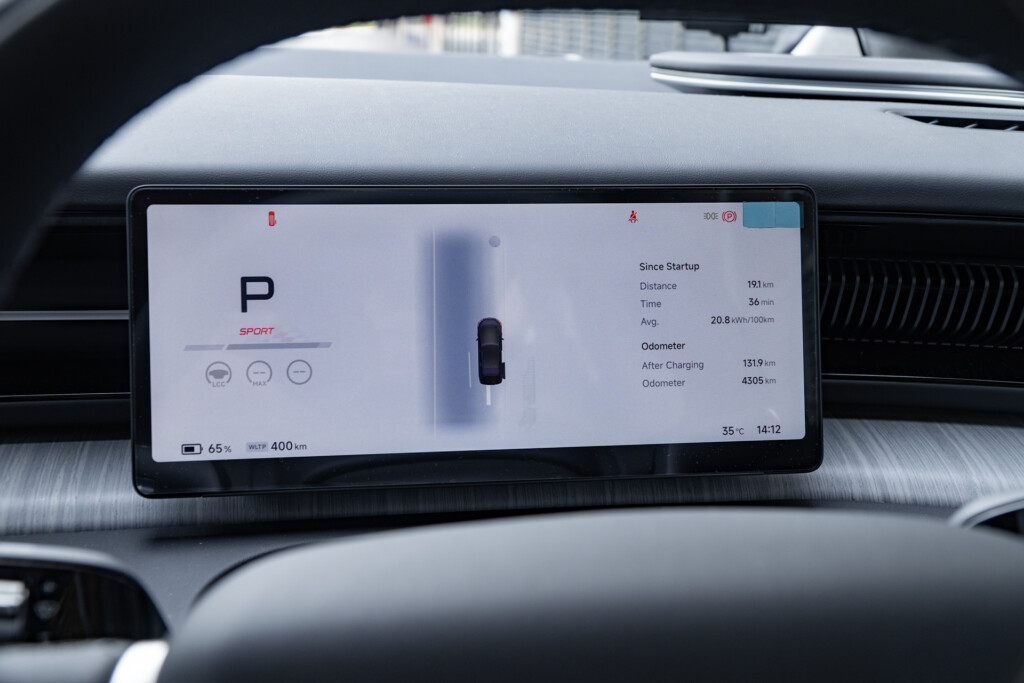
The Surrounding Reality display, which essentially shows you what the car itself can “see”, now presents a wider and more detailed representation of surrounding traffic, road markings and other potential hazards.
Vehicles are rendered more accurately. Lane information is clearer. The car understands more of what is happening around it. In turn, the driver-assistance systems can react with greater confidence.
That said, the X9 was hardly deficient in this department before. XPilot’s adaptive cruise control and lane-centring functions remain among the smoother systems we have encountered, maintaining distance and lane position without constantly tugging at the steering wheel like an anxious driving instructor.
The automated lane-change function is still rather conservative and prefers enormous gaps before committing, but perhaps caution is preferable when the computer is moving nearly three tonnes of luxury MPV around you.
Still one of the best at parking itself
The automated parking system remains a highlight. Drive into a carpark and the X9 will often begin identifying suitable spaces before you have even asked it to. Once you choose a bay on the screen, the car takes care of the steering, acceleration and braking itself.
The interface is superbly intuitive: tap the space you want and watch the X9 manoeuvre itself in.
For a 5.3-metre MPV, this feature can be the difference between arriving somewhere calmly and developing a stress headache before dinner.
The new head-up display is cleverer too, now capable of displaying full-colour feeds from the blind-spot and reversing cameras. Instead of glancing away towards another screen, useful visual information is projected directly into your line of sight.
First class gets an upgrade
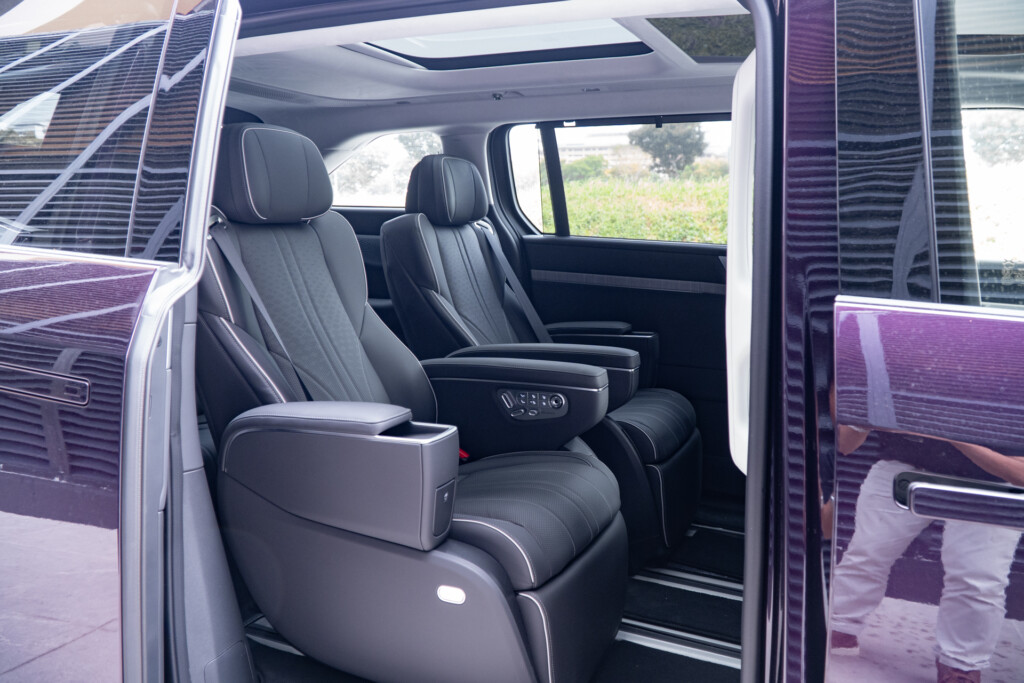
Technology may dominate XPeng’s corporate vocabulary, but the X9’s greatest strength remains something much easier to understand.
The original X9 already felt like a first-class lounge that happened to have number plates, and successive updates have only pushed that theme further.
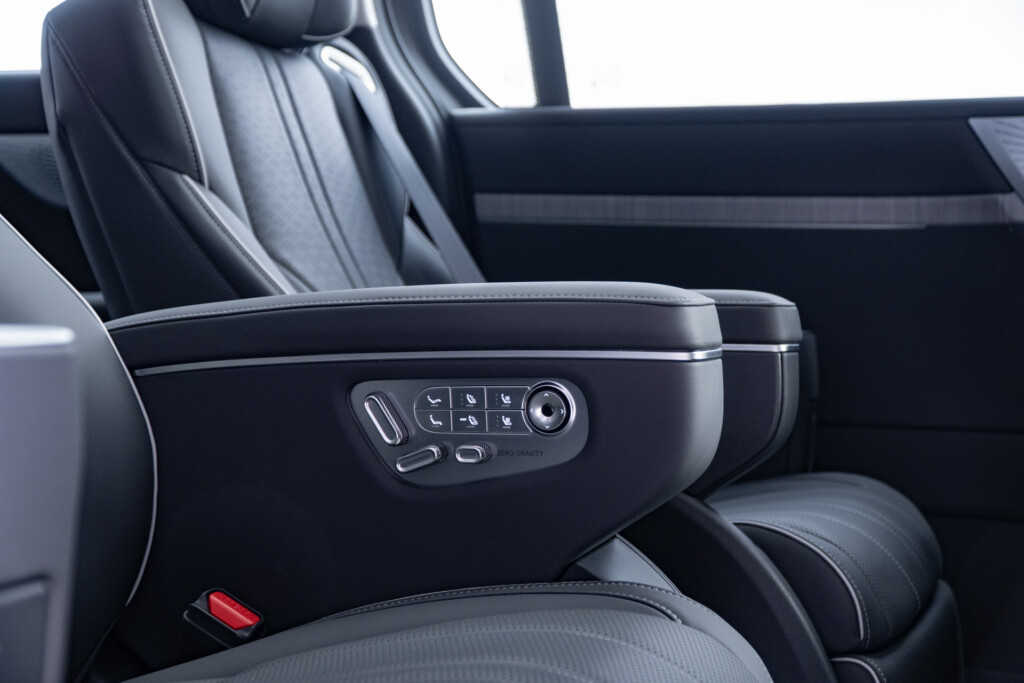
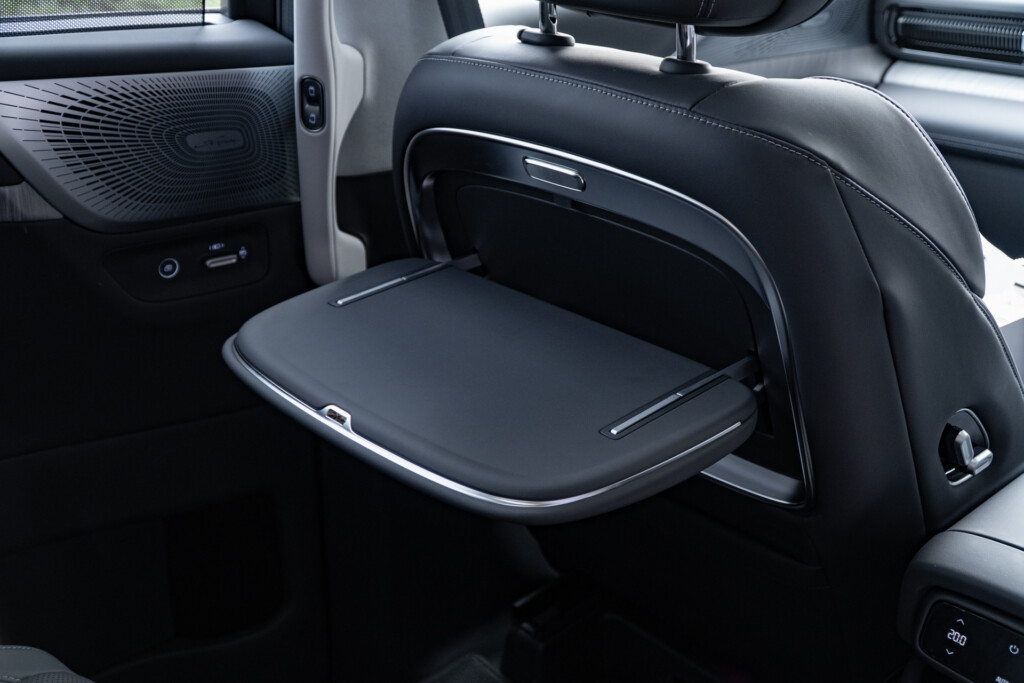
The previous facelift introduced zero-gravity functionality for the second-row captain’s chairs, supplementing their existing ventilation and massage features. These remain the seats you want.
Settle into one, extend the leg rest and recline backwards, and the concept of driving the car yourself begins to feel increasingly unnecessary. So what could XPeng possibly improve this time? The sound system, apparently.
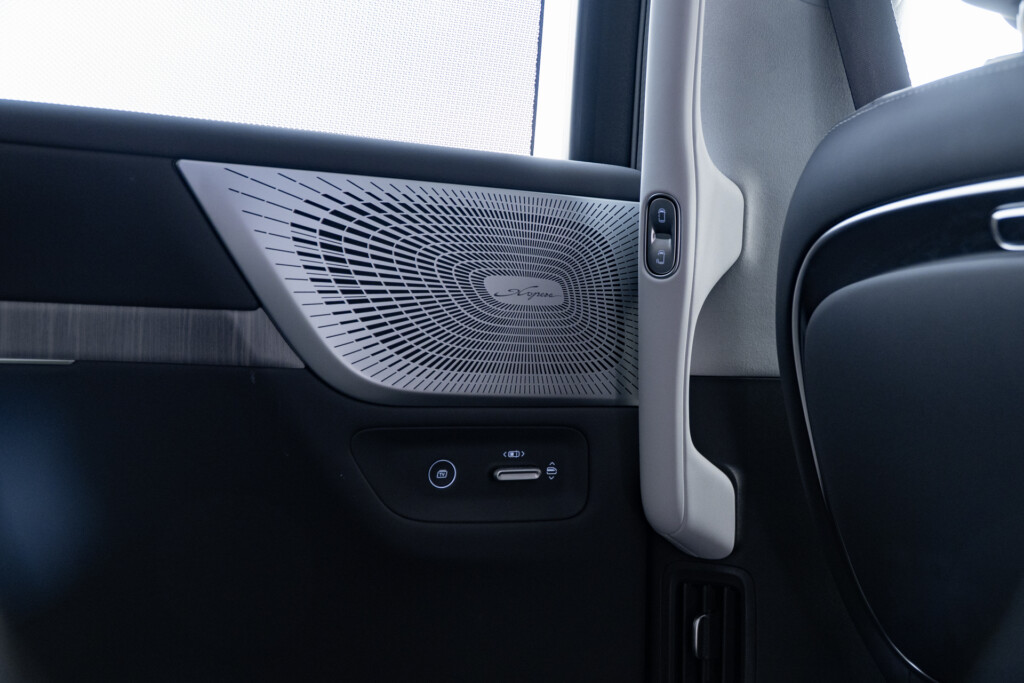
Four additional speakers have been added, bringing the total to 27. At this point, there may be fewer speakers at some small concert venues.
Previous versions could sound slightly front-heavy, whereas the new arrangement delivers a much broader, more enveloping soundstage. Music feels better distributed throughout the cabin, particularly for passengers in the second and third rows.
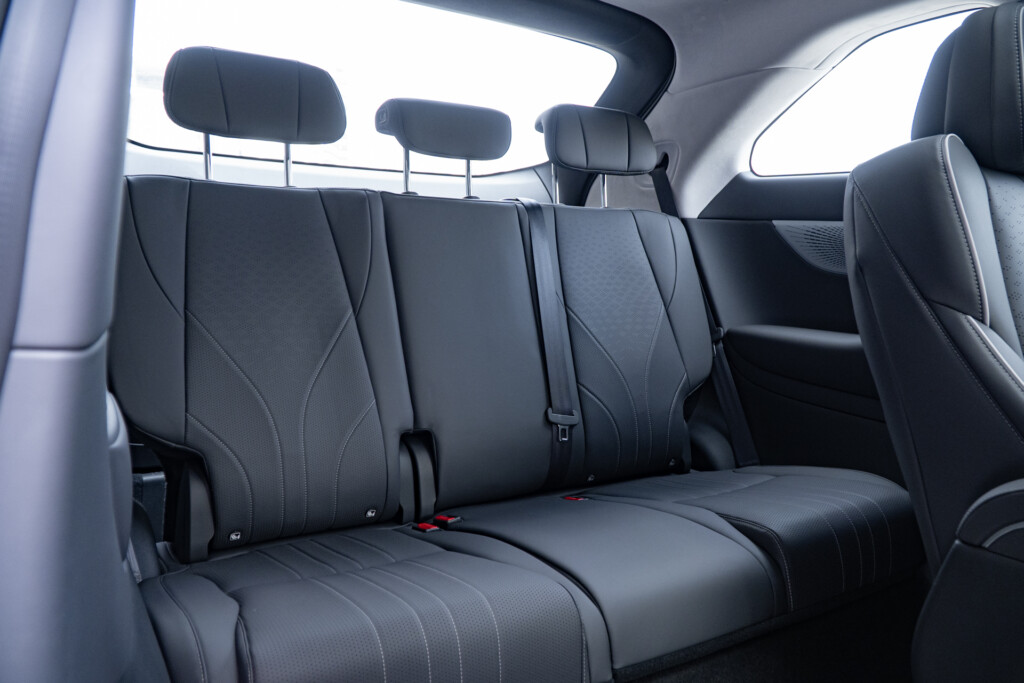
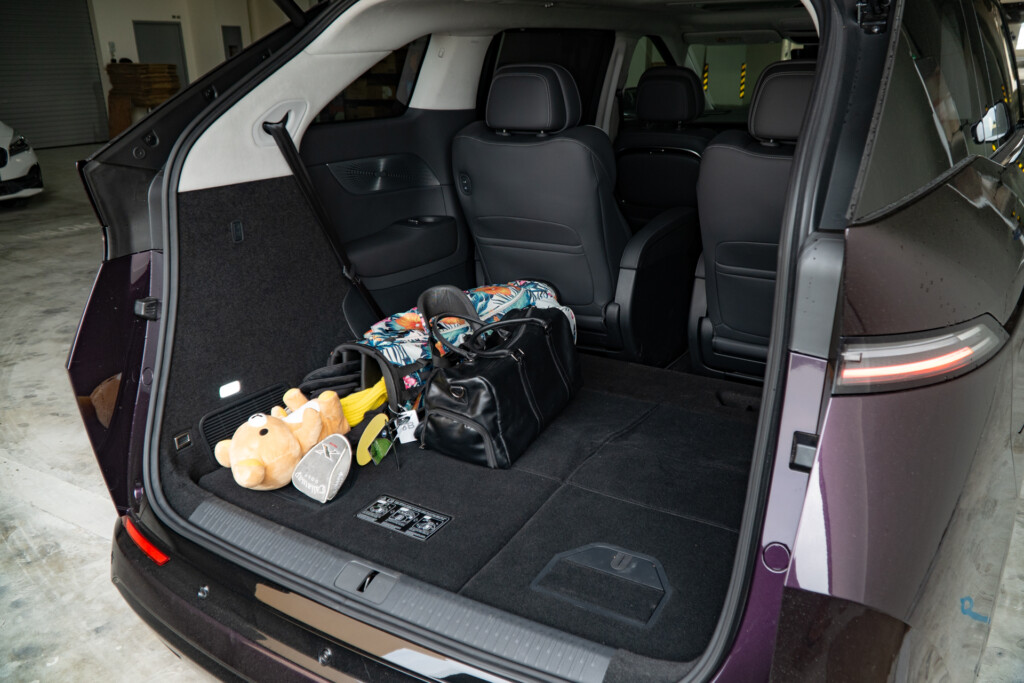
The third-row seats have also become more practical, with a new 60:40 split-folding arrangement giving owners greater flexibility when balancing passengers and luggage.
Elsewhere, the cabin remains as indulgent as ever. And frankly, there was little that needed fixing.
Big car, surprisingly small manners
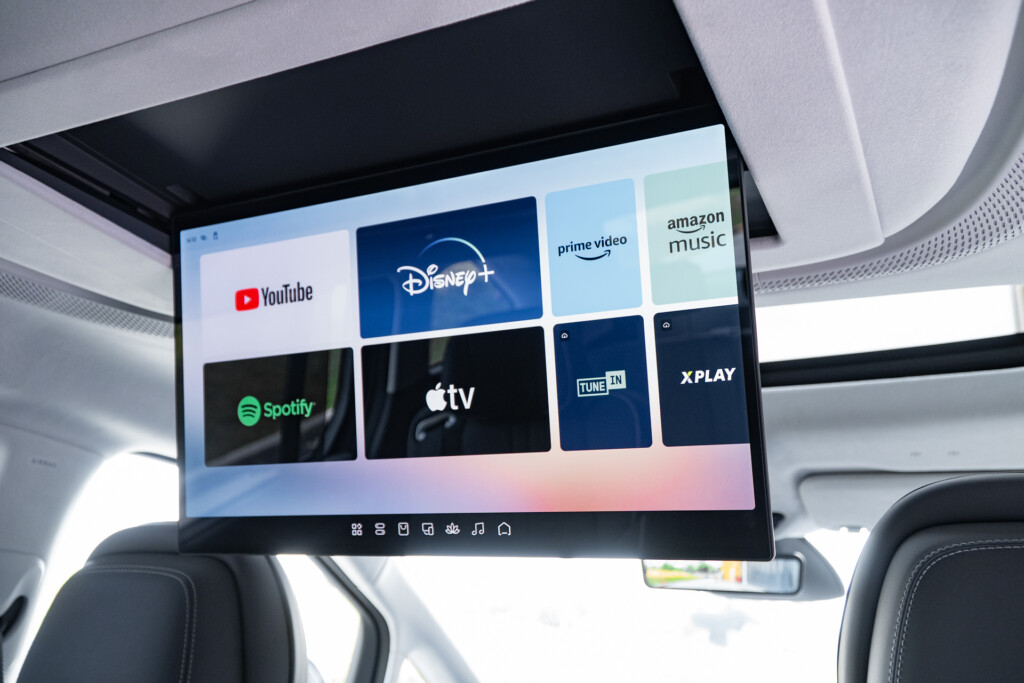
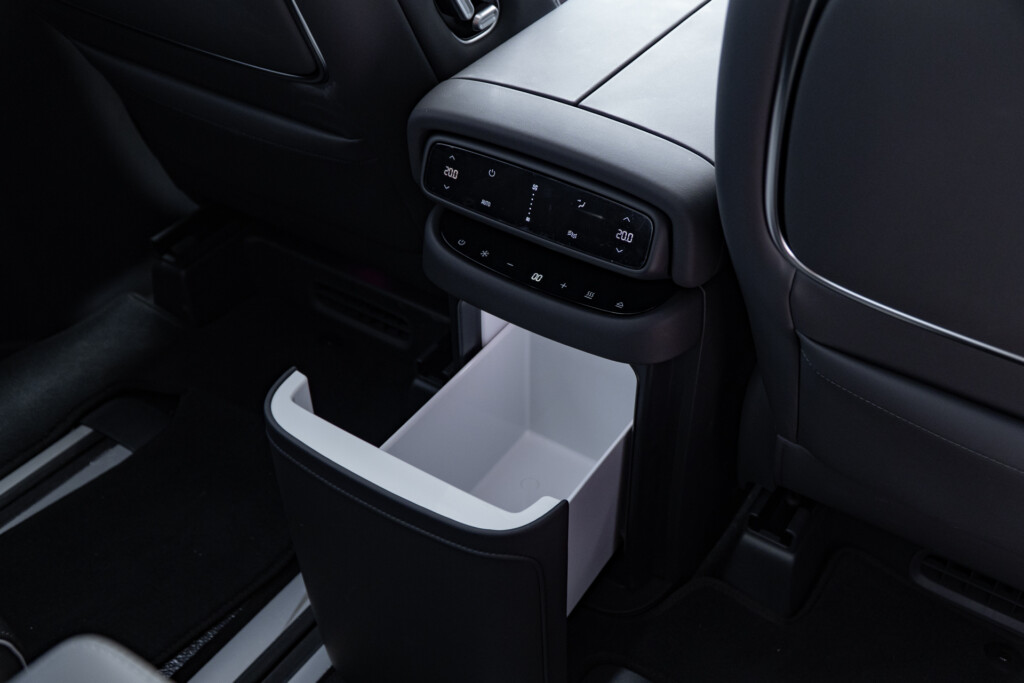
The X9 Pro also receives a modest bump in power. Output rises from 235kW to 255kW, or approximately 342bhp, although you would struggle to notice the difference without driving both versions back-to-back.
Despite carrying nearly 2.7 tonnes around, it gathers speed with the smooth, effortless urgency we have come to expect from powerful electric vehicles. You simply press the accelerator, and this vast object begins moving considerably faster.
But what continues to impress more than outright performance is how manageable the X9 feels. At 5.3 metres long, it isn’t intimidating around Singapore.
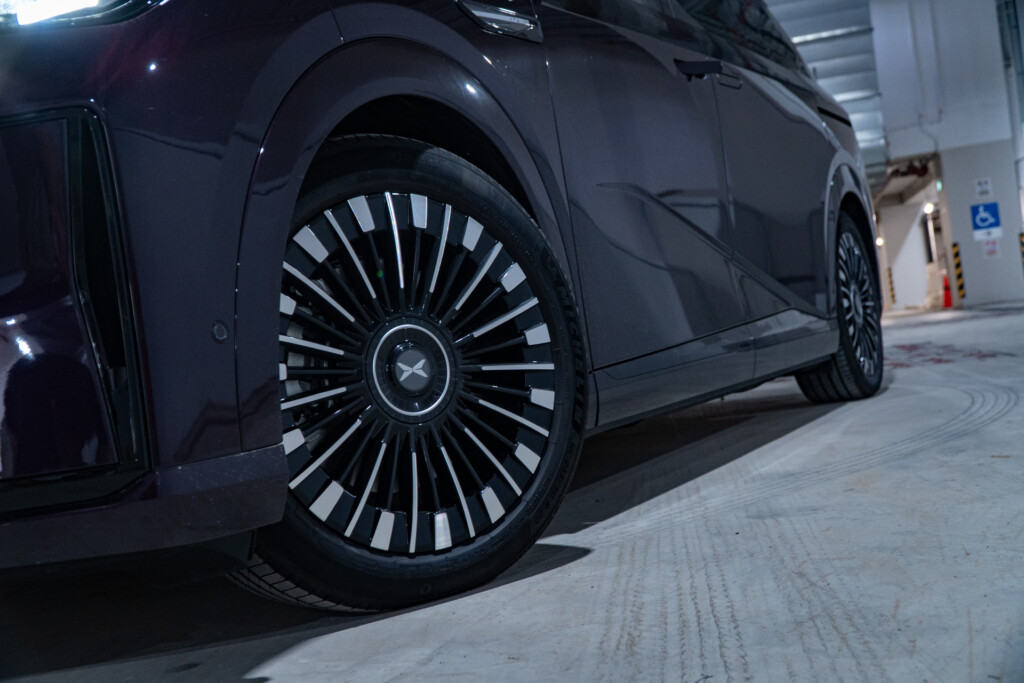
Rear-wheel steering remains one of the car’s greatest weapons. At lower speeds, the rear wheels turn opposite to the fronts, effectively shortening the wheelbase and dramatically tightening the turning circle.
The result is almost comical; approaching a U-turn expecting a three-point manoeuvre, apply steering lock, and the X9 simply swings around. It is automotive witchcraft of the most useful kind.
Enough range for the family
Two battery options are now available.
The Standard Range version uses a 94.8kWh battery for a claimed range of 535km, while the Long Range model tested here receives a larger 110kWh pack and stretches that figure to 615km.
For most households, the X9 Pro could easily handle several days of commuting, school runs and weekend errands before requiring a charge.
Securing the next technology drop
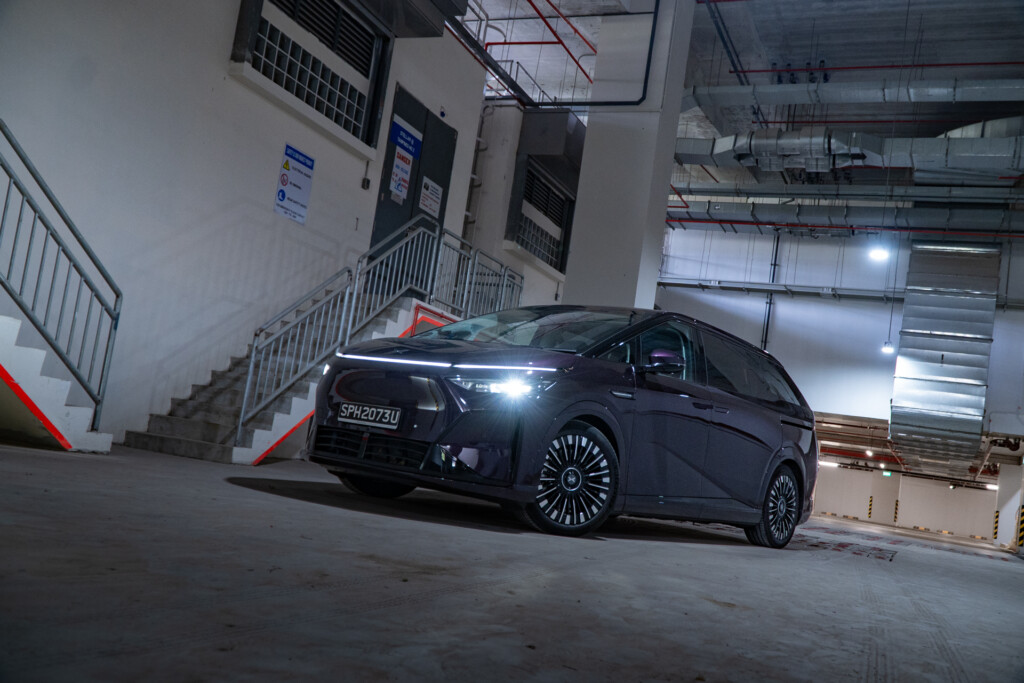
XPeng X9 had its fundamentals remain excellent, and gains functionality through software without owners necessarily having to visit a workshop.
It remains a hugely luxurious MPV, just that it happens to behave more like an iPhone between generations than a conventional car. Still, one of the nicest places to be chauffeured around in.
Technical Specifications
XPeng X9 Pro
Powertrain: Single Electric Motor, Front-Wheel Drive
Power: 255 kW (342 bhp)
Torque: 450 Nm
Gearbox: Single-Speed (A)
Acceleration: 8.2 Seconds (0-100km/h)
Top Speed: 200 km/h
Battery Capacity: 110 kWh
Drive Range: 615 km
Energy Consumption: 5 km/kWh
Price: S$355,111 with COE (accurate at the time of this article)
Photo Credits: Sean Loo (@auto.driven)
Read more automotive news at AutoApp, or check out our latest videos on YouTube and on TikTok!