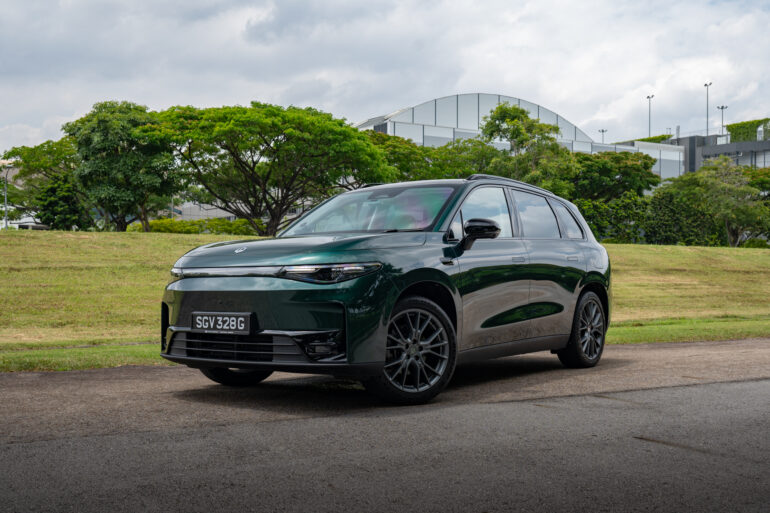
The Leapmotor C10 is yet another Chinese electric SUV in the crowded Cat A segment, but it aims to differentiate itself with a touch of European-ness.
Most Chinese car brands have a very clear nationalistic identity, and you won’t mistake them for cars from anywhere else in the world. There are a few exceptions of course, such as MG which likes to hold on to its supposed British heritage even though it is a fully Chinese-owned entity, but other than that, a Chinese car is generally not hard to recognise.
However, what happens when a Chinese carmaker joins forces with an automotive conglomerate from the Western world? It’s an intriguing thought, but that’s essentially what we have with Leapmotor, a Chinese car brand that’s part-owned by Stellantis, the group that has a whole clutch of European and American brands under its stable, such as Alfa Romeo, Citroen, Peugeot, Jeep and Opel, to name but a few.
The C10 is Leapmotor’s first model that’s developed for the global market, and its arrival in Singapore throws an interesting entrant into the extremely competitive Cat A EV market here. Does the C10 offer the best of East and West? Or is it destined to be yet another crossover to be lost in the sea of similar models?
A Lengthy Proposition
When the C10 was first launched here, it claimed to have the longest wheelbase of any Cat A electric SUV here. Since then however, BYD has introduced a Cat A variant of its large Sealion 7 model, and MG later unveiled its S6 which just about edged out the Leapmotor for size.
Nevertheless, size and space remains one of Leapmotor’s key selling points. The car itself is about average in length, measuring in at 4,739mm long. However, the wheelbase of 2,825mm is impressive to say the least, and translates into generous legroom for rear passengers.
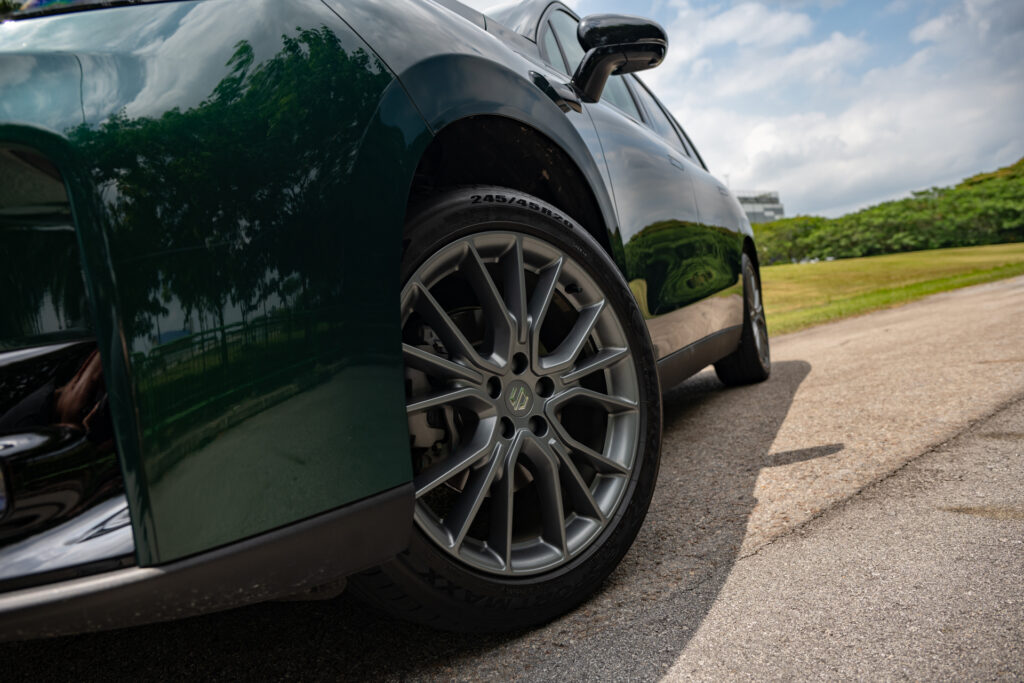
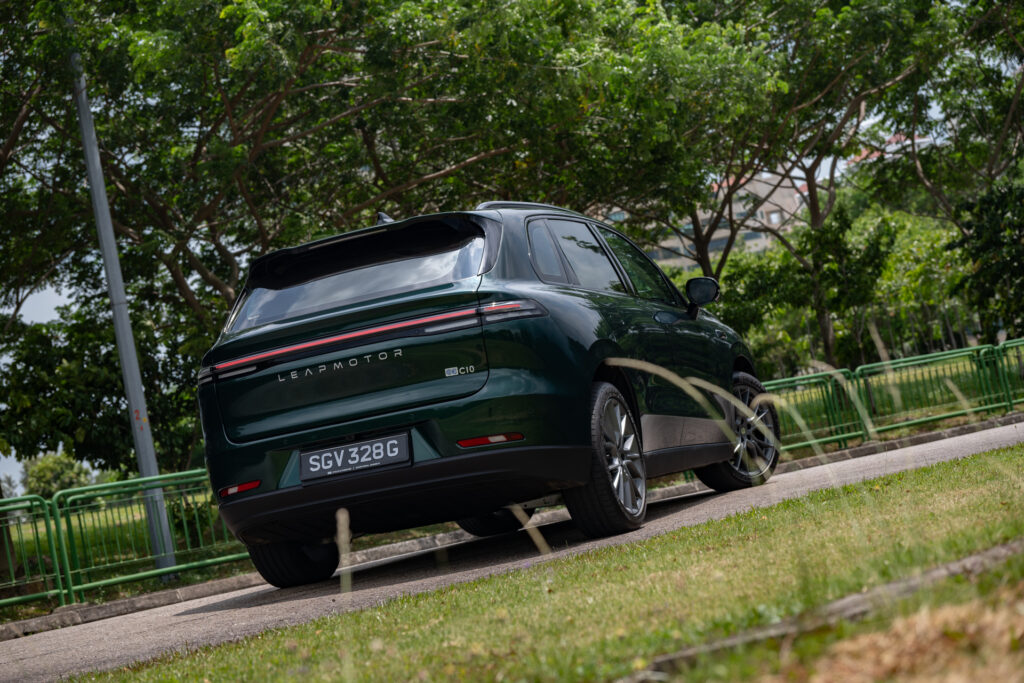
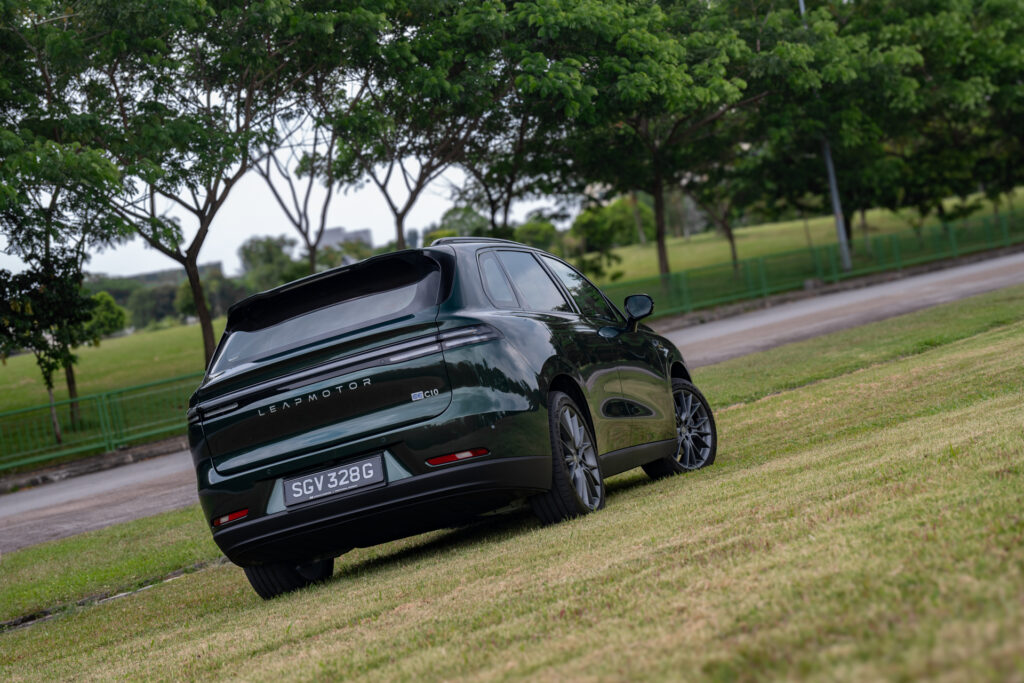
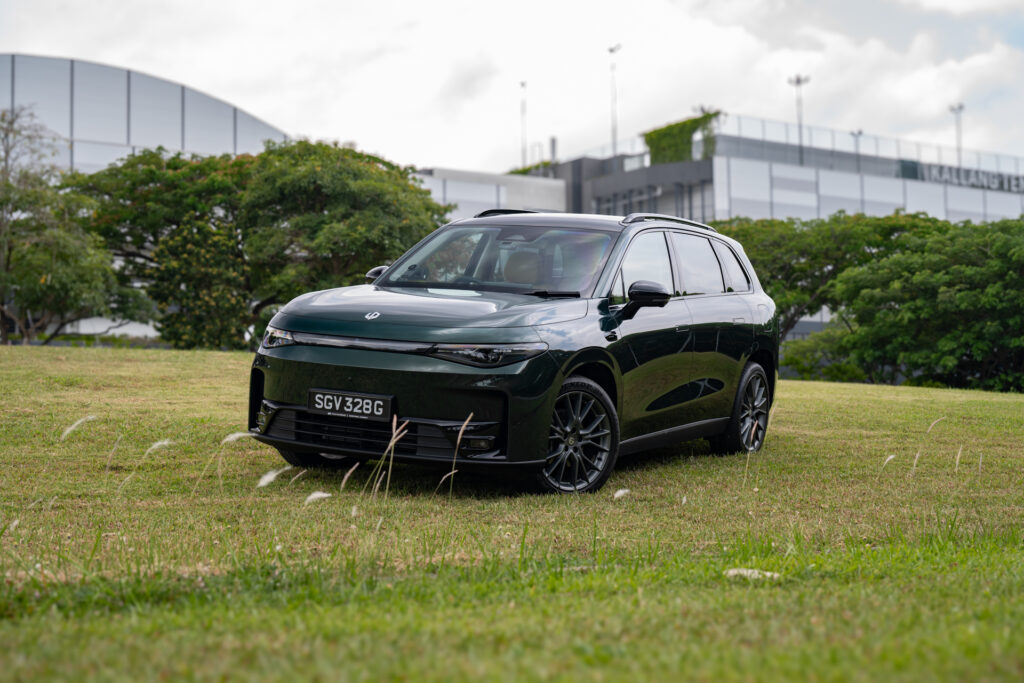
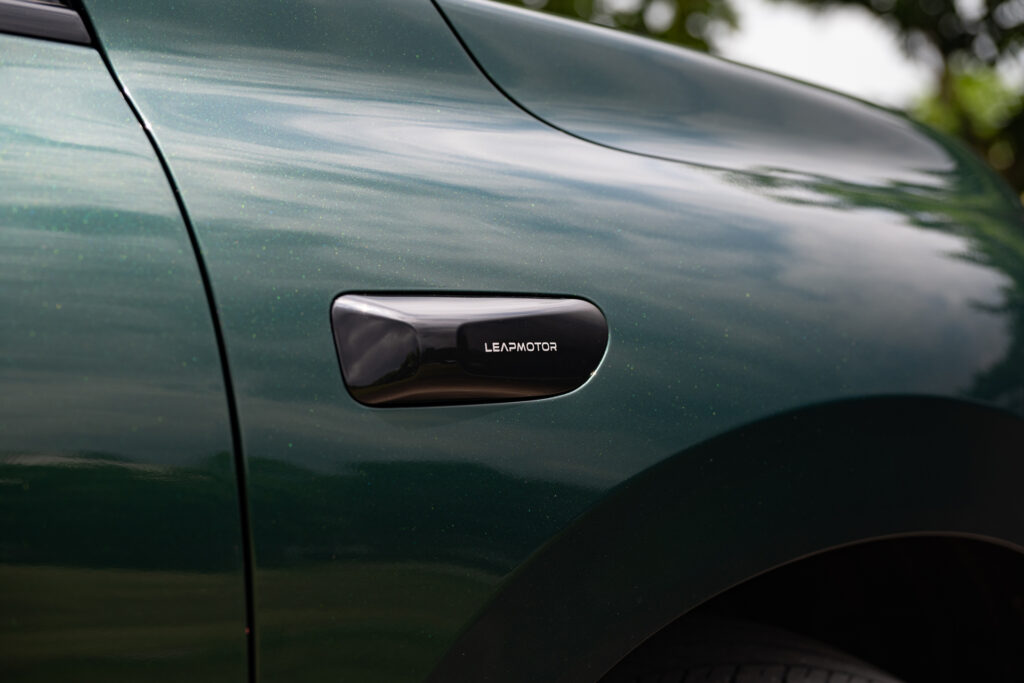
Design-wise though, the C10 does come across as fairly humdrum. The slim headlight treatment up front is mildly interesting, while the Leapmotor letters across the rear tailgate ensures that there’s no mistaking its identity, but otherwise, the styling is generally conservative and inoffensive. It certainly won’t stand out from the crowd, that’s for sure.
Space To Go Missing In
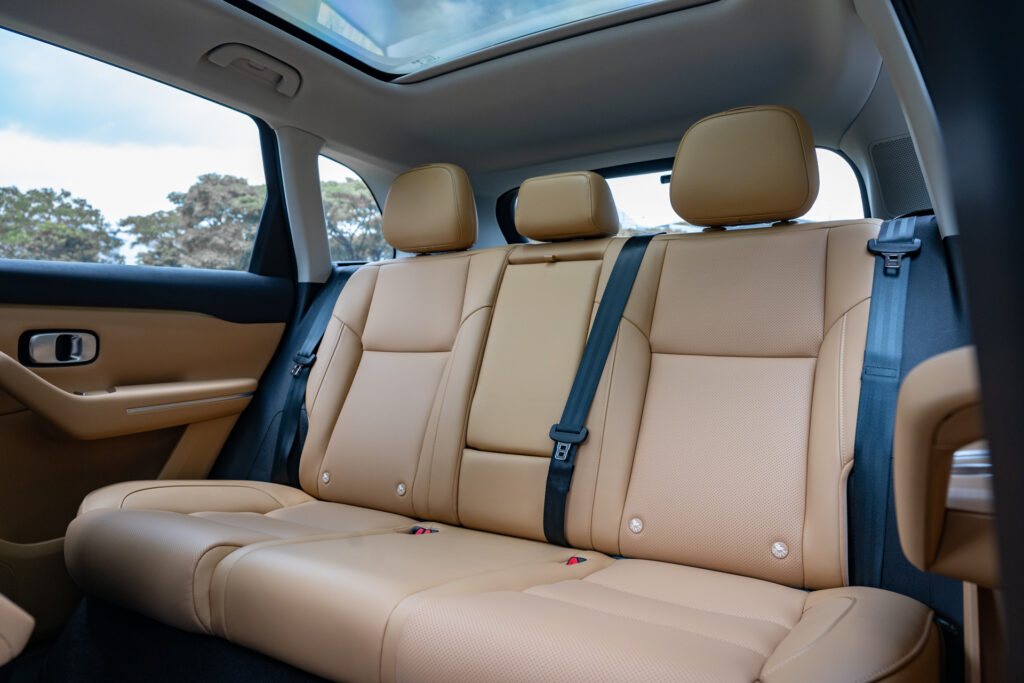
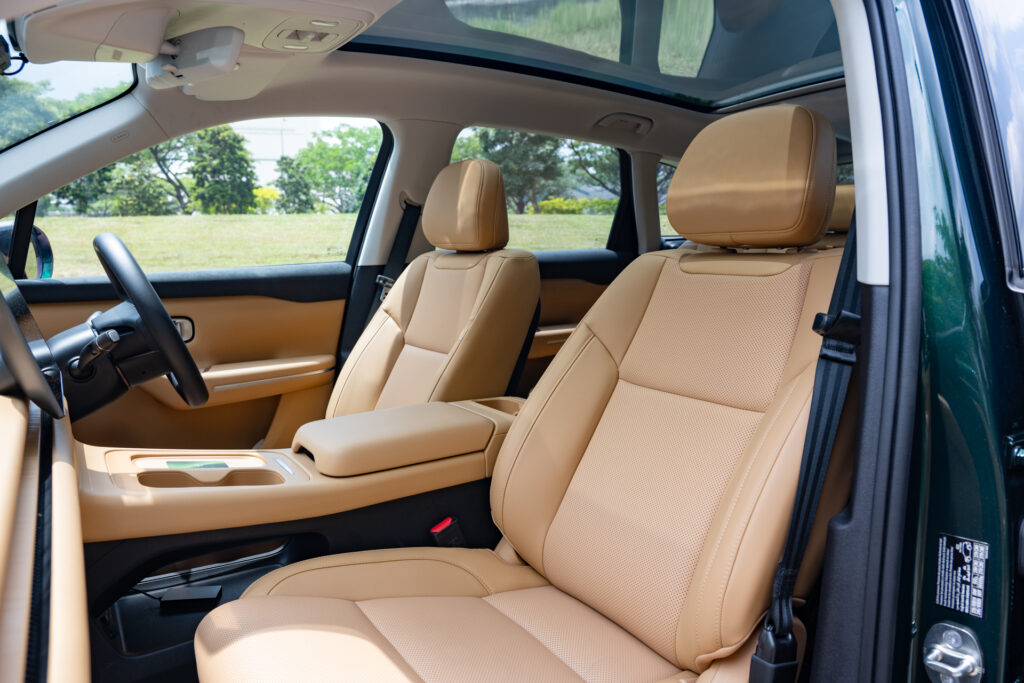
As mentioned earlier, the C10 boasts lots of legroom for rear occupants thanks to its lengthy wheelbase. But as an SUV it also offers plenty of headroom as well, and the panoramic sunroof further accentuates the impression of space into the cabin.
It certainly feels like you could get yourself lost in the vastness of the C10’s interior.
In terms of cargo, there’s 435 litres of boot capacity available, which is decent but not class-leading, though you can expand that to 1,410 litres with the rear seats folded down.
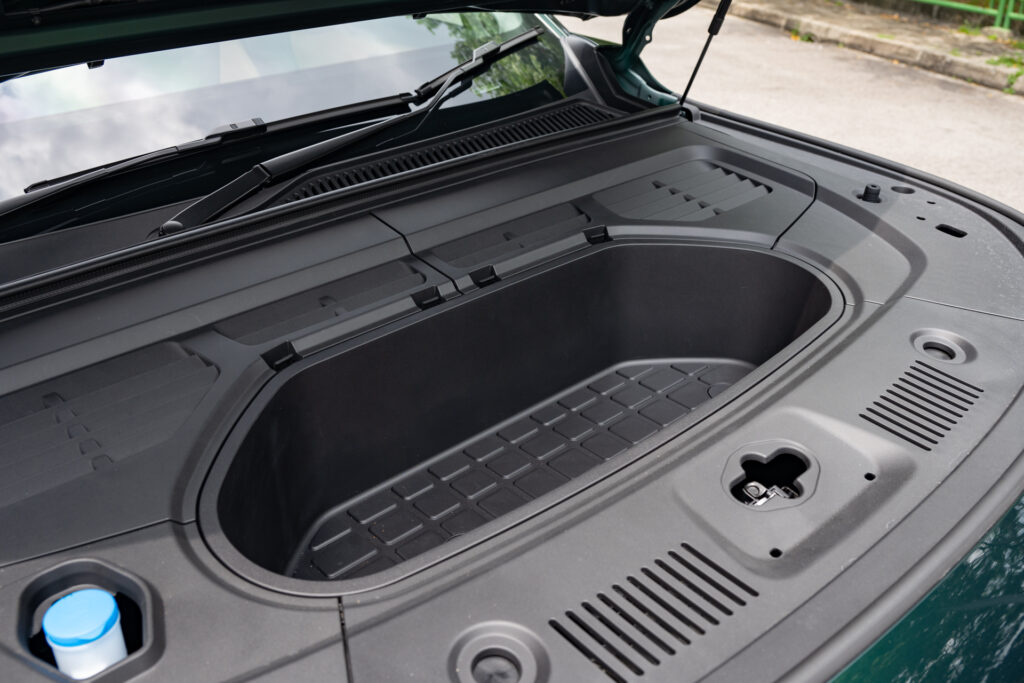
There’s also a shallow 32-litre frunk up front, which is useful for small items but nothing more.
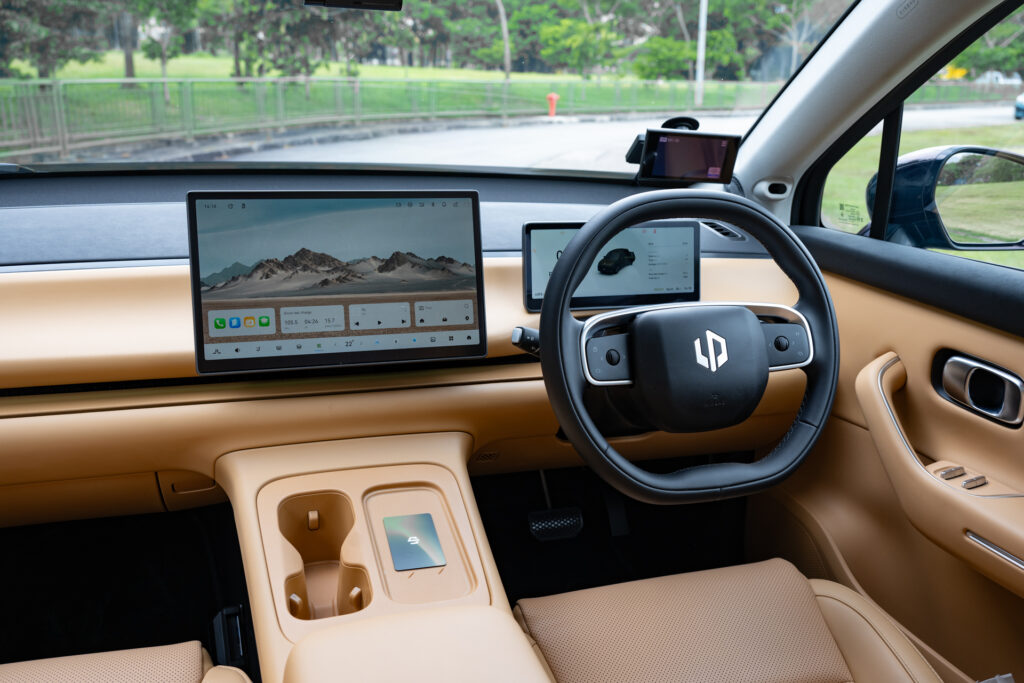
For the driver, the C10 adopts the same minimalist style that you’ll find on almost all new Chinese EVs these days. There’s a large 14.6-inch touchscreen where you access nearly all the controls, and hardly any physical switches anywhere.
Whatever few there are seem to be randomly placed, like the door unlock button on the steering wheel, and a mystery button on the roof that is supposedly customisable. Odd.
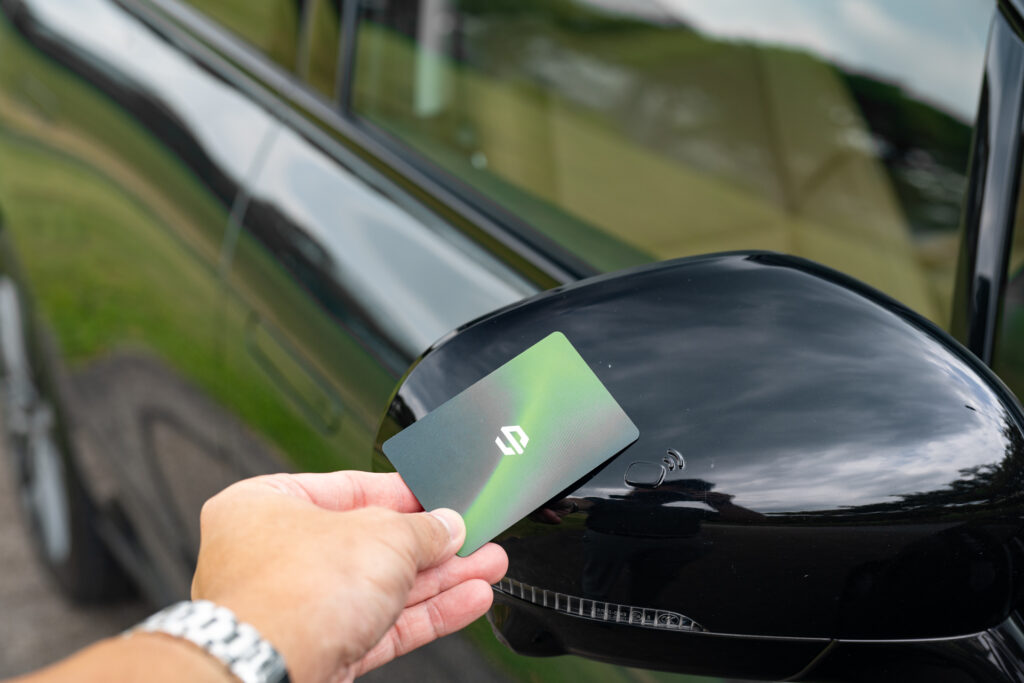
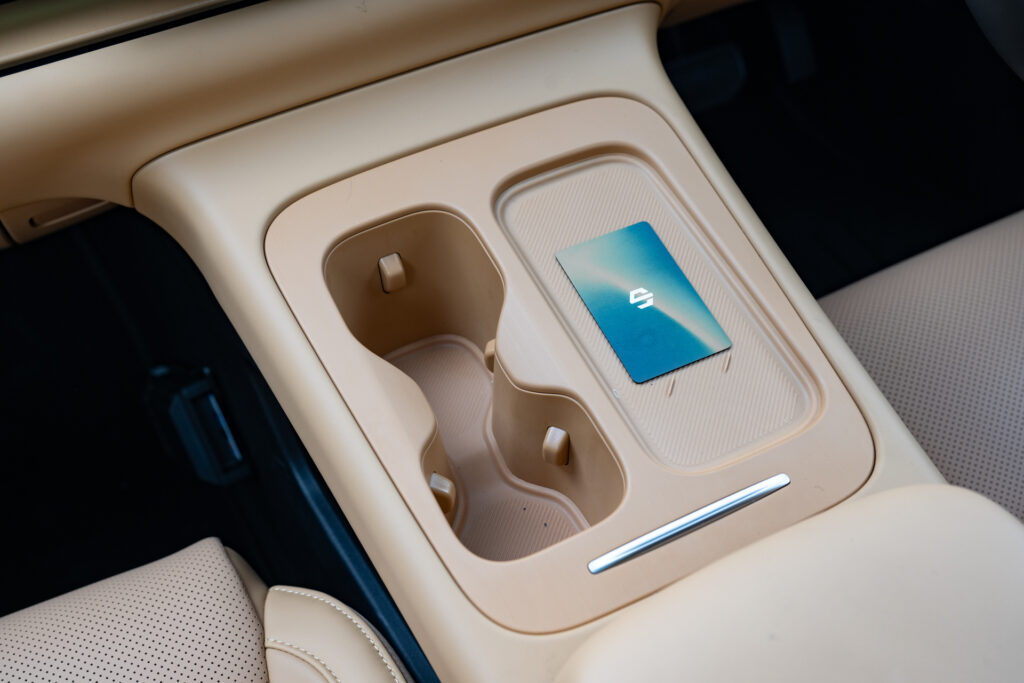
Entering the car requires a unique process too. If you’re not using the Leapmotor app on your phone, then you’re supposed to tap the provided NFC card on the driver’s door mirror to unlock the car. Then you have to place the card in the tray on the centre console in order to start the car.
By and large this isn’t much of an issue for most, but the procedure does feel a bit peculiar.
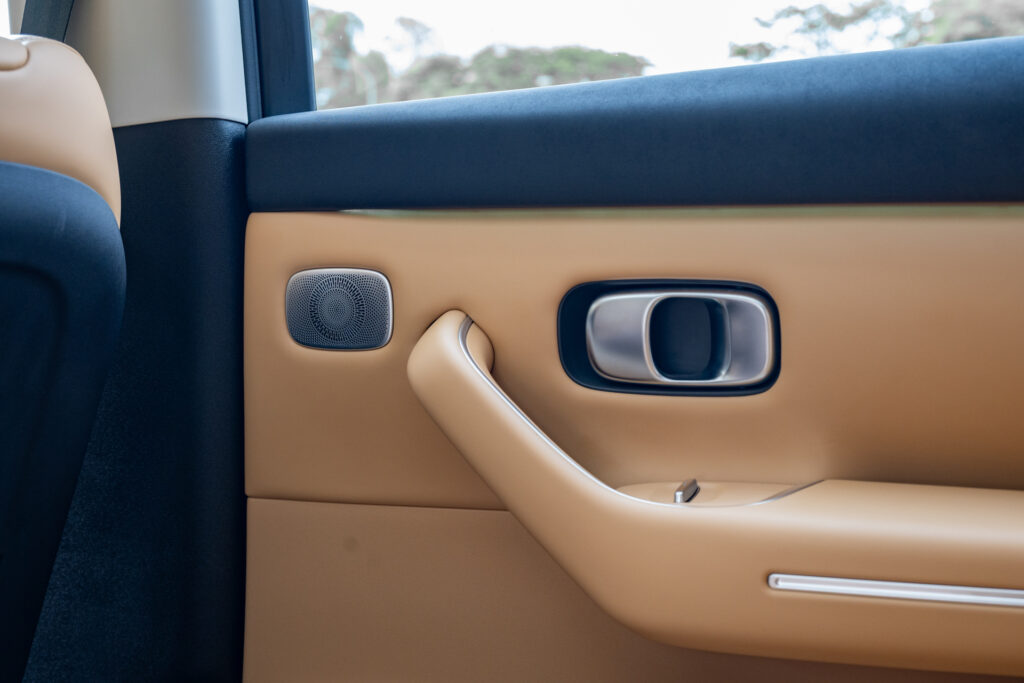
To be fair, the build quality does seem to be on a slightly higher level than some of its Chinese rivals, perhaps a result of Stellantis’ input. The use of the baby-friendly Oeko-Tex material for the seat upholstery is a thoughtful touch, and the 12-speaker sound system does sound pretty impressive.
That said, the Leapmotor does fall short in a few areas. The design of the air con vents, for instance, are fairly hidden, and adjusting the airflow via the touchscreen can be a tad distracting.
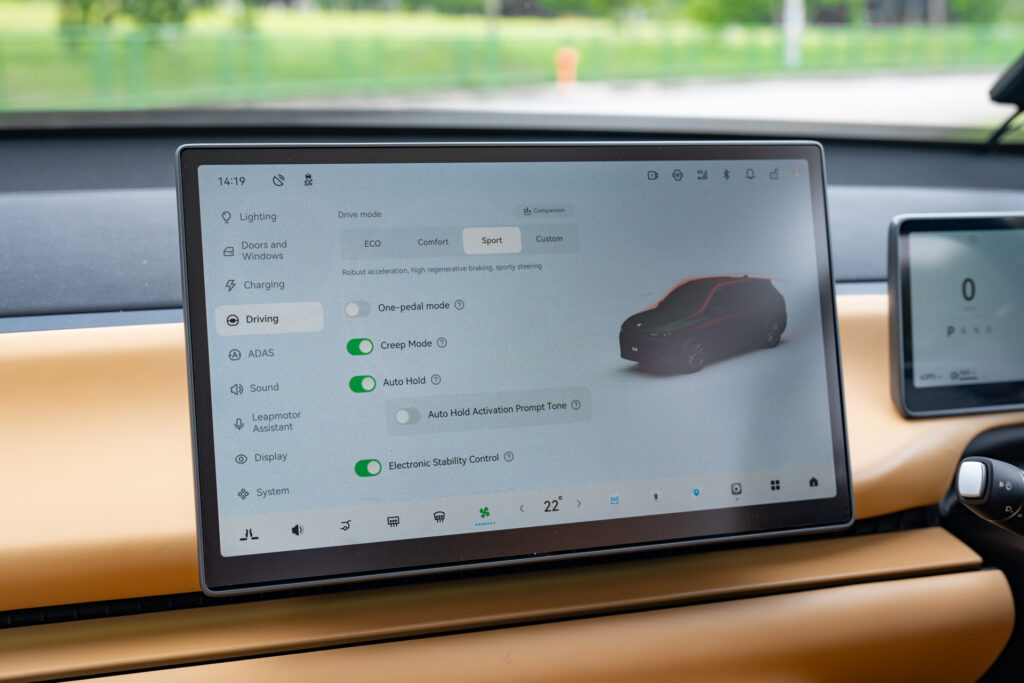
The system software and user interface is also a bit slow and unintuitive to use. But it is the omission of Apple CarPlay and Android Auto connectivity, due to licensing issues, that is the most glaring here, although apparently Leapmotor are working to address this soon.
A Drive Like Any Other
Let’s be real, a car like this is unlikely to deliver an exciting drive. The C10 is designed for urban family duties, and it very much fulfils that brief, nothing more.
The ride quality is fairly comfortable, and it copes well over most road surfaces. However, it does get a little bit disturbed over harsher bumps, such as when driving over a poorly reconstructed road. There’s a sense of firmness that is not unfamiliar in many SUVs actually, but by and large the Leapmotor fares better than most.
Go around a corner and the C10 will turn in decently, but the steering is largely devoid of feel, and the car executes the task with minimal fuss and drama. Body roll is relatively well-controlled, and there are generally few issues here, but it simply isn’t a memorable experience.
Likewise, as a Cat A EV, performance is just about average. The car accelerates decently but the power tapers off as you approach the legal speed limit. It’s basically identical to pretty much every other EV on the market that has had their power adjusted to meet our Cat A requirements, so again, nothing to shout about here.
One thing that needs addressing though are the brakes, which felt inconsistent in their application. It feels relatively normal and progressive on first depression, but then the braking force would suddenly cut in sharply, catching you out unawares. According to the dealer Cycle & Carriage though, it might be an isolated issue pertaining to the test car, but they are looking into it nonetheless.
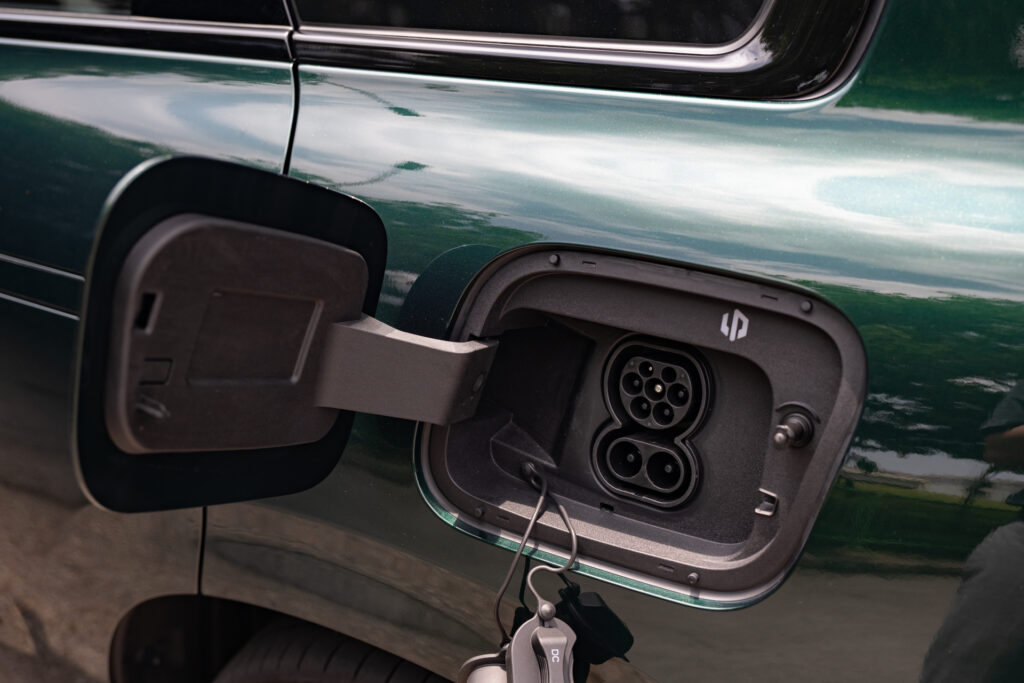
On a full charge, the C10 offers a range of around 420km, which is just about right for this segment. An efficiency claim of 5.3km/kWh sounds impressive, but in the real world you’ll probably be somewhere closer to the 6s.
More East Than West
At $175,999 with COE (accurate at time of writing), the Leapmotor C10 is priced at the slightly lower end of the market. However, despite its attractive pricing, there are a long list of competitors vying for the attention of buyers in this segment, so it would be wise to shop around.
Despite Stellantis’ involvement, in a lot of ways the Leapmotor C10 still feels like a very Chinese car. The overall philosophy mirrors many of its direct rivals, and the design and driving experience bear many similarities in their characteristics.
But that’s not necessarily a bad thing. In the EV space there’s no question that the Chinese are leading the way right now.
Instead of thinking what the Europeans can contribute to a Chinese car brand, perhaps another way to flip the script is to imagine what the Chinese can do to help improve Stellantis with their EV product strategy. On this form, Leapmotor certainly has much to teach the Westerners indeed.
Technical Specifications
Leapmotor C10
Powertrain: Single Electric Motor, Rear Wheel Drive
Power: 100 kW (136bhp)
Torque: 320 Nm
Gearbox: Single-Speed (A)
0-100km/h: 10.7 Seconds
Top Speed: 170 km/h
Battery Capacity: 69.9 kWh
Drive Range: 419 km (claimed)
Energy Consumption: 5.3km/kWh (claimed)
Price: S$175,999 with COE (accurate at the time of this article)
Article by: Ben Chia (@benchiacars)
Photo Credits: Sean Loo (@auto.driven)
Read more automotive news at AutoApp, or check out our latest videos on YouTube and on TikTok!