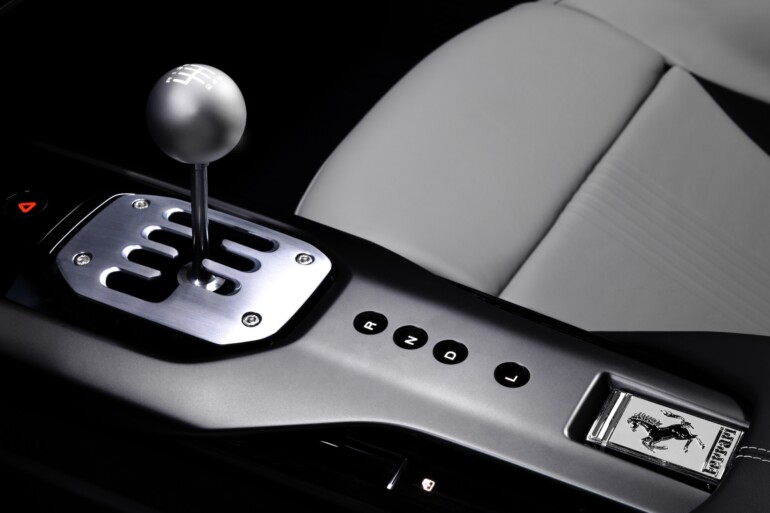
There are faster ways to drive a Ferrari. There are more efficient ways too. But they aren’t as fun as a true manual gearbox.
Modern dual-clutch transmissions can swap ratios in milliseconds, never miss a gear and, if we’re being brutally honest, will almost always make the average driver look like a hero.
They’re the reason today’s Ferraris accelerate with the sort of violence that would have seemed absurd just twenty years ago.
And yet, ask almost any Ferrari enthusiast to name their dream Prancing Horse, and chances are it won’t be one with paddle shifters. It’ll have three pedals.
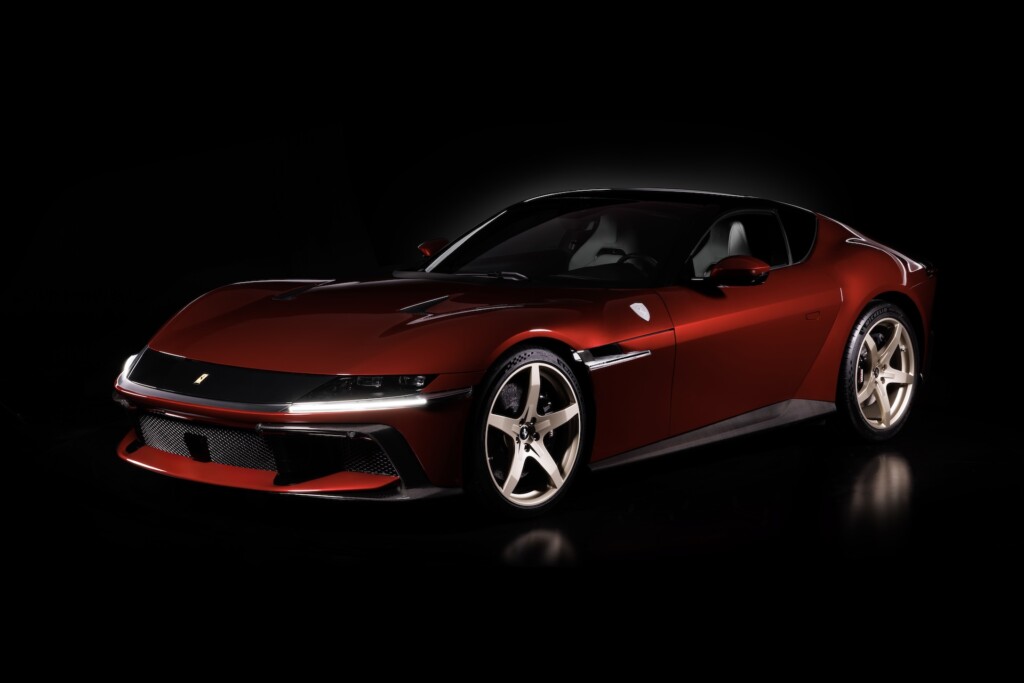
With Ferrari recently unveiling the 12Cilindri Manuale, complete with its innovative Manuale by-wire system, the company has done something few thought possible: it has reopened the conversation about manual Ferraris.
Not by turning back the clock, but by reminding us why changing gears yourself has always been about far more than outright speed. Because a manual Ferrari offers an entirely different relationship between driver and machine.
Before Paddle Shifters Changed Everything
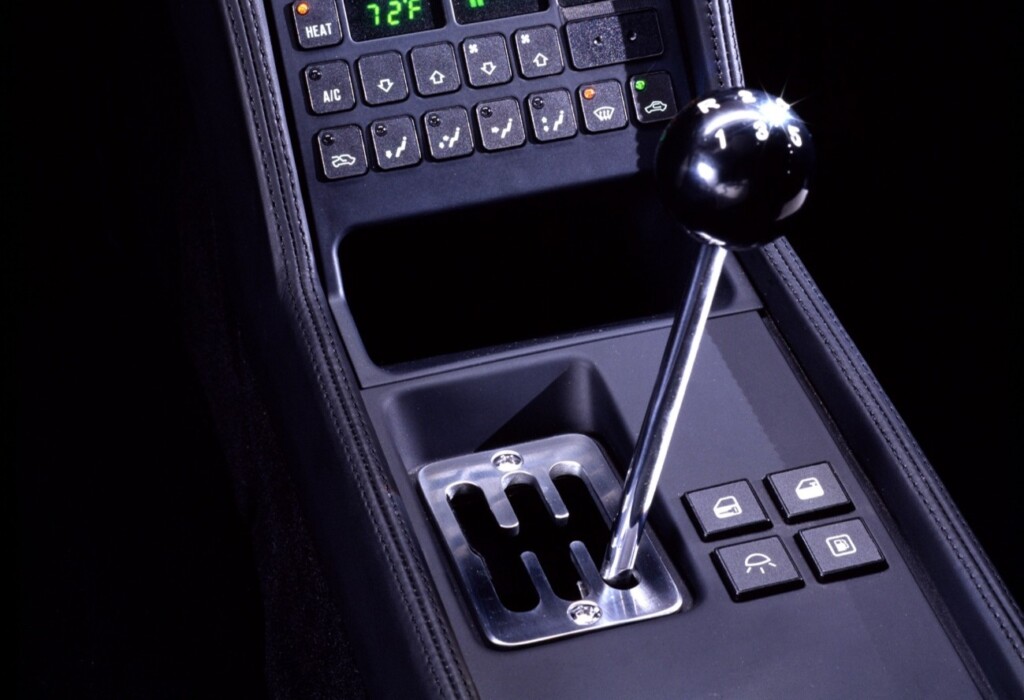
It’s easy to forget that, until the late 1990s, every Ferrari was manual.
The polished aluminium gate wasn’t designed as a styling exercise. It existed because that’s how you changed gear. The metallic *click-clack* that enthusiasts now romanticise was simply part of every journey.
Then Formula One innovations took over.
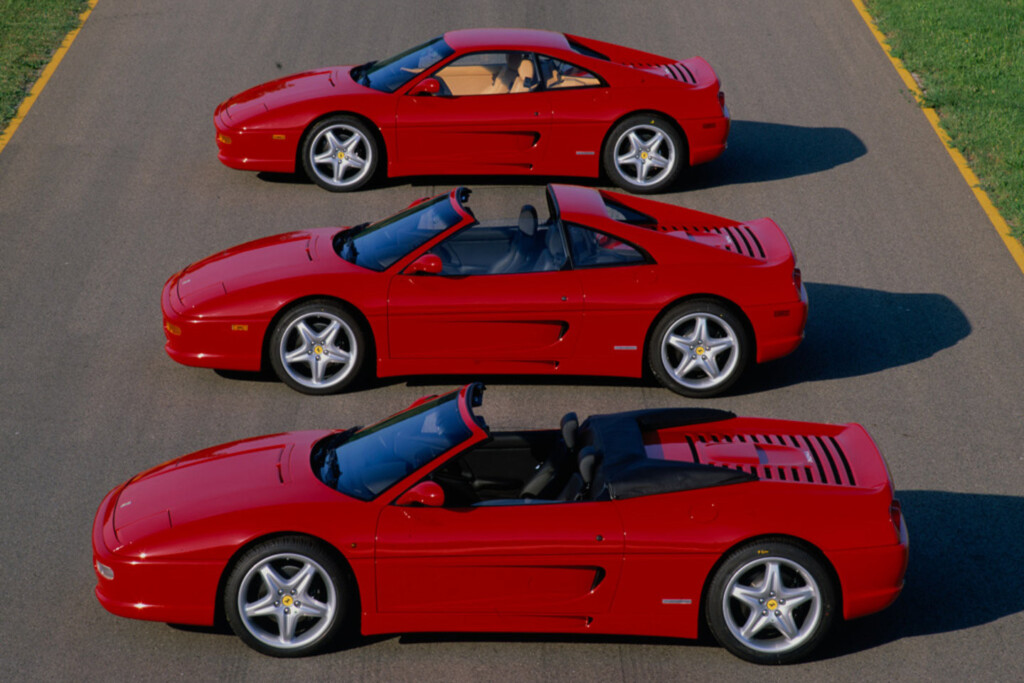
Ferrari began introducing electro-hydraulic paddle-shift gearboxes, first with the F355 F1 in 1997. At the time, it felt revolutionary. Suddenly, gear changes became quicker, more precise and undeniably more exciting.
By the time the dual-clutch transmission arrived with the California in 2008, the manual gearbox was living on borrowed time.
In 2012, Ferrari quietly closed the chapter, with the final manual Ferrari rolling out of Maranello. Or so we thought.
Why Manual Ferraris Became Legends
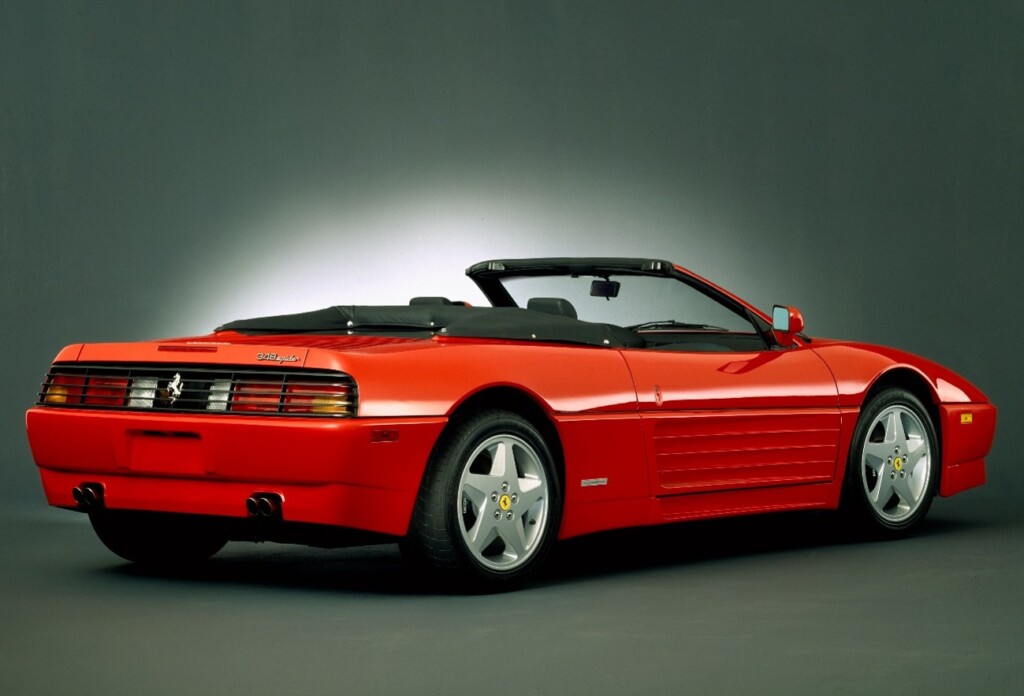
Interestingly, many of Ferrari’s most valuable classics weren’t designed to become collector’s items. They simply happened to be the last of their kind.
As the industry embraced automation, the traditional gated manual became increasingly rare. Scarcity drove values skywards, but rarity alone doesn’t explain the obsession; the real magic lies elsewhere.
Driving a manual Ferrari demands participation. You don’t simply point the car towards the horizon and bury the throttle. You listen. You anticipate. You balance the clutch, match the revs and choose exactly when to change gear.
Every successful shift feels earned. Miss one? The car lets you know. It is wonderfully, unapologetically human.
Five Ferraris That Defined The Manual Era
Ferrari 250 GTO (1962)
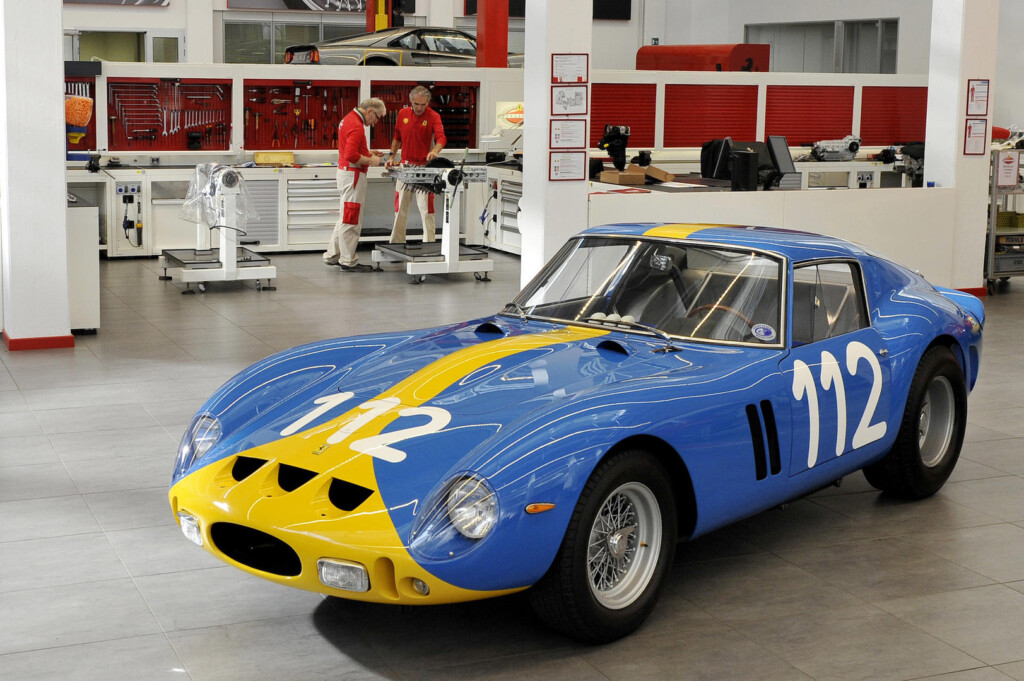
If there is a Mount Rushmore of Ferrari road cars, the 250 GTO undoubtedly belongs on it.
Built for homologation and competition, the GTO combined a glorious 3.0-litre Colombo V12 with a wonderfully mechanical five-speed manual gearbox. There were no electronic safety nets, no adaptive suspension and certainly no driving modes.
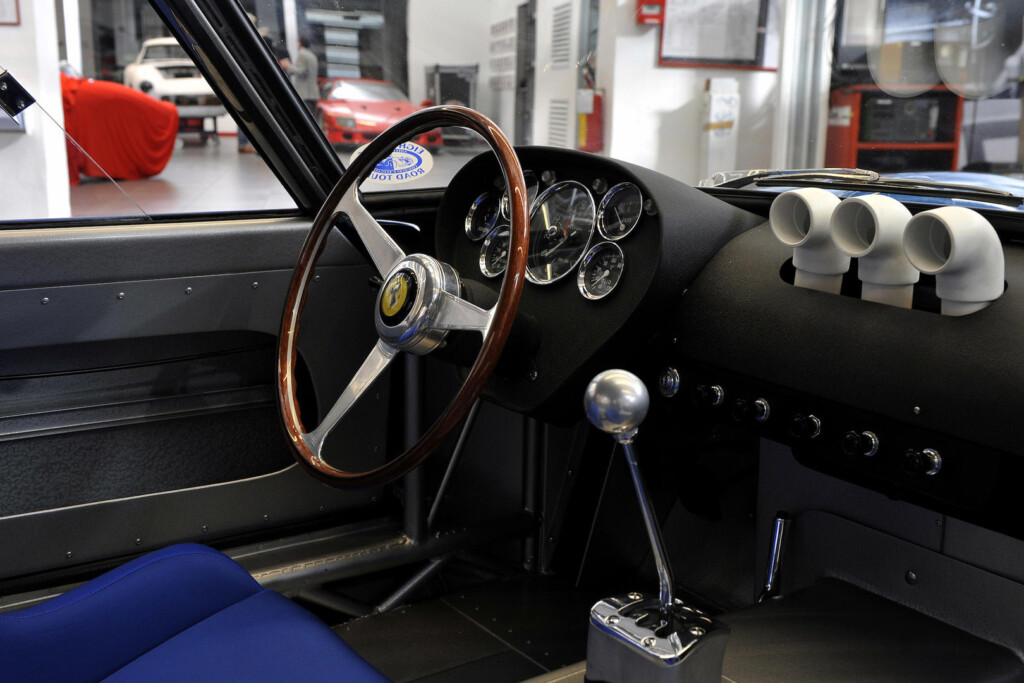
Just a steering wheel, three pedals and one of the greatest engines ever created.
Today, the 250 GTO is remembered not only for its racing pedigree but also for representing the purest expression of analogue Ferrari engineering.
Ferrari 365 GTB/4 “Daytona” (1968)
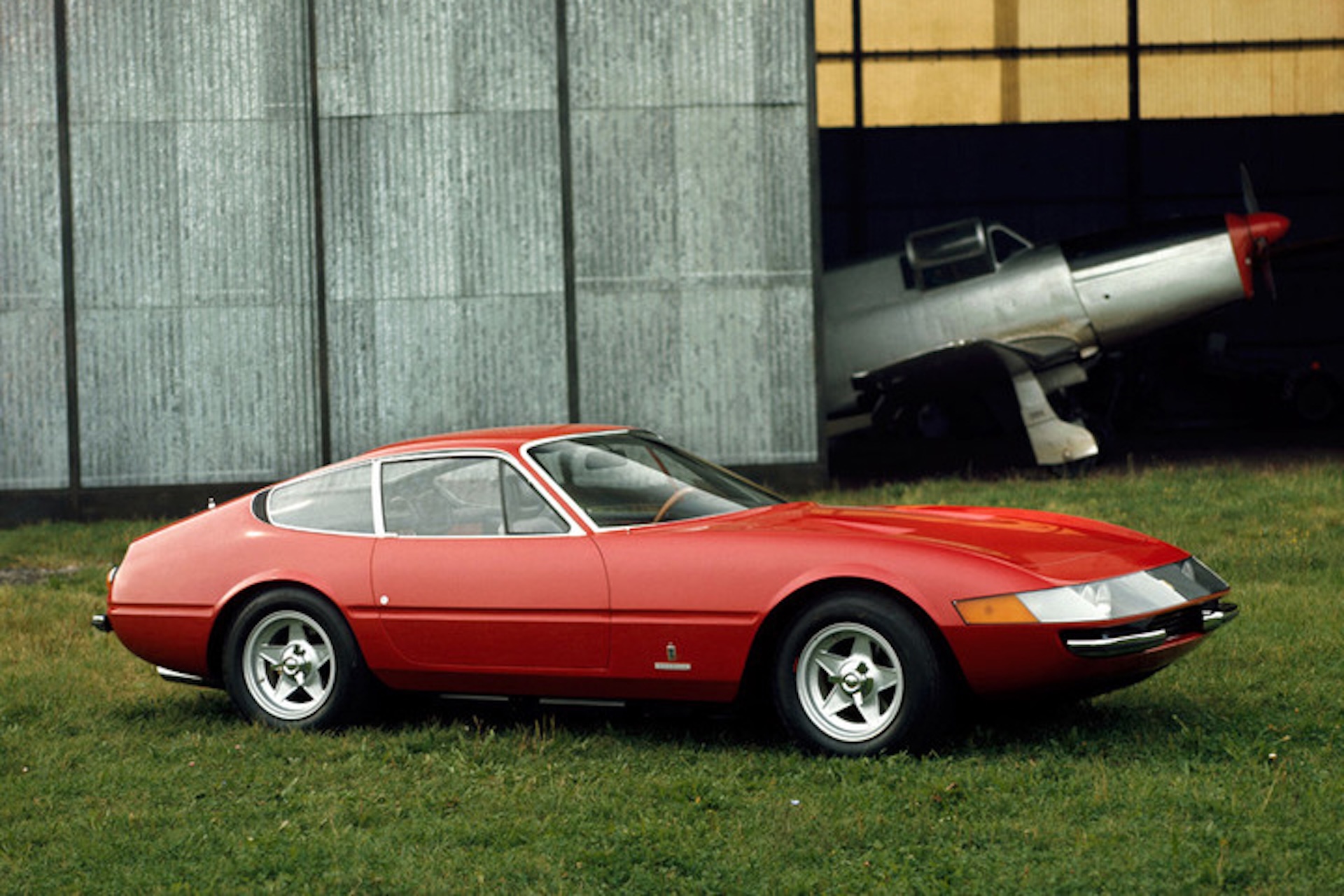
Long before the Testarossa became the poster child of Ferrari’s V12 grand tourers, there was the Daytona.
Its front-mounted 4.4-litre V12 produced 352bhp, enough to make it one of the fastest production cars of its era.
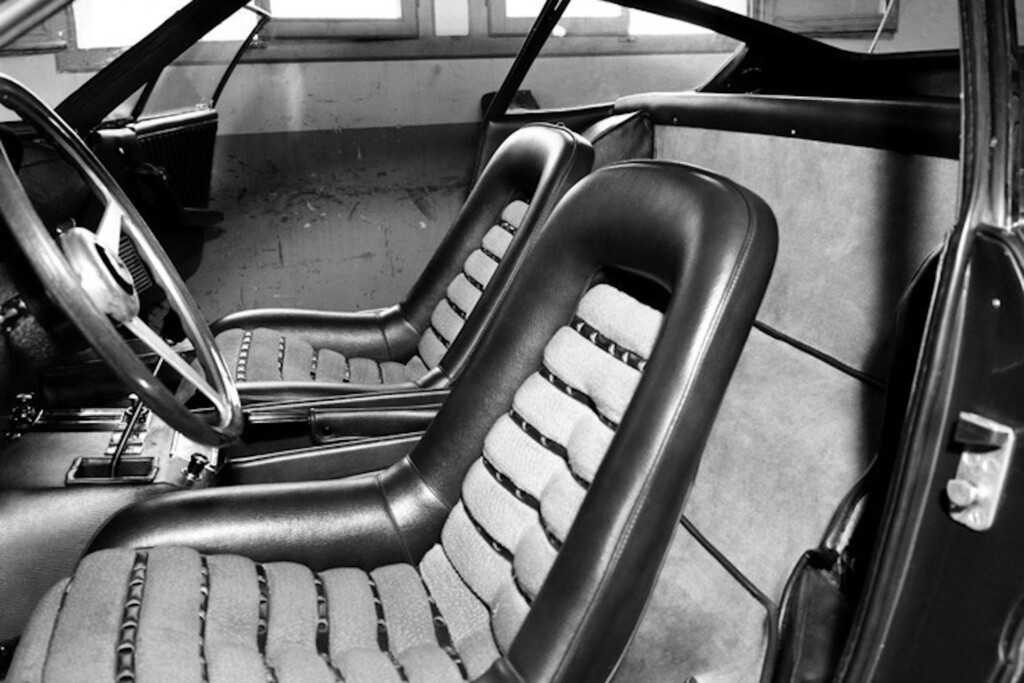
And it wasn’t merely the performance that made the Daytona memorable. It was the way you had to work for it.
The dog-leg five-speed manual gearbox rewarded deliberate, confident shifts. Combined with its long bonnet and sonorous V12, it remains one of the defining Ferrari grand tourers ever built.
Interestingly, the newly unveiled 12Cilindri Manuale even pays tribute to the Daytona through subtle styling references, including pinstripe detailing inspired by the original 365 GTB/4.
Ferrari F40 (1987)
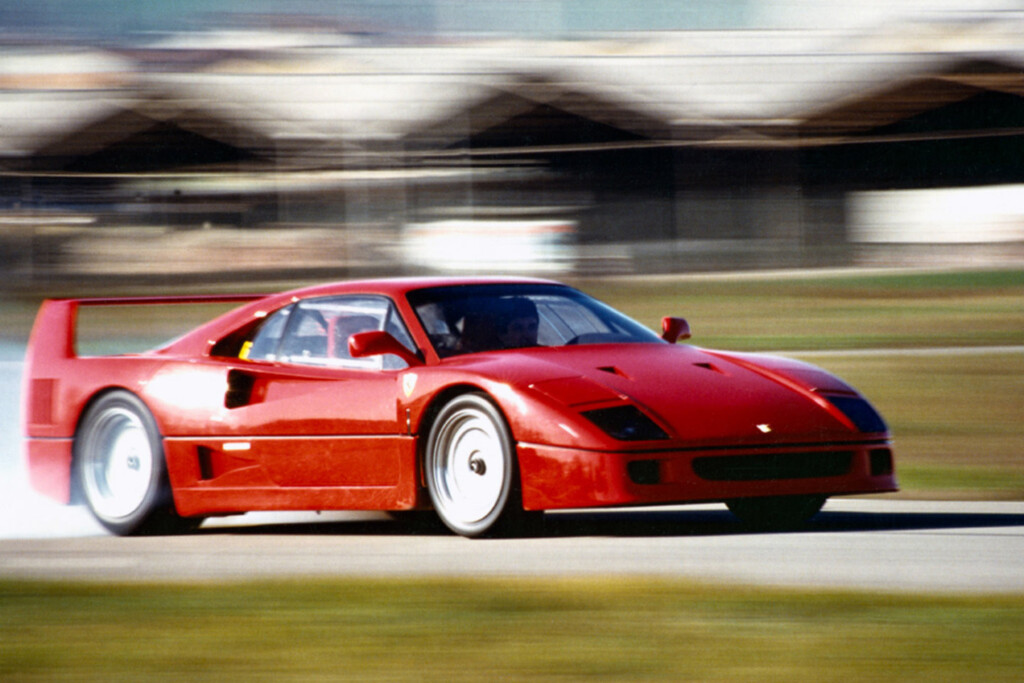
If any Ferrari embodies the phrase “driver’s car”, it is surely the F40.
Twin-turbocharged.
No power steering.
No ABS.
No traction control.
And, thankfully, no automatic gearbox.
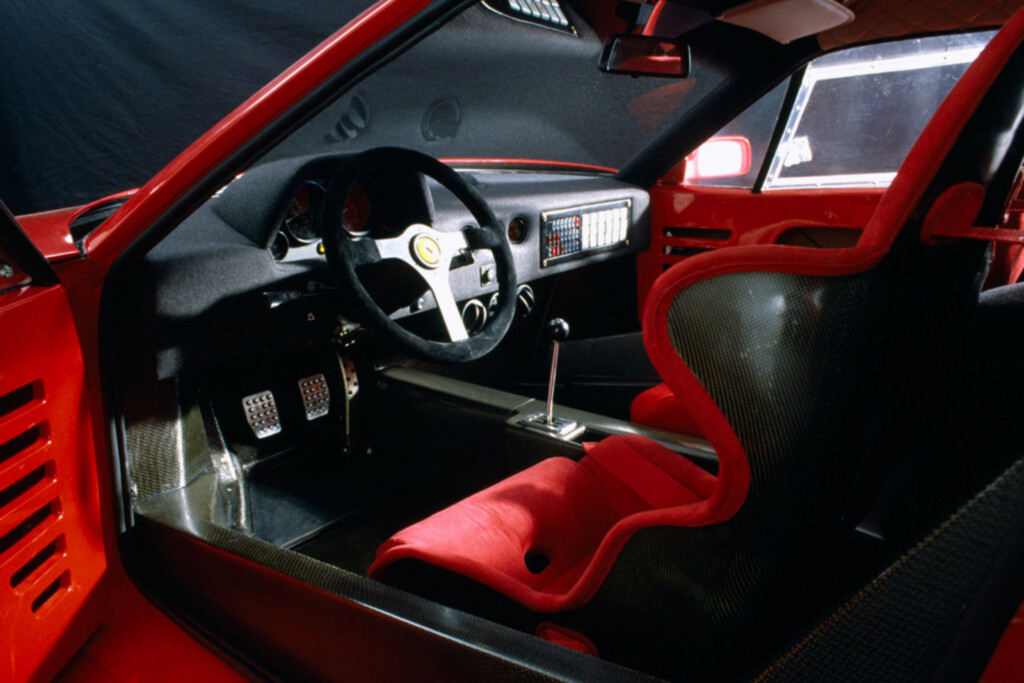
The heavy clutch and uncompromising five-speed manual demanded commitment. At low speeds, it could feel almost agricultural. Once the turbos came alive, however, the entire experience transformed into controlled chaos.
Would it be faster with a modern dual-clutch gearbox? Undoubtedly.
Would it be better? Absolutely not.
Ferrari F50 (1995)
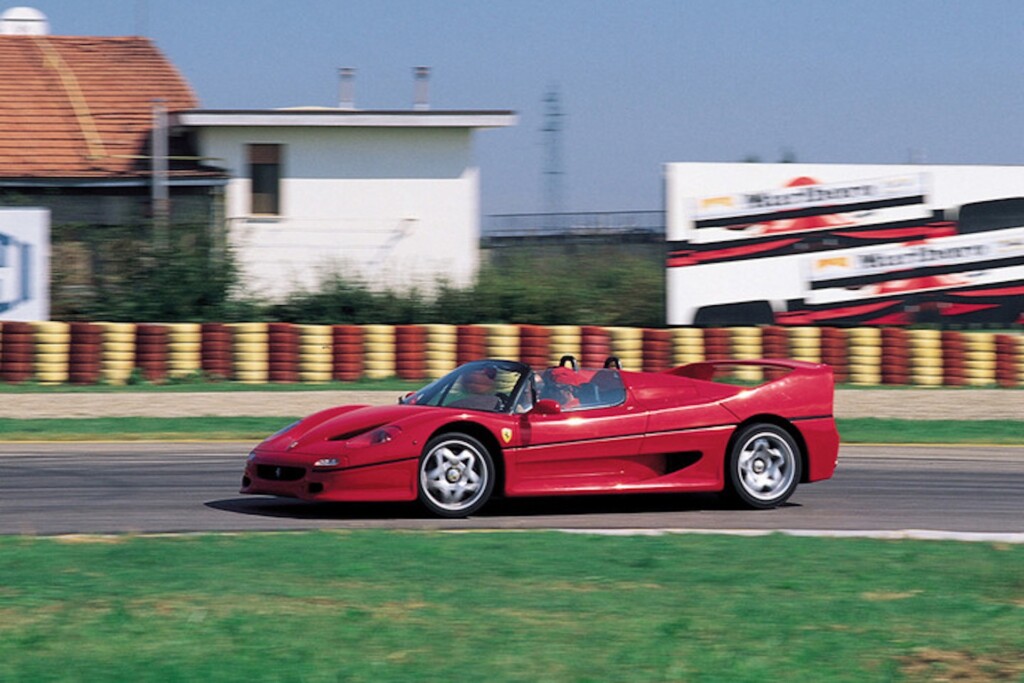
Where the F40 felt like a racing car adapted for the road, the F50 barely bothered with the adaptation.
Its naturally aspirated 4.7-litre V12 was derived directly from Ferrari’s Formula One programme, screaming to over 8,000rpm. Crucially, it was paired exclusively with a six-speed gated manual.
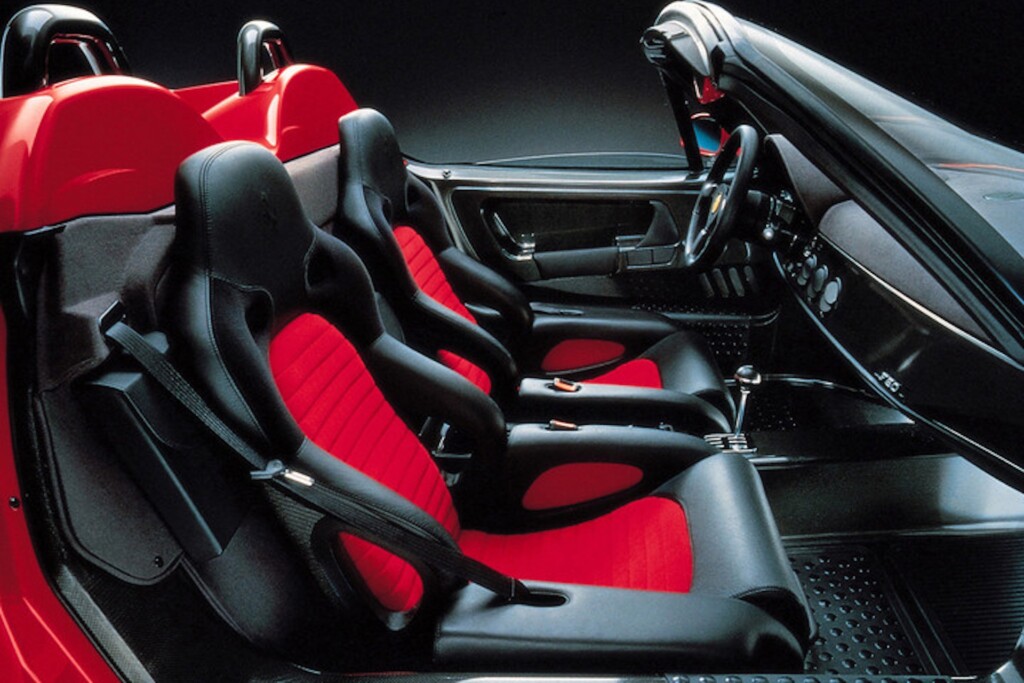
No paddle shifts. No shortcuts. Just one of the greatest powertrains Ferrari has ever assembled.
It may very well kill you, but even today, many collectors regard the F50 as the final truly analogue Ferrari hypercar.
Ferrari 599 GTB Fiorano Manual (2006)
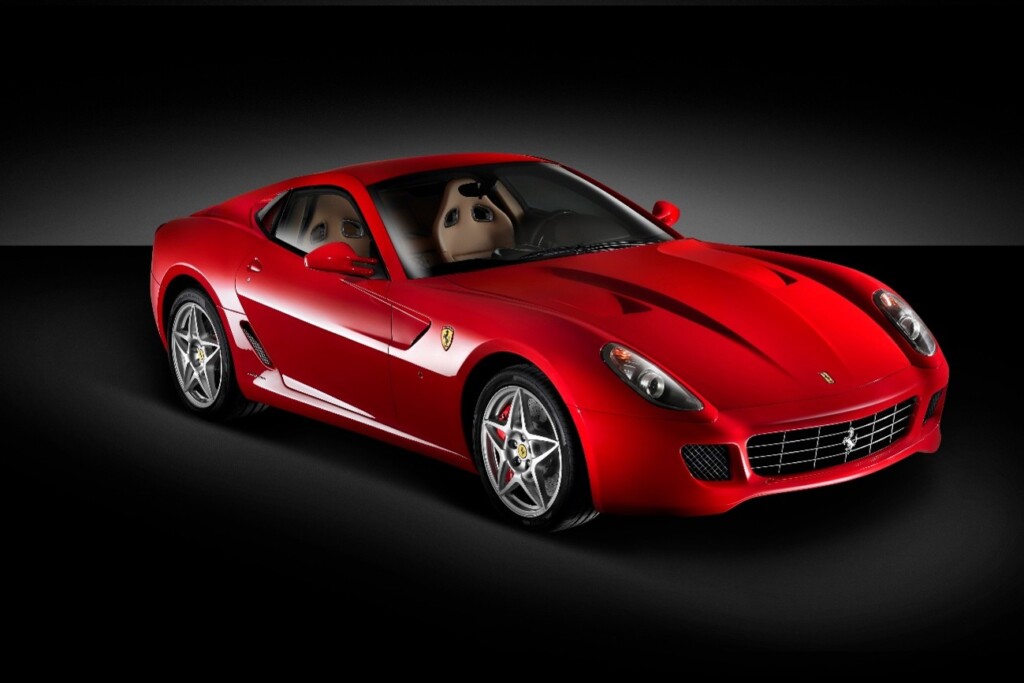
This is perhaps the most fascinating Ferrari on the list.
By 2006, almost every buyer wanted the F1 paddle-shift transmission. Manuals had become deeply unfashionable.
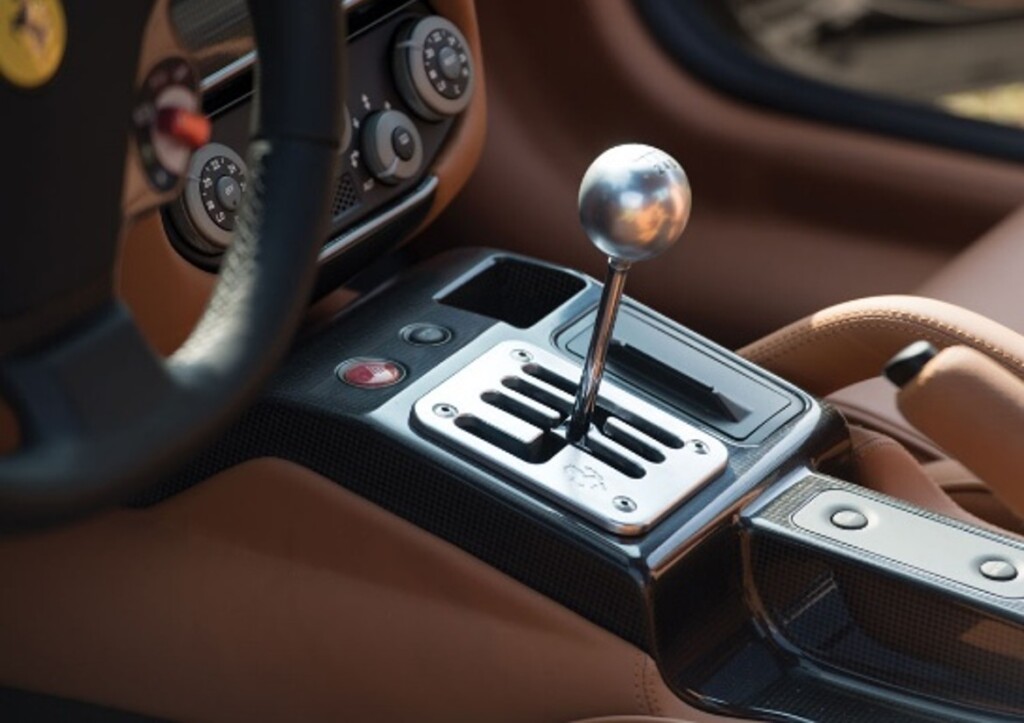
Ferrari nevertheless continued offering one. Only around 30 manual-equipped 599 GTBs are believed to have been built worldwide, instantly making them among the rarest modern Ferraris ever produced.
Ironically, the gearbox that buyers once ignored has now become the very reason collectors are willing to pay extraordinary premiums.
Sometimes history has an amusing sense of humour.
The Last Of The Breed
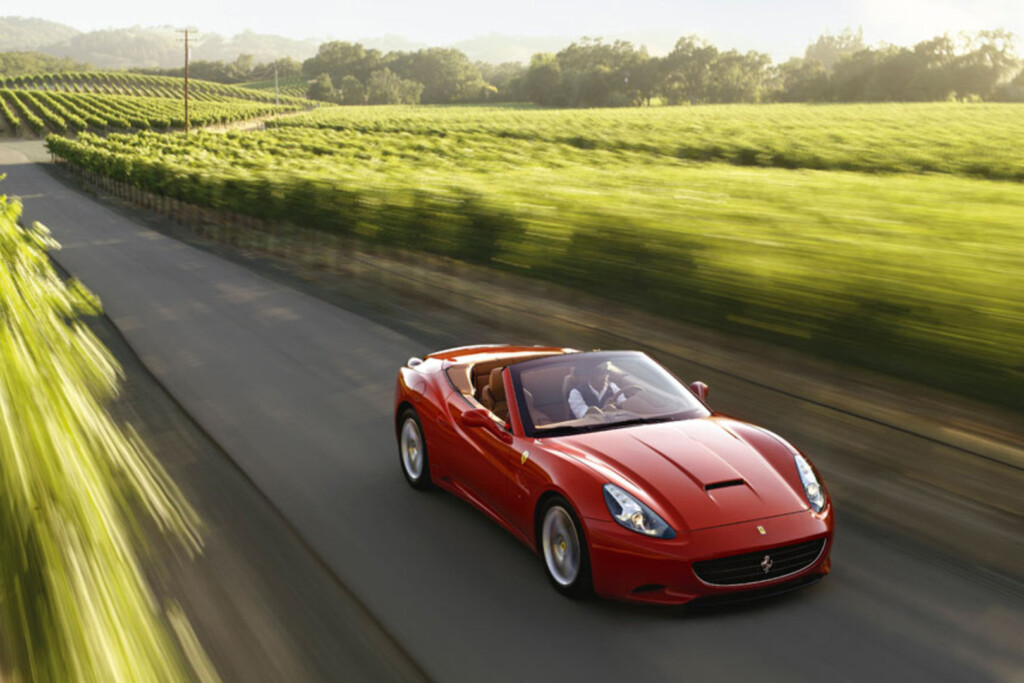
The Ferrari California is often remembered as the company’s first dual-clutch model. What many forget is that it was also briefly available with a manual gearbox.
Hardly anyone bought it. Production numbers are believed to be in the single digits. Shame.
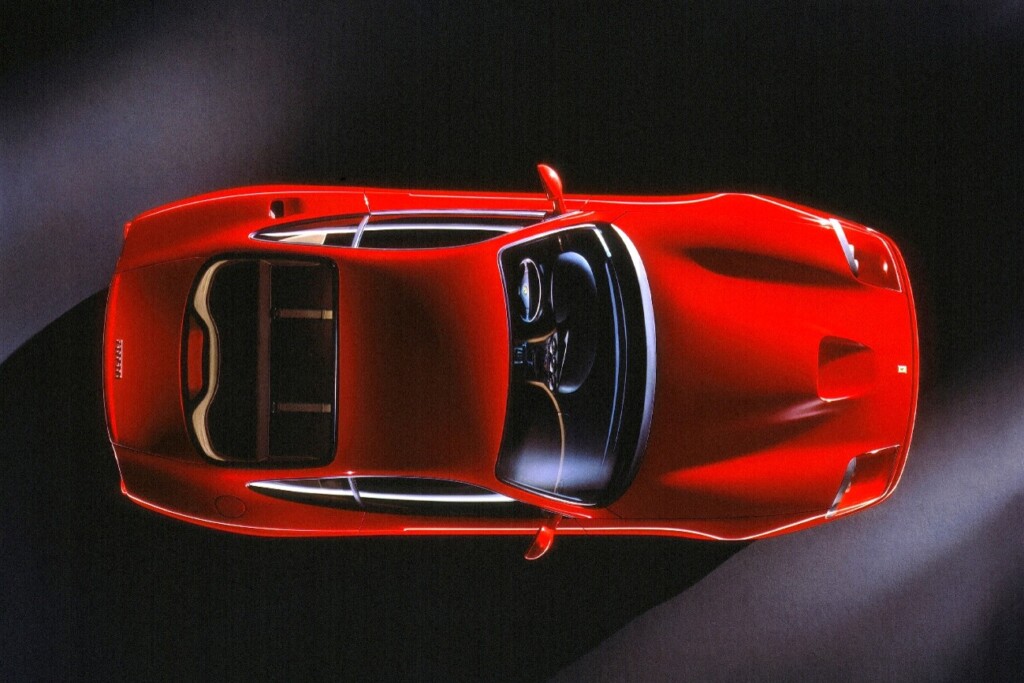
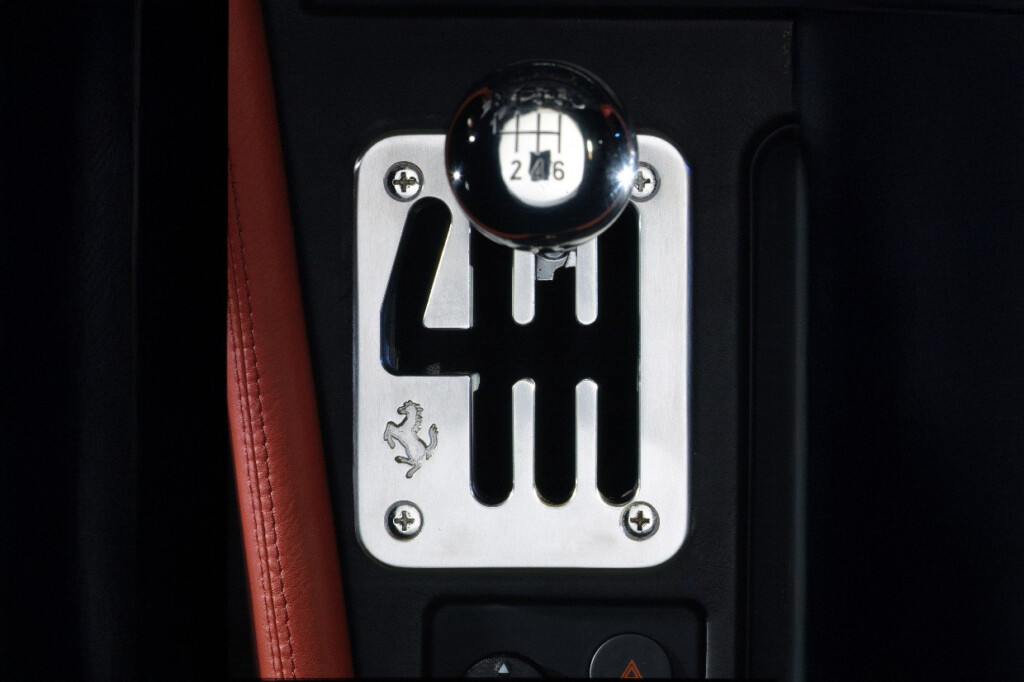
Similarly, the 599, 612 Scaglietti and 575M all offered manuals during a period when customers overwhelmingly preferred paddle shifters.
At the time, Ferrari’s decision to discontinue manual gearboxes felt inevitable. Demand had simply disappeared.
The 12Cilindri Manuale Brings Back Faith
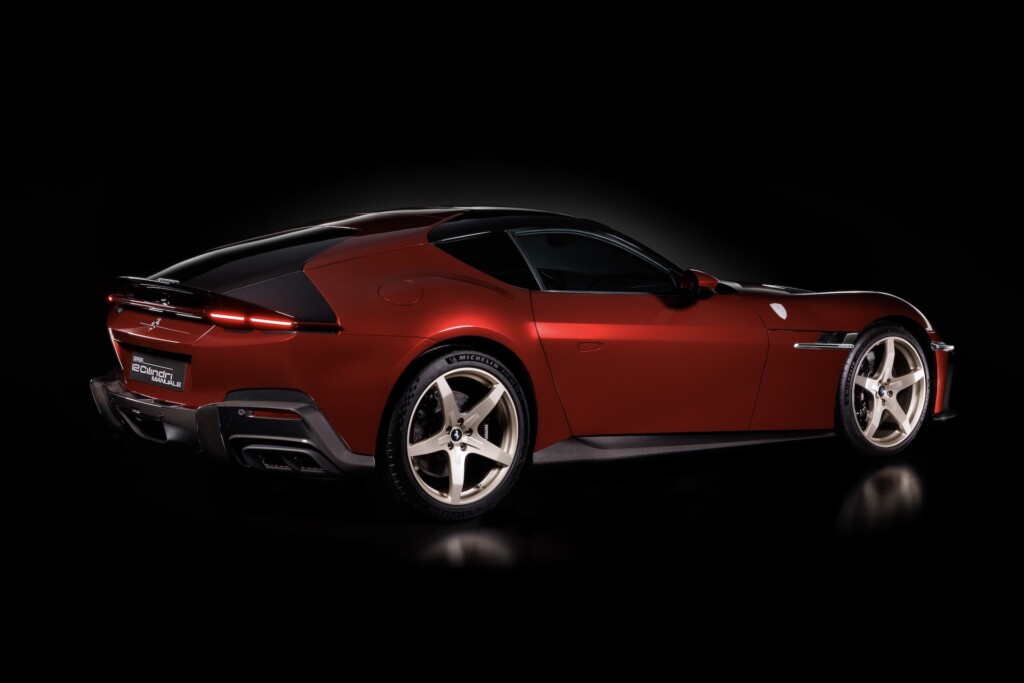
Which brings us back to today.
The Ferrari 12Cilindri Manuale is acknowledging something enthusiasts have understood all along: that driving enjoyment cannot always be measured in tenths of a second.
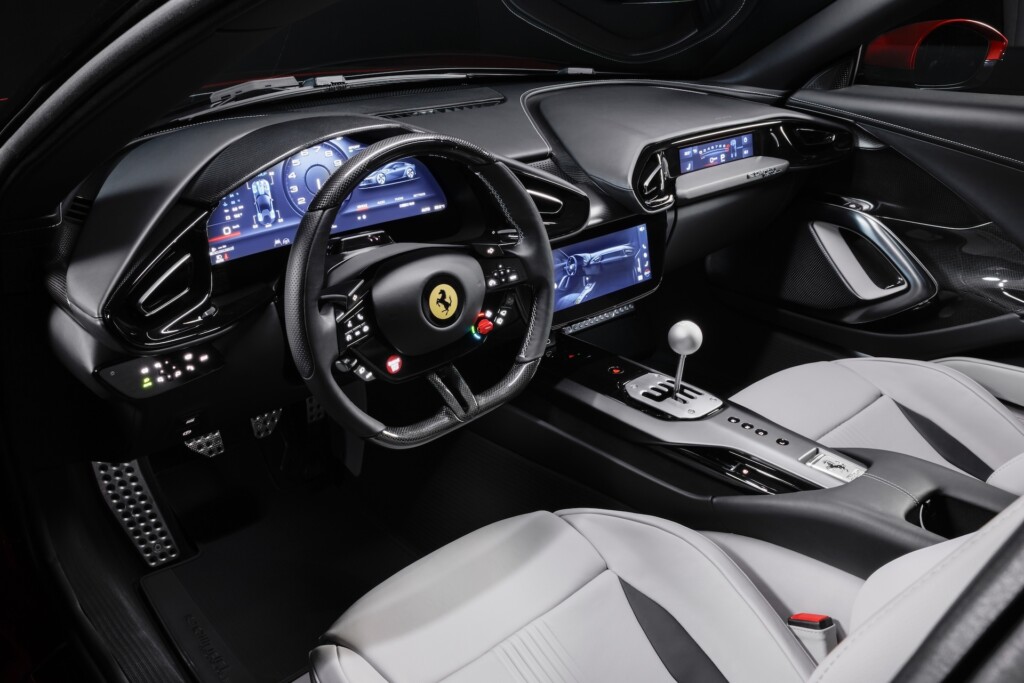
Ferrari’s new Manuale by-wire system is an intriguing compromise. It retains the speed and precision of the company’s eight-speed dual-clutch transmission while recreating the physical interaction of a traditional manual through a gear lever and clutch pedal.
It’s not nostalgia for nostalgia’s sake, but technology being used to preserve an experience that many feared had disappeared forever.
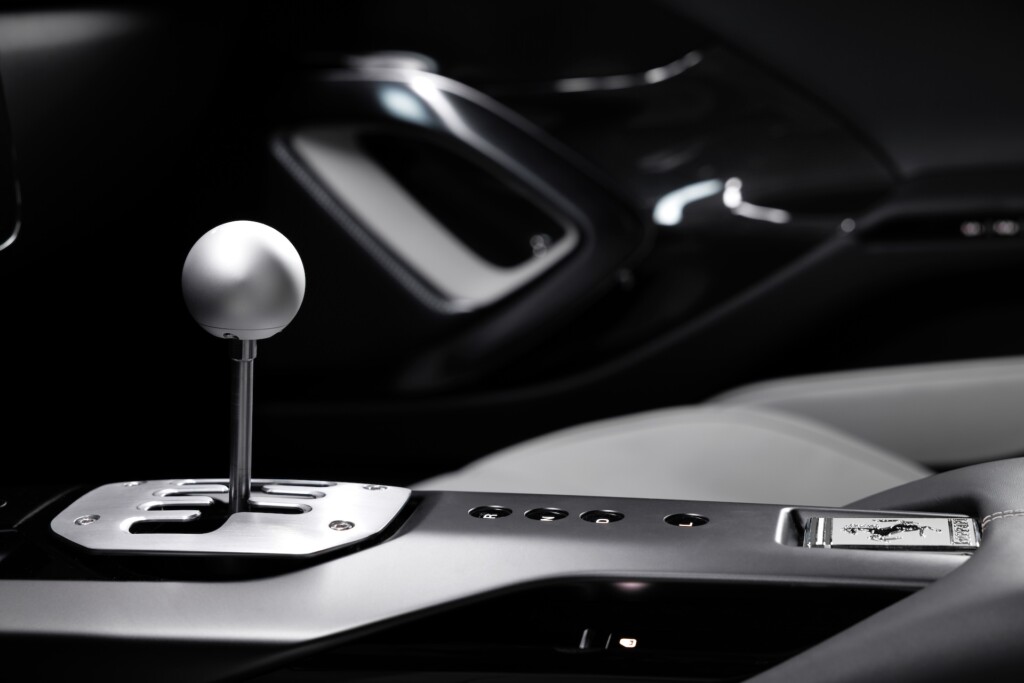
Will purists argue that nothing can replace a truly mechanical gearbox? Almost certainly. They’re probably right. But perhaps they can’t see the forest for the trees.
The real victory isn’t that Ferrari has built another manual. It’s that the company still believes the act of changing gear yourself is worth celebrating.
The fact that they even bothered to go to the extremes to engineer a slush box that is compatible with their DCT system deserves its own credit.
Sometimes, the greatest luxury isn’t having the car do everything for you. It’s being allowed to do it yourself.
Read more automotive news at AutoApp, or check out our latest videos on YouTube and on TikTok!