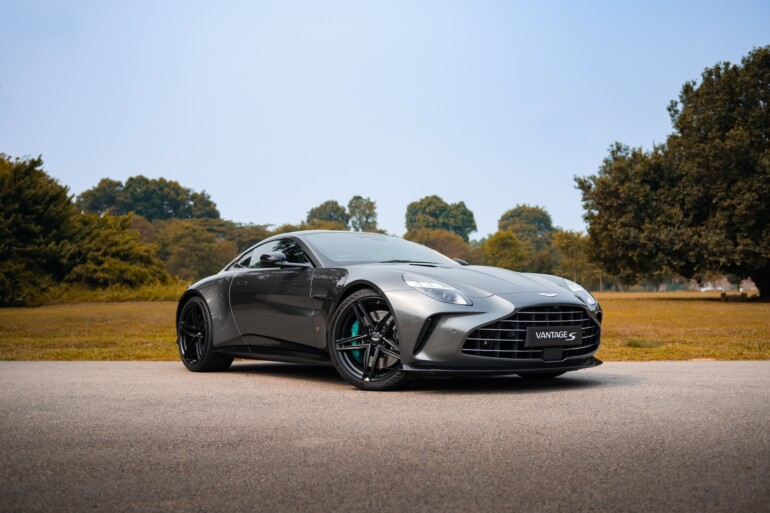
The Aston Martin Vantage S has more power, more fanfare and another letter on its boot. None of those things is actually the reason it is sublime.
Typically, when a company aspires to make a faster version of an already fast car, they give it more power, make the suspension harder, or throw in some carbon fibre bits. Stick a letter on the bootlid, preferably something from the sporty end of the alphabet, then ask customers for more money.
The Aston Martin Vantage S initially appears to follow this recipe.
There is an S badge. There is more power. There are new bonnet blades, a larger rear spoiler and various pieces of carbon fibre available if your idea of discretion involves making sure people in the next postal district know you bought the expensive one.
Yet the funny thing about the Vantage S is, none of that is what makes it special.
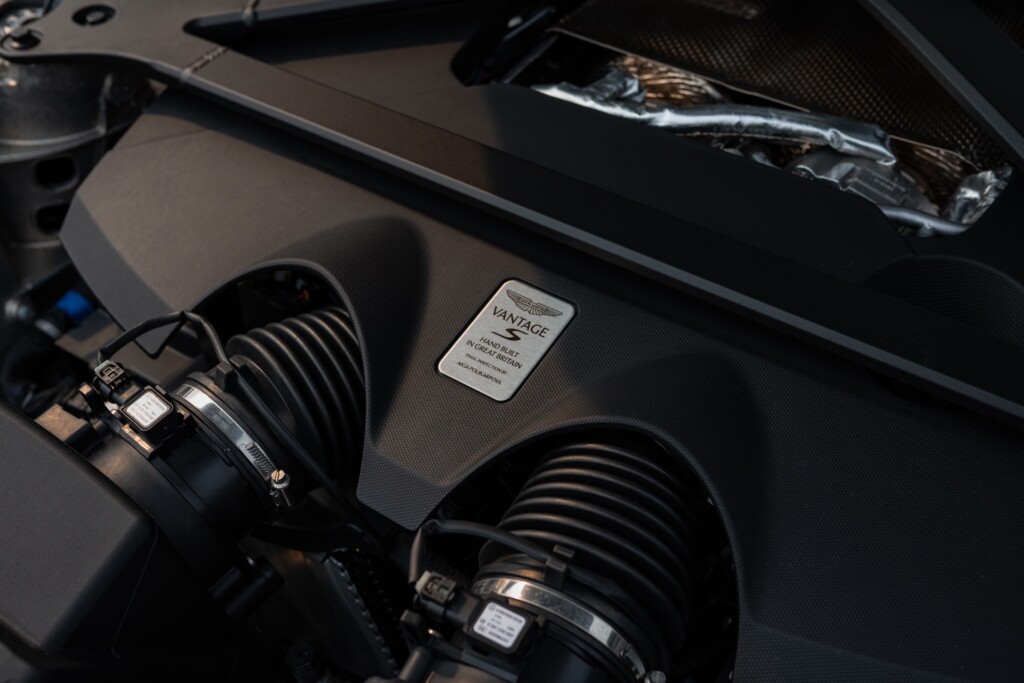
Under the bonnet is the same 4.0-litre twin-turbocharged V8 as the regular Vantage, driving the rear wheels through an eight-speed ZF automatic gearbox mounted at the rear.
Here it produces 670bhp and 800Nm of torque. That is 15bhp more than the standard Vantage, while the torque figure remains unchanged. The century sprint is done and dusted in 3.4 seconds, and if you’re brave enough, you can hit 325km/h.
There is huge shove almost wherever you ask for it. Press the fun pedal and the long bonnet rises fractionally as the Vantage gathers itself before hurling the scenery towards you. The sensation is less about chasing a screaming redline and more about having an enormous reserve of force permanently waiting under your right foot.
All of this sounds fantastic… until you realise the standard Vantage was hardly underpowered to begin with. An extra 15bhp in a car already producing north of 650hp is a little like ordering an extra shot of espresso after your sixth coffee.
The S is only one tenth of a second quicker from rest to 100km/h, and its top speed is unchanged. So why bother?
Turns out, the engineers bothered quite a lot, and the answer pops into your brain the first time the road stops being straight.
The Bilstein adaptive dampers have been recalibrated and the suspension geometry has been revised. The rear subframe is now rigidly mounted to the aluminium body instead of being isolated by rubber bushes, while the transmission itself sits on slightly softer mounts to compensate.
The rear spring aid has been softened, too, in an effort to improve low-speed ride quality. There is even a new throttle calibration, with Aston Martin altering pedal weighting and response so the engine reacts more precisely to inputs.
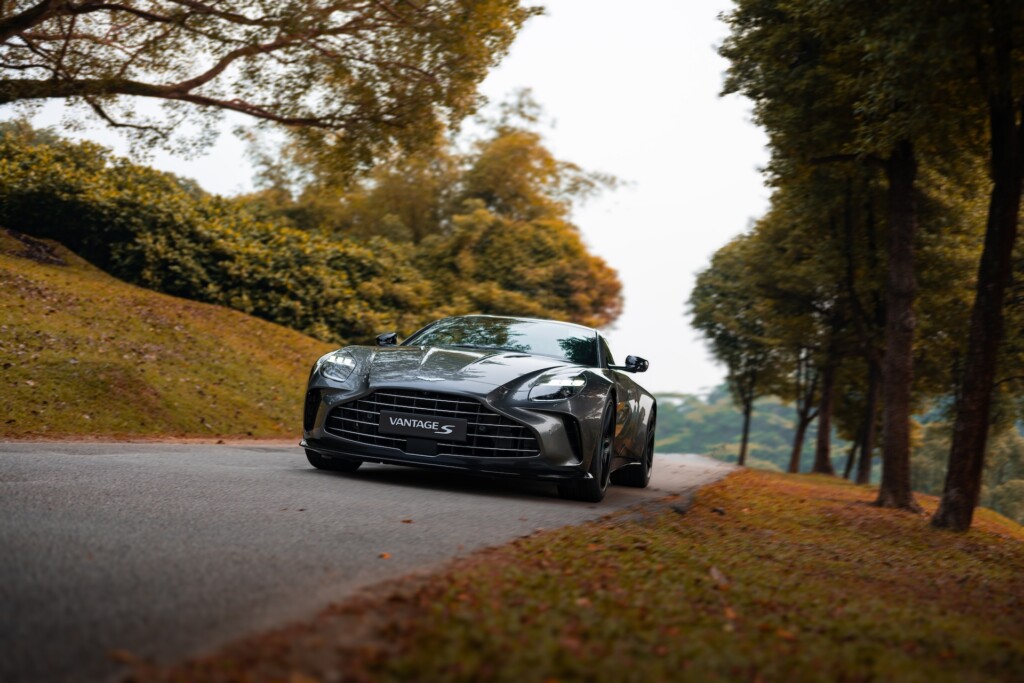
This is the sort of engineering people tend not to discuss over a dinner date, and nobody has ever approached a stranger at a petrol station and said: “Nice car. Tell me about the rear spring aid stiffness.” But these are the changes that transform the S.
The regular Vantage is already an enormously fast machine, but there is so much engine squeezed into such a relatively compact chassis that the car can occasionally feel like it is trying to negotiate with its own horsepower.
The S feels as though the negotiations have concluded. The steering is clearer and more communicative, and the car settles itself better over difficult surfaces. There is still proper weight to the controls, but there is a greater sense that the front tyres are telling you what they are doing.
You can lean on it harder without constantly wondering whether 800Nm is about to arrive with a strongly worded complaint, and that does wonders for confidence.
Aston Martin has also resisted the temptation to turn the S into some sort of road-going punishment device. It would have been easy to make everything harder, lower and less forgiving in the name of performance. Instead, the suspension changes actually improve the Vantage’s low-speed behaviour while sharpening it when the pace rises.
You might argue with this logic, but most sports cars spend a distressingly large proportion of their lives doing 50km/h.
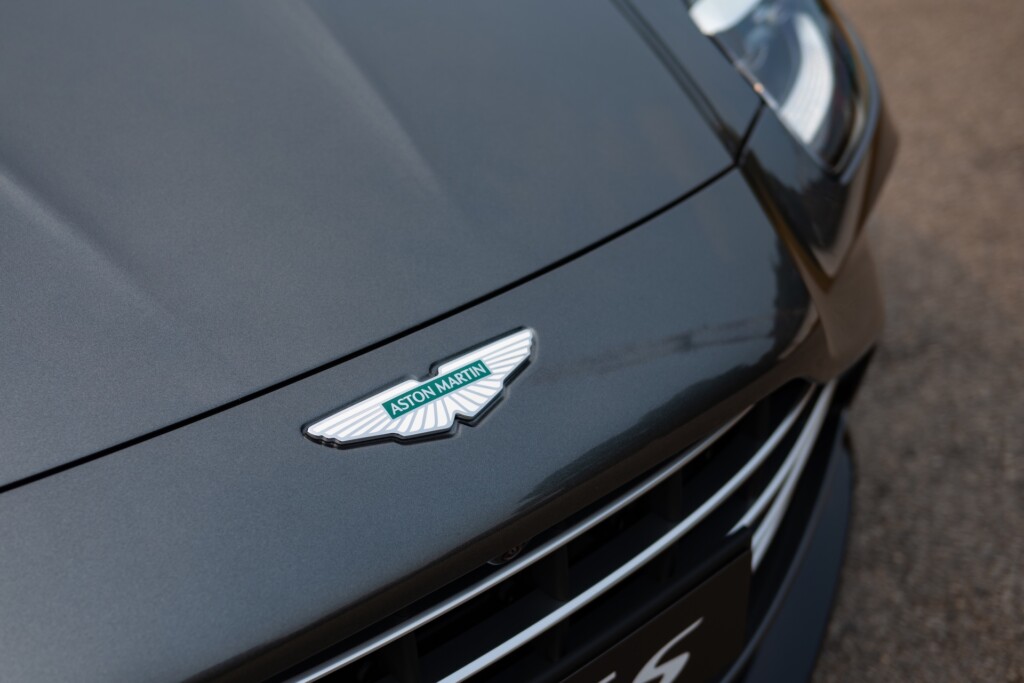
Another reason why the Vantage S feels unusual is that it is quintessentially remarkably simple.
Not mechanically, obviously. Any modern car capable of travelling at 325km/h while keeping its occupants alive is a complicated object, but the basic recipe is there.
A big V8 at the front, two driven wheels at the back, no hybrid nonsense and no all-wheel-drive system shuffling power around. Just an internal-combustion engine, a gearbox, rear tyres with a stressful job description, and just enough electronics to keep the expensive bits pointing the right way.
There is character in having to work with the car rather than merely instruct it. The Vantage S is enormously capable, but it does not make its driver entirely redundant.
There is theatre whenever you drive it too. The vibration, the rising note from the exhaust. The sensation of the gearbox punching through another ratio. The tiny corrections at the steering wheel as the rear tyres attempt to convert torque into forward motion.
You can feel it working, and that is a trait the engineers preserved succinctly in the Vantage S.
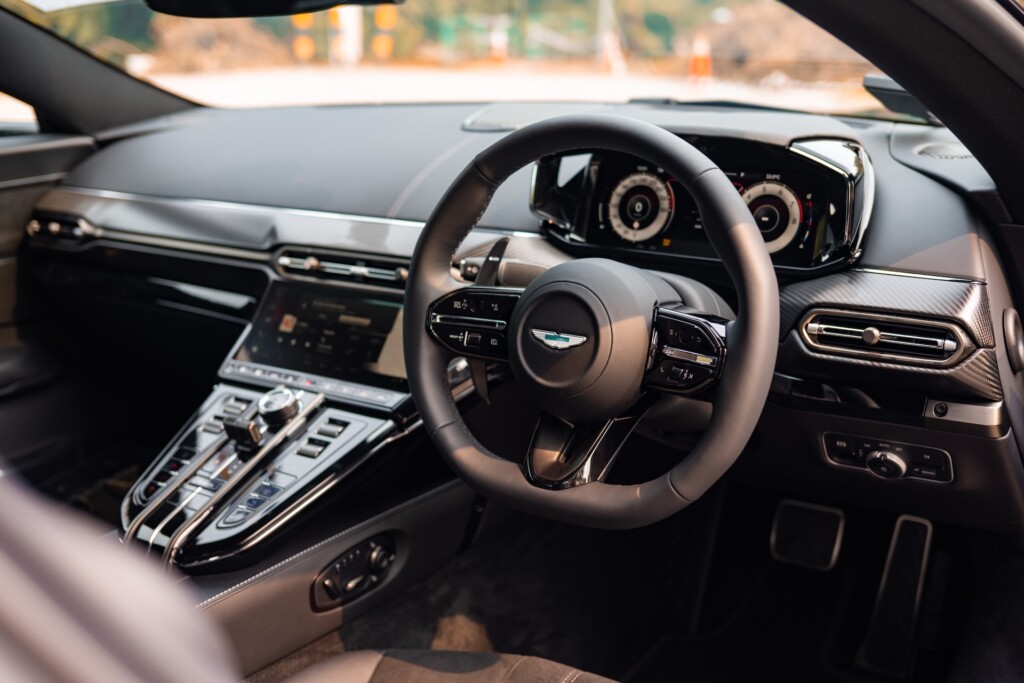
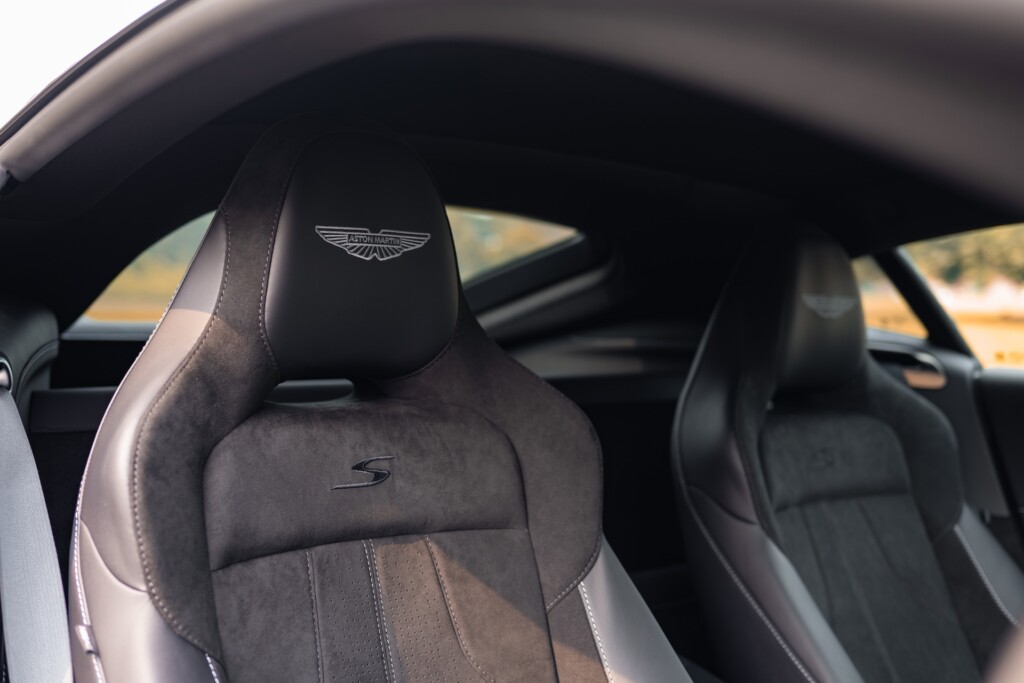
Best of all, you have a lavish front row seat to enjoy all of it.
The current generation Vantage interior feels properly bespoke, and you are cocooned in a brilliant mix of leather, alcantara, and metals.
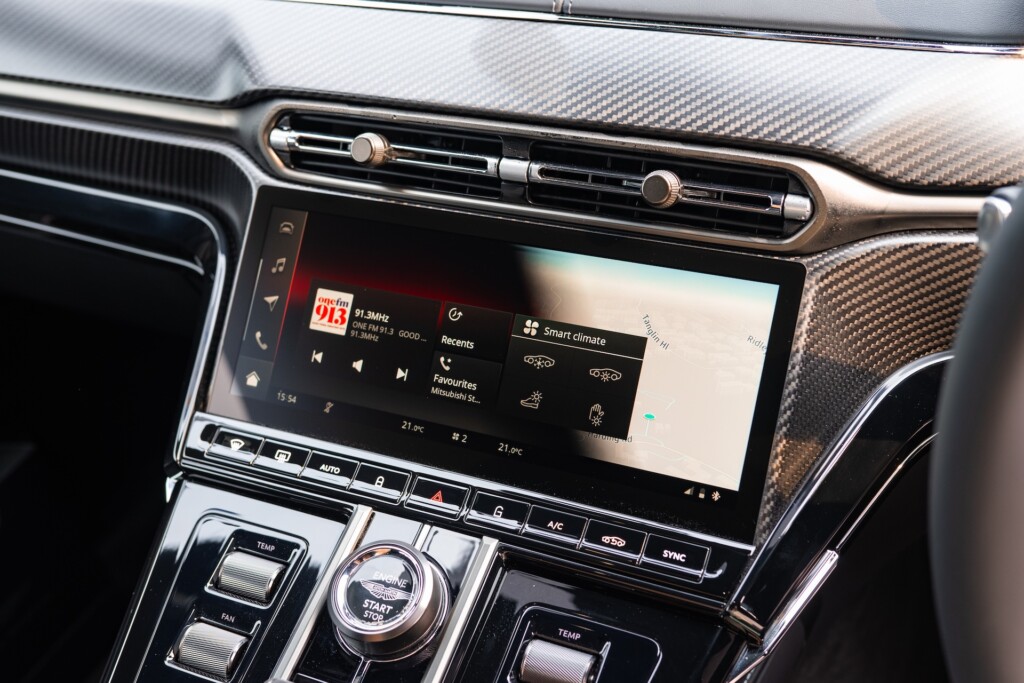
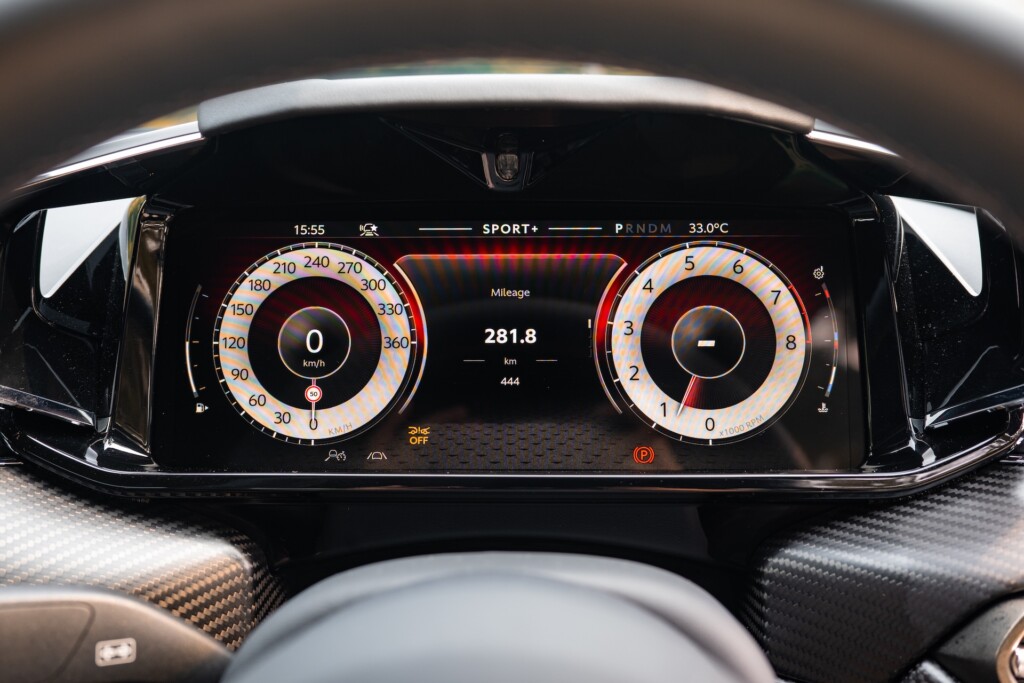
A 10.25-inch digital instrument display sits ahead of the driver, accompanied by a 10.25-inch central touchscreen running Aston Martin’s own infotainment system.
Wireless phone charging is standard, and Apple CarPlay Ultra is available if you decide to spot cops on Waze.
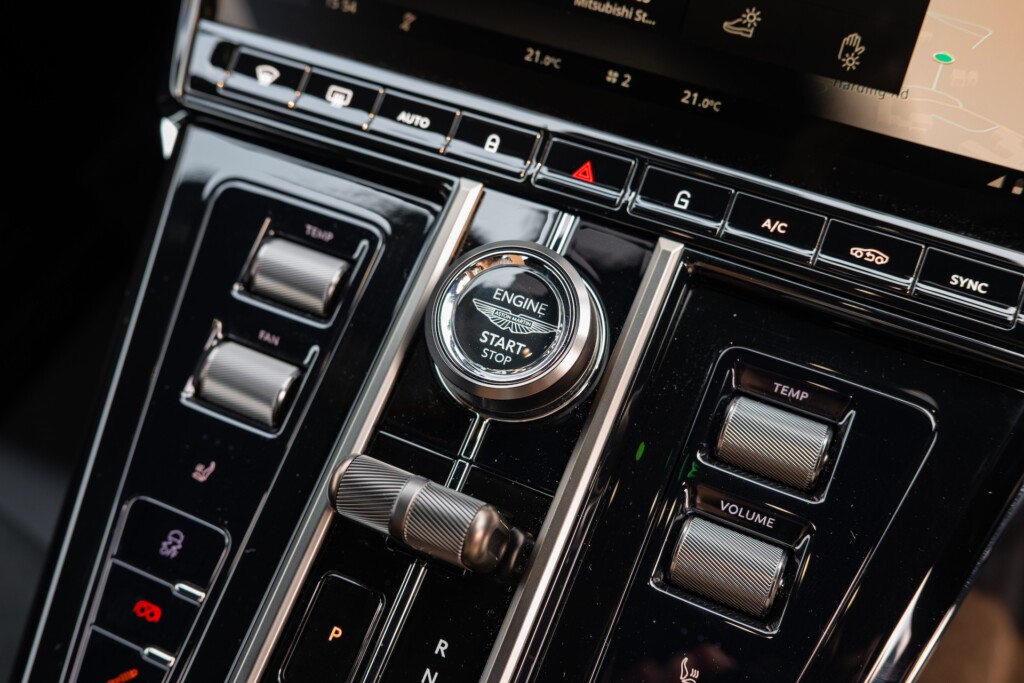
Hellalujah, there are still actual buttons for the bits you love. Want to wake the neighbours after a cold start? The button for the exhaust is right there. Much better than granny fingering your way through a maze of digital menus.
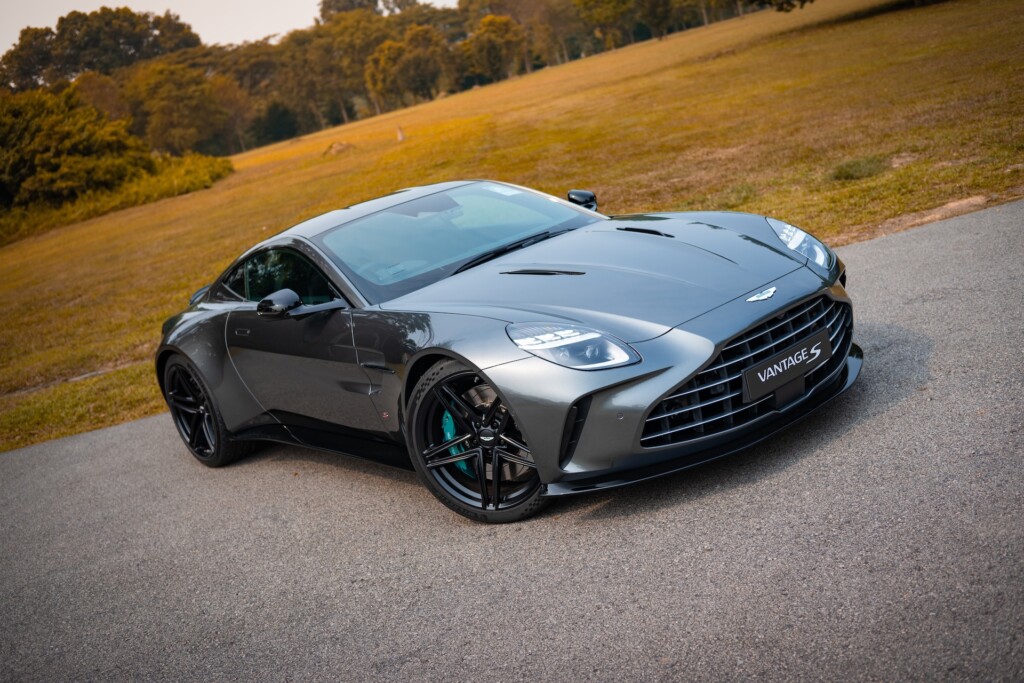
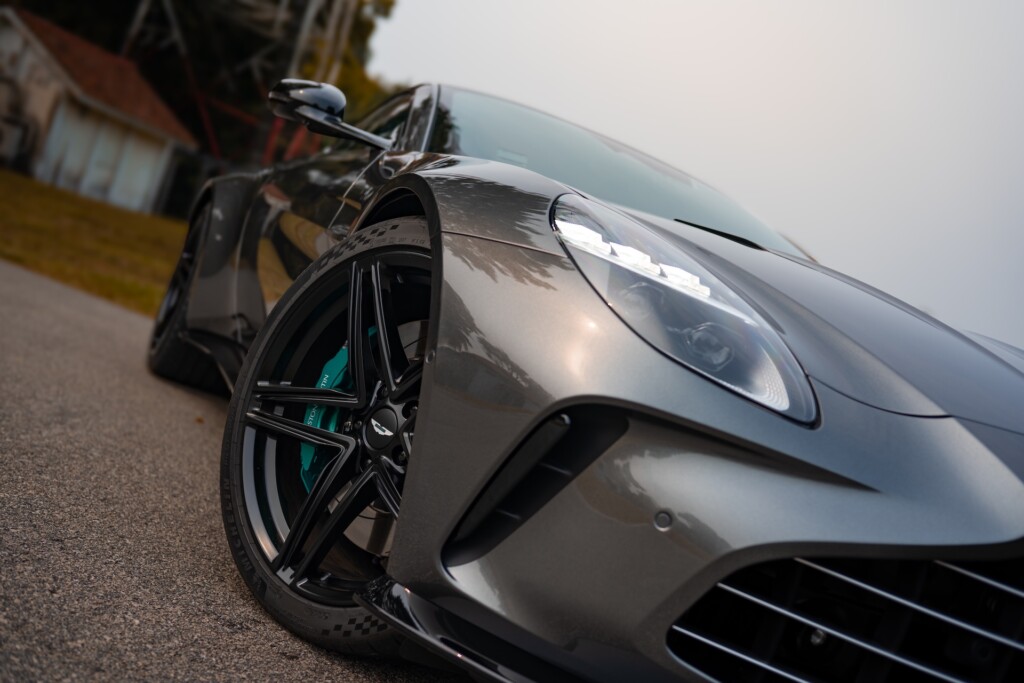
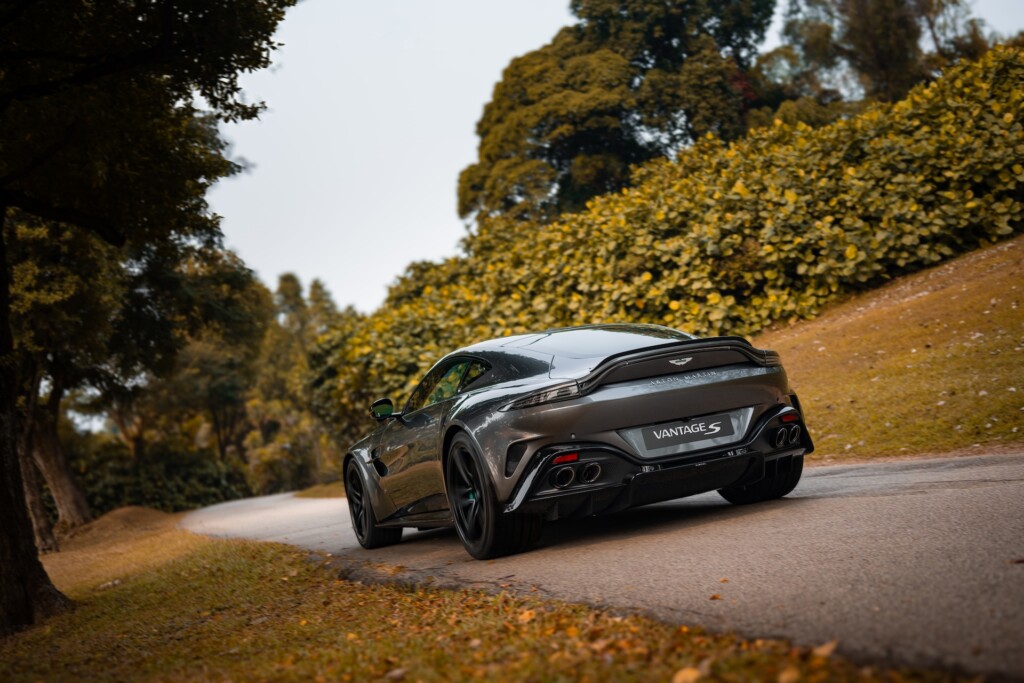
Your neighbour won’t mind anyway once they catch a glimpse of the Vantage S. It looks menacing, gaining centrally mounted bonnet blades, a new front splitter, revised side details and a full-width rear decklid spoiler.
Some of the aerodynamic pieces can be specified in carbon fibre, because evidently nobody has yet discovered the upper limit for carbon fibre on expensive cars. Plus, the changes provide genuine aerodynamic benefit rather than existing purely for Instagram.
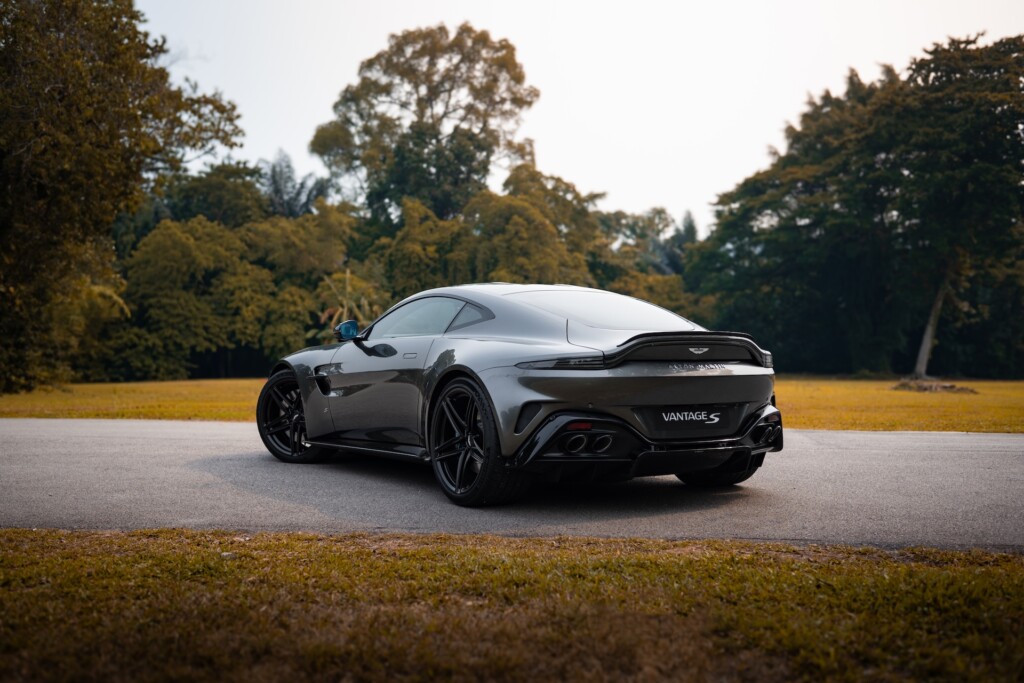
The visible additions can generate around 40kg of downforce at maximum speed, with changes beneath the car like splitters contributing considerably more.
Still, they look good, and that is enough.
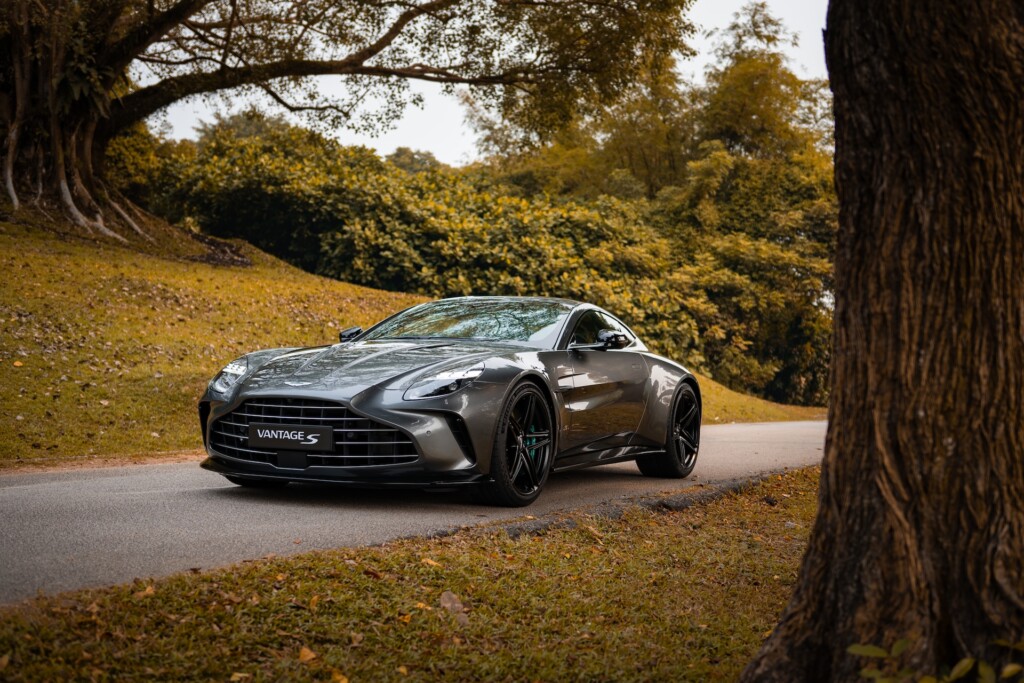
Aston Martin has not fundamentally changed what the Vantage is. Rather, it has concentrated on making the existing ingredients cooperate better. In doing so, they have not only made it a faster car, but a more enjoyable one too.
Progress does not require reinventing anything. Sometimes, it just requires finishing the job better.
Technical Specifications
Aston Martin Vantage S
Engine: 4-Litre Twin-Turbocharged V8
Drivetrain: Rear-Wheel Drive
Power: 670 bhp
Torque: 800 Nm
Gearbox: 8-speed (A)
0-100km/h: 3.4 seconds (claimed)
Top Speed: 325 km/h
Fuel Economy: Why bother when you’re having fun?
Price: POA
Photo Credits: Sean Loo (@auto.driven)
Read more automotive news at AutoApp, or check out our latest videos on YouTube and on TikTok!