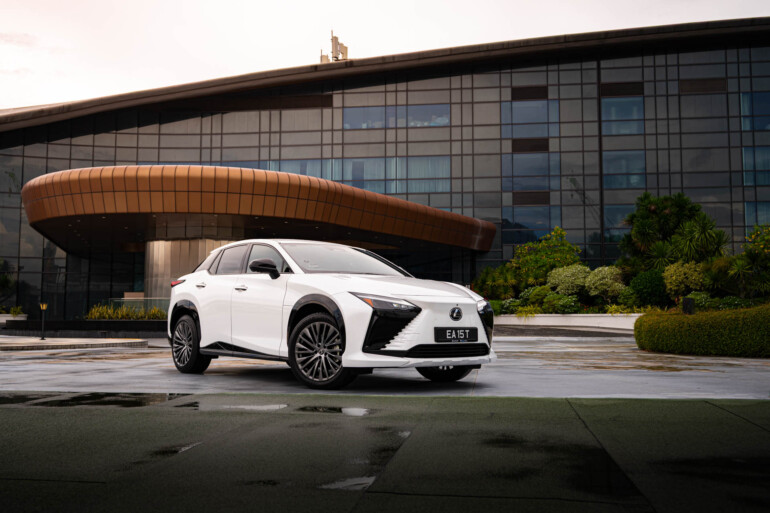
The updated Lexus RZ 350e has one less electric motor than the car it replaces, but it gains much more in the process.
The old RZ 450e used two motors to produce 230kW (308bhp) and could reach 100km/h in 5.3 seconds. The new 350e sends 165kW (221bhp) through the front wheels alone and takes 7.5 seconds to complete the same sprint.
You may scoff at not getting to Fairprice quicker, but with the 350e the battery is slightly larger, range has increased to 509km, and your annual road tax falls along with the output. More importantly, the RZ now feels more aligned with what a Lexus electric SUV probably should have been from the beginning.
Quiet and comfortable.
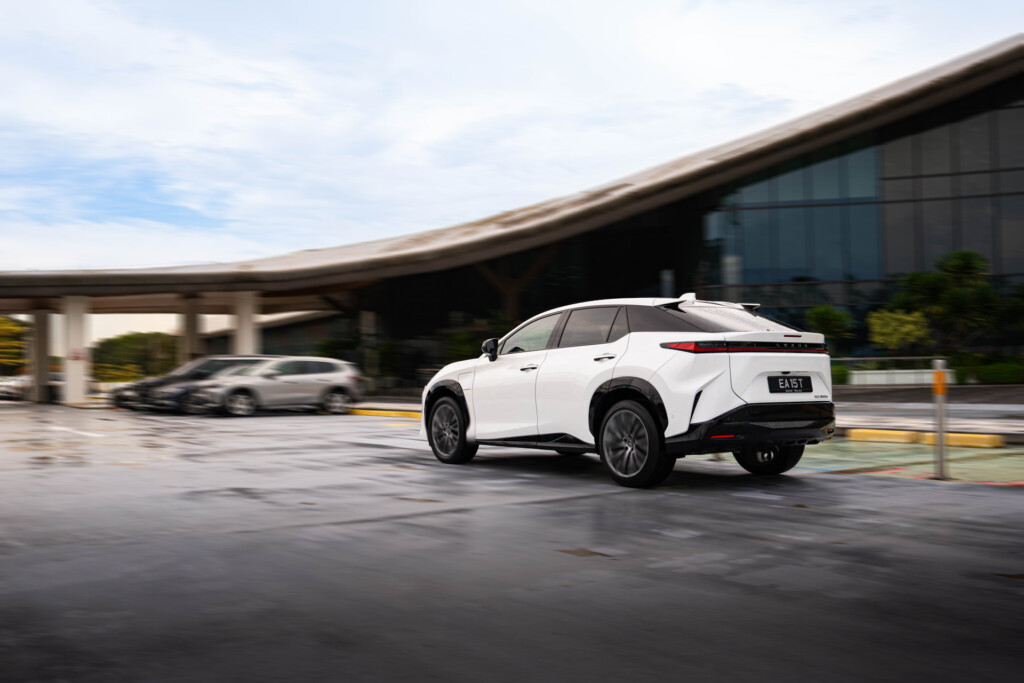
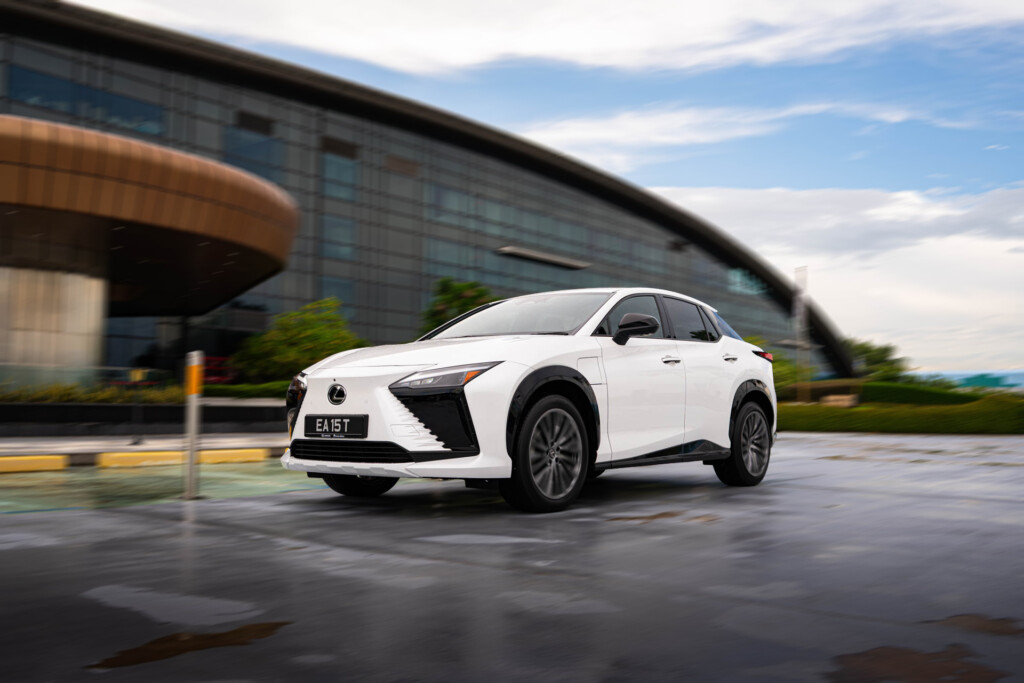
The RZ has always been an interesting-looking thing.
There is no conventional spindle grille at the front. Instead, Lexus has translated the familiar shape into the bodywork itself.
Sharp daytime-running lights cut into the nose, while angular creases run down the sides towards a fastback-style rear end. There are little fins on the roof and a ducktail spoiler beneath the rear windscreen, which gives the car a more angular stance from the back.
At 4,805mm long and 1,895mm wide, with a 2,850mm wheelbase, the RZ occupies roughly the same footprint as many premium midsize SUVs without becoming excessively tall or boxy.
It looks low, almost sporty, which becomes amusing once you begin driving it. Because the RZ has about as much interest in attacking a corner as a first-class passenger has in running through an airport.
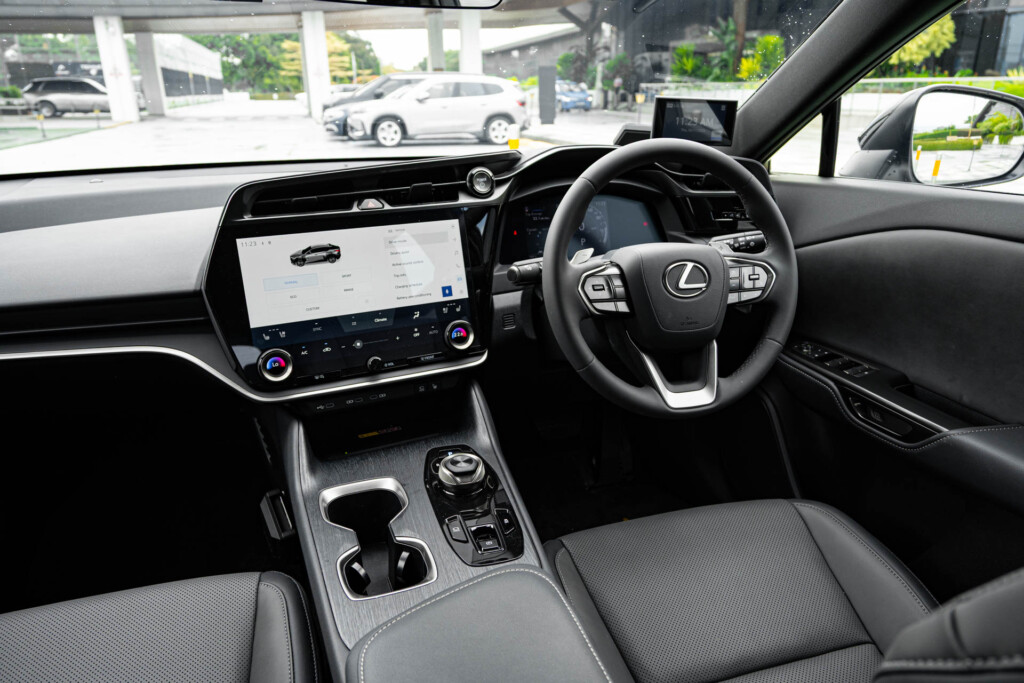
The cabin makes an excellent first impression. Modern premium interiors have entered an arms race involving enormous screens, pulsing ambient lighting and dashboards that occasionally seem more appropriate for a gaming computer.
The Lexus is relatively restrained. There is a 14-inch touchscreen angled towards the driver, but plenty of important things still have physical controls. You get proper temperature dials. Proper buttons on the steering wheel. Even paddles behind it for adjusting regenerative braking.
The previous RZ 450e used touch-sensitive steering-wheel controls, and the 350e returns to conventional switches. Excellent.
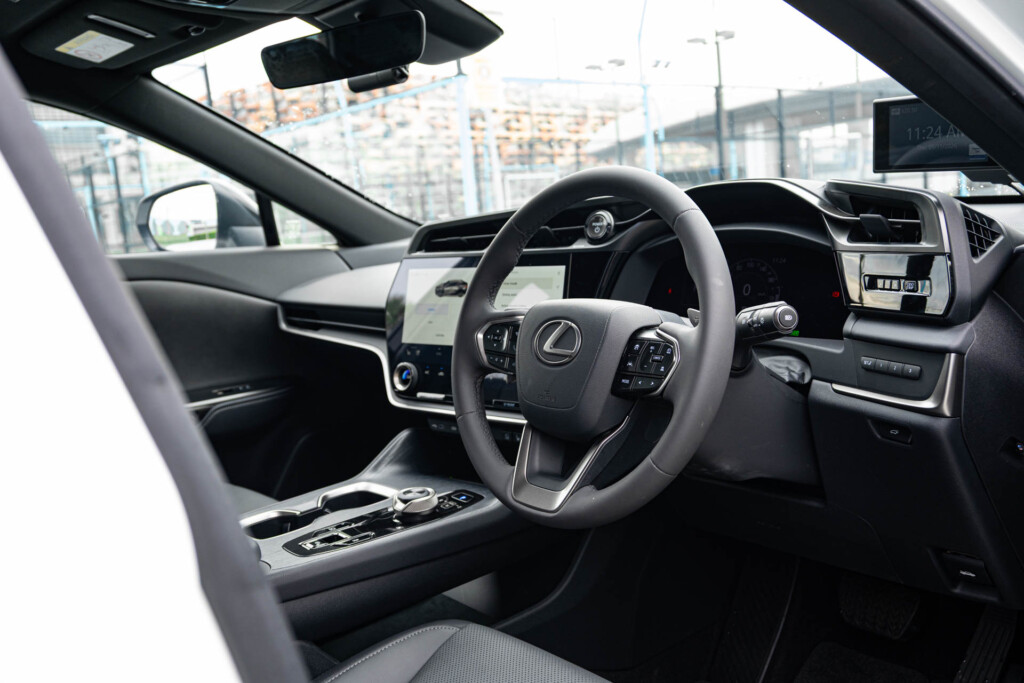
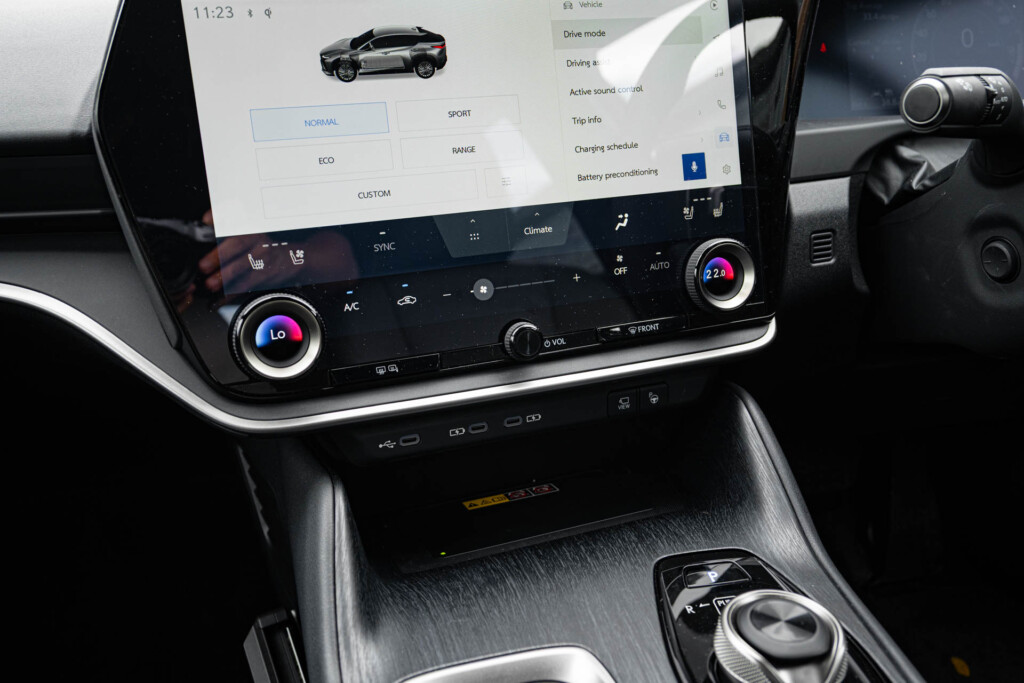
The rest of the interior is predictably well assembled. Soft-touch materials cover most places you naturally interact with, while the steering wheel and switchgear have that familiar Lexus solidity. Nothing feels loose or sounds hollow.
There is also no conventional glovebox. Instead, Lexus provides open storage around the centre console, including a tray that is not especially convenient to reach.
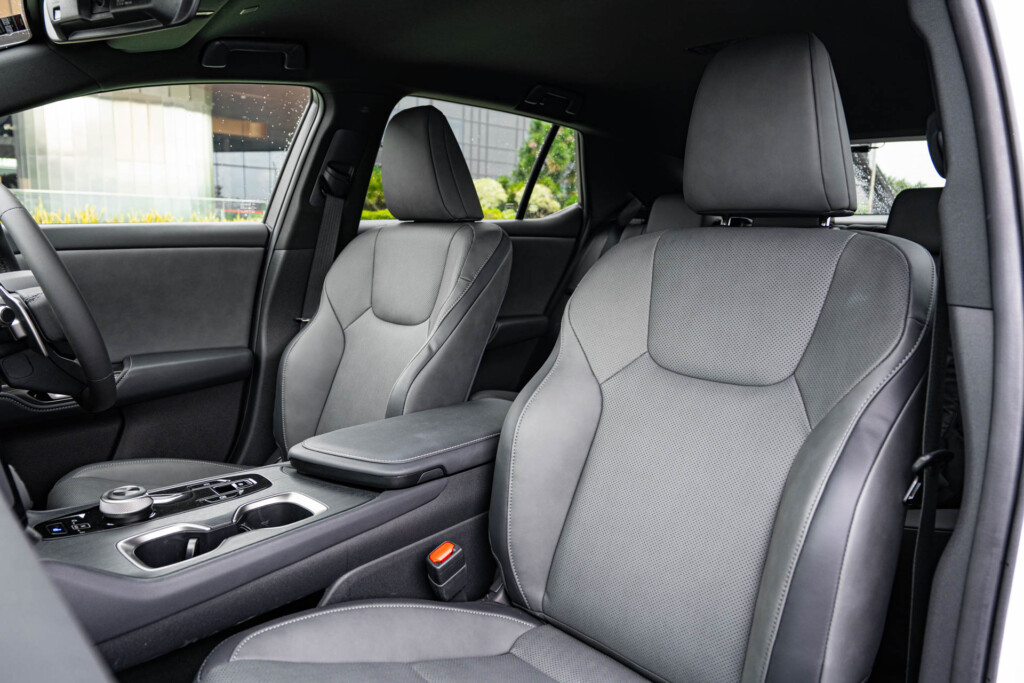
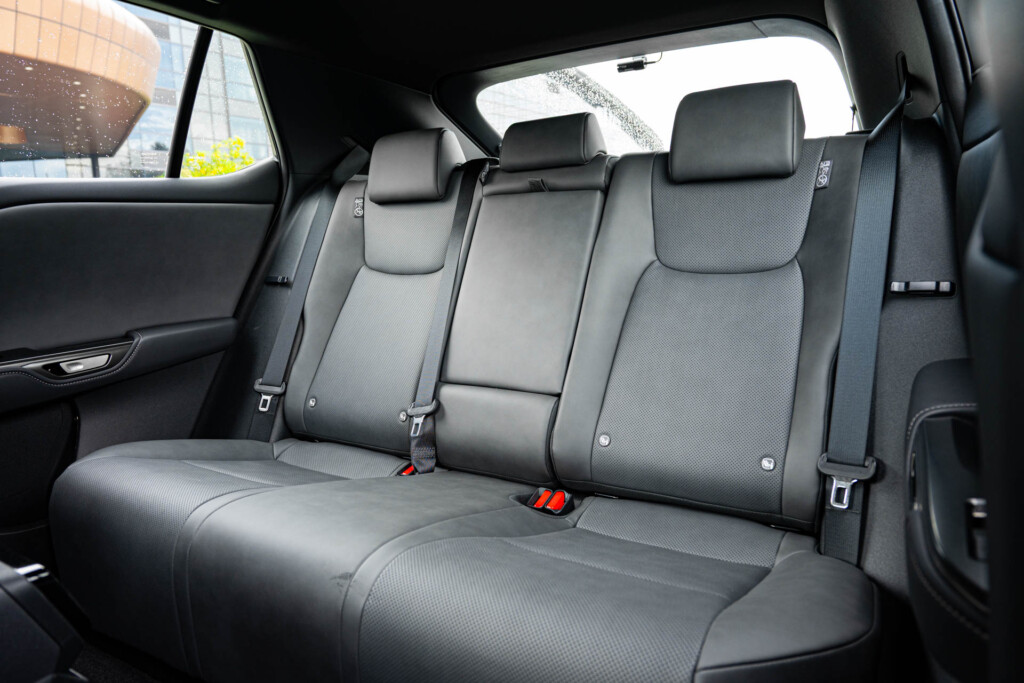
Passengers sitting behind you have little to complain about. The long wheelbase provides generous legroom, while the flat floor gives the middle passenger somewhere sensible to put their feet.
There is a third climate-control zone and additional USB-C charging points in the back. The seats themselves are comfortable rather than aggressively sculpted, which suits the car.
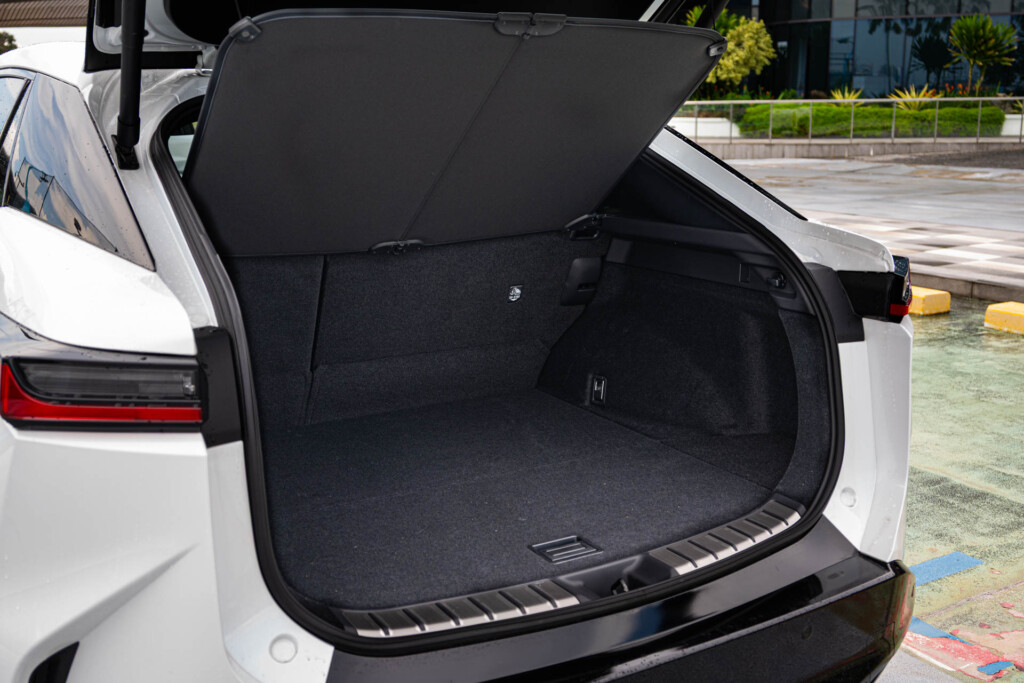
Boot capacity is 522 litres, expanding to around 1,451 litres with the rear seats folded.
There is no frunk, unfortunately; Lexus has instead filled the space with electrical hardware. Presumably the charging cables can enjoy the boot with everybody else.
The RZ 350e uses a single electric motor mounted at the front, producing 165kW (221bhp) and 269Nm of torque.
Around town, the instant torque makes the Lexus feel quicker than its stopwatch suggests. But, at higher speeds the absence of the second motor becomes clearer.
The old RZ 450e had substantially more punch once you leaned heavily on the accelerator. The 350e does not have the same sense of endless shove.
That though seems like an entirely acceptable trade, as how often do you actually need 308bhp in Singapore? The new car retains enough performance to feel premium without turning every commute into an exercise in throttle restraint.
And because there is only one motor to feed, the battery goes further.
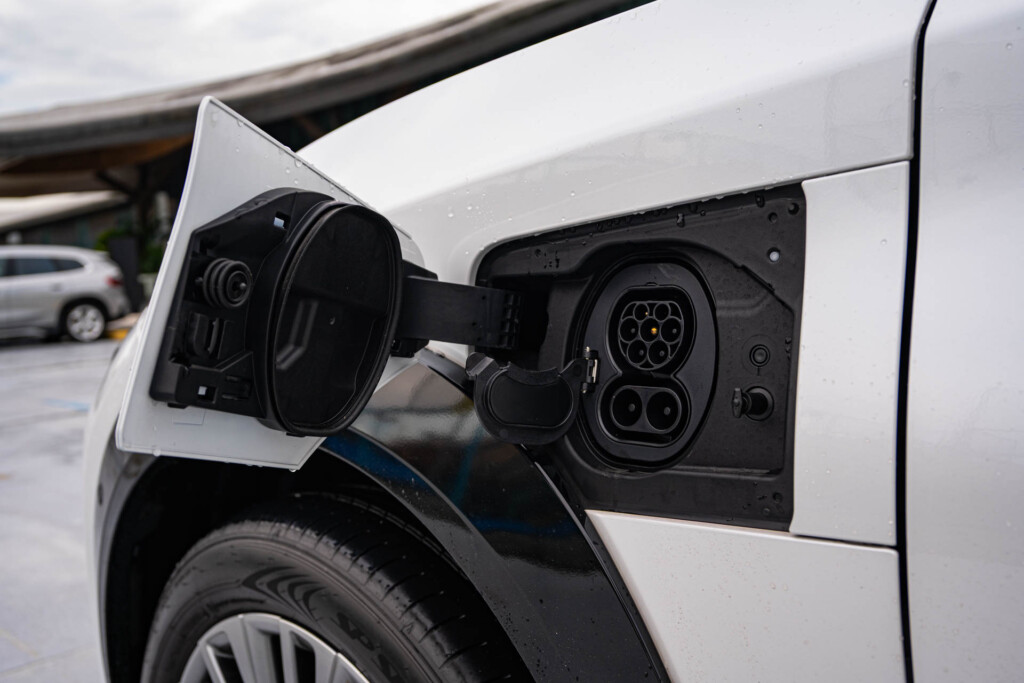
The RZ 350e gets a 74.7kWh lithium-ion battery, only slightly larger than the old RZ 450e’s pack, yet range rises to 509km. Lexus officially quotes energy consumption of 6.2km/kWh.
The updated RZ supports up to 22kW AC charging, a meaningful improvement for anyone with access to three-phase destination charging. DC fast charging peaks at 150kW, with a 10-to-80 per cent session taking roughly half an hour under suitable conditions.
This means you have more time to enjoy the RZ on the road. With acoustic glass that helps isolate the cabin from the outside world and soft suspension tuning that prioritises calmness, the car is exceptionally relaxing.
Although the RZ weighs around two tonnes, it does not spend several seconds bouncing after every road undulation. Plus, one surprisingly satisfying detail is the brake pedal. There are four regenerative braking levels selectable through the steering-wheel paddles, allowing you to decide how strongly the car slows when you lift off the accelerator.
And unlike some EVs that make the physical brakes feel like a backup system, the RZ’s pedal remains progressive enough that you do not mind using it.
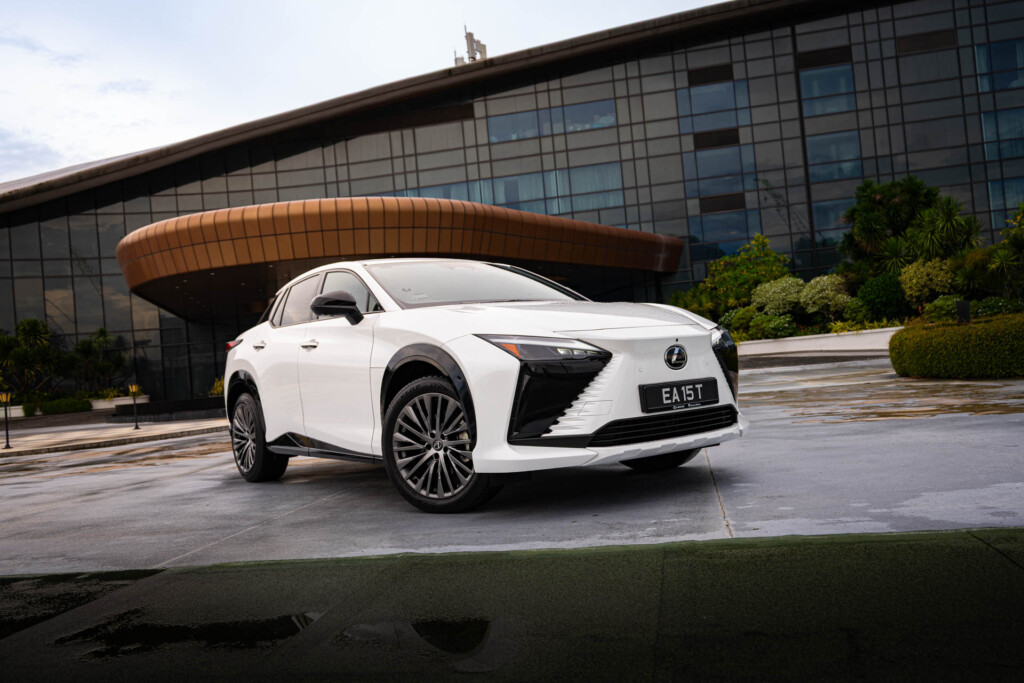
The RZ 350e currently costs S$356,800 with COE. Buyers will look at established European premium brands, newer Chinese luxury EVs offering enormous equipment lists, or even Toyota and Subaru alternatives using related electric architecture for substantially less money. That makes the Lexus badge responsible for quite a lot.
Its argument then is not outrageous performance or the biggest screen, or the fastest charging, but rather the promise that everything will feel properly put together and remain that way. That is worth its weight in gold.
Technical Specifications
Lexus RZ 350e
Powertrain: Single Electric Motor, Front-Wheel Drive
Power: 165 kW (221 bhp)
Torque: 269 Nm
Gearbox: Single-Speed (A)
Acceleration: 7.5 Seconds (0-100km/h)
Top Speed: 160 km/h
Battery Capacity: 74.7 kWh
Drive Range: 509 km (claimed)
Energy Consumption: 6.2 km/kWh (claimed)
Price: S$356,800 with COE (accurate at the time of this article)
Read more automotive news at AutoApp, or check out our latest videos on YouTube and on TikTok!