There are some cars that feel like a normal model change, and others that feel like the start of something much bigger. The new BMW iX3 belongs firmly in the second group.
This is the first of BMW’s Neue Klasse generation of cars, and that alone makes it significant.
The phrase Neue Klasse, or New Class, looks back to a very important period in BMW’s history, when the brand found a new direction and built the foundation for the cars many of us grew up loving. BMW is now using that same name again, which tells you how much this new generation matters to the company.
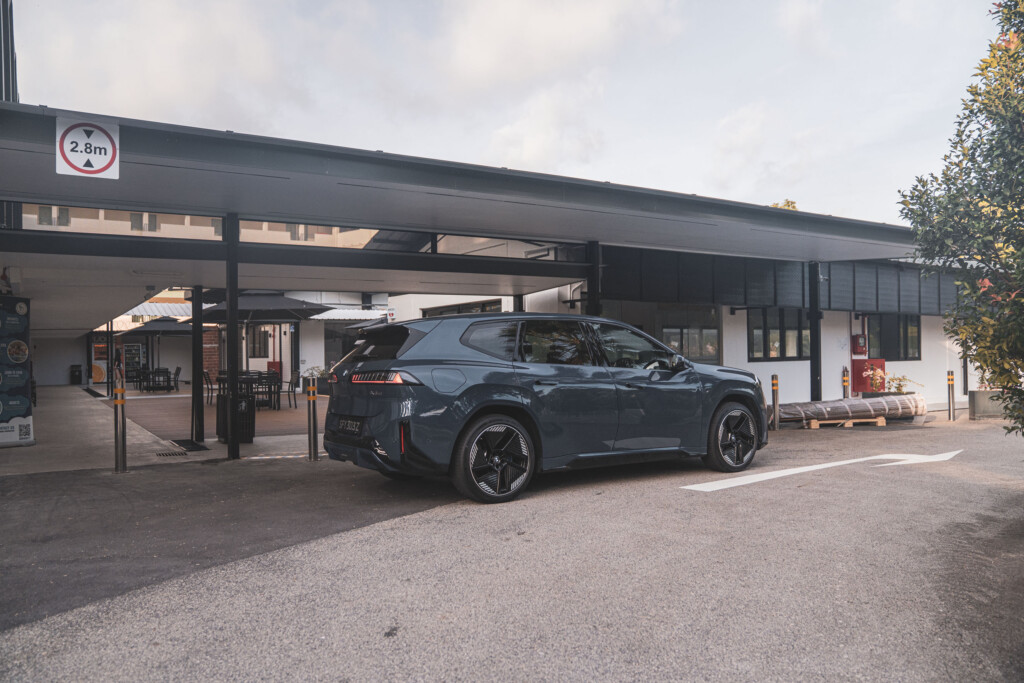
The iX3 therefore represents much more than a fully electric SUV. It ushers in a new platform, a new design language, a new interior layout, a new electrical architecture and a new way of thinking about driving dynamics.
In Singapore, the iX3 arrives as the xDrive50 M Sport with a 108.7kWh battery, all-wheel drive, 463bhp and a listed price of S$387,888 at the time of writing. It also uses an 800-volt electrical architecture, supports charging of up to 400kW, and has a claimed WLTP range of up to 805km. Those are serious numbers, especially for a family SUV.
BMW also makes a big deal about something called the Heart of Joy, a central control unit that processes driving data, power delivery, braking and energy recuperation. It sounds like the kind of phrase that can easily disappear into a press release, but after spending time with the car, you can sense that there is proper engineering behind it.
This is BMW trying to define what its cars should feel like in the electric age.
A familiar size, with a much stronger presence
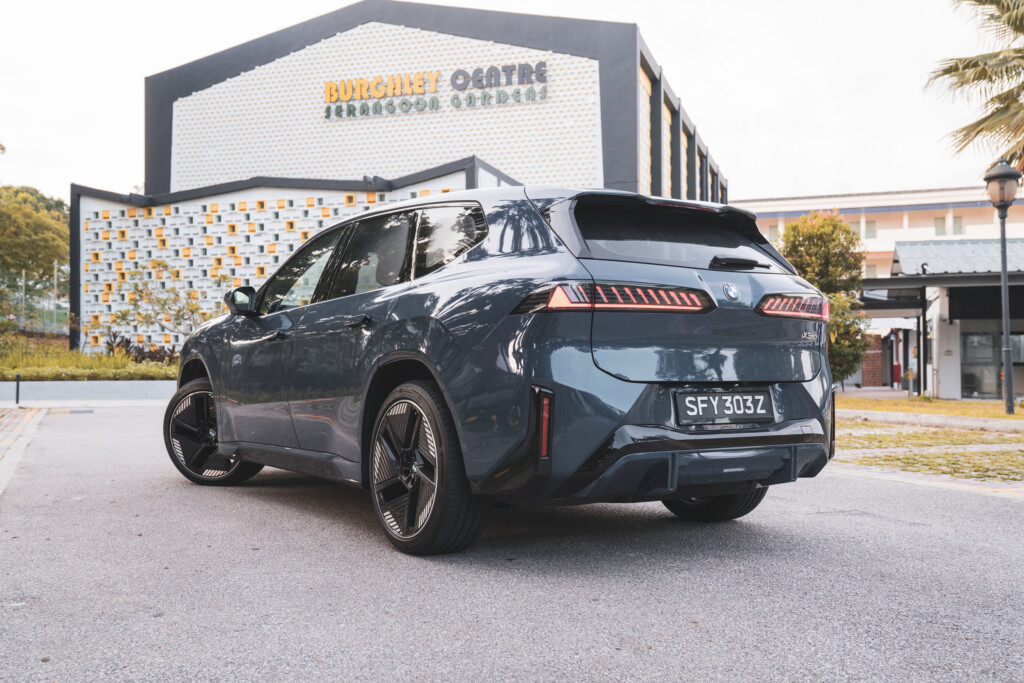
The first thing you notice is the design.
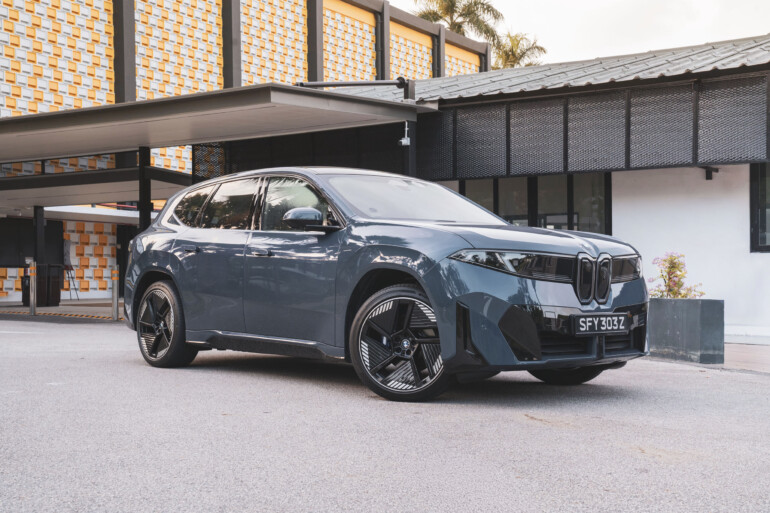
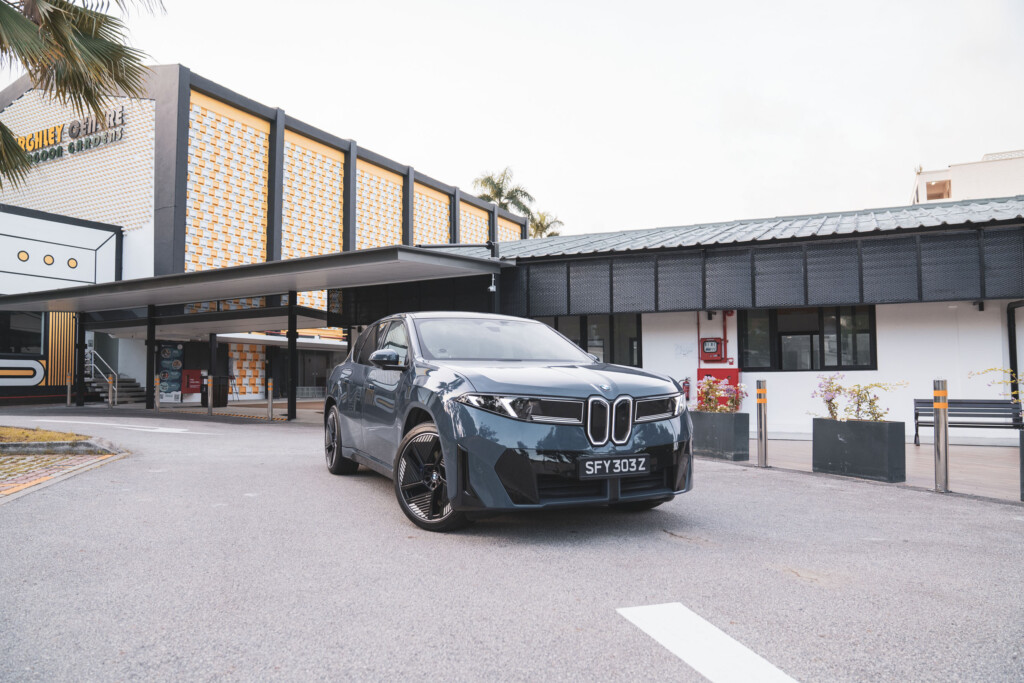
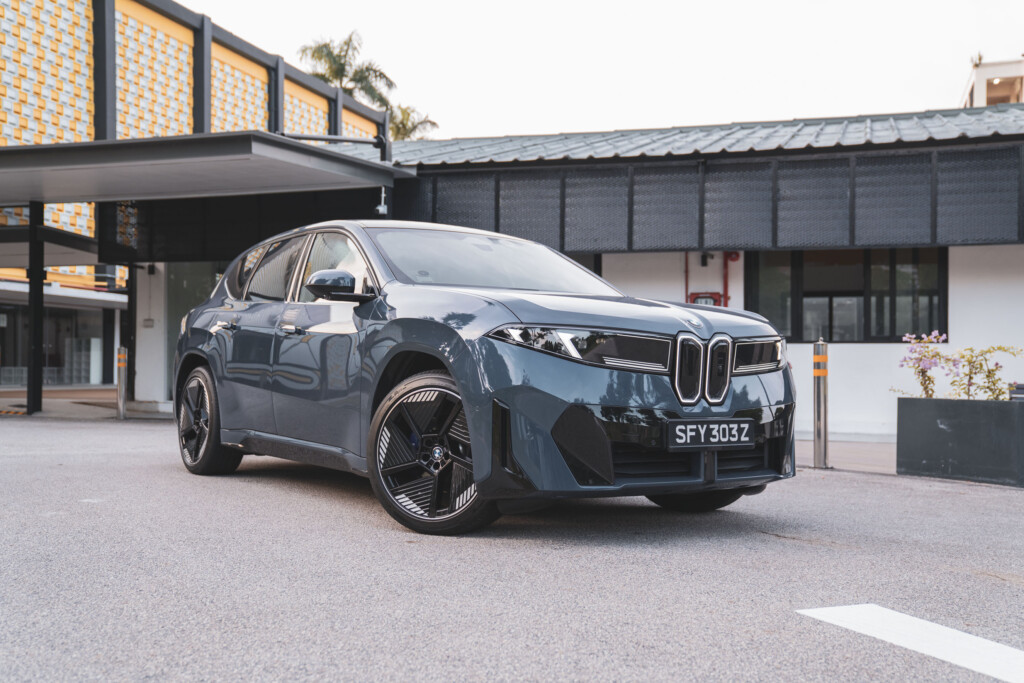
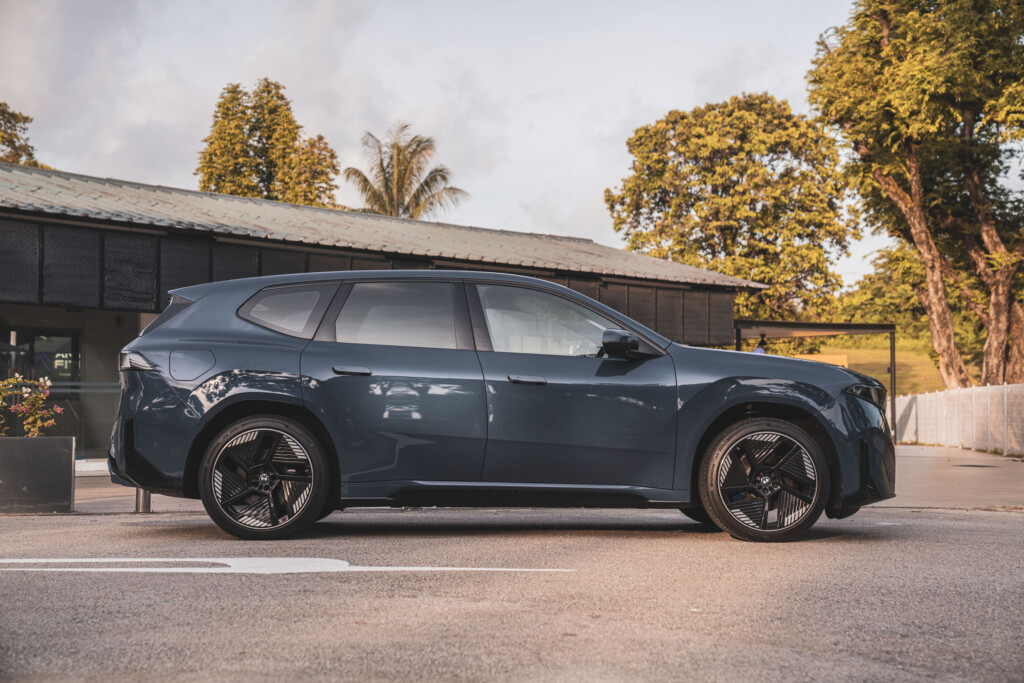
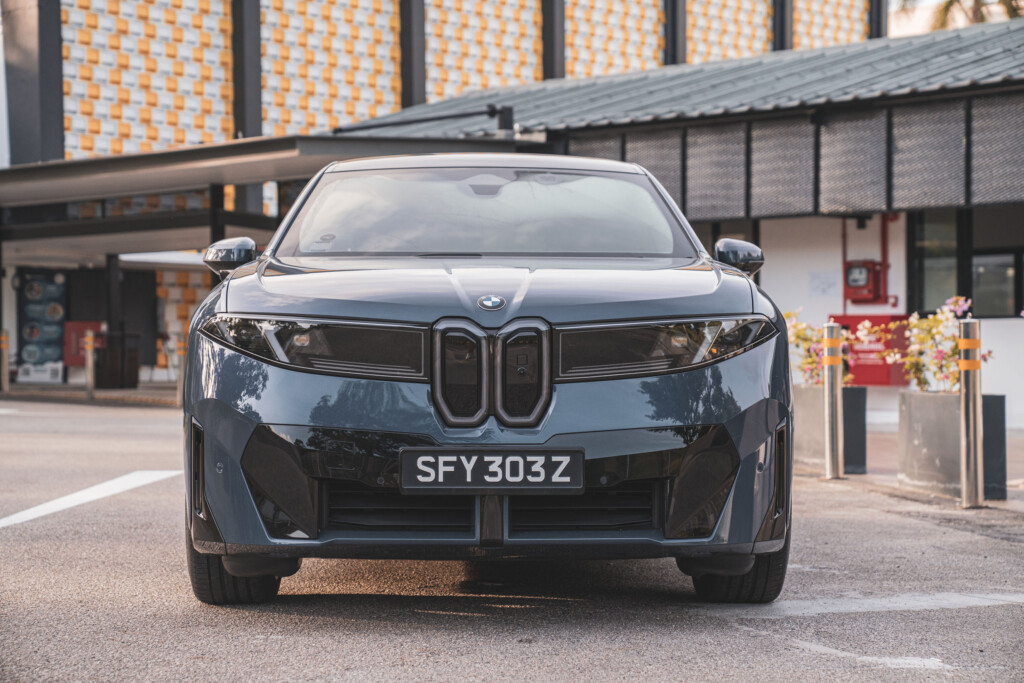
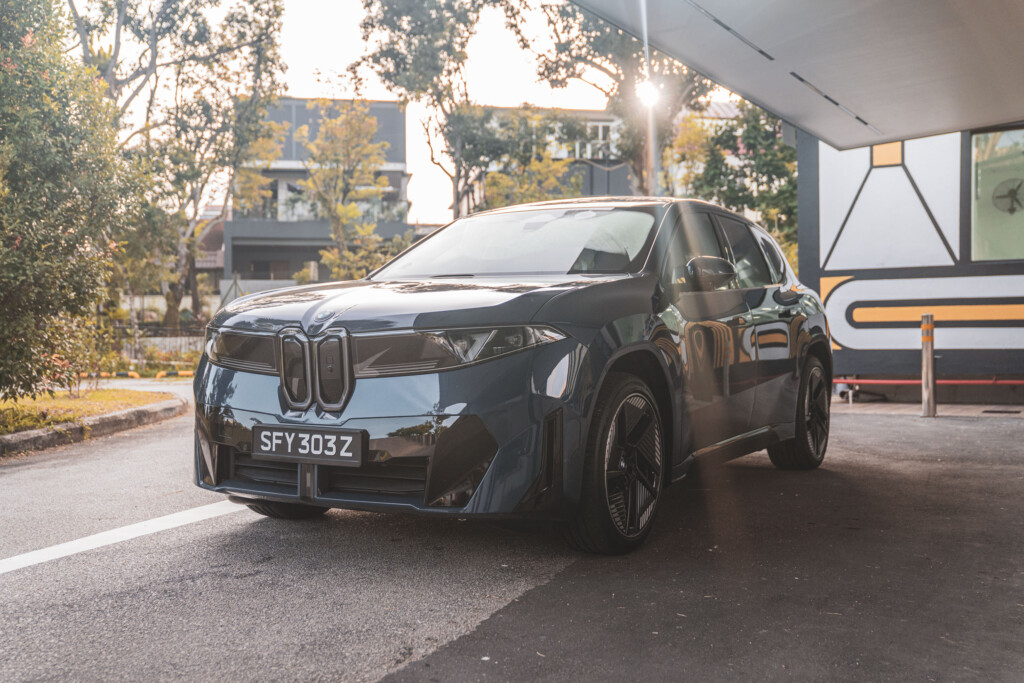
The iX3 looks much bigger in person than its dimensions suggest. It is still clearly within the X3 family, but the cleaner surfacing, upright front end and strong proportions give it the presence of a larger SUV.
From some angles, you might even think it looks closer to an X5. There is a monolithic quality to the design, with fewer lines and less visual clutter than before. The car looks solid, confident and very different from the BMW SUVs we have become used to seeing.
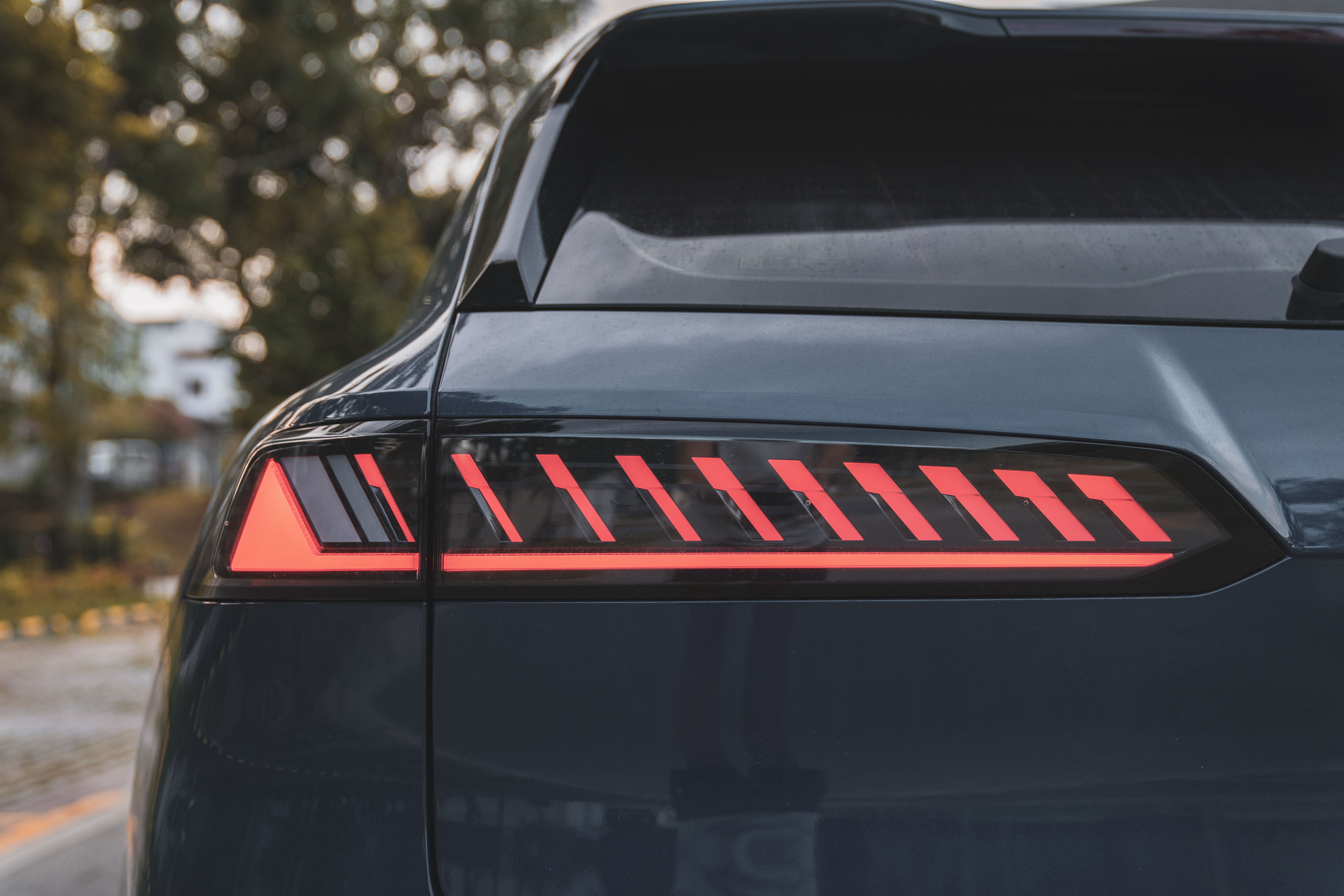
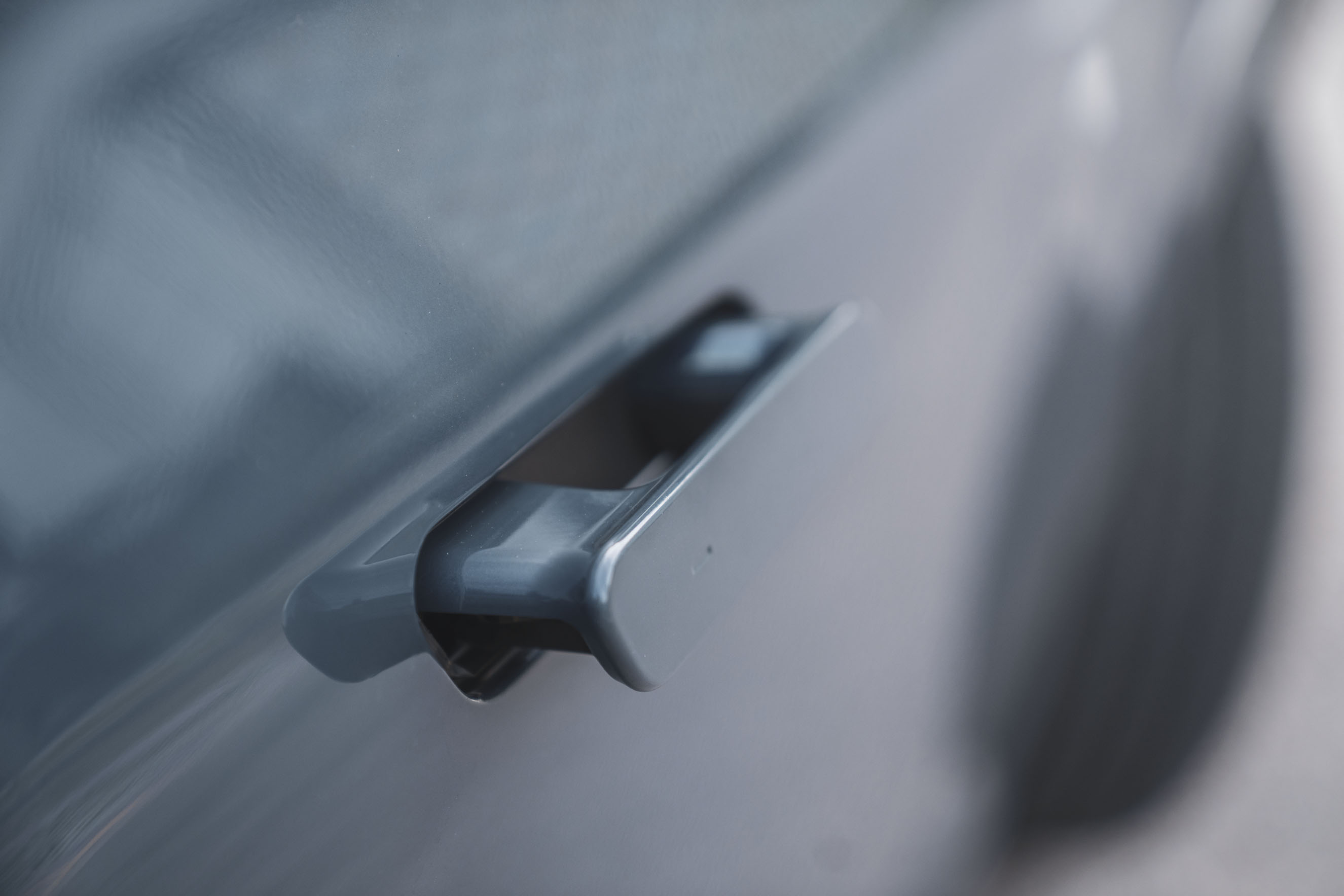
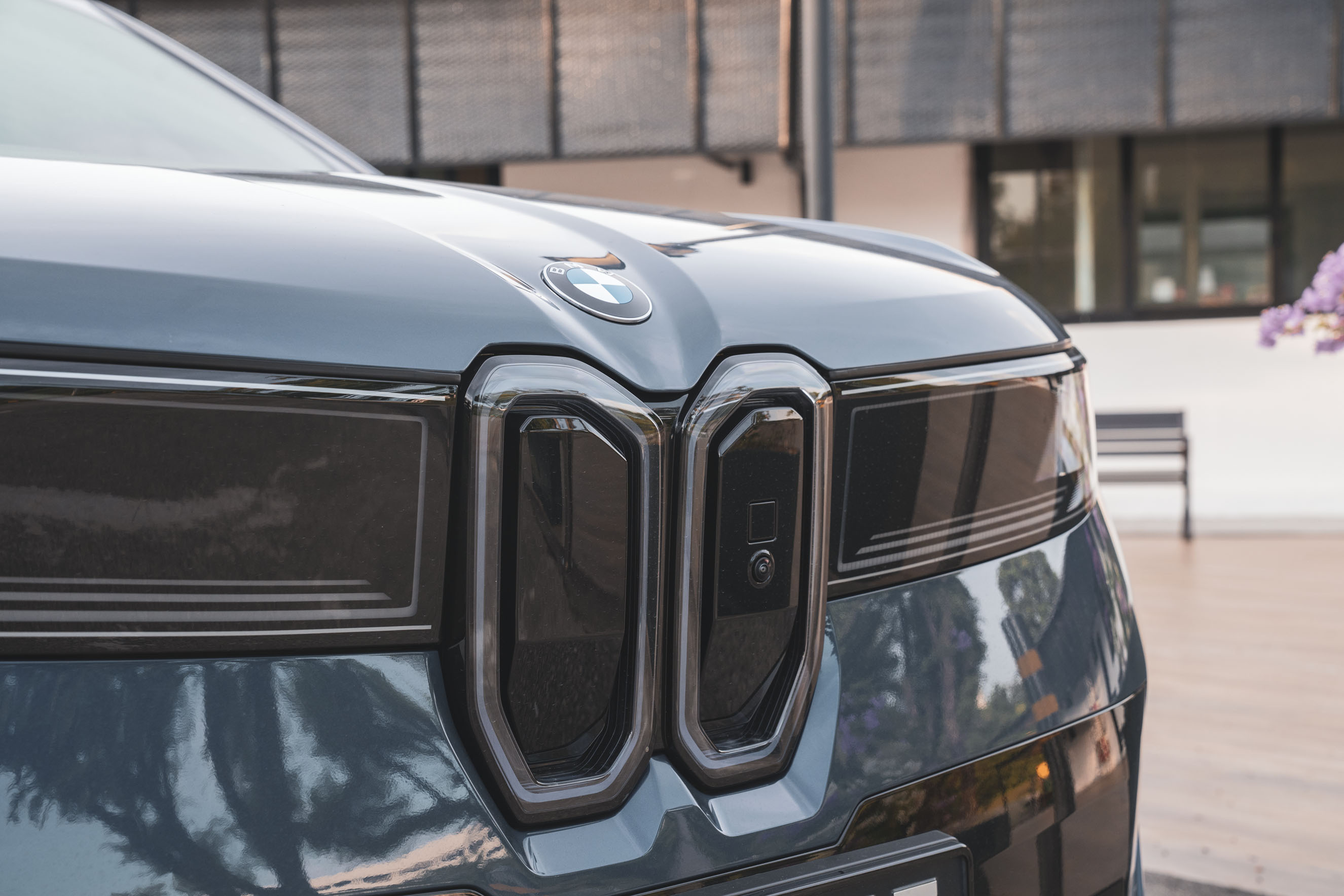
Spend more time with it, and the shape starts to reveal itself better. The roofline is lower than expected, the side windows are flatter, and the whole car has a sleeker profile than it first appears. There is a nice tension between the chunky body and the lower glasshouse, giving the iX3 a look that is modern, clean and quietly sporty.
It is one of those designs that grows on you the more you look at it. At first, it feels unfamiliar. After a few days, it starts to make a lot of sense.
That is usually a good sign.
A cabin that feels properly new
Inside, the new iX3 feels like a clear step into BMW’s next chapter.
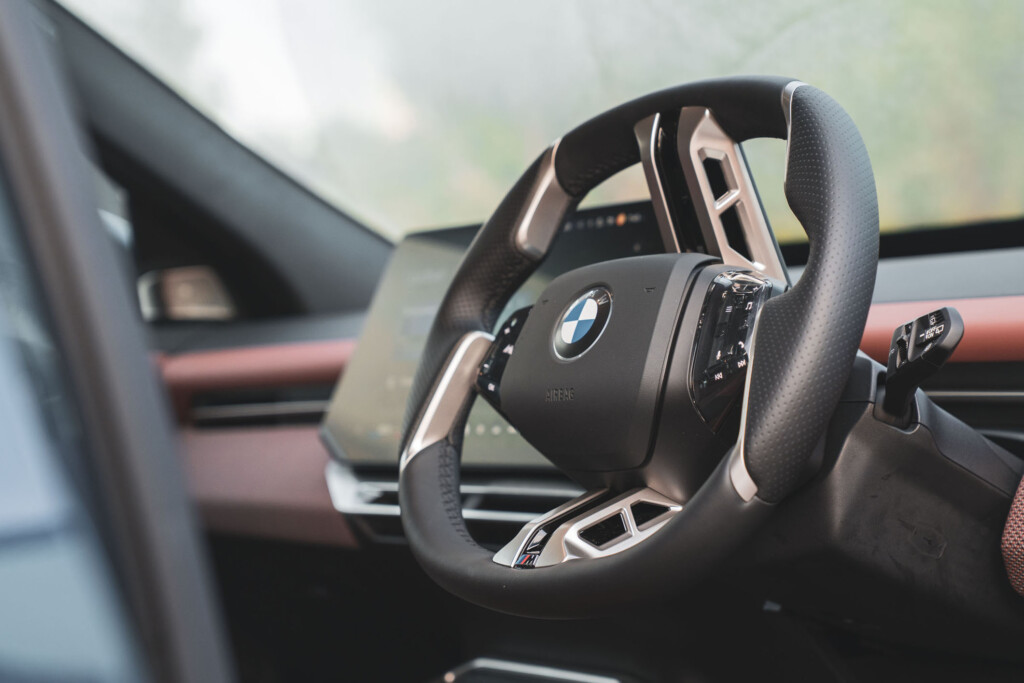
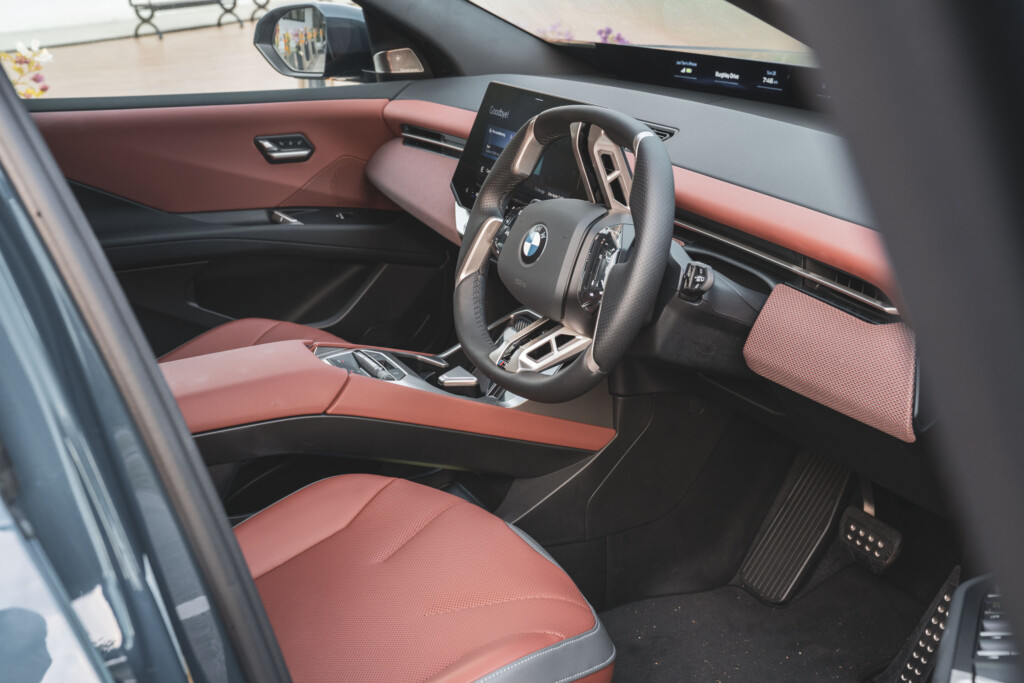
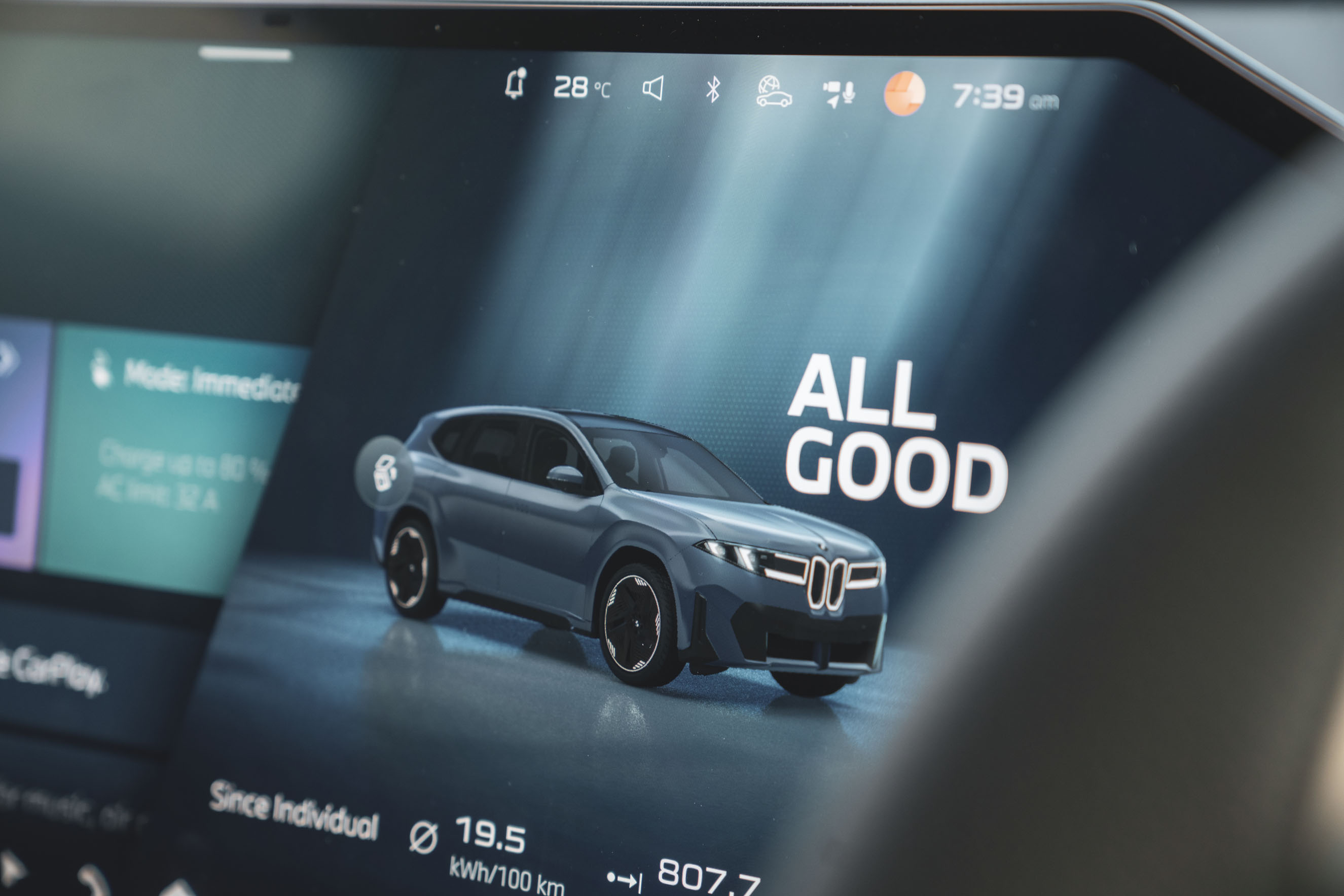
The dashboard is cleaner, lower and less cluttered. The biggest change is BMW Panoramic Vision, which places key driving information across a slim display that runs along the base of the windscreen.
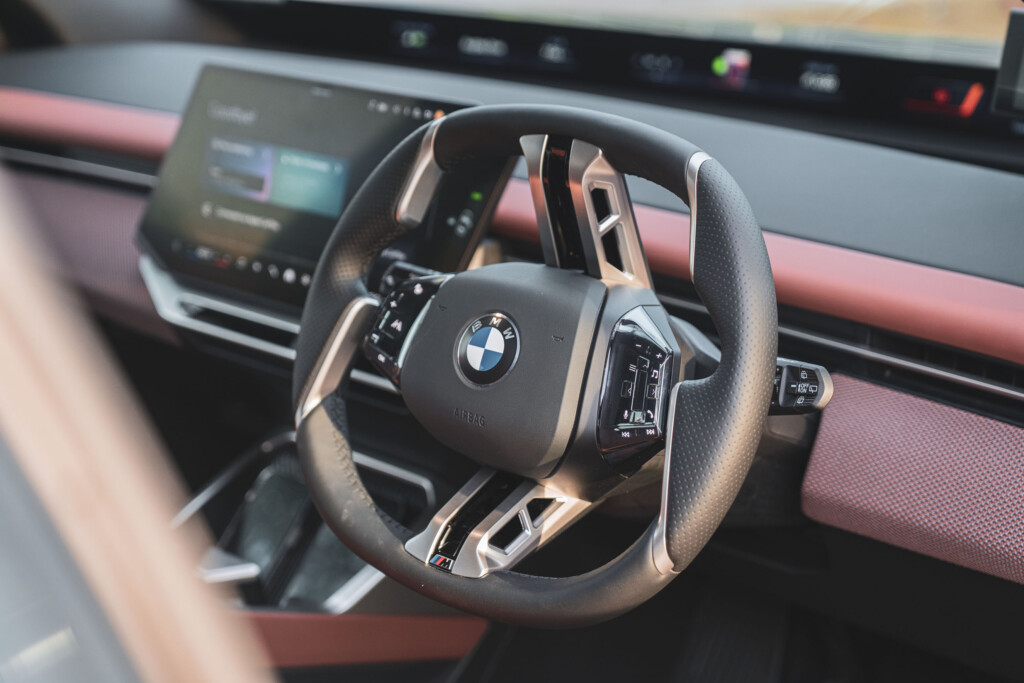
This effectively removes the need for a traditional instrument cluster. Speed, navigation, media, driving data and other widgets can be positioned across this horizontal display, keeping information high and closer to your natural line of sight.
It takes a little time to get used to because we are all so familiar with looking through the steering wheel for our driving information. Once you settle into it, the layout feels logical and easy to use.
The central display is sharp and fast, and the new BMW Operating System X feels much more responsive than before. Menus load quickly, the interface feels more fluid, and the BMW assistant responds at a pace that feels suitably modern.
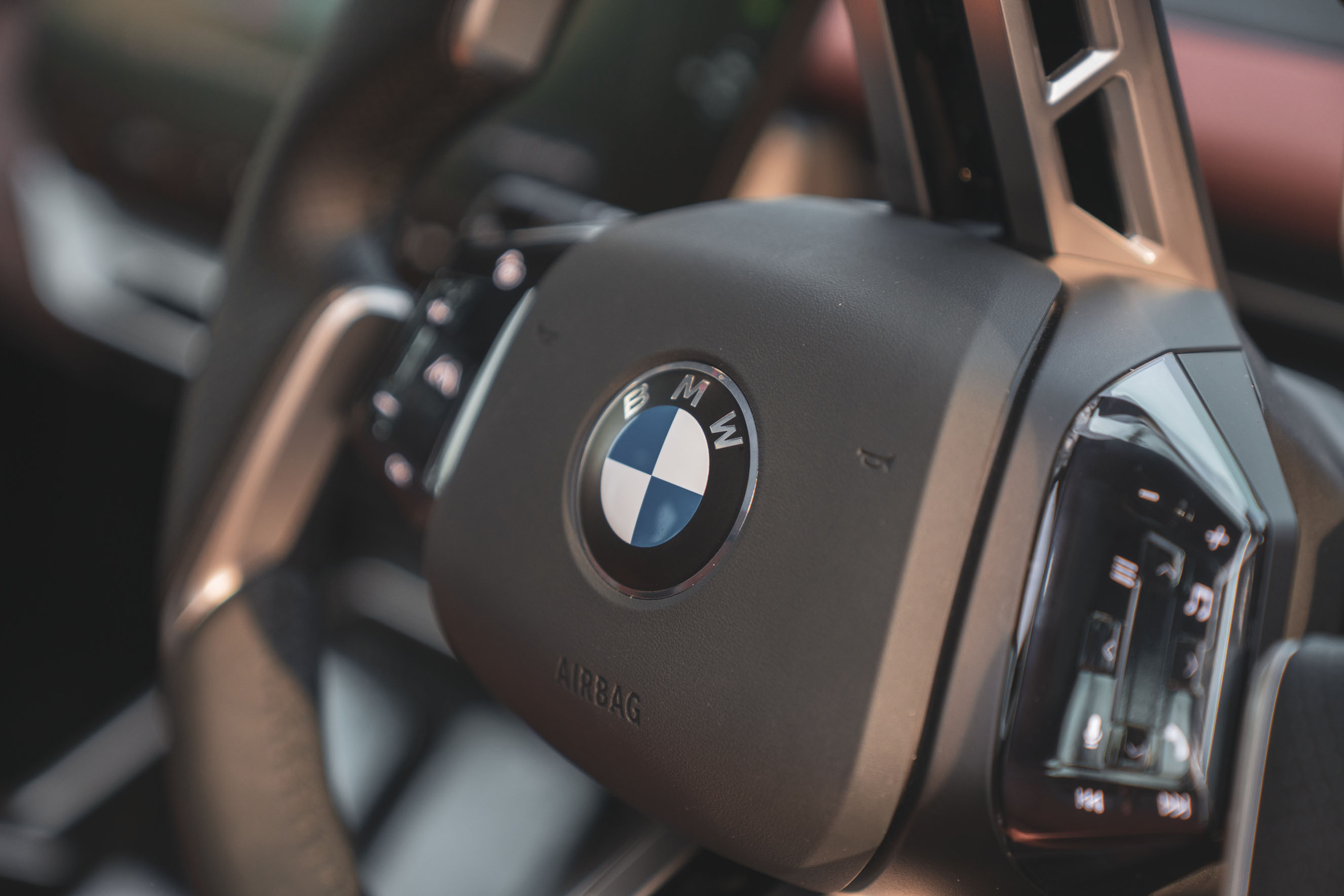
This is important because many of the latest EVs, especially from Chinese brands, have raised expectations very high for screens, voice control, and digital features. BMW clearly knows it has to match that level of speed and polish.
For most of my time with the iX3, the system worked very well. I did experience a few minor software glitches over the week. Apple CarPlay skipped songs a couple of times, and the interface was not perfectly consistent on every drive. It happened only two or three times and seemed to settle on its own after a few days, so it did not affect the overall experience.
Still, this is something worth mentioning, especially in a car that relies so heavily on its new digital architecture.
The sound system deserves its own mention
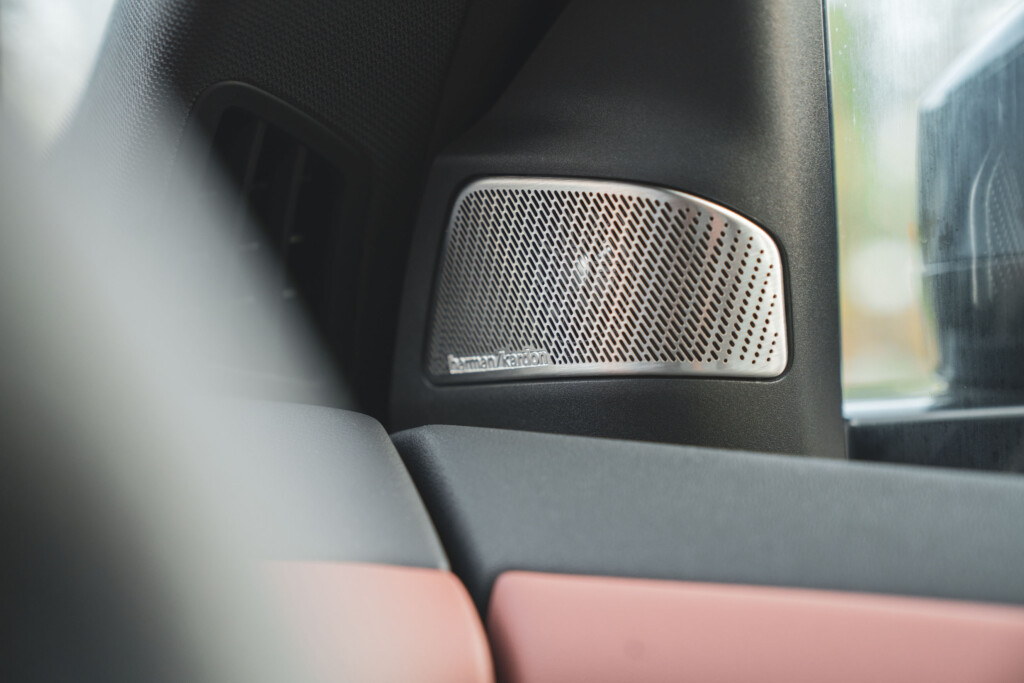
One feature I really enjoyed was the Harman Kardon sound system.
The iX3 comes with a 13-speaker Harman Kardon setup, and it is excellent. The clarity is impressive across different genres, whether you are listening to acoustic tracks, jazz, rock or electronic music.
The bass is full without being muddy, vocals come through clearly, and the 3D surround effect gives the cabin a strong sense of space. It makes long drives much more enjoyable, which matters because the cabin is where you spend most of your time.
This is easily one of the best in-car sound systems I have experienced recently.
Smooth, quick and more engaging than expected
On the road, the iX3 immediately feels like a good EV. Acceleration is smooth, instant and quiet. There is no drama in the way it builds speed, just a clean and confident surge of power.
With 463bhp and all-wheel drive, it is very brisk. The car has more than enough performance for daily driving, and when you put it into Sport mode, the throttle sharpens, the cabin lighting turns a warmer red tone, and the whole car feels more alert.
There is also an artificial driving sound that becomes more obvious in Sport mode. It adds a bit of theatre to the experience, and while it is not essential, it does make spirited driving feel a little more engaging.
What impressed me more was the way the chassis felt.
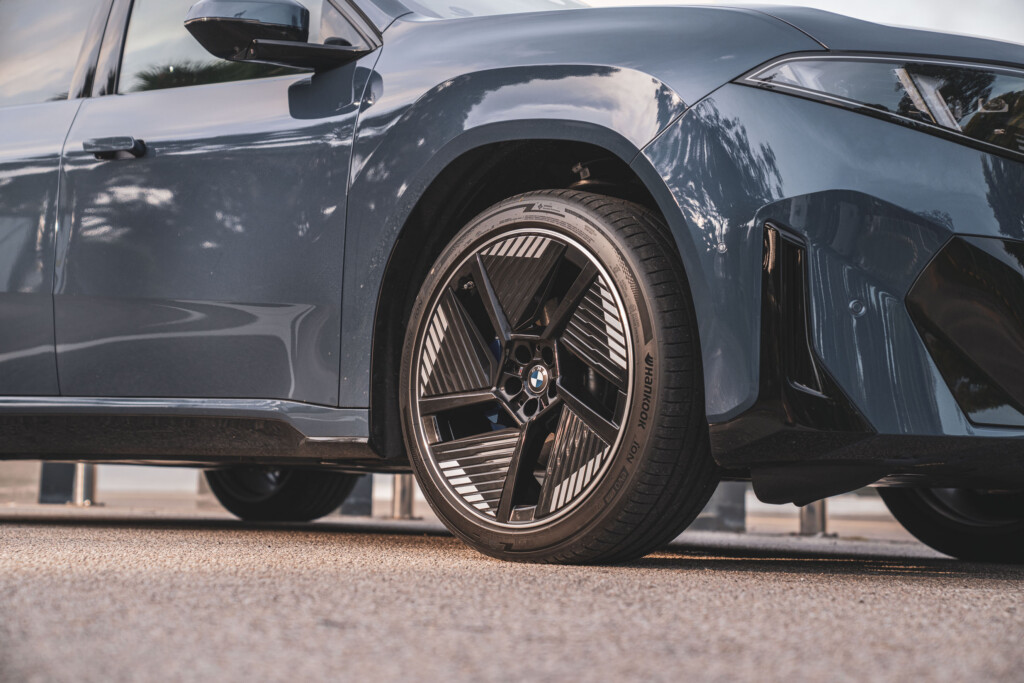
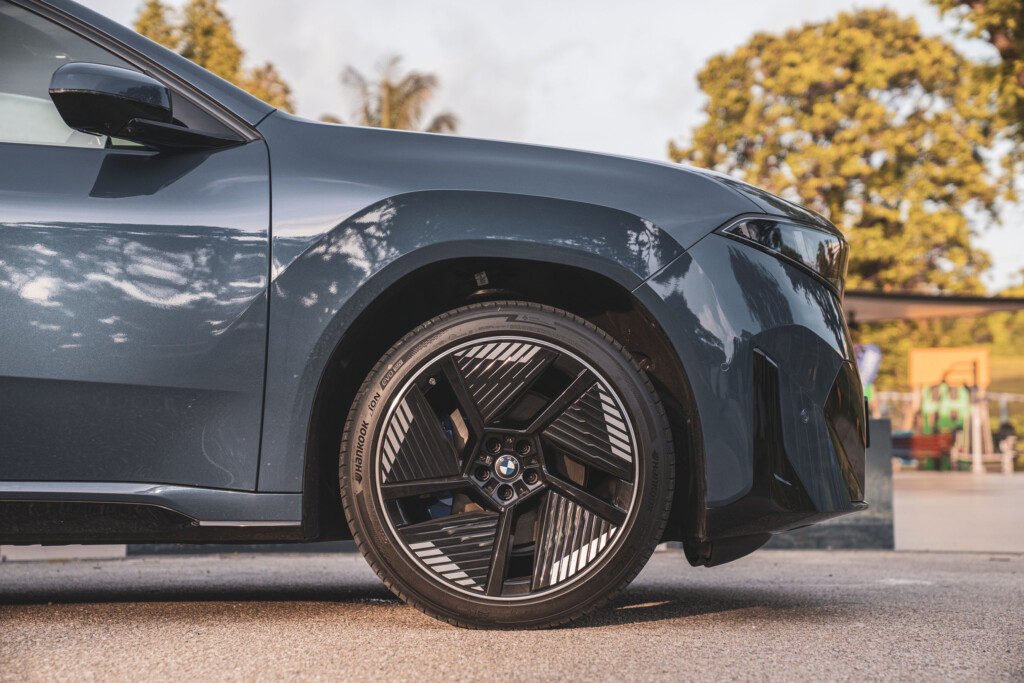
The iX3 has a tautness to it. The ride is slightly firm over sharper surfaces, possibly due to the 21-inch wheels on the test car, but the suspension keeps the car feeling well controlled. There is a reassuring sense of body control when accelerating, cornering or making quick steering inputs.
The steering is accurate, the car feels balanced through corners, and it does not suffer from that detached, heavy feeling that some electric SUVs have. You are always aware that this is a substantial EV, but it manages its weight very well.
For someone who still cares deeply about driving dynamics, this is important. An EV can be fast quite easily. Making it feel engaging, composed and natural is much harder.
The iX3 manages that very well.
Soft Stop is a small feature with a big impact
One of the most impressive features in the iX3 is Soft Stop.
It allows the car to come to a halt smoothly and calmly. There is no final jerk, no awkward pitch forward, and no sudden stop that makes passengers move in their seats.
It may sound like a small thing, but in daily driving, it makes a big difference. In Singapore traffic, you are constantly stopping and starting. The iX3 makes that process feel refined and effortless.
There were moments where the car came to a complete stop so smoothly that it was almost hard to tell exactly when it happened.
That sort of refinement is easy to overlook in a spec sheet, but it adds a lot to the overall sense of comfort. It also shows how BMW is using its new control systems to improve real-world driving, not simply to add features for their own sake.
Assisted driving that feels natural
Another feature BMW is clearly excited about is the upgraded assisted cruise control system.
BMW’s assisted cruise control has already been impressive in recent models, and in the new iX3, it feels even more polished. As standard, the system can read traffic signs and speed limits, then adjust the car’s speed accordingly when cruise control is activated.
On my test day, it worked flawlessly as far as I could tell. The car accelerated smoothly, slowed down progressively and adjusted its speed in a way that felt very natural from behind the wheel.
What stood out was how well it anticipated the road ahead. The iX3 can slow itself before tighter corners, especially those that would feel too ambitious at the posted speed limit. The way it reduces speed feels measured and calm, which adds a lot of confidence when using the system over longer drives.
Another clever point is that the system does not immediately turn off when you lightly press the brake pedal. It seems you may still want assisted cruise control active for the rest of the journey. You can still turn it off manually at any time, so control remains with the driver.
This makes the system feel more intuitive. It is less about the car taking over and more about the car supporting you through the drive.
That is where the iX3 feels genuinely advanced. The technology works quietly in the background and makes driving smoother, without constantly drawing attention to itself.
A cabin that impresses even other car people
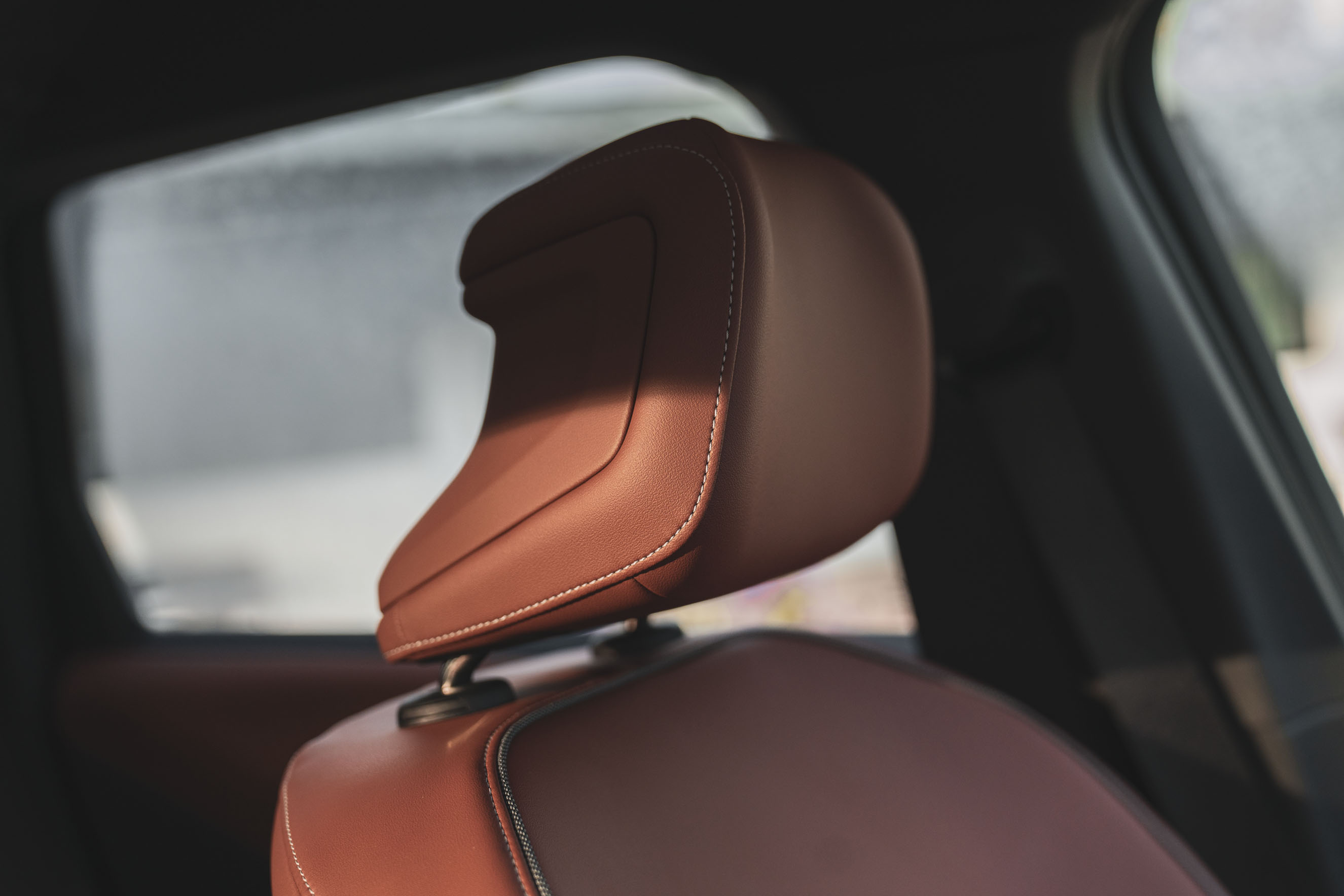
The overall cabin experience is one of the strongest parts of the iX3.
It feels calm, spacious and premium. The new display layout, fast interface, powerful audio system, and excellent refinement all work together to make the cabin feel fresh and markedly different from the previous generation.
During my week with the car, I picked up a friend who was the former regional CEO of a German automotive brand. He was genuinely impressed by the iX3. The Panoramic Vision display, soft stopping, interface, and assisted driving features all stood out to him.
We spoke about how some of us have been quietly wondering how the traditional European brands would respond to this new EV generation. The market has moved very quickly, and there are now many strong electric cars from newer brands.
The iX3 suggests BMW is taking this shift very seriously.
It does not feel like a car created only to keep up. It feels like BMW has taken time to think about how an electric SUV should look, drive, function and feel.
The driving character still matters
One of the best things about the iX3 is that it still feels like it was developed by people who care about driving.
That might sound obvious for a BMW, but in the EV world, it cannot be taken for granted. Many electric cars are quick and quiet, yet not all of them feel engaging or memorable.
The iX3 reminded me slightly of my recent drive in the Subaru Solterra, another EV that impressed me with its dynamic ability. The Subaru and BMW are very different cars, of course, but both show that brands with deep experience in chassis tuning can still bring something meaningful to the electric space.
The Japanese and Germans may have taken their time entering this phase of the EV market, but when they get the product right, you can feel the engineering experience behind it.
The iX3 is smooth, quick, comfortable and advanced, but it also has a sense of composure that makes it satisfying to drive. That matters because BMW’s identity has always been tied closely to the way its cars move.
With the iX3, that identity has not been lost.
A very promising new beginning
The new BMW iX3 is an important car, and after spending a week with it, I can see why BMW is placing so much weight behind it.
The design feels fresh and grows on you. The cabin is a major step forward. The Panoramic Vision display is clever and useful. The operating system feels quick and modern. The Harman Kardon sound system is excellent. The assisted driving technology is impressively natural, and the Soft Stop feature adds a level of refinement that you feel every day.
It is also good to drive. That may be the most important point of all.
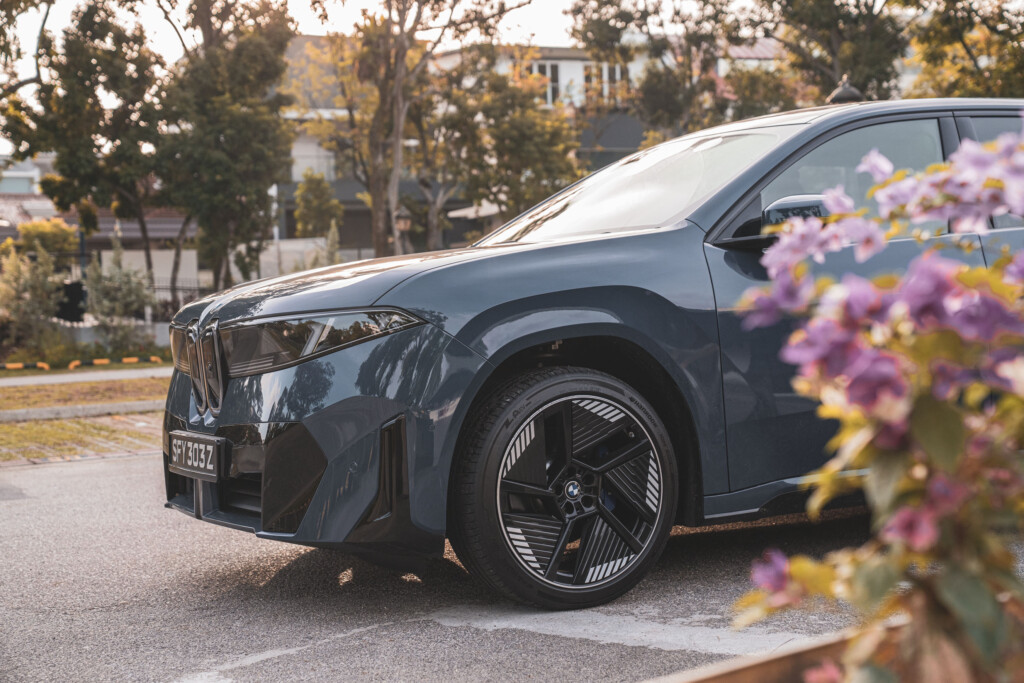
The ride can feel slightly firm on 21-inch wheels, and the software had a few small hiccups during my week with the car. These are worth noting, but they do not take away from the fact that the iX3 feels like a very complete and convincing EV.
More importantly, it feels like a BMW.
This new generation is starting to look very promising indeed. If the iX3 is the first taste of what Neue Klasse can deliver, then the future of BMW feels bright.
I am already looking forward to the next one.
Technical Specifications
BMW iX3 xDrive50 M Sport 108.7 kWh
Powertrain: Dual Electric Motors
Power: 463 bhp
Torque: 645 Nm
Gearbox: Single-Speed (A)
0-100km/h: 4.9 Seconds
Top Speed: 210 km/h
Battery Capacity: 108.7 kWh
Drive Range: 805 km (claimed)
Energy Consumption: 5.3km/kWh (claimed)
Price: S$387,888 with COE (accurate at the time of this article)