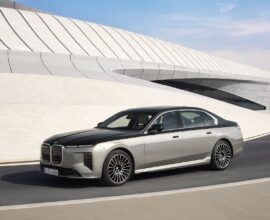
Five adults, more than 1,000 km, and just two (three if you count our first attempt at Yamanashi, more on that later) charging stops. Our BMW iX3 adventure offers some useful lessons for Singaporeans planning to drive in Japan over the holidays.
Planning a driving holiday in Japan? Here are some useful things to note!
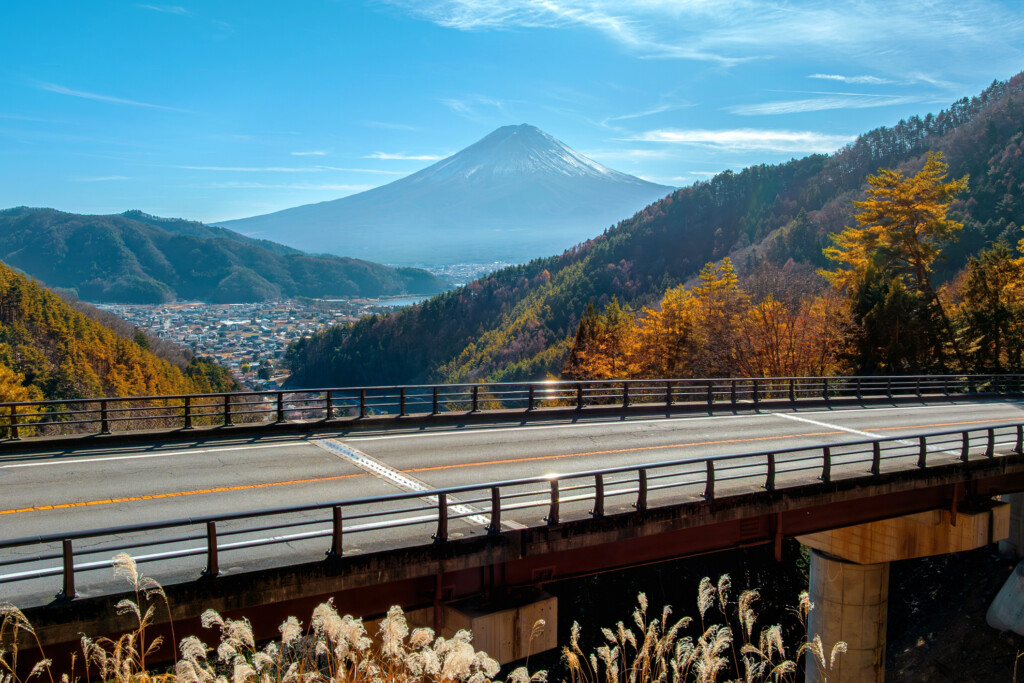
On our family holiday, five adults and plenty of luggage travelled more than 1,000km in a BMW iX3 50 xDrive M Sport. We started in Tokyo, headed south to Zushi near Kamakura, visited a BMW event in Yamanashi and continued to Kawaguchiko before returning to the capital.
We charged twice along the way. I saw relatively few EVs on the road and left encouraged by how comfortably an electric car could fit into a Japanese holiday. Plan your charging around a meal or a shopping stop, and the wait becomes part of a useful break.
Heading to Tokyo? You’d best enjoy it by train
Tokyo is very much like Singapore; there are peak periods, rush hours and yes, jams as well. If your holiday involves you being in the capital, take the train. Then time your car collection around your departure from Tokyo.
We spent our first days shopping, finding food and exploring neighbourhoods by train, which suited us well.
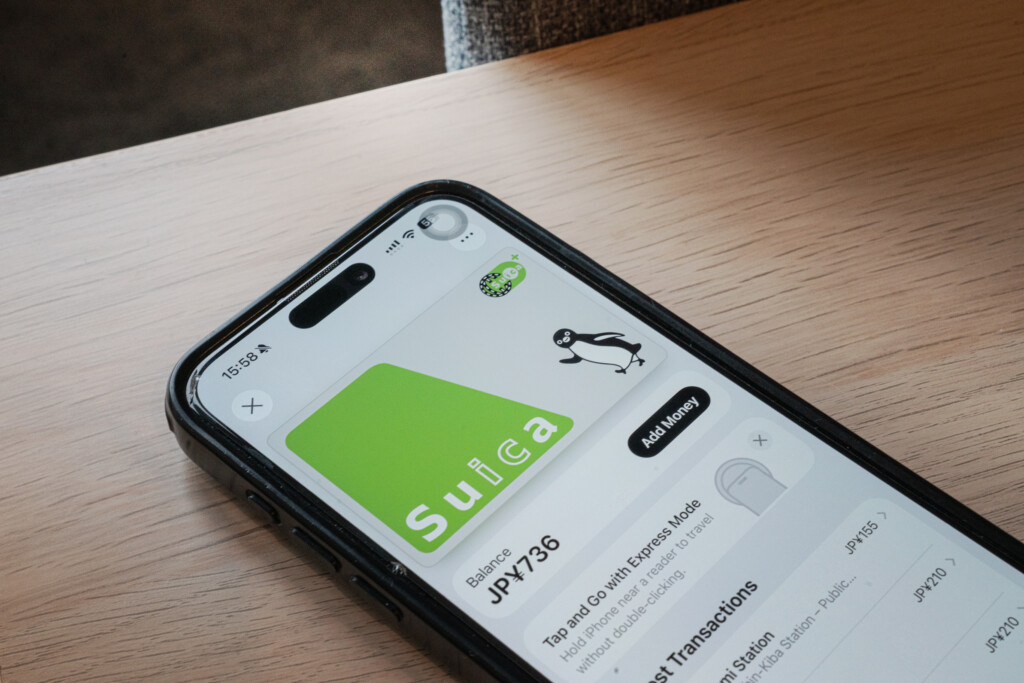
On the topic of trains, allow a little time to get used to the lines, platforms, and exits. On a compatible iPhone or Apple Watch, add Suica to Apple Wallet to tap through supported ticket gates. Keep the card on the device you intend to use throughout the journey.
Once you are ready for the rest of your Japan trip, whether it’s another town, coast, or mountains, a car lets you stop and change plans along the way, and that’s where the real fun starts!
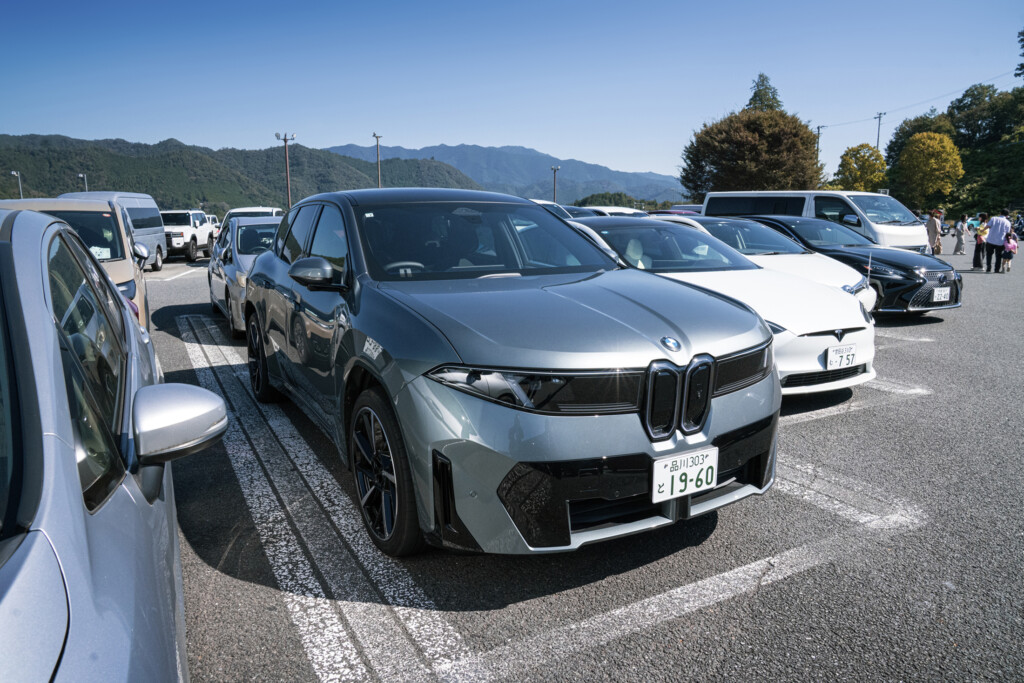
Book for your people and their luggage
Count the bags before choosing the car. Five seats tell you very little about where five adults’ suitcases will go.
Our iX3 accommodated us comfortably, and the under-bonnet storage compartment (frunk) gave us useful extra room for bags. Ask the hire company about the vehicle you will receive, check boot photos, and consider rear-seat comfort on longer drives. We even made it a point to go see the iX3 locally first before planning our luggage!
Leave some space for shopping, too. Japan has a habit of making your luggage requirements grow during the holiday.
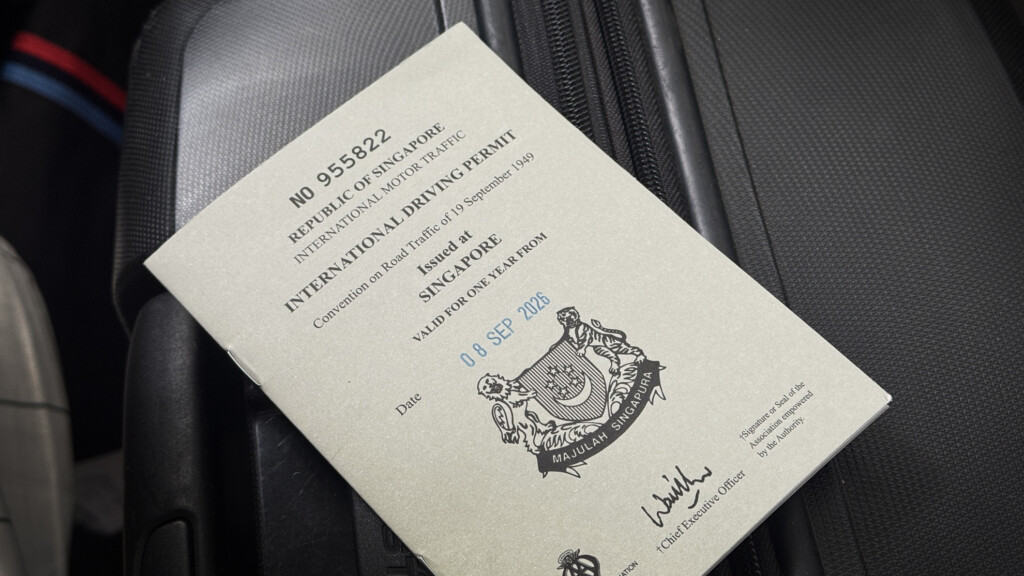
Sort your licence and toll payments before flying
Singapore licence holders should obtain the paper International Driving Permit issued by AA Singapore under the 1949 Geneva Convention. Carry it with your physical Singapore driving licence and passport, and check that the documents are valid for your travel dates.
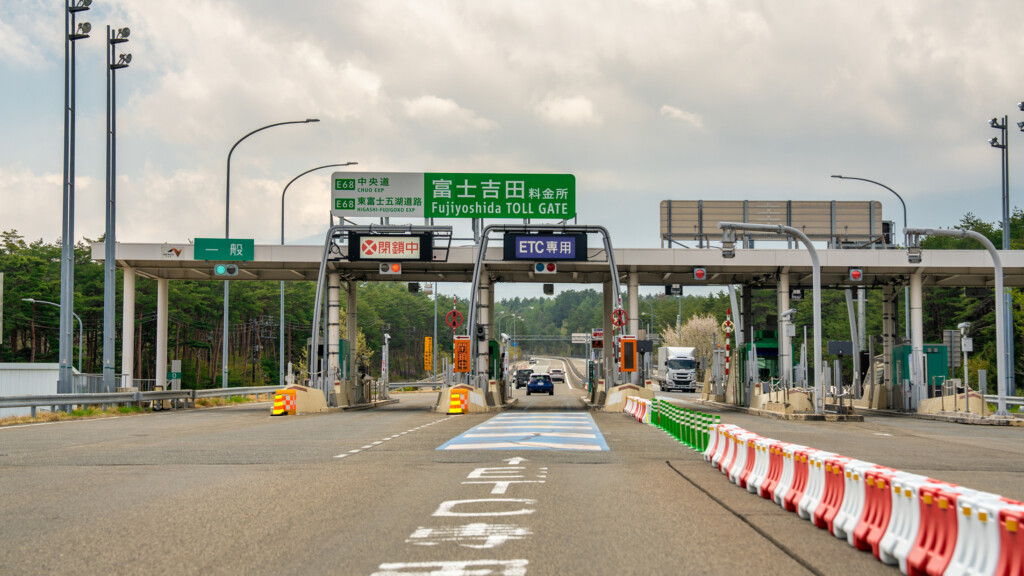
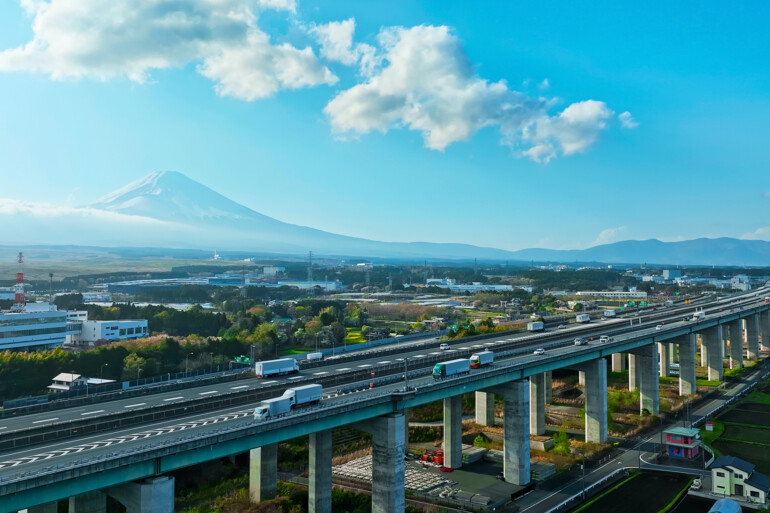
Ask for an ETC card when booking the car. In my opinion, this is a MUST! Don’t try to be a hero and ask Waze to pick non-toll routes; your journey time could double!
ETC handles electronic expressway toll payments, and you normally settle charges through the hire company when you return the vehicle. Confirm any card fee and how the billing works.
ETC is not like ERP. It does not handle parking.
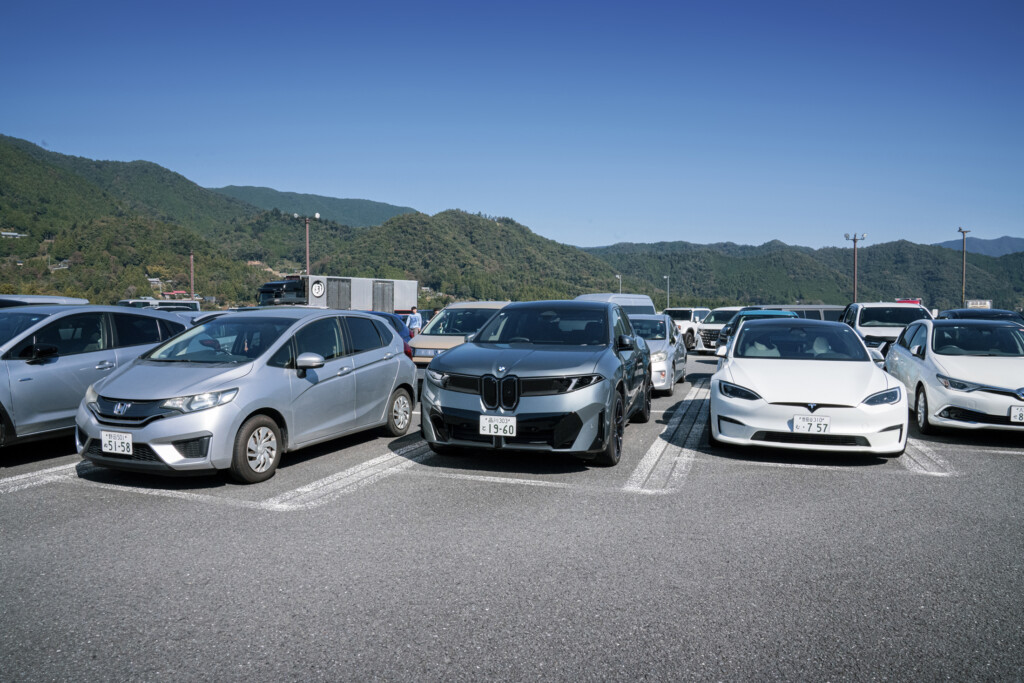
Budget for parking. Most establishments require you to take a ticket and pay at the booth before exiting. Some incorporate payment into the exit machine, so you pay at the gantry. Don’t be shy; take a look around and check first to avoid unnecessary delays.
Budget also for tolls and charging alongside the hire rate and your chosen insurance. If someone else will share the driving, add them to the booking and check their document requirements.
Check the road to your parking space
Ask your accommodation host for photographs of the parking entrance and the road leading to it. A listing that says ‘parking available’ leaves a few useful questions unanswered.
Our Airbnb in Kita had three bedrooms and a driveway. The narrow residential approach persuaded us to use nearby public parking, where the overnight rates we encountered were around ¥800–¥1,100. Check the hours covered by any advertised maximum; those were specific overnight rates.
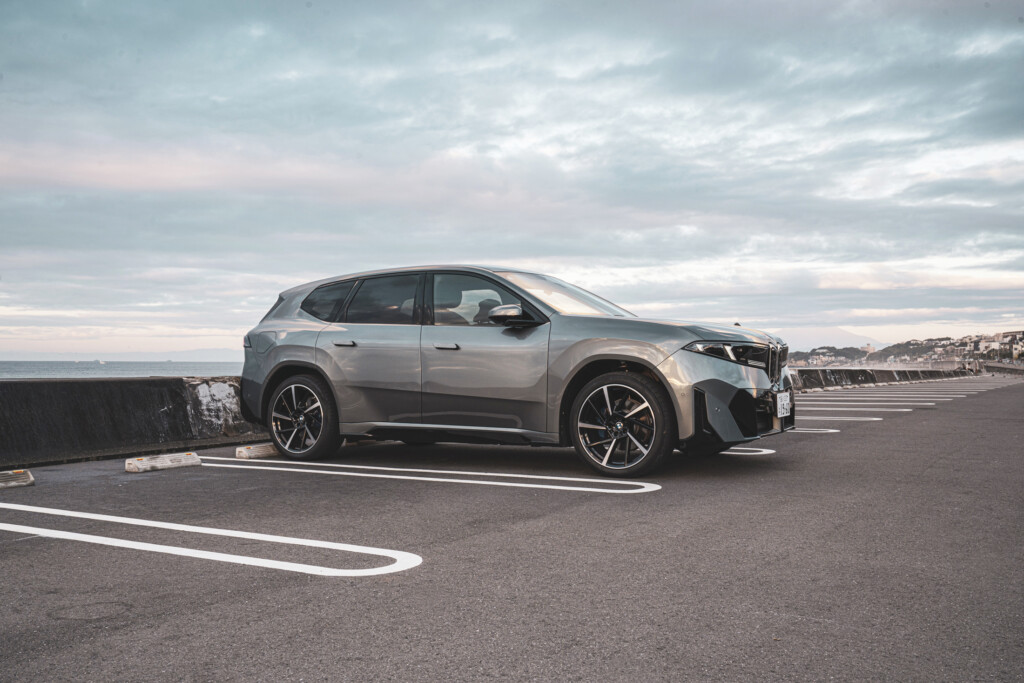
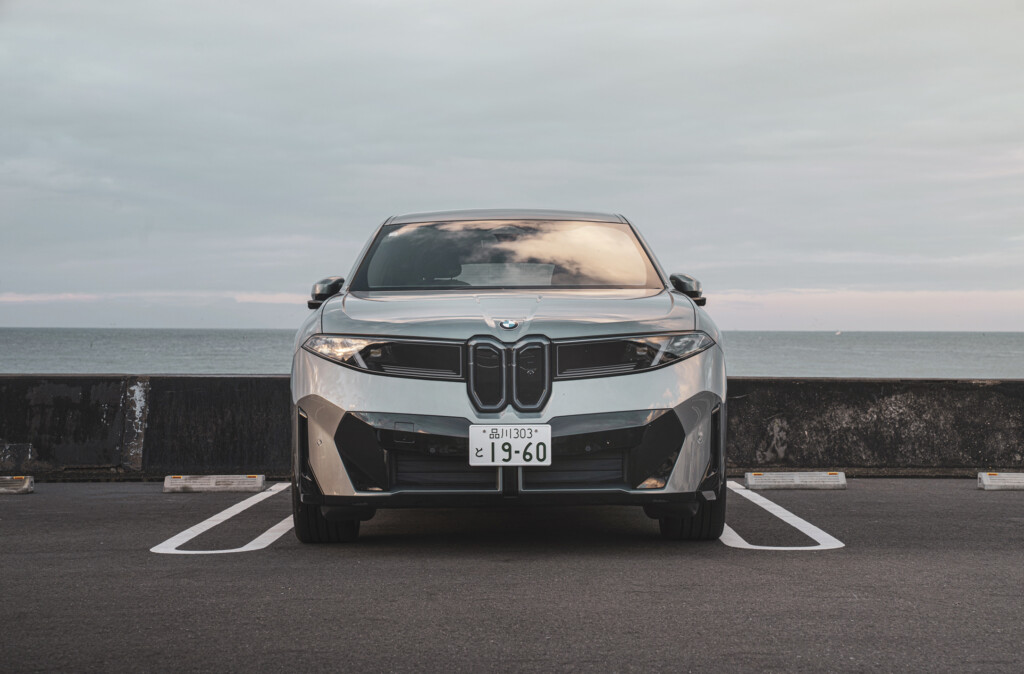
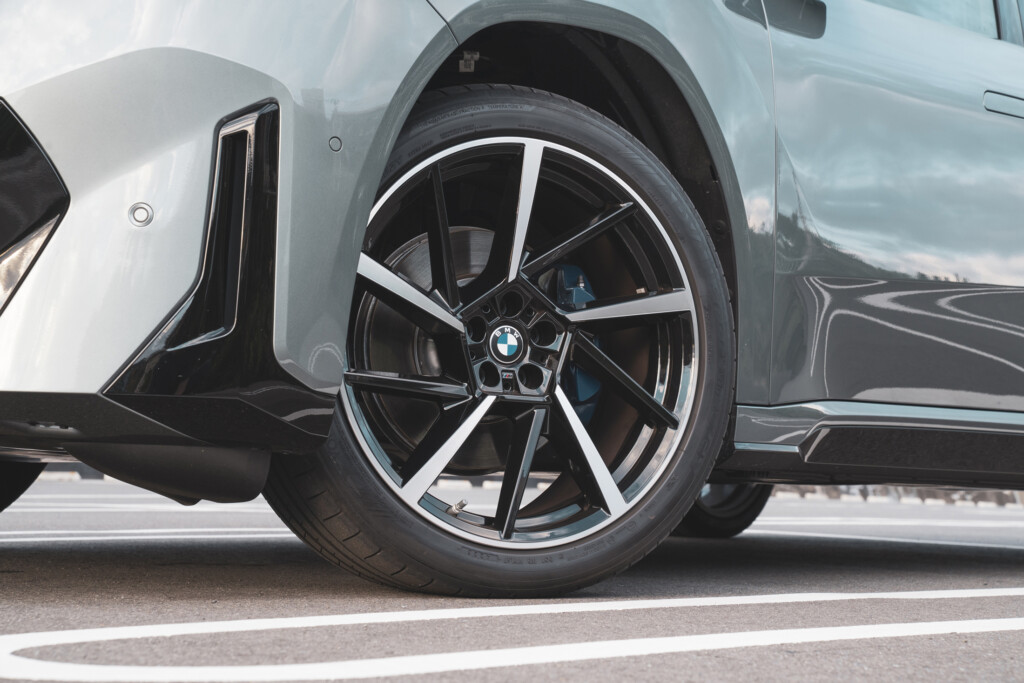
Have your car’s dimensions and weight handy, particularly for car parks with stated limits. Our iX3 was almost 4.8 metres long and 1.9 metres wide, so it made sense to check the space and approach. In Zushi, its cameras and parking sensors helped us negotiate the tight residential roads.
Japan is generally a safe country to visit, and it felt reassuringly so on this trip. A few years ago, thieves stole our Range Rover Sport in Liverpool, an experience that stays with you whenever you park a car abroad. I appreciated being able to park the BMW and get on with the holiday. Lock up, keep valuables out of sight and take the usual care with your keys.
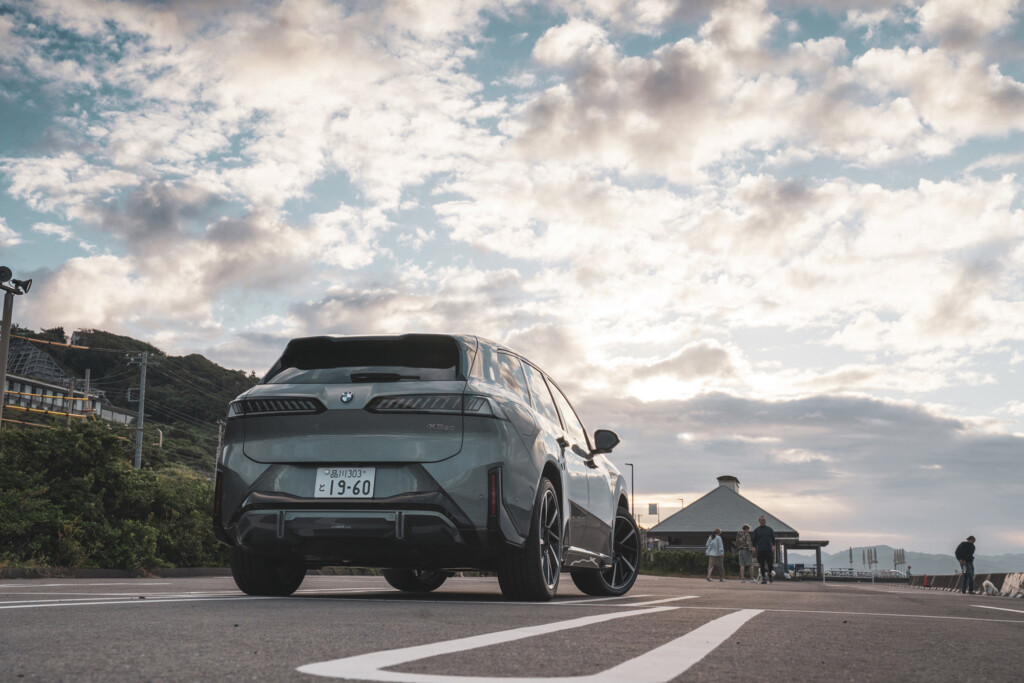
An EV can work well for a Japanese road trip
Japan already has a substantial charging network. e-Mobility Power lists around 27,000 charging connectors as of March 2026. For visitors, the useful next step is to identify compatible chargers along the actual route and confirm how to use them.
EVs in Japan use a different charging port than our CCS2; they use CHAdeMO. A CHAdeMO charger is a direct current (DC) fast-charging standard for electric vehicles, originally developed in Japan by an association including Nissan, Toyota, and Mitsubishi. But it’s nothing to worry about, as all the chargers we saw had the necessary cables.
Our car had a 109.1kWh battery and an official Japanese WLTC range of 835km in M Sport specification. I used around 650km from a full battery as my planning estimate, leaving some breathing room for the journey. Plan around your own hire car’s expected range and the conditions along your route.
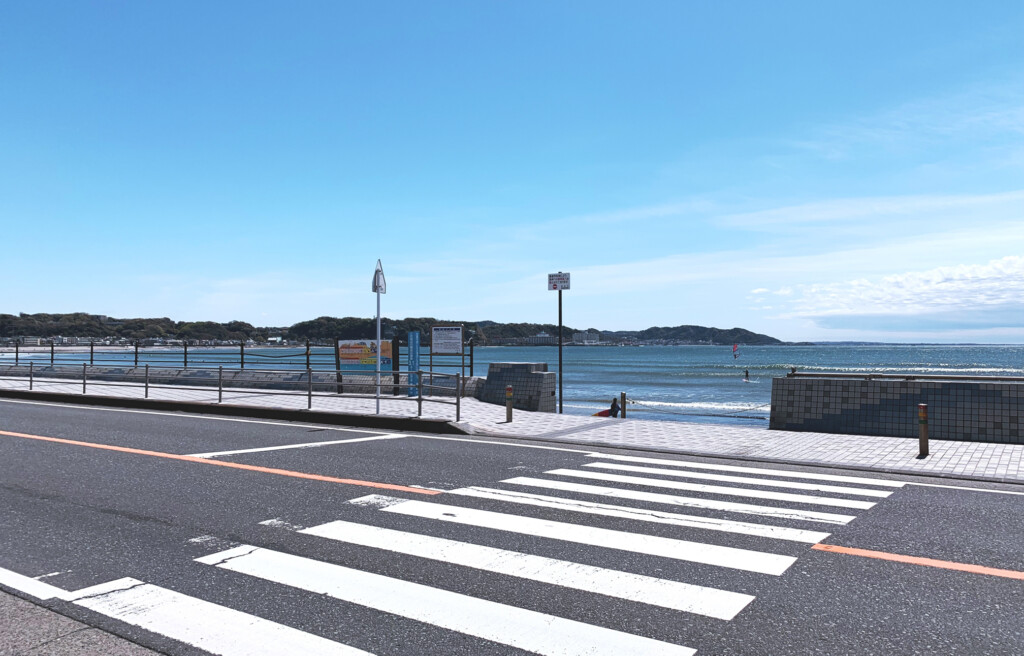
My first charging stop was at a rest stop in Yamanashi, just to give it a go while we took a break, but we hardly got any juice in for that one. The next charge was at a Nissan dealership around Kamakura, using a 50kW charger. I made this a longer stop, charged to full, and watched YouTube in the parked car. Nissan’s dealership rapid chargers can also serve other brands’ compatible EVs; check your car’s connector and the location’s access arrangements.
In Kawaguchiko, I added about 20 percentage points before returning to Tokyo. Those two visits covered our charging needs for this trip. How often you stop depends on your starting charge, the car, and how far you drive.
Before collection, ask the hire company to supply a working charging card or demonstrate the app and payment method you will use. Confirm the compatible network, opening hours, charging speed and session limits, then save an alternative location.
Payment deserves a specific check: e-Mobility Power’s visitor credit-card payment guidance currently specifies Japan-issued credit cards. Have the hire company confirm a workable arrangement for you before relying on that service. Also check the battery level required when returning the car.
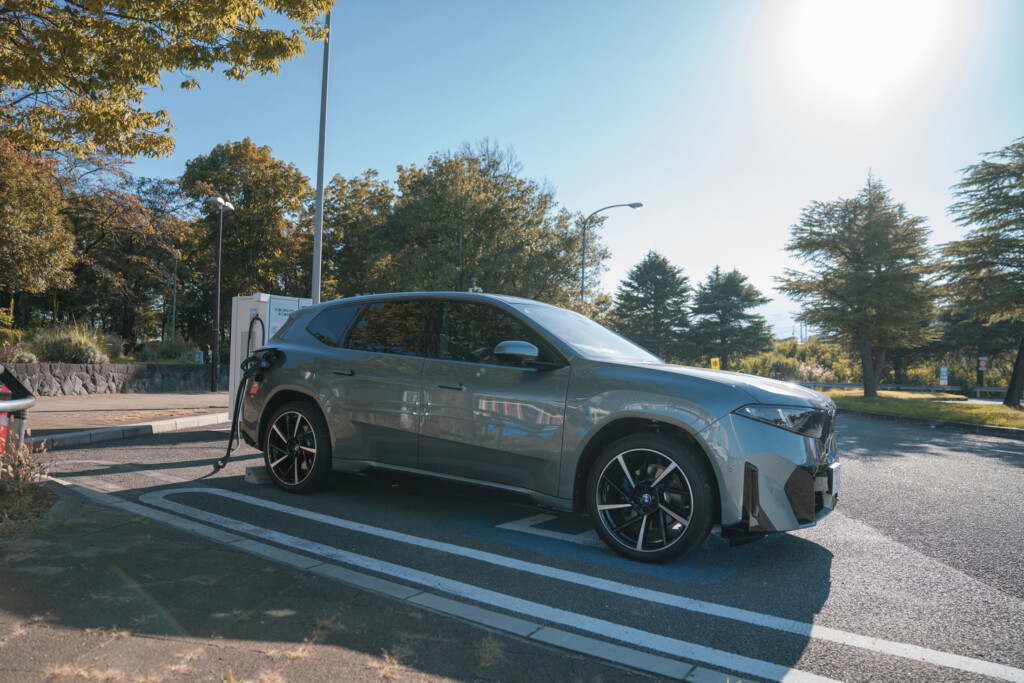
Make charging part of your break
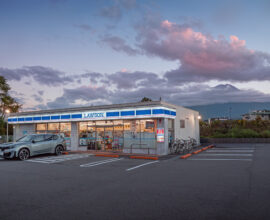
Choose a charging stop with something useful nearby. A 7-Eleven, FamilyMart, or Lawson within walking distance lets everyone grab coffee, sandwiches, or supplies for the next leg. Allow a little extra time for the person who needs to inspect every unfamiliar snack. There is usually one.
Some convenience stores have on-site chargers. For example, FamilyMart offers charging at selected branches and encourages customers to shop while their cars charge. Check the individual location and compatibility when planning your stop.
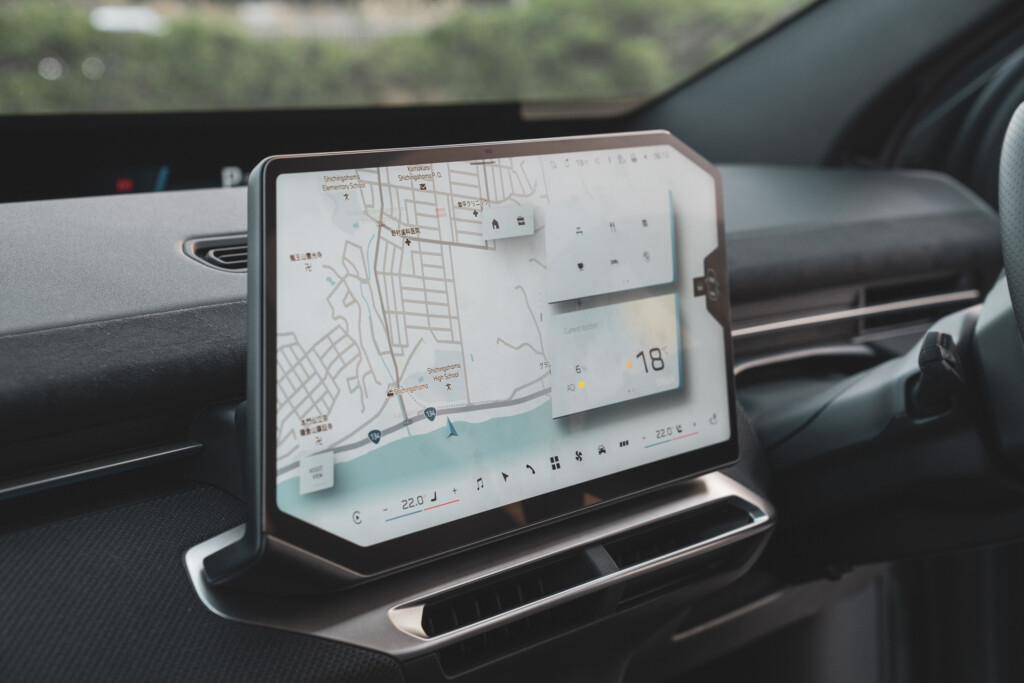
Give yourself enough time for the charger you choose. Our first stop used a 50kW unit, and a substantial top-up in a large-battery EV takes time. e-Mobility Power limits rapid-charging sessions to 30 minutes, so check the rules and how much charge you can realistically add. Return promptly when your session ends.
With a little planning, a charging stop can coincide with a break everyone already wants. That makes an EV a very workable option for this kind of holiday.
Service stops on expressways and highways in Japan are called Service Areas and Parking Areas.
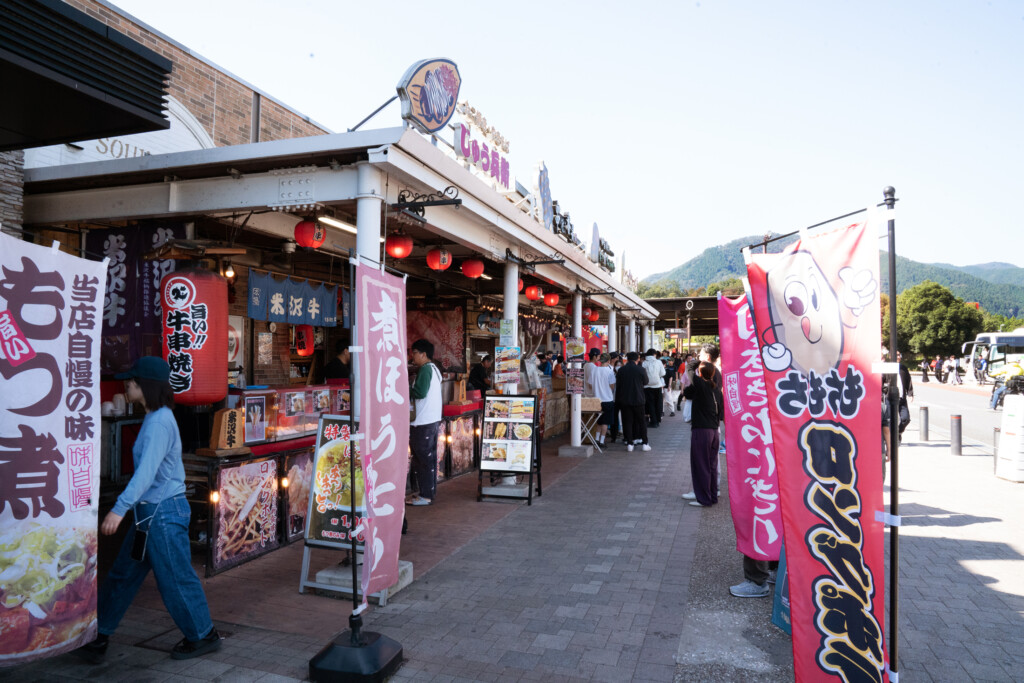
Parking Areas are smaller, simpler highway stops focused primarily on parking and 24-hour restrooms, usually equipped with vending machines and sometimes a small snack counter or basic restaurant.
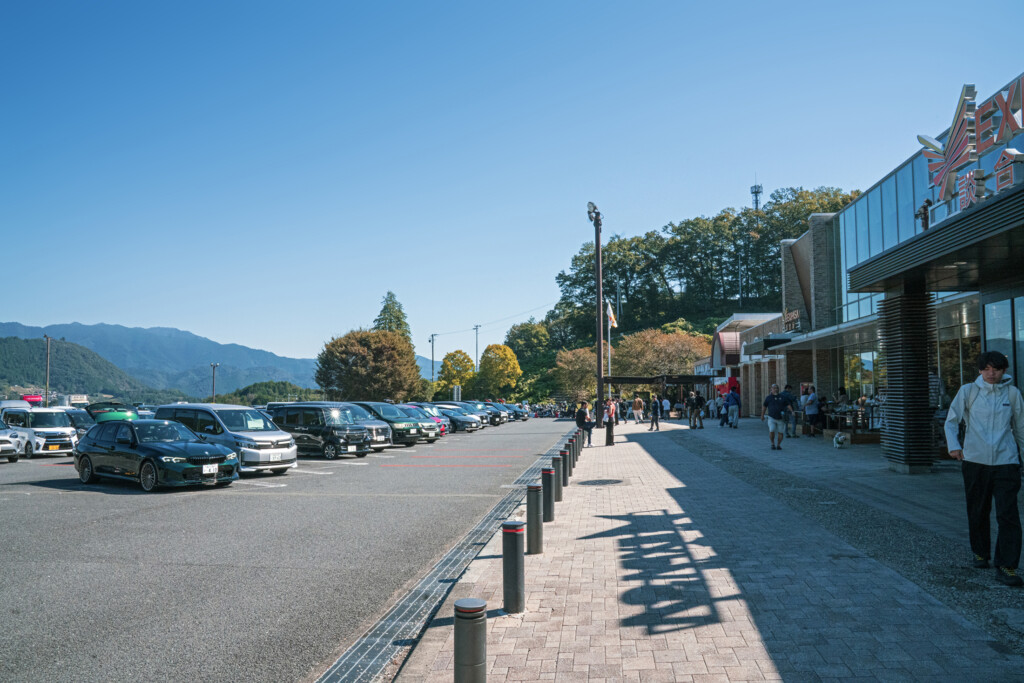
Service Areas are larger, comprehensive rest stops generally located every 50 km along toll roads. They offer full amenities, including 24-hour restrooms, gas stations, charging stations, restaurants, convenience stores, and regional souvenir shops. Similar to Malaysia’s R&Rs.
Side Feature: Hazard lights in Japan
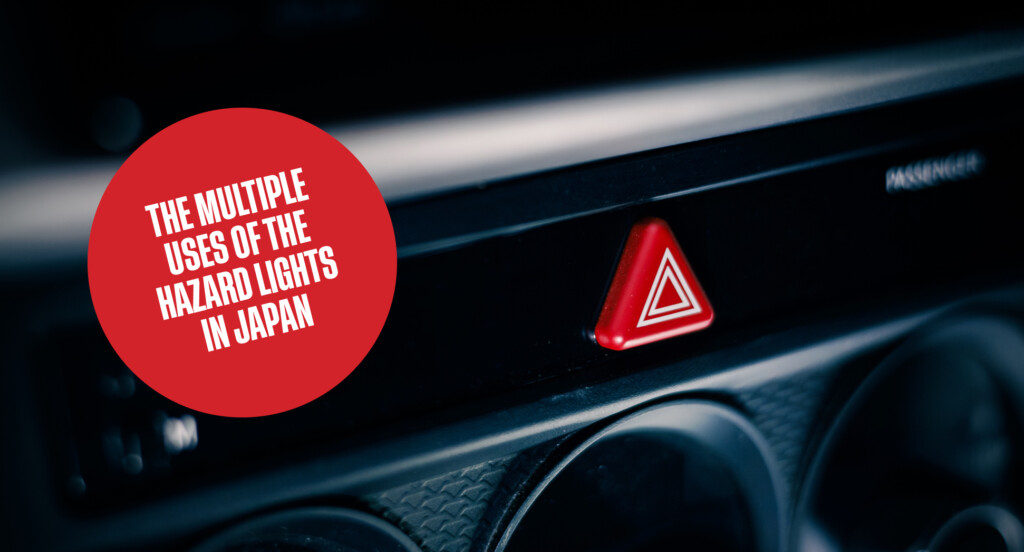
Beyond their intended use, the Japanese have other creative ways of using hazard lights.
• Let another car merge ahead of you in Japan, and you may receive a few brief flashes of its hazard lights. This is the “thank-you hazard”, an informal way some drivers acknowledge being given space. Think of it as a small bow from the back of the car.
• On expressways, hazard lights also warn approaching traffic when vehicles slow or stop at the back of a queue. If the car ahead flashes its hazards as traffic slows, ease off and leave a generous gap. Most countries use them in this situation to help prevent rear-end collisions, but the Japanese do it unfailingly.
Give your route some breathing room
Plot fixed-date events first, then choose accommodation that makes sense around them. Our trip included Studie AG’s STRAIGHT AHEAD BMW event in Yamanashi, which we visited from our coastal base before returning there that evening.
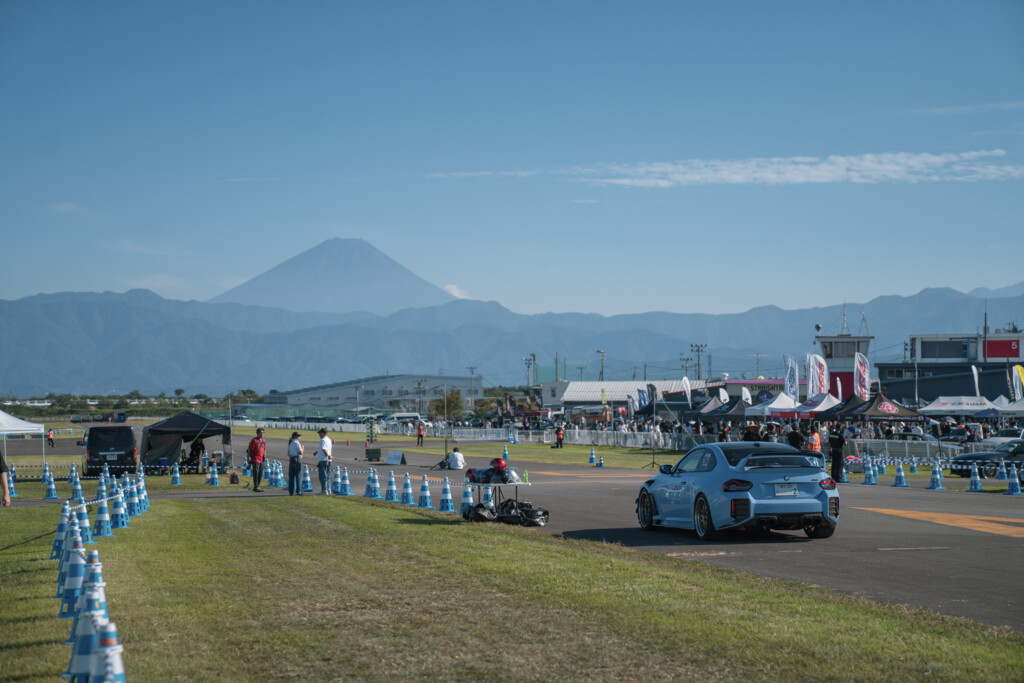
An accident on the return journey delayed us by roughly four hours. FOUR hours! It was a useful reminder to leave a buffer on regional drives, especially when you have a dinner reservation, check-in deadline, or flight ahead.
Review the whole route before booking each night. Review the sequence of your coastal and inland stops to see where you can reduce back-and-forth driving.
Keep a weather alternative in mind, too. Rain interrupted our karting plans near Gotemba, so we drove through Fuji Safari Park. It became one of the trip’s most memorable experiences.
For the year-end holidays, confirm winter tyres and any chain requirements with the hire company for your entire route, especially mountain sections. Check the forecast and live road restrictions before setting off. Heavy snow can require chains and close roads, so keep the itinerary flexible.
Leave time to enjoy being there
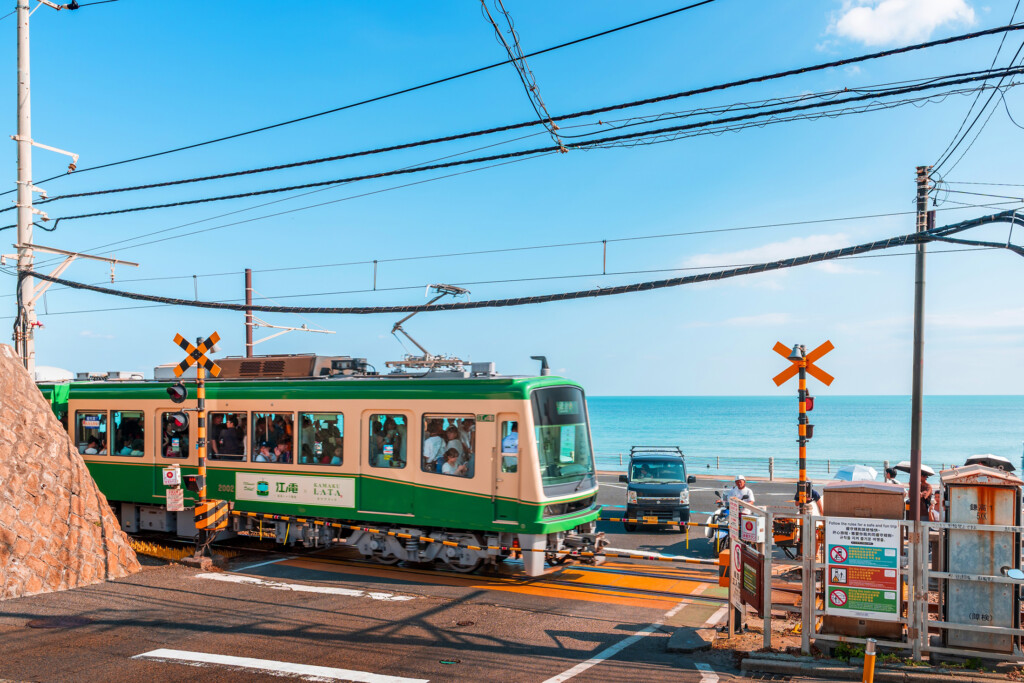
If, like me, you enjoy driving, exploring, and a little adventure, you’ll find driving in Japan a breeze. Having a car gave us the freedom to spend time by the sea around Kamakura, visit the aquarium, and change plans as the weather changed. At Kawaguchiko, our accommodation was a short walk from the lake, and we could slow down once we arrived.
So go ahead, plan that road trip, and leave a few gaps in the schedule. I’m sure you will find something worth stopping for.
BMW Group Japan supplied the BMW iX3 used for this trip.