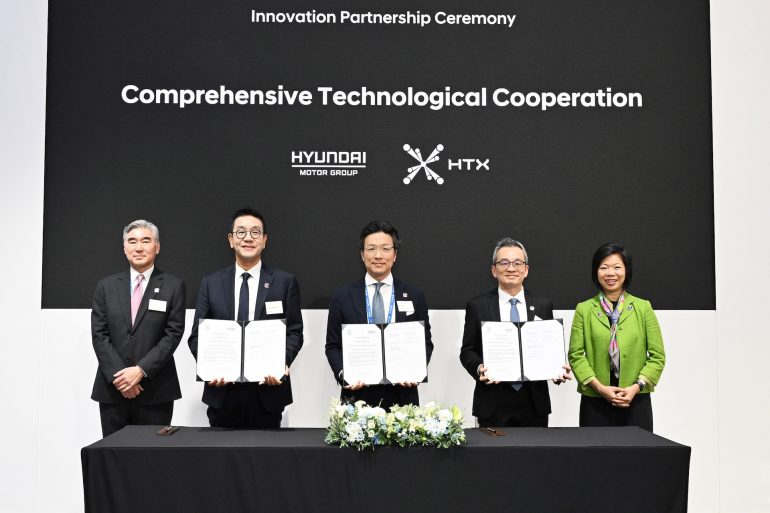
Hyundai Motor Group has inked a tripartite Memorandum of Understanding (MoU) with Singapore’s Home Team Science and Technology Agency (HTX) to accelerate next-generation mobility solutions tailored for Singapore’s frontline needs.
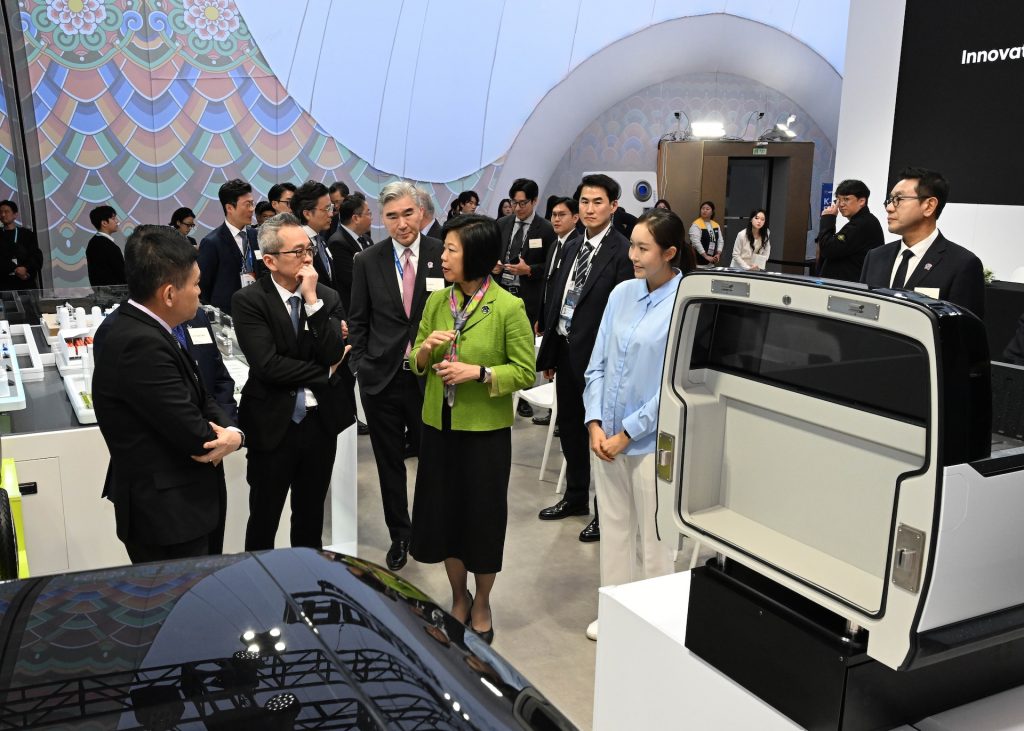
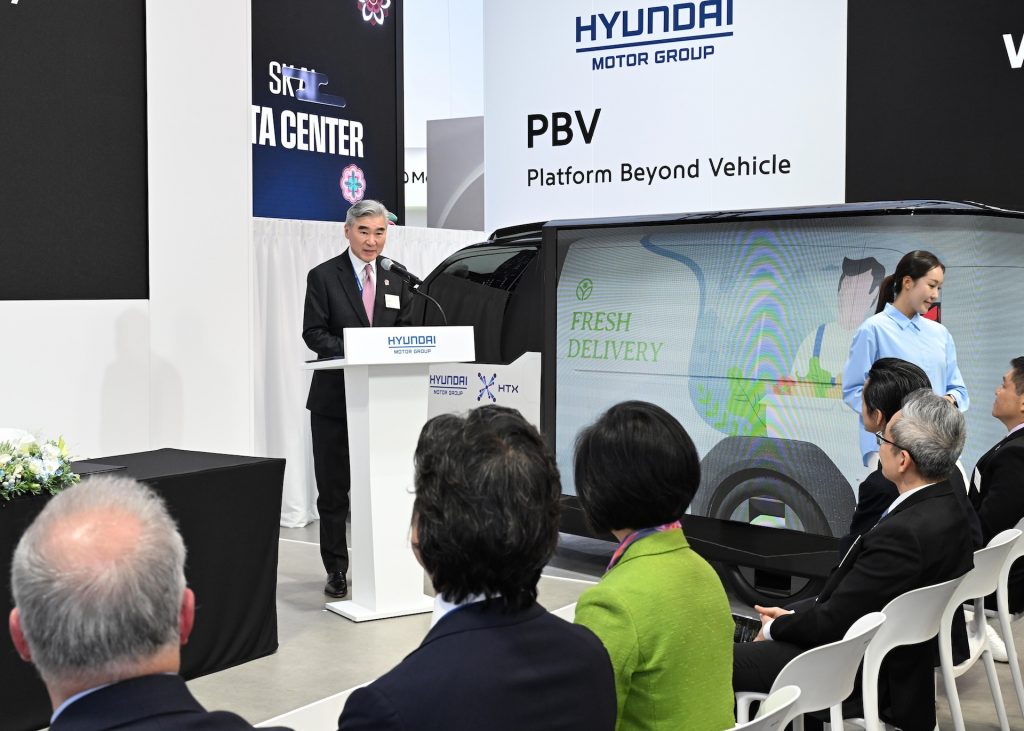
The first public safety technology demonstration, targeted by the end of 2028, will centre on the Kia PBV (Platform Beyond Vehicle), a modular EV architecture that can be rapidly configured for everything from patrol to rapid response. Why build and maintain countless bespoke vehicles when a single, scalable system can slot in mission-specific modules like Lego bricks?
PBVs promise a common electric backbone onto which purpose-built cabins and equipment can be mounted. Crucially, it dovetails with the Singapore Green Plan 2030 and the nation’s push for all vehicles to run on cleaner energy by 2040.
“Hyundai Motor Group has established a solid foundation for driving public mobility innovation in partnership with the Singaporean government, leveraging our proprietary technologies,” said Ilbum Kim, Executive Vice President and Head of Global Policy Office at Hyundai Motor Group. “Through real-world demonstrations of mobility solutions, we will continue to lead global innovation in future technologies such as robotics and hydrogen.”
“Every partnership we forge is about advancing science and technology to empower the Home Team with better tools and smarter systems. This collaboration with Hyundai Motor Group enables us to push the boundaries of future mobility technologies and bring cutting-edge innovations into real-world Home Team operations, and beyond,” said HTX Chief Executive Chan Tsan. In other words: fewer buzzwords, more boots-on-the-ground benefits.
If you’re wondering “Why Singapore?”, consider the test-bed trifecta: open regulatory posture, deep technical talent and a culture that prizes execution. Since launching HMGICS in 2023, the Group has woven itself into the local ecosystem, turning Singapore into a human-centred smart mobility hub.
Hyundai’s acquisition of Boston Dynamics in 2021 was a signal that the Group sees robots as co-workers in factories today and force multipliers tomorrow. In April, further investments were announced to integrate robotics into manufacturing processes.
On the hydrogen front, the XCIENT Fuel Cell heavy-duty truck has already proven that zero-emissions haulage needn’t be hypothetical. If electric PBVs suit urban duty cycles, hydrogen can shoulder heavier loads and longer routes.
Does it all arrive tomorrow? No. But with a 2028 demonstration in sight and institutional momentum behind it, it’s only a matter of time.
Read more automotive news at AutoApp, or check out our latest videos on YouTube and on TikTok!