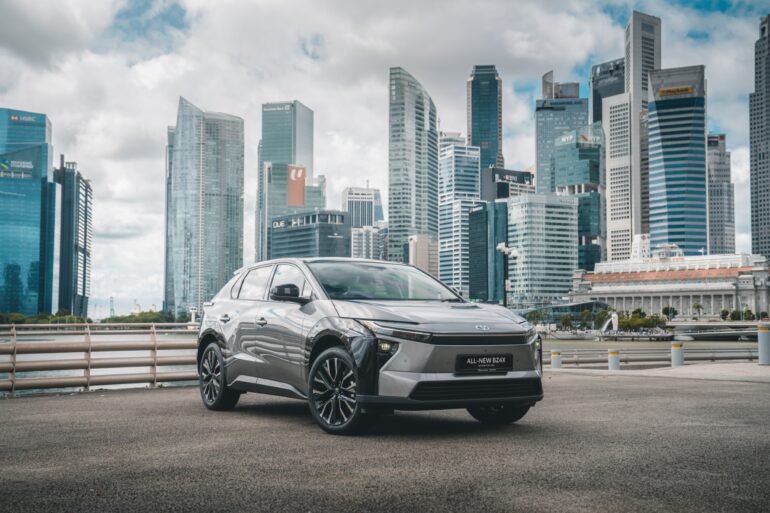
Singapore’s electrified vehicle market has moved swiftly from early adoption to rapid mainstreaming, with Chinese brands playing a prominent role in accelerating battery-electric uptake.
However, industry leaders expect the next stage to be defined by wider diversification, driven by established automakers broadening their electrified portfolios and strengthening long-term ownership support.

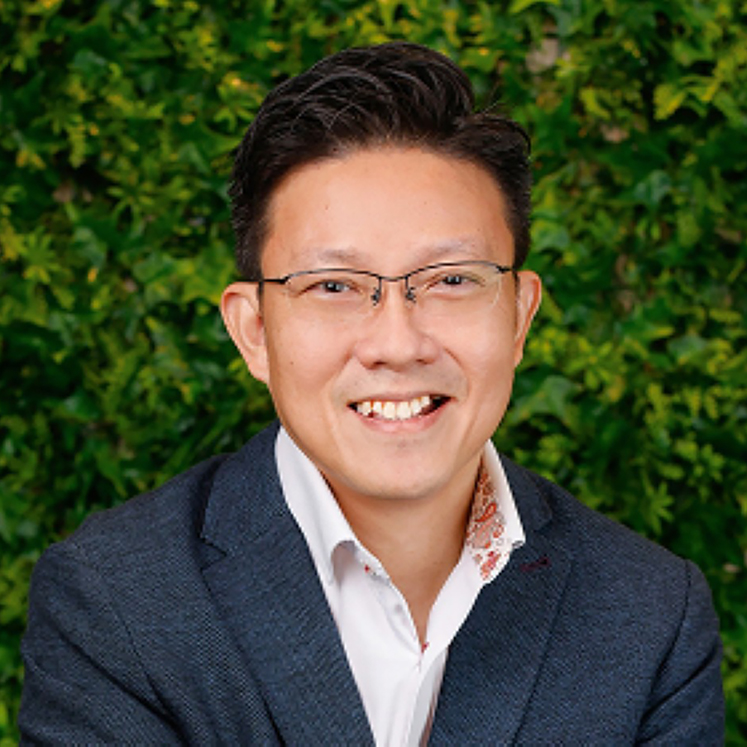
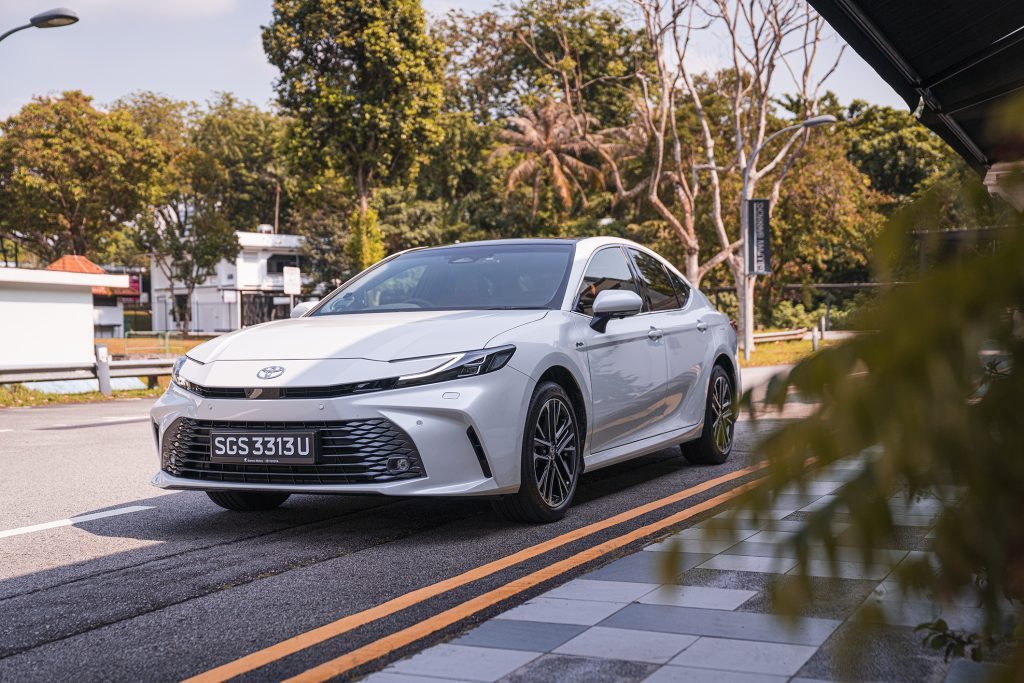
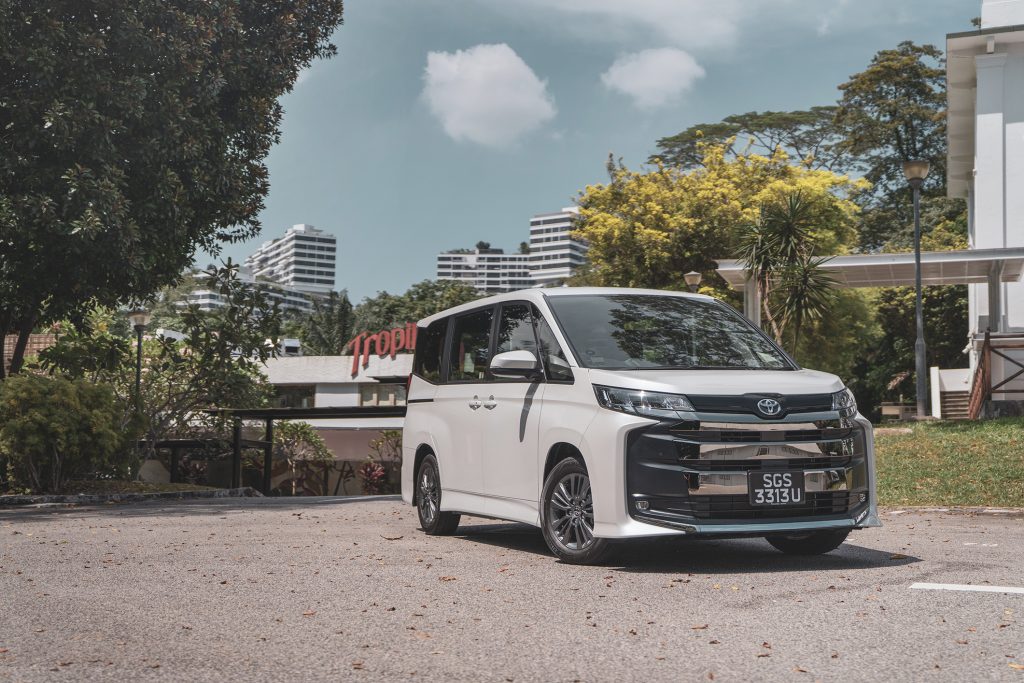
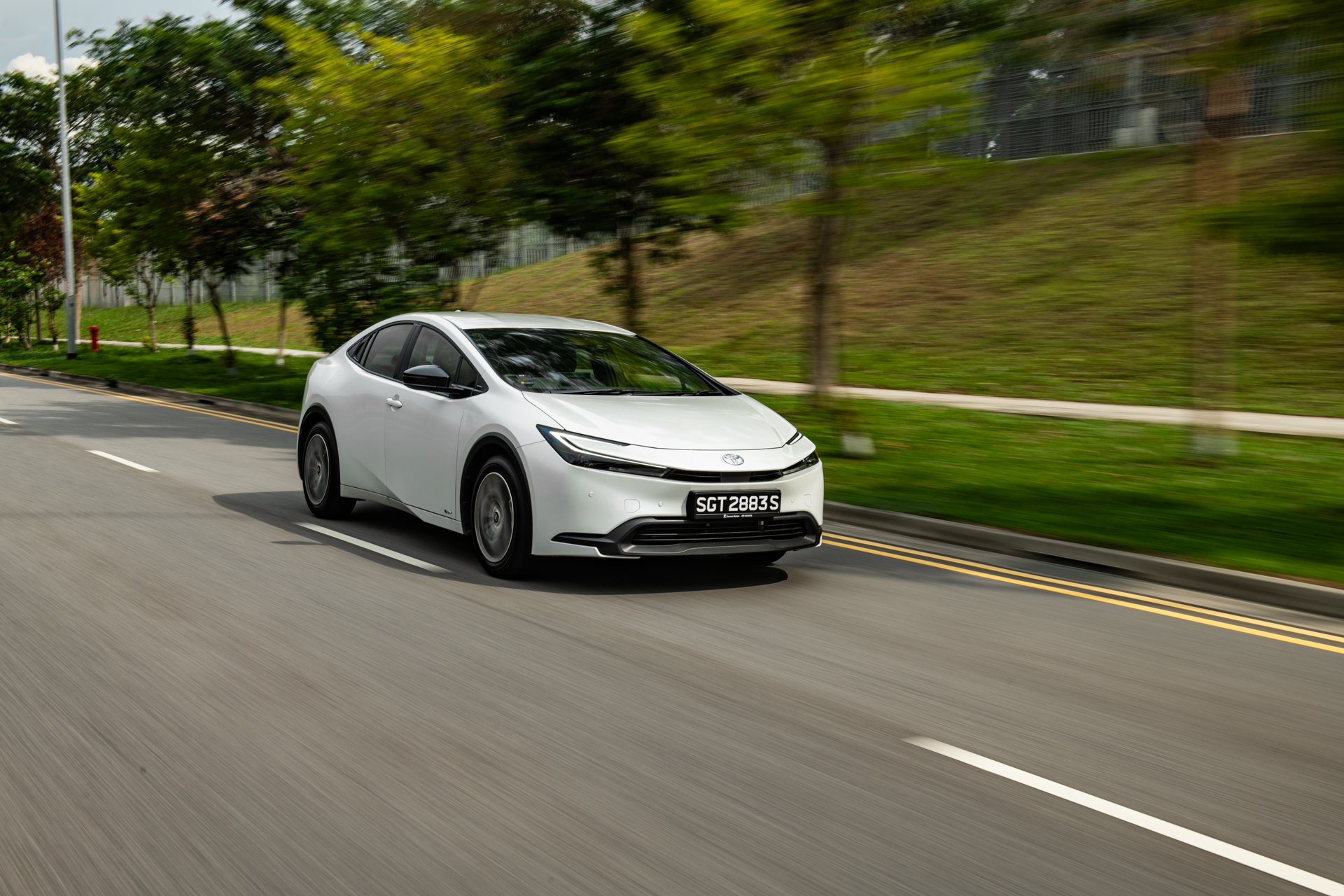
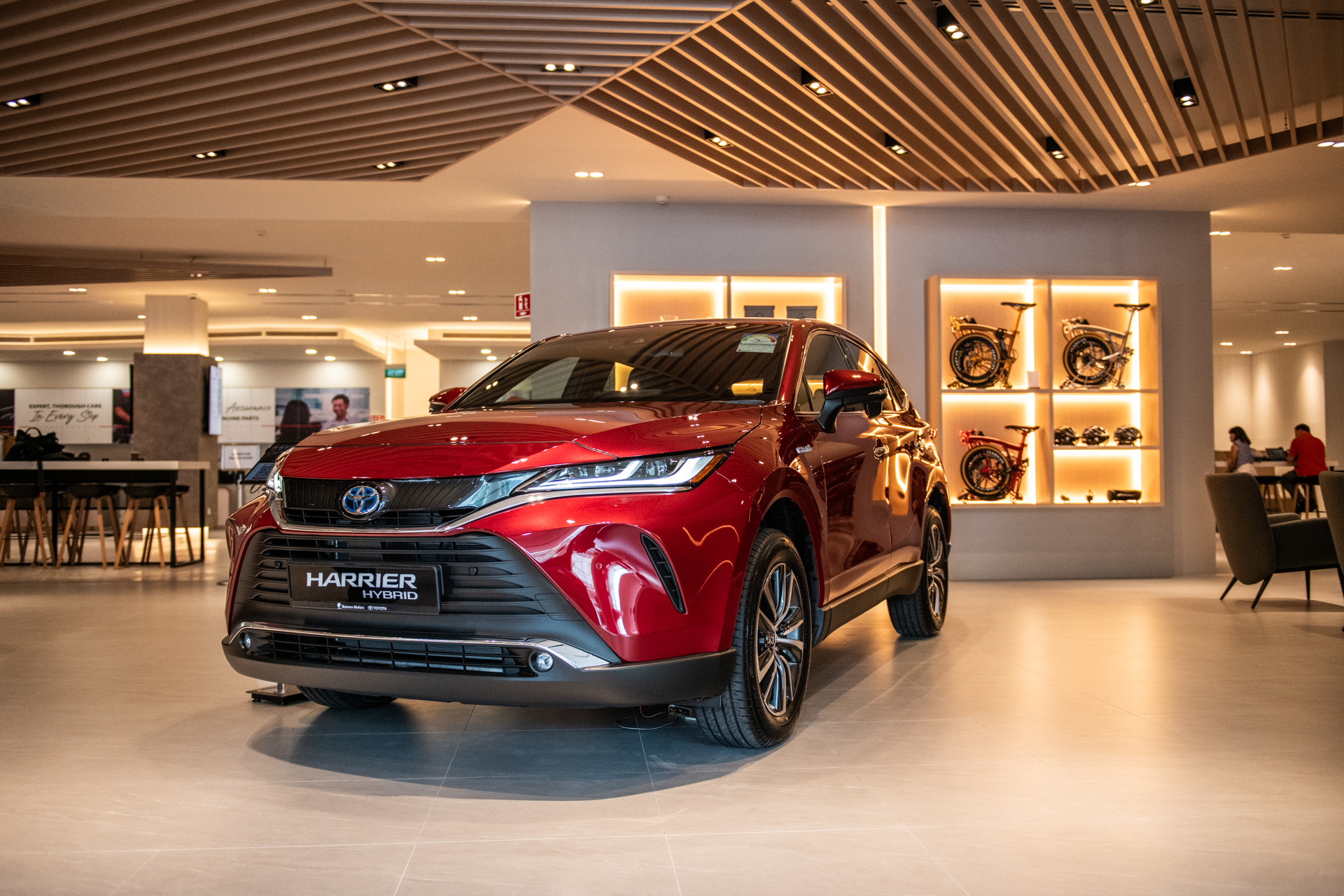
At the Singapore Motorshow 2026, Inchcape unveiled six new New Energy Vehicles (NEVs) across Toyota, Lexus, and Suzuki, spanning battery electric vehicles (BEVs) and hybrid electric vehicles (HEVs). We managed to speak with Mr Phil Jenkins, CEO, APAC of Inchcape, and Mr Khee Siong Ng, Managing Director of Inchcape Singapore, who shared how they view this moment as a constructive step forward, owing to stronger competition, more pathways to electrification, and ultimately greater choice and confidence for consumers.
Singapore’s EV readiness: where policy, infrastructure and consumer intent converge
Mr Jenkins said Singapore’s position as one of the region’s most NEV-forward markets is underpinned by sustained public-sector direction and growing consumer alignment. He noted that local authorities have laid out clear plans to reduce transport emissions towards net-zero, including an updated EV Roadmap that addresses vehicle taxes and incentives, regulations and standards, charger deployment, and industry partnerships.
Beyond policy, consumer sentiment increasingly shapes the pace of change, with research indicating that nearly two-thirds of Singaporeans support deadlines to phase out internal combustion vehicles. This alignment helps accelerate both incentives and infrastructure development.
Mr Ng added that readiness does not mean uniformity. He described Singapore as a market that is prepared for electrification but increasingly discerning, valuing innovation and sustainability while demanding reliability, transparency and flexibility.
A diversified NEV landscape: why Japanese brands are returning to the front of the conversation
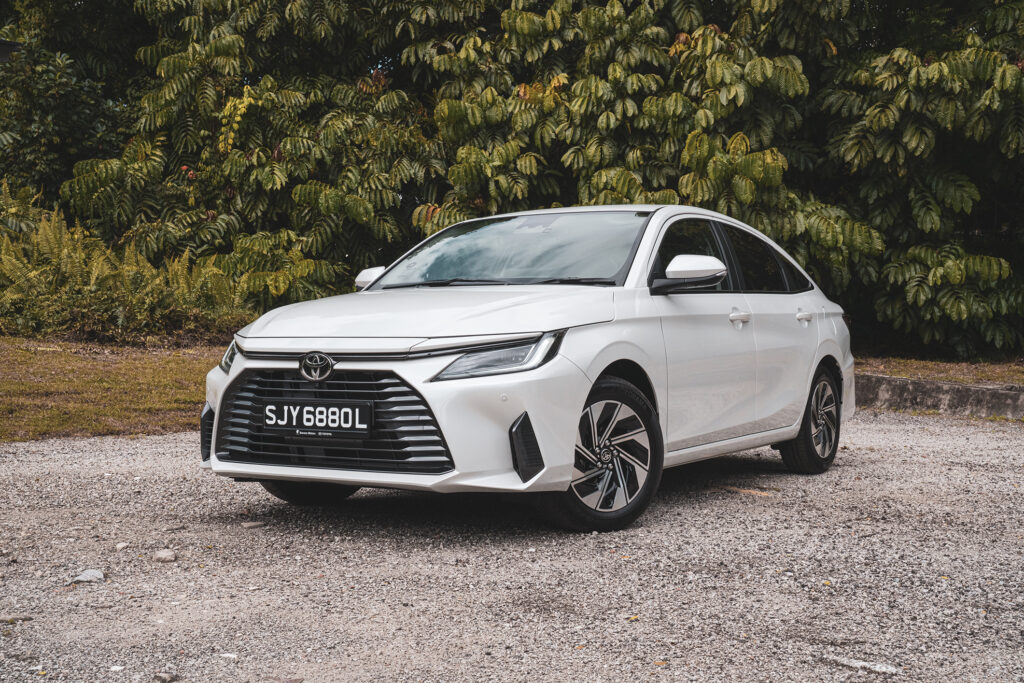
Mr Ng highlighted that the six NEVs broaden the spectrum of electrified options across price points and body styles, allowing drivers to select solutions suited to their routines, charging access and budgets. This approach is strengthened by long-standing brand trust in Singapore: Toyota since 1967, Lexus since 1992, Suzuki since 1975.
Mr Jenkins framed the market shift more broadly across APAC, arguing that diversification should not be viewed as a zero-sum contest between countries of origin or technology pathways. In his view, expanding the range of credible electrified options drives innovation and raises standards, which benefits consumers. As more established automakers scale their electrification strategies, the region’s NEV transition can progress with greater stability, practicality and long-term confidence.
Localising electrification: what APAC diversity means for product and service strategy
When asked about Inchcape’s regional strategy, Mr Jenkins mentioned that it is shaped by a central reality: APAC markets differ significantly in consumer priorities and adoption barriers. He cited examples where brand familiarity and reputation can be decisive in some markets, while in Singapore, customers place stronger emphasis on cost considerations expressed through value.
Mr Ng reinforced that localising electrification in Singapore also means addressing how consumers evaluate “value” over time. Locally, buyers increasingly consider the full ownership equation over a decade rather than reacting solely to headline pricing. Therefore, offering multiple electrified pathways is only meaningful if it is paired with transparent ownership guidance and dependable long-term support.
Multi-pathway electrification: why Inchcape is not advocating a single “correct” transition
On the subject of multi-pathway electrification, Mr Jenkins described the approach as a practical framework that respects diversity, giving customers the autonomy to choose what works best, whether BEV, HEV or other electrified solutions.
Enabling choice can foster a greater sense of control over daily life and support broader well-being, while also reducing emissions faster than a pure-play approach that mandates a single technology outcome irrespective of market readiness.
Mr Ng echoed this stance, adding that Inchcape’s objective is to provide “full mobility solutions” that remain practical, reliable and flexible so adoption can expand without forcing consumers into choices that do not match their circumstances.
Building confidence: service excellence, consumer education and financing as adoption enablers
Inchcape’s response is anchored on three pillars. First, service excellence, supported by multiple service centres, 60-minute servicing and brand-certified specialists, intended to give NEV buyers peace of mind through a reliable and accessible aftersales network.
Second, transparent education, including initiatives to demystify electrified technologies; he cited Motorshow efforts such as a partnership with Singapore Polytechnic to showcase Toyota’s hybrid technology and provide hands-on clarity on how a self-charging full hybrid system works and translates into everyday benefits.
Third, flexible financing designed for different buyer profiles, developed with financial institutions to help customers manage initial costs and plan budgets with greater confidence.
Mr Jenkins linked these themes to broader regional lessons, noting that many APAC consumers want stronger education around NEVs. In his view, better-informed consumers can meaningfully influence how quickly stakeholders respond, including infrastructure development and policy support.
Inchcape also utilises a Digital Experience Platform (DXP) and data analytics capabilities that are intended to translate broad market insights into individual customer outcomes. Mr Ng noted that the platforms deploy more than 250 algorithms to personalise offers and optimise the service experience.
He added that technology is integrated across the ownership journey, including API-linked digital loan applications for faster approvals, CRM intelligence for seamless omni-channel appointment bookings, and recognition technology at the Lexus service centre to support more personalised experiences.
As NEV adoption expands, the ownership experience must keep pace, so customers are not only sold new technology, but supported throughout the lifecycle with convenience, clarity and consistency.
Looking ahead: what “healthy competition” means for consumers in 2026 and beyond
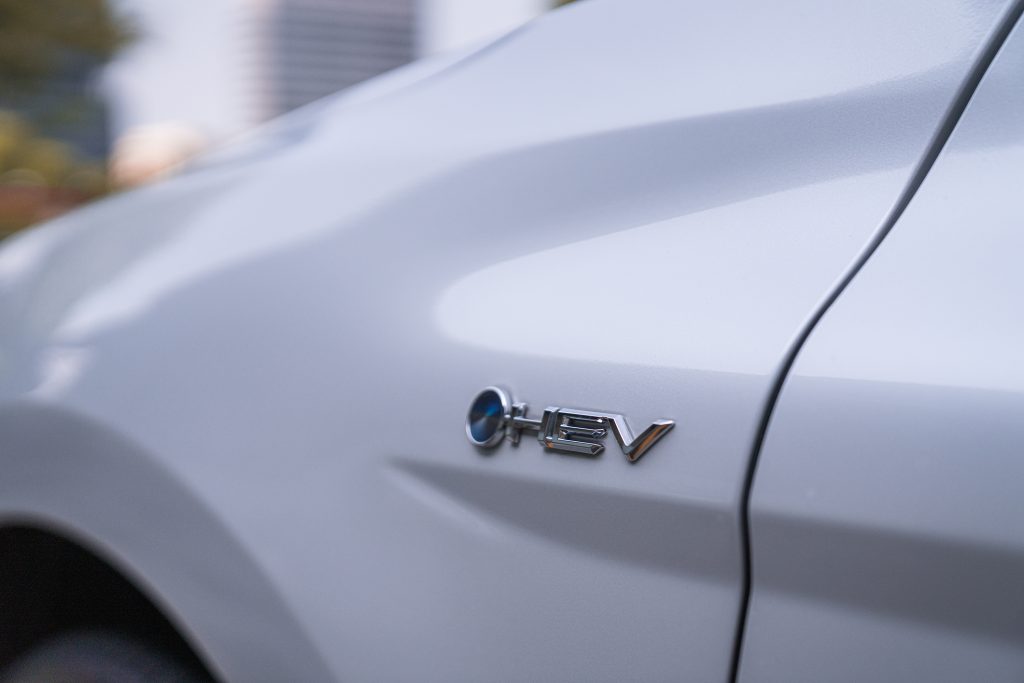
To end off the conversation, Mr Jenkins mentioned that Inchcape’s long-term role in APAC rests on a foundational belief that mobility improves quality of life, enabling freedom of movement, more efficient commuting and better lifestyle outcomes for families. He argued that sustainable mobility must preserve these social benefits, while progressing decarbonisation through pragmatic pathways aligned to each market’s stage of transition. Thus, Inchcape will continue working closely with OEM partners to innovate both in response to policy changes and by helping shape higher industry standards.
Mr Ng added that Inchcape Singapore will remain agile as policy direction and customer preferences evolve, monitoring the adoption of NEVs as charging infrastructure expands, shifts in segment demand, and the continuing importance of service capability and education. He emphasised that Inchcape’s position is not to prescribe a single technology as the future, but to remain a trusted partner that enables informed consumer choice through practical products and transparent ownership guidance.
Read more automotive news at AutoApp, or check out our latest videos on YouTube and on TikTok!