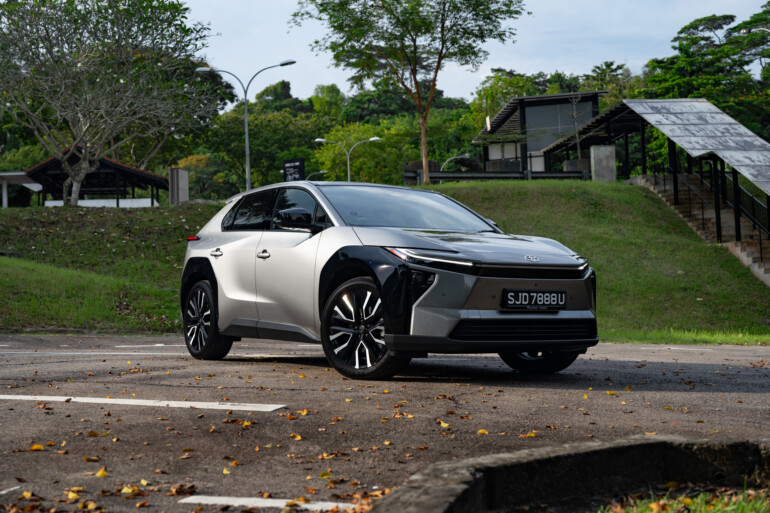
Toyota does not usually rush into things. This is, after all, the company that turned hybrid motoring from a curiosity into a global habit, one Prius at a time.
So when it finally decided to build a proper battery-electric SUV, you expected something deeply considered, perhaps even revolutionary.
And it kind of is, apart from its name.
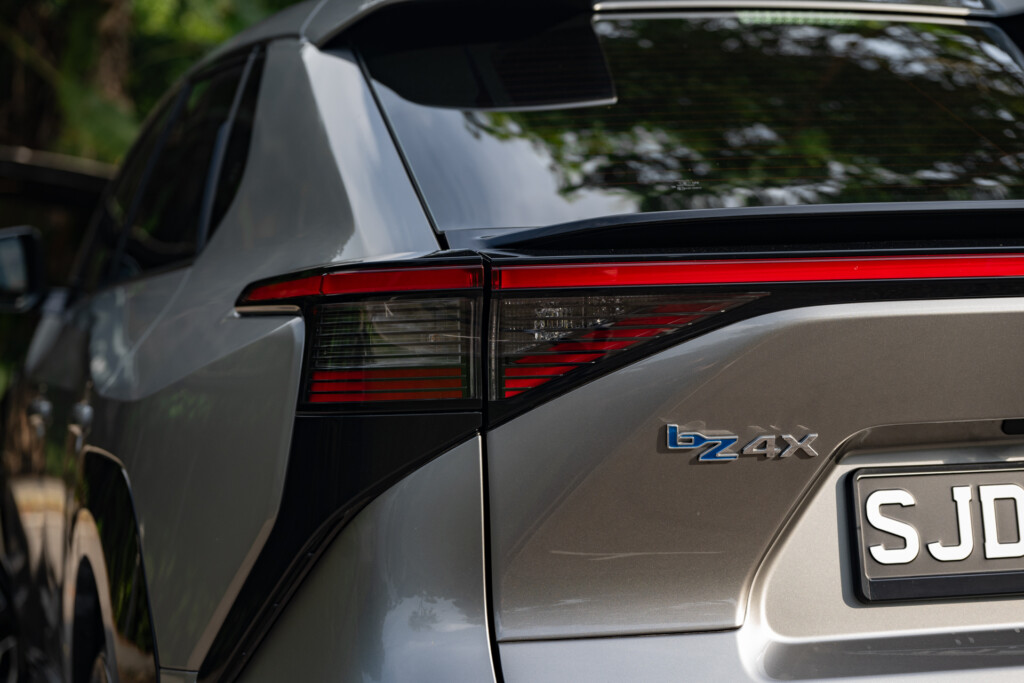
The Toyota bZ4X, admittedly, sounds like someone dropped a keyboard down a staircase. It stands for “beyond Zero”, which is Toyota-speak for its wider electrification ambitions. The “4X” bit points to its SUV positioning and optional all-wheel-drive layout, co-developed with Subaru, whose own version is called the Solterra.
This is Toyota’s first serious all-electric SUV. And it enters one of the most fiercely contested segments around, rubbing shoulders with the likes of the BYD Sealion 7, Skoda Enyaq, Kia EV6, Hyundai Ioniq 5, Tesla Model Y, and Audi Q4 e-tron, to name a few.
Sharper suit, same sensible core
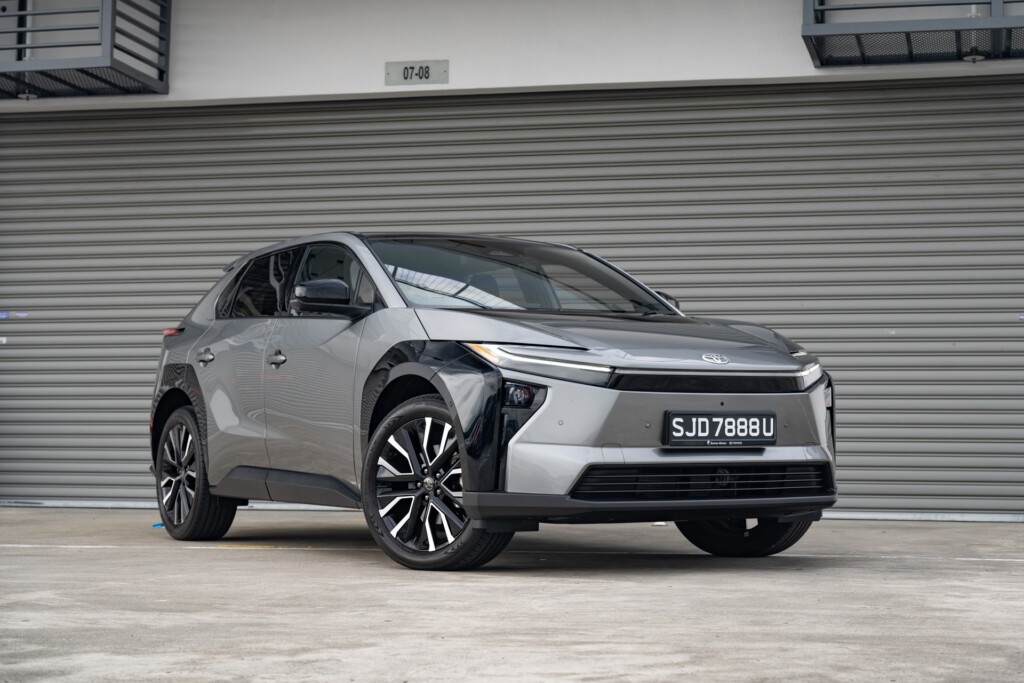
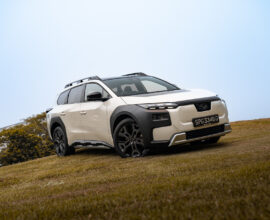
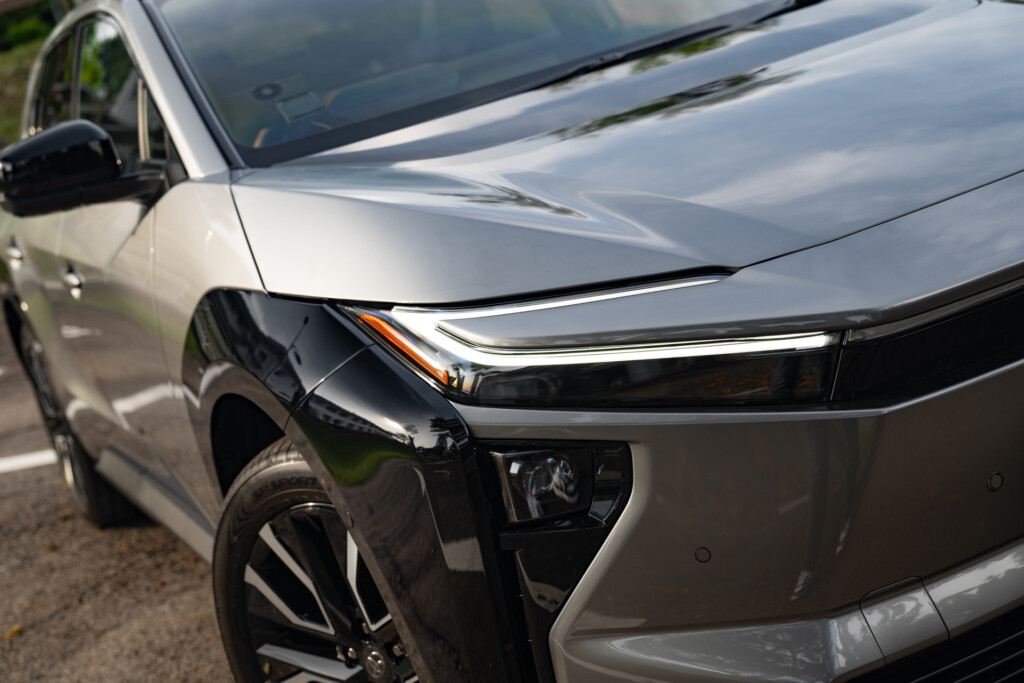
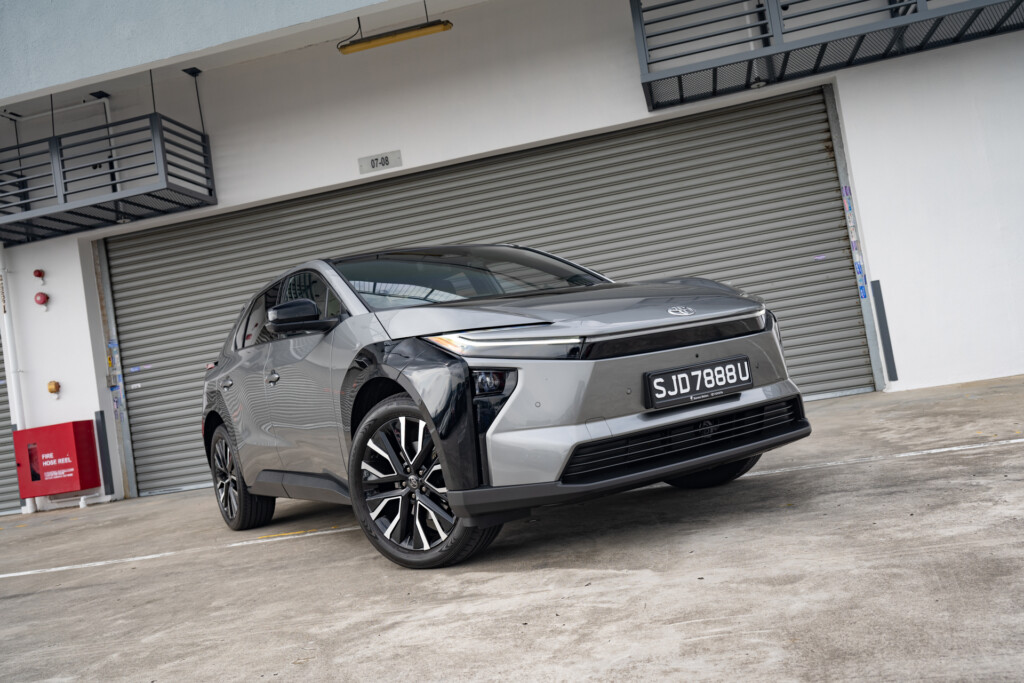
For 2026, Toyota has given the bZ4X a mild refresh. The styling is cleaner, the front end smoother, and the new headlight signature gives it a sterner, more futuristic expression. From some angles, it looks like RoboCop has just received an ERP fine.
Still, it is striking. The angular surfacing, sharp nose and chunky plastic wheel arches give it more personality than Toyota’s usual “please offend nobody” approach.
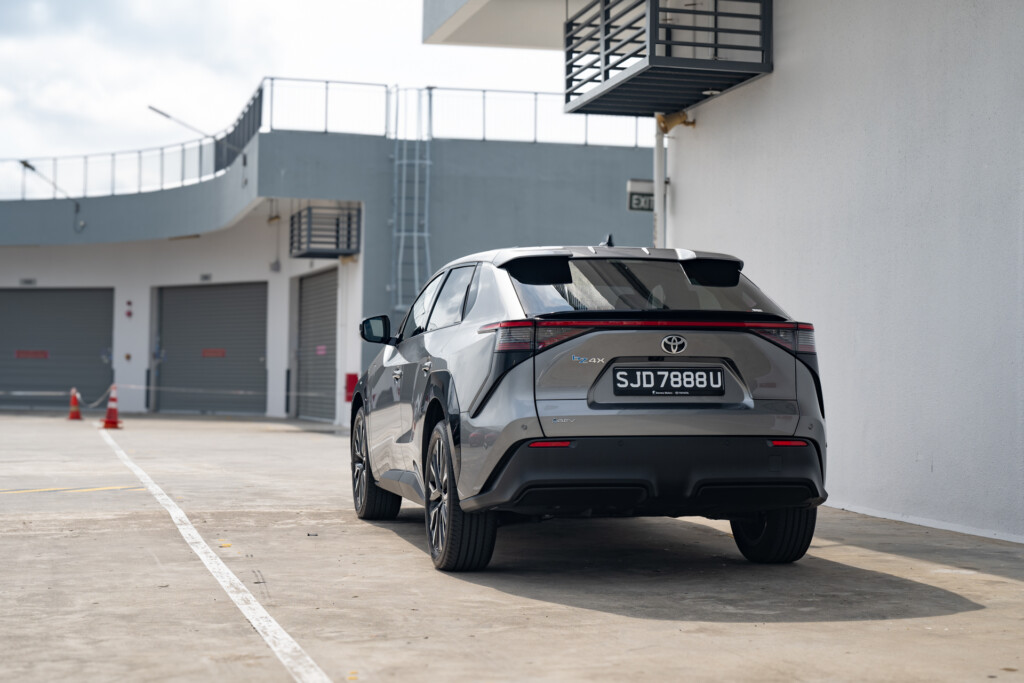
The sensors are neatly hidden in the black front panel too, avoiding the awkward camera-and-radar acne seen on some modern cars. Small detail, big improvement.
Practical, but not particularly plush
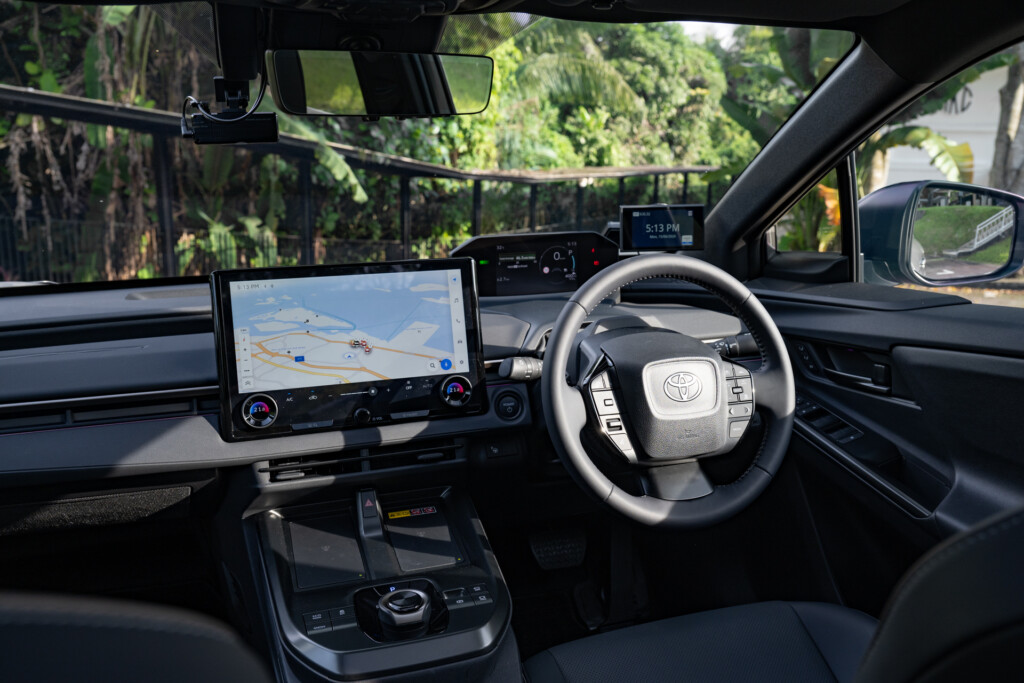
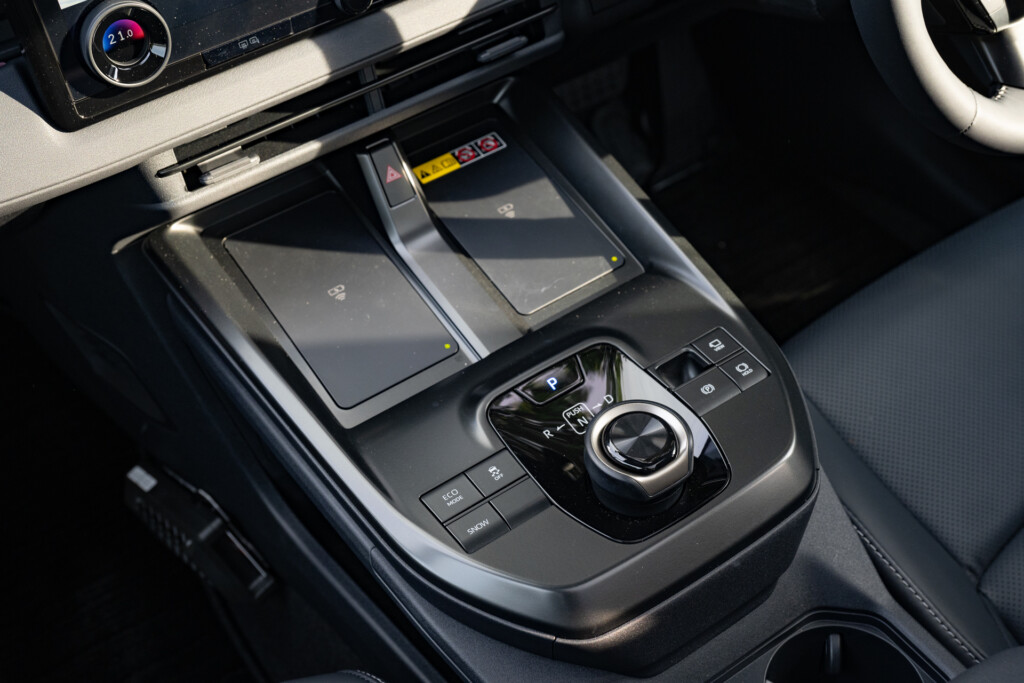
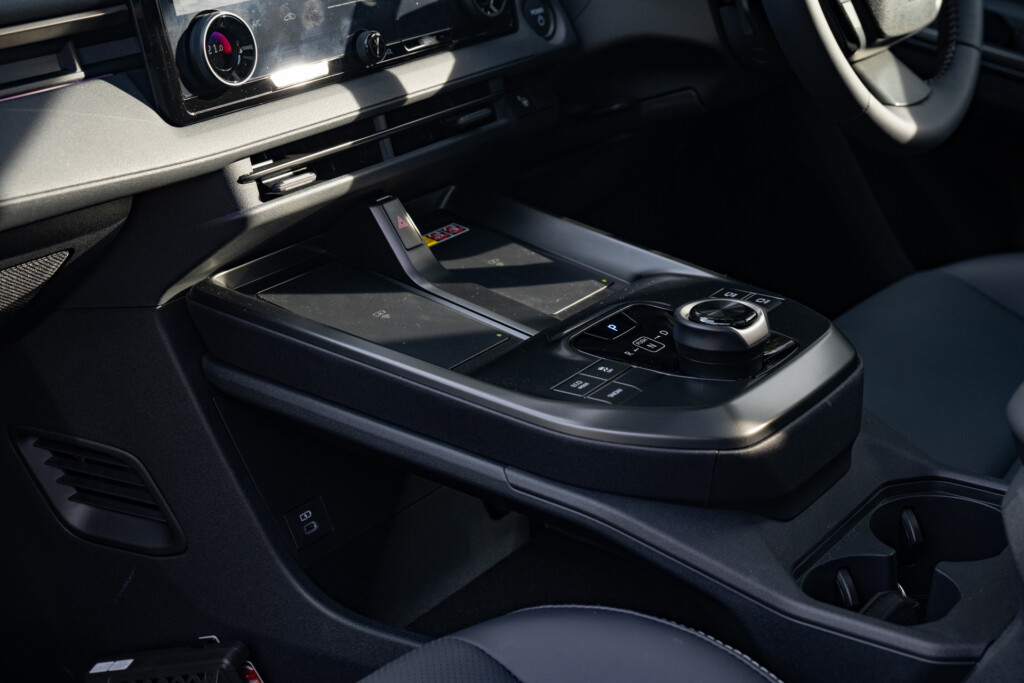
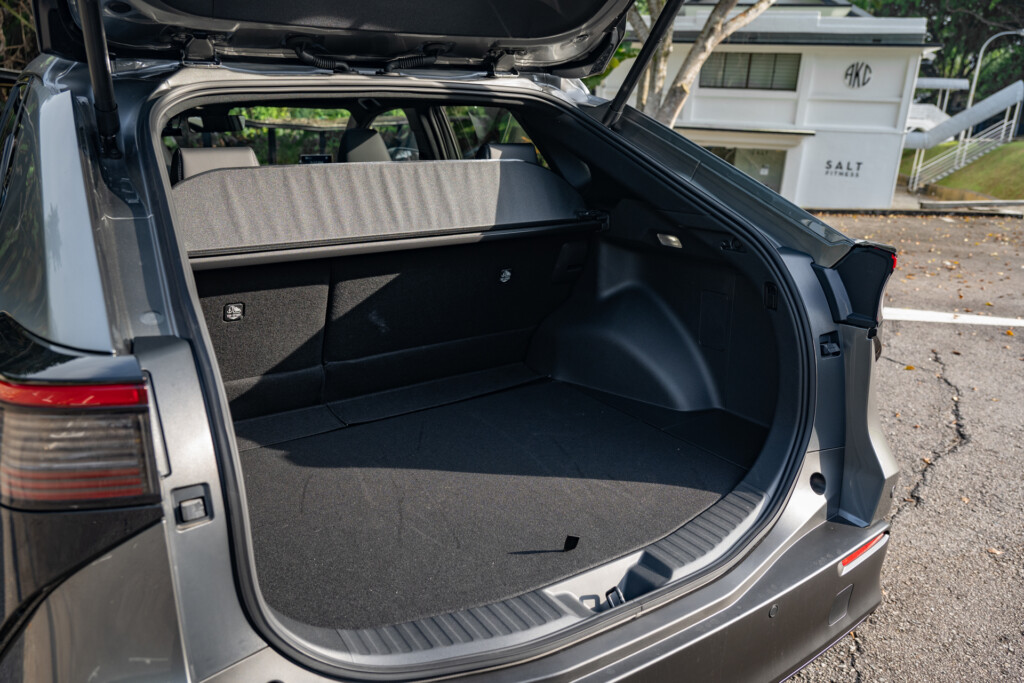
Inside, the bZ4X is sensible rather than showy. You get generous storage, plenty of charging points, a broad centre console, and a 452-litre boot with a wide hatch opening.
It is quite roomy, and for family use there is enough space to avoid domestic unrest.
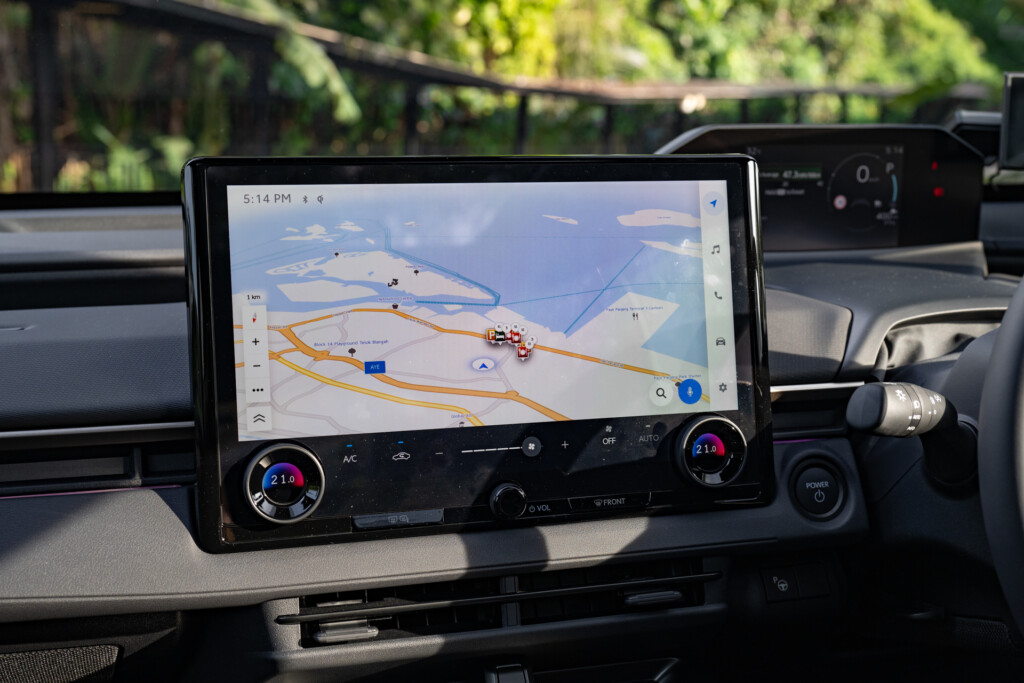
The dashboard layout is typical Toyota: logical, durable and faintly uninspiring. The facelift brings a larger 14-inch touchscreen, and while the graphics are clear and the menus are straightforward, the system feels like it has more screen than content.
Thankfully, Toyota has not buried everything inside the screen. Climate controls, drive modes and volume still get dedicated switches or permanent access, which is welcome. A car should not require three taps and a prayer just to adjust fan speed.
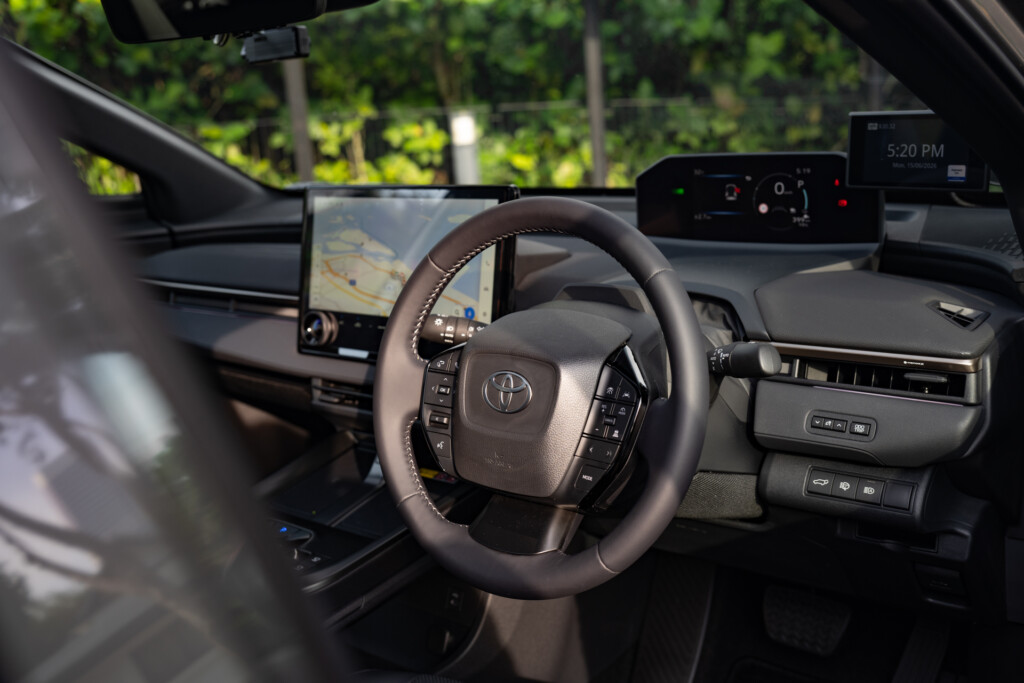
The driver’s display sits high on the dashboard, almost like a head-up display. It works well enough, though taller drivers or those who prefer a higher steering position may need to fiddle around to get the view right.
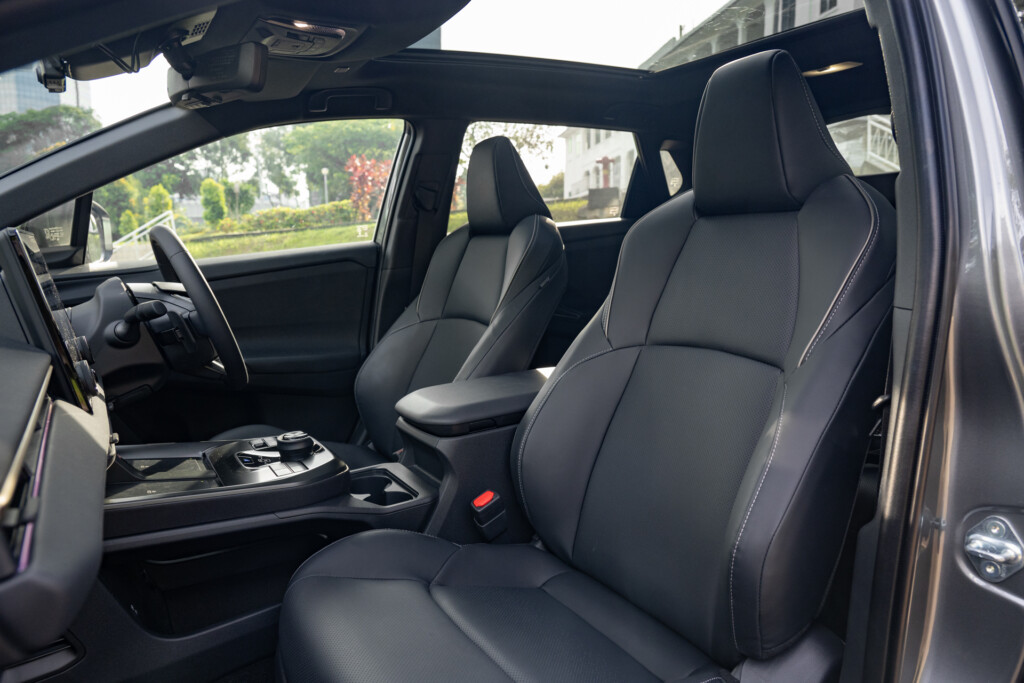
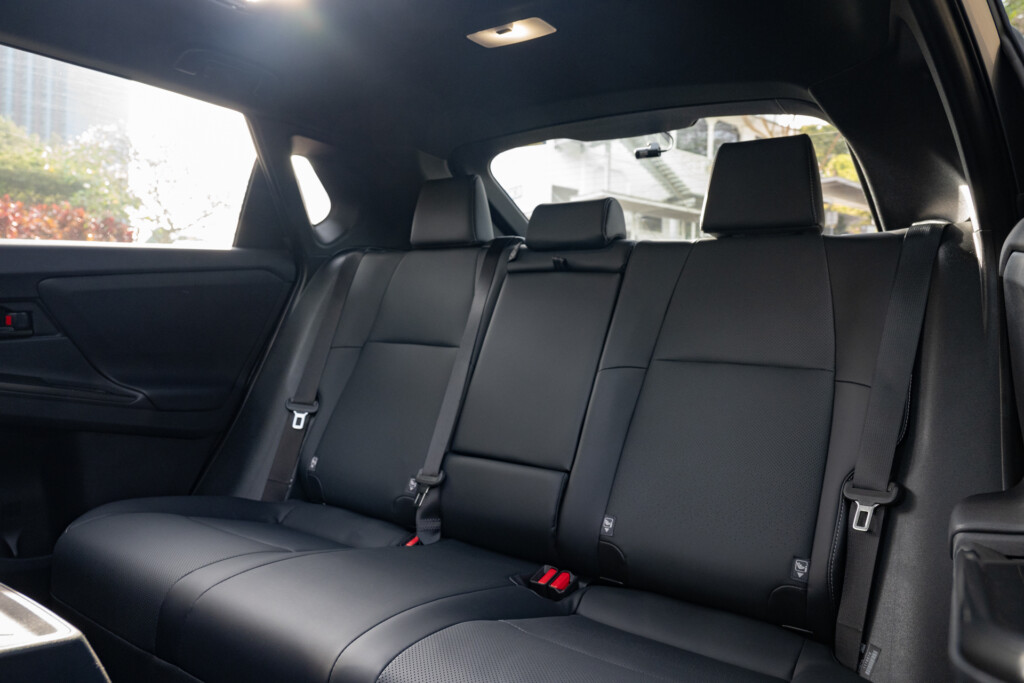
Material quality is solid, if a little sombre. Toyota has reduced the use of glossy black plastic, which is good news for anyone with fingers, but there is still not much here to lift the mood.
It feels well built, certainly. Warm and inviting? Not quite.
Smooth operator
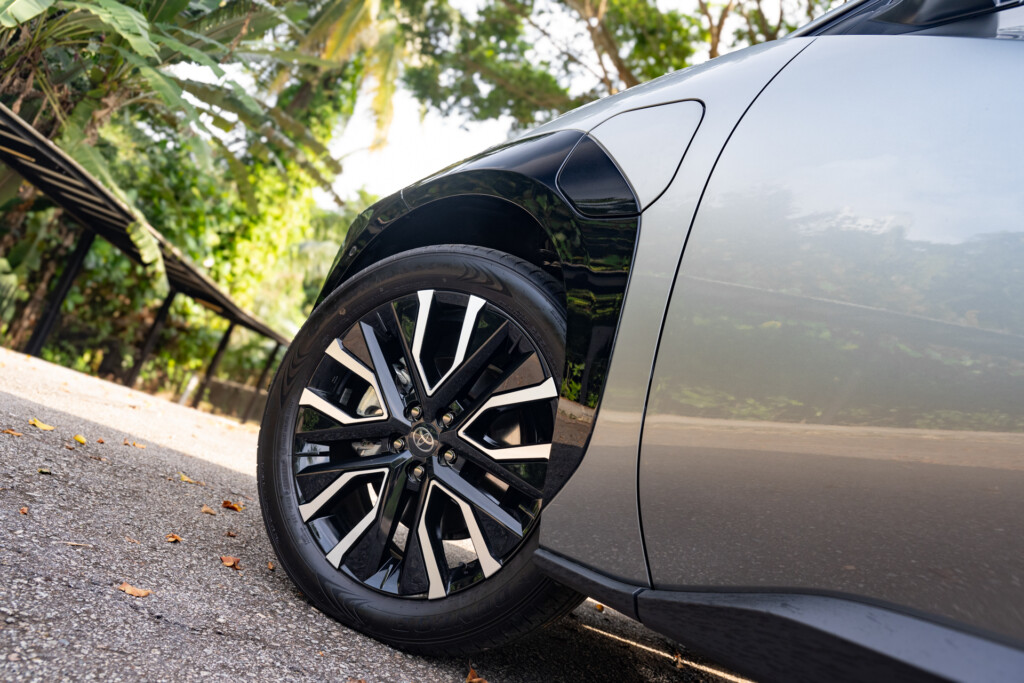
On the move, the bZ4X immediately feels very Toyota. Not in the thrilling sense, but in the “everything has been carefully calibrated so nobody complains” sense.
Power delivery is smooth and linear, the steering has reassuring weight, and the brakes are easy to modulate. It is a calm, polished thing to drive, especially at urban speeds. Toyota has resisted the temptation to make it violently quick for no good reason, and the car is better for it.
Plant your foot too aggressively in this front-wheel-drive version, and you may get a little torque steer, but that feels more like the car quietly scolding you for being uncivilised.
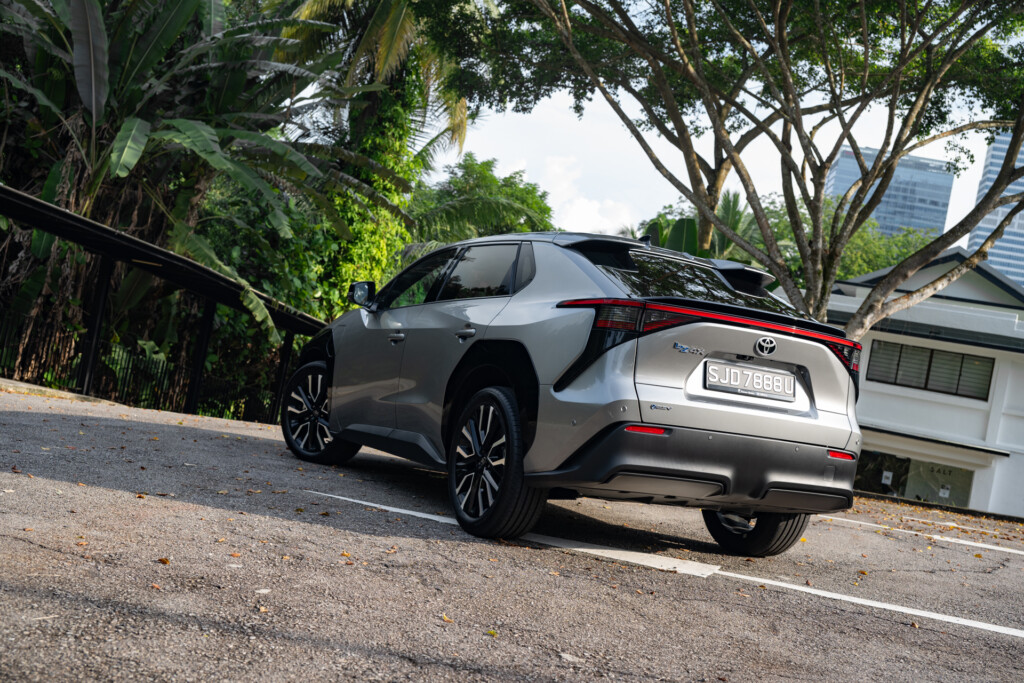
Through corners, the bZ4X is tidy enough. Body roll is controlled, and mild understeer arrives predictably if you push harder.
Do not mistake competence for excitement. This is a two-tonne electric SUV, and it feels like one. The front end does not chatter away with feedback, and the car never really invites you to play.
Still, that is not its brief. This is not a driver’s car. It is a stress-reduction device with Toyota badges.
Comfort first
Ride comfort is generally good. The bZ4X takes the sting out of sharp bumps and remains composed over larger undulations. That said, rougher roads can introduce a thunky quality to the suspension, and over time, that may irritate those who regularly pass stretches of roadworks or broken tarmac.
Toyota has also worked on reducing wind and tyre noise with the facelift, and the improvement is welcome. At cruising speeds, the car feels quieter and more settled than before, which suits its relaxed character.
Regenerative braking can be adjusted via paddles, but it is not strong enough for true one-pedal driving. That may disappoint some EV converts, though the brake pedal itself is predictable enough.
The driver assistance systems are also well tuned. The adaptive cruise control and lane assistance behave smoothly, without the twitchy panic that afflicts some rivals.
There are still warning chimes, because modern cars apparently cannot resist lecturing you, but at least the systems themselves feel mature.
Going the distance
The updated bZ4X gets larger battery options, improving its range by a useful margin. This variant uses a 73.1kWh battery, and coupled with front-wheel drive delivers respectable real-world efficiency. Toyota claims up to 478km in ideal conditions, though real-world use will naturally bring that down.
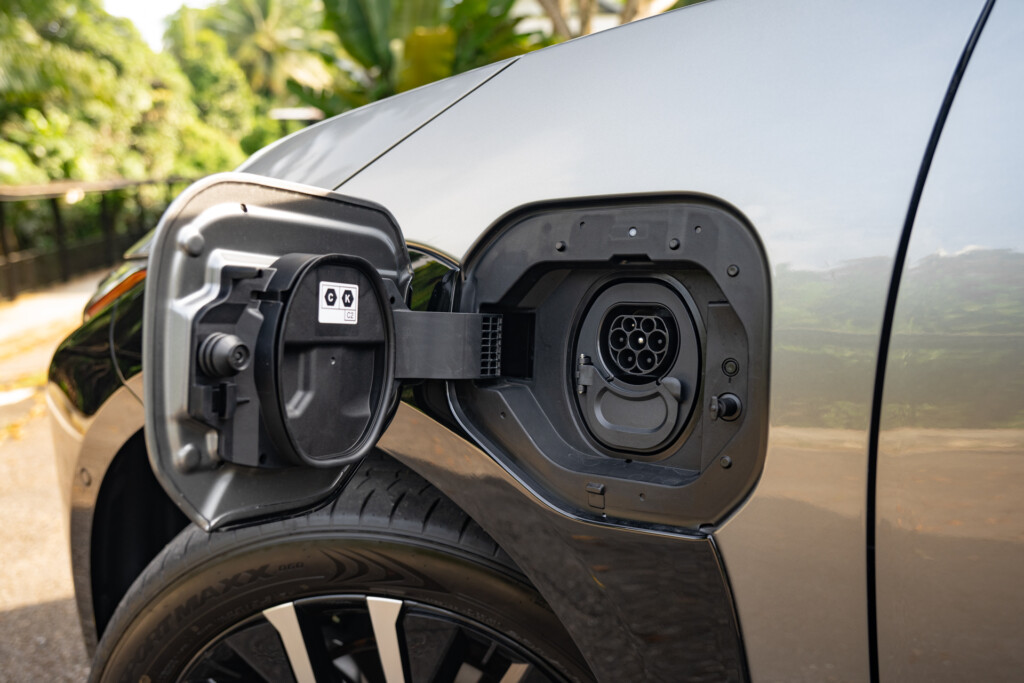
DC charging peaks at 150kW, allowing a 10 to 80 per cent top-up in roughly half an hour at a suitable rapid charger. Interestingly, the bZ4X offers 22kW AC charging, making it very competitive for home-charging scenarios.
It’s dedicated to the sensible buyer
The Toyota bZ4X is a difficult car to get excited about, but an easy one to respect.
It is well built, easy to drive, reasonably efficient, and practical enough for family life. It also carries something many rivals cannot offer: Toyota’s reputation for durability and long-term dependability.
And that matters. A lot.
It feels less like an electric revolution and more like Toyota carefully joining the party once it has checked the floor plan, fire exits and catering arrangements.
Some rivals go further. Some charge faster. Some look better inside. Some are more engaging to drive. The Toyota’s strength lies not in drama, but in reassurance. And if there is one thing Toyota has built an empire on, it is exactly that.
Technical Specifications
Toyota bZ4X
Engine: Single Electric Motor
Powertrain: Front-Wheel Drive
Power: 167 kW (224 bhp)
Torque: 268 Nm
Gearbox: Single-Speed (A)
0100km/h: 7.4 Seconds
Top Speed: 160 km/h
Battery Capacity: 73.1 kWh
Drive Range: 478 km (claimed)
Energy Consumption: 6.1 km/kWh (claimed)
Price: S$219,888 with COE (accurate at the time of this article)
Photo Credits: Sean Loo
Read more automotive news at AutoApp, or check out our latest videos on YouTube and on TikTok!