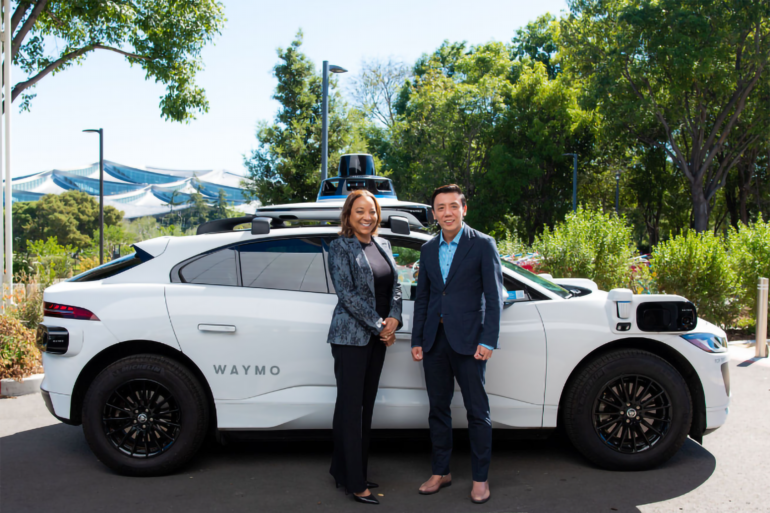
Waymo will begin bringing vehicles into Singapore in the coming months, ahead of mapping and validation work in 2027 and a planned commercial launch in 2028.
Driverless taxis may soon become a rather more familiar sight on Singapore’s roads. Waymo has announced plans to launch its fully autonomous ride-hailing service in Singapore by 2028, marking the American autonomous driving technology company’s first entry into Southeast Asia.
The company is working with Singapore’s Ministry of Transport (MOT) and Land Transport Authority (LTA) on the deployment, which will take place in stages before members of the public can eventually summon a driverless vehicle through the Waymo app. The first vehicles are expected to arrive in Singapore in the coming months, followed by mapping and validation work in 2027.
Waymo’s initial Singapore fleet will comprise all-electric Jaguar I-PACE vehicles, which will be used as the company establishes its local operations.
The more substantial work begins in 2027. During this readiness phase, trained autonomous specialists will initially drive the vehicles manually as Waymo adapts its autonomous driving system – known as the Waymo Driver – to Singapore’s road network.
Local road geometry will form part of the validation process, as will Singapore’s weather. Heavy tropical rain, in particular, presents conditions rather different from the dry Californian streets with which autonomous vehicles are often associated.
Waymo says it will apply the same phased and safety-focused approach it has used in the United States, as well as for its planned launches in Tokyo, London and Munich. Subject to the necessary regulatory approvals, the company intends to begin its fully autonomous commercial service here in 2028.
Not intended as a replacement for public transport
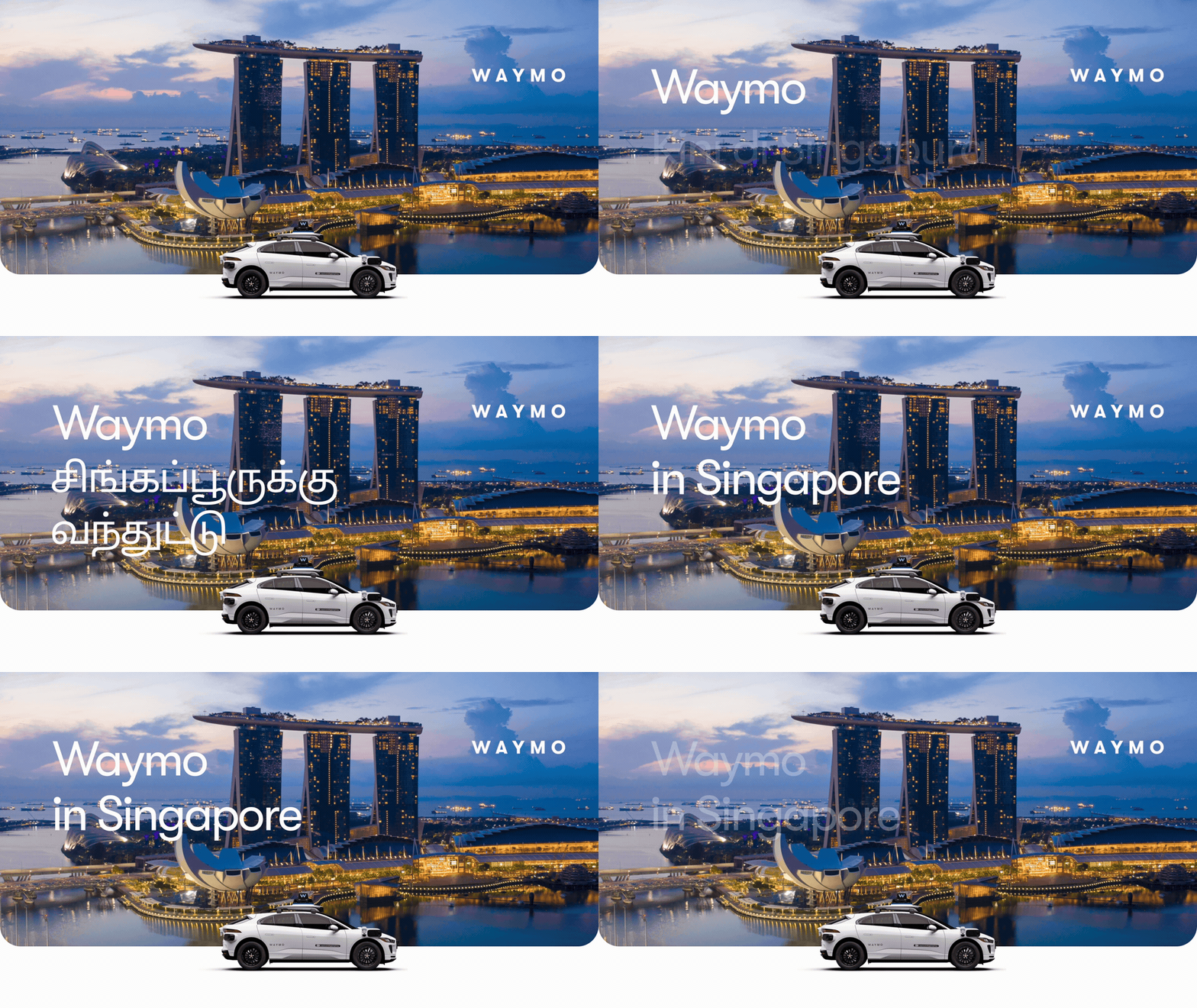
Rather than positioning autonomous taxis as an alternative to buses and trains, Waymo says its Singapore service is intended to complement the existing public transport network.
One of the principal applications will be first- and last-mile connectivity. Waymo points to its experience in San Francisco, where it says more than a third of riders using its existing commercial service are picked up or dropped off near public transport stations.
Applied locally, an autonomous vehicle could therefore perform much the same role as a conventional taxi or private-hire car: completing the part of a journey for which taking a bus or walking may be less convenient.
Waymo’s vehicles will also be fully electric, tying the deployment to Singapore’s broader push towards cleaner transport under the Singapore Green Plan 2030.
Of equal importance will be how the vehicles interact with other road users. Waymo’s autonomous driving system combines lidar, radar and cameras to provide a 360-degree view around the vehicle. The system is designed to identify and predict the movement of pedestrians, cyclists and other active mobility users, allowing the vehicle to respond accordingly.
That capability will face an interesting proving ground in Singapore. Urban traffic here is tightly packed, and interactions between cars, motorcycles, bicycles, pedestrians and personal mobility devices can occur within a relatively small space.
A significant step for autonomous driving in Singapore
There is still some distance to travel before a Waymo can simply be summoned from a phone in Singapore.
Vehicles first have to arrive, local operations need to be established and the Waymo Driver must undergo its mapping and validation phase in 2027. Regulatory approvals and further testing will also be necessary before commercial operations can begin.
But the proposed 2028 launch provides a clearer picture of how autonomous vehicles could eventually fit into Singapore’s transport landscape.
Read more automotive news at AutoApp, or check out our latest videos on YouTube and on TikTok!