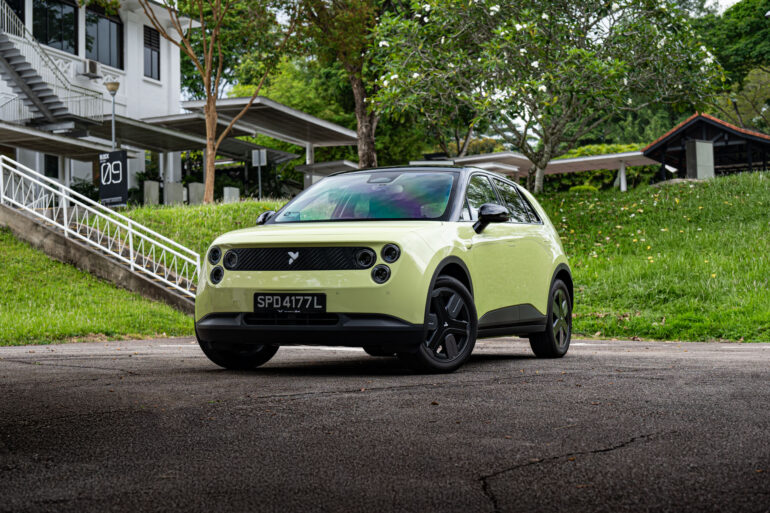
The distinctive Nio Firefly makes its highly-anticipated arrival in Singapore, but is this new small EV entrant worth the hype?
With the glut of Chinese electric vehicle (EV) brands entering our market over the last few years, it’s easy for any newcomer to get lost in the crowd.
However, Nio is a brand that has received special attention from those who keep a close eye on the industry, and its arrival on our shores has been much anticipated by many.
One particular reason for the sharp focus on Nio is their unique battery swapping technology, which is something that pretty much no other EV brand has managed to execute successfully on the scale that Nio has done.
While we won’t get to experience battery swapping in Singapore just yet, Nio has nevertheless gone ahead to launch their first car here, the rather interesting-looking Firefly hatchback.
Bug Eyed
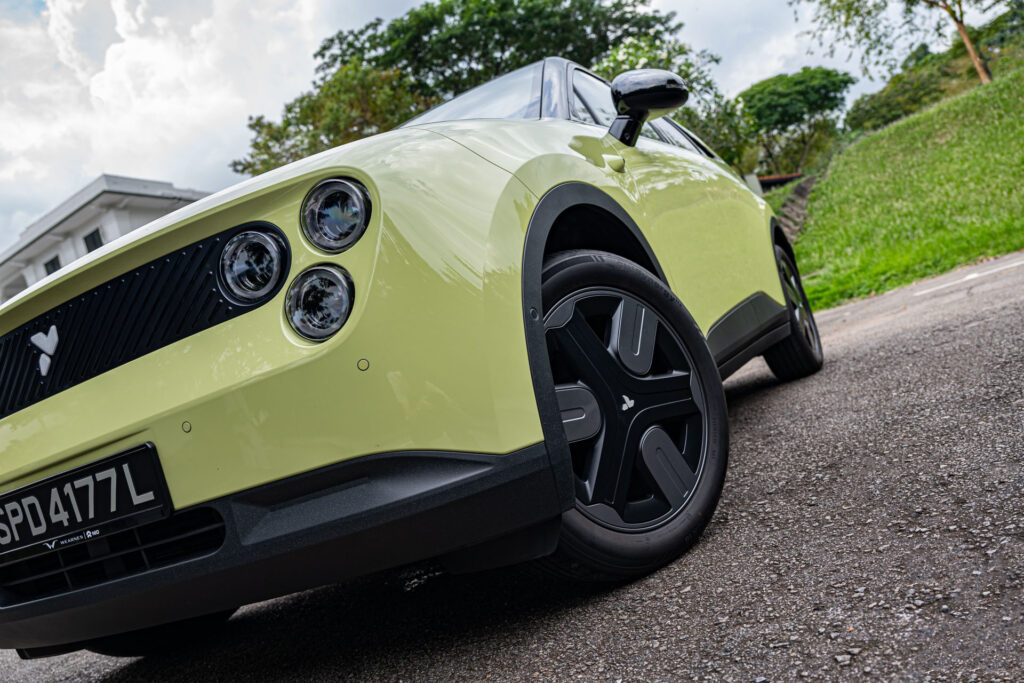
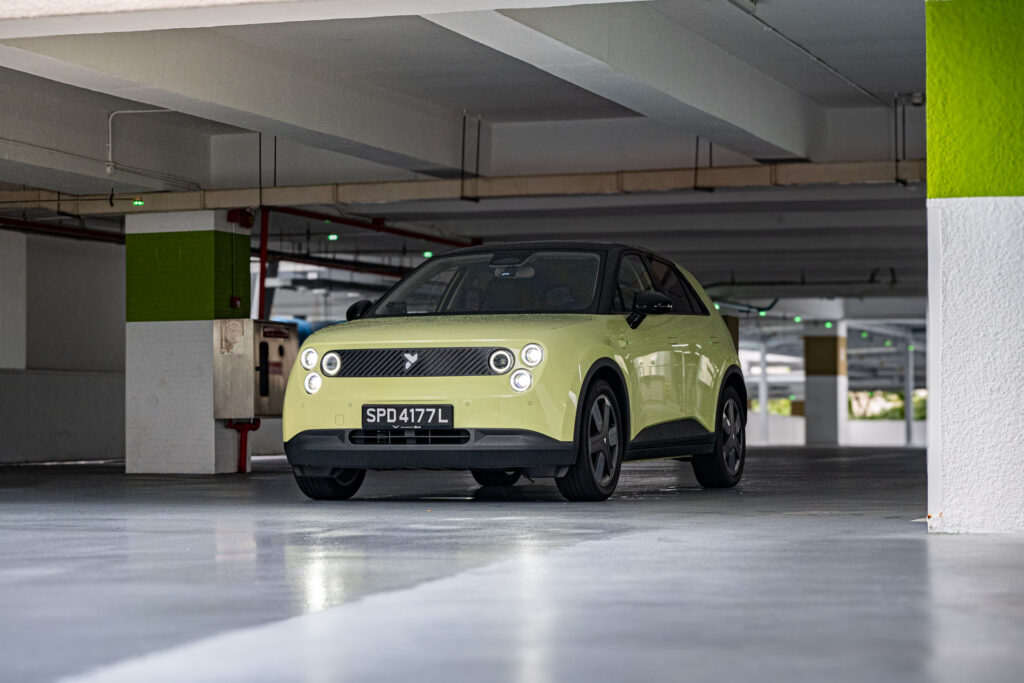
The first thing that you’ll notice about the Firefly, aside from the eyeball-grabbing yellow shade (Nio calls it Lime) of the test car, is the three circular shapes that make up the headlights. Some equate that design to the camera lens setup you’ll find on the latest iPhones, although who copied whom first is a matter of debate.
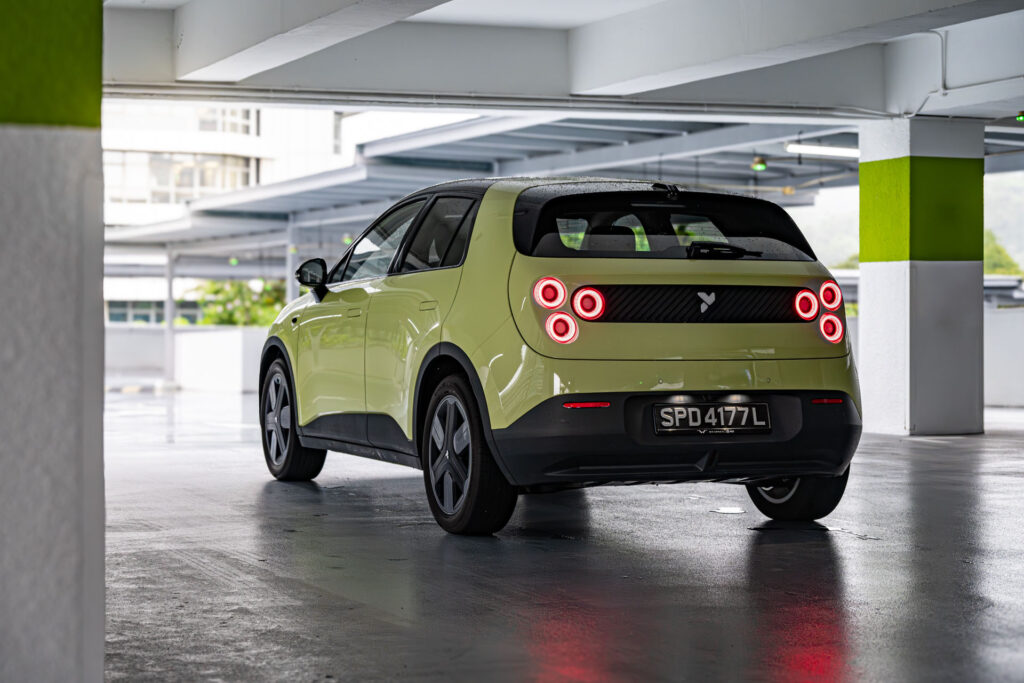
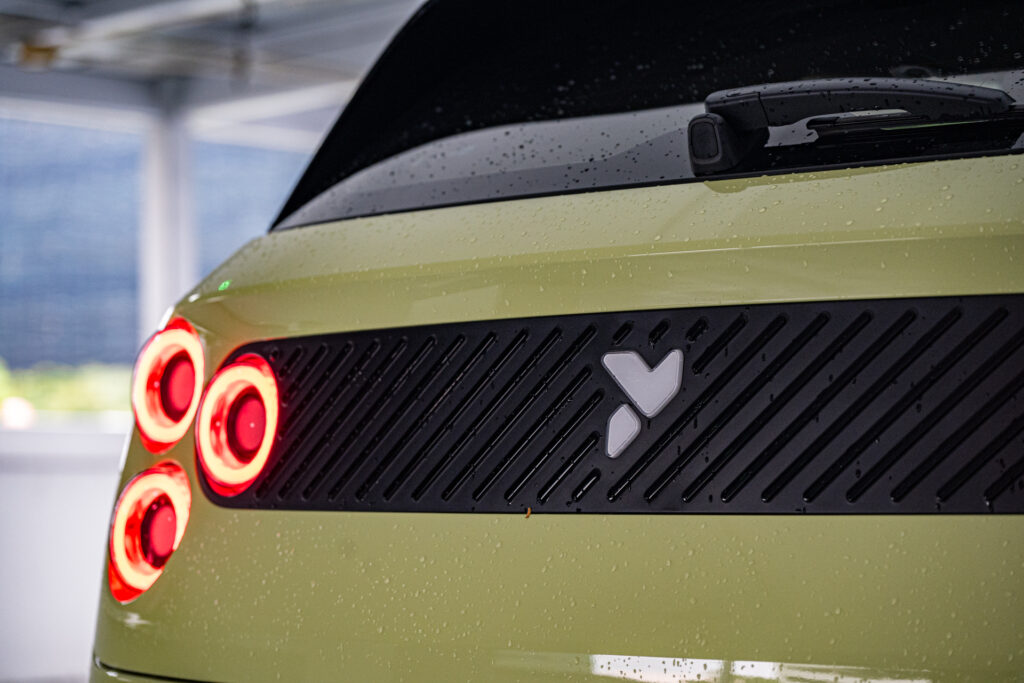
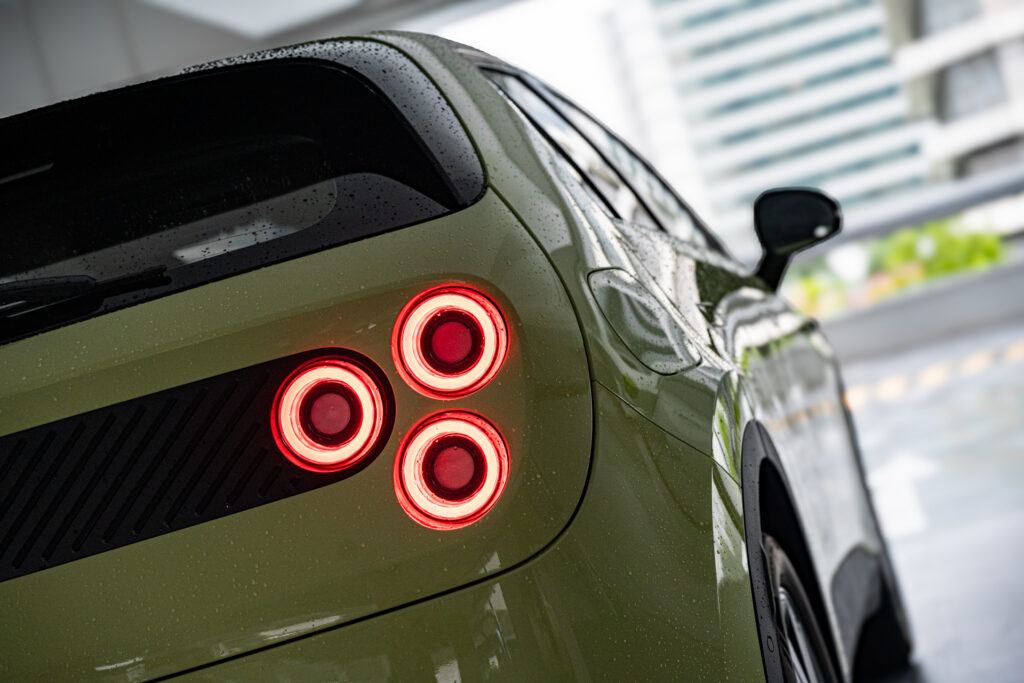
Nio repeats that treatment for the taillights, giving the car a distinctive look that makes it easy to distinguish in the sea of traffic. You certainly won’t mistake it for anything else on the roads, that’s for sure.
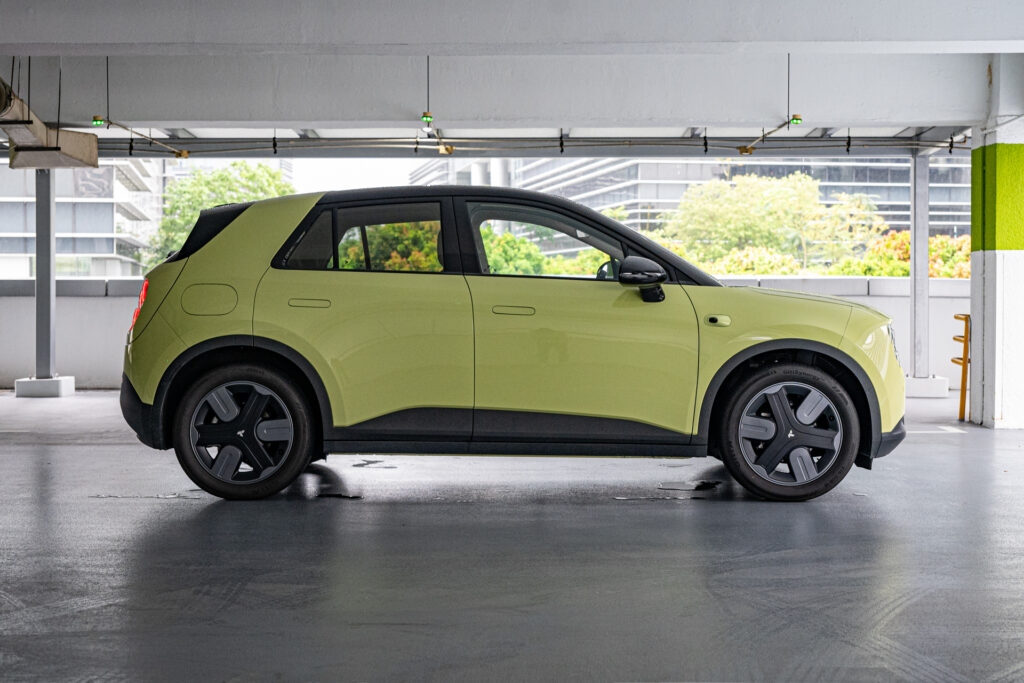
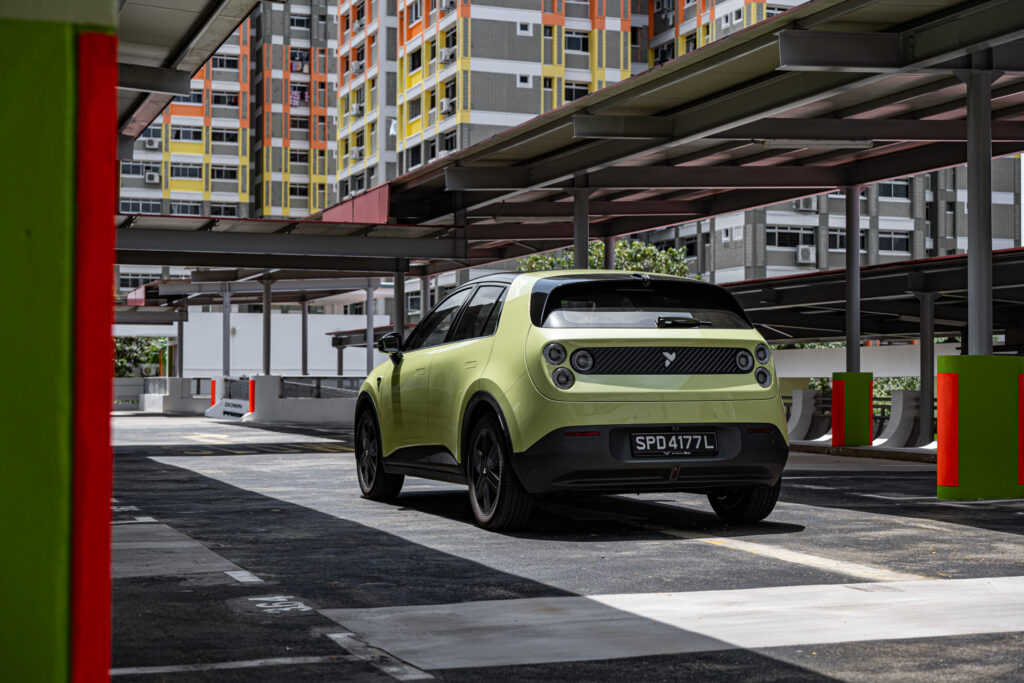
The other cool styling element that Nio is keen to point out is the ‘dynamic hoop’, which is the coloured section that forms the C-pillars and goes over the roof at the rear of the car.
It vaguely makes the car look like it has a targa top, especially with the roof painted black, and certainly adds some pizzazz to what is otherwise a fairly standard hatchback form factor.
Minimalist With A Dash Of Fun
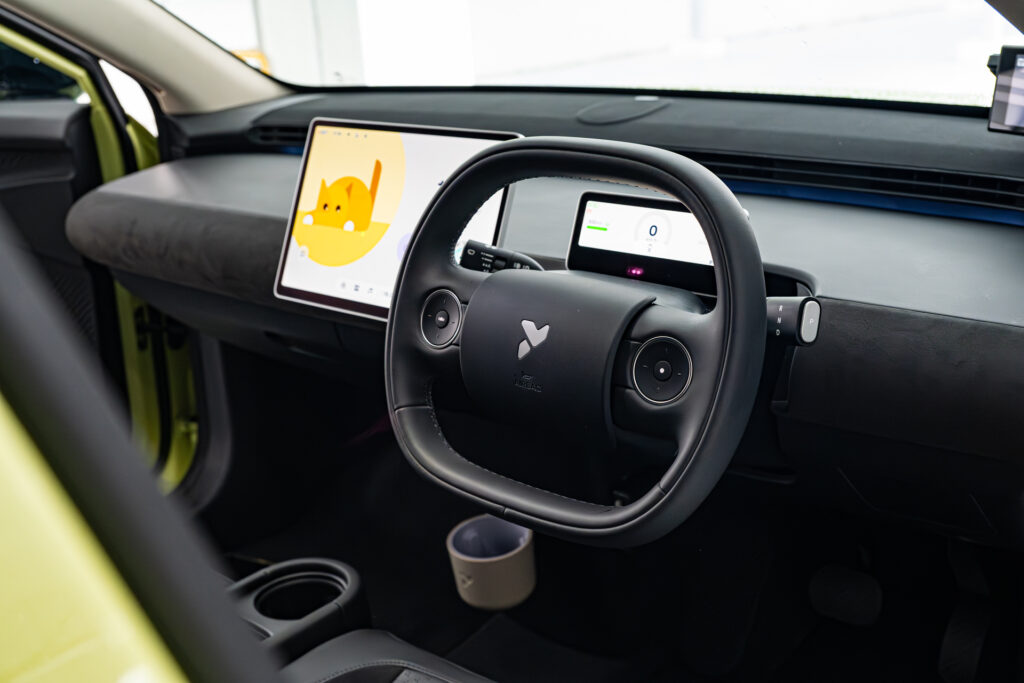
Inside, the Firefly adopts the same minimalist style for its interior as many newer Chinese EVs out there. There’s a large 13.2-inch central touchscreen through which you control almost everything, and few physical buttons to speak of.
To its credit though, Nio has made its infotainment software relatively easier to navigate than most. The user interface is simple and intuitive, and you don’t usually need more than two touches to access most functions.
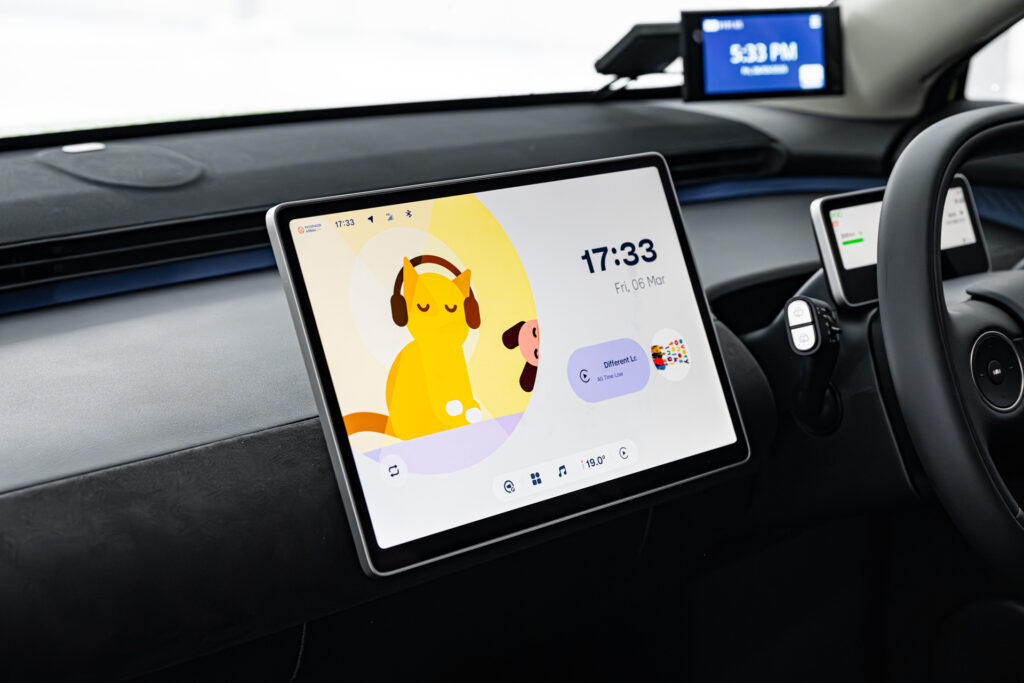
It manages to do that while still incorporating some sense of whimsy, with its cutesy graphics that gives it a bit of character. It’s all colourful shades and rounded themes, and a couple of lovable animal characters called Milo the cat and Xiaobi the dog residing within.
We’ve seen this before of course, in similarly cheeky small cars like the new Mini Cooper, the Smart #1 and the Dongfeng Box. But any car that doesn’t take itself too seriously like this is always welcome in a space generally filled with clinical EV tech.
Practical Pluses and Minuses
However, there are some practicality shortfalls. There are only two USB ports for charging your phone, hidden in the central storage area under the armrest, and surprisingly no wireless charger, although apparently this will be rectified on later shipments.
The air con vents can also only be controlled via touchscreen, and airflow is limited, so the cabin can sometimes feel stuffy for some, compounded by the fact that there are no air con vents at the back.
There’s also a large glass roof which worsens matters, and it doesn’t come with an integrated sunshade. Instead, Nio provides a large, manually-fitted shade, which is a bit of a palaver to remove, so you’ll end up just leaving it in place most of the time anyway.
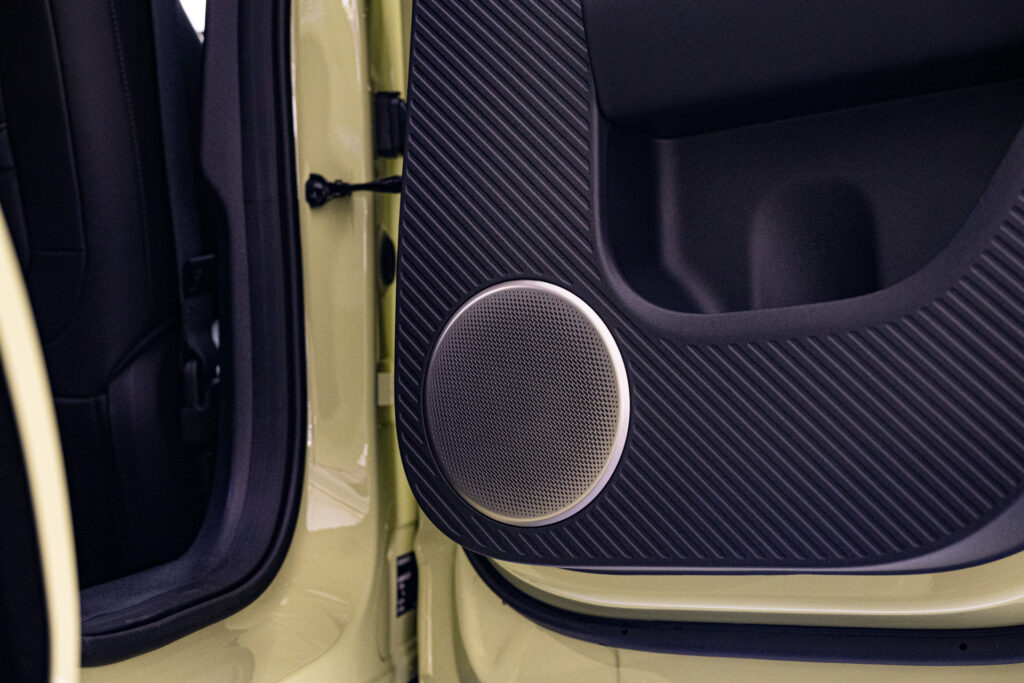
It does come fairly well-equipped for a Cat A EV though, with front ventilated and massage seats available, something almost unheard of in this class. There’s also a 14-speaker Dolby Atmos sound system, which sounds pretty impressive, especially in a small car like this.
There’s also the usual advanced driver assistance systems in place, like lane departure warning and blind spot monitoring, and they are generally less intrusive than most. You also get a nifty active lane change function, a feature seemingly cribbed from Tesla’s AutoPilot system.
Storage Everywhere
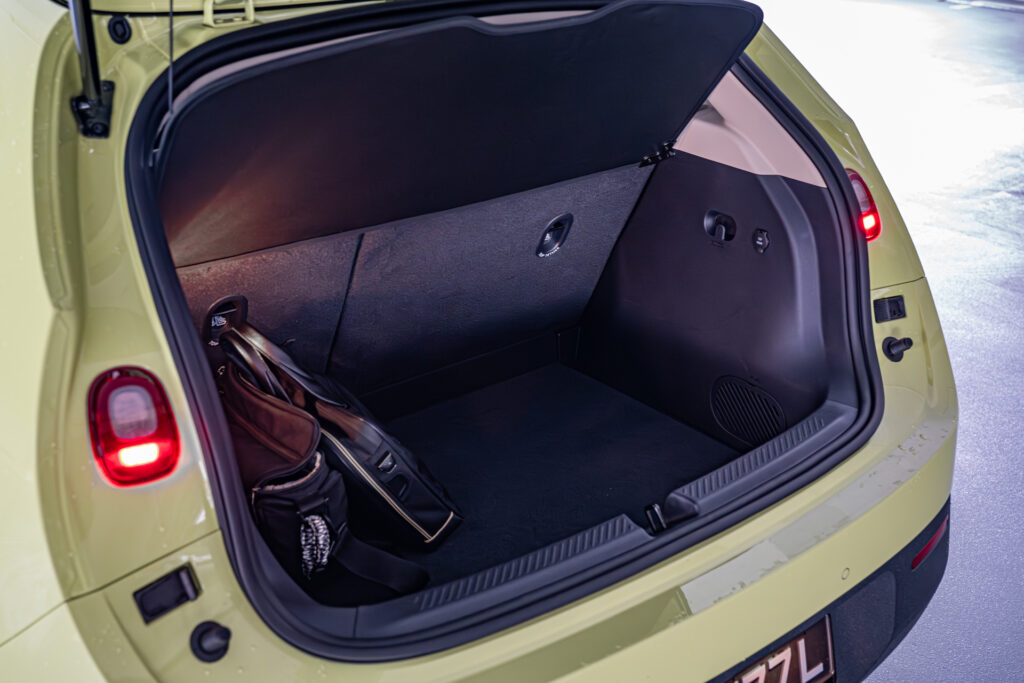
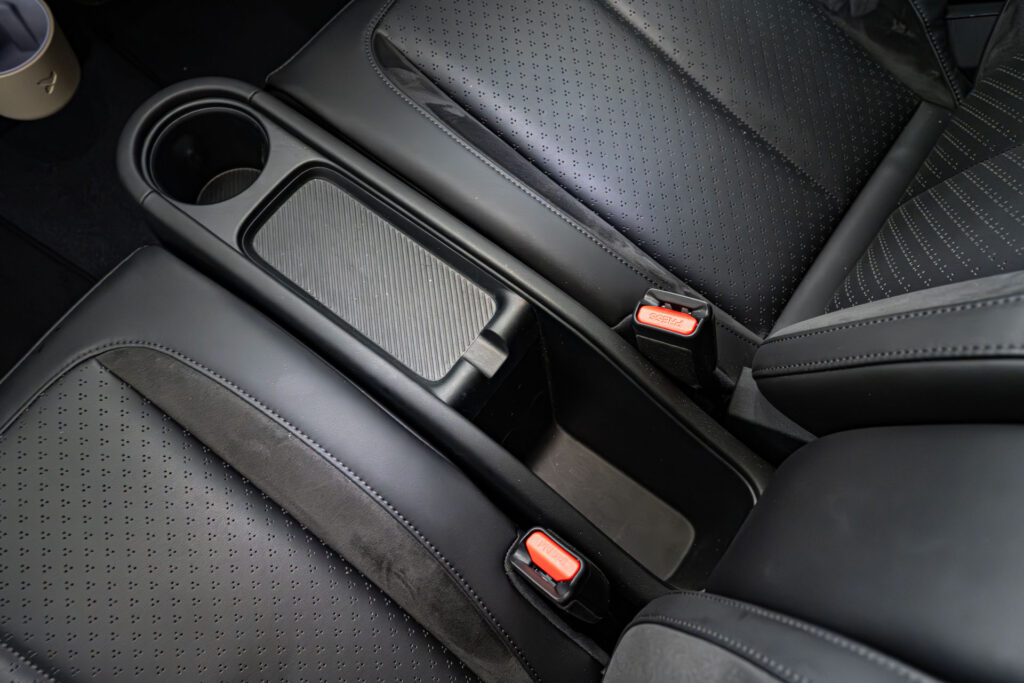
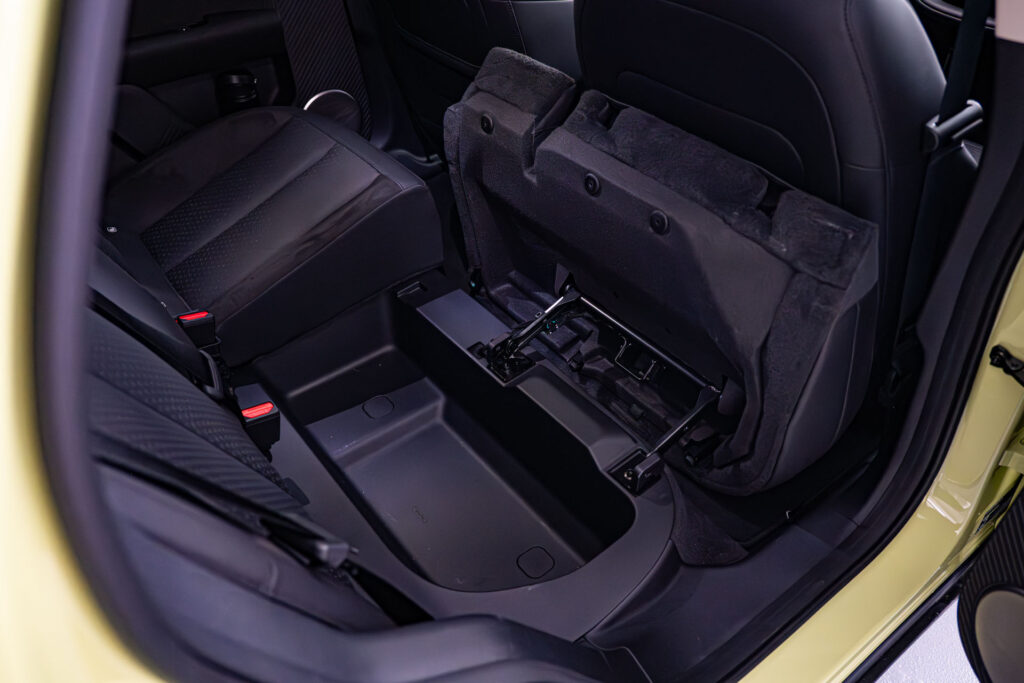
Despite its size, Nio has imbued the Firefly with lots of neat storage solutions throughout the car. It starts from something small, like the removable cupholder on the centre console. Then there is the hidden storage section under the rear seat, which is incredibly useful for smuggling (I mean carrying) small items around.
The Firefly measures in at just slightly over 4 metres long, which is diminutive by modern standards. However, it comes with a decent 404 litres of boot space, expandable to 1,253 litres if you fold the rear seats down.
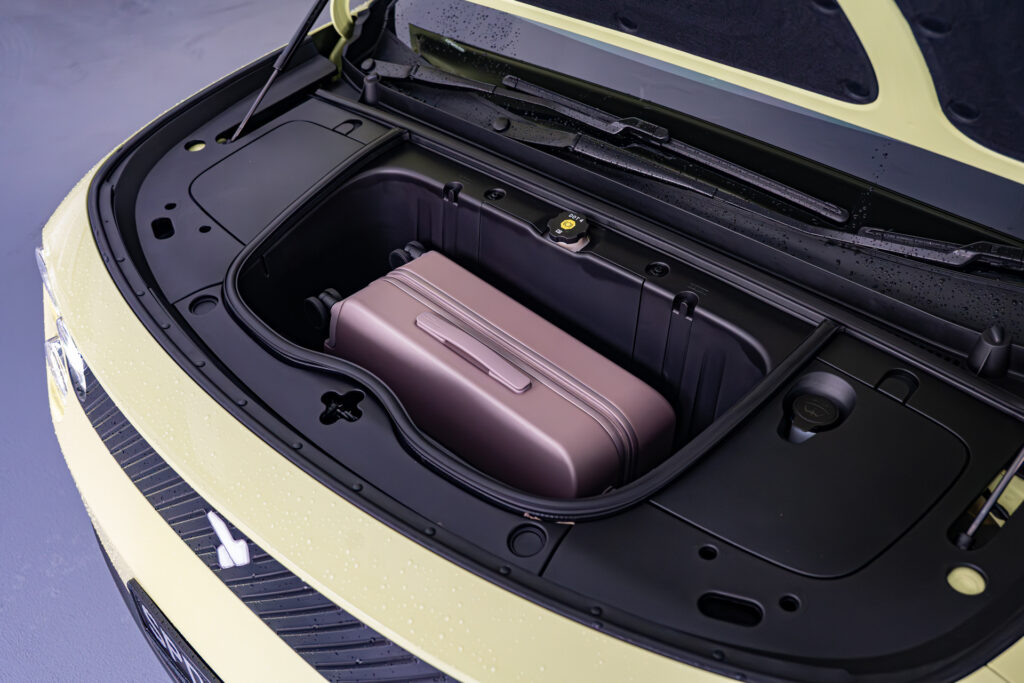
This is complemented by the frunk section, which has an additional 92 litres of capacity, and is shaped such that it can accommodate a small cabin-sized luggage bag. Very useful indeed.
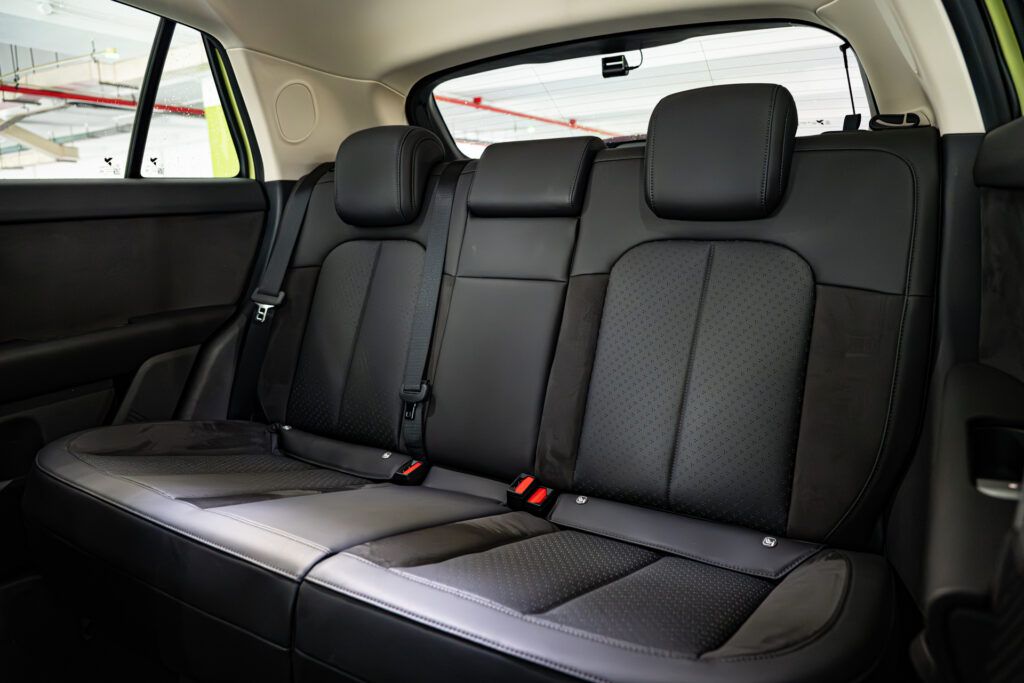
In terms of space for passengers though, the Firefly is a bit on the tighter side. You can still accommodate full-sized adults in relative comfort, but you won’t get the masses of legroom that other EVs offer, due to its slightly shorter 2,615mm wheelbase.
However, up in front, Nio has configured the layout such that you get a fully flat floor that separates the seats from the dashboard, such that you could easily slide across from one side to the other. It frees up space to stretch your legs, and enhances the roominess of the cabin.
Packs A Tiny Punch
While the Firefly is a Cat A car, with its single electric motor producing 141bhp and 205Nm of torque, it certainly feels perkier than its performance figures suggest.
Plant your foot down and the car zooms forward with plenty of zest. There doesn’t seem to have the sense of lag restraining it like you get with many other EVs. Perhaps it could be down to the fact that the Firefly was engineered from the outset with this power output, instead of being artificially re-tuned for our market, so the power delivery feels much more natural in that sense.
That said, it’s not a car that doesn’t seem to particularly enjoy high speeds at a sustained pace. Once you hit triple digits, the car starts to feel a bit unsettled, which can be a little bit unnerving. However, it does serve as a sort of physical reminder to take it easy before you lose your licence.
It appears to be an issue with the standard-fit Giti Synergy H2 tyres, which doesn’t seem to feel especially grippy when pushed. It is reflected in the car’s handling too, with the Firefly’s front end tending to wash wide when cornering hard.
However, other reviewers do not seem to have experienced the same, so it could perhaps be just a matter of a bit too much tyre wear from extensive testing.
It’s a bit of a shame, because the Firefly does have a rather competent chassis hidden within. Together with its rear-wheel-drive setup, the car feels rather agile and nimble in the bends, and if it was fitted with a better set of rubber, one gets the sense that the Firefly would be an absolute delight to drive.
Something else that is worth noting is the car’s impressively tiny 4.75-metre turning circle, which makes parking, manoeuvring and U-turning in tight spots an absolute breeze. It’s something most of us take for granted, but you’ll definitely appreciate it once you’ve experienced it.
Being Short Has Its Benefits
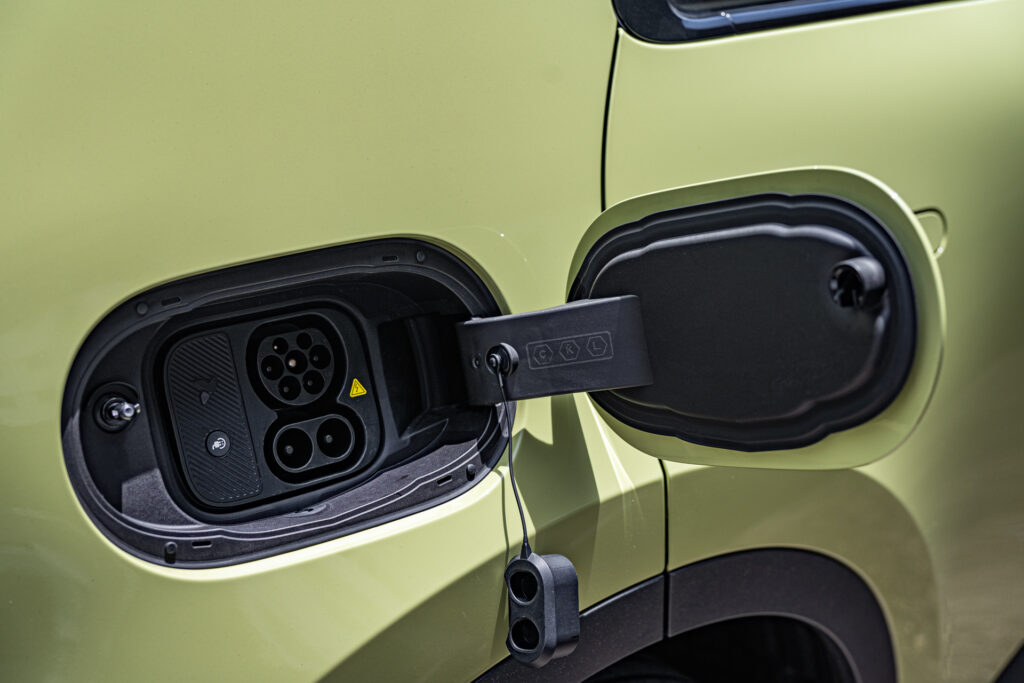
Nio’s quoted range of 320km for the Firefly does seem a bit short when compared to many other newer EVs out there, where 400km seems to be the minimum baseline to expect these days. However, in Singapore’s context, 320km should be enough for about a week’s worth of driving between charges.
The upside, however, is that the relatively small battery size of 42kWh means that you can realistically get it fully charged from a fast charger in about an hour, which means less time waiting around as well.
The battery’s lithium-iron phosphate construction is apparently more reliable in the long run too, and is supposedly less susceptible to degradation even under heavy use.
Bear in mind that the Firefly was also designed to be compatible with battery swapping tech, so if that functionality does make it here one day, the limited range would be far less of a problem for most in any case.
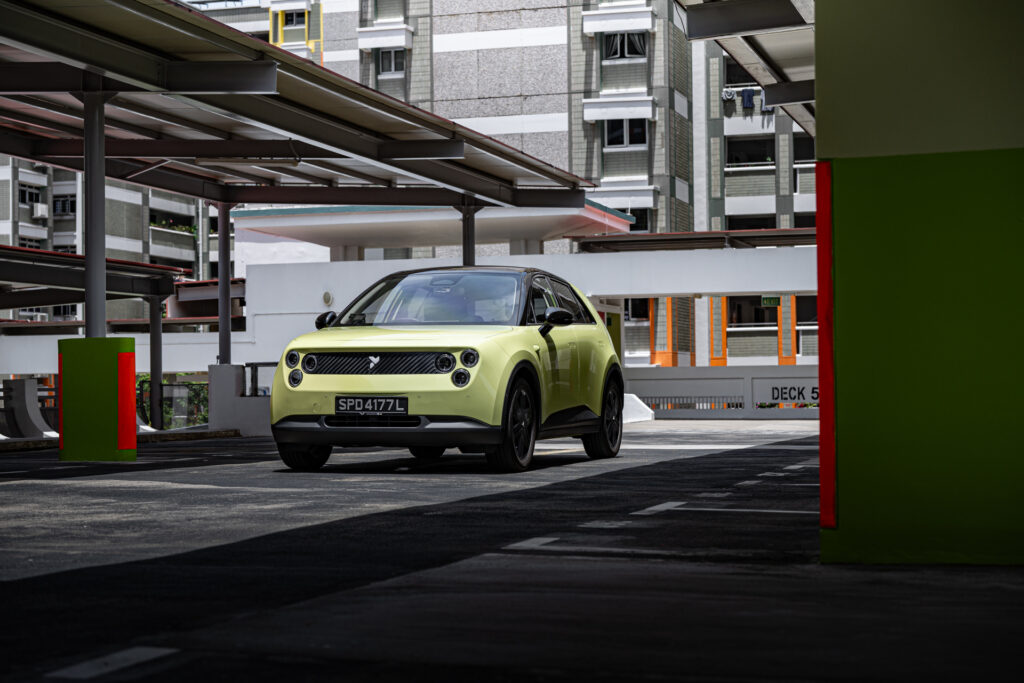
Its pricing of $169,999 with COE seems reasonable too, considering what you’re getting. While the Firefly is certainly not perfect, and does have its drawbacks, it offers plenty of fun and character that help it stand out in the crowded Cat A EV arena.
At the very least, the Firefly is a car worth checking out, if only for the fact that it brings something different to the game. Give it a go, and you’ll probably find that this Firefly would be more pleasant pet than pesky pest.
Technical Specifications
Nio Firefly
Powertrain: Single Electric Motor, Rear Wheel Drive
Power: 105 kW (141bhp)
Torque: 205 Nm
Gearbox: Single-Speed (A)
0-100km/h: 8.1 Seconds
Top Speed: 150 km/h
Battery Capacity: 42 kWh
Drive Range: 320 km (claimed)
Energy Consumption: 6.5km/kWh (claimed)
Price: S$169,999 with COE (accurate at the time of this article)
Article by: Ben Chia (@benchiacars)
Photo Credits: Sean Loo (@auto.driven)
Read more automotive news at AutoApp, or check out our latest videos on YouTube and on TikTok!