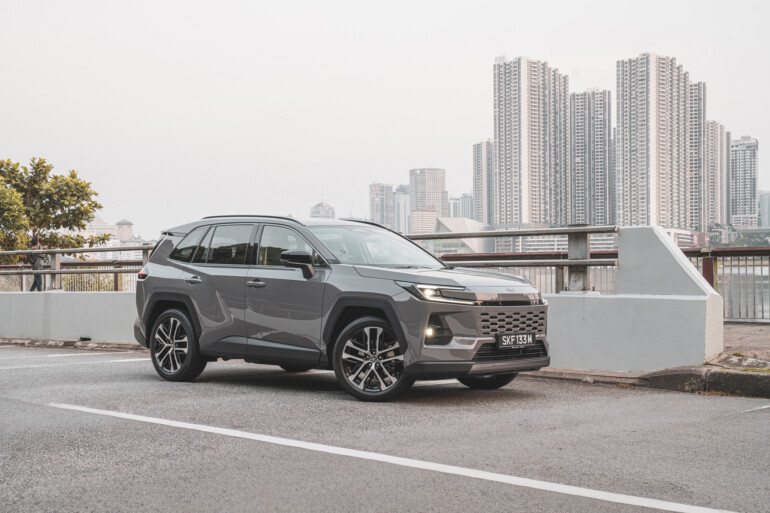
Somewhere along the way, SUVs started looking less and less like SUVs.
Walk through a carpark today, and you’ll see plenty of smooth noses, curving rooflines, flush door handles and full-width light bars. BYDs, Teslas and the growing wave of Chinese EVs have certainly moved automotive design forward. After a while though, quite a few of them start blending into one another.
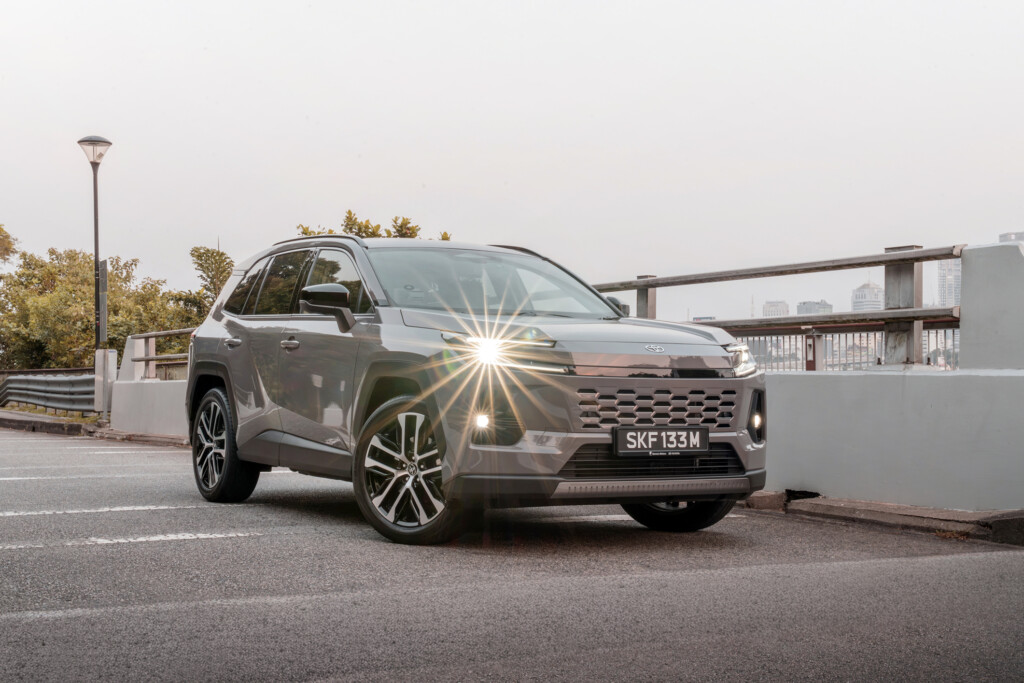
Not the RAV4 though. It’s been a crowd favourite for decades, including the previous generation, because of its rugged looks.
So how about the new one? Well, I think it still looks fantastic.
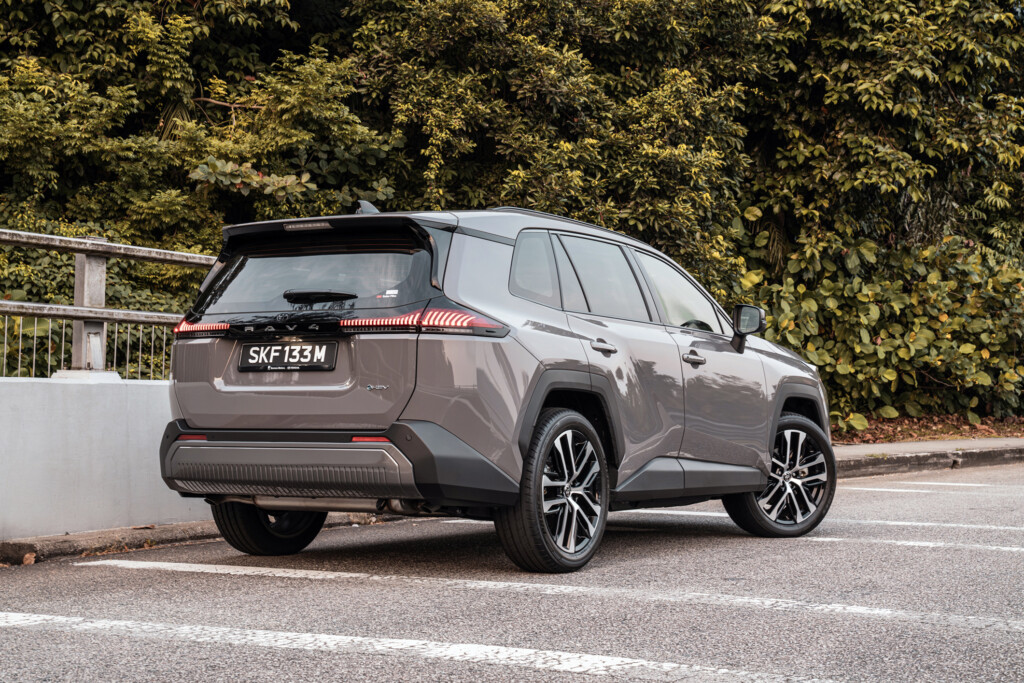
Proper SUV vibes
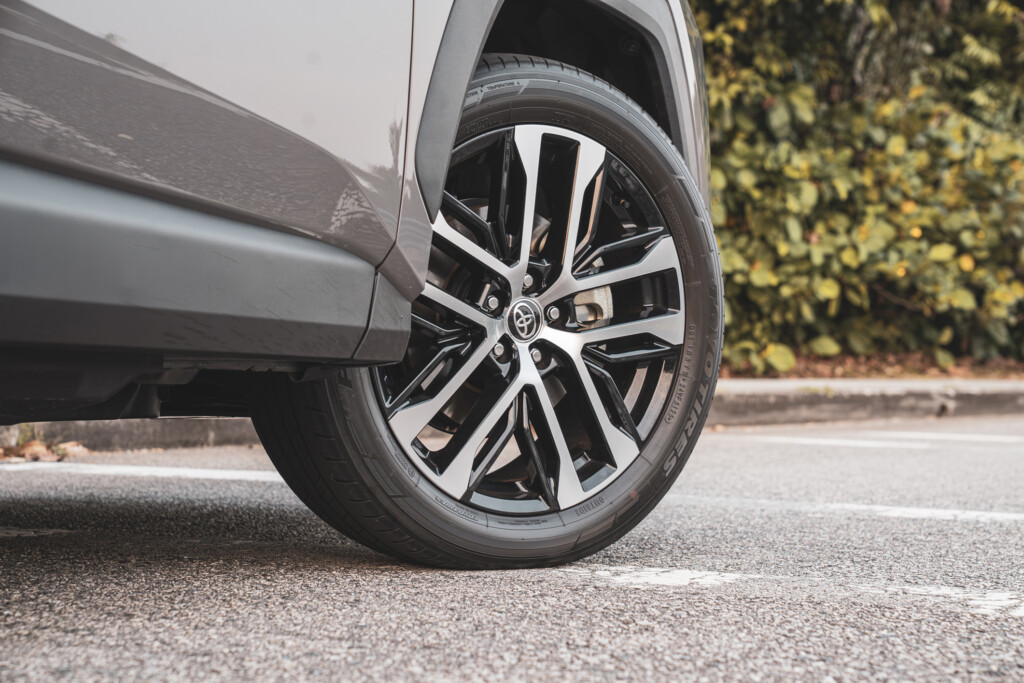
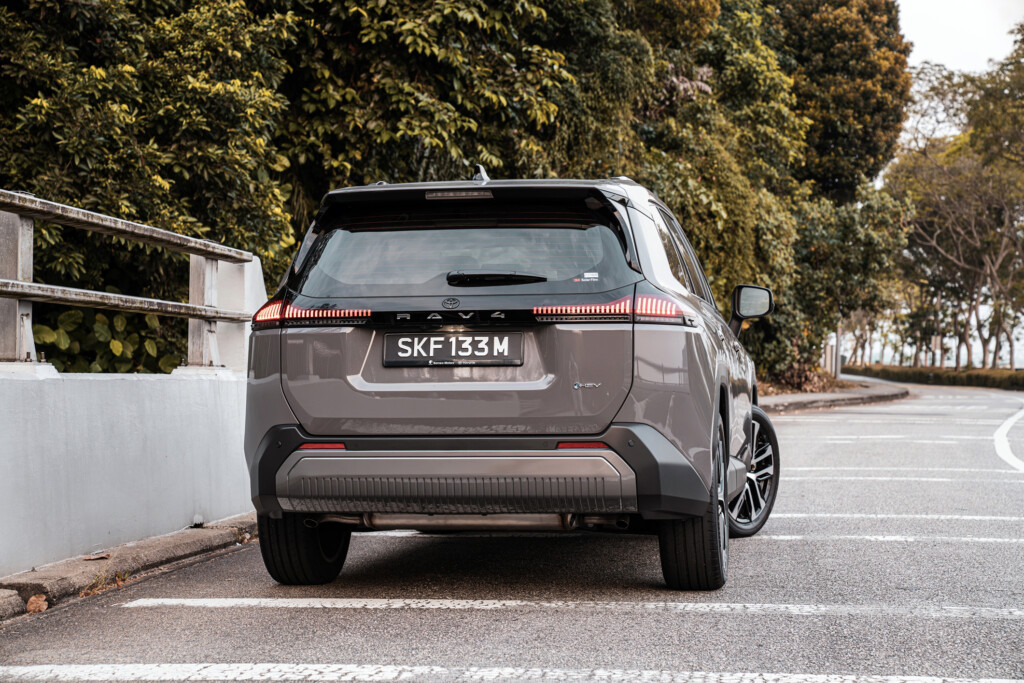
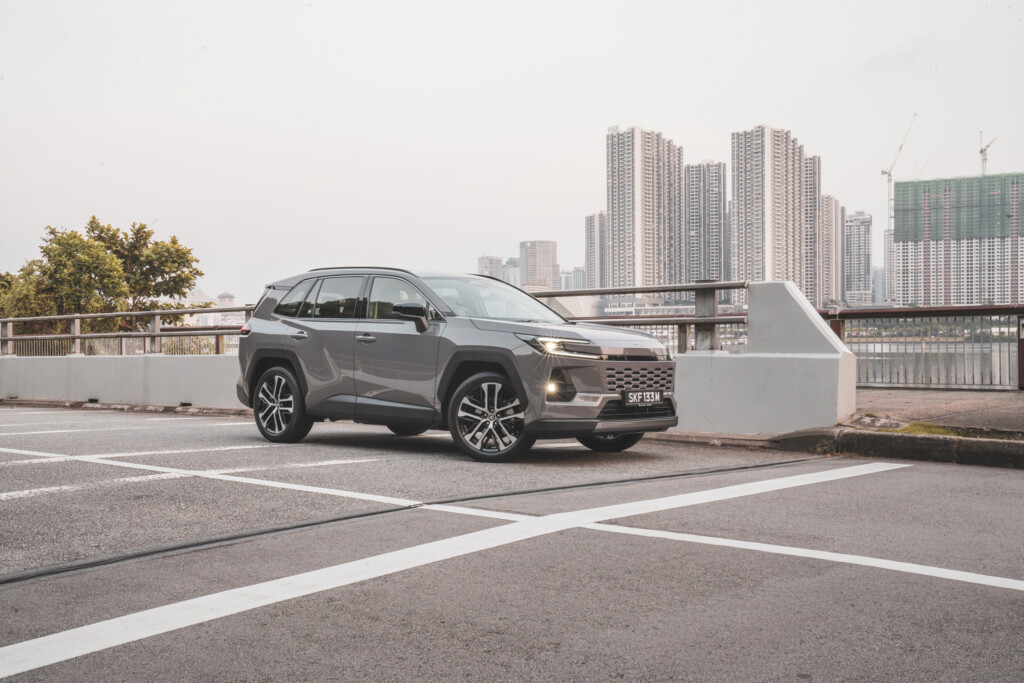
This sixth-generation RAV4 is handsome, chunky and unapologetically rugged. There are squared-off wheelarches, plenty of black cladding, a broad stance and Toyota’s latest hammerhead face up front. Even the rear looks properly substantial.
It looks like an SUV designed by people who still like SUVs.
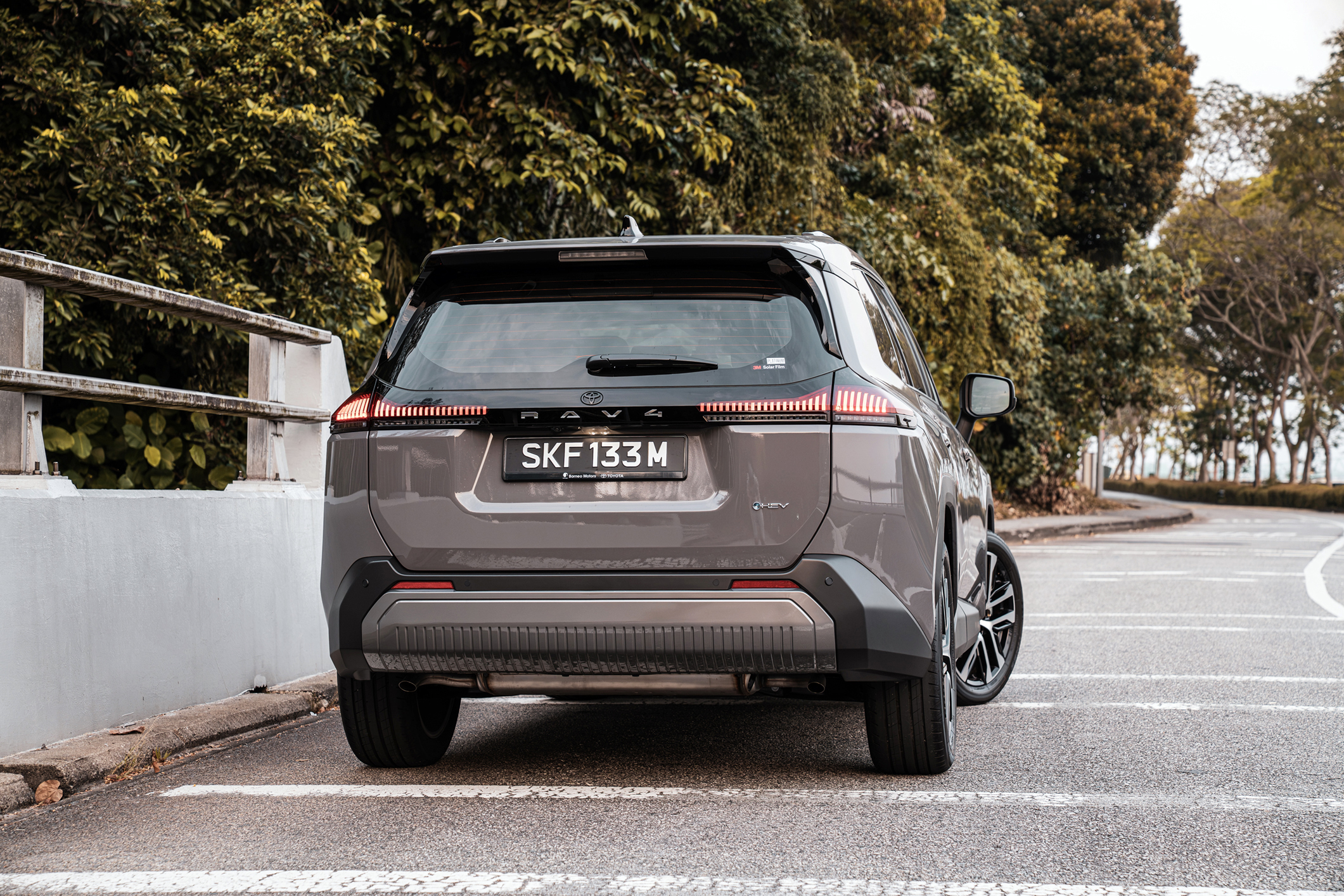
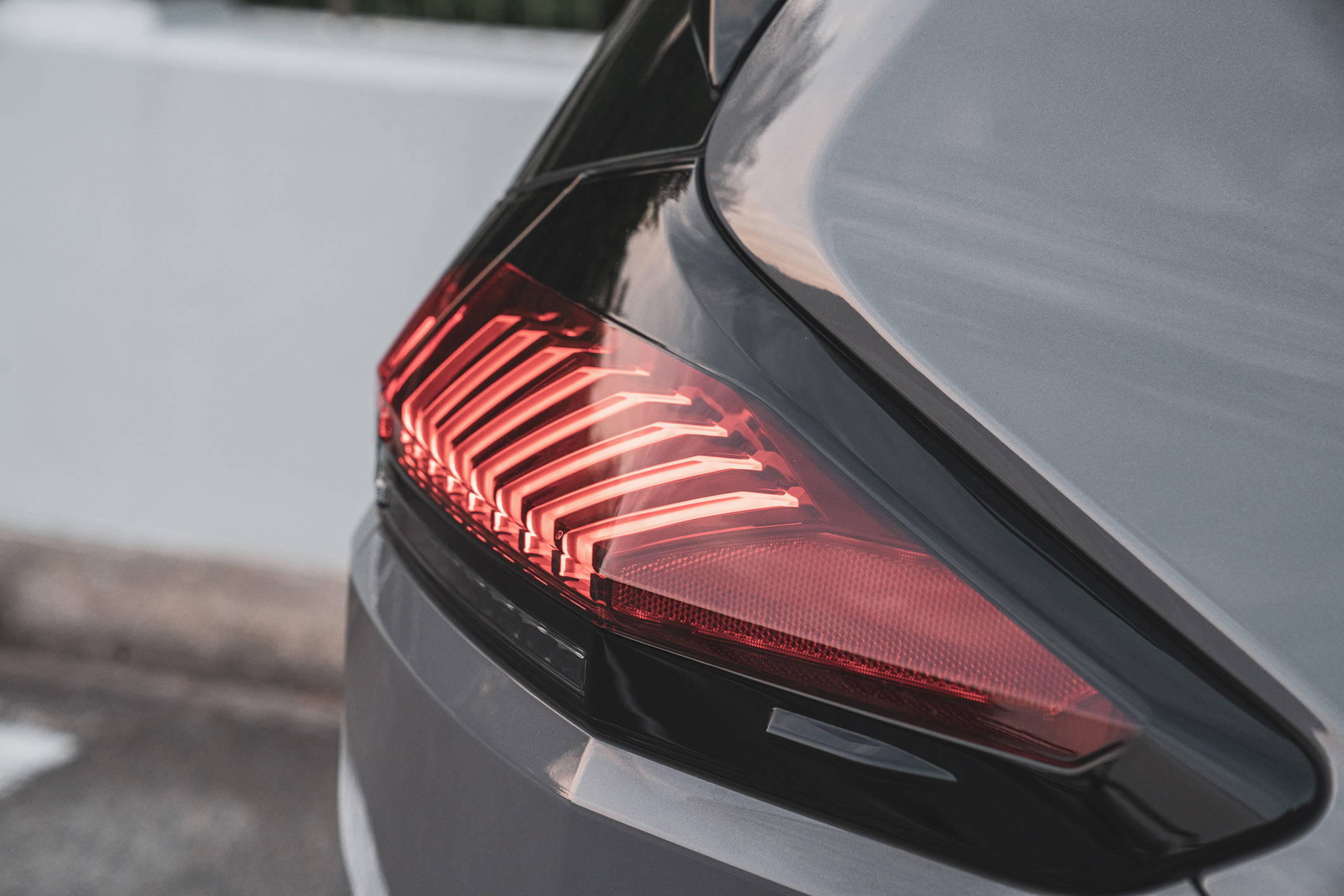
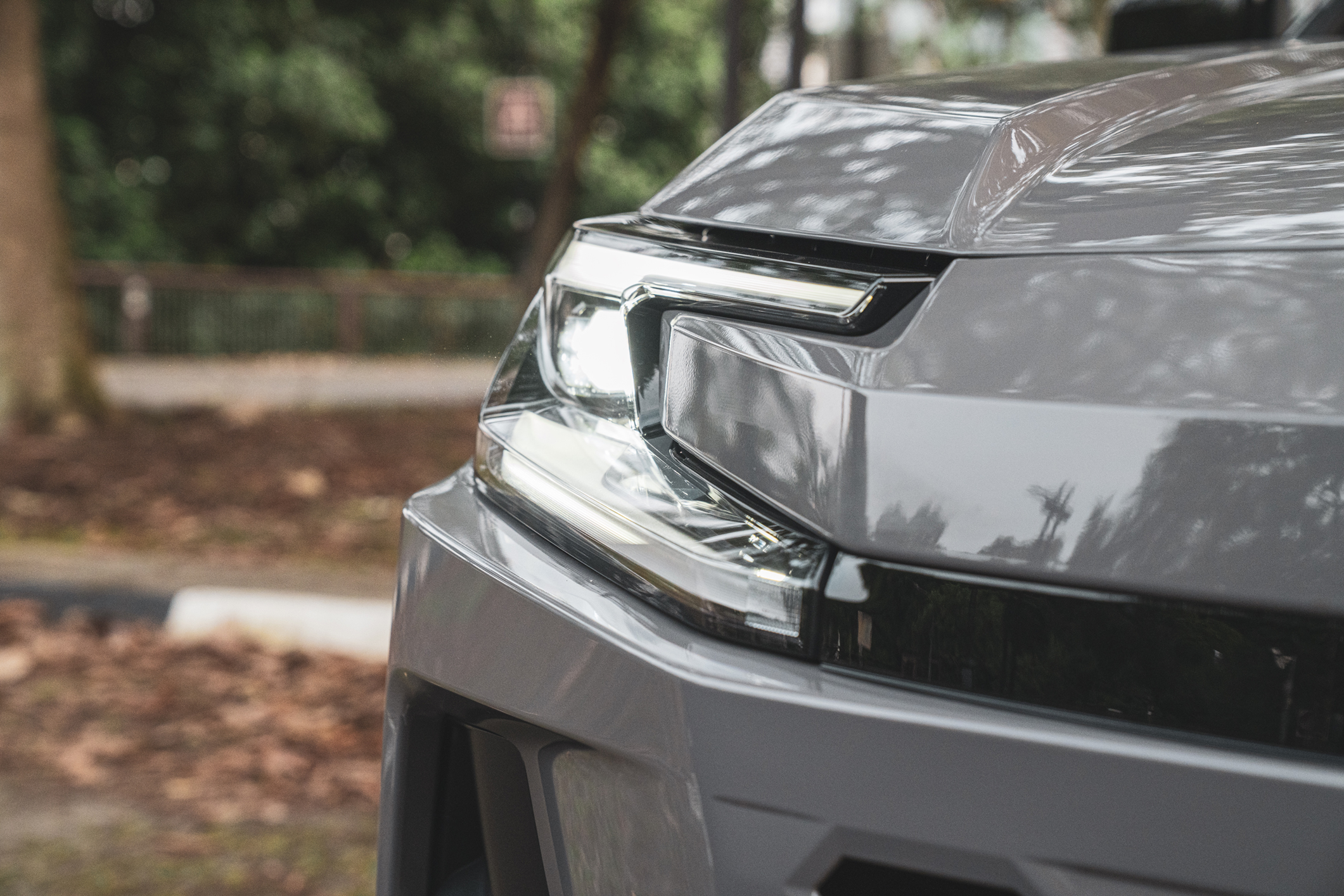
In today’s sea of increasingly curvaceous electric crossovers, that gives the RAV4 surprising presence. Park one beside the latest crop of EVs and you’re unlikely to mistake which one is ready for the imaginary camping expedition most of us will never actually go on.
Toyota has also grown the RAV4 up considerably. Those who remember the earlier generations as slightly utilitarian family runabouts might be surprised at how substantial the latest car feels. This one measures 4,600mm long and 1,855mm wide, sitting on a 2,690mm wheelbase.
It feels like a proper mid-sized SUV now.
Plenty of room for real life
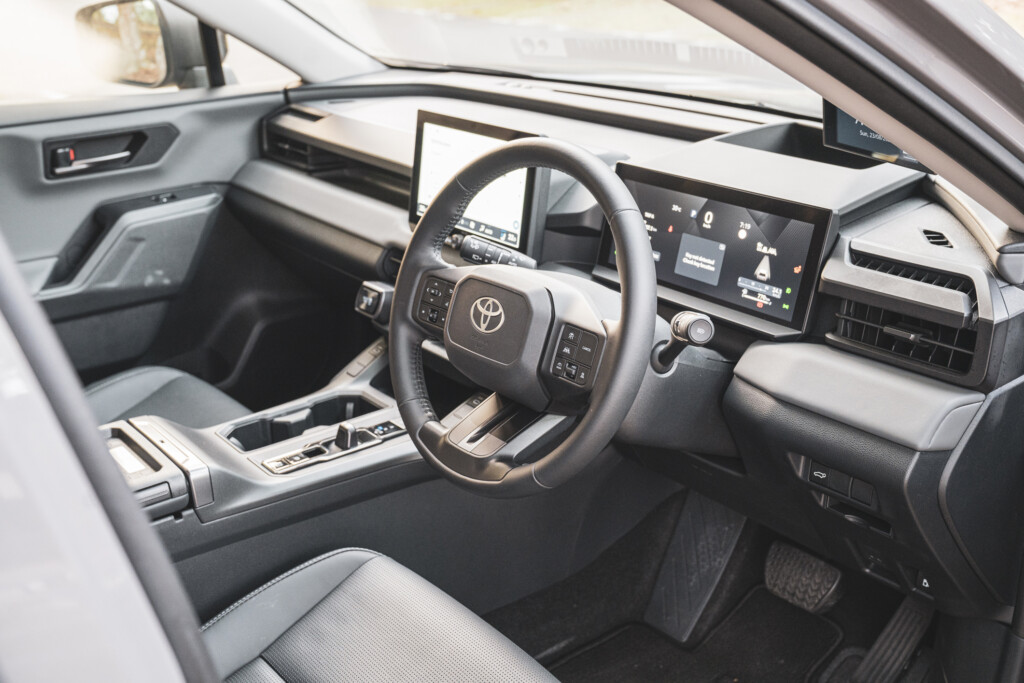
That sense of size carries into the cabin.
There is loads of space front and rear, with generous legroom for rear passengers and an enormous 749 litres of luggage capacity measured to the roof. You also get useful storage areas throughout the cabin, two wireless phone chargers and USB-C charging ports.
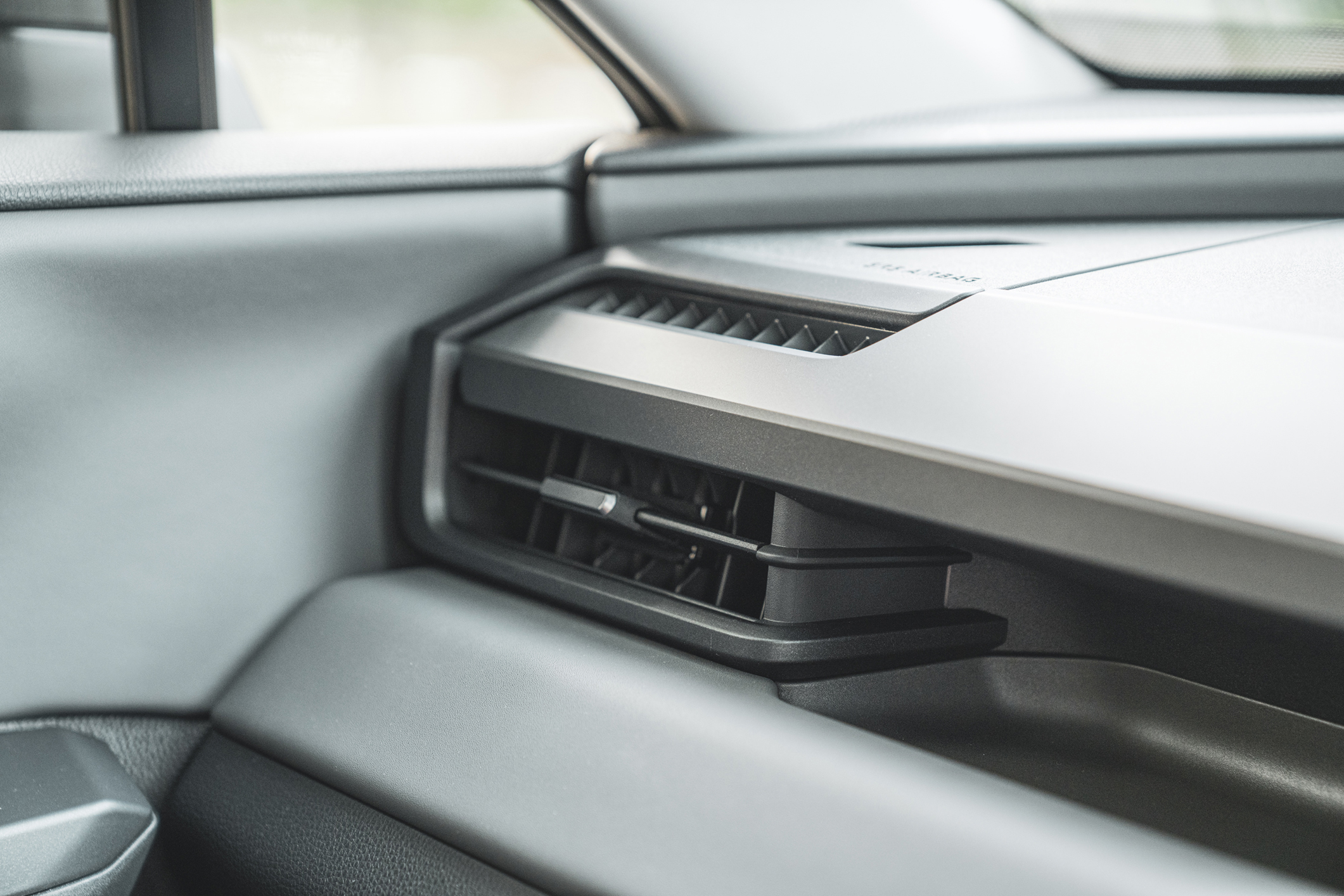
The dashboard itself is sensible and refreshingly easy to understand. It has a 12.3-inch instrument display and a 10.5-inch infotainment screen with wireless Apple CarPlay and Android Auto. Physical controls remain for frequently used functions such as temperature and volume. Praise be.
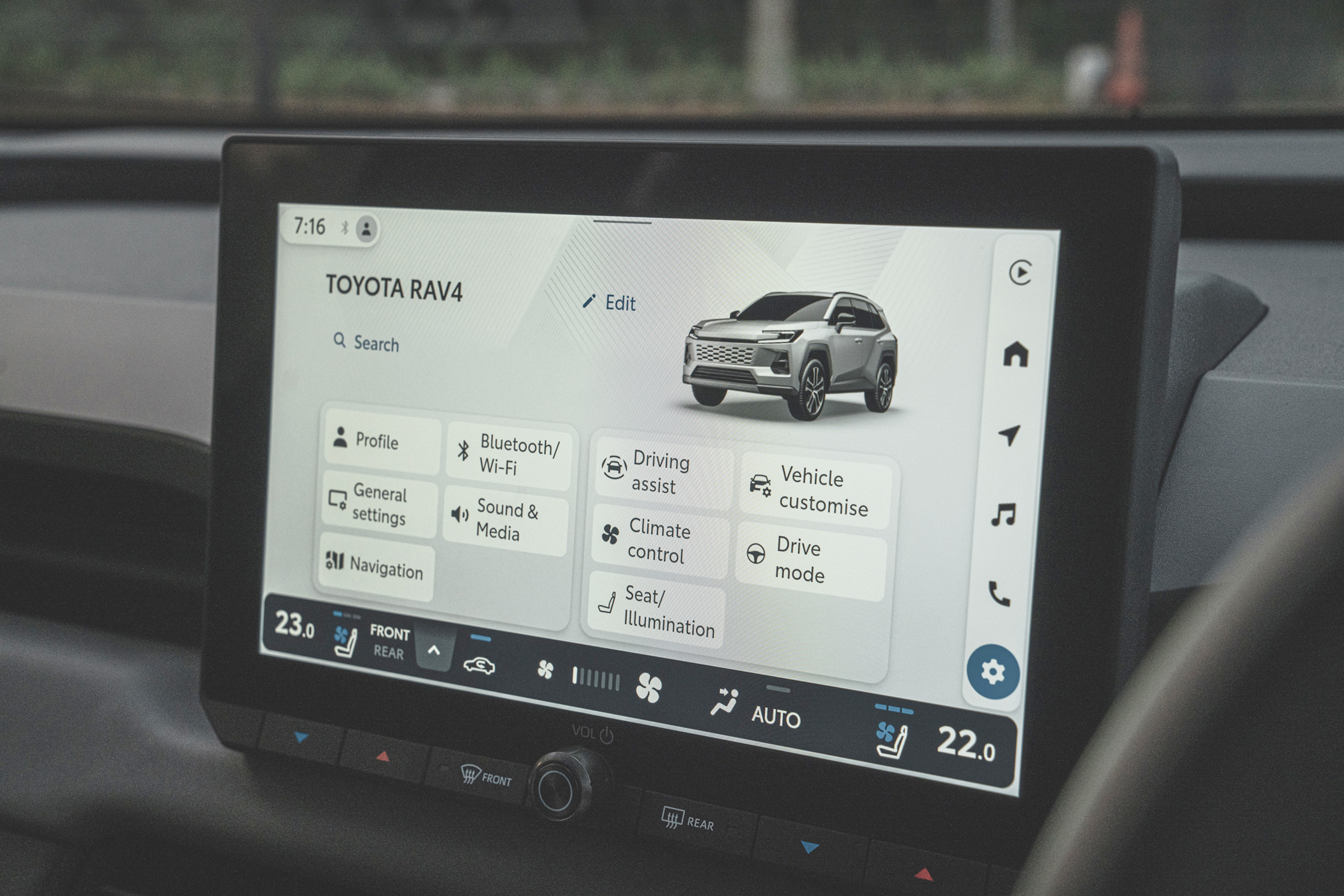
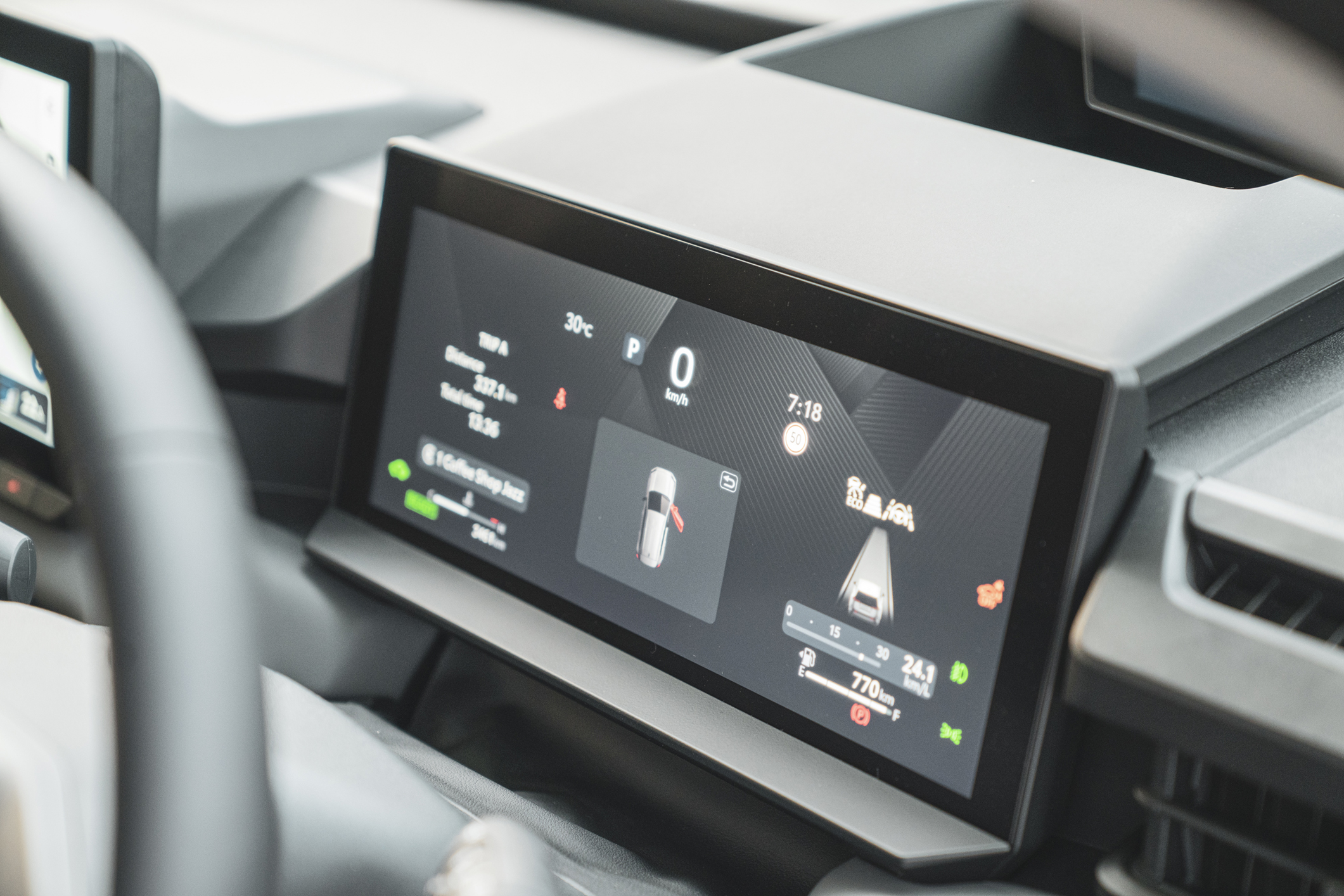
Maybe I’m getting old, though I still appreciate being able to adjust the air-conditioning without navigating three menus and accidentally changing my ambient lighting to “Zen Forest”.
Everything feels very Toyota. Solid, logical, straightforward and made for people who simply want to get into their car and drive.
Surprisingly good on the road
The bigger surprise for me was how nicely the RAV4 drives.
Ride quality is genuinely impressive. The suspension deals with Singapore’s bumps, expansion joints and occasional lunar-surface road repairs with very little drama. It feels soft enough to be comfortable, with sufficient body control to keep the RAV4 composed through faster corners.
There’s a maturity to the chassis that previous RAV4s never quite had.
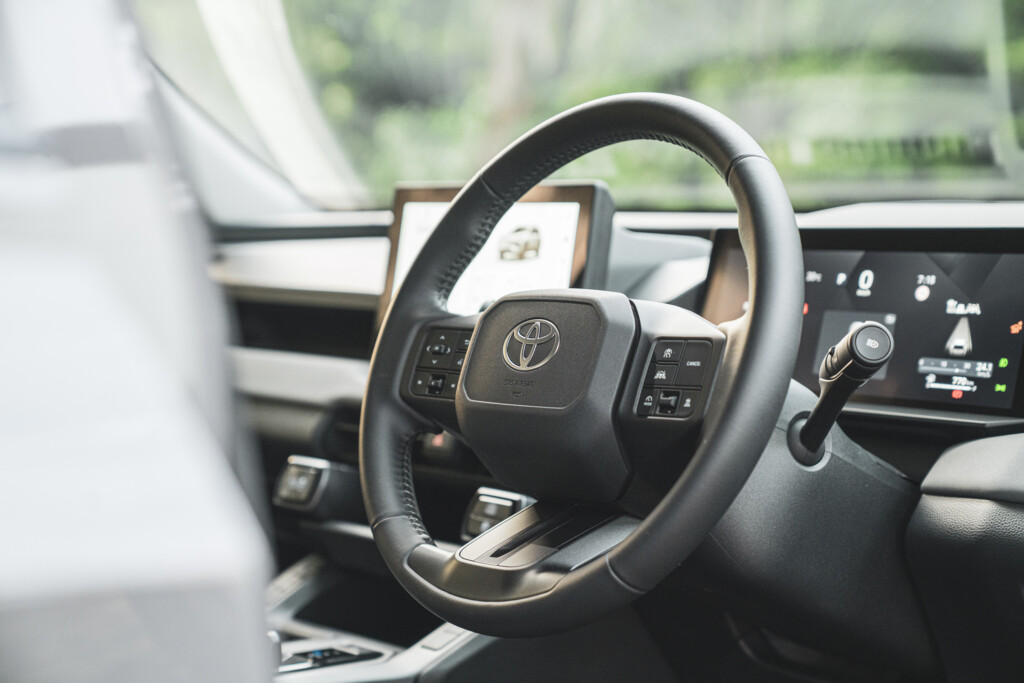
The steering is nicely weighted too, and the whole car feels planted and reassuring. This is clearly set up as a comfortable family SUV, and it fulfils that role very well.
Underneath is Toyota’s familiar 2.5-litre four-cylinder full-hybrid powertrain driving the front wheels. The total system output is 215bhp, with 0-100km/h in 8.0 seconds. Toyota quotes fuel consumption of 5.1L/100km, equivalent to around 19.6km/L.
Those aren’t slow-car numbers either.
Put your foot down, and the RAV4 responds eagerly enough. The electric motor gives it useful initial punch and there is enough power available for overtaking or joining faster traffic without requiring a written application three working days in advance.
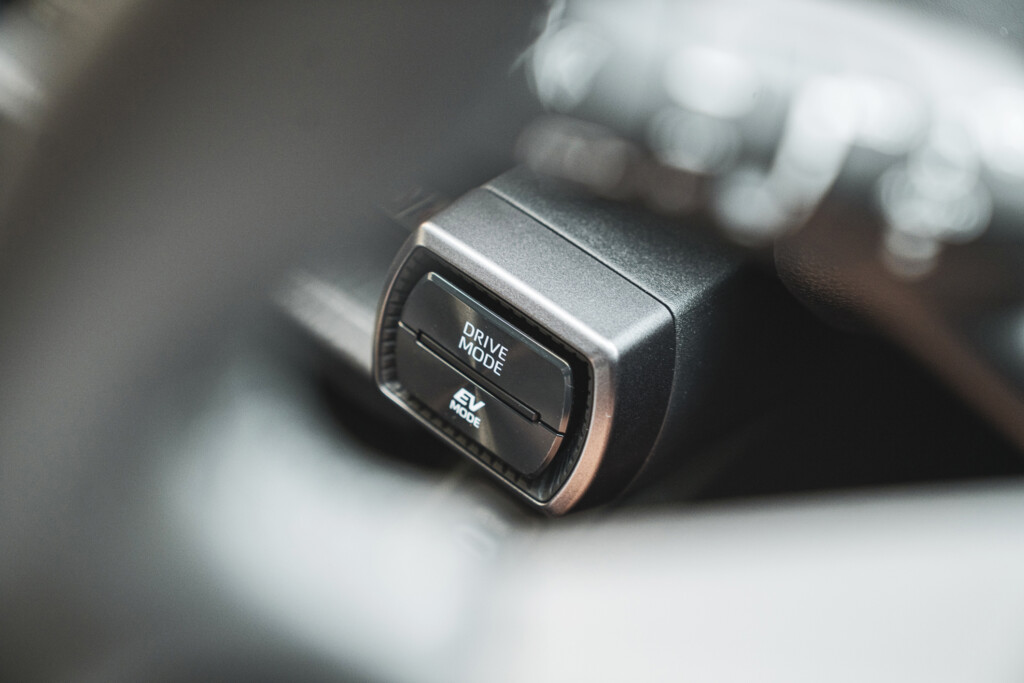
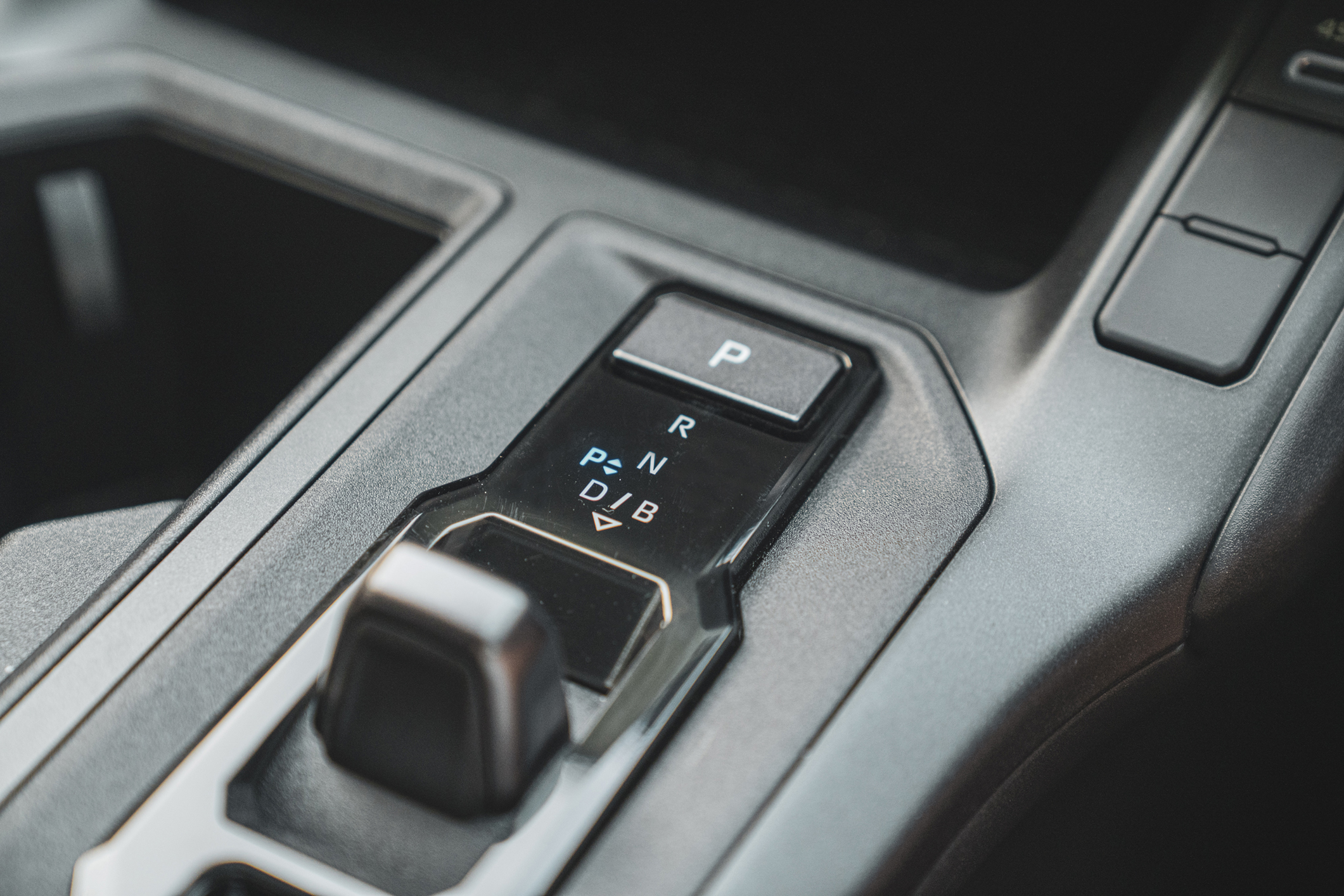
Then there’s the e-CVT…
My least favourite part of the drivetrain remains the e-CVT.
Plant your right foot, and you get that familiar rise in engine revs, followed by the accompanying drone as the car gathers speed. The actual acceleration is perfectly respectable. The soundtrack simply doesn’t make the process particularly enjoyable.
To its credit, the RAV4 responds well when you ask for more. There is a meaningful relationship between pressing the accelerator and something actually happening, which helps enormously.
Drive it normally and the whole hybrid system makes much more sense.
Toyota has been refining this technology for decades, and it shows. Moving between electric propulsion and the petrol engine happens smoothly, the system is quiet around town, and fuel consumption is seriously impressive for something this size.
Sgcarmart managed an indicated 19.6km/L during its test, exactly matching Toyota’s official figure. Business Times actually recorded consumption around eight per cent better than Toyota’s claim.
For a large petrol-powered SUV that never needs plugging in, that’s impressive.
Maybe hybrid still makes a lot of sense
Which brings us to what I suspect is the RAV4’s biggest selling point in 2026.
A lot is happening around electric cars right now, especially in Singapore. EVs are faster, increasingly affordable and packed with technology. Charging infrastructure continues to improve too.
Some drivers still don’t want to think about charging.
They want to drive into Malaysia without planning charging stops. They want to pull into any petrol station, spend five minutes filling up and carry on. They want excellent fuel economy without changing the way they use a car.
The RAV4 Hybrid fits that person almost perfectly.
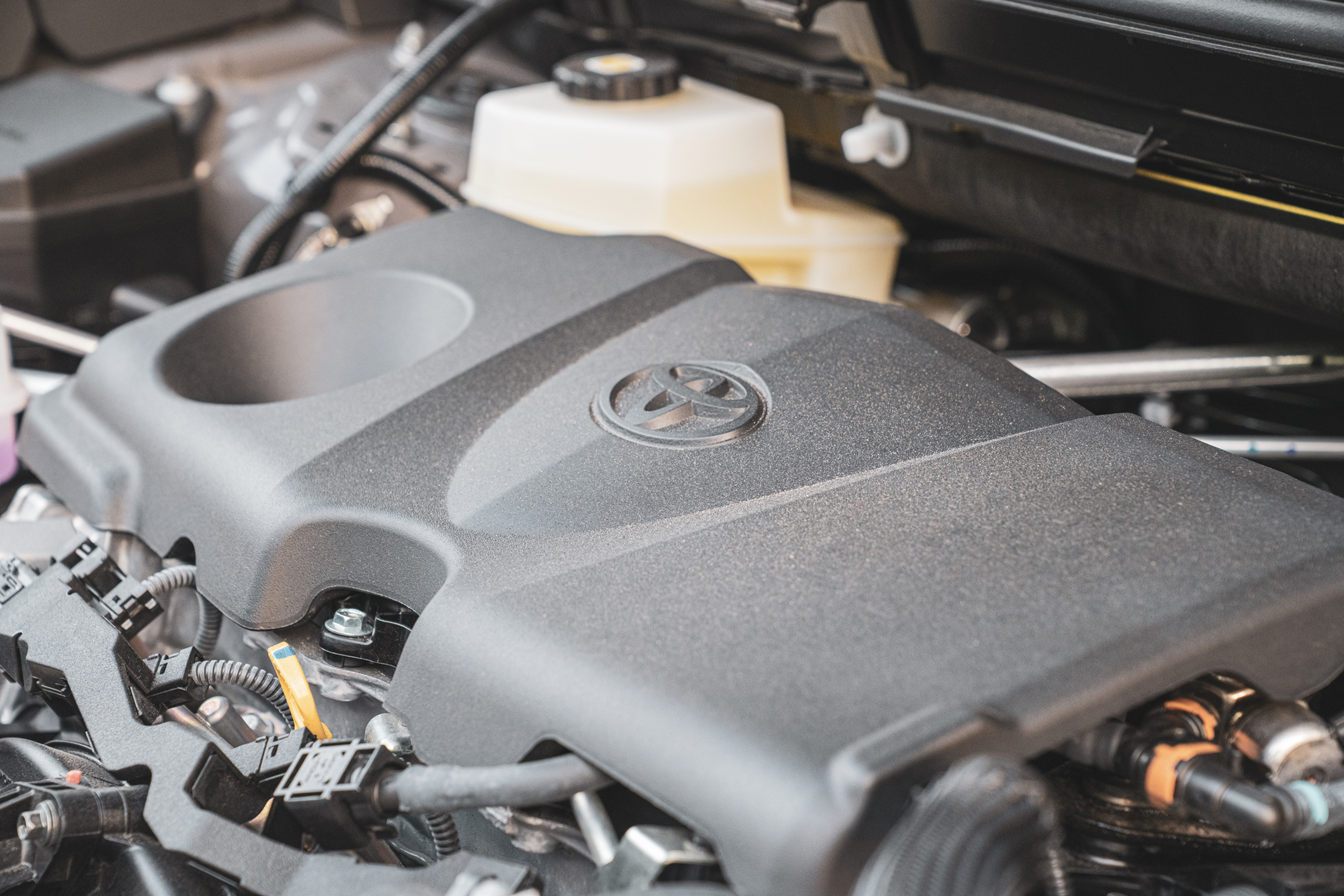
Its 55-litre fuel tank and official 5.1L/100km consumption give it excellent long-distance potential, especially for owners who regularly head north. No charger hunting and no need to worry if the charger you found is occupied, broken, or currently being guarded by someone having dinner while their car sits at 100 per cent.
Fill up. Drive.
Simple.
Old-fashioned in all the right ways
Perhaps that’s why I came away liking the RAV4 more than I expected.
It doesn’t feel like Toyota chasing the latest trend. It feels like Toyota taking something it has been doing for years and making it significantly better.
The new RAV4 is handsome, spacious, comfortable, impressively efficient and far more polished than its predecessors. The e-CVT remains something I would tolerate rather than celebrate, and keen drivers aren’t going to wake up early on Sunday morning looking for an excuse to attack South Buona Vista Road in one.
That’s hardly what this car is about.
The RAV4 is for someone who likes the idea of a proper, rugged-looking SUV. Someone who wants hybrid efficiency without plugging in. Someone who values practicality, comfort and the reassurance that comes from buying into a Japanese brand with decades of hybrid experience.
In a market increasingly filled with futuristic EVs competing on screen sizes, acceleration times and charging speeds, the RAV4 suddenly feels distinctive simply by sticking to what it knows.
Funny how that works.
Technical Specifications
Toyota RAV4 2.5 Hybrid Premium
Engine: 2,487cc four-cylinder petrol hybrid
System output: 215bhp
Transmission: e-CVT
Drive: Front-wheel drive
0-100km/h: 8.0 seconds
Fuel consumption: 5.1L/100km / 19.6km/L
Fuel tank: 55 litres
Boot capacity: 749 litres