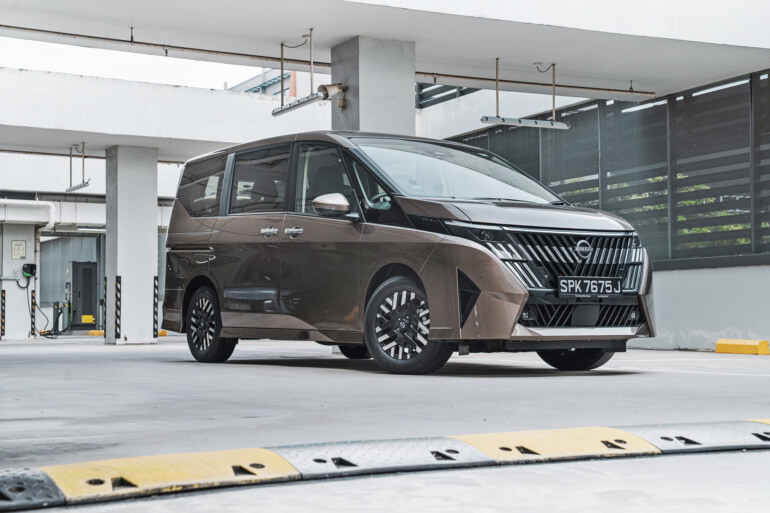
The refreshed Nissan Serena e-POWER brings sharper styling, clever seating arrangements and a more sophisticated driving experience. Sometimes, a few thoughtful improvements make all the difference.
I’ve owned my fair share of MPVs over the years. From the Toyota Estima to the Opel Zafira and Honda Odyssey, I’ve spent enough time behind the wheel of these family movers to appreciate what makes a good one.
I’ve also had plenty of experience with the Nissan Serena, having driven both the previous model and its predecessor on long trips up to Kuala Lumpur. So when the opportunity came to try the latest facelifted Serena e-POWER, I was naturally curious to see how much Nissan had improved the formula.
After all, the Serena has always been a pretty sensible family car. Spacious, practical and packed with clever little touches, it has consistently delivered what families expect from an MPV.
With this latest update, Nissan has made a few changes that help make the Serena a more appealing proposition.
A Sharper, More Modern Face
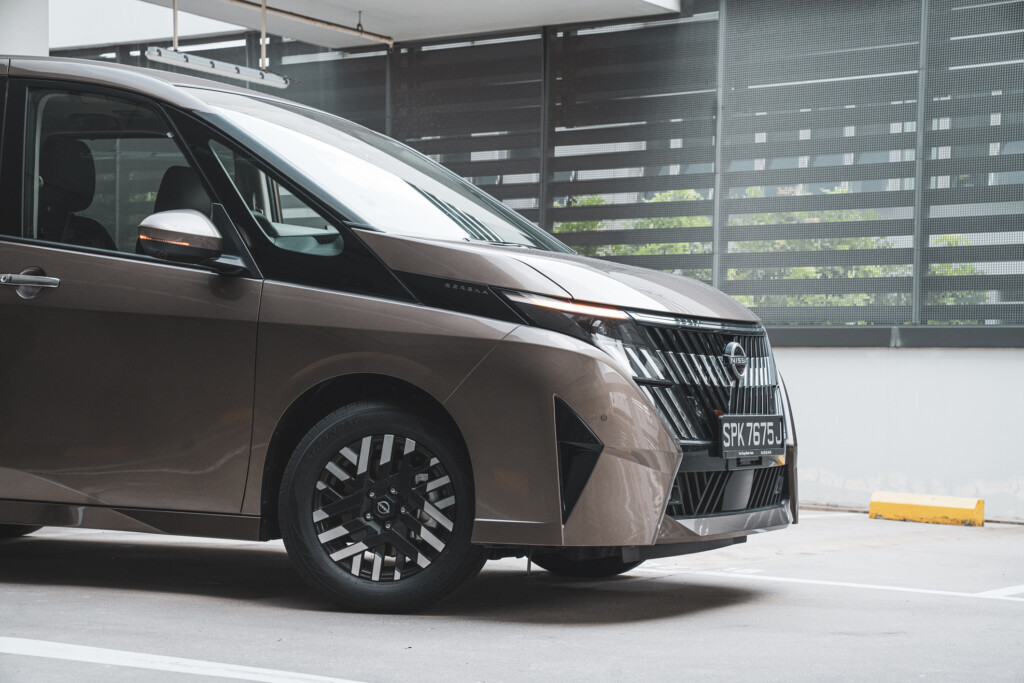
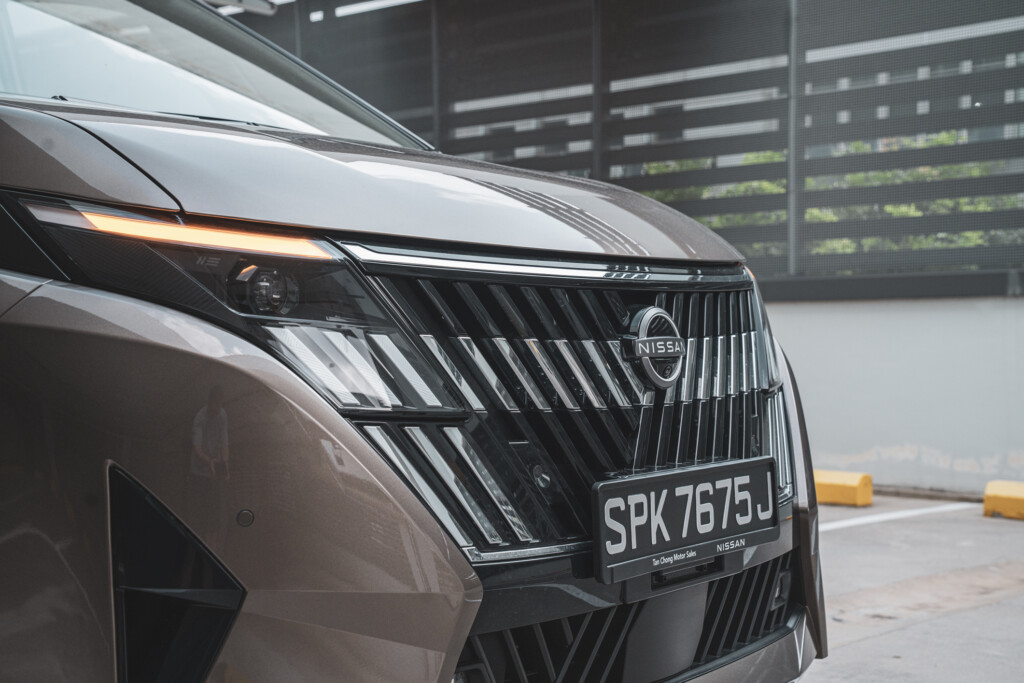
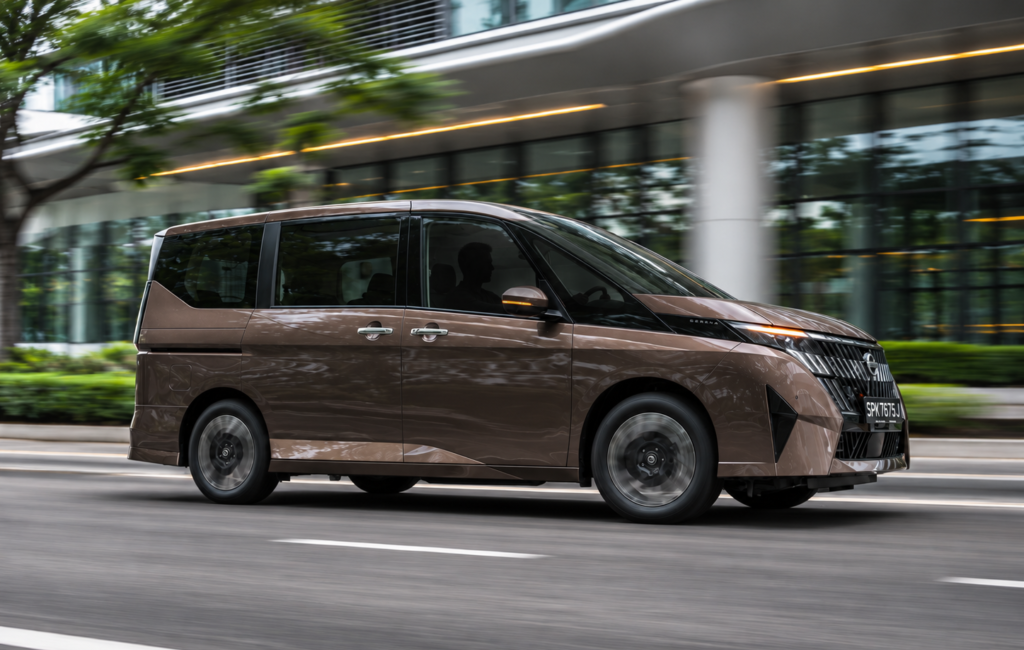
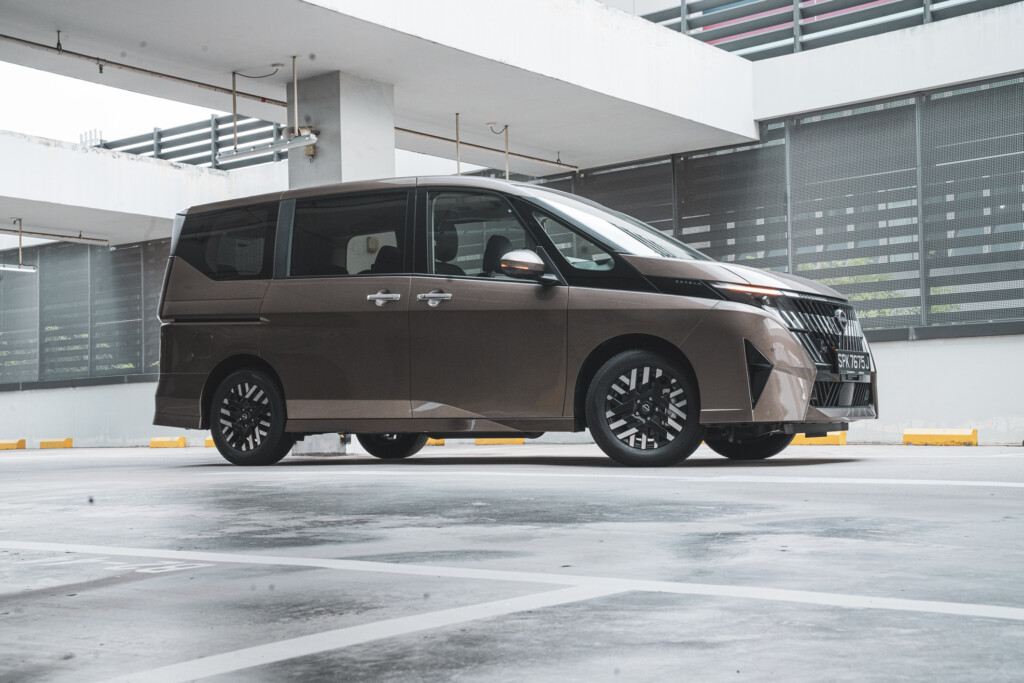
The most obvious changes are at the front, where Nissan has given the Serena a sharper, more contemporary look.
The revised grille features a more angular arrangement of lines, creating a cleaner and more distinctive face. It works particularly well with the Serena’s tall, boxy proportions, giving it a slightly more sophisticated presence, so no complaints here.
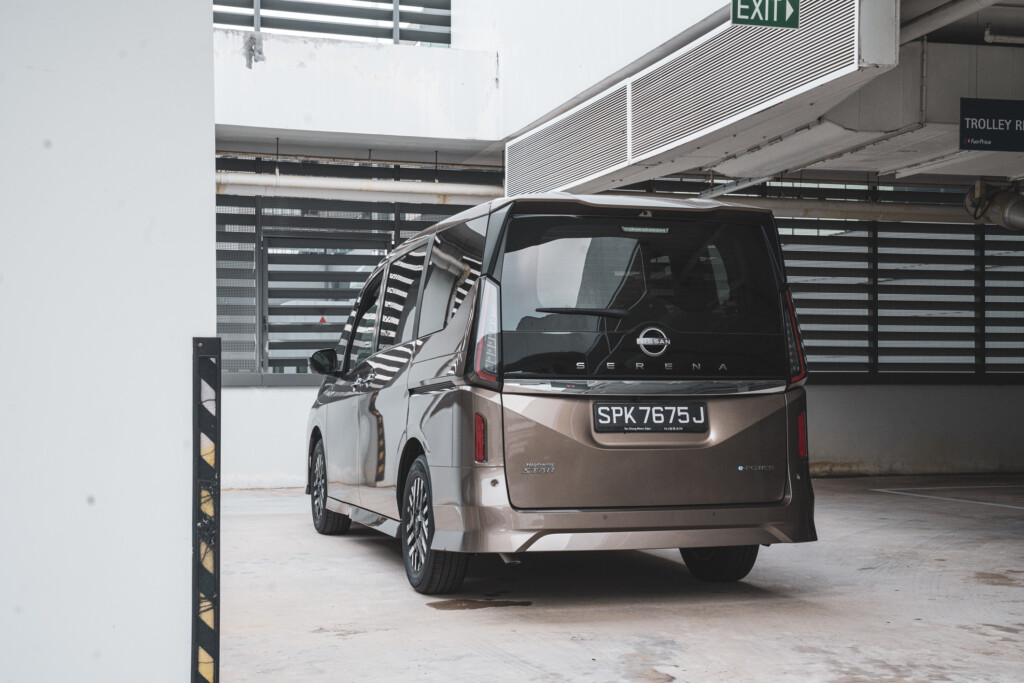
There are also some new exterior colours to choose from, including the metallic brown finish on our test car. I actually think this colour suits the Serena rather well. It gives the MPV a more mature, premium look, especially in strong natural light.
Inside, the colour choices include familiar black, a warmer amber finish (essentially a shade of beige or camel brown), and a new turquoise shade to match an exterior colour called Aqua Mint. Hmmmm.
Personally, I would stick to black or brown; the safer tones work particularly well in an MPV, giving the cabin a more welcoming and premium feel.
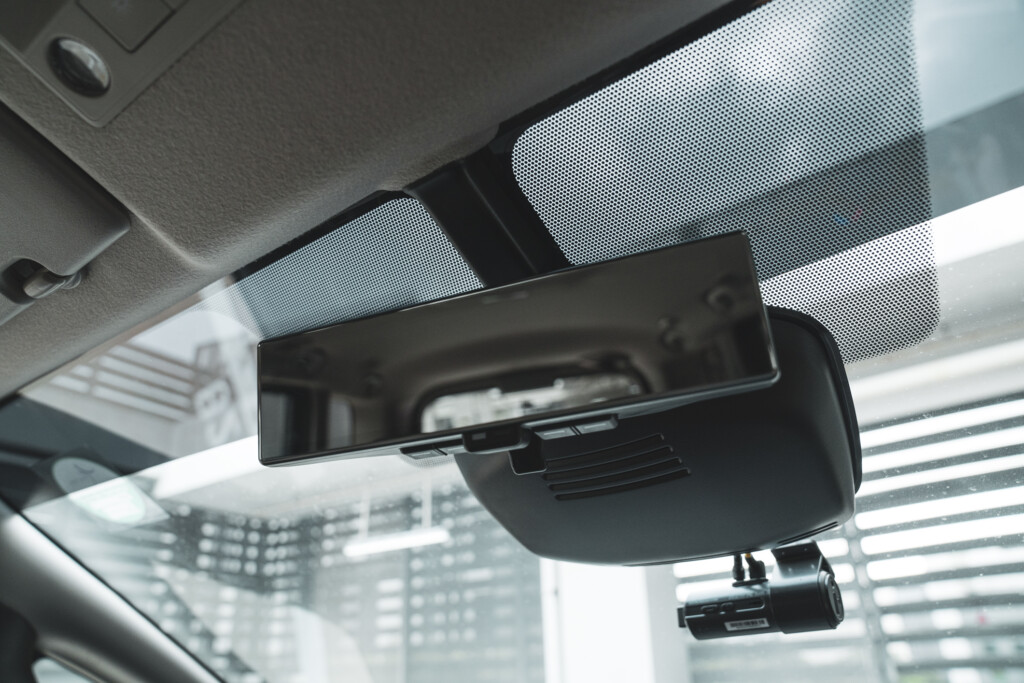
My only gripe with the interior is how high the rear-view mirror is. I felt the need to consciously tilt my head just to look at it. Couldn’t Nissan have just mounted it lower?
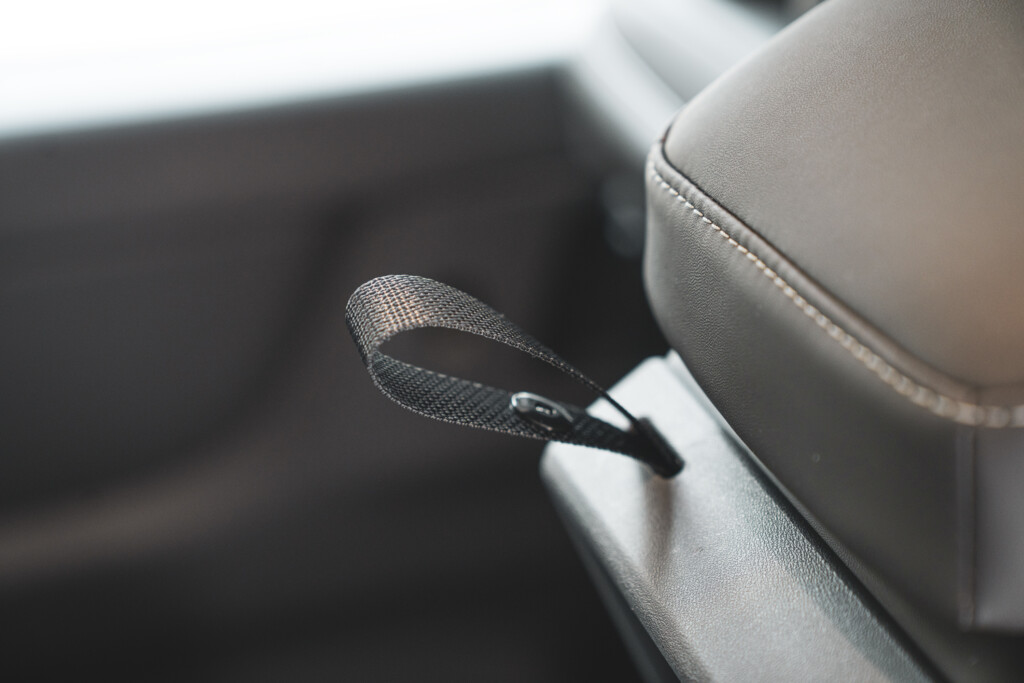
Seven Seats or Eight? Your Call.
One of the Serena’s greatest strengths has always been its interior versatility, and the updated model continues that tradition.
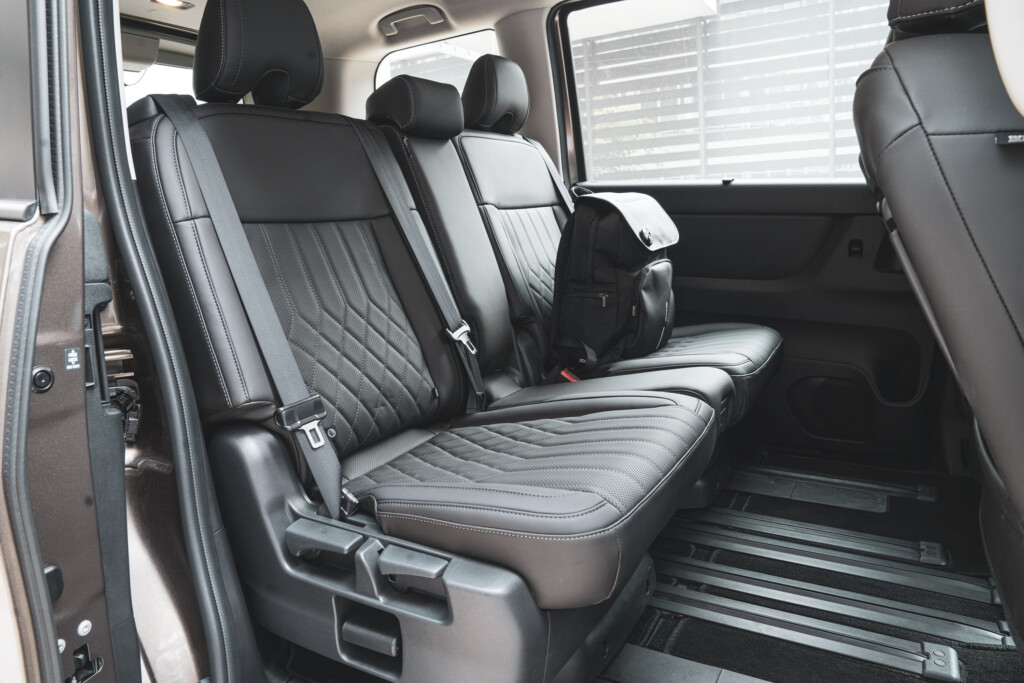
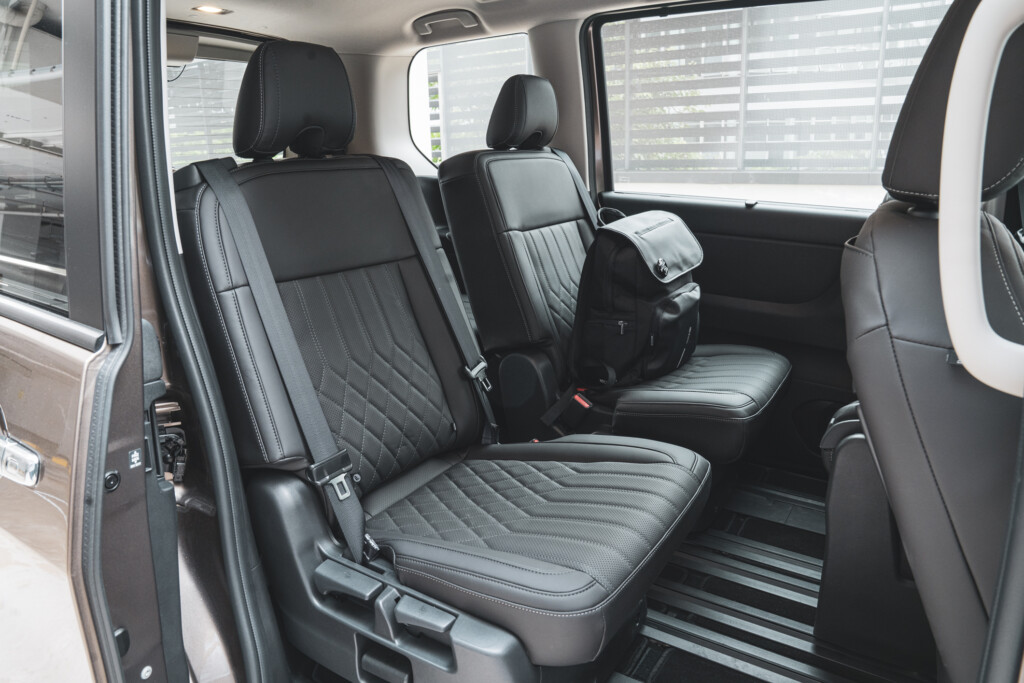
The Serena is available in two variants, the Prestige 7 and Smart 8, with the latter offering a particularly clever seating arrangement.
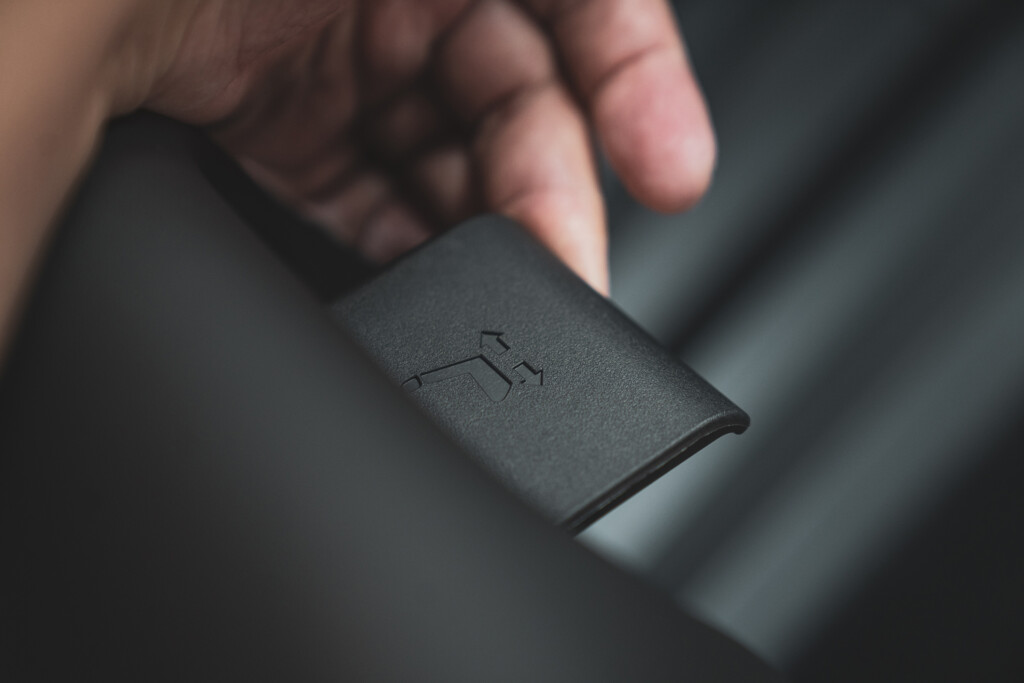
In the Smart 8, the middle section of the second row can slide forward and out of the way, effectively transforming the cabin from an eight-seater into a seven-seater with individual second-row seating.
Need to carry an extra passenger? Simply slide the middle section back into place, and you have seating for eight.
It’s a genuinely clever solution, especially for families whose passenger requirements change from day to day.
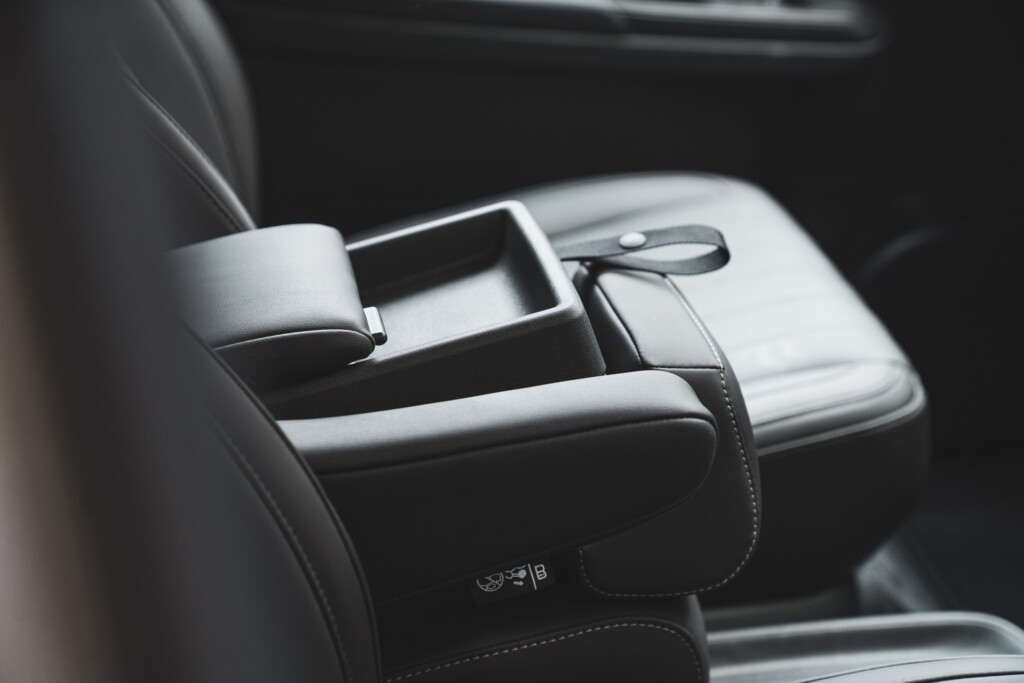
Having lived with several MPVs, I can appreciate how useful this flexibility can be. Some days, you want the comfort and convenience of individual second-row seats. On other days, having room for one more person makes all the difference.
Beyond the seating configuration, much of the Serena’s familiar practicality remains intact. The tall cabin offers generous headroom, access is convenient through the sliding doors, and there’s enough space for the family to settle in comfortably.
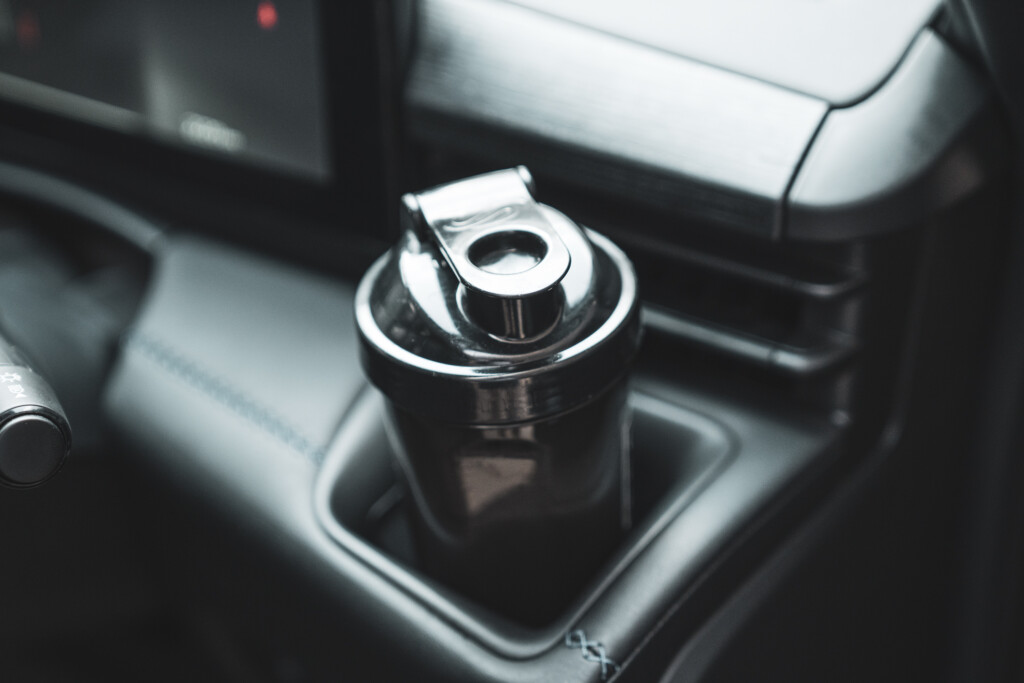
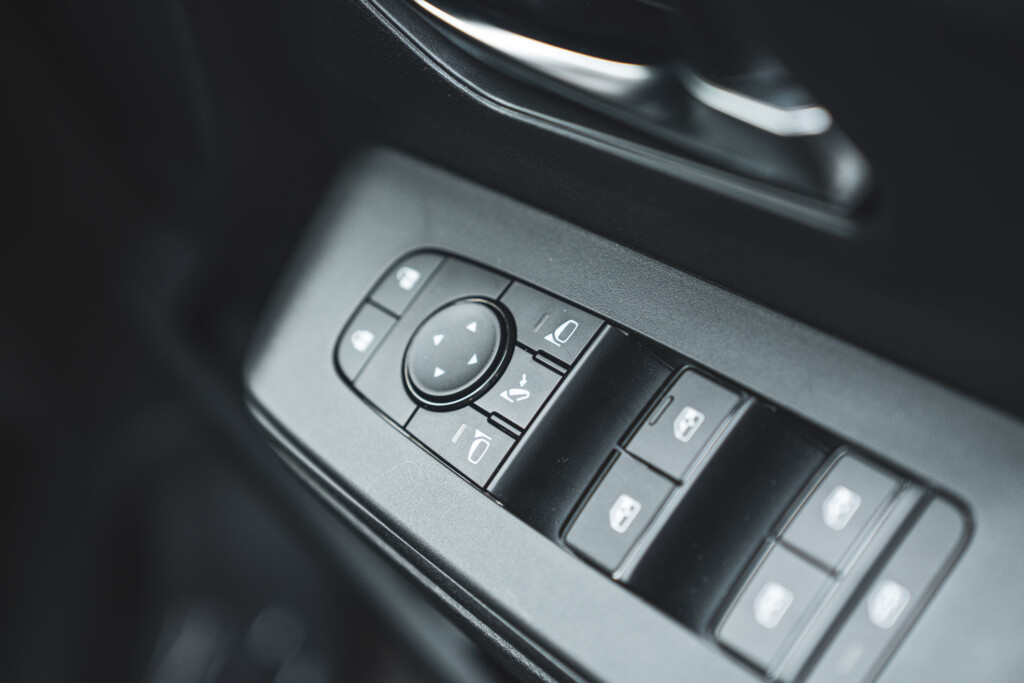
In many ways, Nissan has already figured out what works in an MPV, so there’s little reason to reinvent the interior.
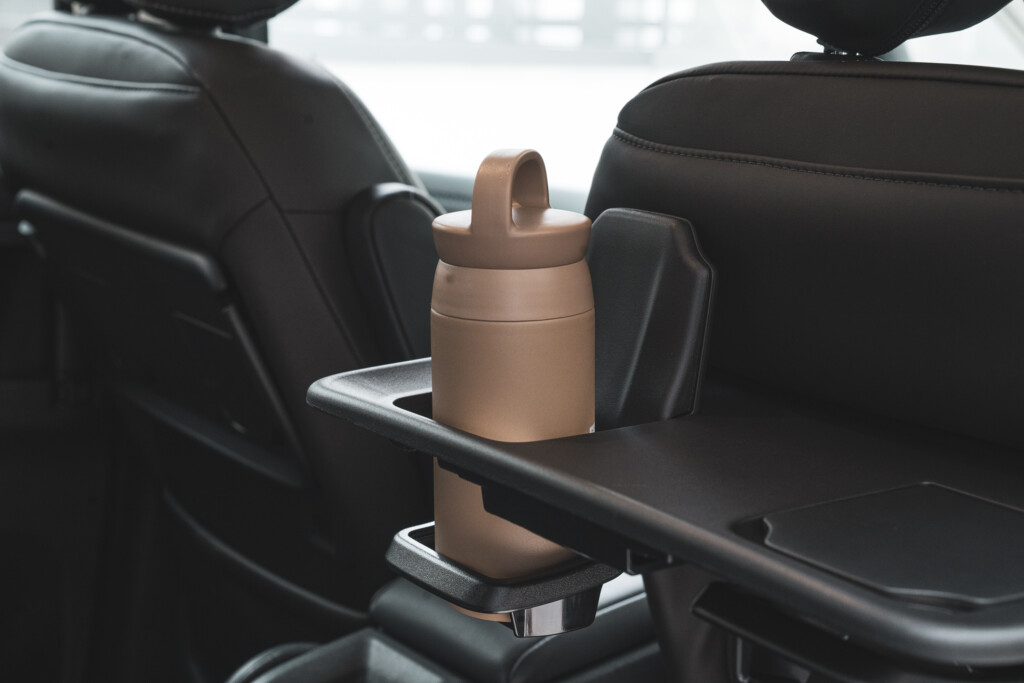
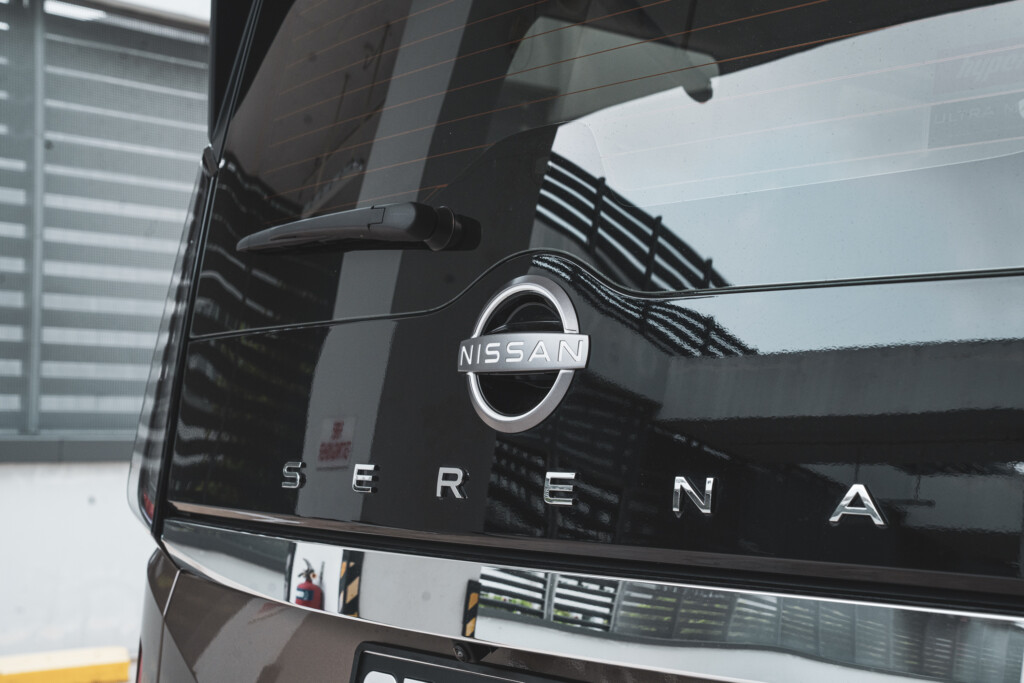
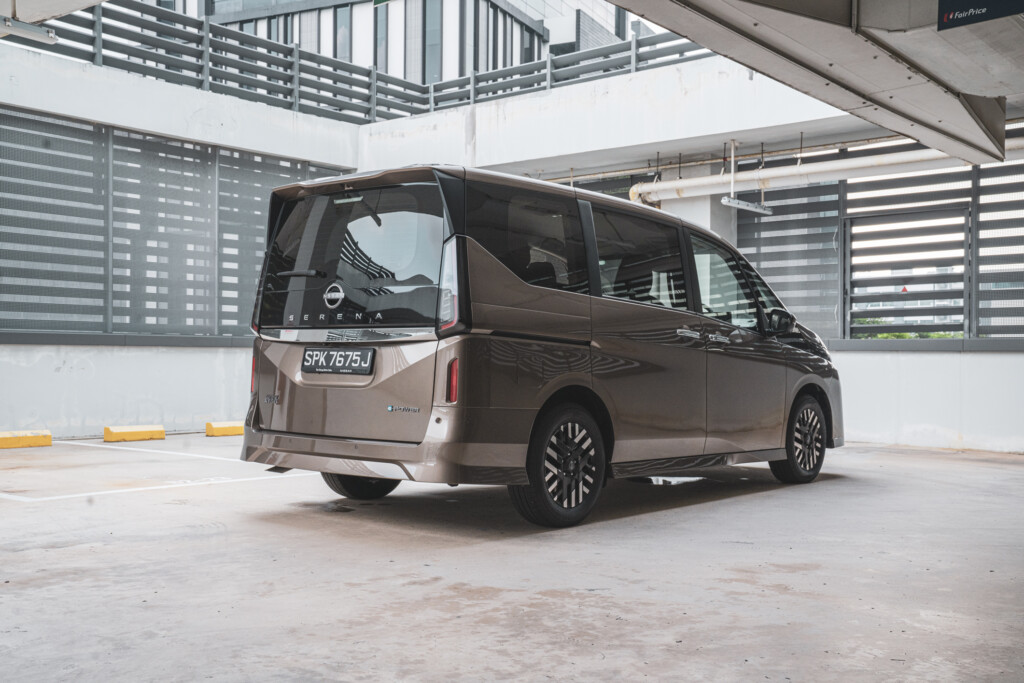
Another clever feature I love about the Serena is the split tailgate, which allows you to open just the upper glass section instead of the entire tailgate. It’s particularly handy in tight parking spaces where there isn’t enough room to swing the full tailgate open.
A More Relaxed Drive
Having driven earlier generations of the Serena e-POWER, I was keen to revisit its refinement.
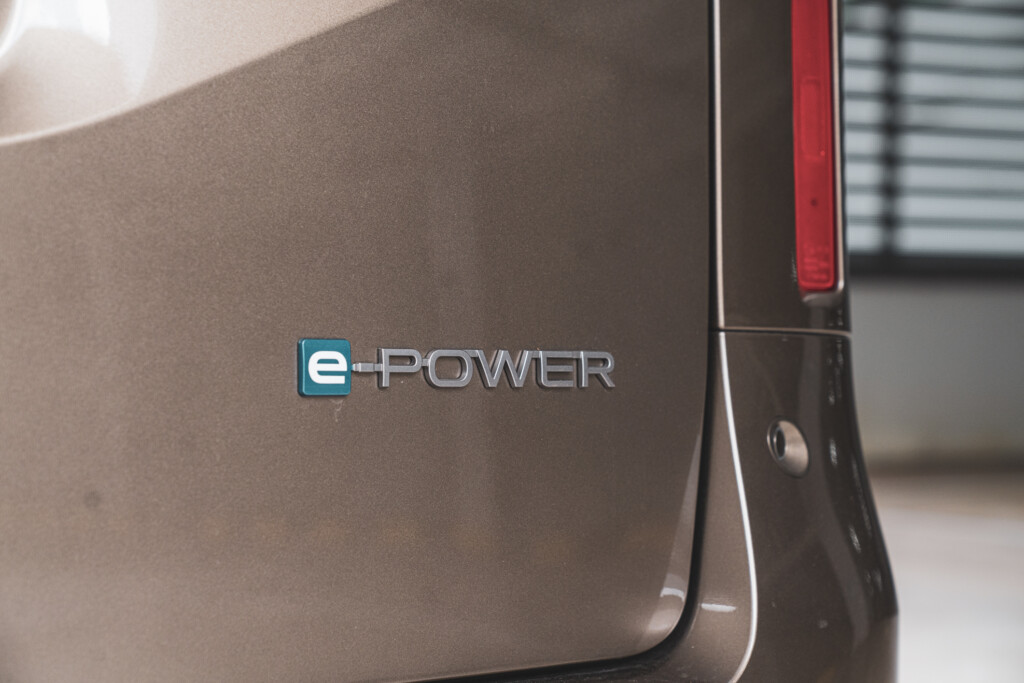
Nissan’s e-POWER system is an interesting approach to electrification. An electric motor drives the wheels, while a petrol engine generates electricity for the battery.
This gives the Serena the smooth, immediate response of an electric vehicle, with the convenience of simply filling up with petrol.
The system itself remains familiar, but what stood out to me this time was how much more pleasant the overall experience felt.
In the original Serena e-POWER, the petrol engine could be quite noticeable when it fired up to recharge the battery. You could hear it working, and the additional noise occasionally interrupted an otherwise smooth driving experience.
Things improved considerably with the next generation, and I feel Nissan has refined the experience a little further with this latest version.
The engine is still audible when it comes on, of course, but the noise seems better controlled and less intrusive than I remember.
It’s a relatively small improvement, but one that contributes to a more pleasant driving experience, particularly when you’re spending extended periods behind the wheel.
And in an MPV, that’s exactly the sort of refinement I appreciate.
A Helping Hand in Heavy Traffic
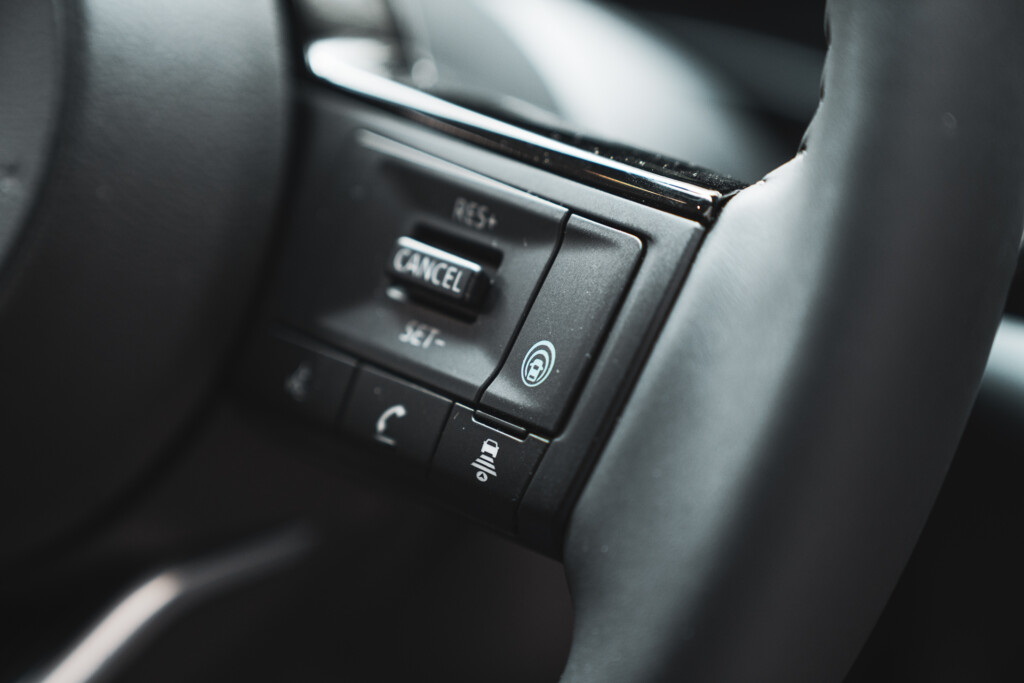
Another welcome addition is Nissan’s ProPILOT Assist 1.0 ADAS system, which brings more driver assistance to the Serena.
The system combines adaptive cruise control with lane-centring assistance, helping the car maintain a safe following distance and stay within its lane.
More importantly for Singapore drivers, it also assists in slow-moving traffic, automatically reducing speed and bringing the vehicle to a complete stop when necessary.
When traffic starts moving again, the system can resume following the vehicle ahead, although driver input may be needed after a longer stop.
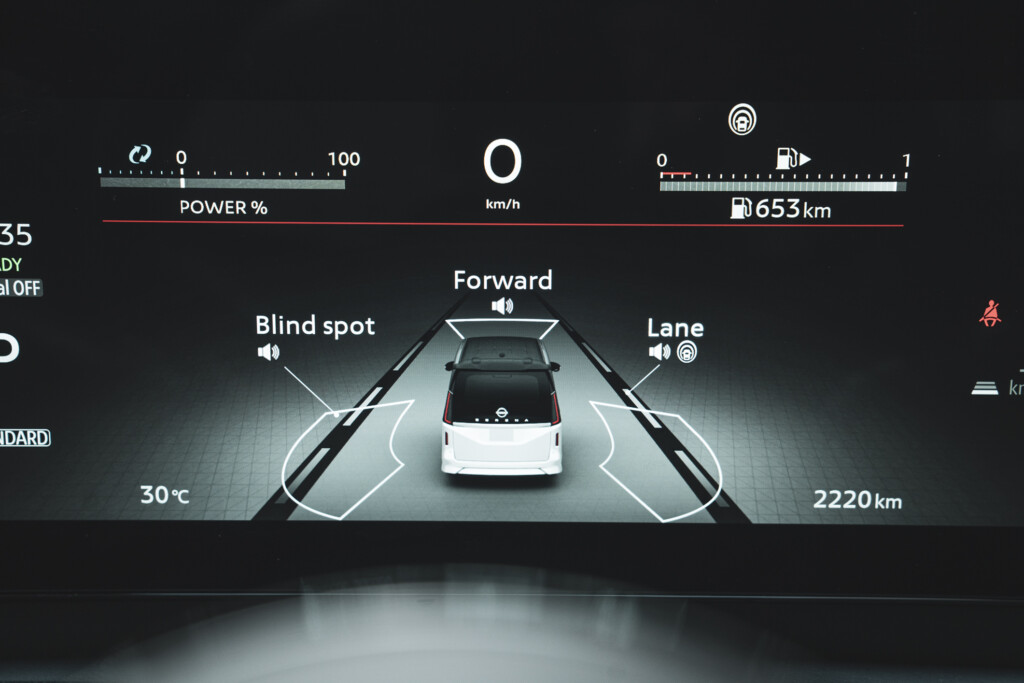
Anyone who has spent an hour crawling along the PIE during the evening rush will appreciate this feature immediately.
It takes some of the repetitive work out of driving in congestion, helping make the daily commute a little more relaxing. Drivers still need to remain attentive and keep their hands on the steering wheel.
The updated Serena also gets an improved Around View Monitor with 3D rendering, which is particularly useful when manoeuvring a tall MPV in tighter spaces.
These are practical enhancements that make plenty of sense for the type of driving the Serena is likely to encounter.
A Family MPV That Knows Its Purpose
As for the overall driving experience, the Serena feels very much like the family MPV it was designed to be.
Having previously owned a Honda Odyssey, I would say the Serena lacks some of the dynamic qualities that made the Odyssey such an enjoyable MPV to drive.
The Odyssey felt more car-like, with handling that encouraged you to enjoy the occasional corner. The Serena takes a more relaxed approach, prioritising easy driving and occupant comfort.
And that’s perfectly fine.
The Serena’s appeal has always centred on its ability to accommodate a family and make everyday journeys easier. Whether it’s ferrying the children around, transporting the extended family, or embarking on a road trip to Malaysia, its spacious, flexible interior remains a strong selling point.
With the latest improvements, especially the more refined e-POWER driving experience and the addition of ProPILOT Assist, the Serena has become an even more agreeable companion.
Final Thoughts
The facelifted Nissan Serena e-POWER is a good example of how thoughtful updates can improve an already competent car.
The sharper styling gives it a fresher appearance, the interior remains wonderfully versatile, and the improvements to refinement and driver assistance make it easier to live with.
For someone who has owned several MPVs and experienced the different approaches manufacturers take towards family transport, I think Nissan has done a commendable job of staying focused on what matters: being a great Multi-Purpose Vehicle.
Technical Specifications
Nissan Serena e-POWER Hybrid Smart 8
Powertrain: Petrol-Electric
Power: 161 bhp
Torque: 315 Nm
Gearbox: Single-Speed (A)
Acceleration: 10.3 Seconds (0-100km/h)
Top Speed: 170 km/h
Fuel Tank Capacity: 52 L
Fuel Consumption: 19.6 km/L
Price: S$235,800 with COE (accurate at the time of this article)