Kia has comprehensively updated the Niro for 2026, adding 29 enhancements across its design, connectivity, safety and cabin technology. Thankfully, somebody appears to have remembered that making a car more advanced does not necessarily require making simple things more difficult.
There are two enormous 12.3-inch displays inside the new Kia Niro Hybrid alongside a head-up display. You can unlock it with your phone, remotely start the air-conditioning, check where you parked it and even tell it to keep the cabin cool while you wait inside.
Yet beneath all of this sits something increasingly unusual in a modern car: buttons, actual ones.
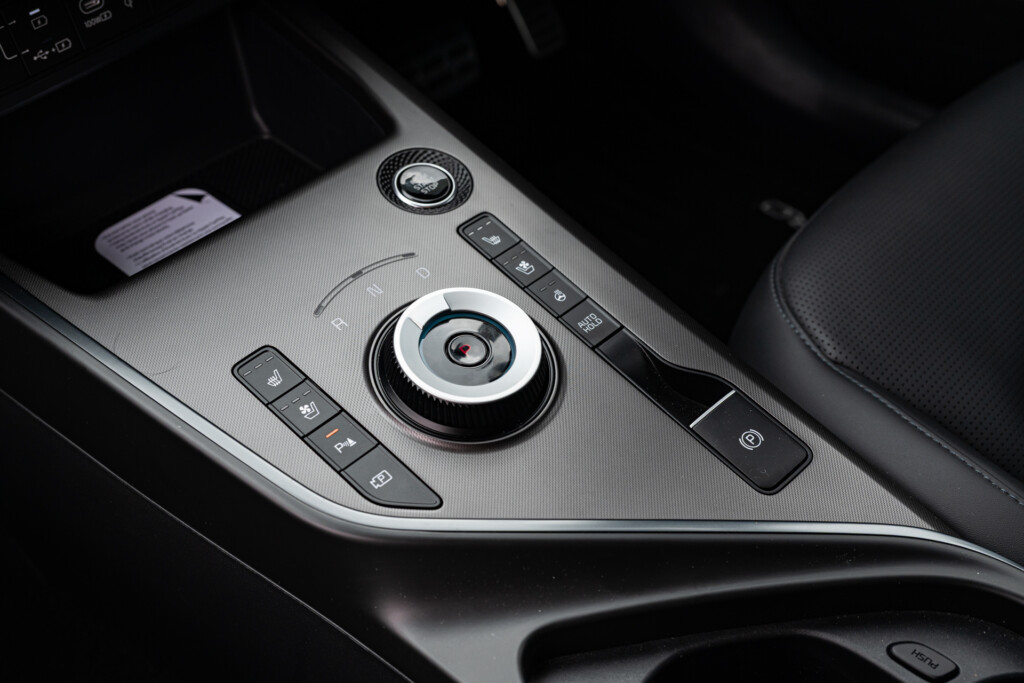
This is perhaps the facelifted Niro Hybrid’s greatest achievement, feeling considerably more modern than before without forgetting why people liked it in the first place.
And in a market increasingly obsessed with reinventing everything, there is something appealing about a car that simply concentrates on getting the ordinary stuff right.
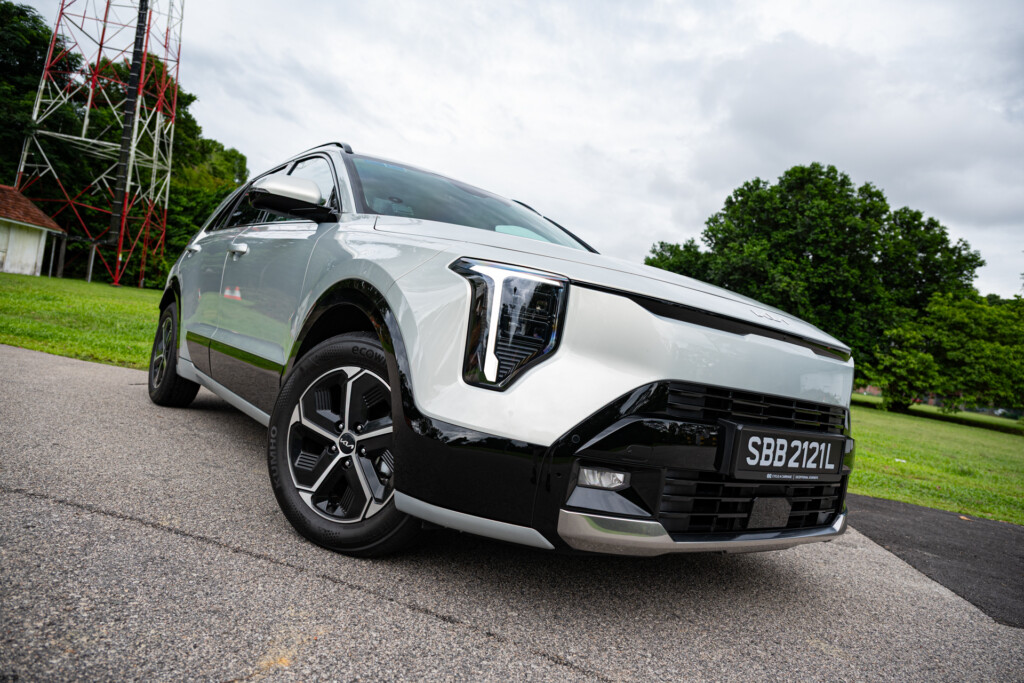
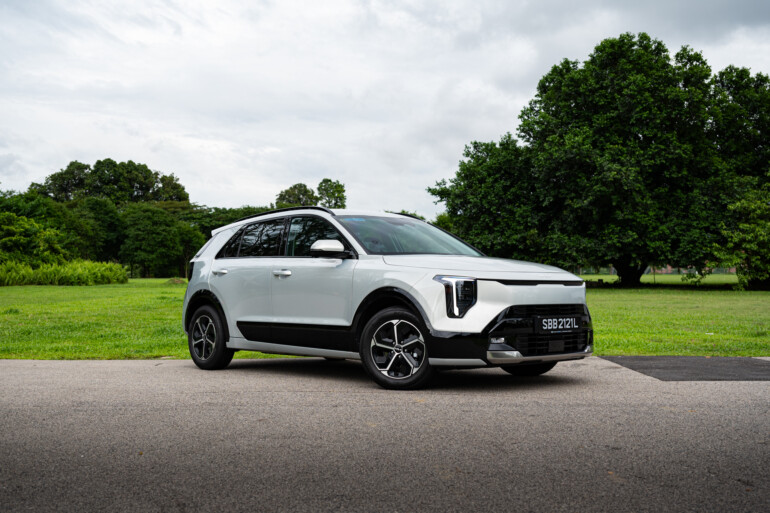
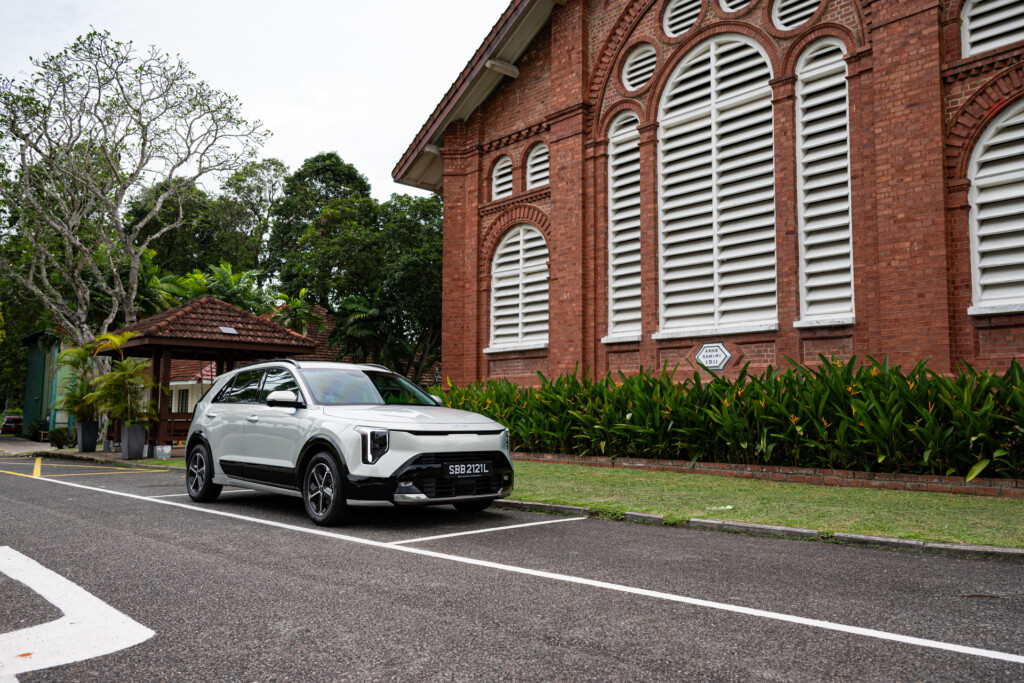
Kia has redesigned the front bumper, reworked its familiar Tiger Nose treatment and introduced the brand’s latest Star Map lighting signature, bringing the Niro closer visually to newer models in the range.
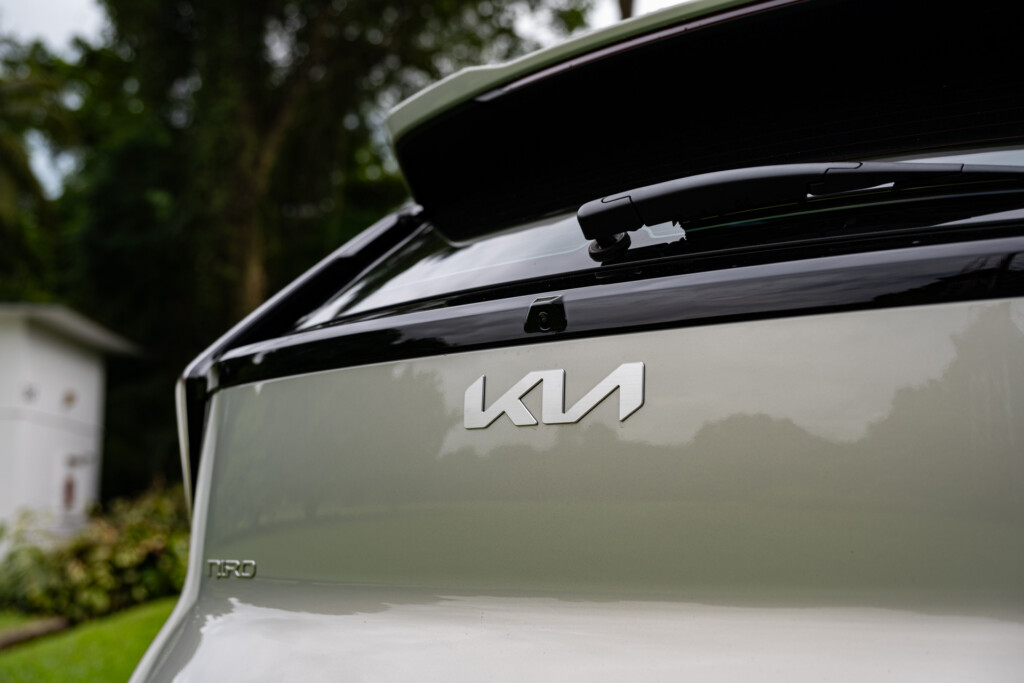
The back has been tidied up too, with revised lamps, a redesigned bumper and new horizontal detailing across the tailgate. There are updated wheels and revised cladding around the sides as well.
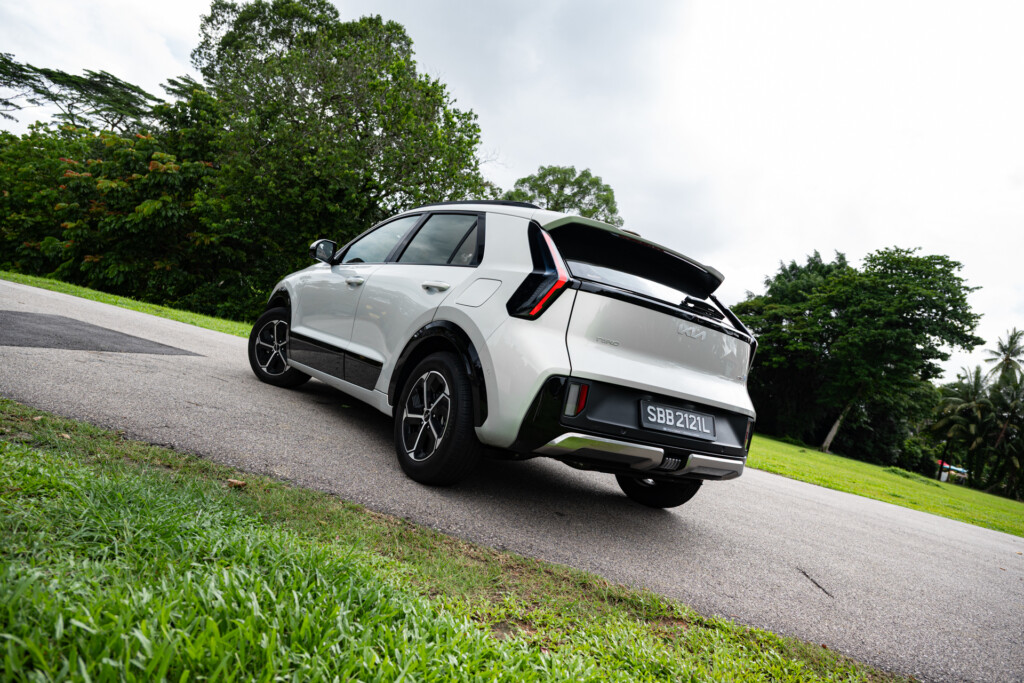
At 4.4 metres long and 1.8 metres wide, with a 2.7 metre wheelbase, the Niro is still compact enough to feel at home in Singapore. And despite being classified as an SUV, it has resisted the urge to grow into something requiring its own postal code.
The facelift also brings new variant names. The old EX and SX labels have been replaced by Air and Earth, with Earth sitting at the top of the local lineup.
The drivetrain is identical between the two. What your additional money buys is technology, and quite a lot of it.
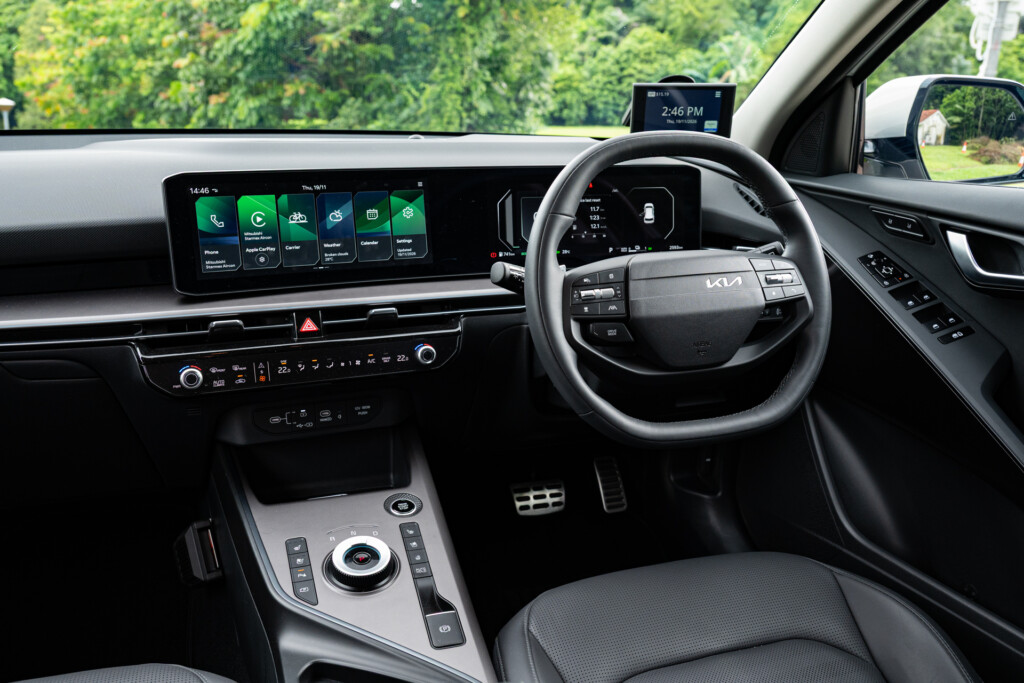
The Earth gets a pair of 12.3-inch Panoramic Curved Displays, along with a 10-inch head-up display, heated and ventilated front seats, wireless phone charging, Digital Key 2.0, driver’s-seat memory, powered front seats and a Surround View Monitor. There is also Kia’s Blind-Spot View Monitor, which displays a camera feed beside the instrument cluster when you indicate.
The important part, however, is what Kia has not done: moving absolutely everything onto the touchscreen.
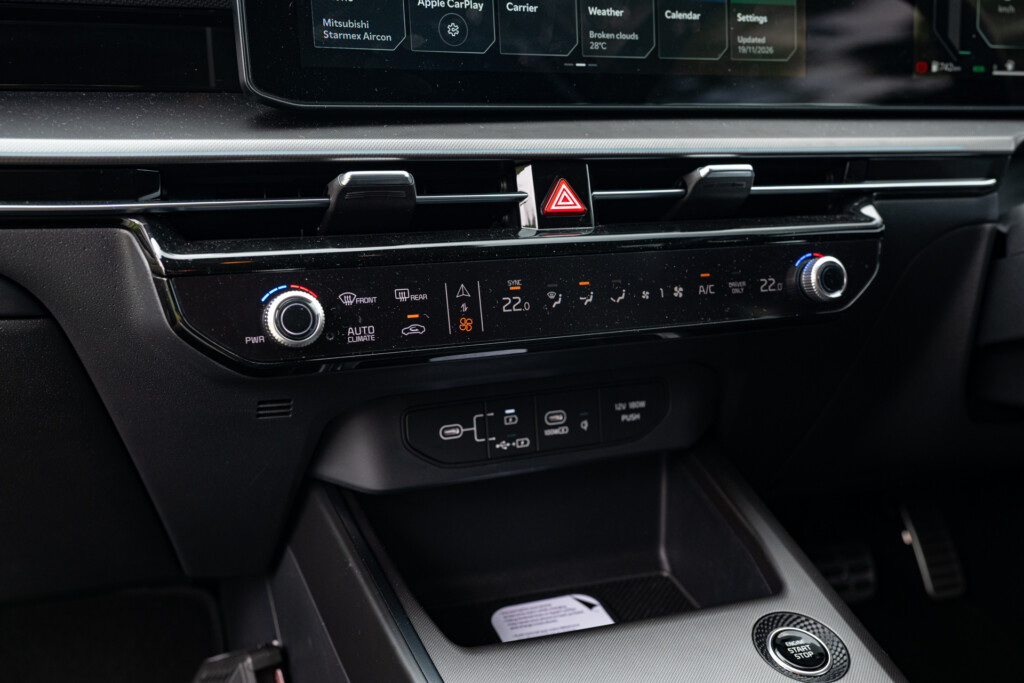
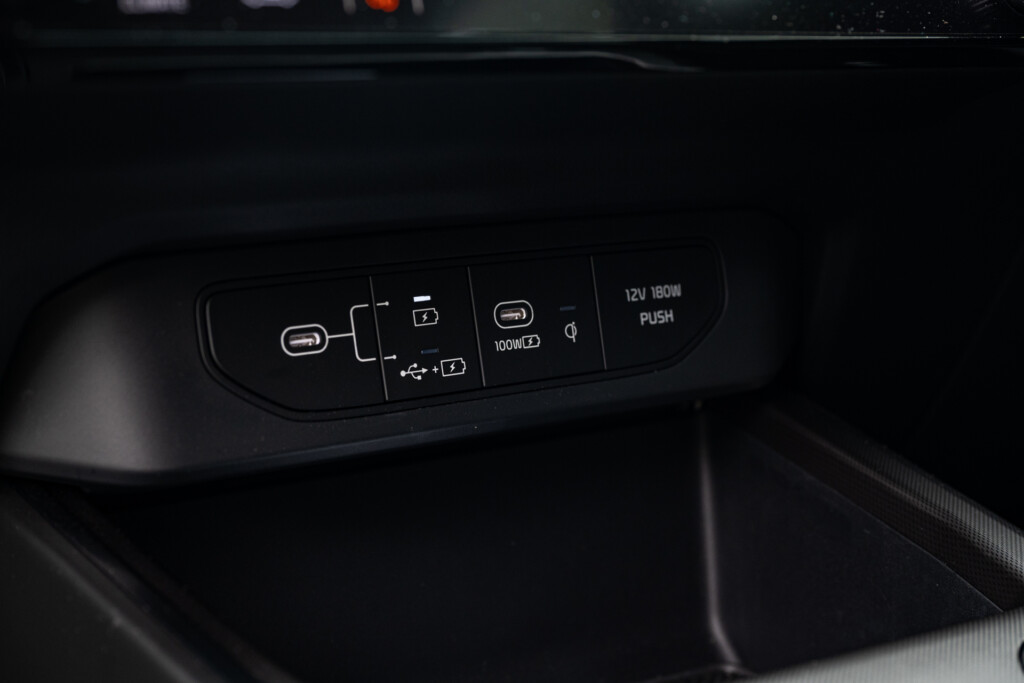
Climate and commonly used functions remain within easy reach through physical controls, allowing the cabin to look appropriately digital without demanding that you become a systems administrator simply to alter the temperature.
There is an increasing number of cars in which adjusting the air-conditioning requires looking away from the road, finding a tiny virtual icon, opening another menu and then sliding your finger across a piece of glass.
The Niro reminds you that technology should reduce inconvenience rather than introduce prettier versions of it. There is a balance here that some much more expensive manufacturers could learn from.
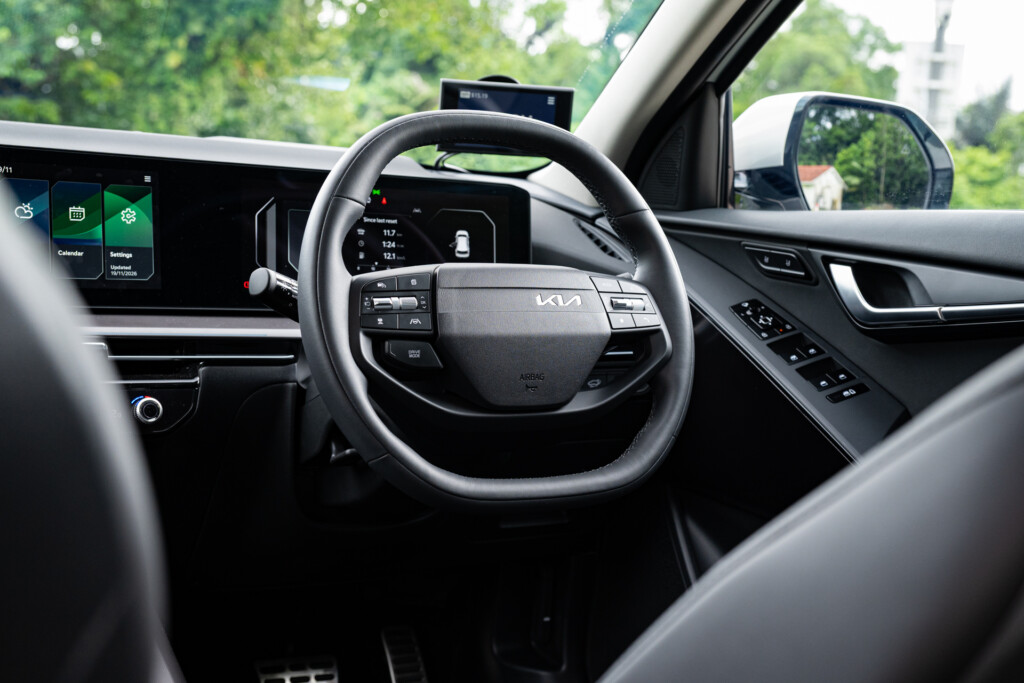
Where Kia has embraced the digital age more enthusiastically is connectivity. The facelift introduces the full Kia Connect suite, allowing owners to access various functions through a smartphone.
You can remotely lock and unlock the car, check its fuel level and location, monitor its status and even start the engine and climate-control system before you get in. Software improvements can also be delivered through over-the-air updates.
The Earth also gets Digital Key 2.0, allowing compatible phones to lock, unlock and start the car without requiring the conventional key.
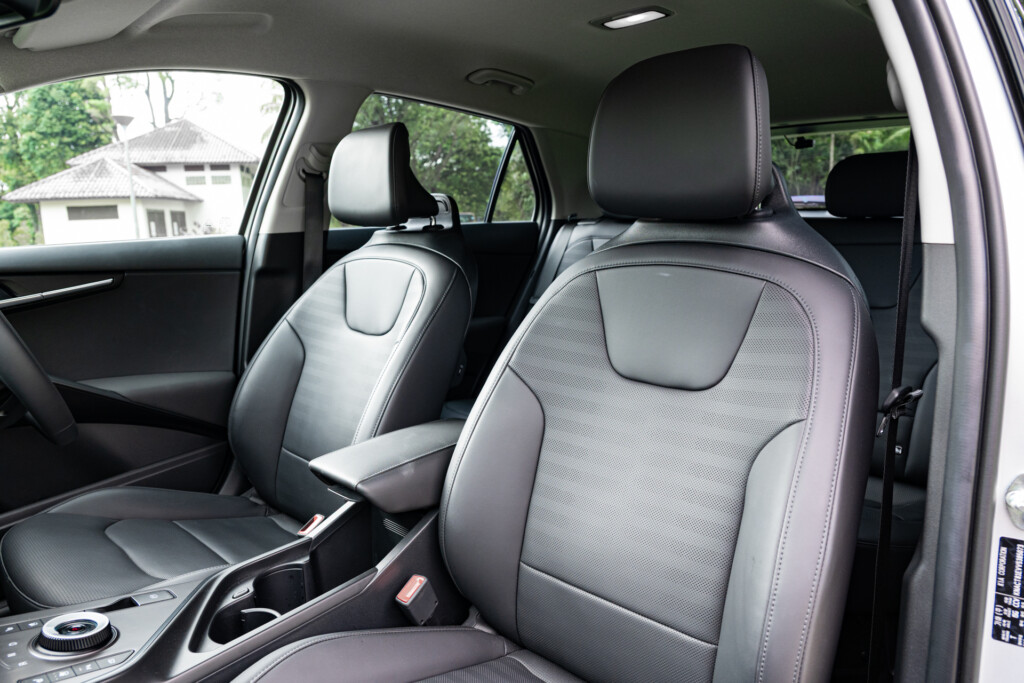
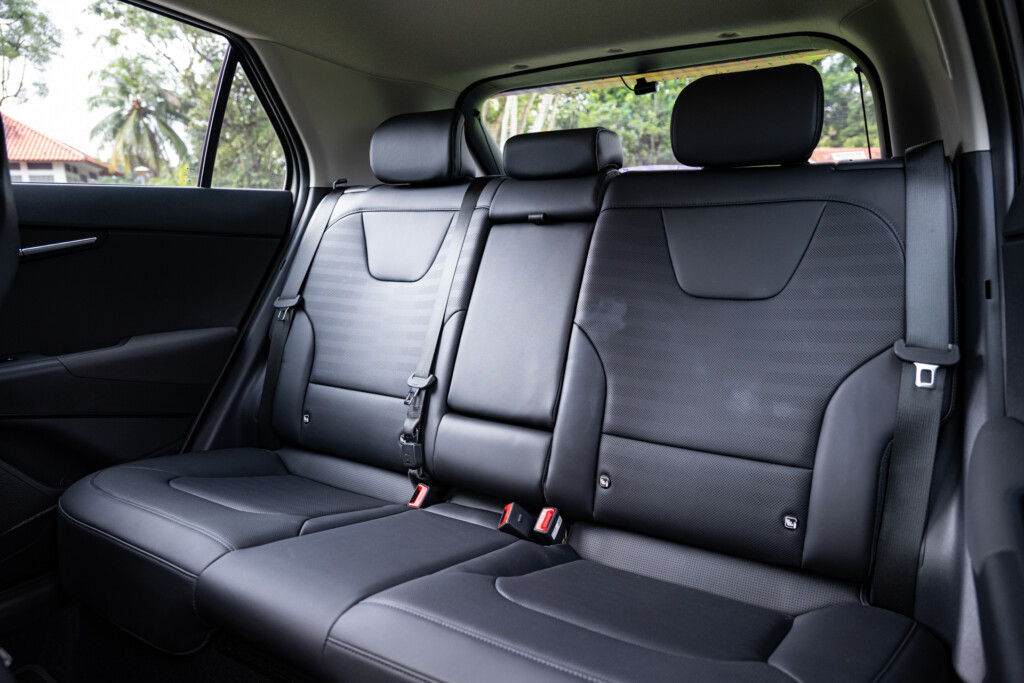
The wheelbase gives the Niro more cabin space than its exterior dimensions initially suggest. Rear passengers get enough knee room for adults to sit comfortably, and the relatively upright roofline means headroom remains sensible too.
The Earth variant makes its strongest argument through equipment you actually use here, where the front seats are both heated and ventilated.
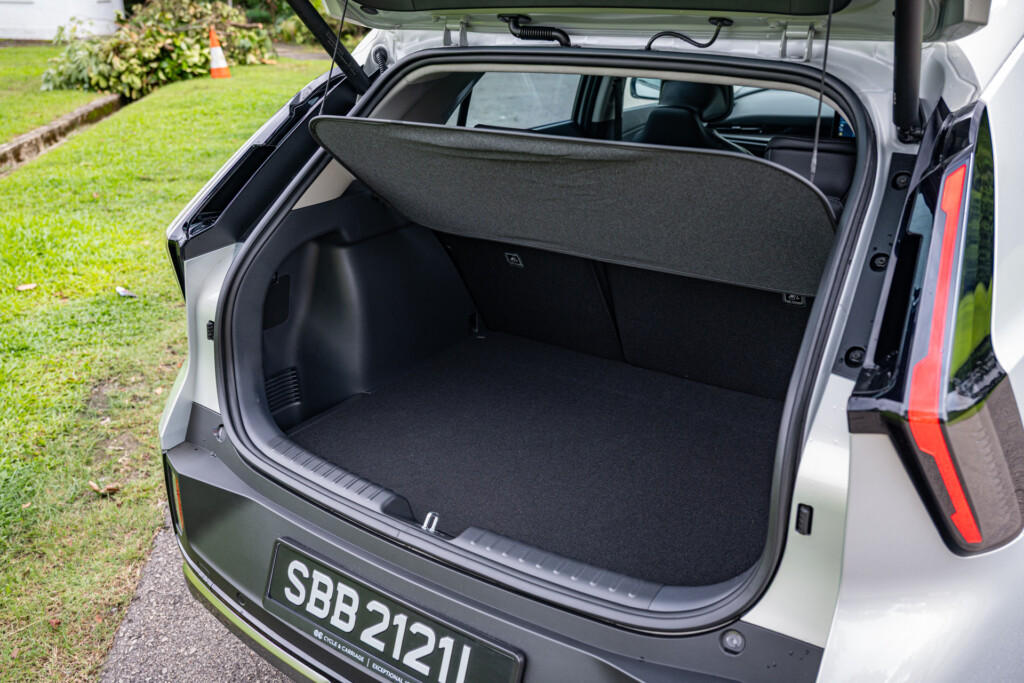
The boot offers 430 litres with the second row in place. That should be enough for the usual collection of groceries, luggage and objects you have no memory of putting in the car but somehow transport everywhere anyway.
The Niro retains its 1.6-litre petrol-electric hybrid system, paired with a six-speed dual-clutch transmission. Combined output stands at 95.4kW (127bhp) and 265Nm of torque. Zero to 100km/h takes 10.7 seconds.
Select Eco mode, press the accelerator normally and it moves away smoothly, with the electric motor lending useful assistance at lower speeds. The petrol engine joins proceedings as required.
There is a Sport mode. Throttle response does becomes sharper, and the drivetrain holds onto gears more aggressively, but that is about it. After satisfying your curiosity, you will probably put it back into Eco mode and leave it there.
The hybrid system works particularly well in stop-start traffic, where the electric motor can handle some low-speed movement and help the petrol engine spend more time resting.
On expressways, the petrol engine settles into the background while the motor assists when additional torque is required.
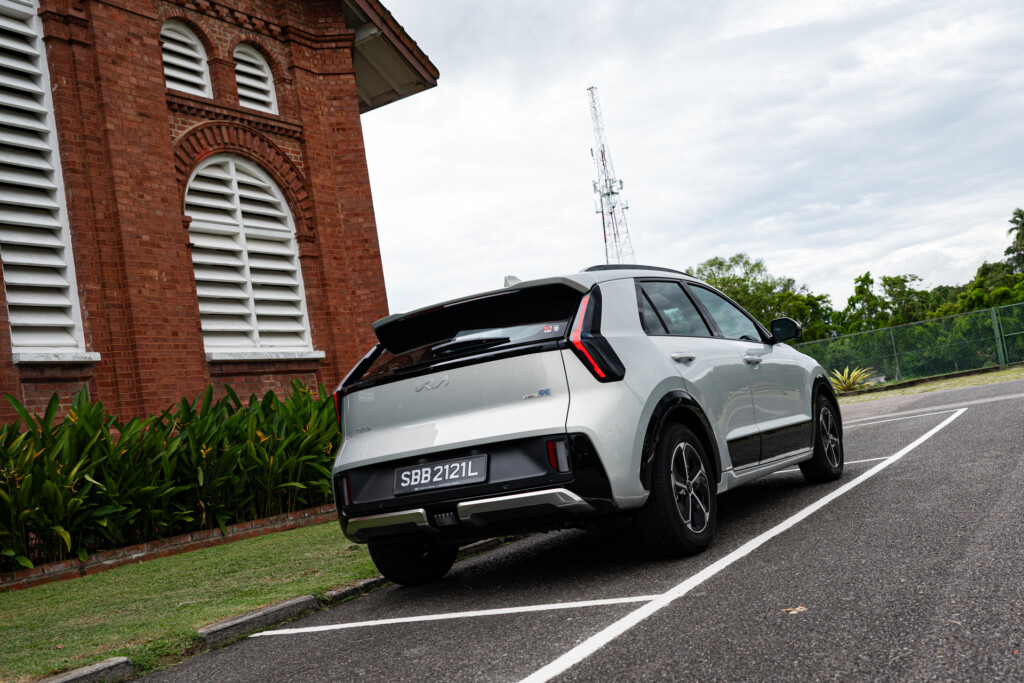
Kia quotes 4.9 litres per 100km, or approximately 20.4km/litre. The 42-litre fuel tank theoretically gives the Niro plenty of distance between visits, and unlike other brands with plug-in hybrids, there is no requirement to charge it externally.
Speaking of, the hybrid battery itself is only around 1.32kWh. Because the battery is small, it adds far less mass than a full EV pack, adding to its efficiency.
The facelift brings refinements to the body structure and suspension tuning, but Kia has wisely resisted transforming the Niro into something needlessly firm in the name of sportiness.
The suspension deals capably with Singapore’s less glamorous road surfaces, although sharper imperfections can still make themselves known. Predictably, push harder through a bend and the Niro responds predictably rather than enthusiastically.
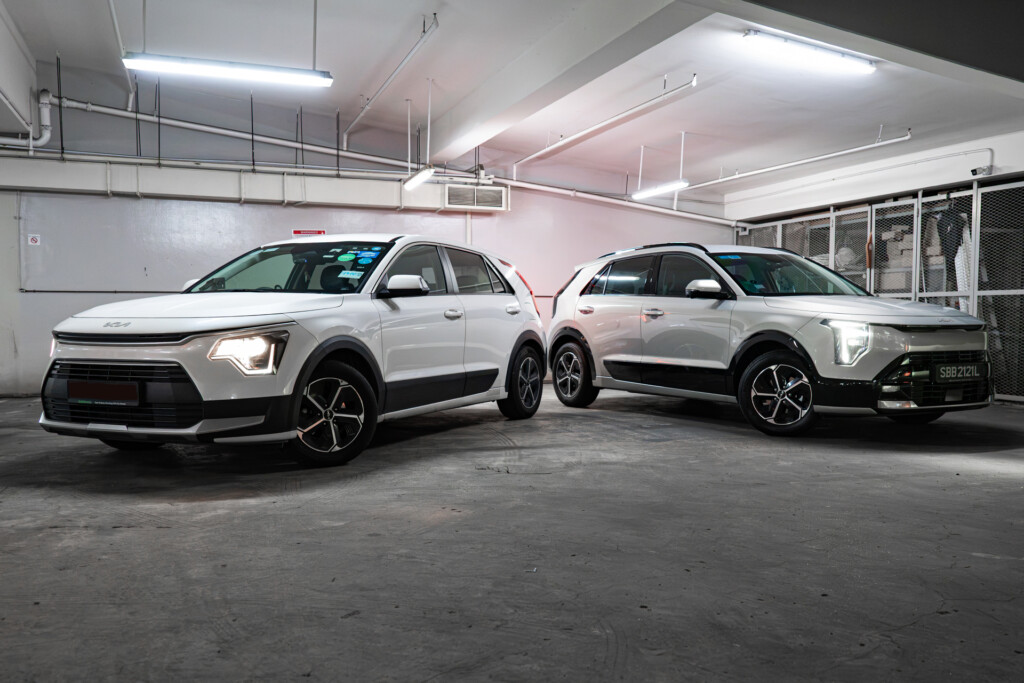
The interesting choice is whether you actually need all of this.
At the time of writing, the Niro Hybrid Air is listed at S$202,999 with COE, while the Earth costs S$220,999. Both use the same 127bhp hybrid drivetrain and return the same official 20.4km/litre fuel economy. That is an S$18,000 difference.
The Air already covers the basics well, getting vegan-leather seats, wireless Apple CarPlay and Android Auto, keyless entry, adaptive cruise control and the same underlying hybrid system. For most folks, they wouldn’t need the extra theatre of the Earth.
Regardless of which variant you pick, there’s no denying that the Niro Hybrid has become smarter but crucially not complicated. Sometimes the best update is knowing what not to change.
Technical Specifications
Kia Niro Hybrid
Powertrain: 1.6-Litre Petrol-Electric Hybrid, Front-Wheel Drive
Power: 95.4 kW (127 bhp) Combined
Torque: 265 Nm Combined
Gearbox: 6-Speed Dual-Clutch Automatic
Acceleration: 10.7 Seconds (0-100km/h)
Top Speed: 175 km/h
Hybrid Battery Capacity: 1.32 kWh
Fuel Consumption: 20.4 km/L (4.9 L/100km)
Fuel Tank Capacity: 42 Litres
Price: S$220,999 with COE (accurate at the time of this article)
Read more automotive news at AutoApp, or check out our latest videos on YouTube and on TikTok!