Bentley’s fourth model line is a low-slung electric SUV with supercar acceleration, ultra-rapid charging and enough handcrafted wool, walnut and aluminium to remind you that Crewe has not suddenly become a Silicon Valley start-up.
Meet the Bentley Torcal, the British marque’s first fully electric production car and its fourth model line. Designed, engineered and built in Crewe, the new low-slung SUV will sit alongside Bentley’s existing combustion-engined and hybrid models, rather than immediately replacing them.
It arrives with up to 888PS and 1,350Nm, a claimed WLTP range of up to 600km and the ability to charge at as much as 400kW.
“The Torcal is a Bentley first and foremost, created by hand by people who care, using the best available materials and technology to blend heritage with cutting-edge innovation. I believe this is one of the best Bentleys ever.”
Bentley Chairman and CEO Dr Frank-Steffen Walliser.
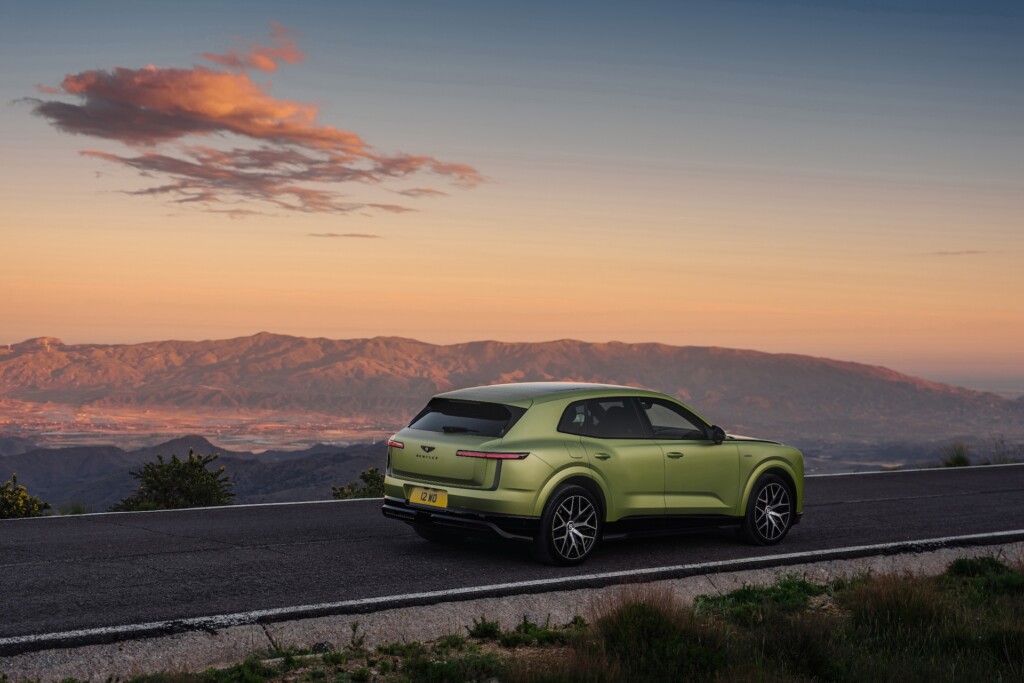
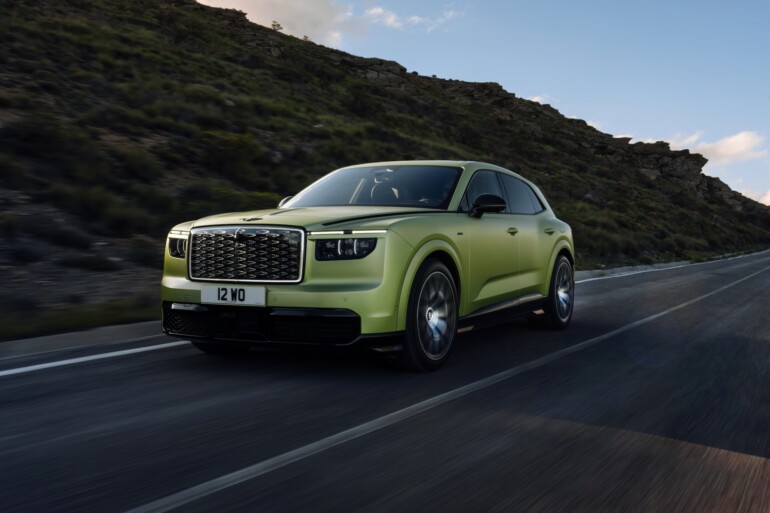
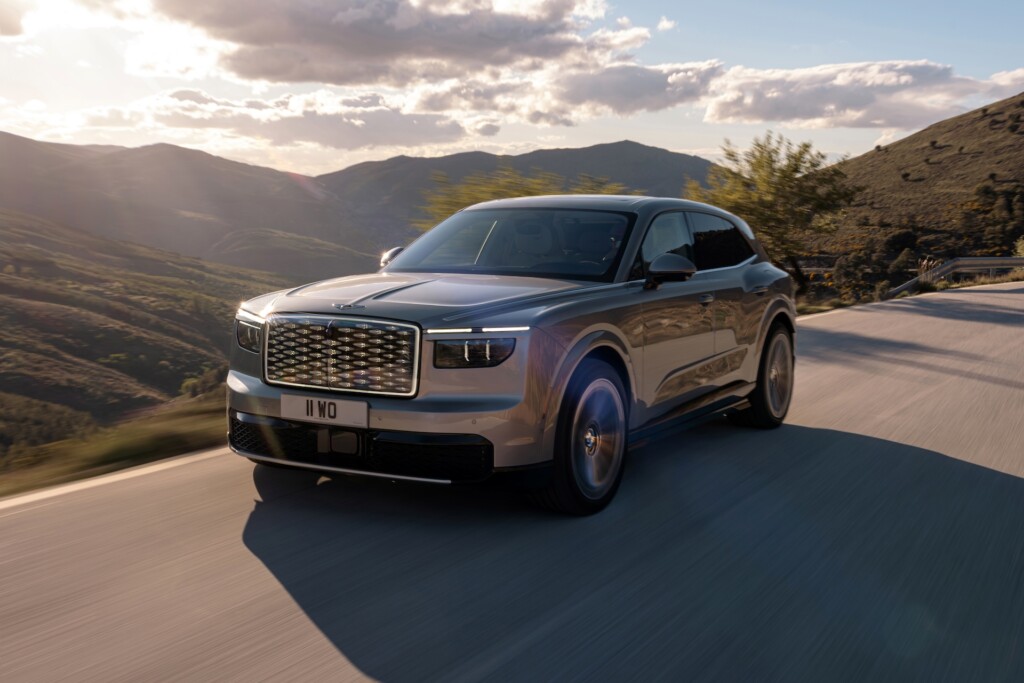
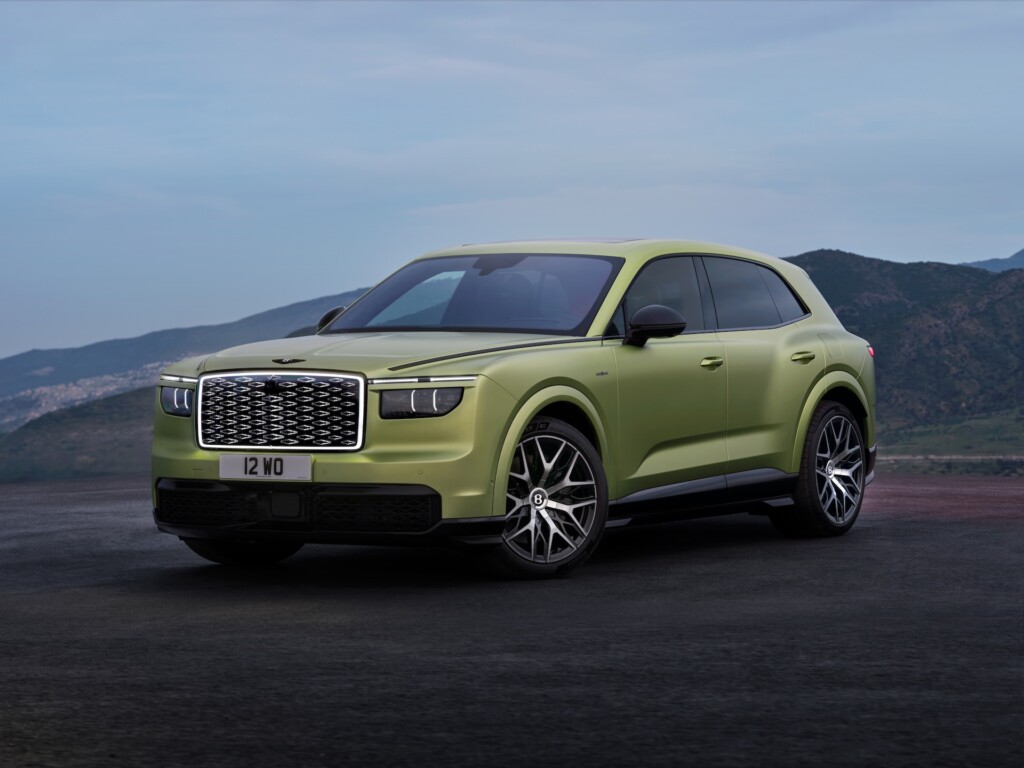
The Torcal introduces a new design language for Bentley, overseen by design director Robin Page. Its proportions are immediately different from the taller Bentayga. The Torcal sits lower and sleeker, with a long wheelbase, short overhangs and what Bentley calls an “endless bonnet”.
There is, of course, no large combustion engine beneath it. But visual theatre does not suddenly become redundant merely because the pistons have gone missing.
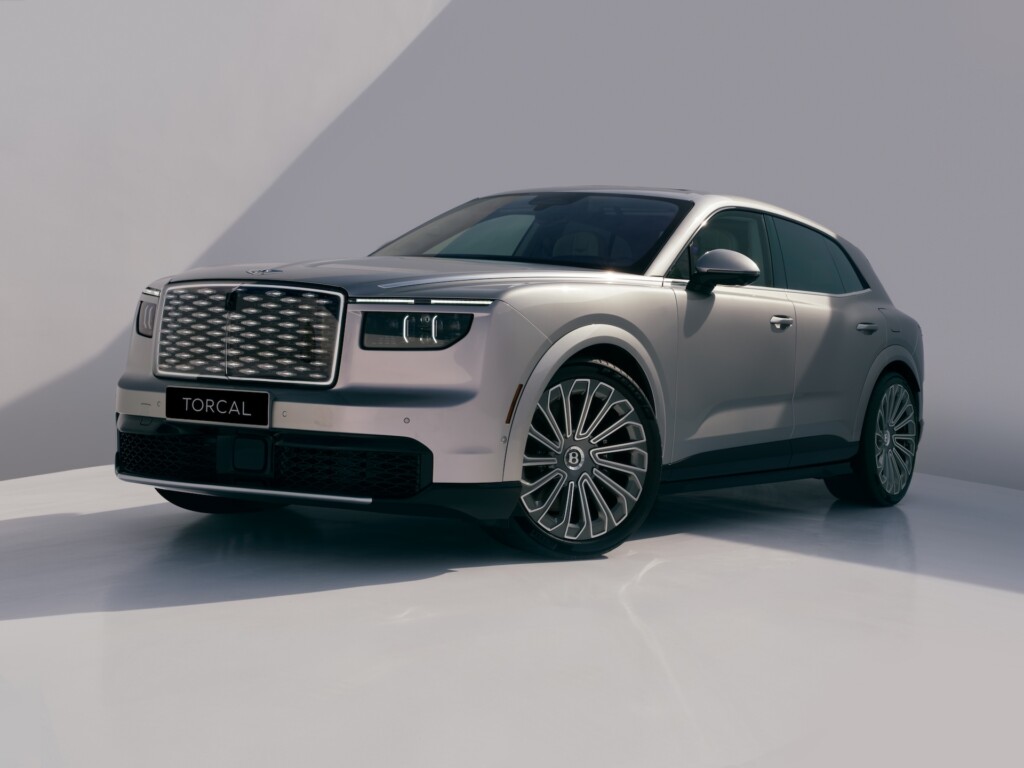
The Torcal’s face consequently reinterprets cues from older Bentleys such as the Continental T, with advanced lighting and an illuminated diamond grille providing its new identity.
Along its flanks, Bentley has deliberately reduced the number of unnecessary lines, allowing the surfaces themselves to provide definition. The cabin narrows towards the back while the body swells over the rear wheels, producing muscular rear haunches that its designers rather evocatively call the “resting beast”.
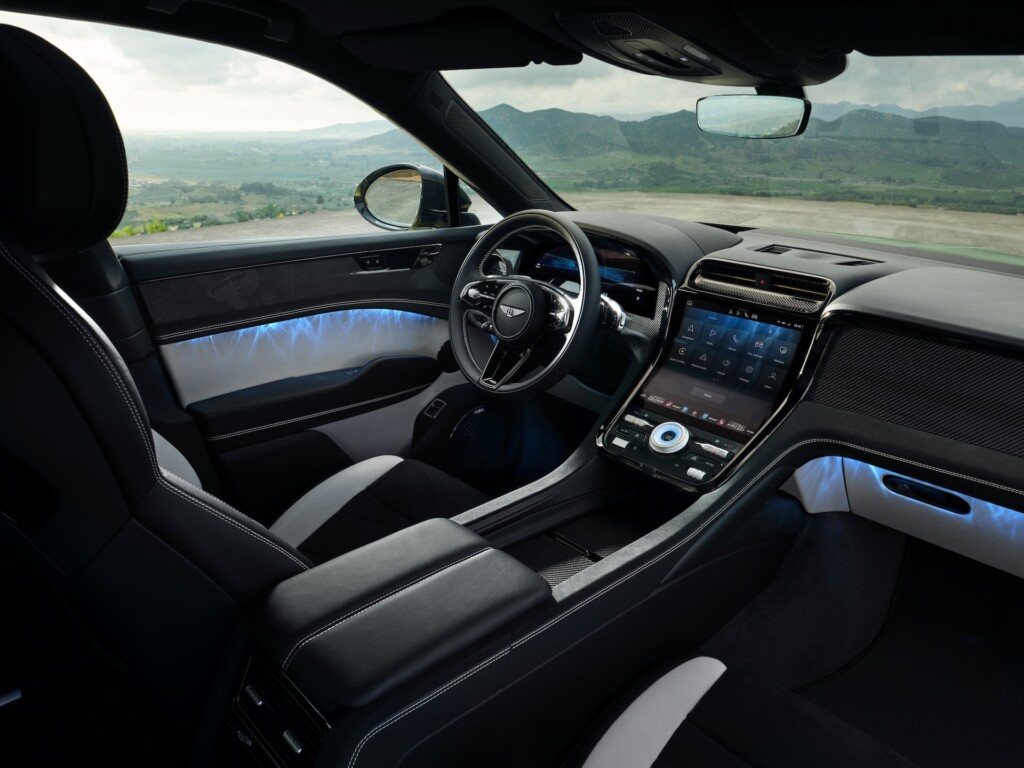
The dashboard retains the wing-inspired symmetry familiar from other Bentleys, but combines it with cleaner surfaces and a greater emphasis on natural materials such as leather, wool, veneer and aluminium.
Physical switches remain on the centre console and steering wheel, complete with knurled finishes, while the familiar bullseye air vents have been reinterpreted for the new cabin.
There are screens, naturally. Curved OLED displays feature throughout the cabin, accompanied by an augmented-reality head-up display, facial recognition that automatically loads individual driver settings and the ability to use a smartphone as the vehicle key.
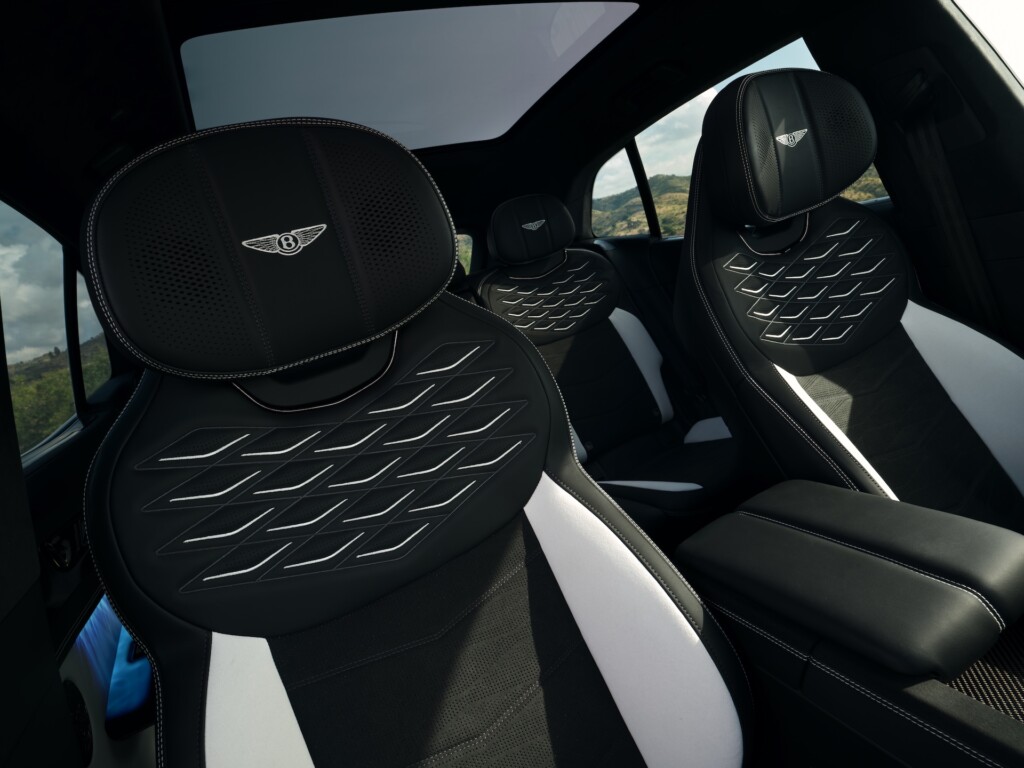
Standard front seats offer 16-way adjustment, heating, ventilation, adjustable bolsters and massage functionality.
Optional Postural Adjust technology subtly alters pressure distribution over long journeys, while Smart Seat Climate automatically adjusts heating and ventilation to maintain the occupant’s preferred temperature.
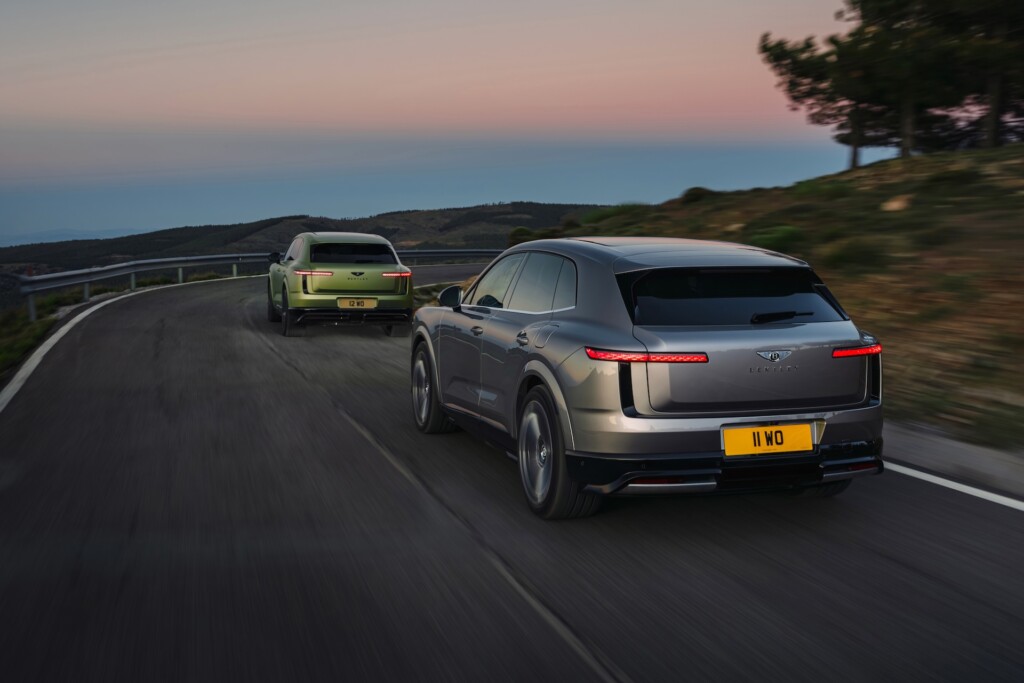
The Torcal uses two permanent-magnet synchronous electric motors, one at each axle, fed by a 113kWh net-capacity, 800-volt battery. The battery comprises 192 lithium-ion pouch cells and comes with a 10-year, 100,000-mile warranty.
Two versions will be offered initially. The regular Torcal develops 821PS and 1,194Nm, enough to propel it from 0-100km/h in 3.4 seconds before reaching 250km/h. The sportier Torcal S raises output to 888PS and 1,350Nm with Launch Control engaged. It dispatches 0-100km/h in just 2.9 seconds and tops out at 260km/h.
Interestingly, Bentley says it could have pursued even more aggressive acceleration but deliberately chose not to, after its engineers concluded that performance beyond this level becomes uncomfortable for many customers. When 2.9 seconds to 100km/h represents restraint, we have clearly arrived at an interesting point in automotive history.
For the first time on a Bentley, there is fully active suspension, working with adaptive two-valve dampers. Each damper can independently raise or lower itself almost instantaneously in response to road and driver inputs.
The system eliminates the need for conventional anti-roll bars, instead generating continuously variable anti-roll torque through the active dampers. Rear-wheel steering is standard too, with up to five degrees of steering angle at the rear helping reduce the turning circle to 11.1 metres.
Bentley says the objective is a car capable of delivering the comfort of a Flying Spur and the dynamic ability of a Continental GT Speed, while retaining off-road composure.
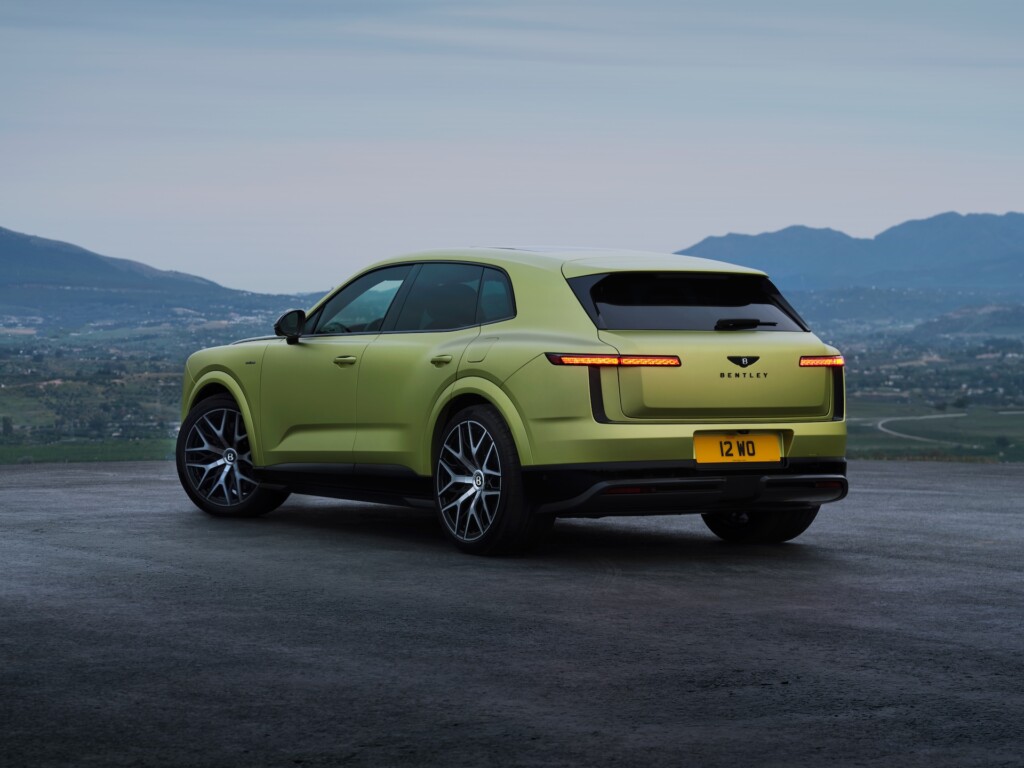
The Torcal measures five metres long, yet it is actually Bentley’s shortest four-door model. There is a 460-litre rear boot, supplemented by another 90 litres beneath the bonnet.
Bentley quotes up to 600km of WLTP range, while the 800V electrical architecture supports DC charging at up to 400kW. At maximum charging speed, Bentley says roughly 161km of range can be added in seven minutes.
Bentleys have traditionally been accompanied by an engine note, from the early 3 Litre to the old 6¾-litre V8. An electric motor, effective though it may be, is not especially interested in providing a baritone soundtrack.
Rather than simply synthesising the sound of a combustion engine, musicians recorded drums, viola and bass guitar, using the rhythm of Bentley’s 6¾-litre V8 as inspiration. The result is called the Bentley Dynamic Symphony.
The soundtrack changes according to speed and accelerator demand, becoming more prominent in Sport mode. Drivers who prefer their EVs silent can switch it off entirely.
Bentley has even recorded its indicator sound by striking leather with a hammer inside its upholstery workshop. Touchscreen and digital-assistant sounds, meanwhile, originated from a crystal glass.
The Torcal is also being used to introduce a broader palette of materials. Bentley has worked with British textile specialist Fox Brothers to develop what it describes as the world’s first 100 per cent Merino wool automotive fabric, certified to the Responsible Wool Standard.
Mulliner has also created Ombré Walnut, made from up to 1,000 individually selected layers of sustainably sourced walnut offcuts and recycled craft paper. These are compressed and sliced to less than a millimetre thick, producing a finish that transitions through different walnut shades.
Another new option, Sunburst Aluminium, references the engine-turned metal dashboards of historic Bentleys with a three-way brushed pattern. There are 15 leather colours, 15 matching Dinamica shades, five colours of Merino wool and numerous veneer and technical finishes.
If nothing among that lot matches the living room, one suspects Mulliner will be happy to have a conversation.
“The Torcal represents something new, and I think unique. It has been engineered with great care to ensure it remains a Bentley to its core, enhanced rather than dominated by technology.”
Martin Page, Torcal Product Line Director
Read more automotive news at AutoApp, or check out our latest videos on YouTube and on TikTok!