Every few months I get into a new electric car and spend the first five minutes trying to figure out where the air-conditioning controls have gone.
That probably says something about where the EV market is heading.
The modern electric car has become impressive. They are quiet, quick, efficient and increasingly loaded with technology. You can have enormous screens, animated graphics, voice assistants, apps, cameras pointing everywhere and enough computing power to run a small country.
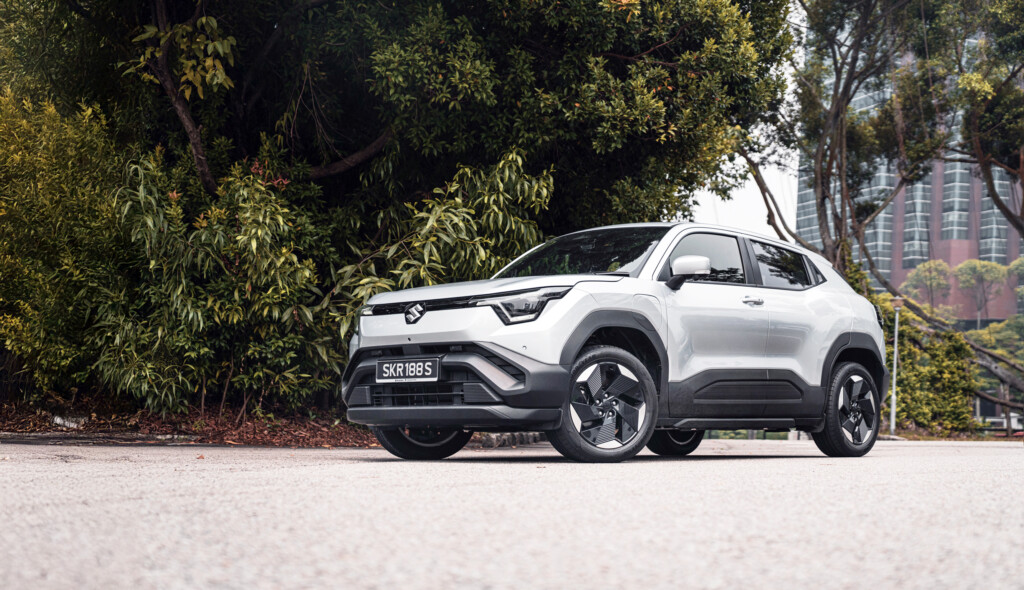
Somewhere along the way, though, quite a few of them have started feeling remarkably similar.
Which is why the Suzuki e VITARA came as a rather pleasant surprise.
Because after spending some time with Suzuki’s first production EV, the thing I remember most isn’t its battery capacity or how quickly it accelerates.
I remember the car.
And that might actually be the e VITARA’s strongest selling point.
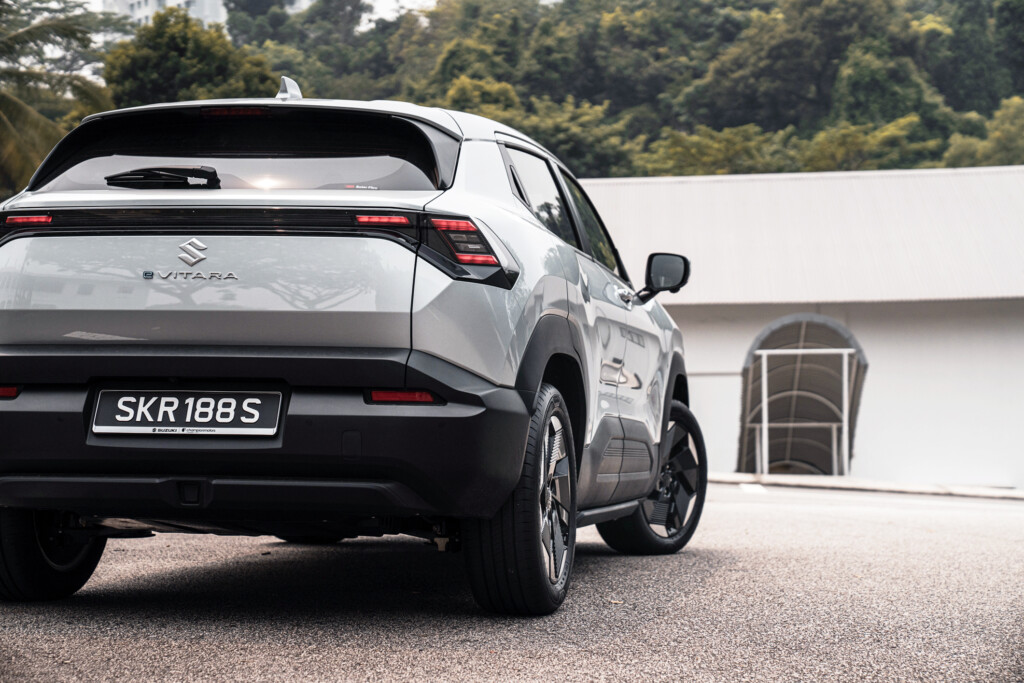
It looks like someone actually designed it
You notice the difference before you even get inside.
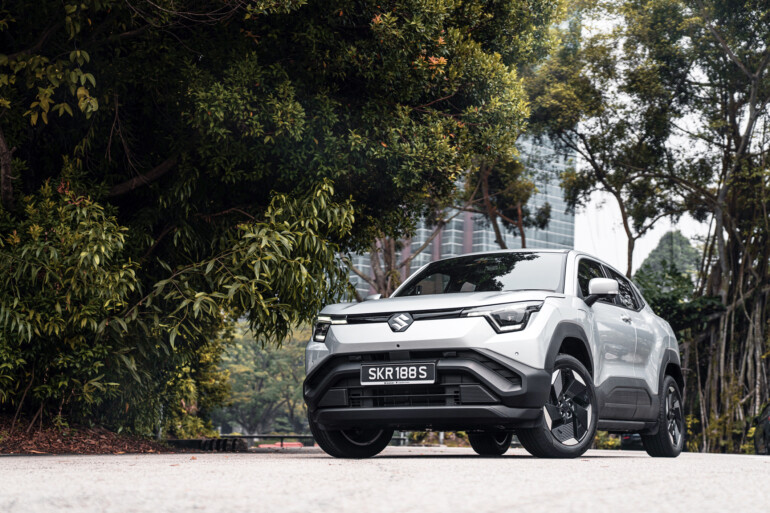
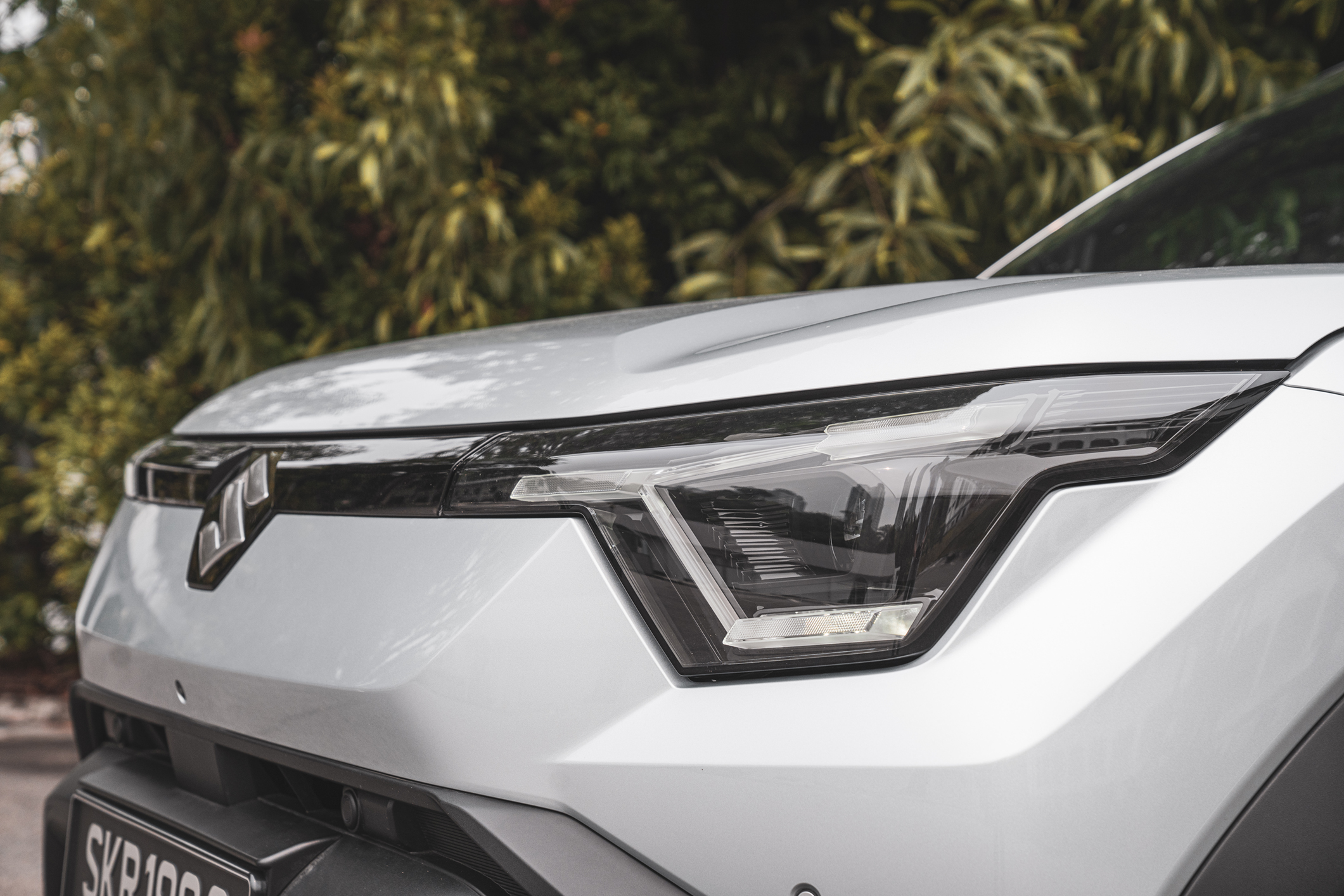
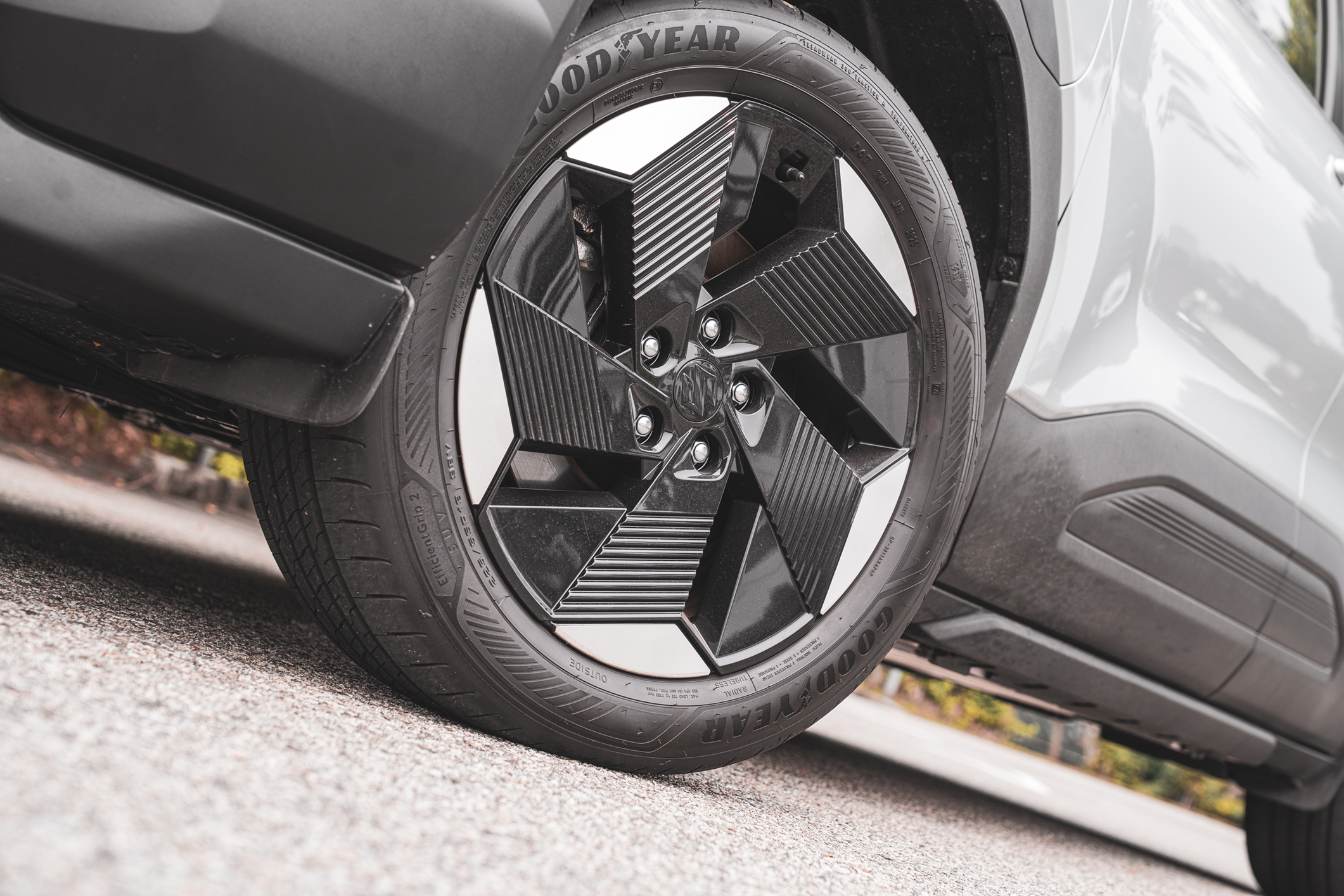
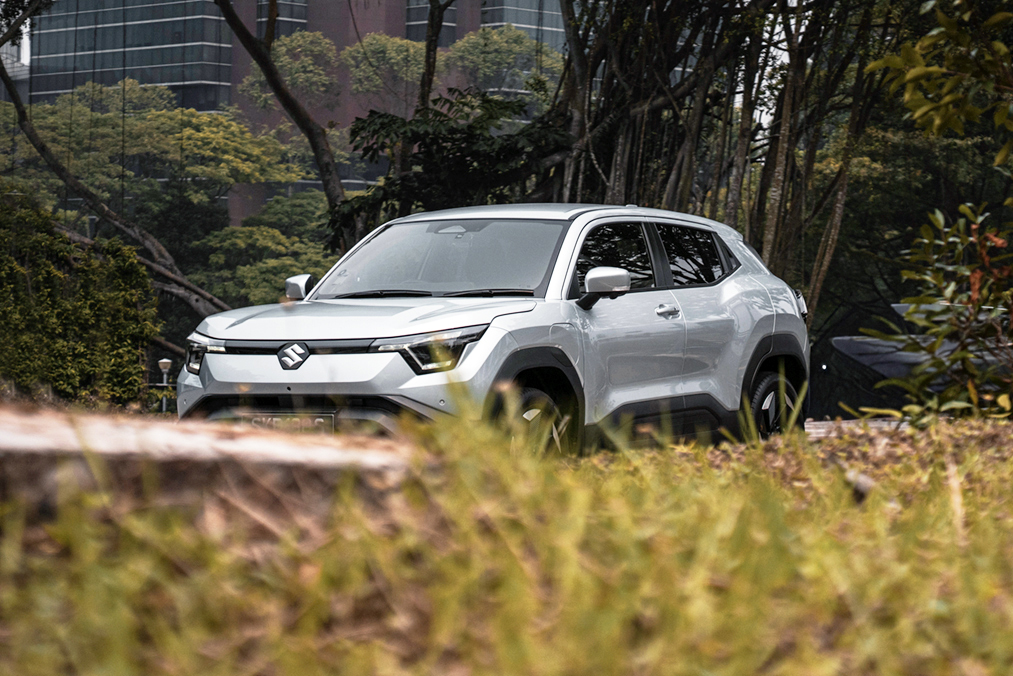
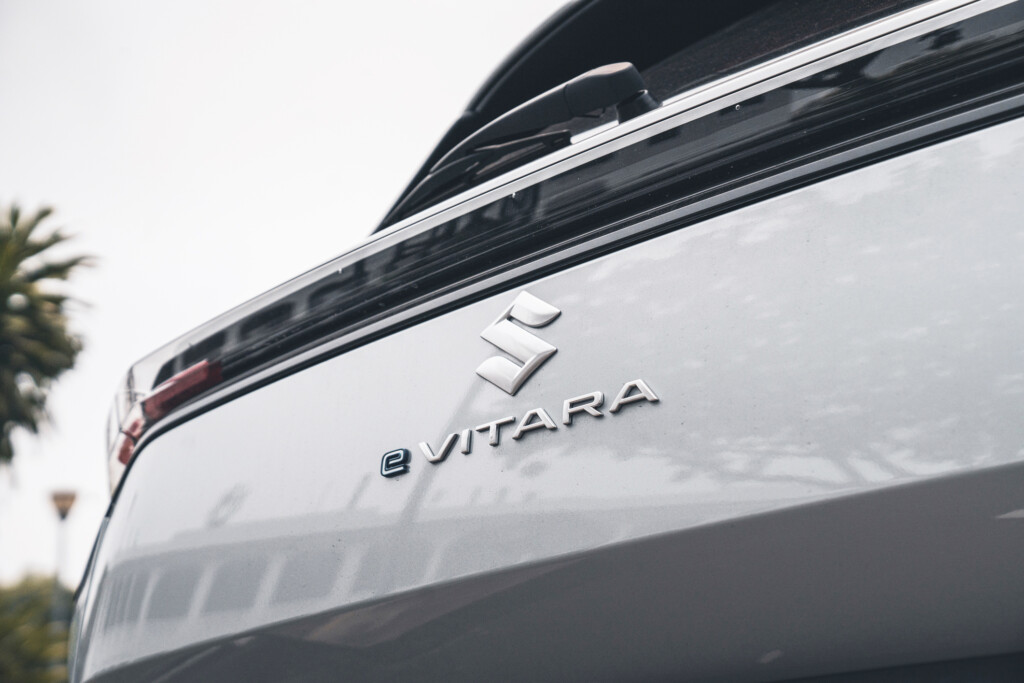
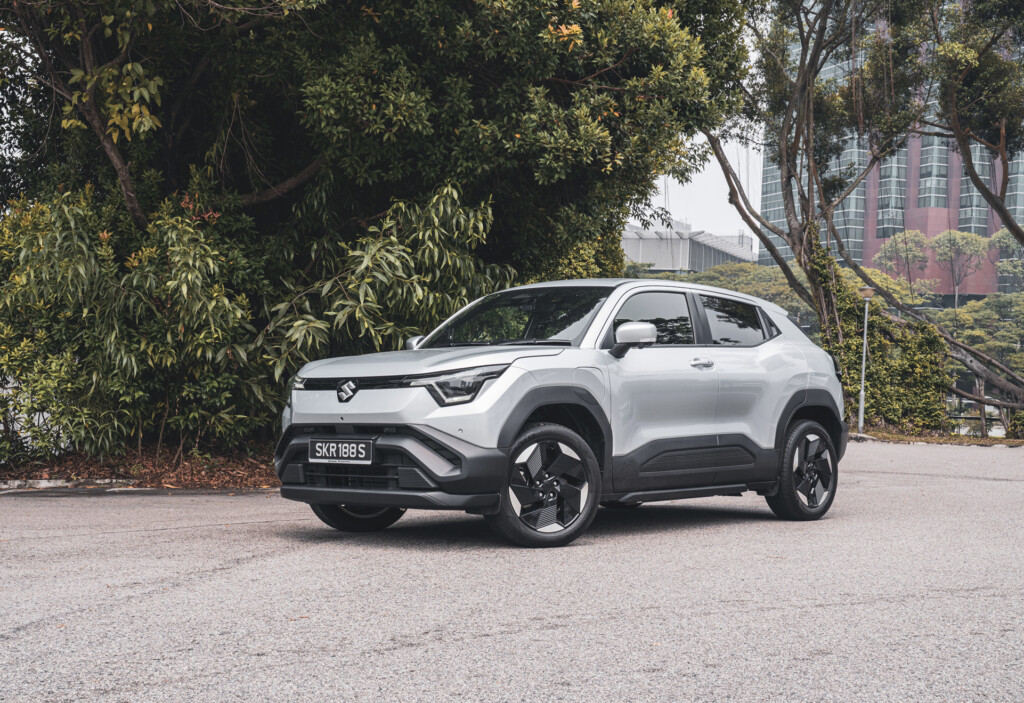
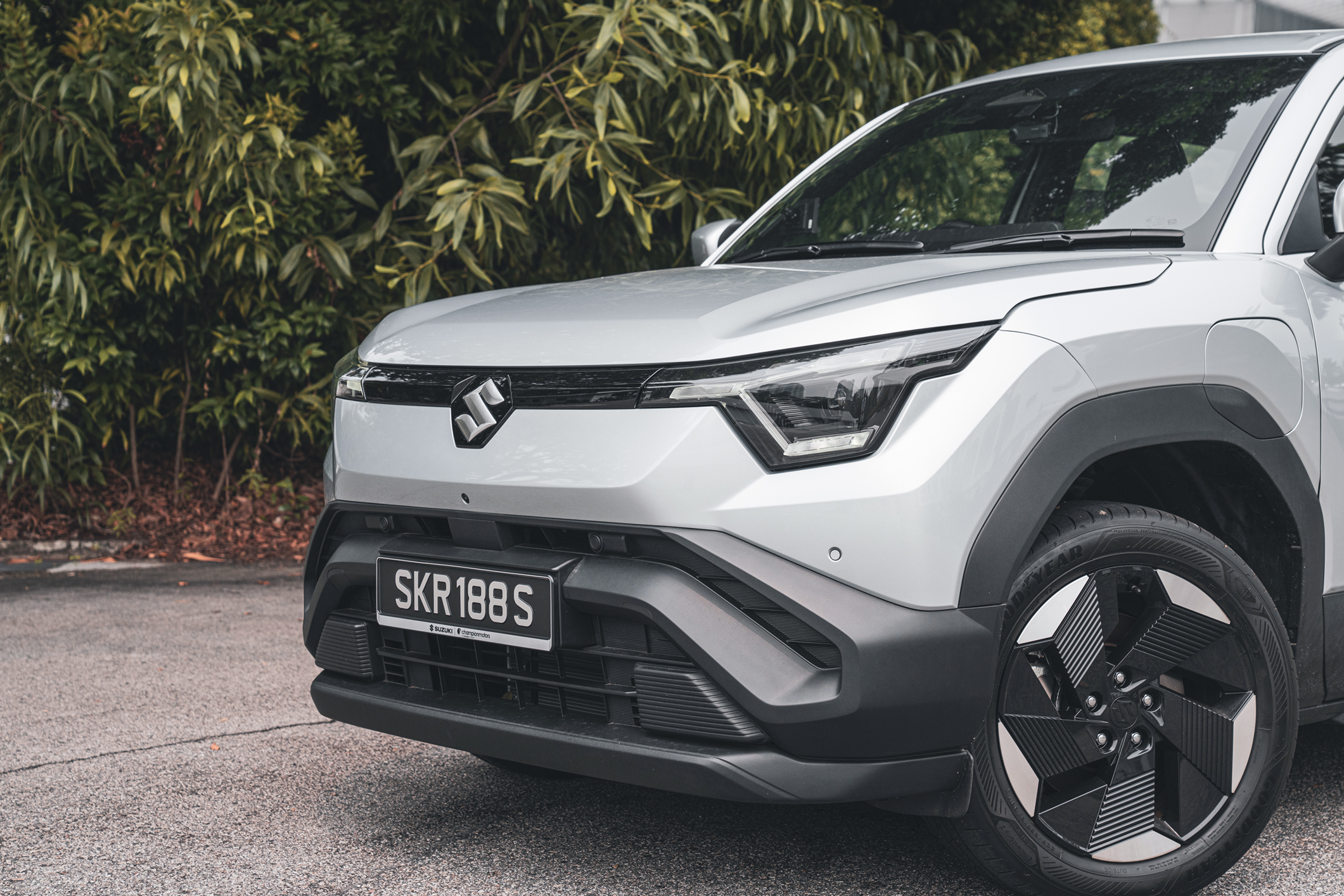
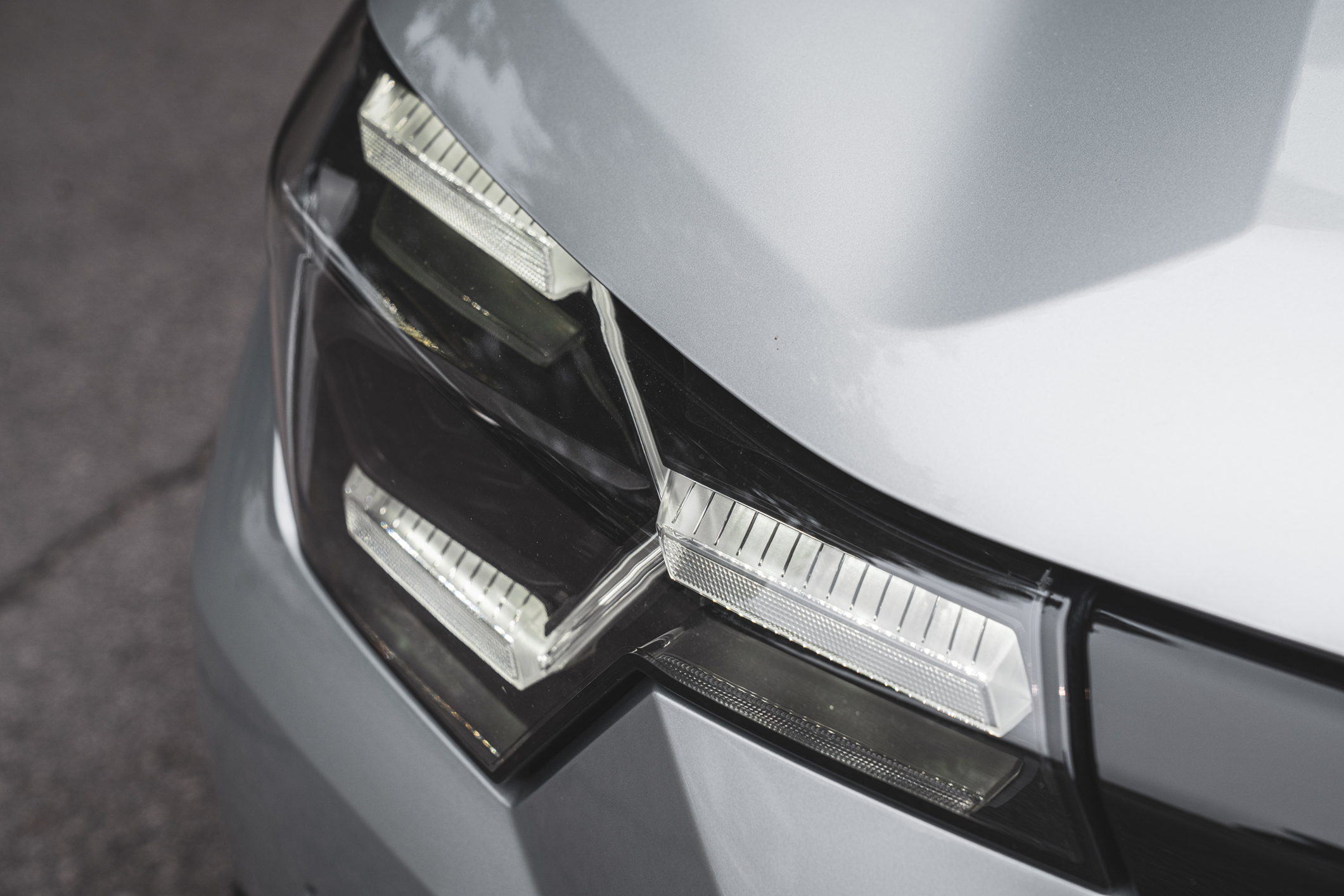
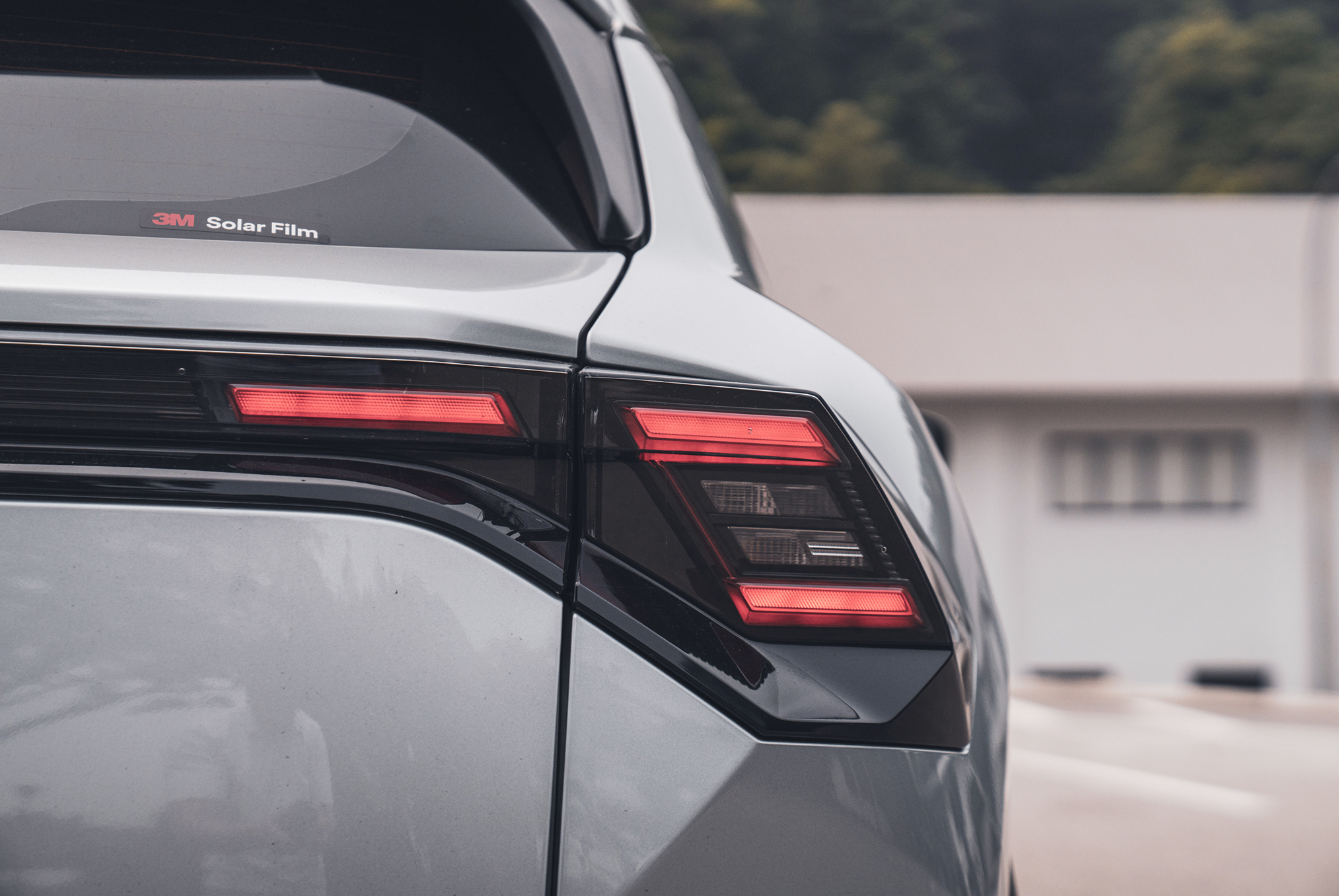
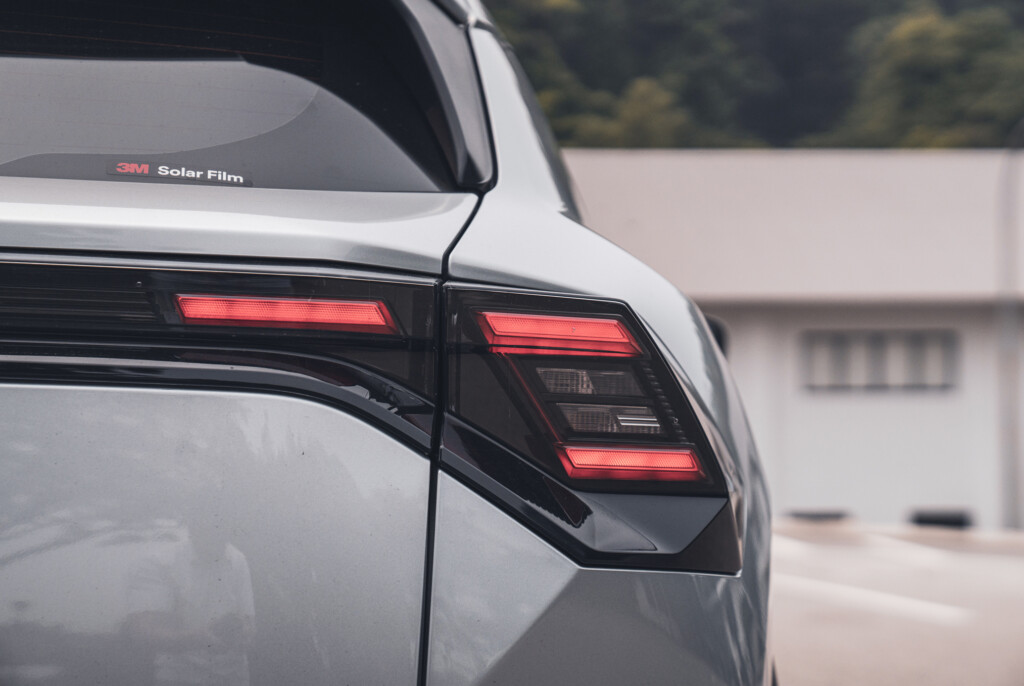
There’s something slightly funky about the e VITARA. Its chunky wheelarches, upright proportions, unusual lighting signature and squared-off detailing give it a character that is recognisably Suzuki.
It doesn’t look like somebody started with a wind-tunnel-approved electric crossover shape and added a different badge afterwards.
There is personality here.
That matters more than it sounds, because EV design is beginning to converge. Smooth noses, flush surfaces, slim lights, coupé-like rooflines and enormous wheels have become familiar ingredients.
The e VITARA takes a slightly different route. It looks compact, sturdy and almost playful.
And perhaps unsurprisingly, it carries hints of the Jimny philosophy. The e VITARA isn’t trying to be a miniature luxury car or a spaceship. It looks like something intended to be used.
I like that.
The same thinking continues inside.
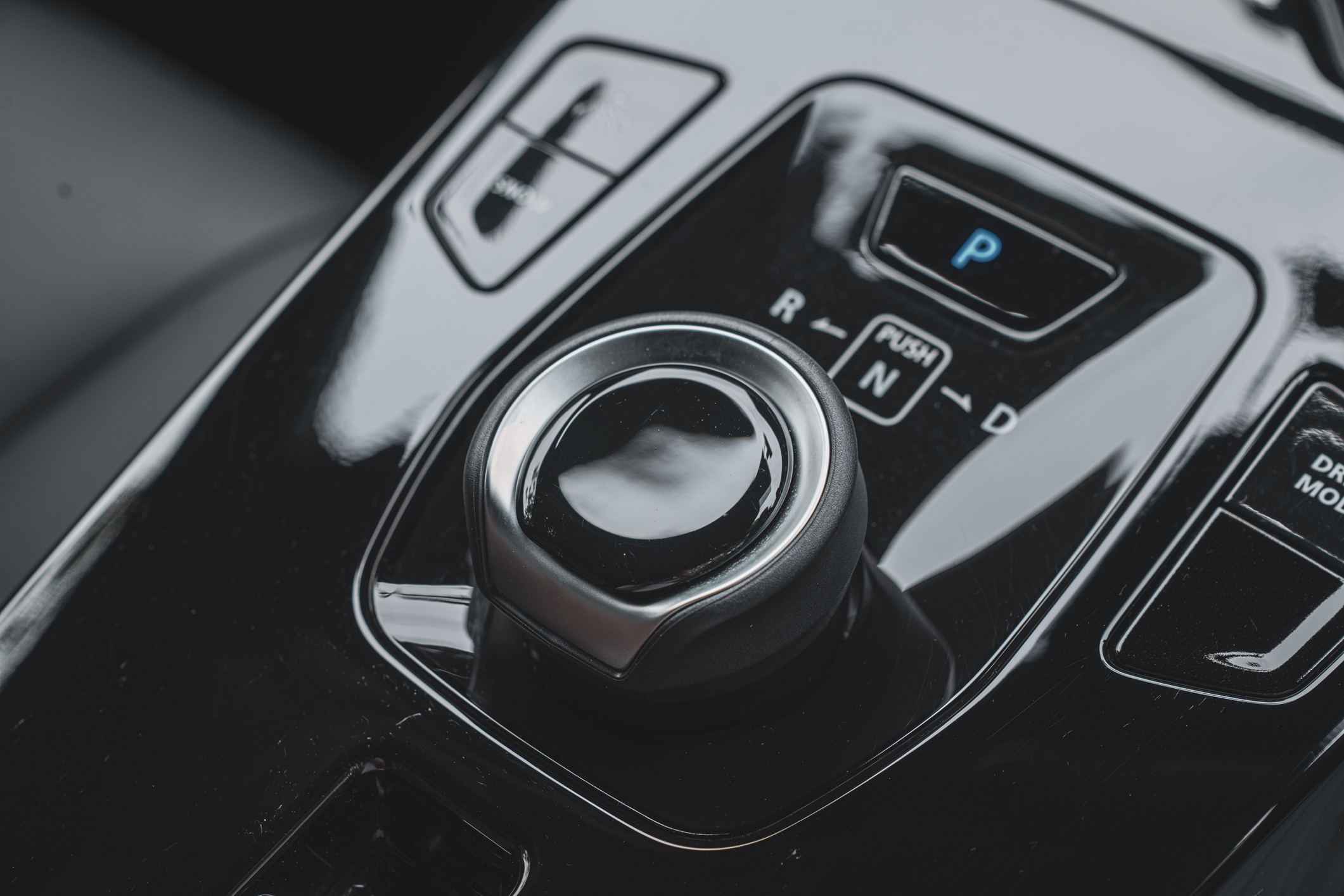
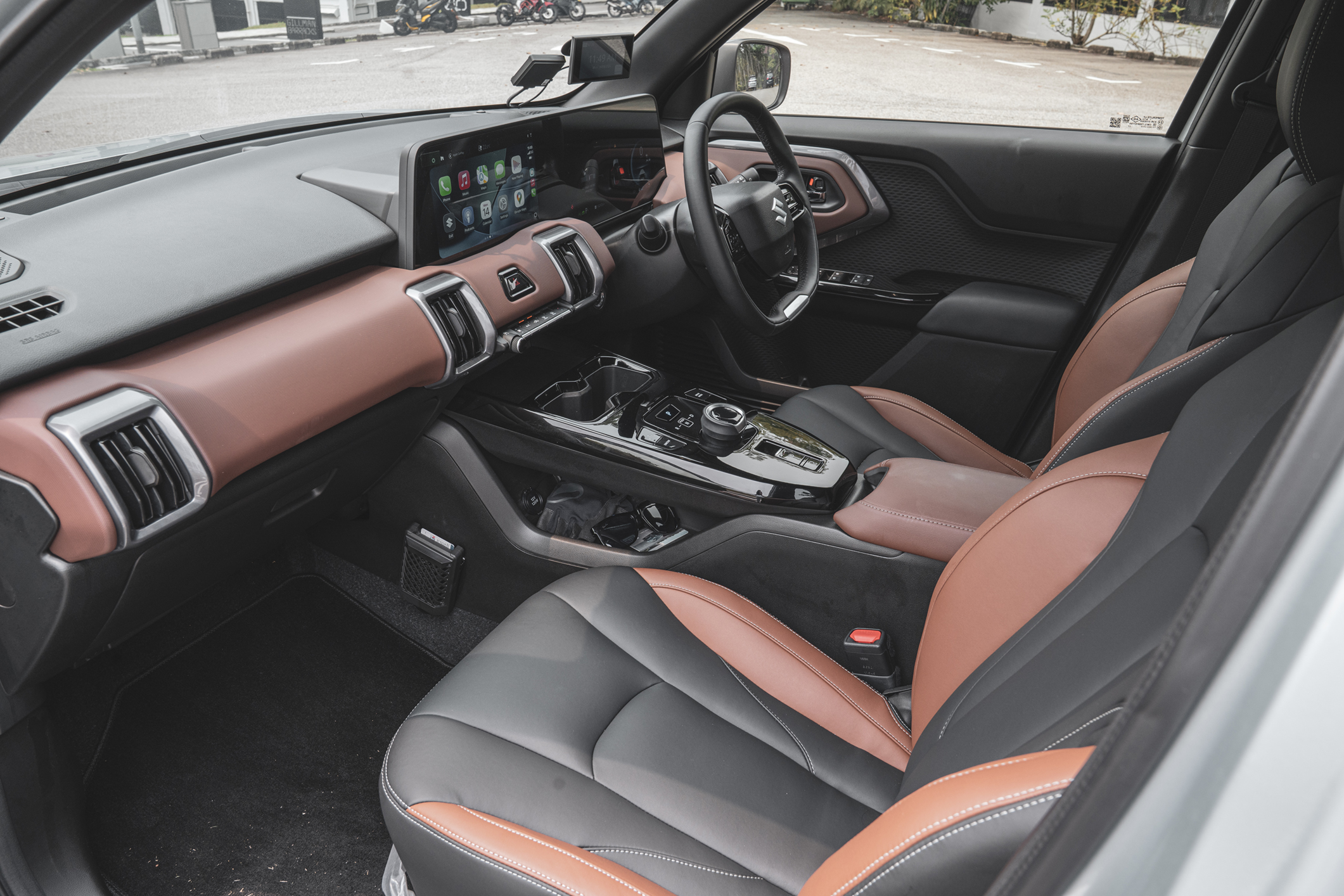
Screens where you need them, buttons where you want them
There are screens, of course.
The Singapore e VITARA gets an integrated digital display arrangement, wireless Apple CarPlay and Android Auto, along with the increasingly expected suite of cameras and driver-assistance systems.
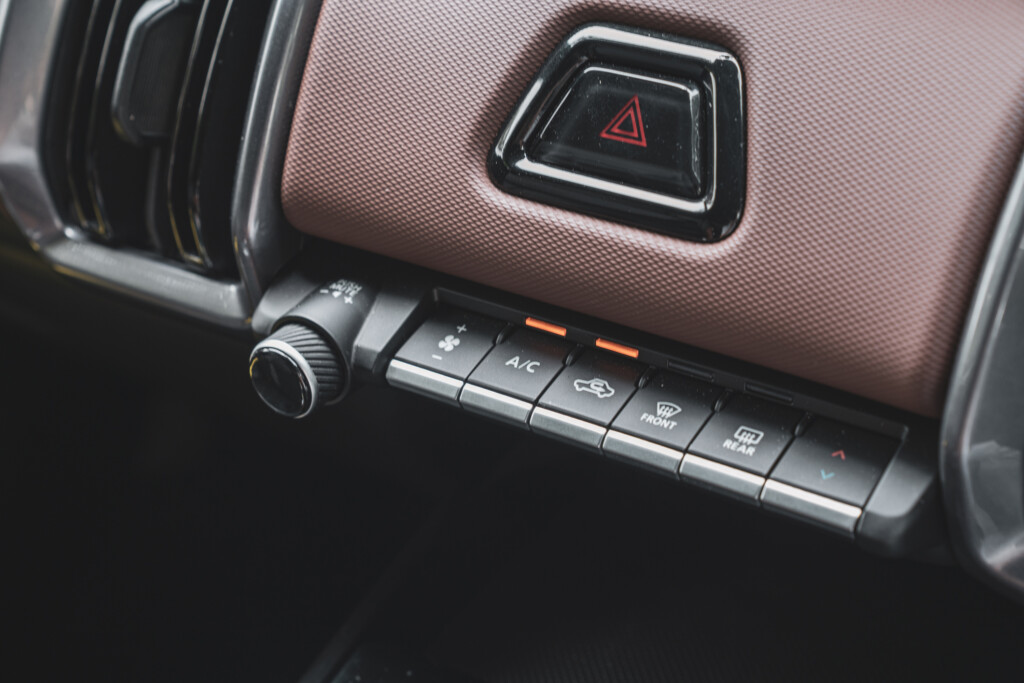
Yet sitting behind the wheel, you quickly notice that Suzuki hasn’t handed every function over to a touchscreen.
There are proper switches and buttons.
Want to adjust the air-conditioning temperature? There’s a control for that.
Volume? Easy.
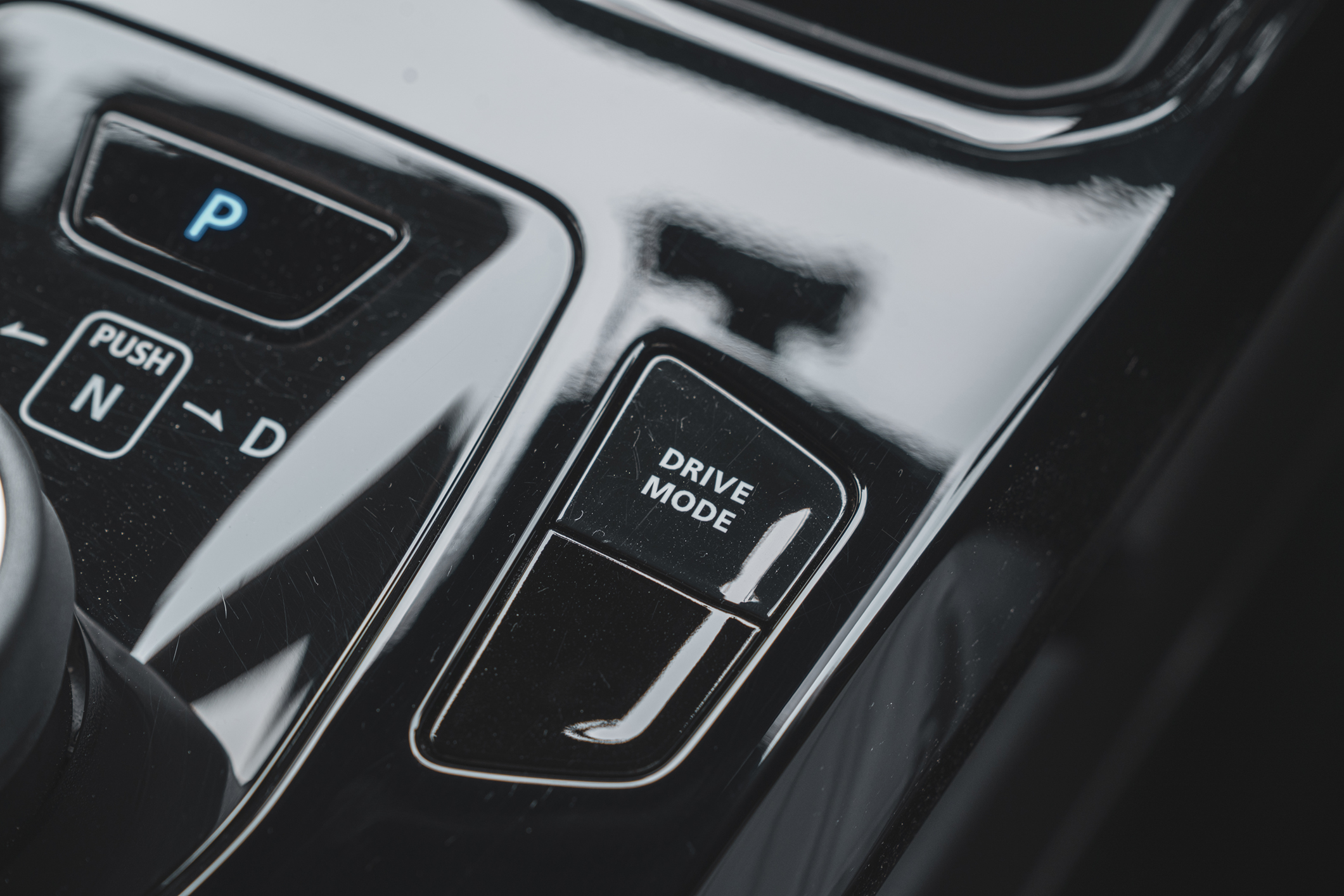
Driving functions? Accessible.
Even the one-pedal driving mode has its own button.
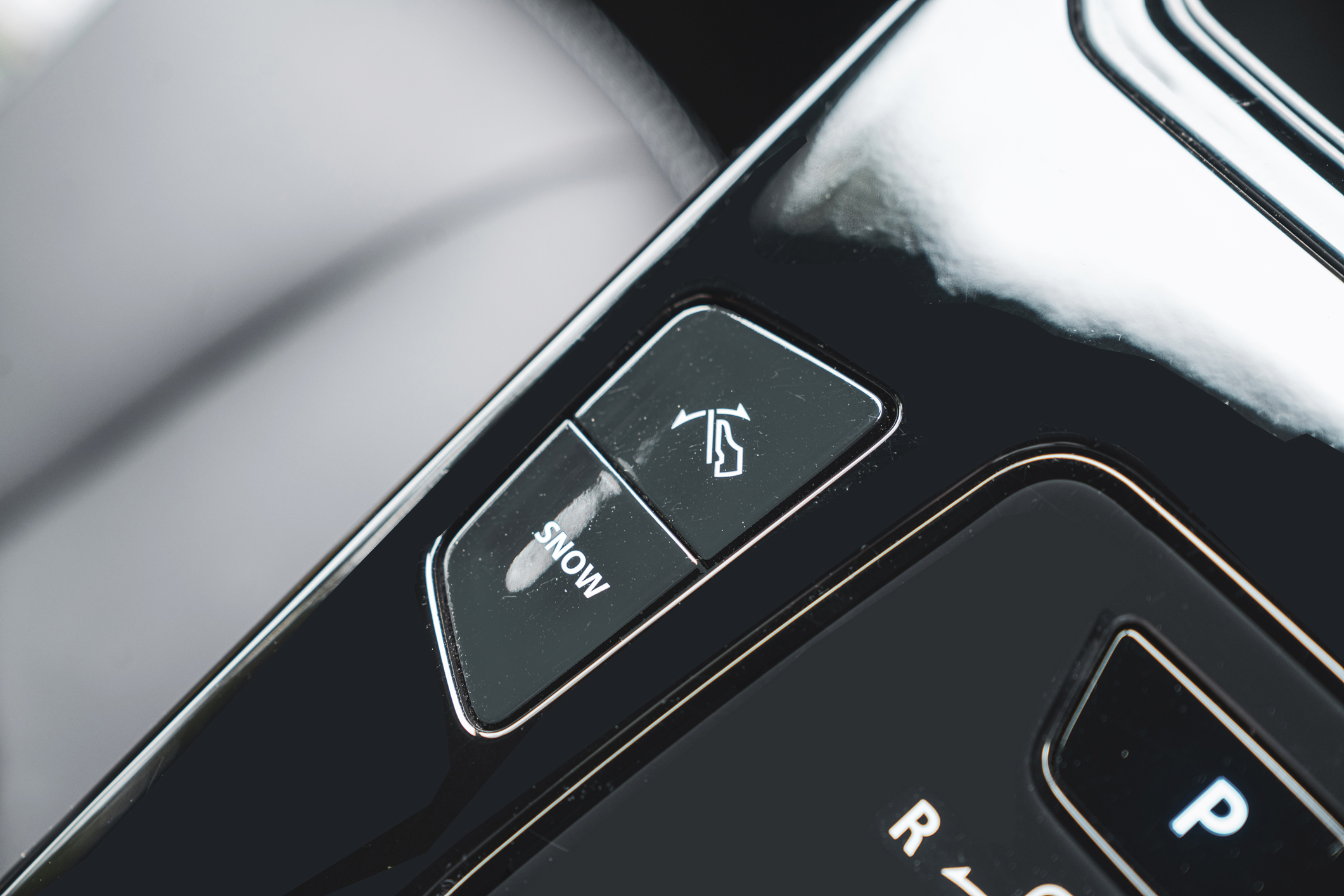
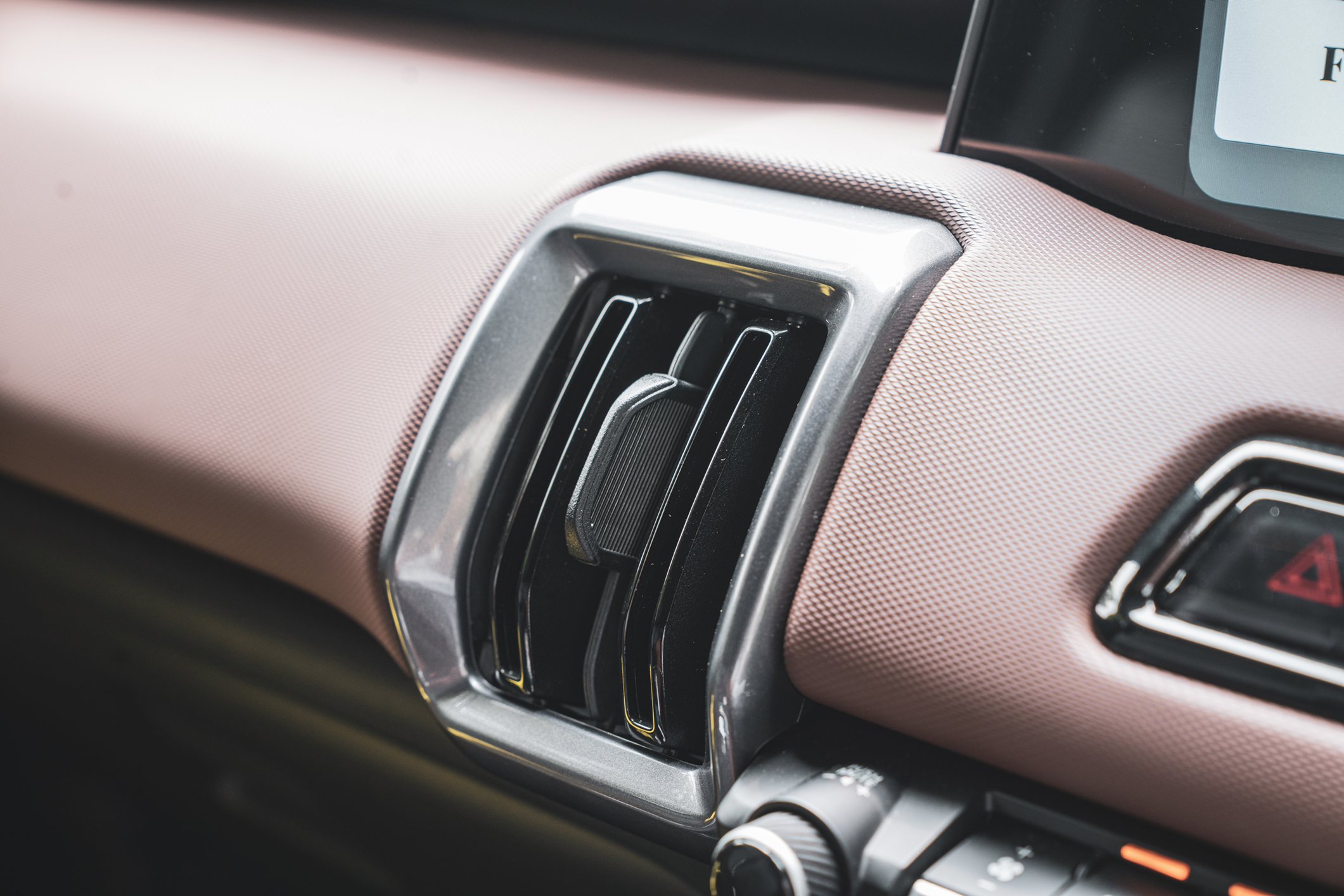
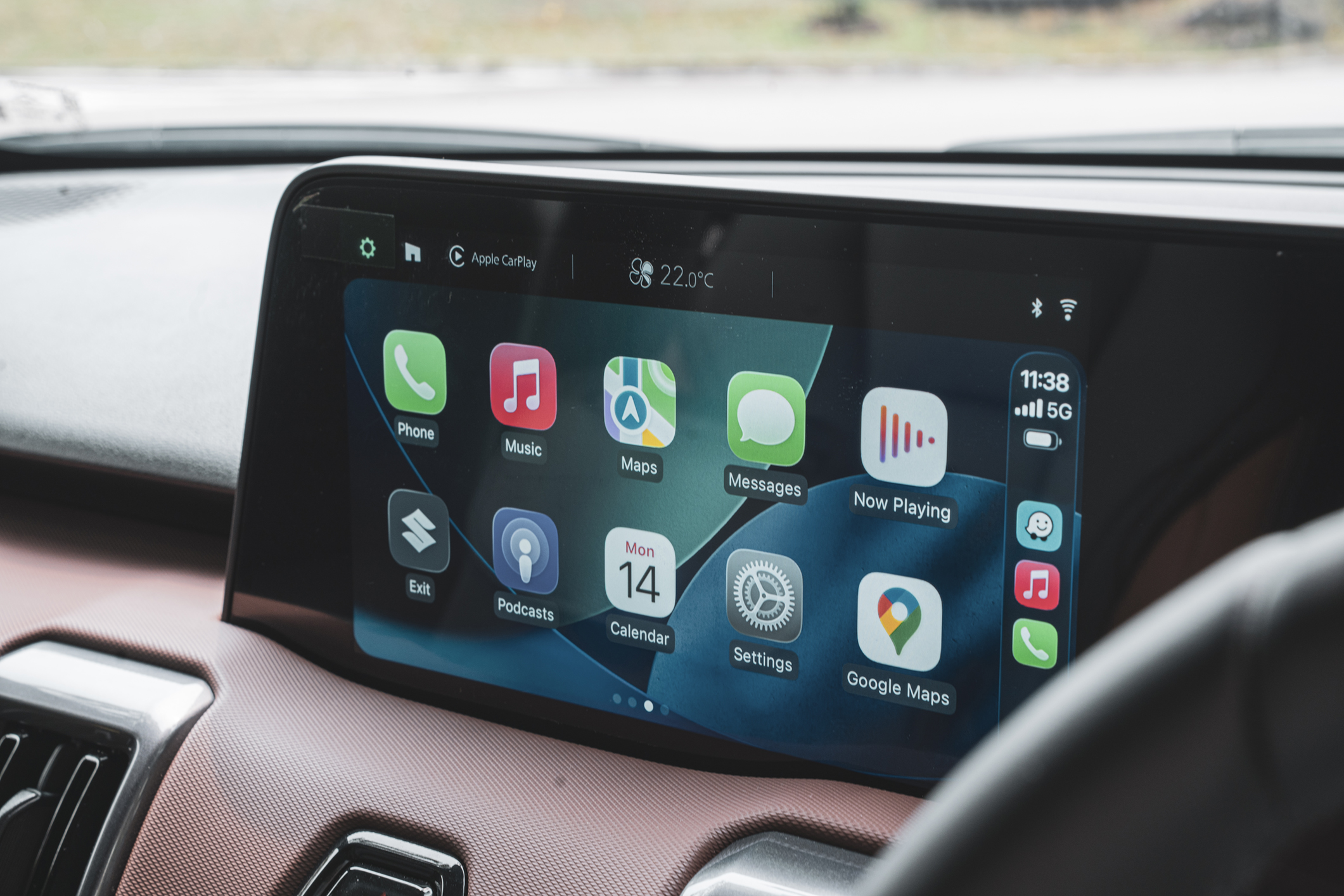
It sounds almost embarrassingly mundane to praise a car for having switches, although this has become genuinely refreshing.
Cars are physical objects. We interact with them while moving, sometimes at expressway speeds, and there is something inherently satisfying about reaching for a control without having to look down, swipe through a menu and tap an icon.
The e VITARA understands this.
The cabin itself is handsome too. The layout feels contemporary without trying too hard to impress you every five seconds. The seats are quite firm, which I personally like, and supportive enough that you settle into the car very quickly.
There is a certain straightforward logic to the whole interior.
You get in. Settle in. Then off you go.
No need for an orientation day (or days). Trust me, that’s a requirement for many cars these days.
There’s something to be said for that.
The important bit: it’s actually quite fun
Then you start moving.
The Singapore-specification e VITARA uses a 49kWh battery feeding a 106kW motor producing 193Nm. That translates to about 142bhp, keeping it within Category A, with 0–100km/h taking around 9.6 seconds.
Nah, let’s be real. Those figures won’t set your heart or WhatsApp car group on fire.
Yet, it tells you surprisingly little about how the e VITARA actually feels.
There’s an eagerness to it.
The steering feels natural. The responses are predictable. The accelerator isn’t calibrated to deliver the sort of neck-snapping initial shove that makes passengers laugh during the first test drive and quietly nauseous afterwards.
Everything feels progressive.
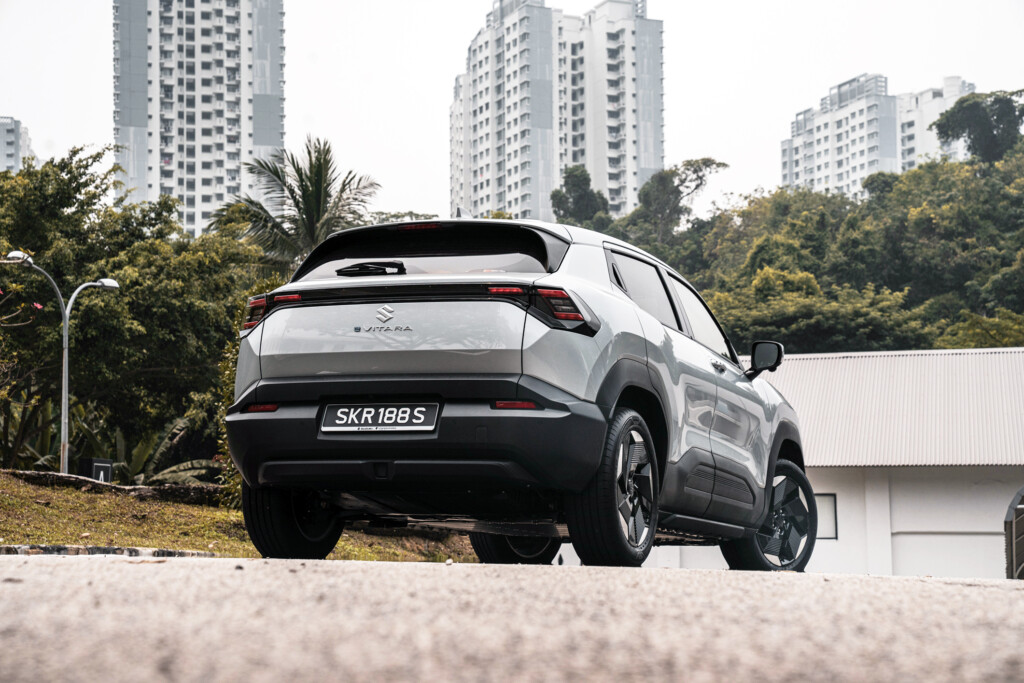
You start placing the car into corners, leaning on it a little, and discovering a playful side to the chassis.
And that is where the e VITARA begins to make sense.
It feels very car-like.
I realise how strange that statement sounds. Of course it is a car.
What I mean is that the e VITARA still communicates with you in familiar ways. Steering, braking and acceleration feel like controls rather than digital instructions being sent to various computers.
The experience also feels lighter. At around 1.7 tonnes, it is hardly a Lotus Elise, although in EV terms it avoids feeling excessively heavy. Independent testing has similarly found its steering and braking unusually natural and controllable for an electric crossover.
You can actually enjoy driving it without needing 400 horsepower.
Remember when cars did that?
Perhaps 345km is enough
Then we reach the number that will probably cause the most hesitation.
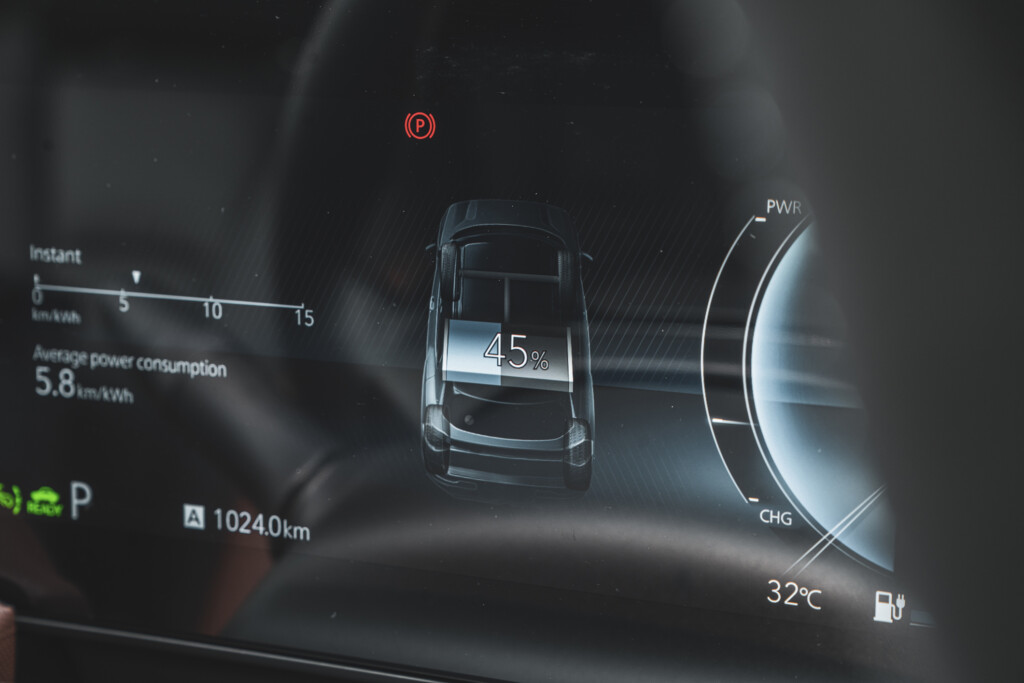
345km.
That is the official range from the 49kWh battery, and compared with some newer EVs offering 400km, 500km or even more, it doesn’t sound particularly generous.
This was one of my reservations about the car too.
Range is as much a psychological number as a practical one. Nobody wants to buy an EV and immediately feel that they bought the one with the smaller number.
Yet spending time with the e VITARA also made me think about how much range we genuinely need.
Singapore is roughly 50km from one end to the other. For normal commuting, school runs, meetings, shopping and weekend errands, 345km is plenty for most households provided charging is available regularly.

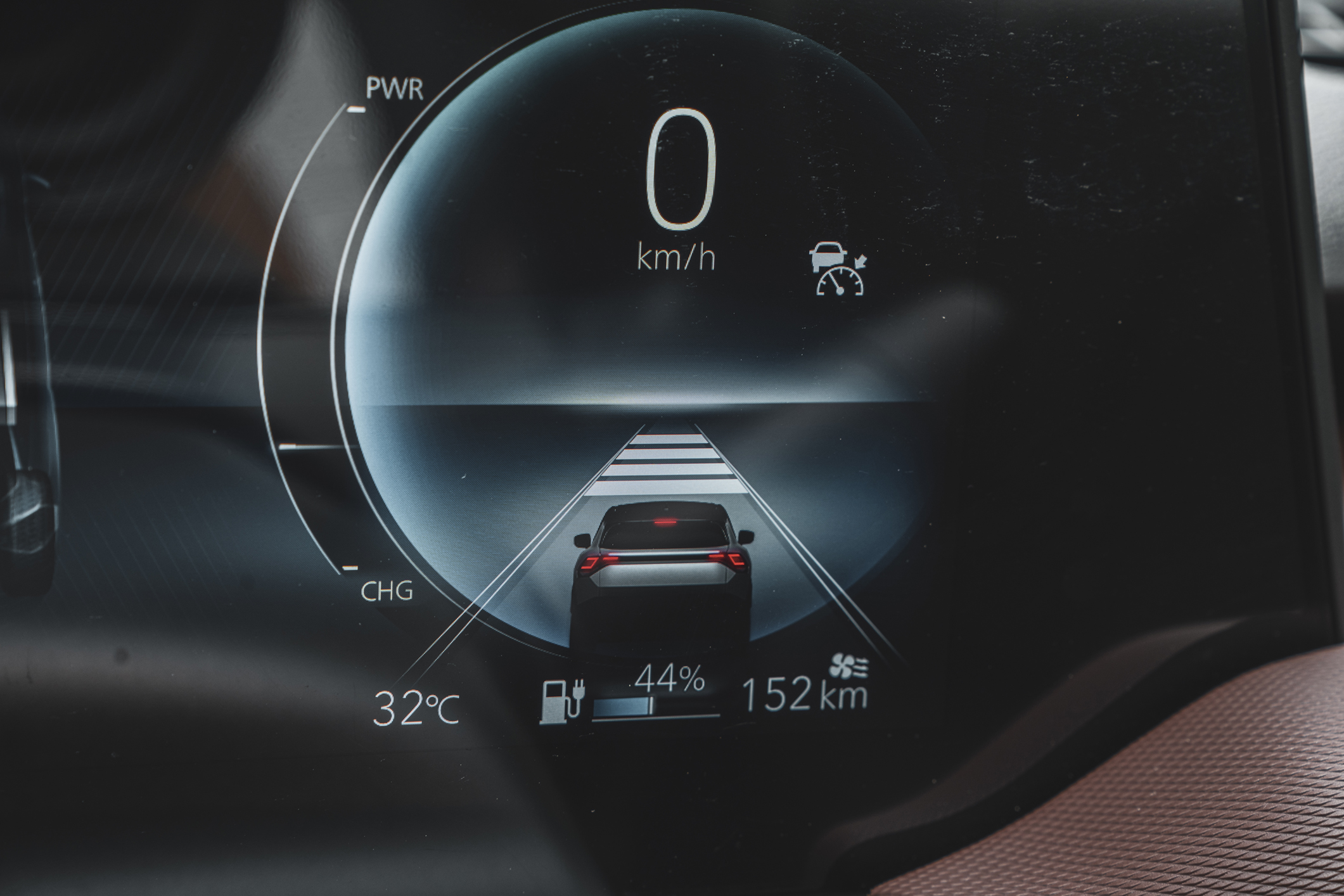
Even driving to Malaysia isn’t some terrifying expedition into the electrical wilderness.
Singapore to Malacca is roughly 240km or thereabouts depending on your starting point and route. The e VITARA can do that journey, although I’d plan my charging rather than treat the battery indicator like a fuel gauge and hope for the best.
For someone who regularly drives much farther into Malaysia, greater range would unquestionably provide more freedom.
For everyday Singapore life, I suspect many owners would find they think about the 345km figure far more before buying the car than after living with it.
That distinction matters.
The EV world tends to treat maximum range like horsepower used to be: more is automatically better.
More battery also means more weight, more material and usually more cost.
The e VITARA feels as though Suzuki has chosen a fairly modest battery and built the car around realistic everyday use. Whether that works for you depends on where and how you charge.
Properly practical too
The other very Suzuki part of the experience is the packaging.
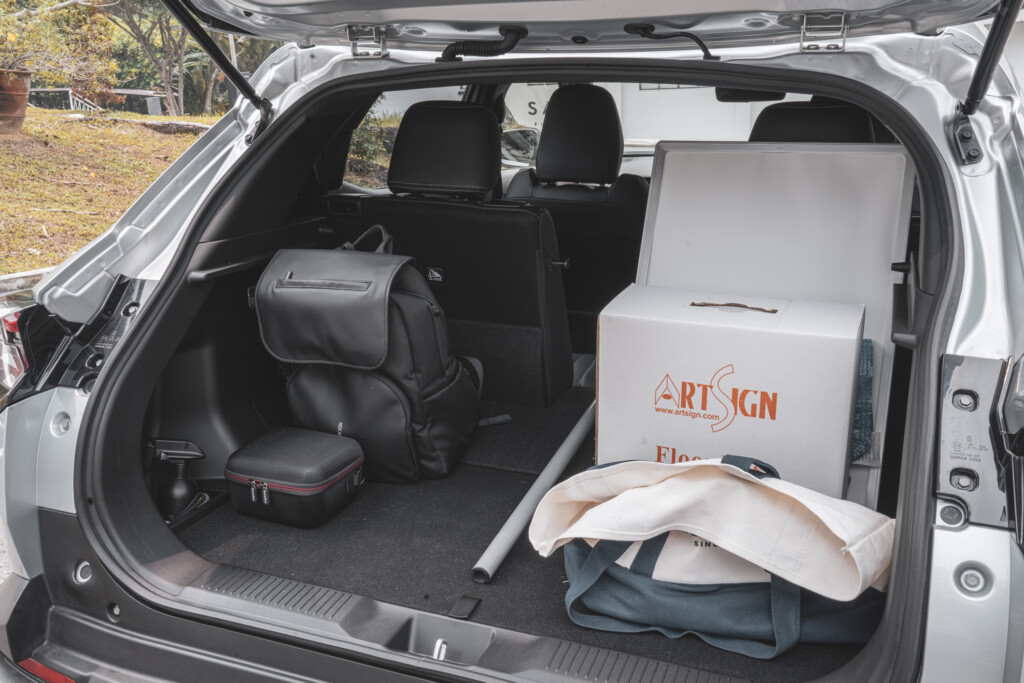
Rear-seat accommodation is useful, and the 40:20:40 split-folding arrangement gives you flexibility when carrying people and longer items together.
That sort of thing rarely gets anyone excited during a showroom visit. Six months into ownership, it’s often exactly what you appreciate.
The boot itself is where I found another compromise.
The floor sits fairly high, and the load area isn’t especially deep, so the luggage space doesn’t have the cavernous feeling you might expect when you first look at the exterior dimensions.
It remains perfectly usable for normal family duties. A huge boot probably won’t appear on your list of reasons for choosing the e VITARA.
Again, the car feels focused on usability rather than theatre.
Then there’s the question of trust
This may become one of the more interesting factors for Singapore buyers.
The e VITARA enters a market now filled with very credible electric cars from Chinese manufacturers. Some offer more range, more equipment, bigger displays and remarkable amounts of technology for the money.
Suzuki brings something different to that conversation.
Familiarity.
The brand has a long-standing reputation for relatively straightforward, durable engineering. The e VITARA itself is a brand-new model and Suzuki’s first mass-production EV, so it would be premature to claim that its electric drivetrain has already earned the same decades-long reliability reputation as the company’s combustion cars.
I also know this to be a fact, as I’ve owned a Suzuki before, and the car was robust and fault-free.
The ownership proposition of the e VITARA is reassuring too.
Suzuki has offered Singapore e VITARA packages with battery coverage extending to 10 years or 200,000km, with terms including battery state-of-health conditions, alongside long servicing and roadside-assistance packages. Specific coverage depends on the package and promotion selected.
For someone considering their first EV and worrying about what happens to the battery in year seven, eight or nine, that kind of product assurance means something.
Especially in Singapore, where the car itself represents such a substantial financial commitment.
And price matters
Which brings us inevitably to price.
The e VITARA has moved around the low-S$170,000 to S$180,000-plus region as COE prices and promotions have changed. As of late September 2026, Suzuki Singapore lists it from S$182,888, while recorded prices have dipped to around S$171,888 in recent months.
That puts it straight into one of the most fiercely contested parts of Singapore’s EV market.
On a specification spreadsheet alone, competitors will inevitably offer a larger battery, longer range, or more toys.
A spreadsheet cannot tell you whether you like a car, and after driving the e VITARA, I suspect that is exactly where Suzuki has an opportunity.
A little less appliance, a little more car
The e VITARA isn’t trying to redefine electric mobility.
There are EVs with greater range. Some have grander interiors and significantly more powerful motors. Some cars have much larger screens.
The Suzuki simply feels coherent.
The styling has personality. The interior is pleasant and intuitive. Physical controls make everyday interaction easy. The seats are supportive. The chassis has an unexpectedly playful quality. The practical touches feel like they were designed by people who actually use cars.
Even its imperfections are fairly easy to understand.
I would like more than 345km of claimed range.
I would like a deeper boot.
Yet neither issue fundamentally changes what I enjoyed about the car.
Because the e VITARA reminded me that electrification doesn’t have to erase character.
A car can have a battery underneath it and still feel mechanical, intuitive, friendly and slightly cheeky.
It can have digital displays without turning the dashboard into an iPad showroom.
It can deliver perfectly adequate performance and still be enjoyable to drive.
Perhaps most importantly, it can have a personality.
In an EV market becoming increasingly crowded with extremely competent machines, that might turn out to be one of the e VITARA’s most valuable features.
Because after all the range figures, battery capacities and touchscreen sizes have been compared, you still have to walk up to your car every morning, get inside and drive it.
And the Suzuki e VITARA feels like a car I’d actually look forward to doing that in.
Technical Specifications
Suzuki e VITARA 49 kWh
Powertrain: Single Electric Motor, Front-Wheel Drive
Power: 106 kW (142 bhp)
Torque: 193 Nm
Gearbox: Single-Speed (A)
Acceleration: 9.6 Seconds (0-100km/h)
Top Speed: 150 km/h
Battery Capacity: 49 kWh
Drive Range: 345 km
Energy Consumption: 6.8 km/kWh
Price: S$182,888 with COE (accurate at the time of this article)