Neue Klasse technology gives BMW’s electric flagship a fresh lease of life, while its blend of comfort and agility makes choosing where to sit surprisingly difficult.
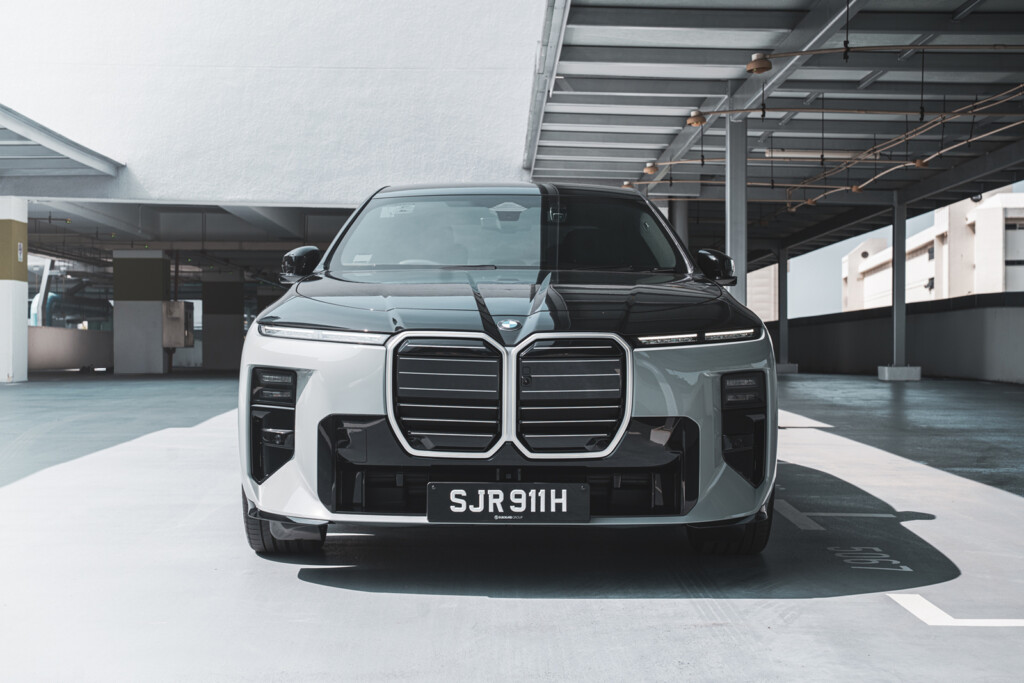
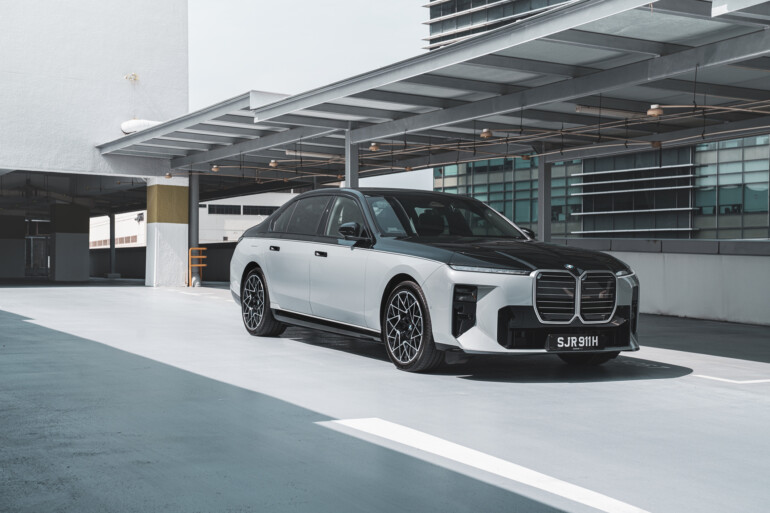
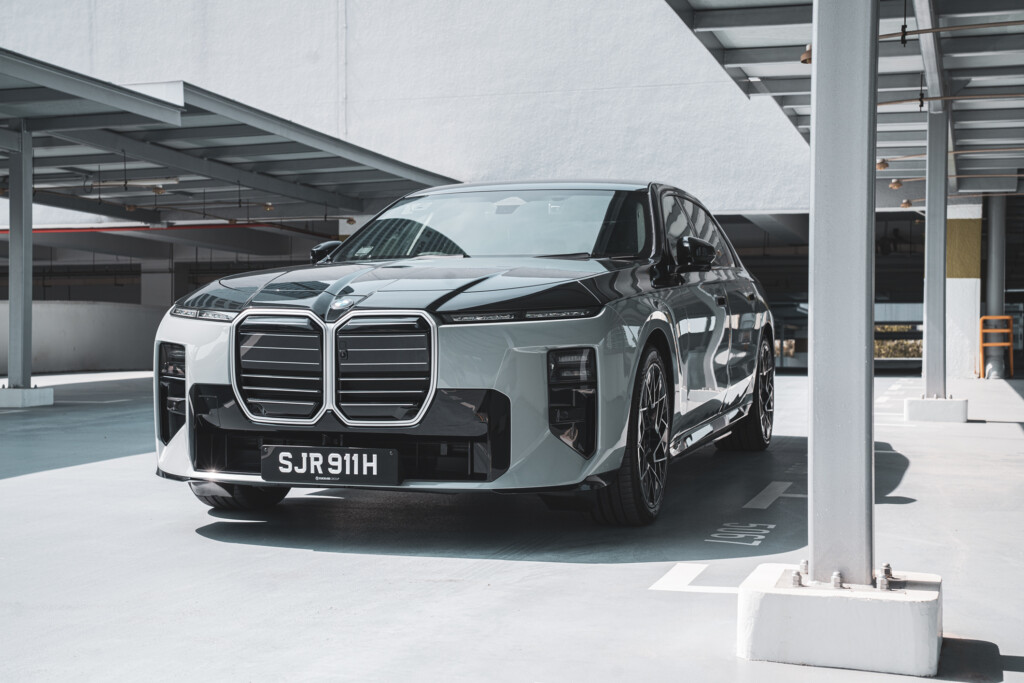
I didn’t expect the BMW i7 to attract quite this much attention. The current 7 Series has been around long enough for its imposing proportions to feel familiar, yet people still looked at the car I drove. The two-tone paint certainly helped. On something this large, it makes quite a statement.
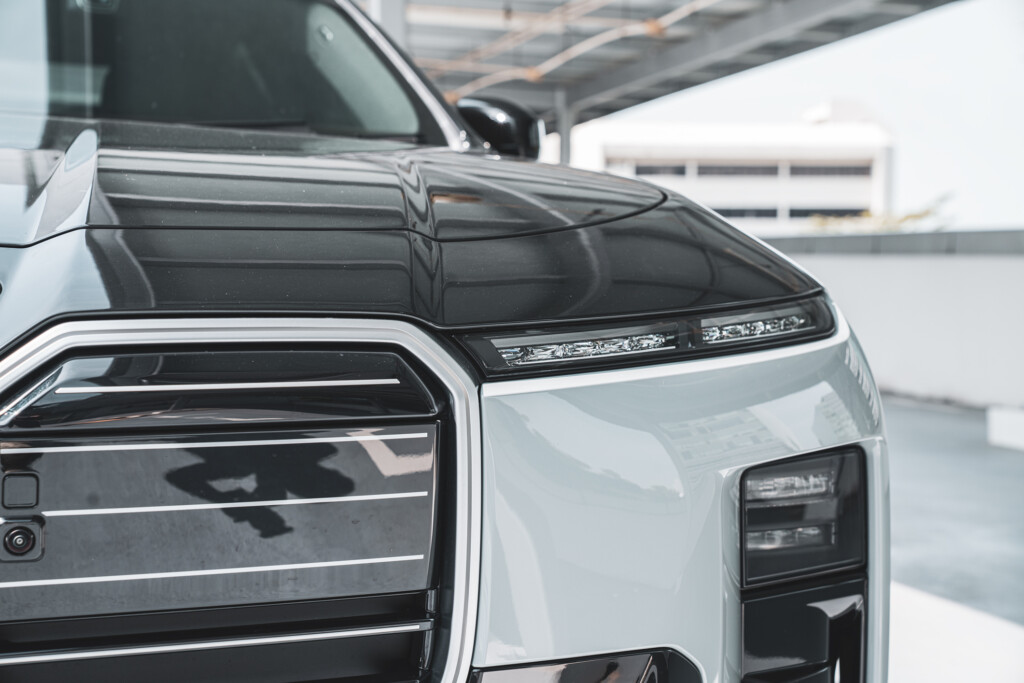
This latest facelift looks good to my eyes. BMW’s new design direction suits the 7 Series, giving it a cleaner, more monolithic appearance that emphasises its sheer size. It looks chunky, substantial and entirely comfortable taking up space. The revised illuminated kidney grille and minimalist crystal headlights give that considerable bulk a sharper identity.
There is an important distinction here, though. This is the existing 7 Series receiving Neue Klasse design influences and technology, rather than an entirely new car built on the Neue Klasse platform. BMW calls it its most extensive model update yet, and from inside the cabin, it is easy to understand why.
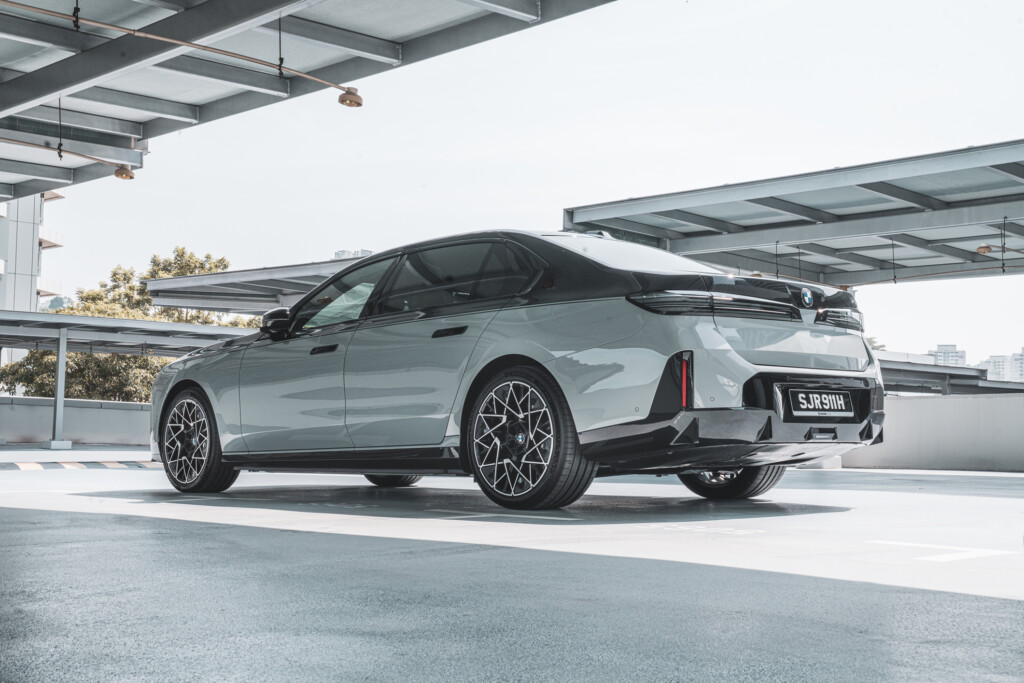
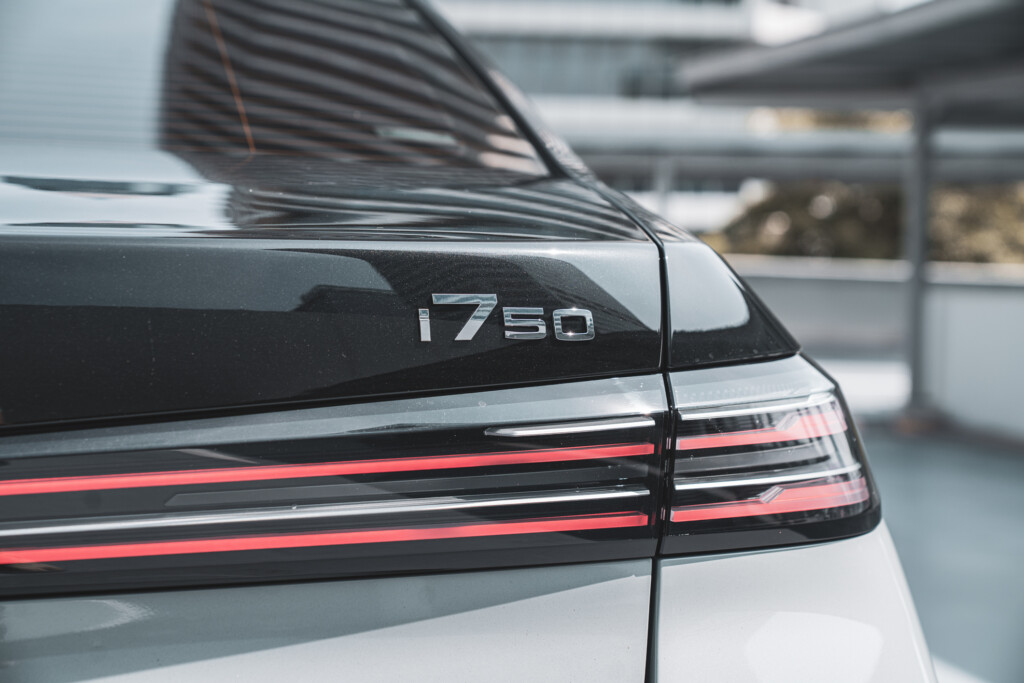
I drove the BMW i7 50 xDrive M Sport, listed at S$709,888 at the Singapore launch. Its two electric motors (versus the single motor in the outgoing model) deliver all-wheel drive, 455 bhp and 660 Nm of torque, with 0–100 km/h taking a claimed 5.5 seconds.
Those are healthy figures, but the smoothness is what stayed with me. The i7 feels perfectly suited to its role as a luxury flagship, delivering effortless progress that makes a journey enjoyable whether you are driving or being driven.
What surprised me more was how manageable it felt from behind the wheel. Its exterior suggests a car that might demand a little patience, yet it handles like something smaller. It has enough agility to feel dynamic, and enough nimbleness to keep the driver interested.
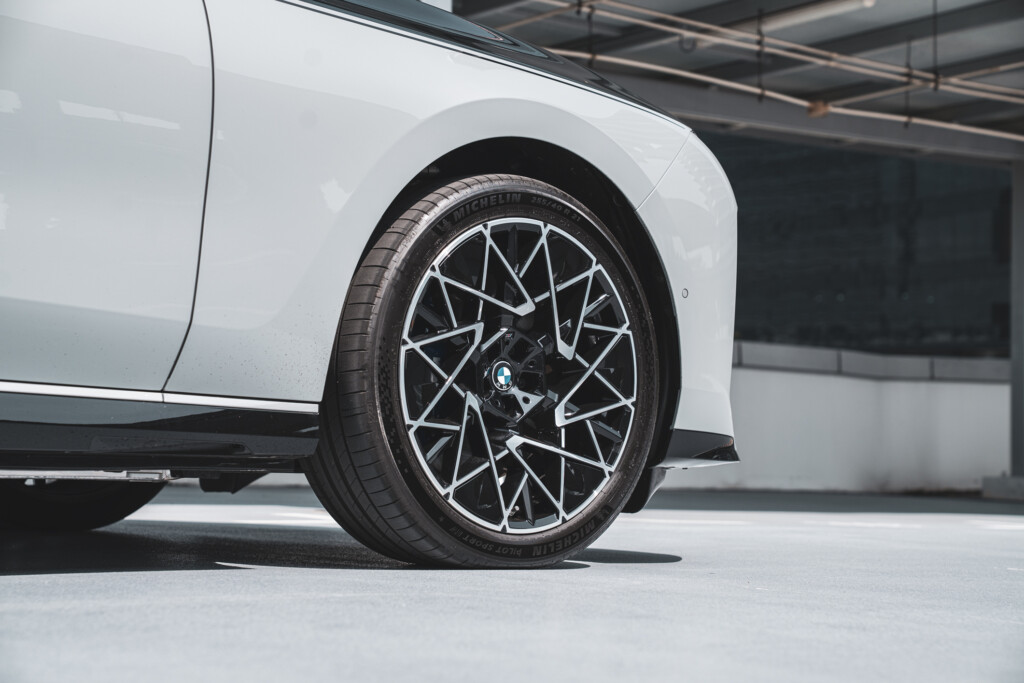
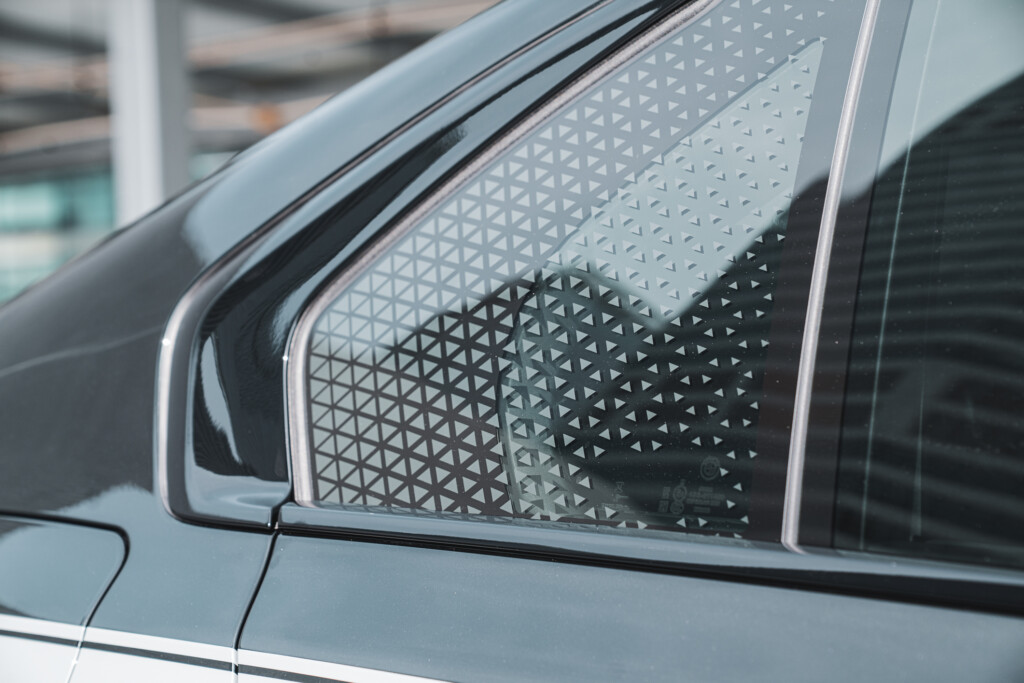
Standard Integral Active Steering and adaptive air suspension on both axles help explain that breadth of ability. The result is a big luxury saloon that feels comfortable without disconnecting the driver from the experience.
Of course, there is an equally convincing argument for sitting in the back.
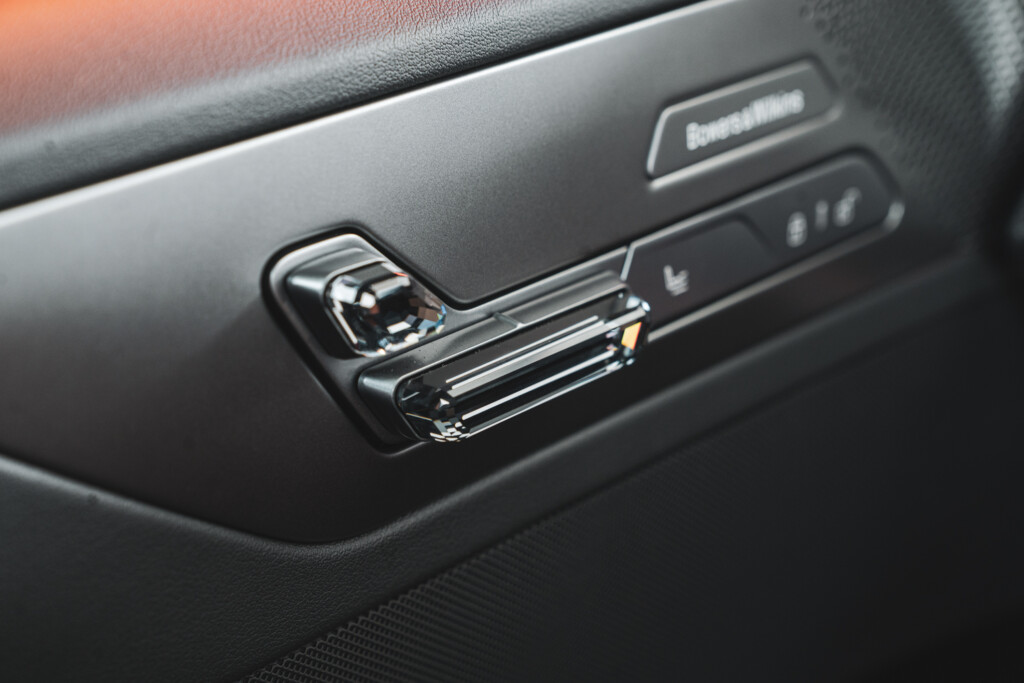
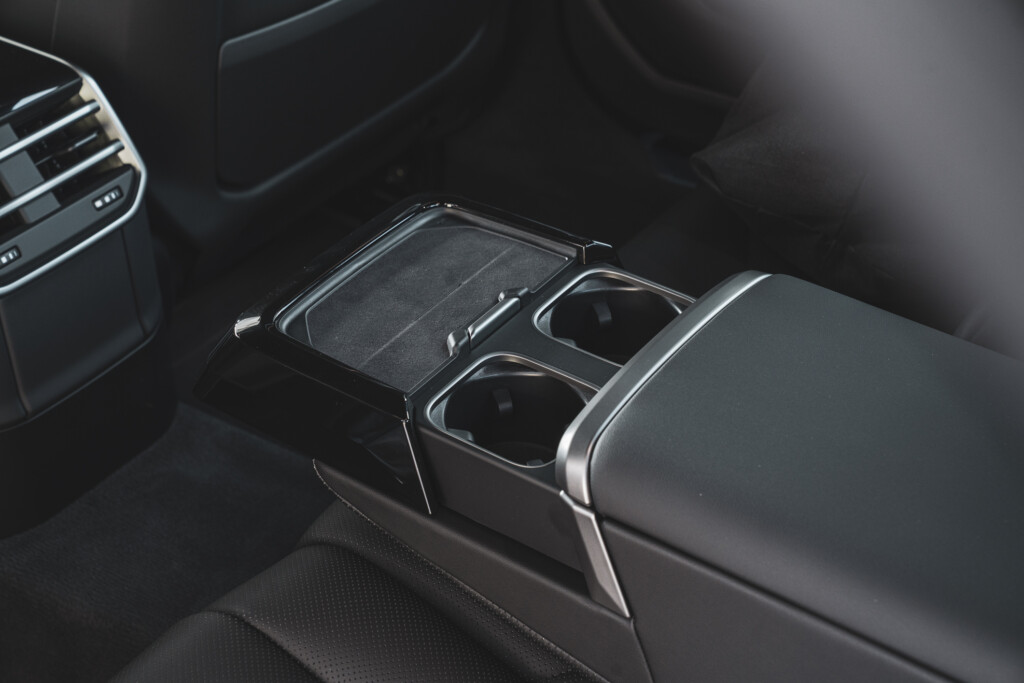
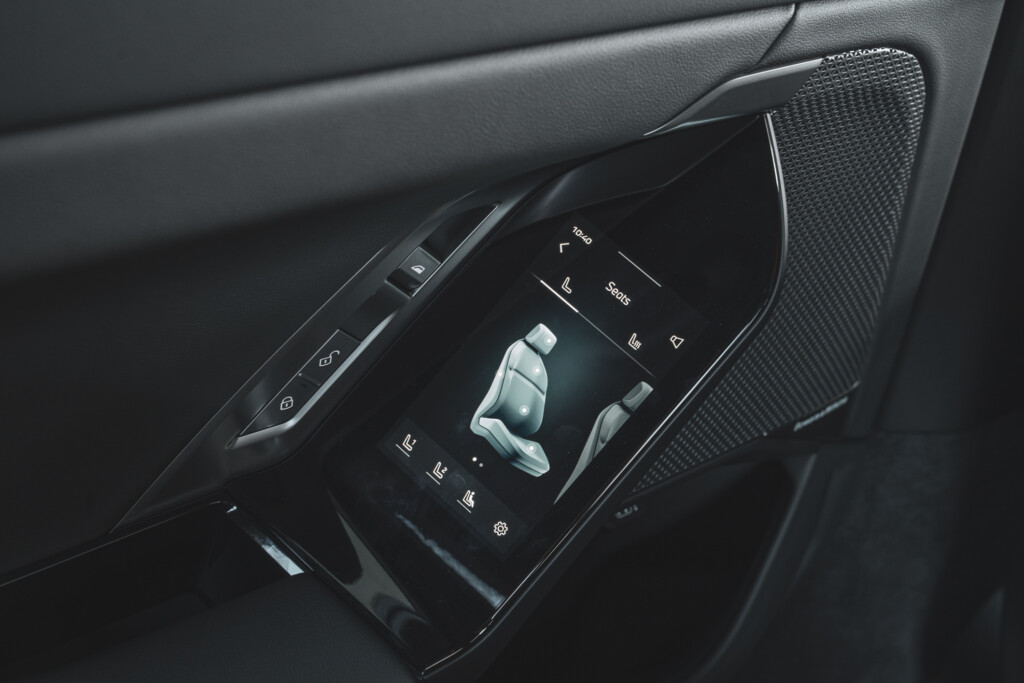
Legroom is generous, giving rear passengers plenty of space to settle in. The small touchscreens in the rear doors also feel quicker and more responsive. They put controls for the blinds, music, and seat adjustments within easy reach, and the improved responsiveness makes a difference. In a car at this level, the everyday controls should feel as polished as the surroundings.
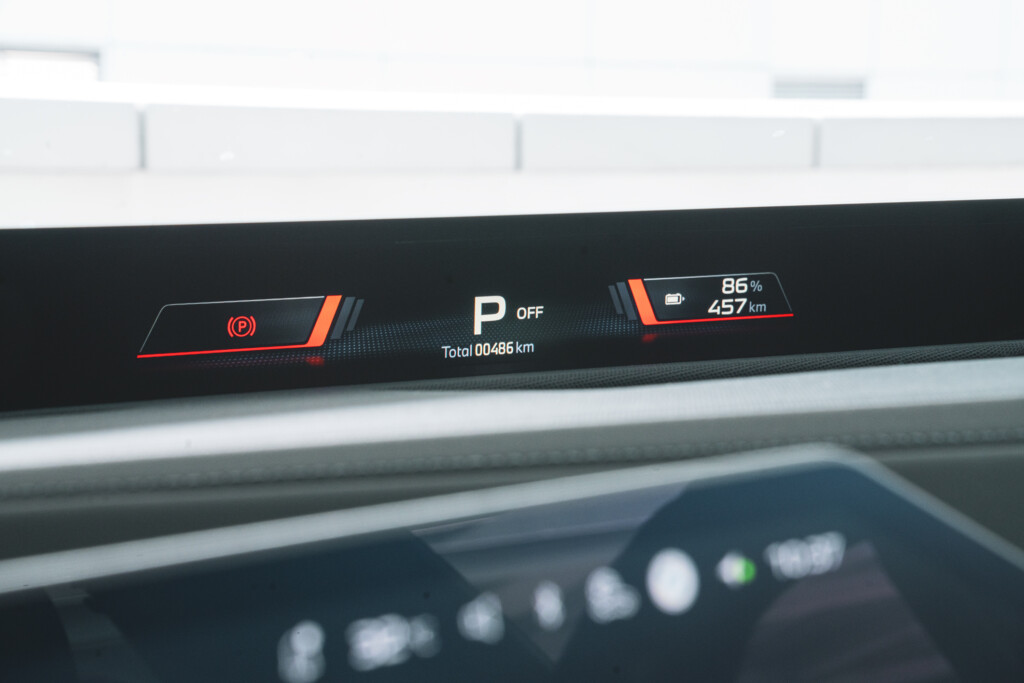
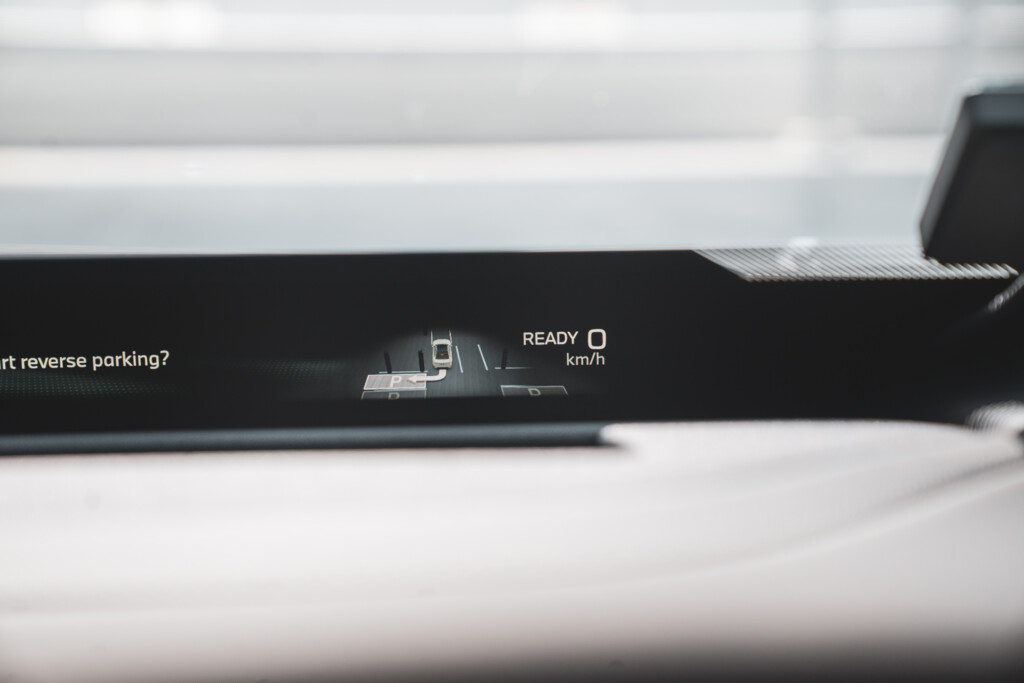
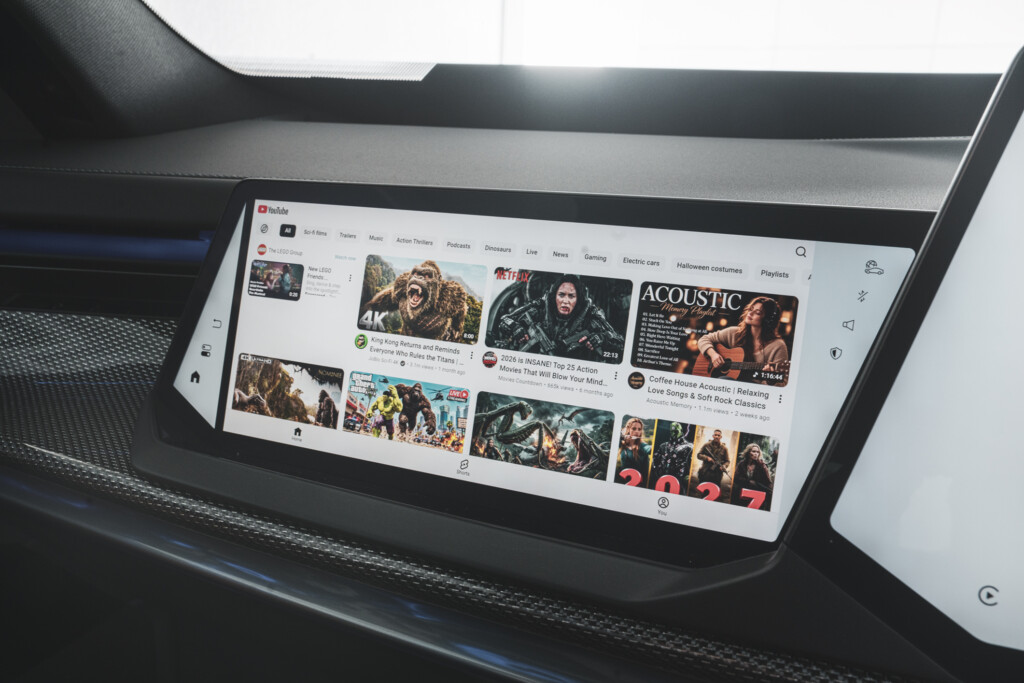
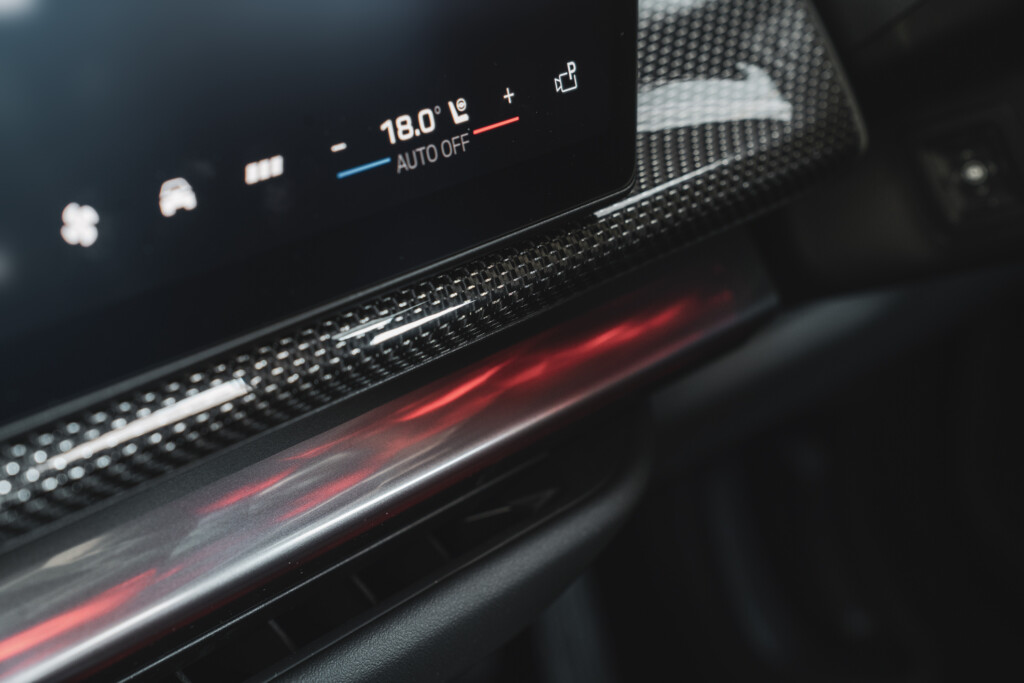
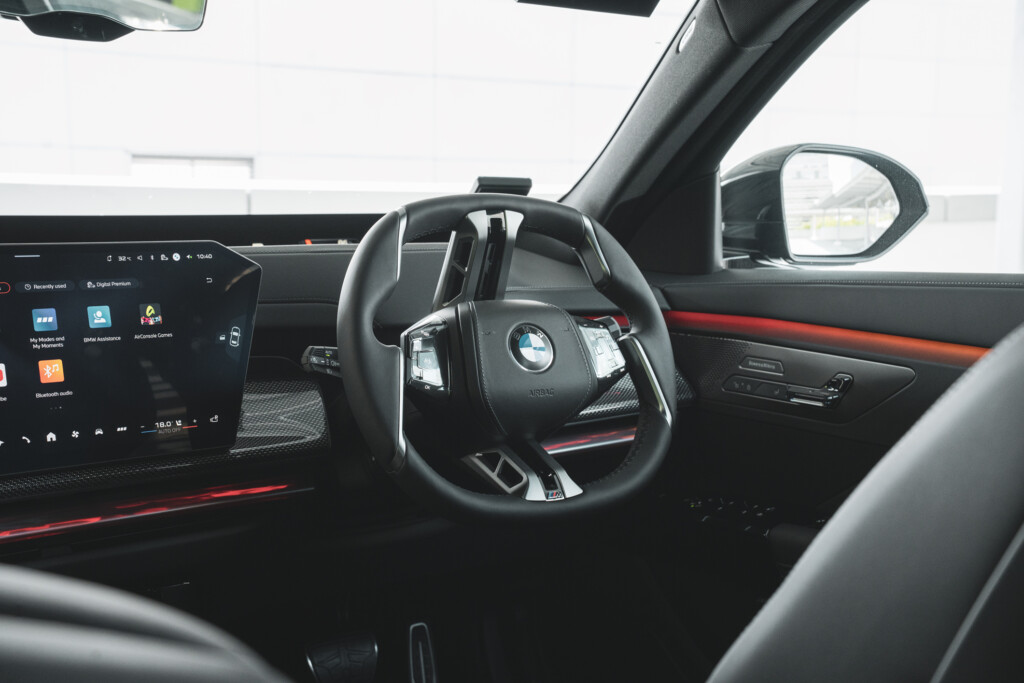
The bigger transformation is up front. BMW Panoramic iDrive, running Operating System X, introduces a new layout anchored by Panoramic Vision, which projects information across the lower windscreen. Together with the central touchscreen, it gives the cabin a much more contemporary feel.
The front passenger now gets a dedicated screen. On the car I tried, playback required the doors to be closed and an occupant to be detected in the seat. Driver monitoring adds another safeguard: look across at the passenger’s entertainment and the screen blacks out.
It is a telling detail in a cabin designed to give everyone their own experience. Rear passengers can also opt for the 31.3-inch BMW Theatre Screen, though the generous space and improved door controls already make the back a very appealing place to spend time.

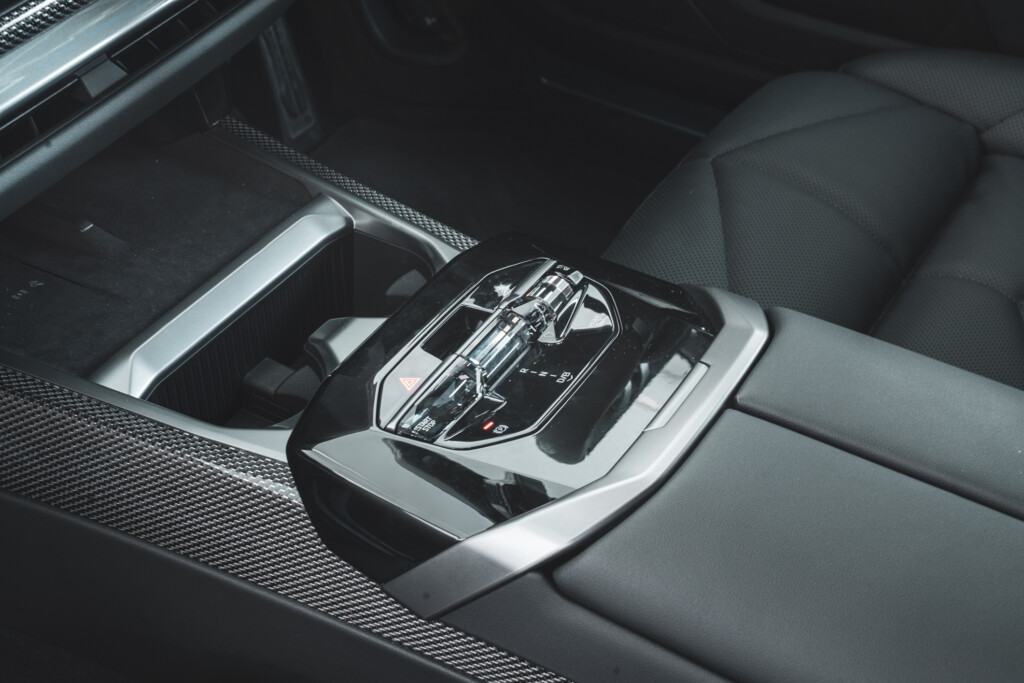
One feature I particularly liked was Routines, which lets you automate selected functions when starting the car. Setting up cooling for warmer days is a clear win in Singapore. These small conveniences can matter just as much as a spectacular display, especially once the novelty of a new car wears off.
A technical caveat sits amid all this newness. The i7 retains its existing underlying architecture rather than adopting the iX3’s 800V setup. Buyers expecting the complete Neue Klasse engineering package should keep that distinction in mind.
The battery has nevertheless received attention. BMW’s Singapore release lists a capacity of 112.5 kWh and a claimed WLTP range of up to 728 km, with new cylindrical battery cells contributing to the improvement. That is an official figure, rather than a range I verified during my drive.
I appreciated how well the updates come together. The design has presence, the cabin feels more current, and the driving experience still balances comfort with a welcome degree of agility.
BMW has taken an already imposing flagship and given it renewed relevance. Yes, taxes and COE are high, and at just above 700k, it gets quite costly (I mean, which car isn’t, these days?). But the 7 is a flagship model, and at this price point, the well-heeled won’t really mind.
Especially for the modern boss who enjoys taking the wheel as much as stretching out in the back, the i7 makes a persuasive case.
Technical Specifications
BMW i7 50 xDrive M Sport
Powertrain: Dual motor, all-wheel drive
Transmission: Two-stage single-speed
Power: 455 bhp
Torque: 660 Nm
0- 100 km/h: 5.5 seconds
WLTP Range: 728 km (claimed)
Battery capacity: 112.5 kWh
Power consumption: 21.1 kWh/100 km
Price: S$709,888 at the time of writing