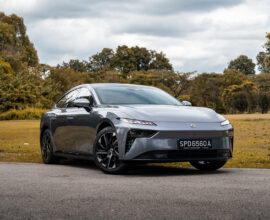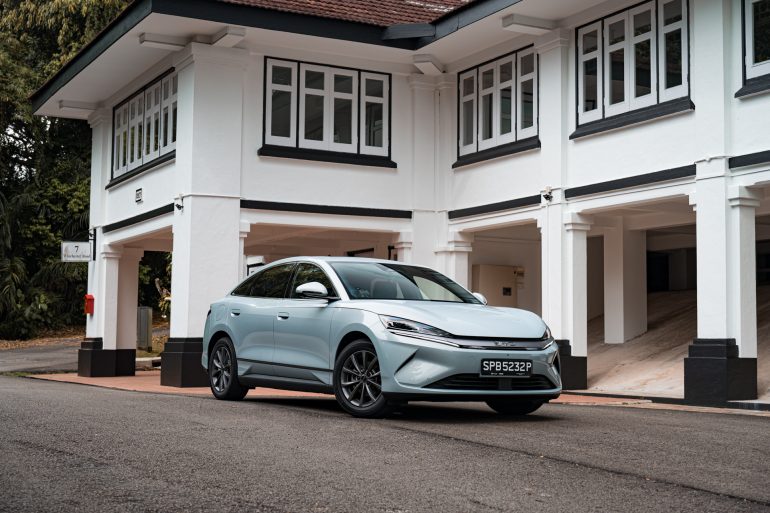
The BYD Seal 6 is not trying to be the next big automotive flex, but rather to be a practical, functional option for sedan buyers.
Once upon a time, the three-box saloon was the undisputed choice for family buyers. No nonsense, boot out the back, honest-to-goodness motoring. These days, of course, it’s all coupe-SUV-this and cross-something-that.
But every now and then, a carmaker decides to swim against the current. That’s what BYD did with its new Seal 6.
Looks May Not Thrill, But the Price Will
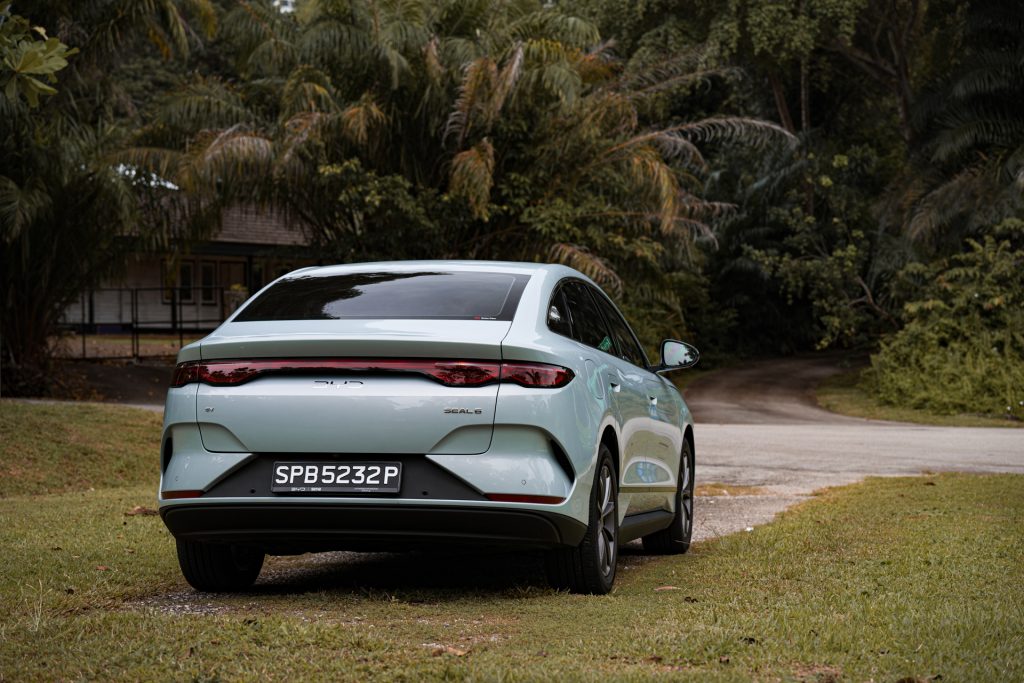
The Seal 6 isn’t going to set Instagram alight. It’s not going to draw iPhones at the valet line. Its silhouette blends into traffic like a polite commuter in the MRT.
But then you look at the price tag.
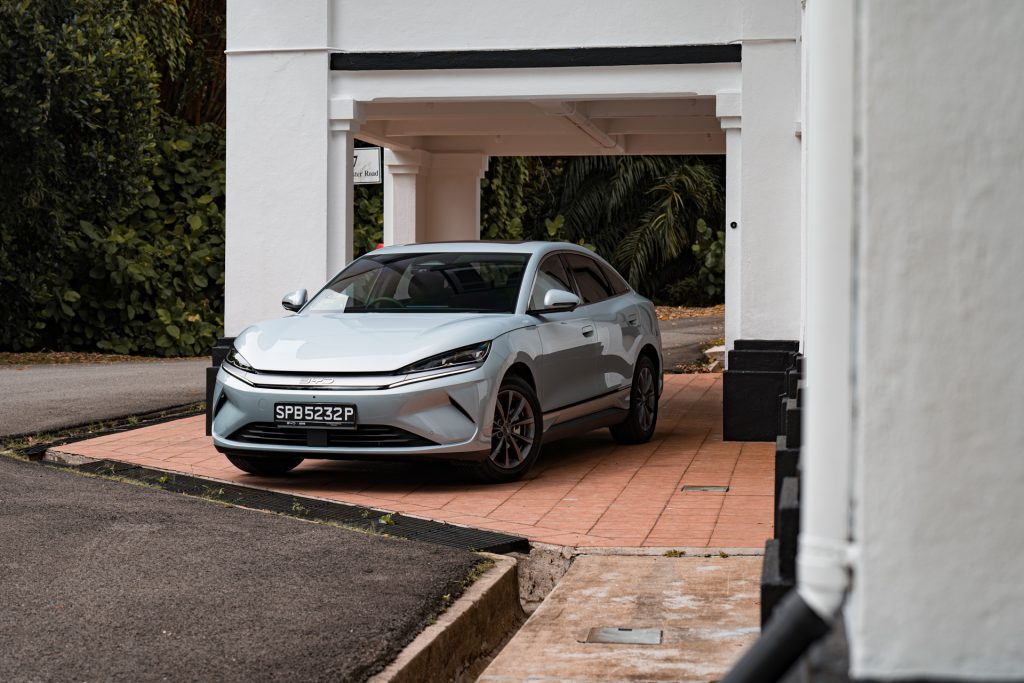
Priced around SGD$171,388, it undercuts most, if not all rivals in the market. Even the JMEV Elight is marginally more expensive. If you want a set of wheels with a decent monthly instalment plan, this is it.
Composed, Capable… But Not Quite Charming
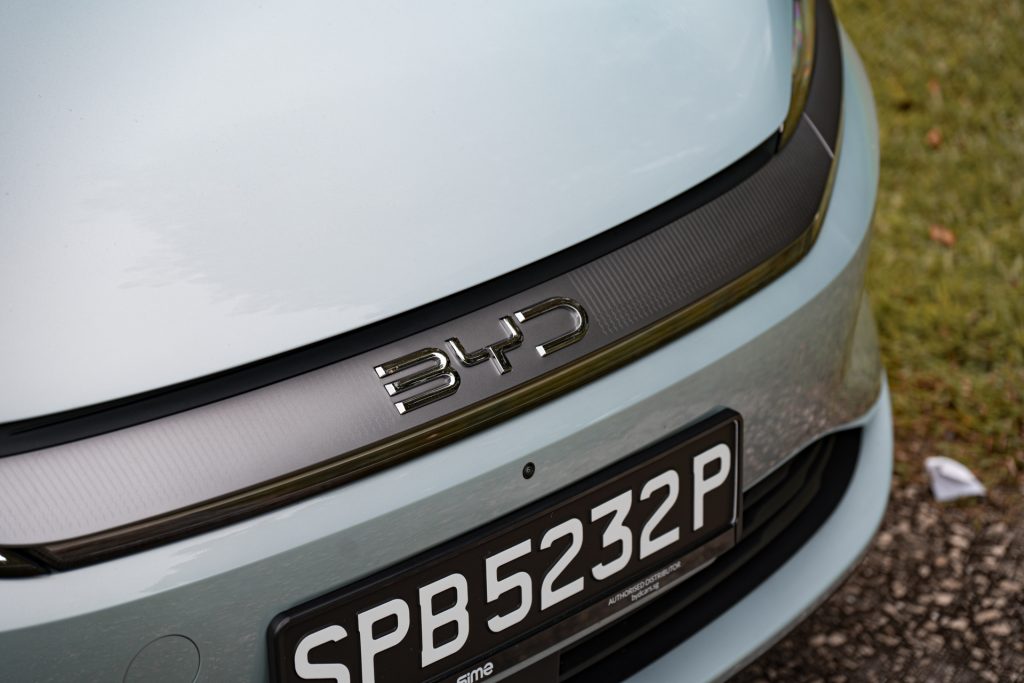
Like most new EVs that are being launched, the BYD Seal 6 slots into the Category A COE bracket thanks to a detuned 97kW motor with 220Nm of torque.
Realistically, you won’t win any drag races at the traffic light grand prix, but for the average driver, it’s brisk enough. We found that keeping it in Sport mode is the sweet spot for this car.
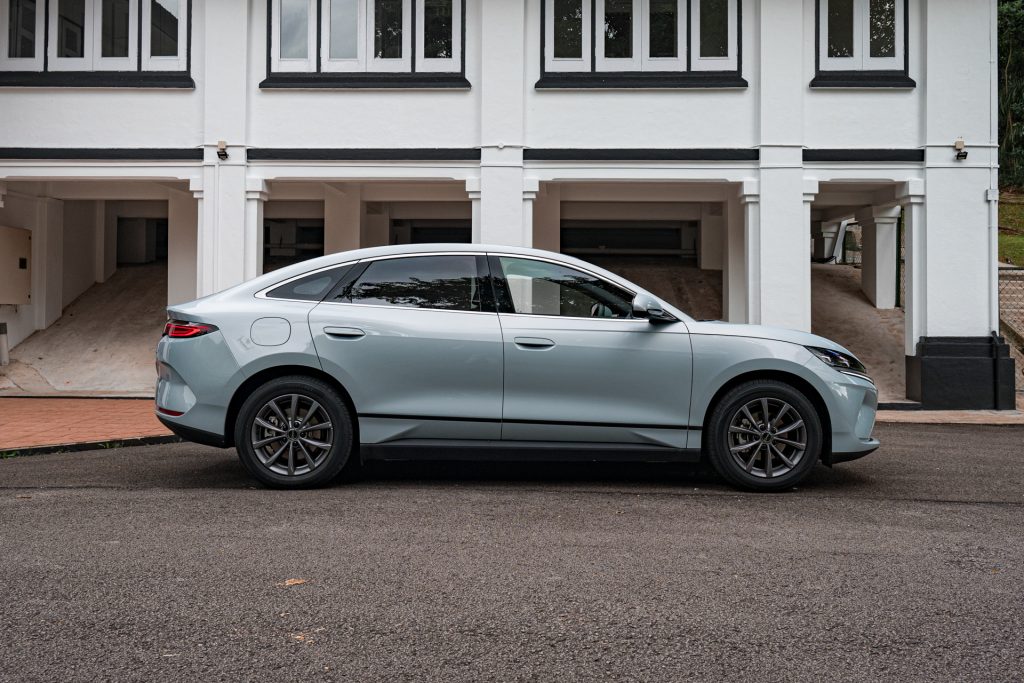
Being shorter, the Seal 6’s turning radius is tighter; 5.5 metres versus the Seal’s 5.7. Whether it’s making a U-turn on a narrow road or reversing into a multi-storey parking spot on the first go, the Seal 6’s agility is genuinely refreshing.
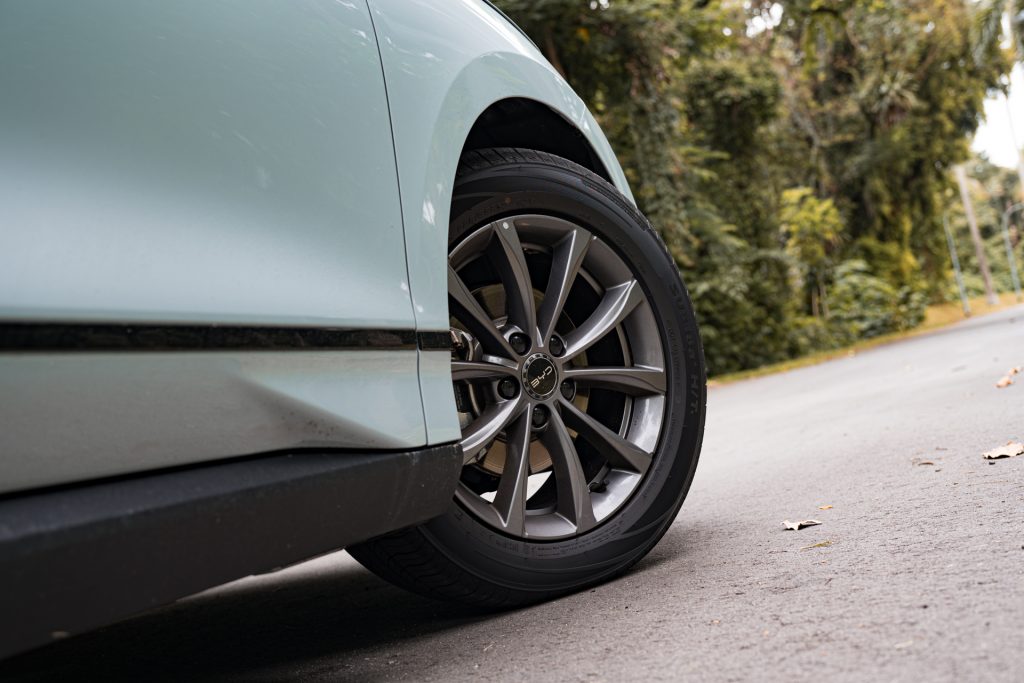
Throw in a 360-degree camera, and you’ve got a car that makes urban driving far less stressful than you’d expect from a full-sized electric saloon. At 1,780kg, the Seal 6 is 142kg lighter than the Seal. That should translate into greater efficiency. It also rides on smaller 17-inch wheels, which helps both range and ride comfort.
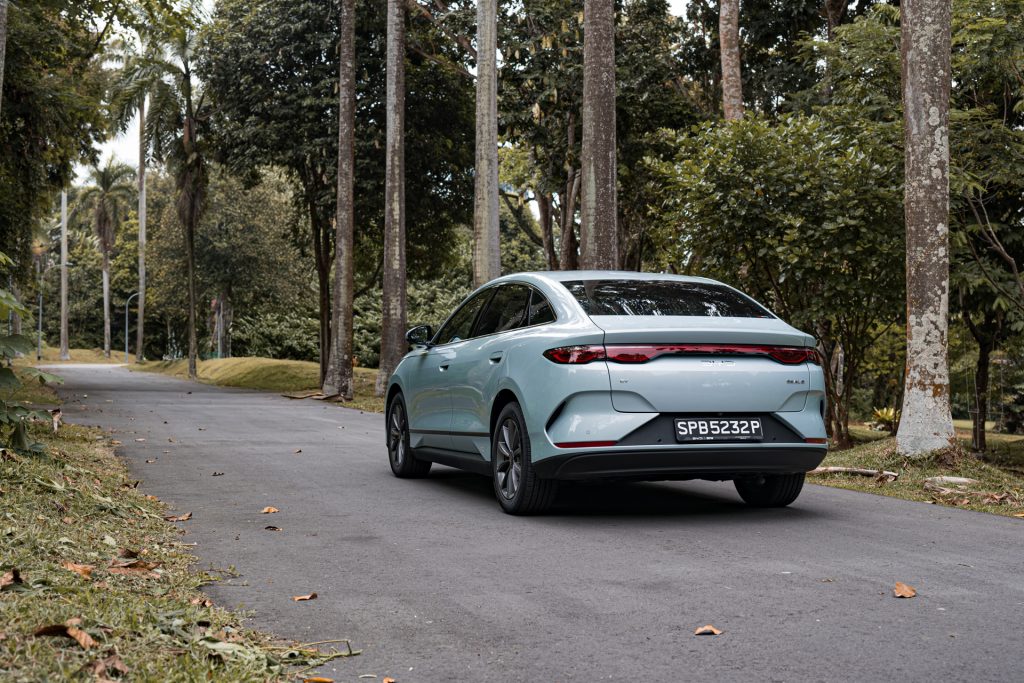
In our real-world test, the Seal 6 clocked 15.1kWh/100km. And with a smaller battery on board, it’s impressive that the Seal 6 can still muster up a real-world 350km of range. For most Singaporeans, that’s a full week of commuting without the anxiety of finding a charger.
With smaller wheels and a lighter body, it’s noticeably more forgiving over uneven roads. Nasty stretches of tarmac will still catch it off guard, but the overall ride is far more settled and family-friendly. It feels less tightly wound, less eager to pounce, and that’s a compliment.
Practical and planted
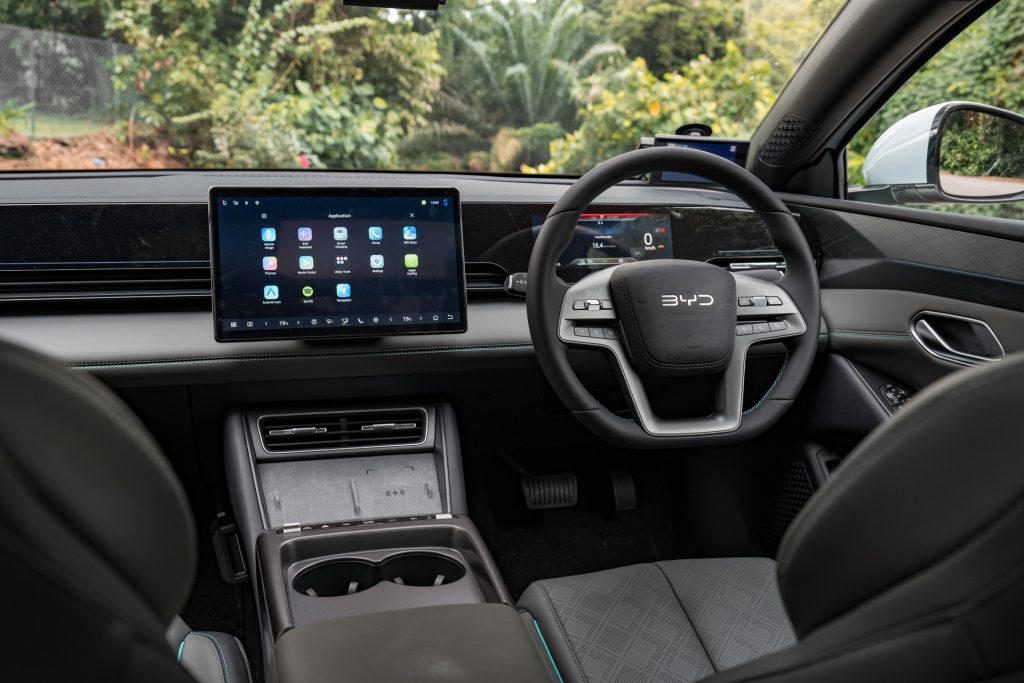
Inside, BYD has dialled down the glitter. Despite being pitched as the more affordable sibling, the Seal 6 doesn’t feel like a budget version. In fact, its cabin build quality is right up there with the regular Seal. Perhaps even better, depending on what you value.
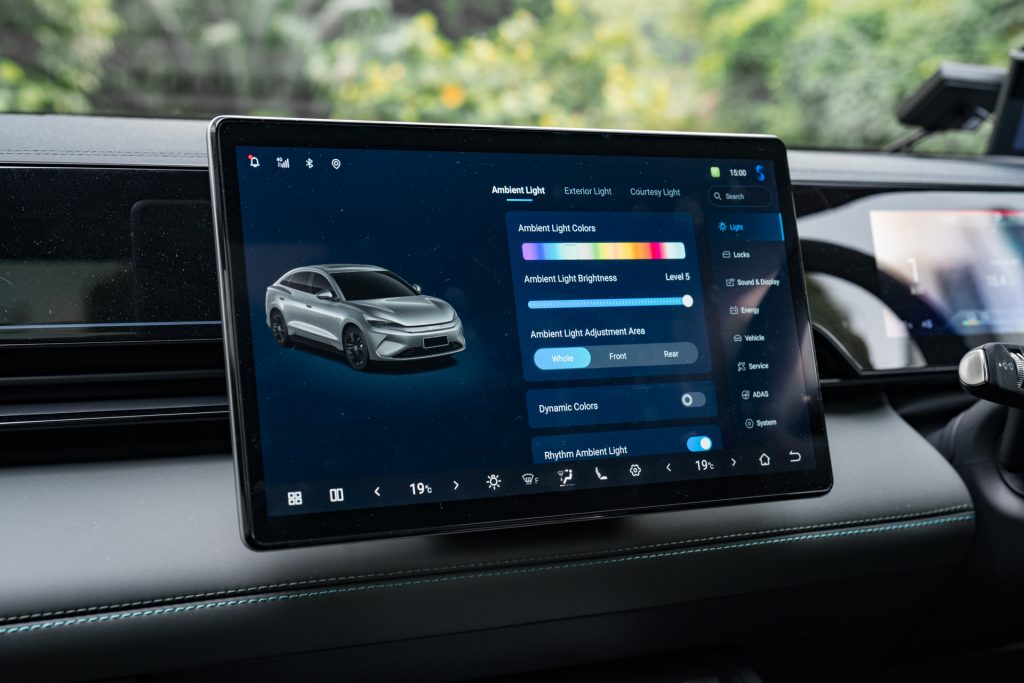
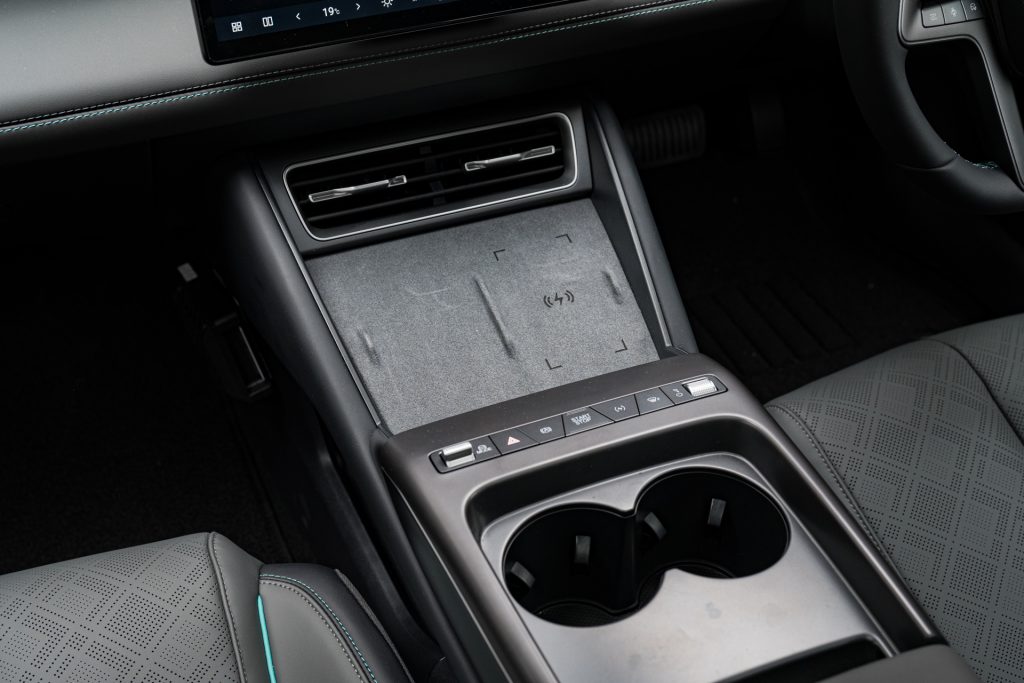
The rotating screen is gone, replaced with a more conventional (and more usable) fixed 12.8-inch unit. Tech nerds will appreciate the 50W wireless phone charger with active cooling.
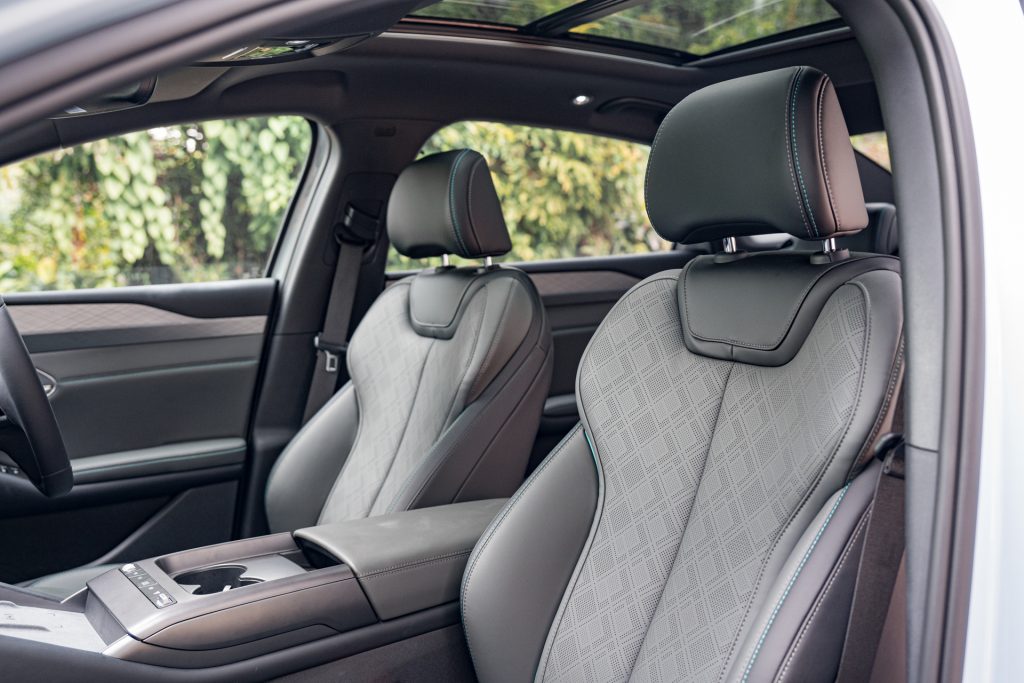
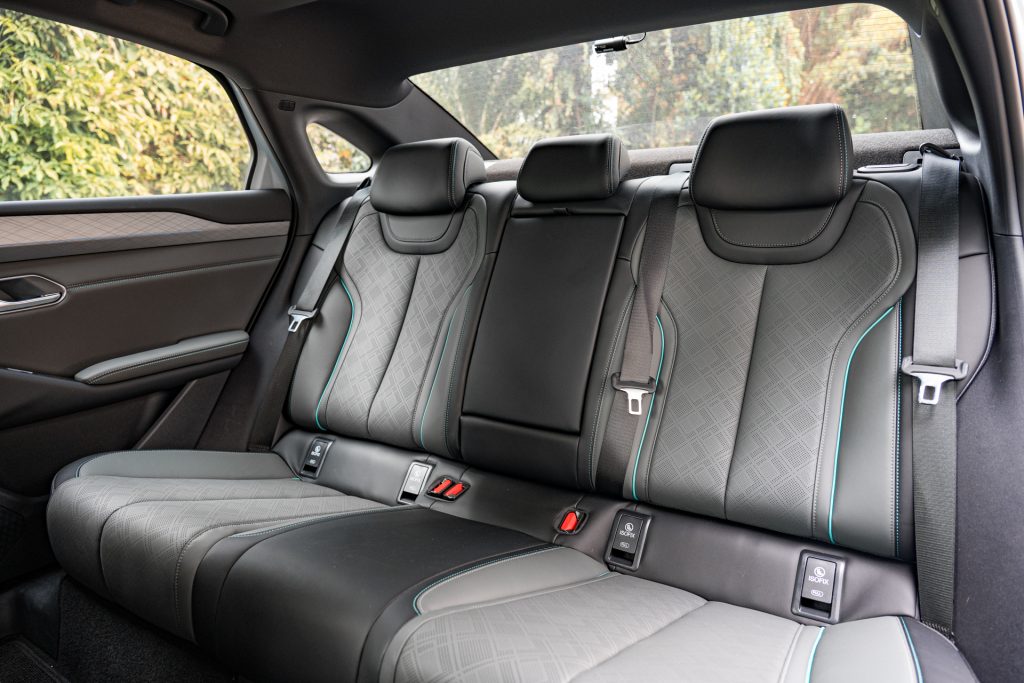
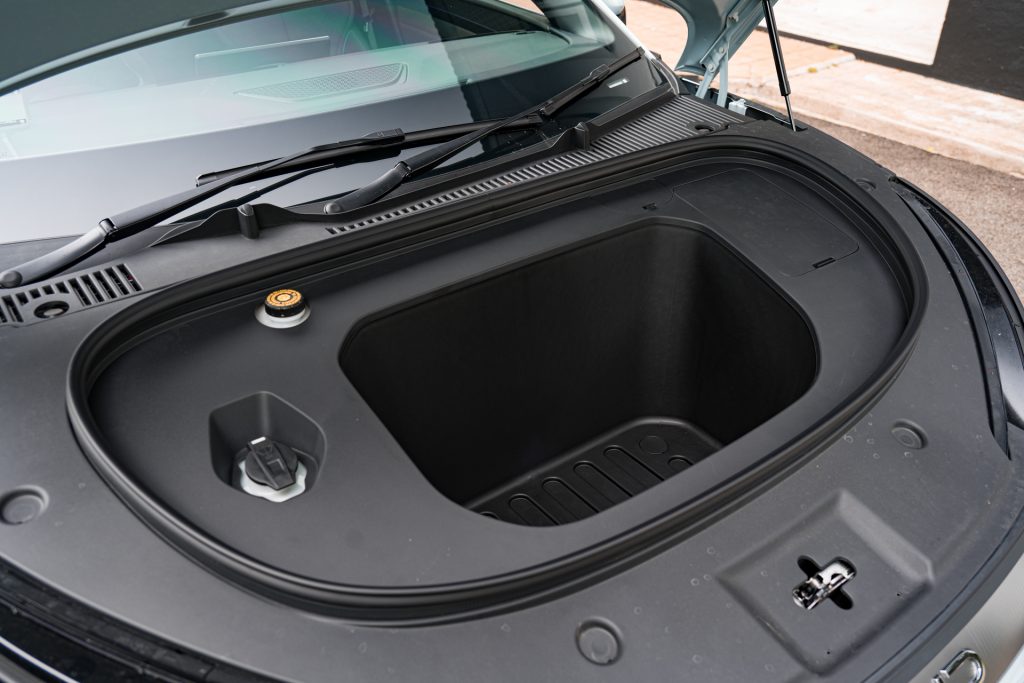
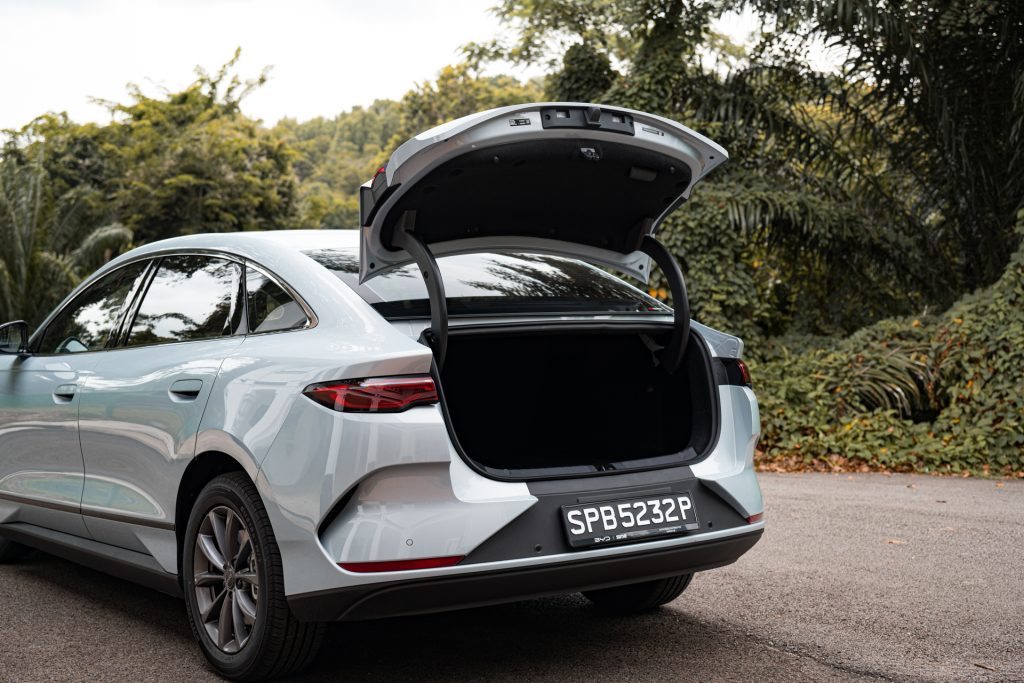
Rear legroom is decent, and the flat floor means even the middle seat is bearable. The 460-litre boot has a low aperture, making it easier for cargo to be loaded.
Should You Buy One?
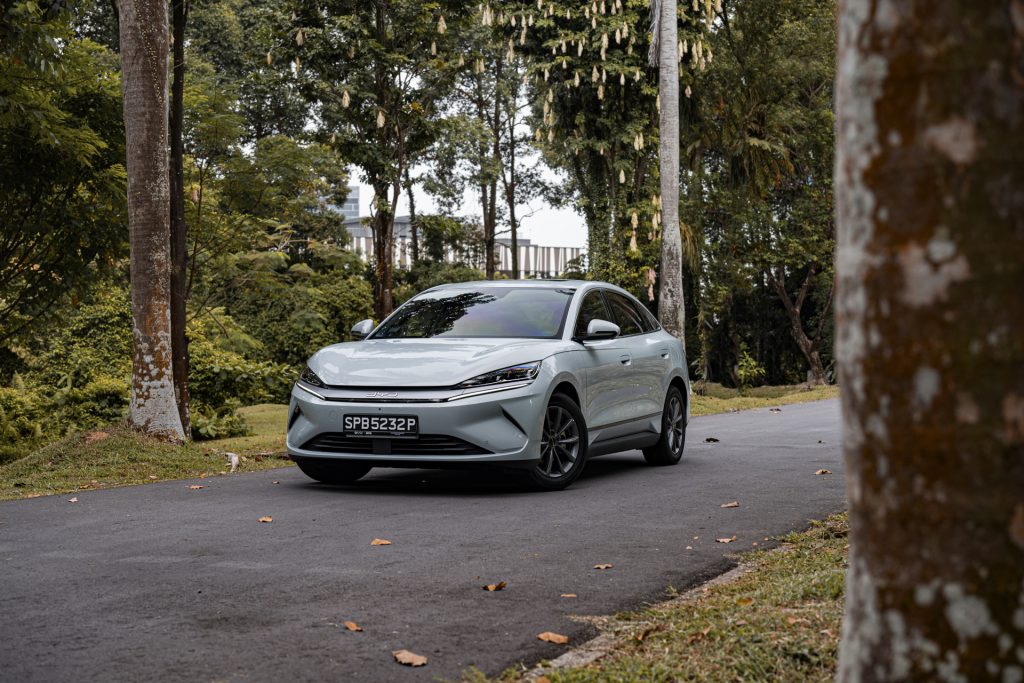
The BYD Seal 6 is well-priced and engineered for efficiency. If your commute involves expressways, school runs, and the occasional Malaysia trip, this car starts to make an awful lot of sense.
But, if you live for the joy of driving and think a good car should dance through corners, you might still gravitate toward the BYD Seal instead.
Technical Specifications
BYD Seal 6
Engine: Single Electric Motor
Powertrain: Rear-Wheel Drive
Power: 95 kW (127 bhp)
Torque: 220 Nm
Gearbox: Single-Speed (A)
0100km/h: 10.9 Seconds
Top Speed: 160 km/h
Battery Capacity: 56.64 kWh
Drive Range: 425 km (claimed)
Energy Consumption: 6.6 km/kWh (claimed)
Price: S$171,388 with COE (accurate at the time of this article)
Photo Credits: Sean Loo (@auto.driven)
Read more automotive news at AutoApp, or check out our latest videos on YouTube and on TikTok!