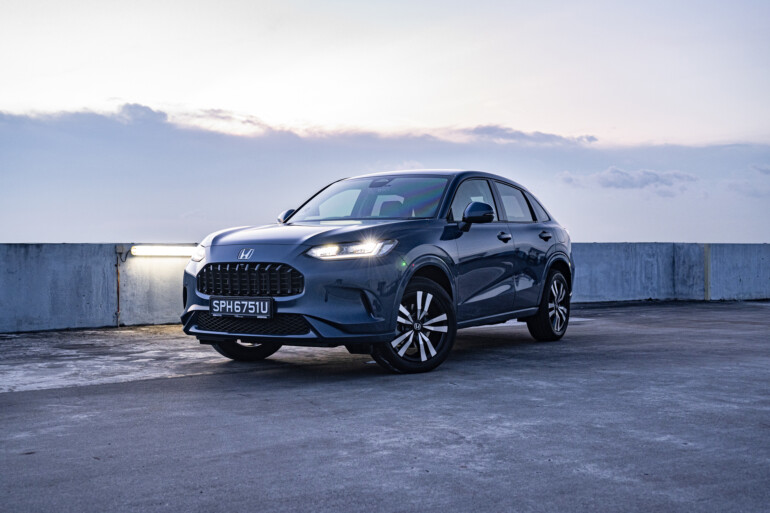
The Honda ZR-V, while capable, fills an awkward gap in the modern-day Honda lineup.
Honda has spent decades earning a reputation for building sensible cars. Cars that simply work. They may not always be the loudest, the fastest or the flashiest, but they have a habit of quietly getting under your skin through engineering integrity rather than marketing bravado.
This makes the ZR-V an interesting proposition.
On paper, it fills a gap between the HR-V and the CR-V. Whether anyone was actually asking for that gap to be filled is another matter altogether, but with SUVs continuing to dominate showrooms, Honda understandably wanted another contender in one of the busiest segments around.
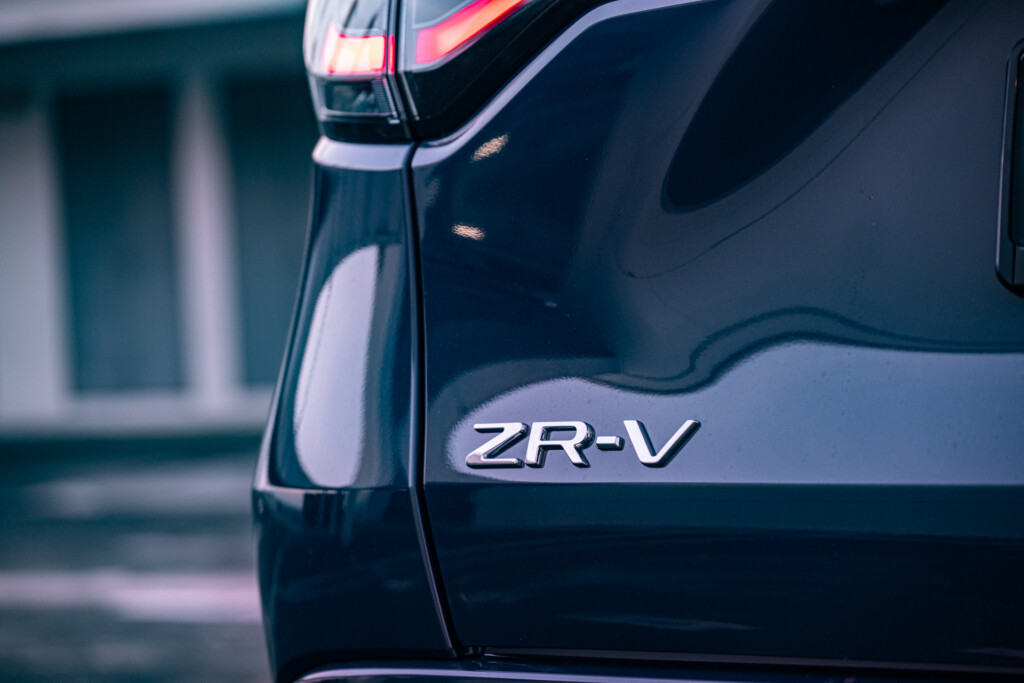
The ZR-V therefore is Honda’s mid-sized family crossover, sitting neatly between its smaller HR-V (Vezel) and larger CR-V siblings. And although the name sounds more like a forgotten Android software update than an SUV, what lies beneath is considerably more familiar.
More Civic than SUV
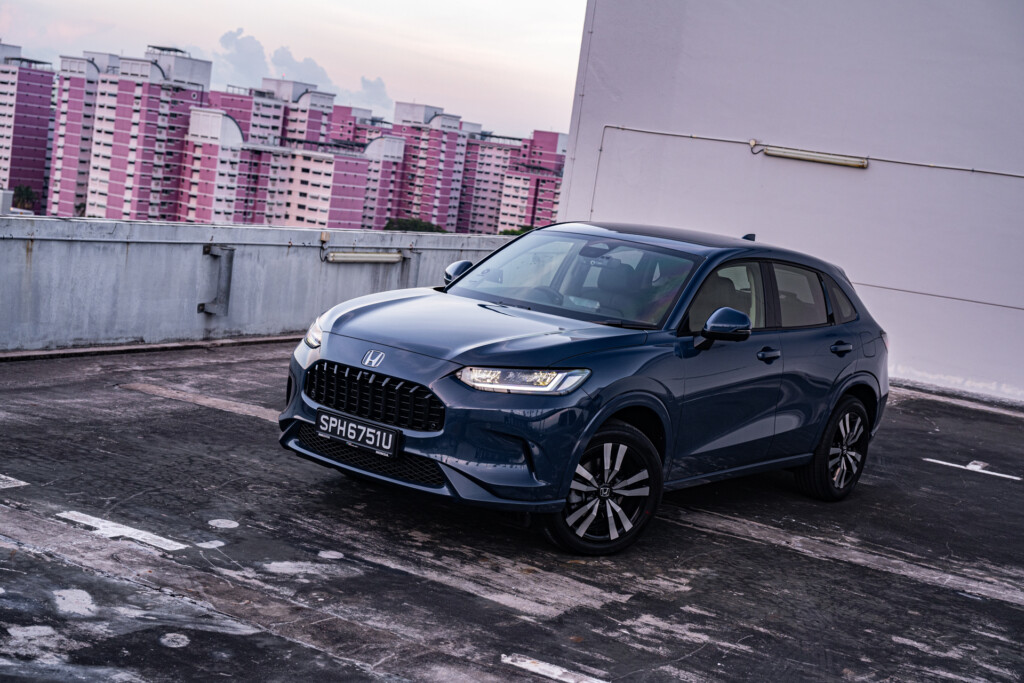
Beneath its crossover bodywork lies the same platform as the excellent Honda Civic, while much of its mechanical package will also underpin the latest CR-V. Honda even describes the car as essentially wearing a Civic’s front half and a CR-V’s rear.
The Civic remains one of the finest everyday hatchbacks on sale today, so borrowing its engineering credentials is a sensible starting point. Honda even wanted the driving position to mirror that of the hatchback, rather than the lofty perch typical of many SUVs.
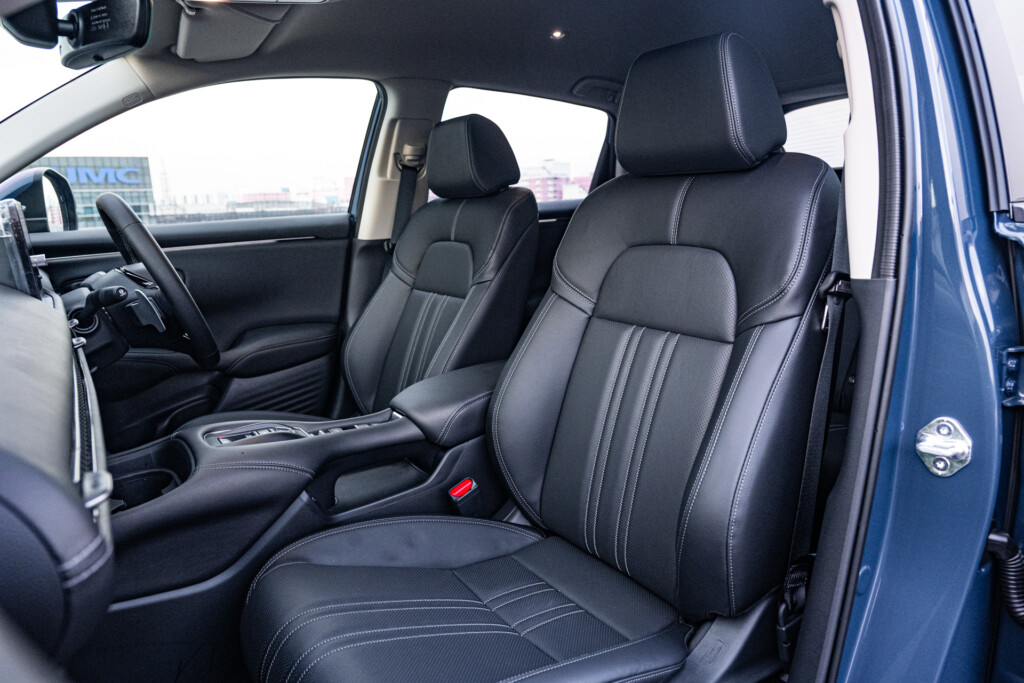
Whether it completely succeeds is debatable, but it certainly avoids the feeling of sitting on top of the car. Instead, you feel more integrated into it, giving the ZR-V a slightly more engaging personality than many rivals.
Hybrid brilliance… almost
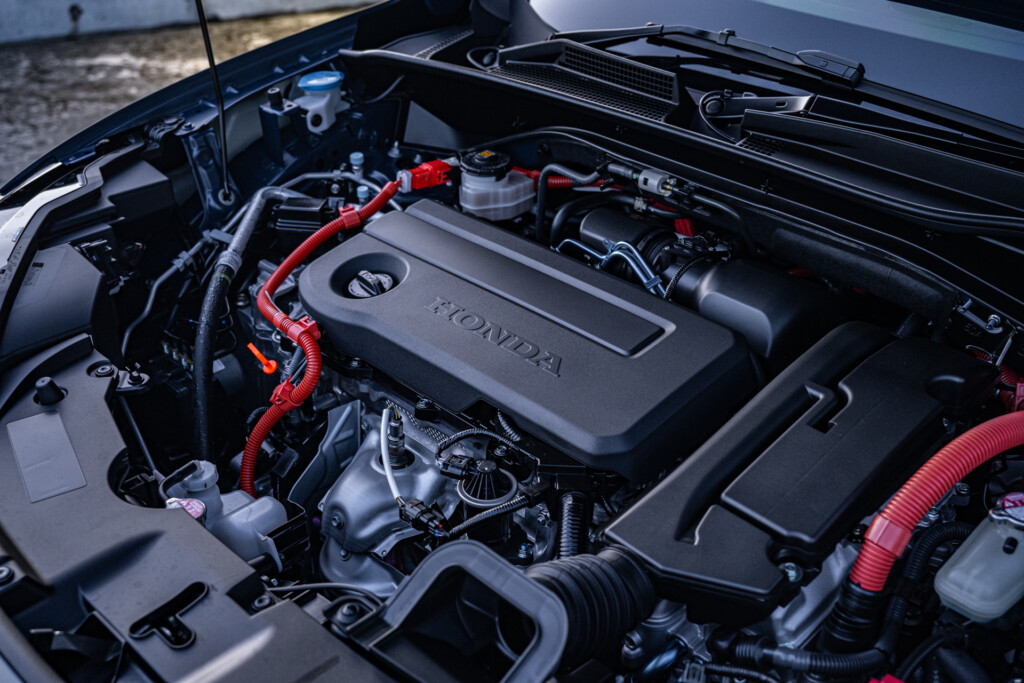
The heart of the ZR-V is Honda’s proven e:HEV hybrid powertrain, and it remains one of the smartest systems currently on the market.
Unlike many conventional hybrids, the petrol engine spends much of its time acting as a generator, producing electricity to power the electric motor, which in turn drives the wheels. Think of it less as a hybrid in the traditional sense and more as an electric car that carries its own portable power station under the bonnet.
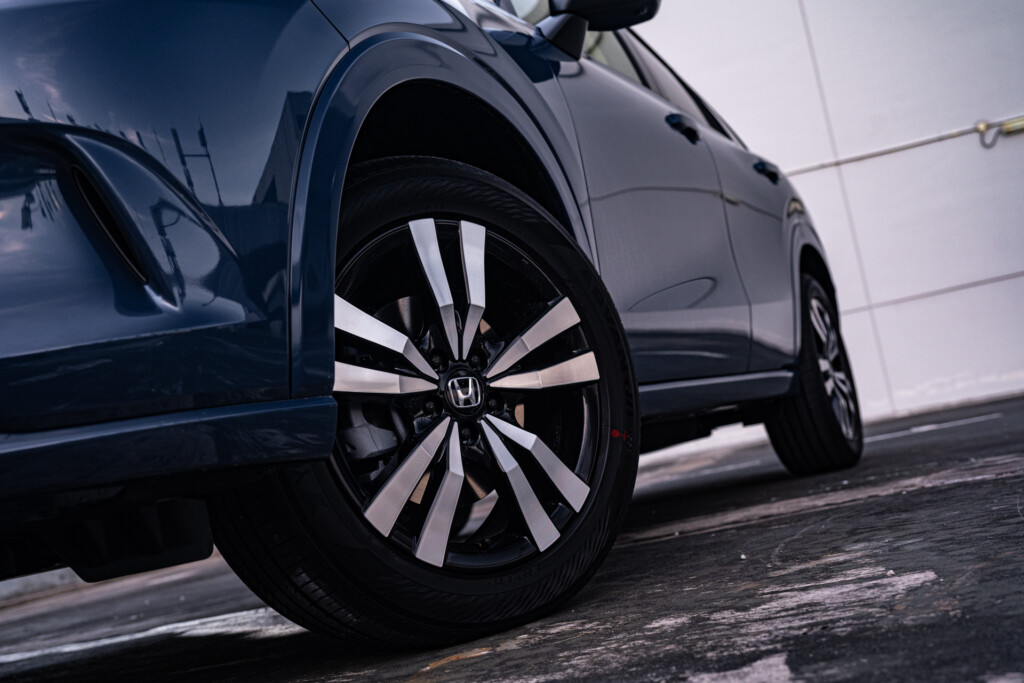
Around town, the effect is superb. The ZR-V glides silently through traffic, often relying purely on electric power. Even when the 2.0-litre four-cylinder engine wakes up, it does so with impressive refinement. There is none of the gruffness or hesitation that plagues lesser hybrid systems.
Honda’s clever Linear Shift Control deserves particular praise too. Ordinarily, systems like this can sound rather odd under heavy acceleration, with the engine holding a constant high rev while the car gradually gathers speed.
Honda’s software instead mimics conventional gear changes, allowing the revs to rise and fall naturally. It sounds like a traditional automatic gearbox, even though there isn’t one. It’s automotive theatre perhaps, but remarkably convincing theatre nonetheless.
When physics catches up
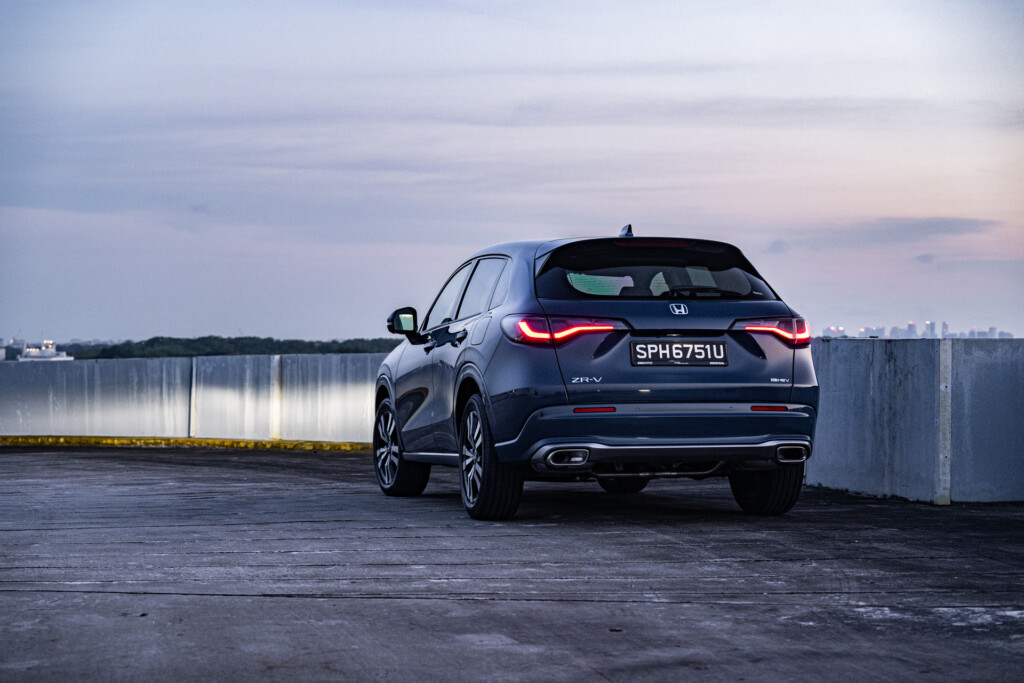
The trouble is, the ZR-V asks this powertrain to haul around considerably more weight than the Civic.
Producing 181bhp and 315Nm of torque, performance is perfectly respectable, with the century sprint dispatched in 7.8 seconds. Yet the additional 150kg over the Civic is noticeable. Not dramatically so, but enough to rob the drivetrain of some of the effortless enthusiasm that makes it shine in the hatchback.
The engine occasionally feels as though it is working harder than it would like, particularly during prolonged acceleration or when climbing steeper gradients. It never becomes unpleasant, but neither does it feel entirely relaxed.
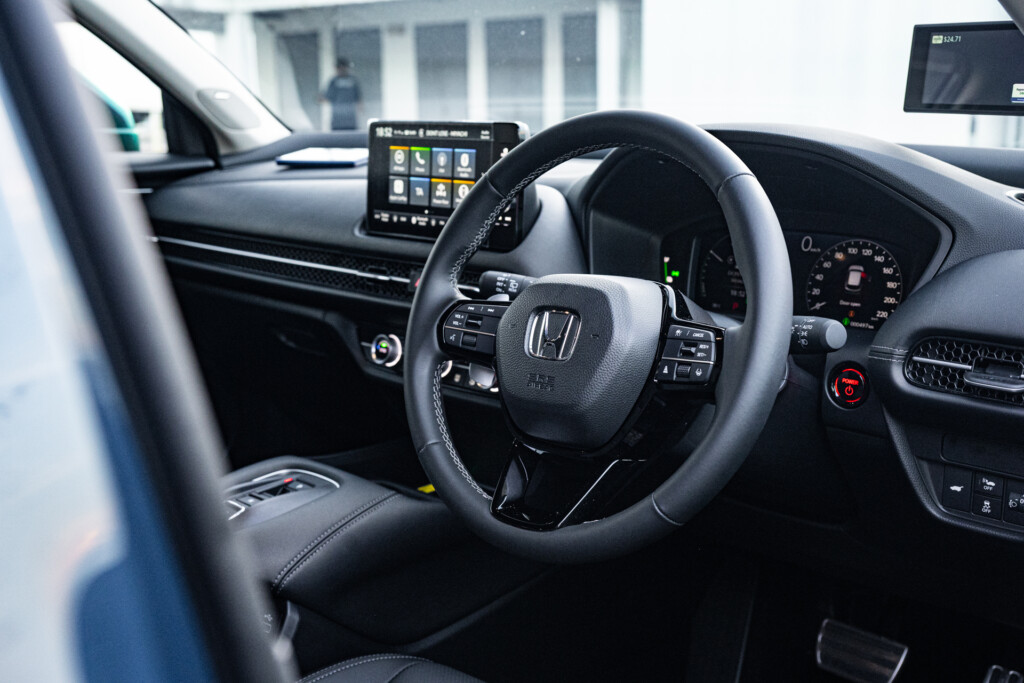
The steering is similarly competent, carrying reassuring weight that some drivers will appreciate, although others may find it slightly heavier than necessary for an everyday family SUV.
Ride quality, too, leans towards firmness. This is by no means uncomfortable, but it lacks the pillowy compliance many buyers expect from a family crossover.
Those observations may sound critical, but they are really fine margins. The ZR-V remains a thoroughly pleasant companion on the road. It simply never quite feels special.
Safe, predictable… perhaps too predictable
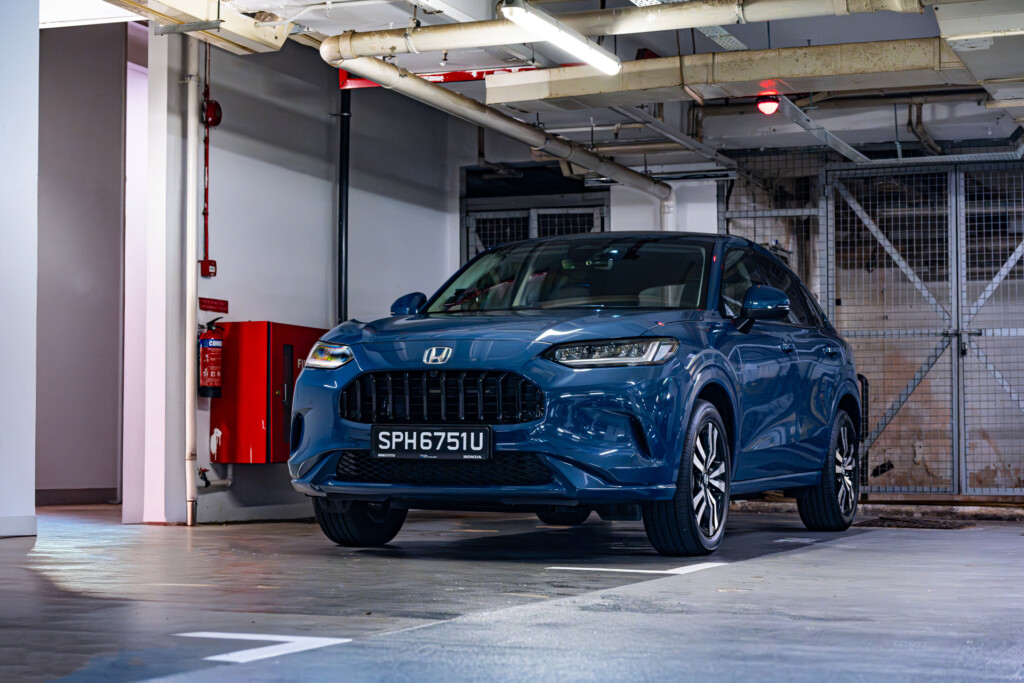
One thing Honda has never struggled with is building confidence into its cars.
The ZR-V corners tidily, brakes progressively and generally inspires trust regardless of conditions. Regenerative braking is adjustable via steering wheel-mounted paddles, adding a welcome layer of driver involvement, while drive modes including Eco, Normal, Sport and Snow are available.
The problem? They scarcely alter the car’s character.
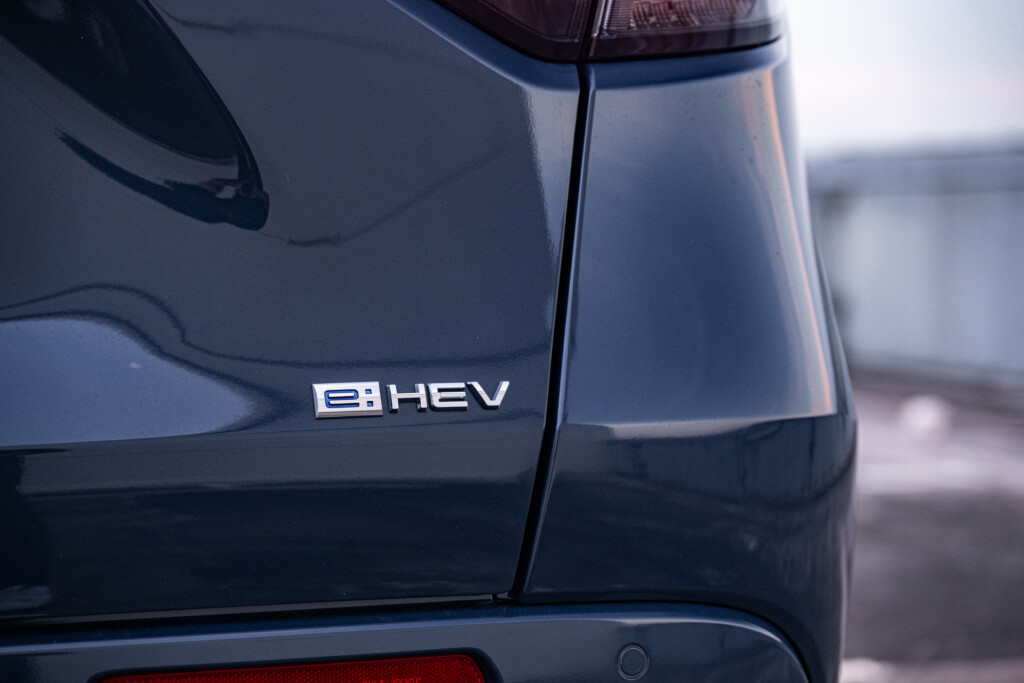
Switching between modes feels rather like changing the font on a spreadsheet. Technically something has changed, but it hardly transforms the overall experience.
This is perhaps the ZR-V’s biggest weakness. It is so determined to offend nobody that it occasionally forgets to leave behind much of a personality.
Familiar surroundings
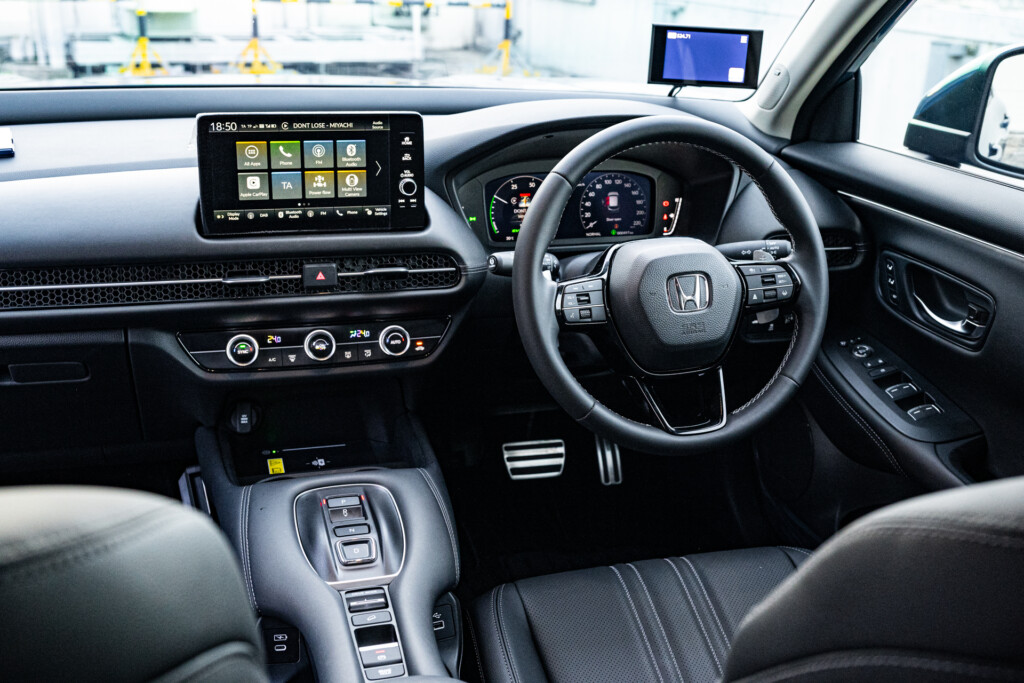
Step inside and anyone familiar with the latest Civic will immediately recognise the dashboard.
The horizontal layout remains one of the cleanest designs in the segment, while the 9-inch touchscreen is responsive, straightforward and thankfully not overloaded with unnecessary gimmicks.
Wireless Apple CarPlay and Android Auto come as standard, while every model benefits from heated front seats.
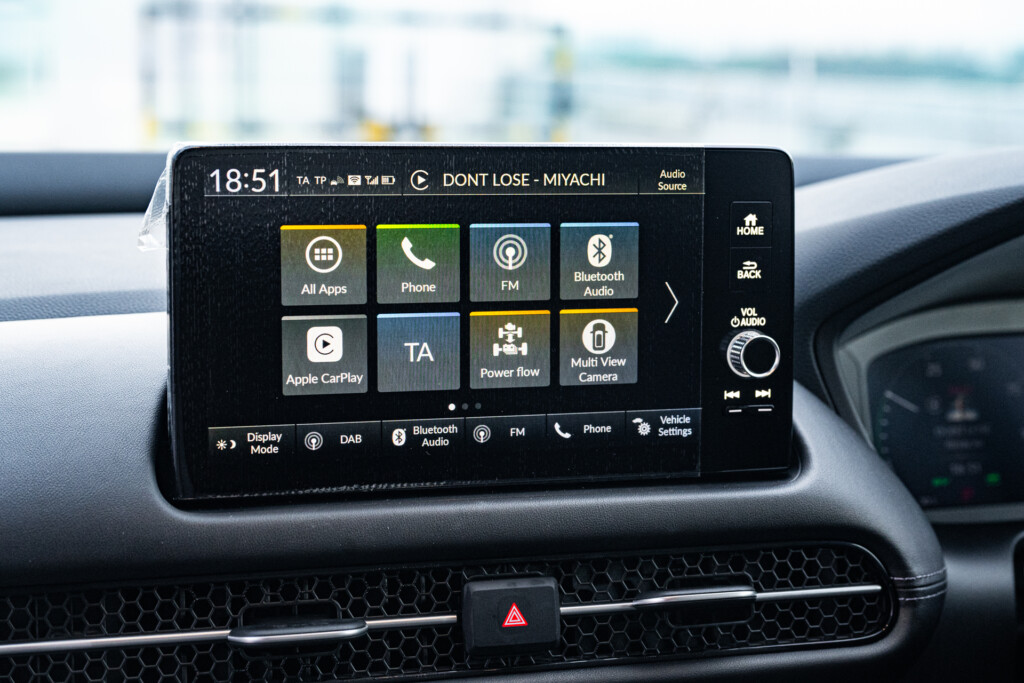
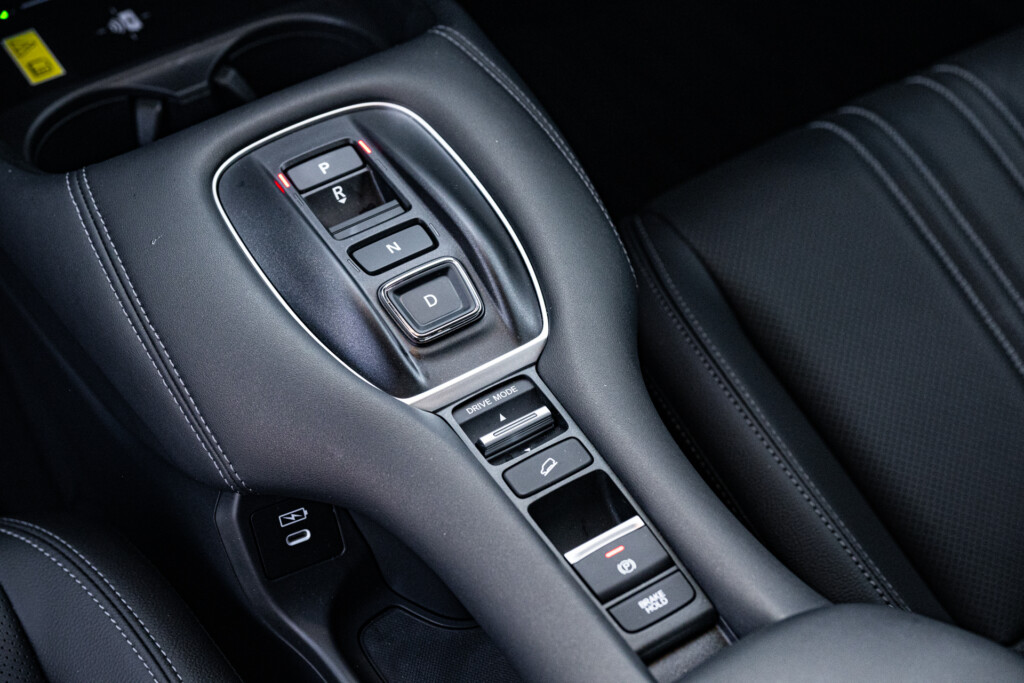
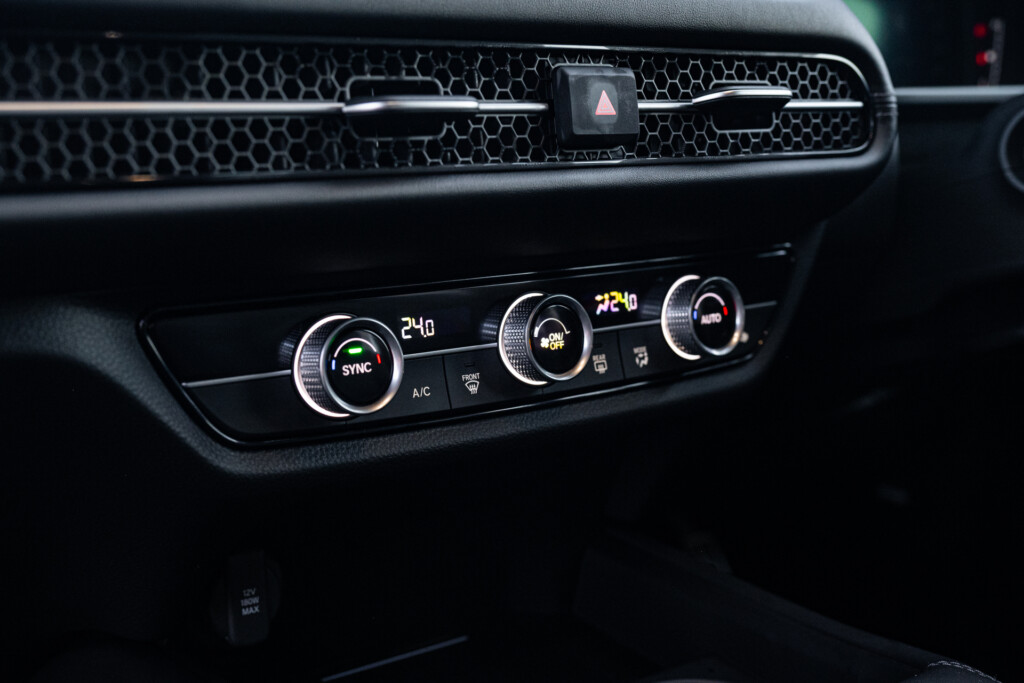
More importantly, Honda continues to remember something many manufacturers appear to have forgotten. Buttons.
Proper physical climate controls remain, and they are among the best in the business. Large rotary dials, intuitive switchgear and steering wheel controls mean you spend more time watching the road and less time navigating digital menus.
Frankly, every manufacturer should take notes.
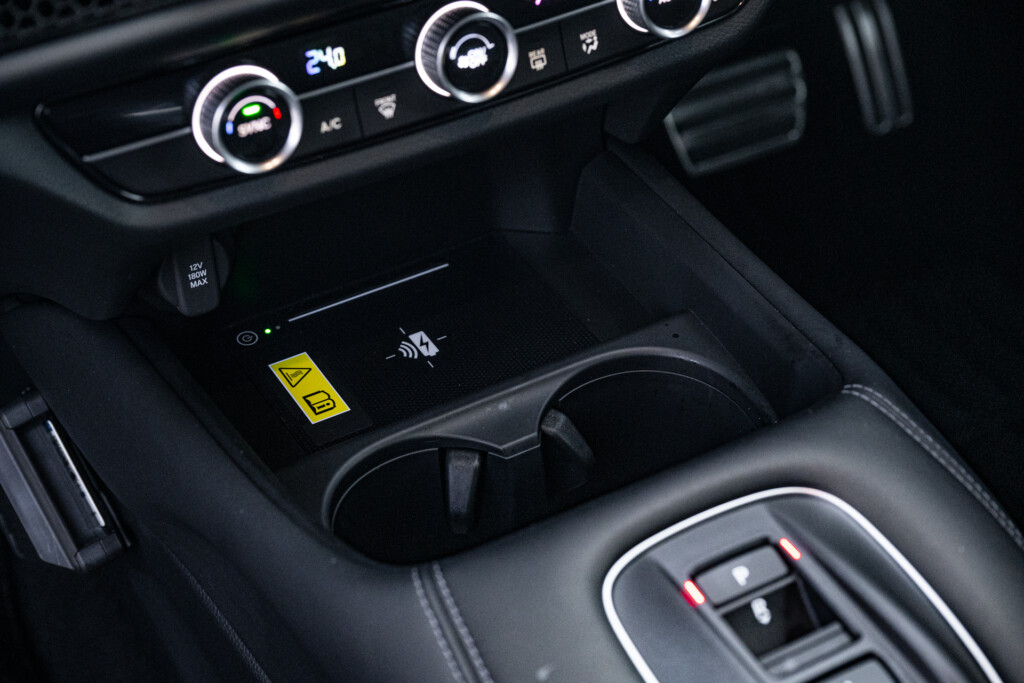
The driving position is comfortable too. Perhaps not quite as hatchback-like as Honda claims, but certainly more natural than many SUVs.
Family-friendly… mostly
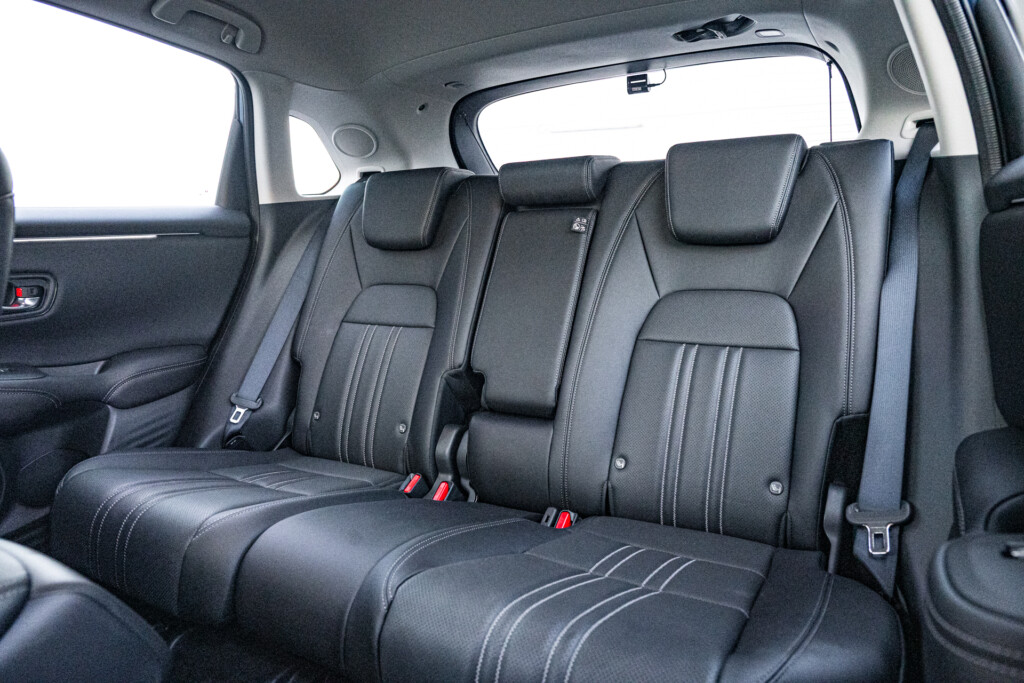
Rear passengers will have little to complain about. Legroom is generous, headroom is respectable, and the optional panoramic roof floods the cabin with natural light, making it feel pleasantly airy.
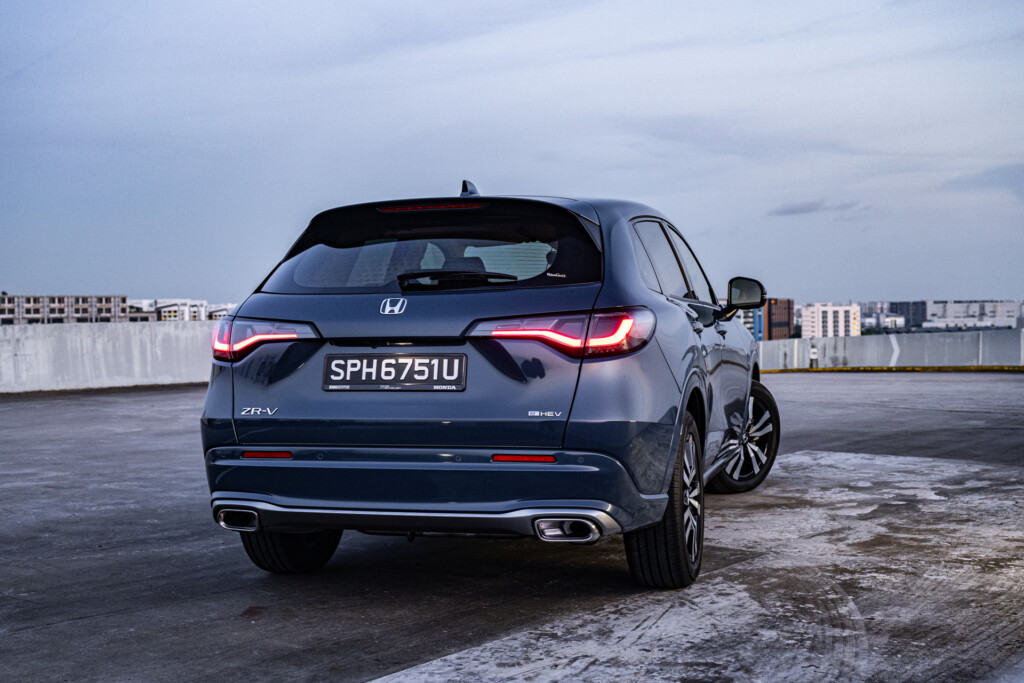
Where the ZR-V loses ground is practicality. Boot capacity stands at just 370 litres, expanding to 1,291 litres with the rear seats folded.
Those figures trail many direct competitors, with rivals such as the Skoda Karoq and Volkswagen Tiguan offering significantly more luggage space. If your weekends regularly involve pushchairs, bicycles, holiday luggage or flat-pack furniture, there are better choices.
Why not simply buy the Civic?
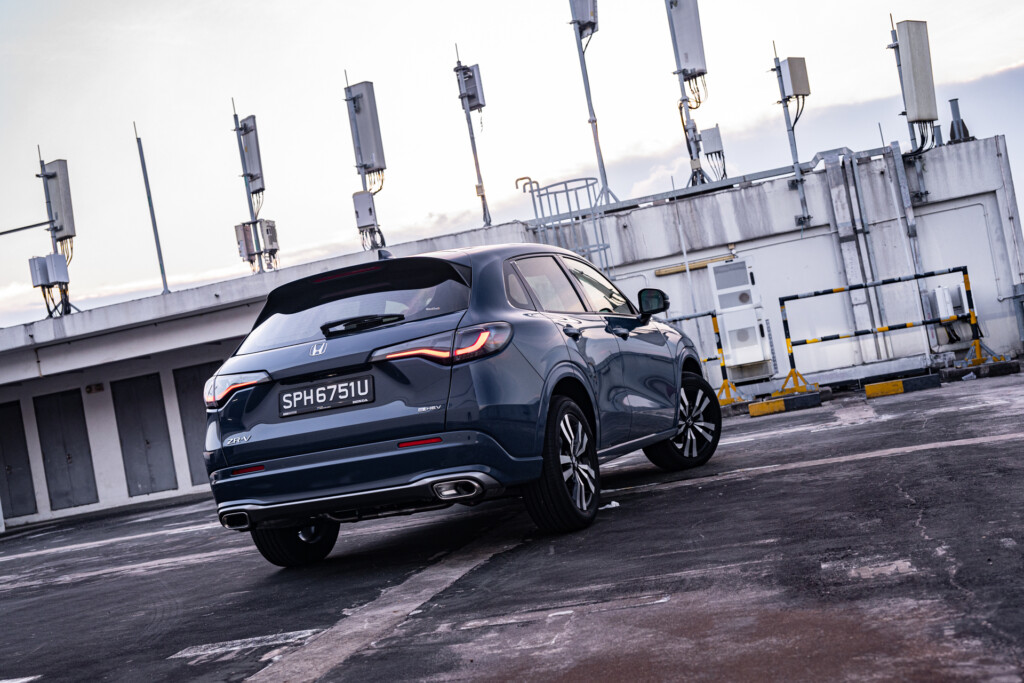
The Honda ZR-V is a difficult car to dislike.
It is refined, comfortable, intelligently engineered and fitted with one of the finest full-hybrid powertrains currently available. Build quality is reassuring, ergonomics are excellent, and the driving experience is polished enough to satisfy the vast majority of buyers.
Yet it also leaves you asking one unavoidable question. Why not simply buy the Civic?
The Civic delivers much of the same engineering excellence while feeling lighter, sharper and more engaging to drive. Unless you specifically need the slightly higher seating position or additional rear passenger space, the sedan remains the sweeter package.
Technical Specifications
Honda ZR-V
Engine: 2.0-litre 4-cylinder, Front Wheel Drive
Power: 181 bhp (Combined)
Torque: 315 Nm
Gearbox: E-CVT (A)
Top Speed: Unknown
Fuel Tank Capacity: 57 Litres
Fuel Economy: 17.5 km/litre (claimed)
Price: $236,999 with COE
Photo Credits: Sean Loo (@auto.driven)
Read more automotive news at AutoApp, or check out our latest videos on Ignition Labs TV and on TikTok!