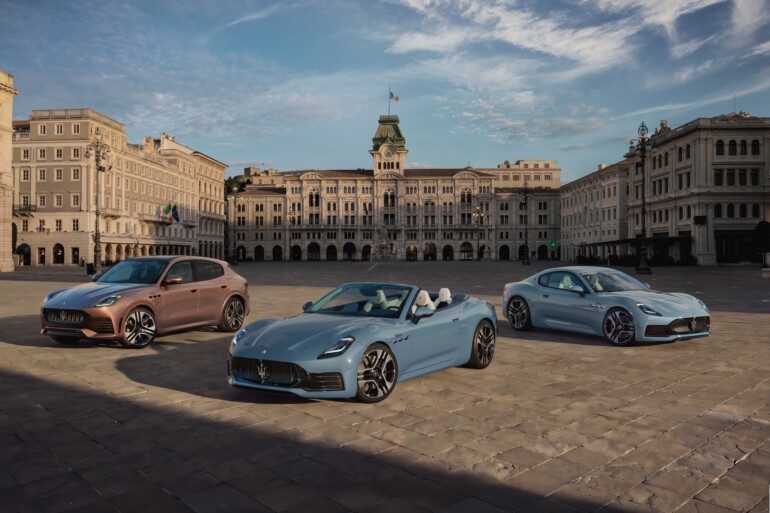
As Maserati celebrates the centenary of its iconic Trident emblem, it has chosen to evolve the three models that now sit at the heart of its line-up: the GranTurismo, GranCabrio and Grecale.
It is a measured approach that focuses on improving what already works while reaffirming the brand’s identity as a maker of elegant Italian grand tourers.
The updates span design, performance, technology and electrification. More importantly, they provide a glimpse into where Maserati intends to head next as it continues rebuilding its presence in the luxury segment.
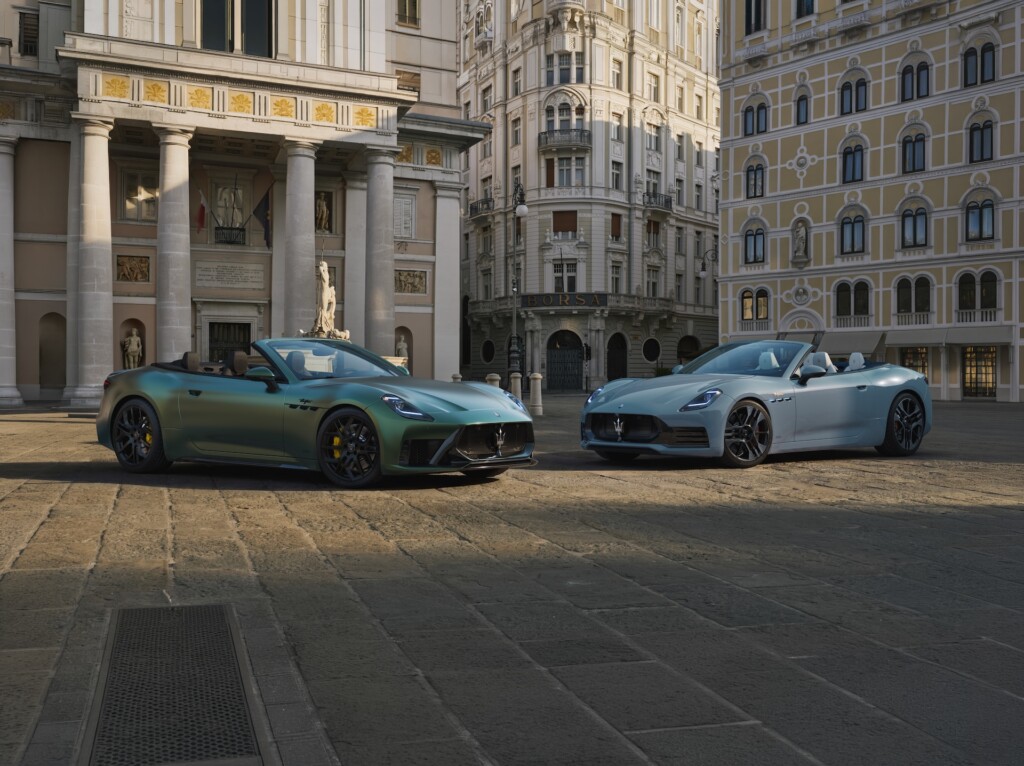
Performance has always been central to the Maserati story, and the latest updates ensure that remains the case.
The GranTurismo Trofeo and GranCabrio Trofeo now benefit from an uprated version of Maserati’s twin-turbocharged 3.0-litre Nettuno V6, producing 590hp. That represents a useful increase over the outgoing model, while preserving the character of the engine that first debuted in the MC20.
It is an engine worth celebrating. Featuring Formula One-inspired pre-chamber combustion technology developed and patented by Maserati, the Nettuno has become one of the defining features of the brand’s modern performance cars.
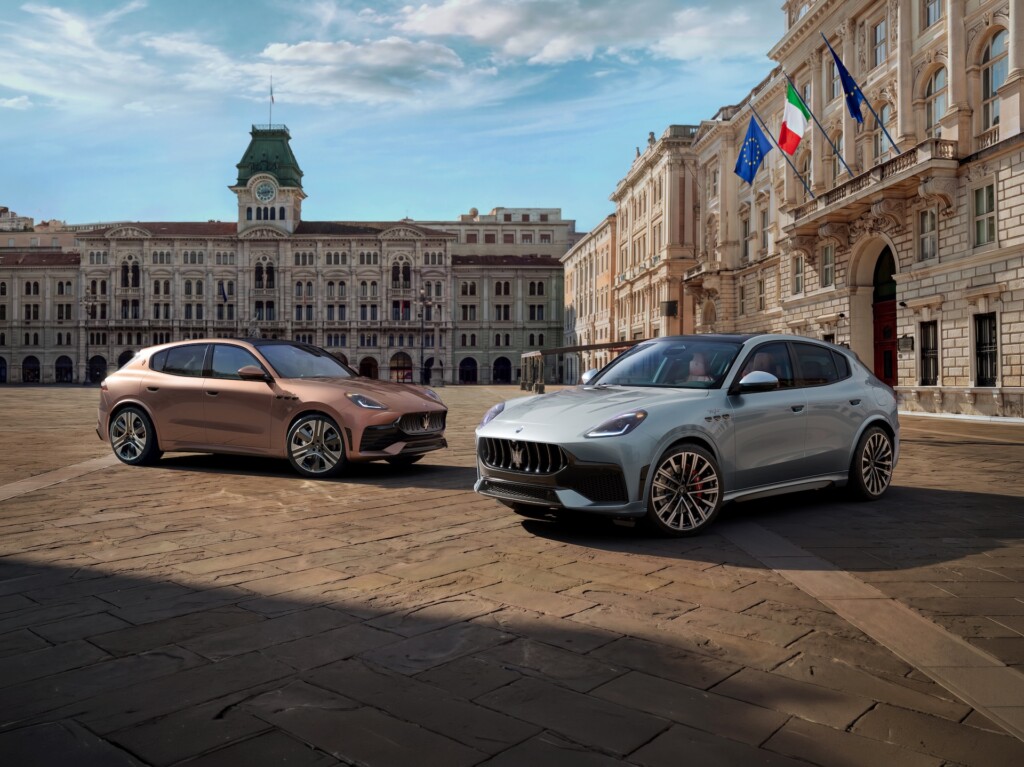
The Grecale also receives an important addition to its range.
A new entry-level V6 variant joins the line-up, bringing the 390hp version of the Nettuno engine to buyers seeking something more engaging than the previous four-cylinder offering, but without stepping all the way up to the high-performance Trofeo.
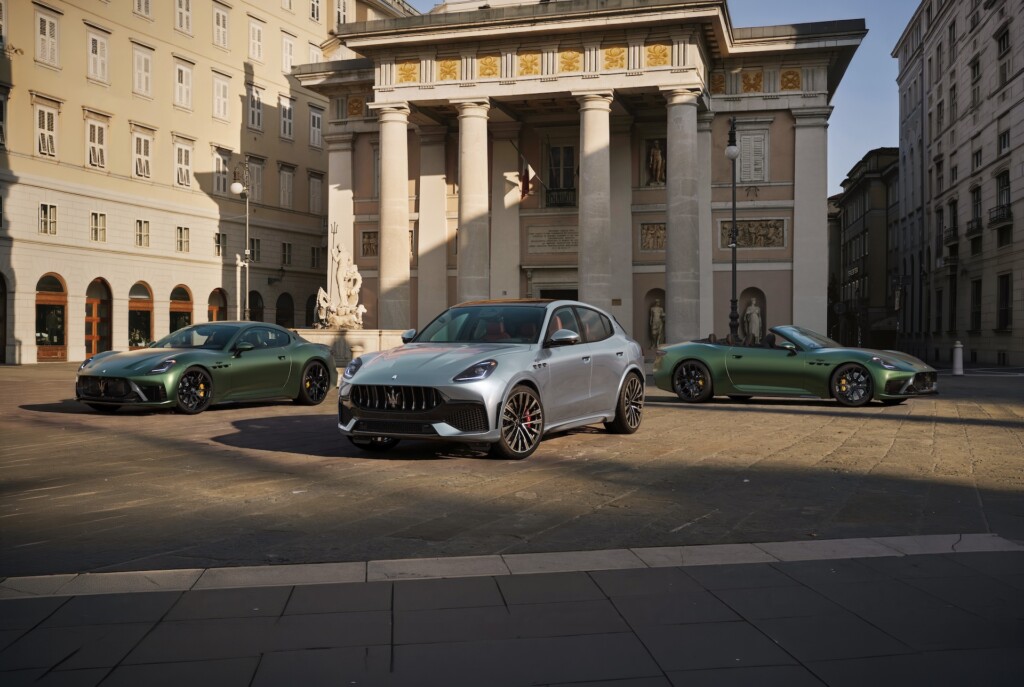
Visually, Maserati has resisted the temptation to reinvent its cars. Instead, the design team has focused on subtle changes that strengthen the family resemblance across the range.
The GranTurismo, GranCabrio and Grecale all adopt a more pronounced “shark nose” front fascia, drawing inspiration from the MCPura and GT2 Stradale. Revised grilles, new bumpers and reshaped air curtains give each model a slightly more assertive stance without altering the proportions that have already made them some of the most elegant cars in their respective segments.
New wheel designs and additional exterior colours further expand personalisation options, while the cabins receive a series of thoughtful updates rather than wholesale redesigns. Among the changes are a new steering wheel, revised shift controls, updated graphics for the infotainment system and a redesigned Maserati Digital Clock.
Electrification remains an important pillar of Maserati’s strategy, and the Folgore range has not been overlooked. Rather than introducing larger batteries, Maserati has focused on improving efficiency.
Through aerodynamic refinements, updated energy management software and more efficient tyres, both the GranTurismo Folgore and GranCabrio Folgore now offer increased driving range. The Grecale Folgore also benefits from further optimisation, extending its range while retaining the all-wheel-drive capability that defines the model.
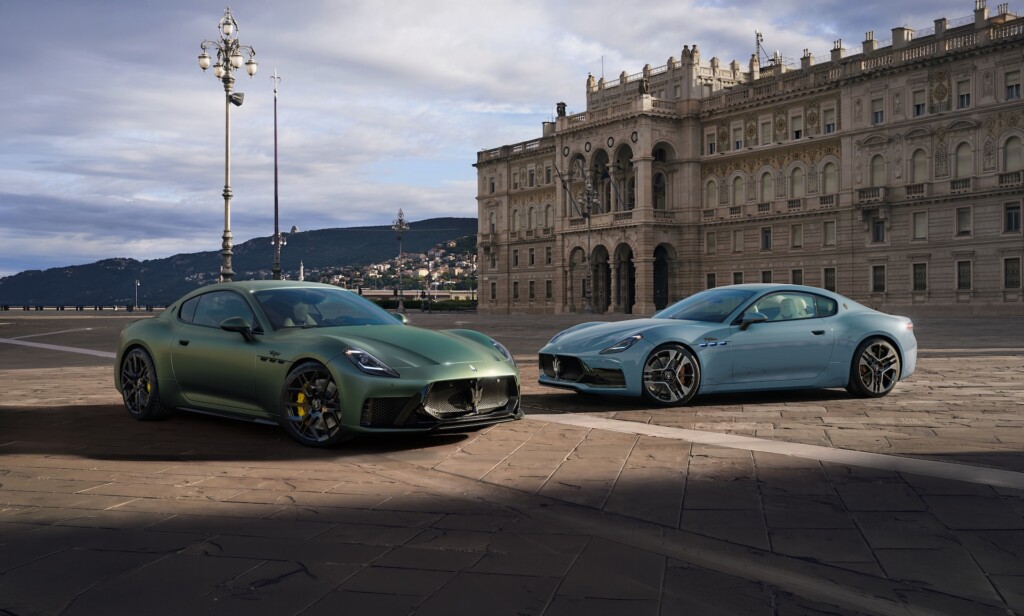
Maserati has endured a challenging period in recent years, with declining sales and increasing competition from both established luxury brands and emerging electric vehicle manufacturers. Yet the company has made it clear that it has no intention of abandoning its identity. Instead, it is doubling down on what has traditionally made a Maserati special: Italian design, engaging performance and grand touring comfort.
Santo Ficili, Alfa Romeo CEO and Maserati COO, summed up that philosophy by saying: “With the new Trident range, we are strengthening the distinctive quality that has always defined us: Italian Gran Turismo, where design, elegance, performance and masterful craftsmanship come together in a balance of elegance that is never ostentatious, yet always performance oriented.”
Read more automotive news at AutoApp, or check out our latest videos on YouTube and on TikTok!