Mini applies the JCW treatment to its first all-electric model, but does the Aceman JCW live up to its performance rep?
The John Cooper Works (JCW) name has been associated with the most hardcore of Mini models ever since the brand’s relaunch in the 21st century. Any Mini bearing the JCW badge is guaranteed to offer a true visceral experience that takes the Mini essence to the extreme.
As Mini expands its lineup in the electric era, though, how much relevance does JCW still have in this new age? Can a fully electric Mini like the Aceman still offer the same sort of thrills as an old-school petrol-powered Mini JCW?
Just A Touch Of Aggression
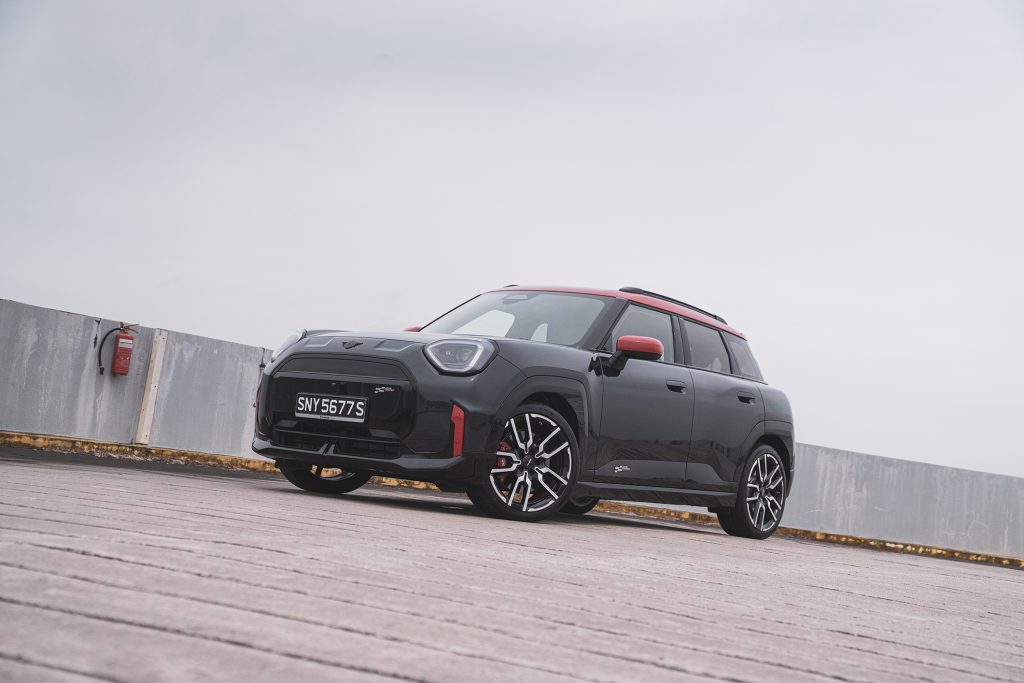
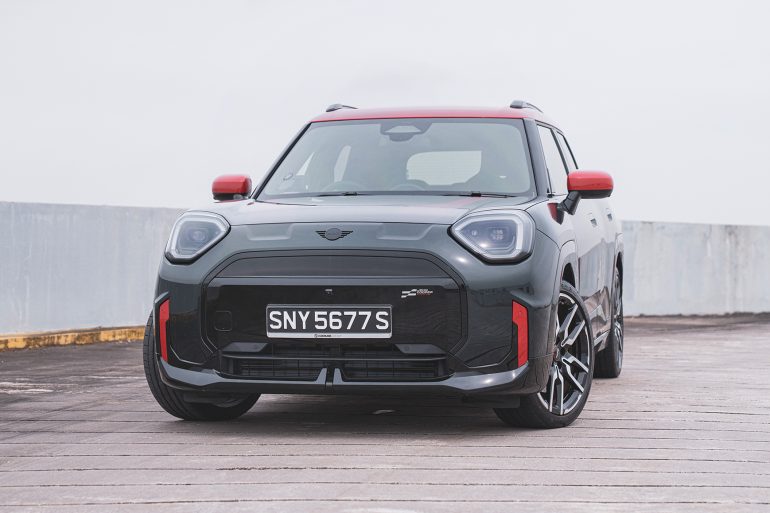
The Aceman JCW does have a few design details that set it apart from lesser-powered Acemans (Acemen?), though, truth be told, the test car’s black shade hides them well and makes the aggression appear less obvious.
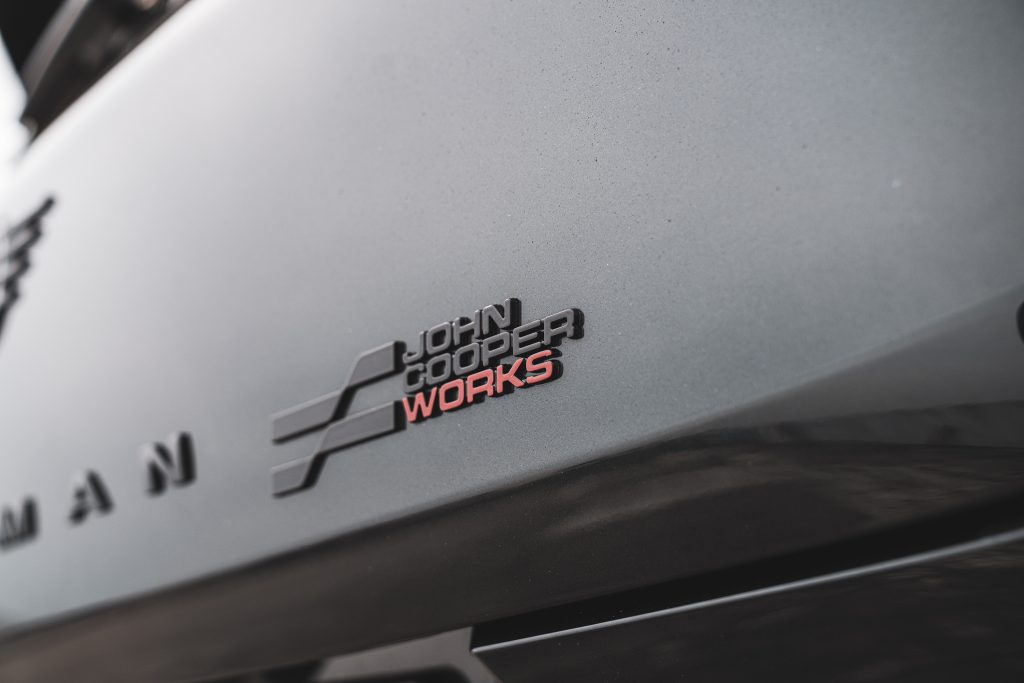
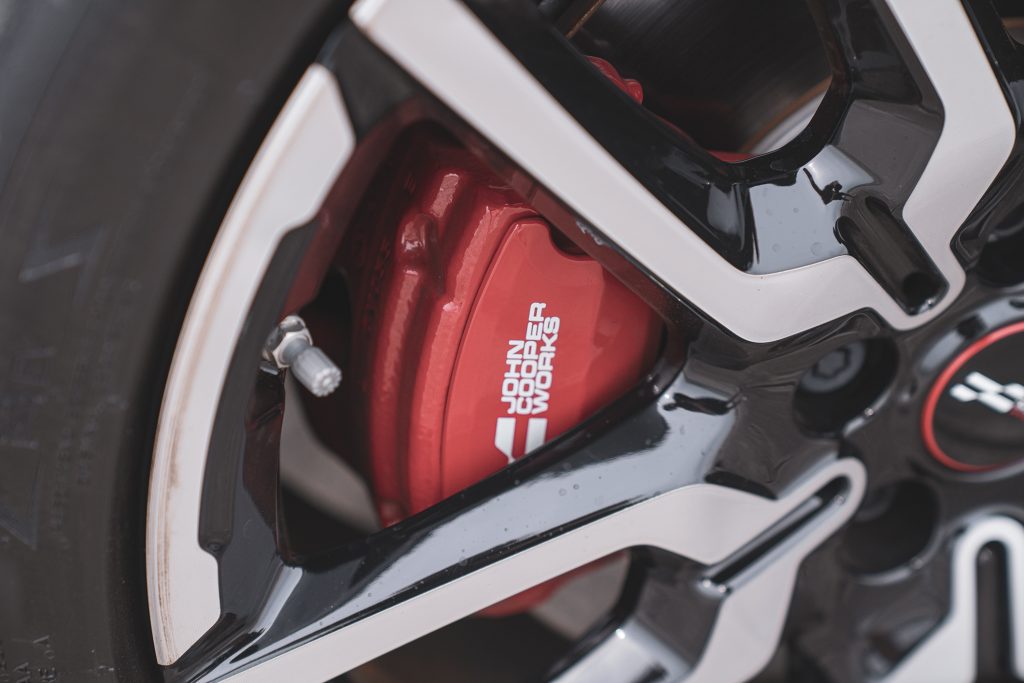
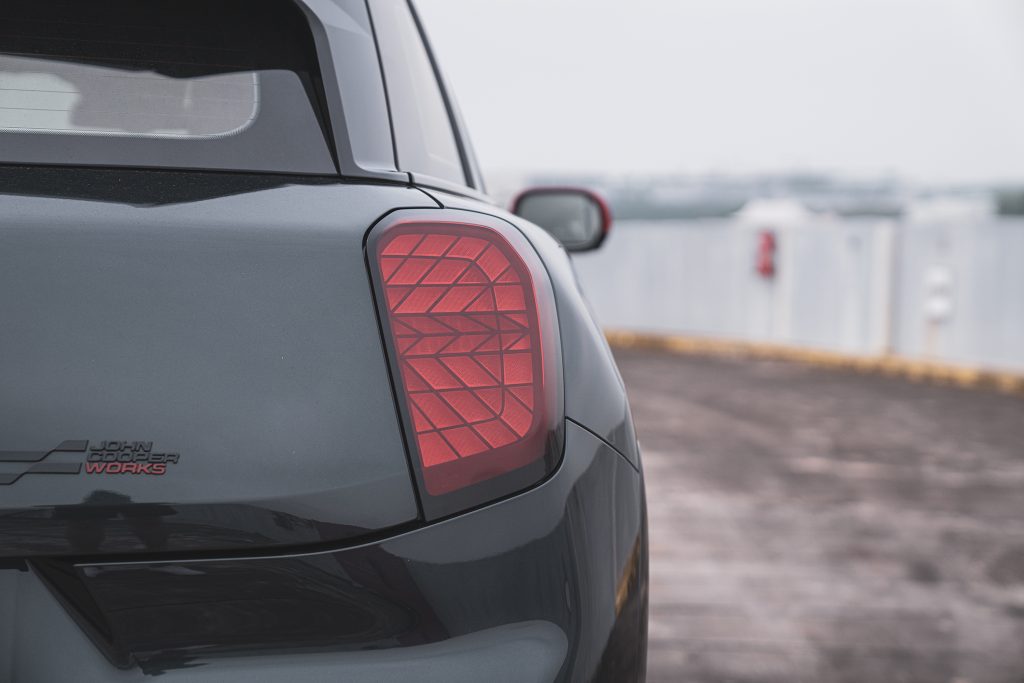
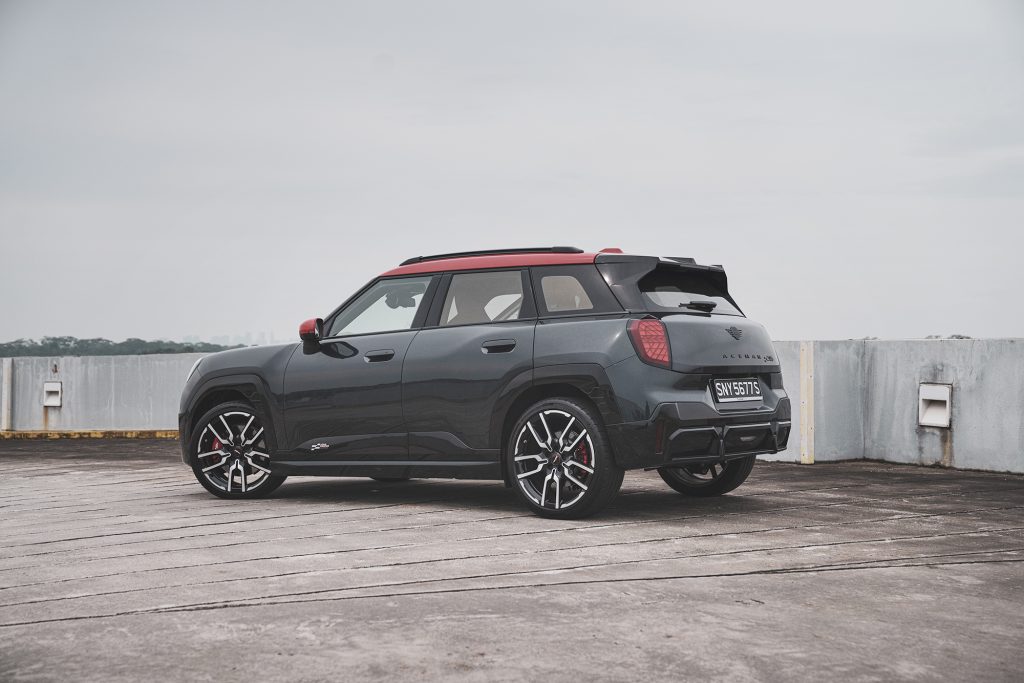
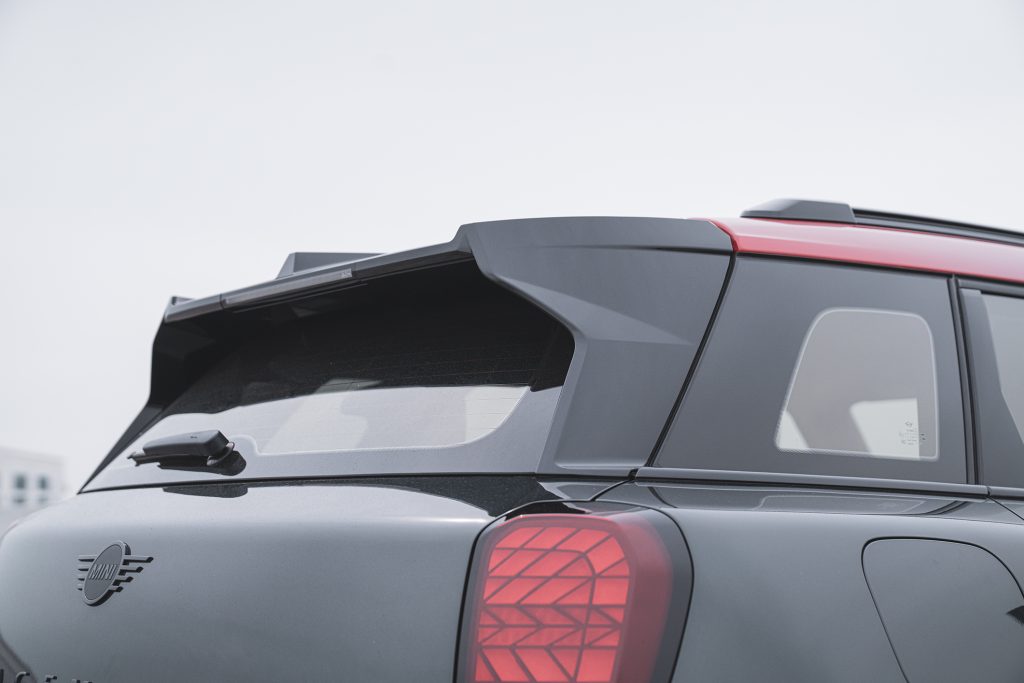
You get a sporty body kit with JCW-specific bumpers, side skirts and rear spoiler, along with unique wheels, as well as lots of JCW badges everywhere, as if it wants to constantly remind you of its identity.
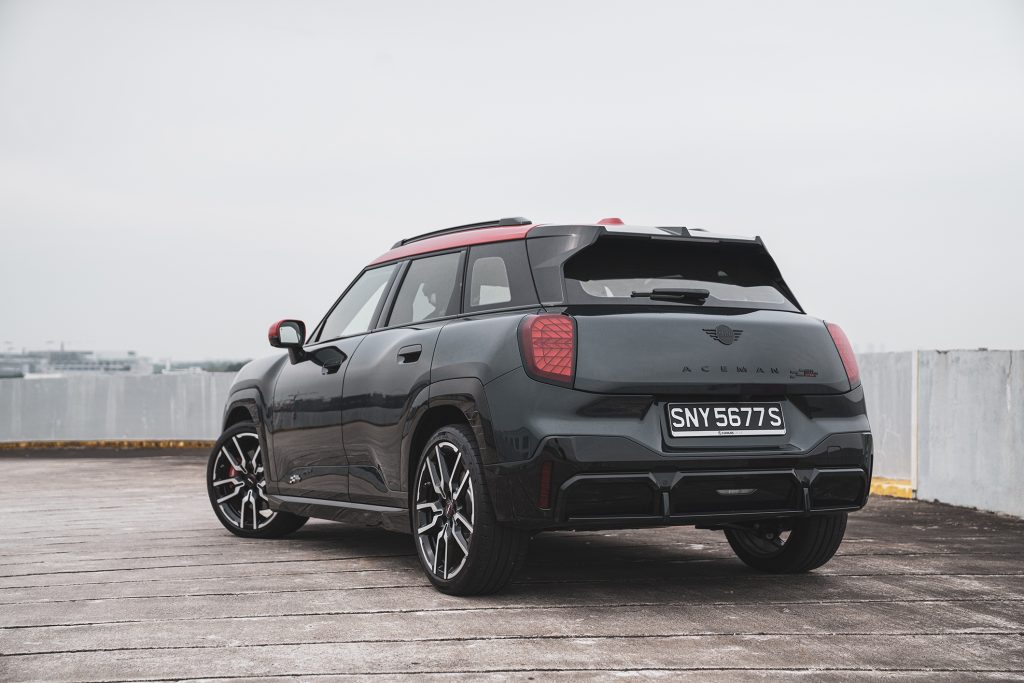
The two-tone paintwork, with its Chilli Red accents like the roof and door mirrors, is another indication of the car’s performance prowess. On the whole, though, the overall effect is more subtle than other JCWs, and it doesn’t come across as too in-your-face.
Subtly Sporty Inside
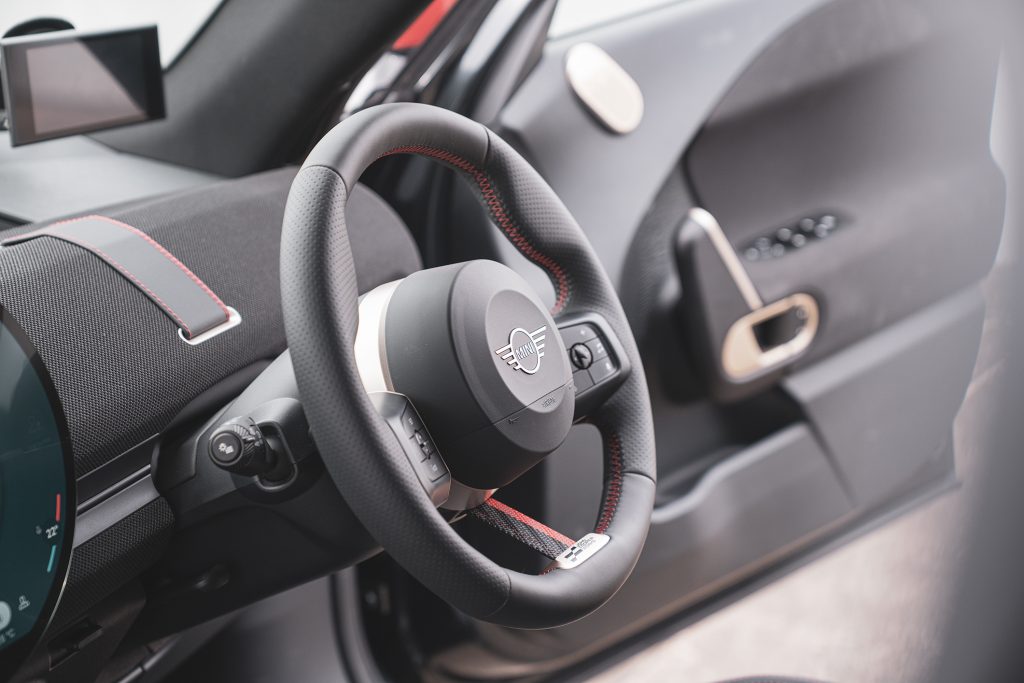
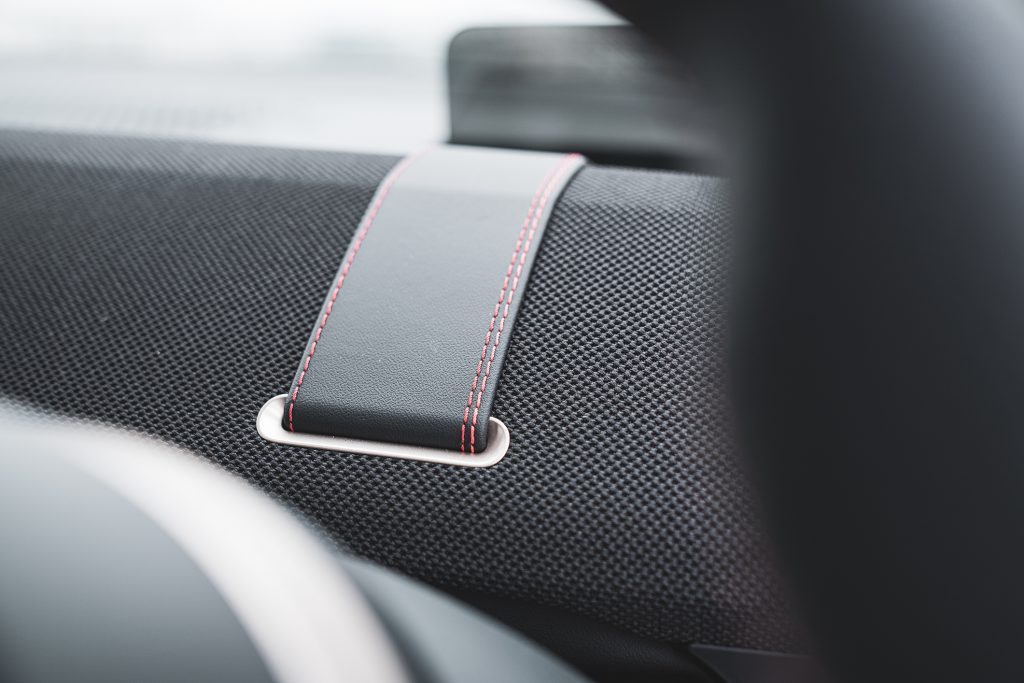
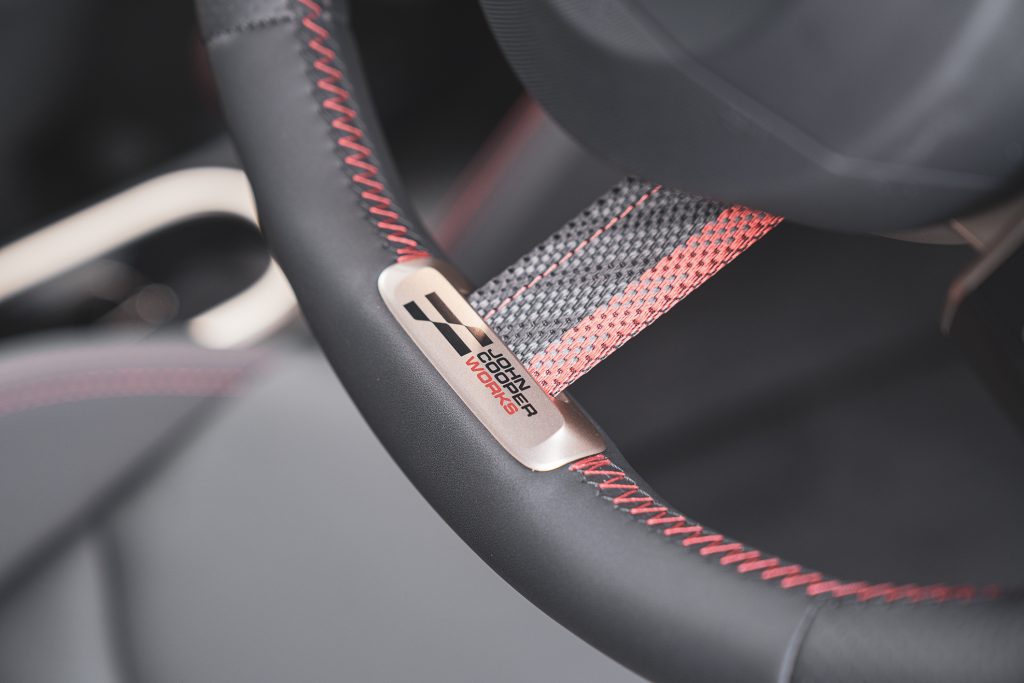
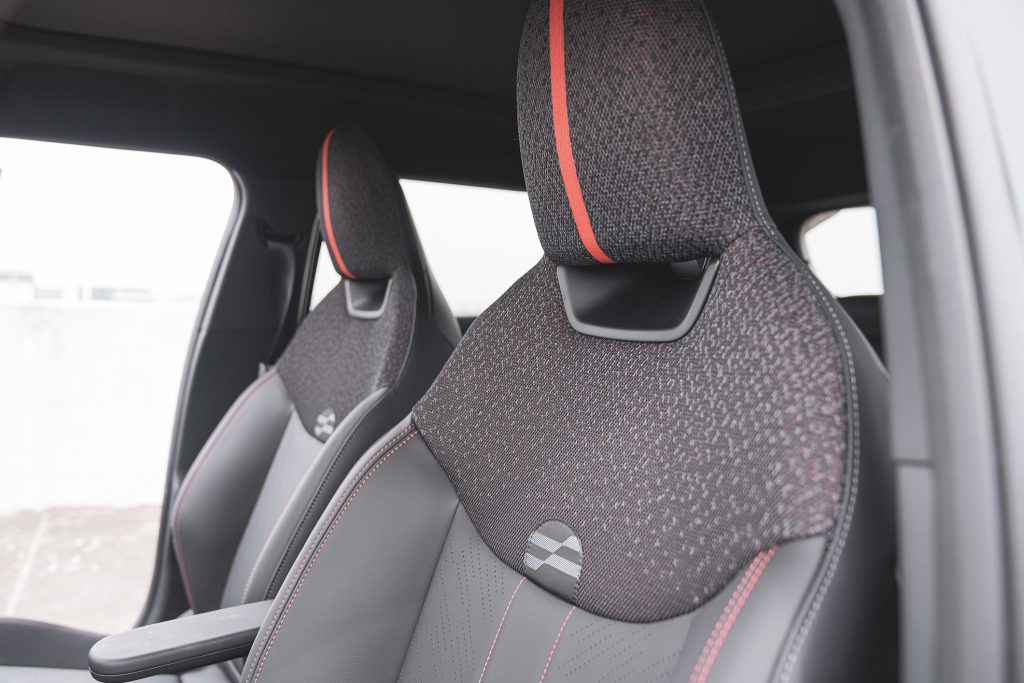
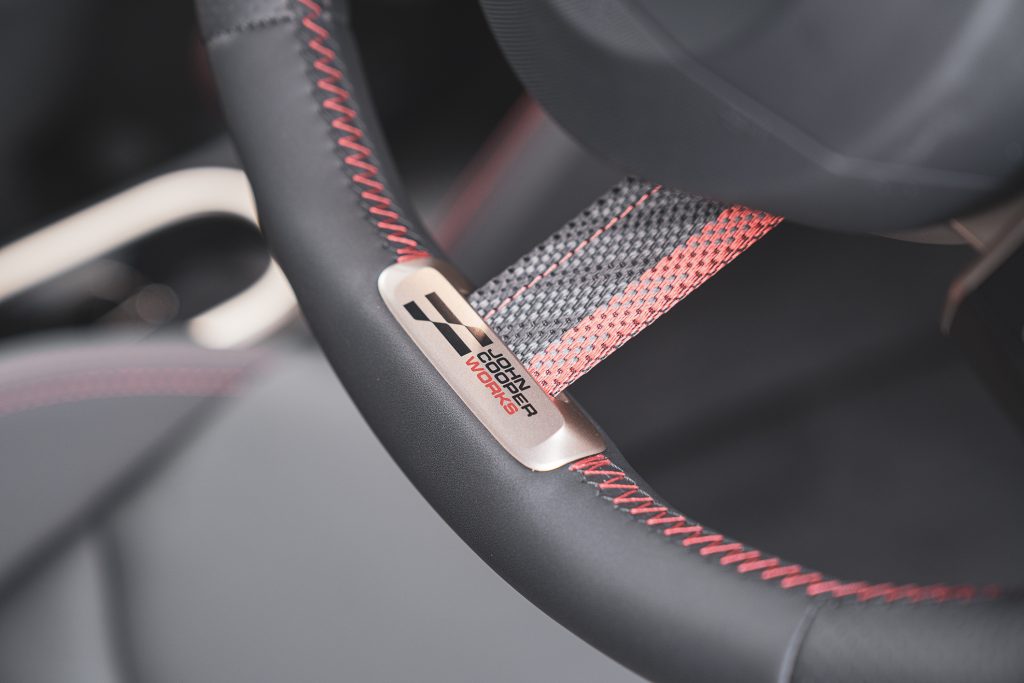
That low-key theme continues on the interior, too. You get a unique checkered pattern on the dashboard, along with a JCW steering wheel and sports seats, but otherwise, that’s really about it. The rest of the cabin feels nearly indistinguishable from a regular Aceman, if we’re honest.
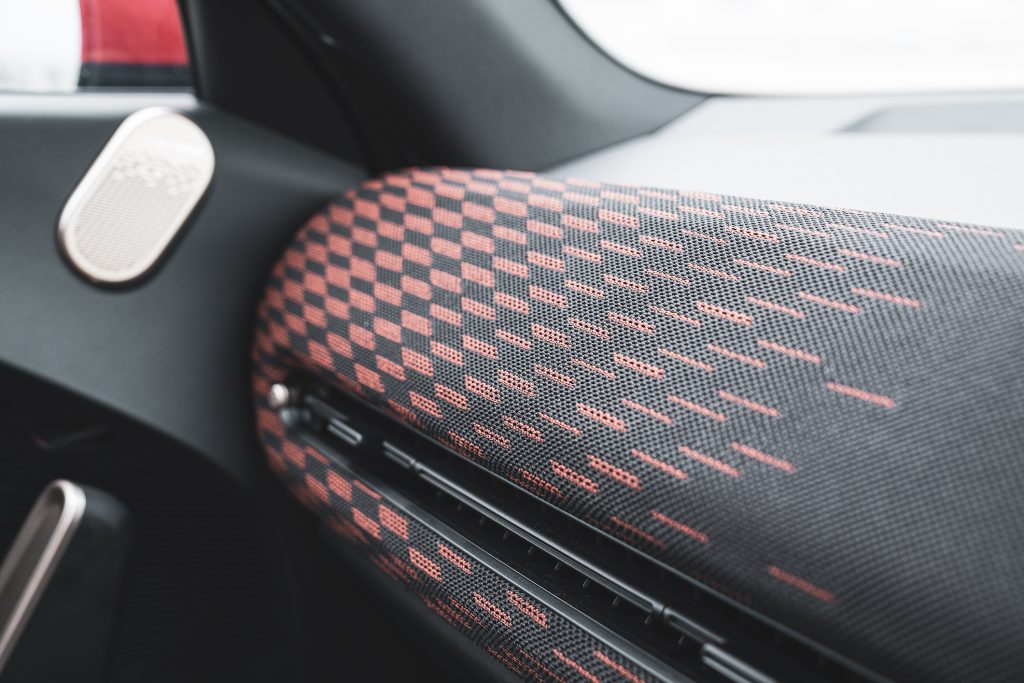
The choice of materials does leave much to be desired, though. The knitted fabric material that adorns the dashboard and door cards feels rough to the touch, and it gets quite irritating when you rest your arm on the door, and your skin comes into contact with the surface.
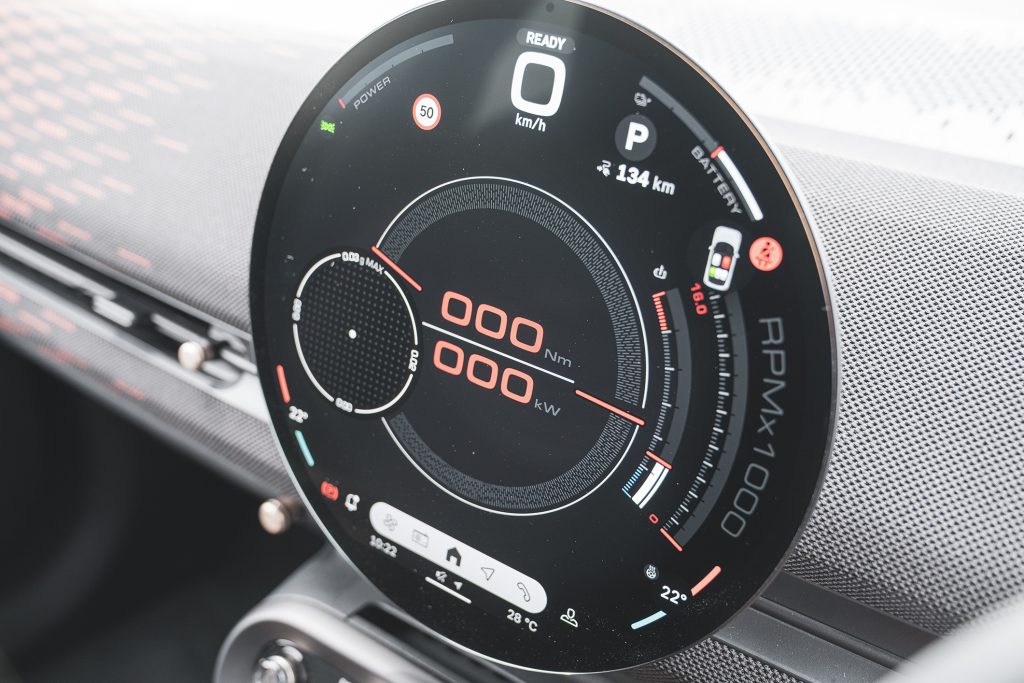
Aside from the contrast red stitching, the rest of the cabin is pretty much the same as the regular Aceman. The 9.4-inch circular touchscreen, with its cheerful graphics, makes an appearance here, and the selectable Experience modes also come with a bespoke JCW setting for this car.
Feels Kinda Fast
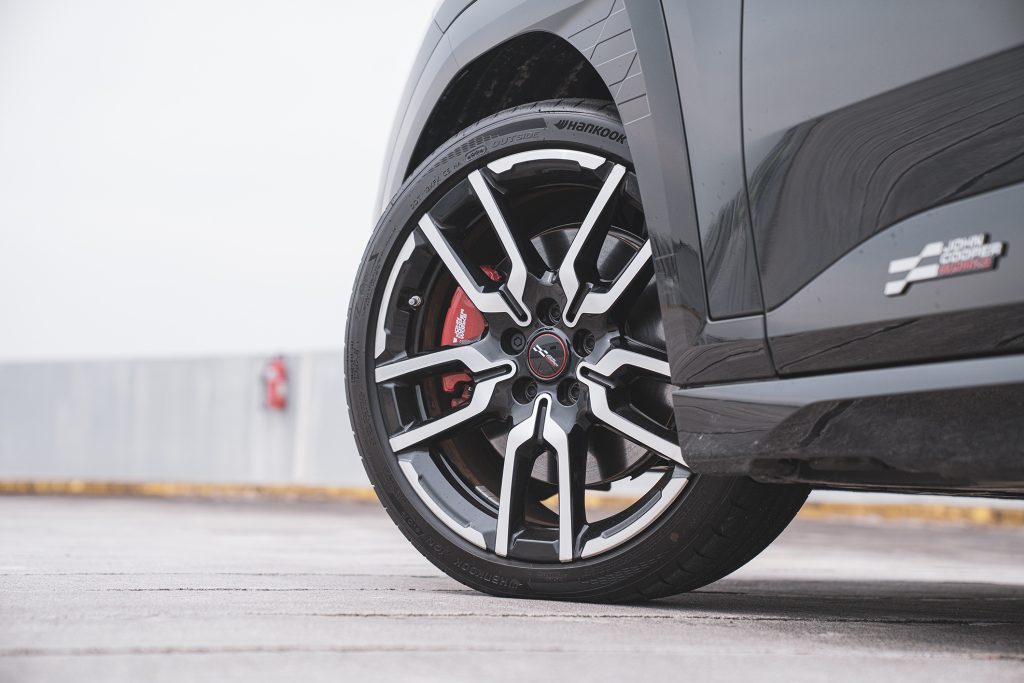
On paper, the idea of a JCW electric car should have the potential to excite speed freaks. After all, the instant torque of an electric drivetrain should result in some pretty entertaining driving behaviour.
The reality is not quite so, at least by the figures. The car produces 255 bhp and 300 Nm of torque, and it completes the century sprint in 6.4 seconds. Considering that there are similarly sized electric SUVs with more power and quicker acceleration, that comes across as a mild disappointment.
That said, the Aceman JCW certainly feels fast. Once you overcome the torque steer that makes itself known when you slam the accelerator down, the car rockets forward with a sort of immediacy that feels at odds with its claimed numbers.
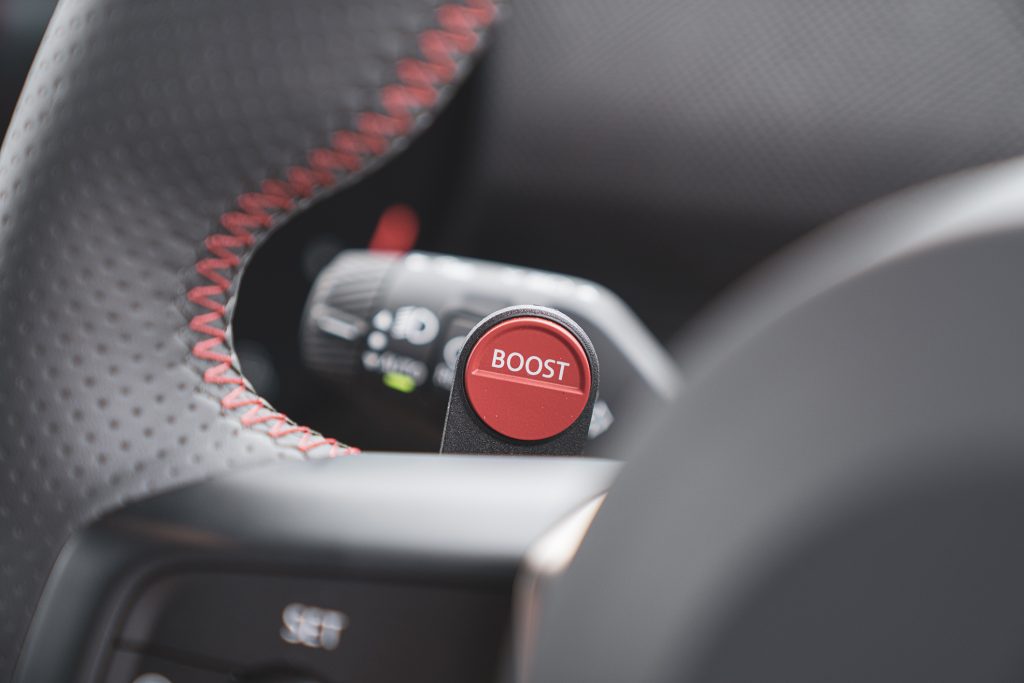
If you want an even further shot of speed, you can flick the Boost paddle behind the steering wheel, which unleashes a further 27bhp for up to 10 seconds. It feels kinda gimmicky, but it’s a cheap thrill I guess.
However, it does all that with a notable absence of drama. Being electric-powered, there are obviously no exhaust pops and bangs like those of previous JCW cars. Instead, you get a strange spaceship-like whirr that another reviewer likens to “something out of Star Wars”. I suppose it’s a personal preference thing, but I just found the sound rather bizarre.
Rough Ride
Anyone who’s driven a Mini JCW previously will know that they’re not exactly known for offering a smooth ride, and the Aceman very much lives up to that reputation here.
The car features firmer springs than a regular Aceman, but the result is a car that jiggles over most road surfaces. Drive over one of those newly-constructed roads that haven’t quite been resurfaced properly, and you’ll almost feel like you’ll need a massage to sort out your back afterwards.
Of course, you would think that having that sort of suspension setup would translate into something that would be fun in the corners. Objectively speaking, the Aceman JCW is a sharp handler, capable of tackling bends with plenty of composure and feeling unruffled even at reasonably high speeds.
However, it feels oddly disengaging, and it lacks that bit of excitement that characterised fast Minis from eras past. Sure, there’s hardly any body roll, and the car tracks pretty well as you twirl the steering wheel, but somehow it doesn’t feel like a particularly fun or dramatic experience.
A JCW For A Different Crowd
It’s very hard to see where the Aceman JCW fits in, to be honest. It feels fast and harsh, characteristics typical of a Mini JCW, but somehow it doesn’t have quite the same sporting essence as the petrol-powered JCW cars.
At $288,888 with COE, it is not exactly cheap either, and there are faster, more exciting electric SUVs with lower price tags. The Smart #1 Brabus, for instance, feels like a much more entertaining proposition for about 30 grand less. And if refinement is your priority, there’s the Zeekr X AWD, which offers understated performance for slightly under $230,000.
Still, if the idea of JCW style with electric power appeals to you, the Aceman JCW is at least an interesting proposition to check out. Just don’t raise your expectations too high, though.
Technical Specifications
Mini Aceman JCW
Powertrain: Single Electric Motor, Front Wheel Drive
Power: 190 kW (255 bhp)
Torque: 350 Nm
Gearbox: Single-Speed (A)
0-100km/h: 6.4 Seconds
Top Speed: 200 km/h
Battery Capacity: 54.2 kWh
Drive Range: 355 km (claimed)
Energy Consumption: 5.9km/kWh (claimed)
Price: S$288,888 with COE (accurate at the time of this article)
Article written by: Ben Chia (@benchiacars)
Photo Credits: Joel Tam (@joel_tam)
Read more automotive news at AutoApp, or check out our latest videos on YouTube and on TikTok!