From 15 June, holders of Class 3 and Class 3A driving licences will be allowed to drive all electric light goods vehicles (eLGVs) and electric small buses with an unladen weight of up to 3000kg.
The change raises the previous limit of 2,500kg and is in response to the growing recognition that electric vehicles are often heavier than their combustion-engined counterparts due to their battery packs.
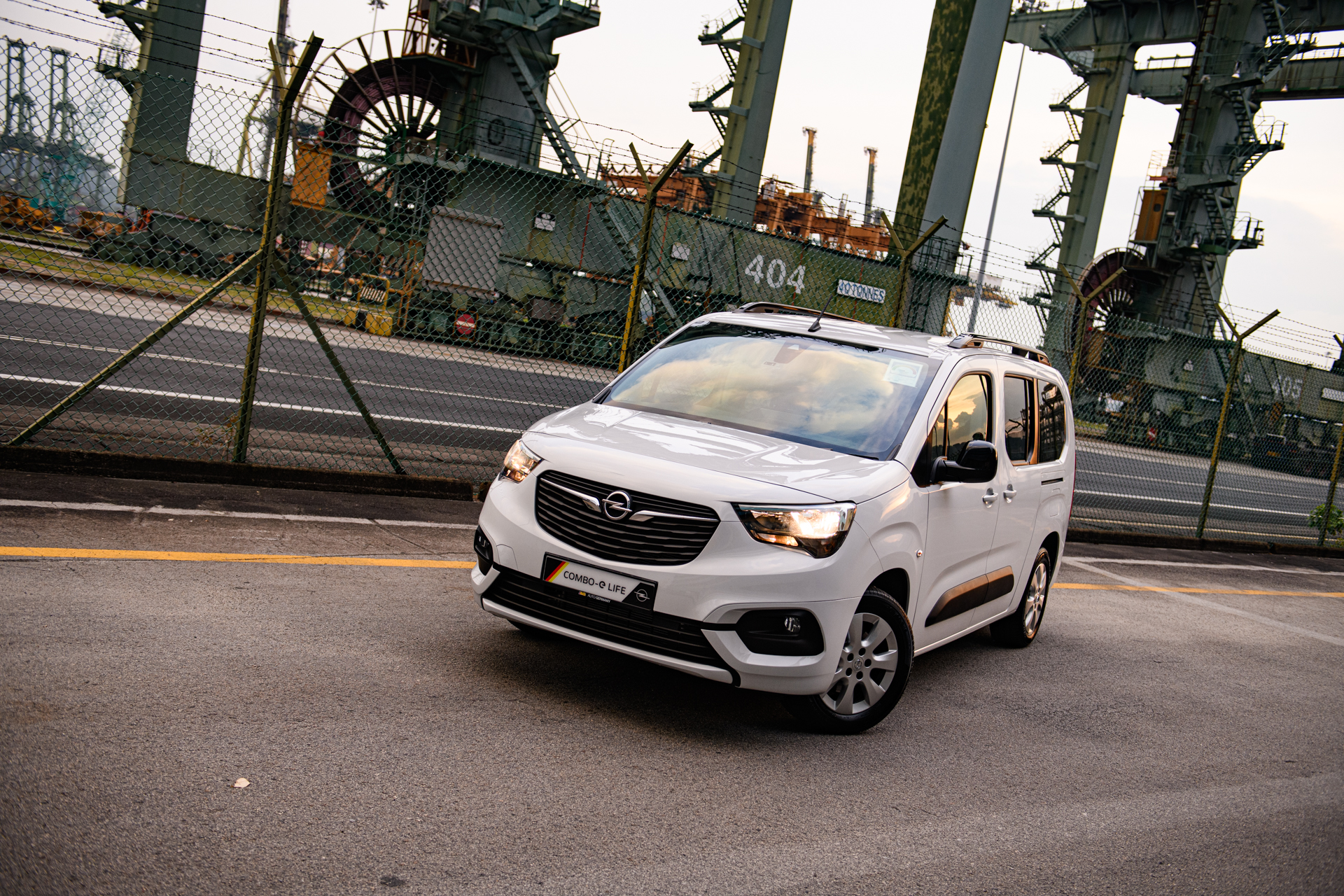
Unlike conventional petrol or diesel-powered vehicles, electric light goods vehicles and small buses typically carry an additional 400kg to 500kg of battery mass. While this pushes their unladen weight above existing licence thresholds, it does not necessarily make them more difficult to drive.
According to the Traffic Police, these vehicles possess handling characteristics and dimensions that are largely similar to internal combustion engine vehicles weighing less than 2,500kg. Steering response, turning radius, wheelbase and overall vehicle length remain broadly comparable, allowing Class 3 and 3A licence holders to operate them safely.
In fact, the battery placement beneath the floor often lowers the vehicle’s centre of gravity, which can improve stability rather than compromise it.
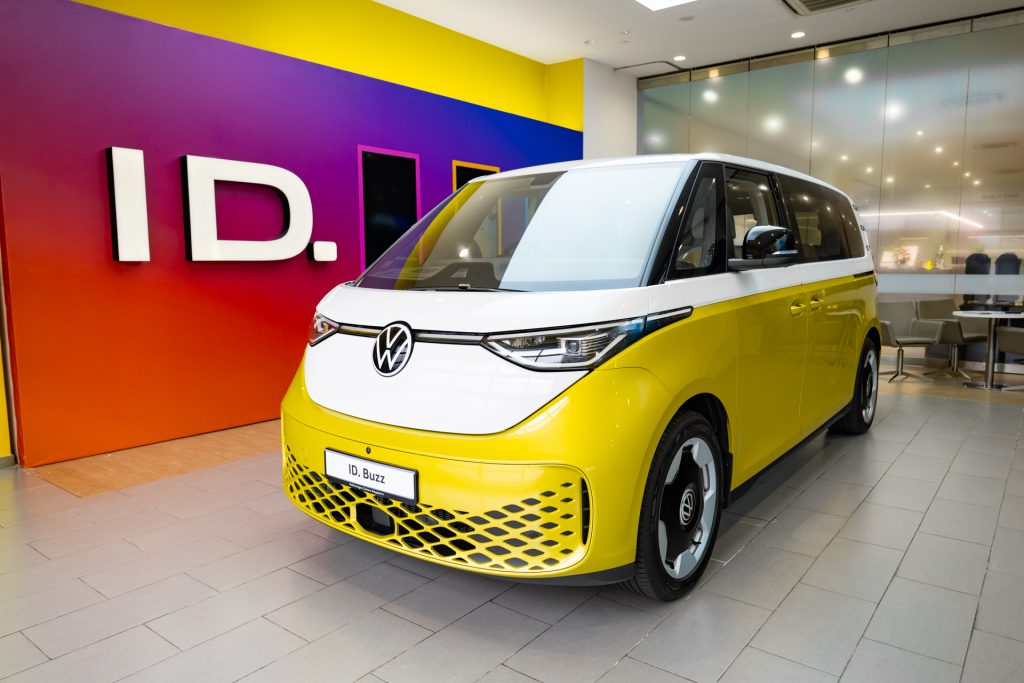
The latest revision builds upon an interim measure introduced in December 2025, when Class 3 and 3A licence holders were granted permission to drive four specific electric vehicle models weighing between 2,501kg and 3,000kg.
Those models included the Mercedes-Benz eSprinter 320, Ford F-150 Lightning, Higer H5C High Roof and Joylong EA5. The exemption was intended as a temporary solution while legislative amendments were being prepared.
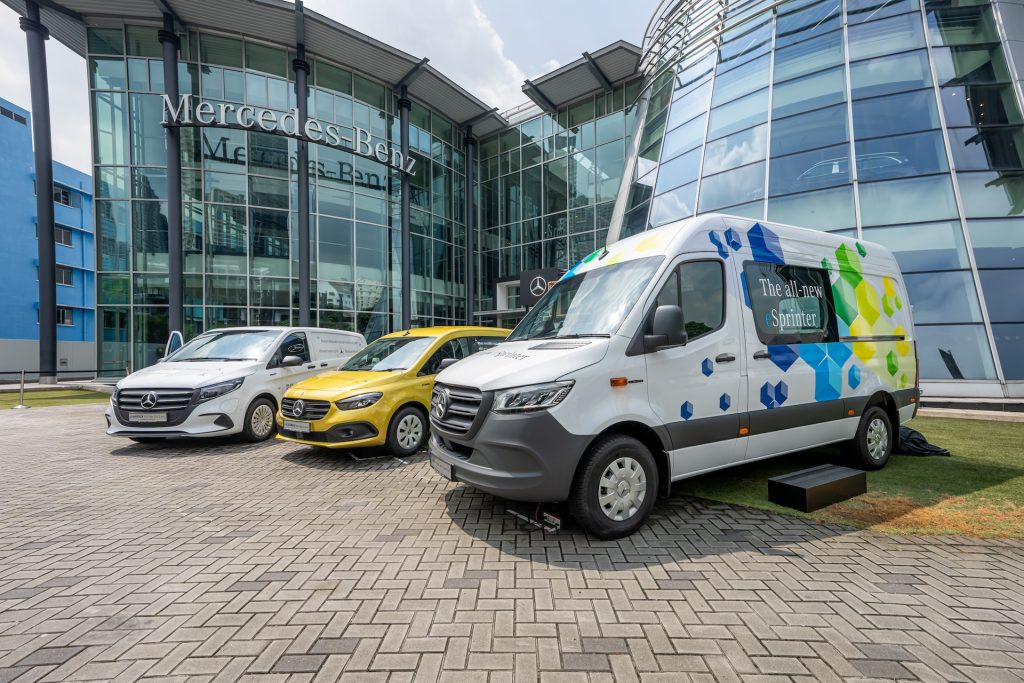
With the latest update, the exemption has now been expanded across the board, allowing Class 3 and 3A licence holders to operate all qualifying electric light goods vehicles and electric small buses within the new 3,000kg threshold. Existing licence holders automatically qualify, with no additional endorsements, tests or licence modifications required.
However, the change does not apply to heavier electric vehicles. Drivers operating electric vehicles with an unladen weight exceeding 3,000kg will still require a Class 4 or Class 4P licence.
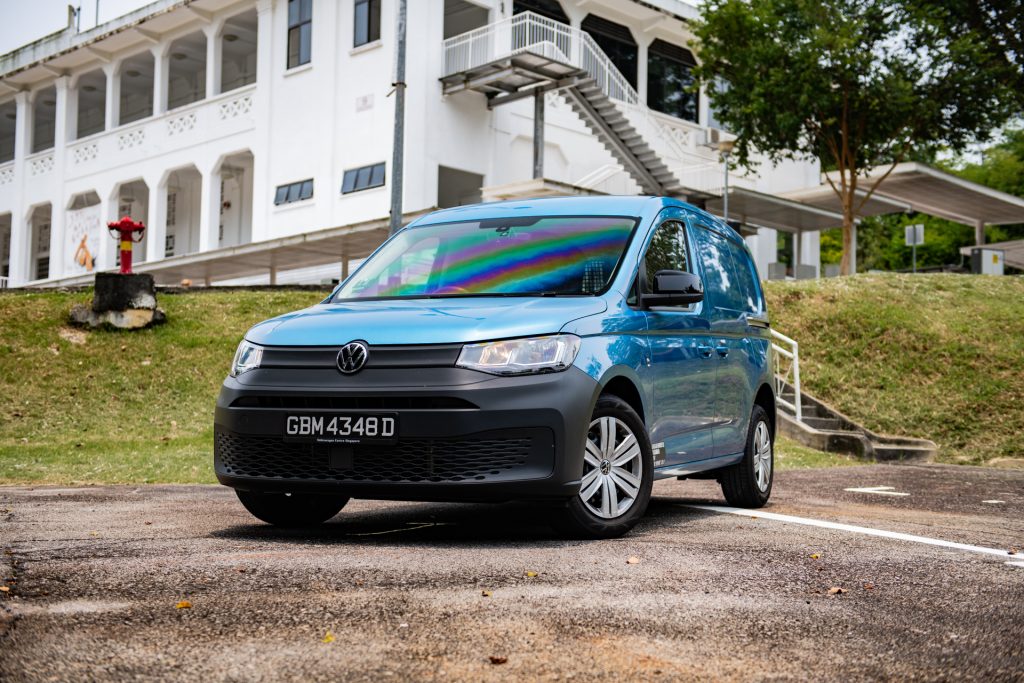
Similarly, internal combustion engine light goods vehicles and small buses exceeding 2,500kg in unladen weight will continue to require a Class 4 or Class 4P licence. The revised threshold applies specifically to electric vehicles.
For fleet operators and businesses looking to electrify their vehicle fleets, the change removes one of the practical barriers to adoption. Drivers who were previously restricted by weight-based licensing rules will now have access to a broader range of electric commercial vehicles without requiring additional licence upgrades.
Read more automotive news at AutoApp, or check out our latest videos on YouTube and on TikTok!