If you were asked to pick a single luxury object that has kept time with modern music, you’d struggle to do better than the Rolls-Royce Phantom.
For a hundred years, the marque’s pinnacle has been a stage, a canvas, sometimes a co-star.
“From the Golden Age of Hollywood to the rise of hip-hop, over the last 100 years, music artists have used Phantom to project their identity and challenge convention. Their motor cars often became icons in their own right, with a lasting place in the history of modern music. This enduring connection reminds us that Rolls-Royce and the extraordinary people who are part of the marque’s story are united by one ambition: to make their presence felt.”
Chris Brownridge, Chief Executive, Rolls-Royce Motor Cars
Long before rock gods and rap royalty took the wheel, the greats (Duke Ellington, Fred Astaire, Count Basie, Ravi Shankar, Édith Piaf, Sam Cooke) travelled by Rolls-Royce: the definitive seal of success and artistry.
Managers-turned-moguls like Brian Epstein, Berry Gordy and Ahmet Ertegun were similarly smitten. Across genres, geographies and generations, Phantom became a statement of intent.
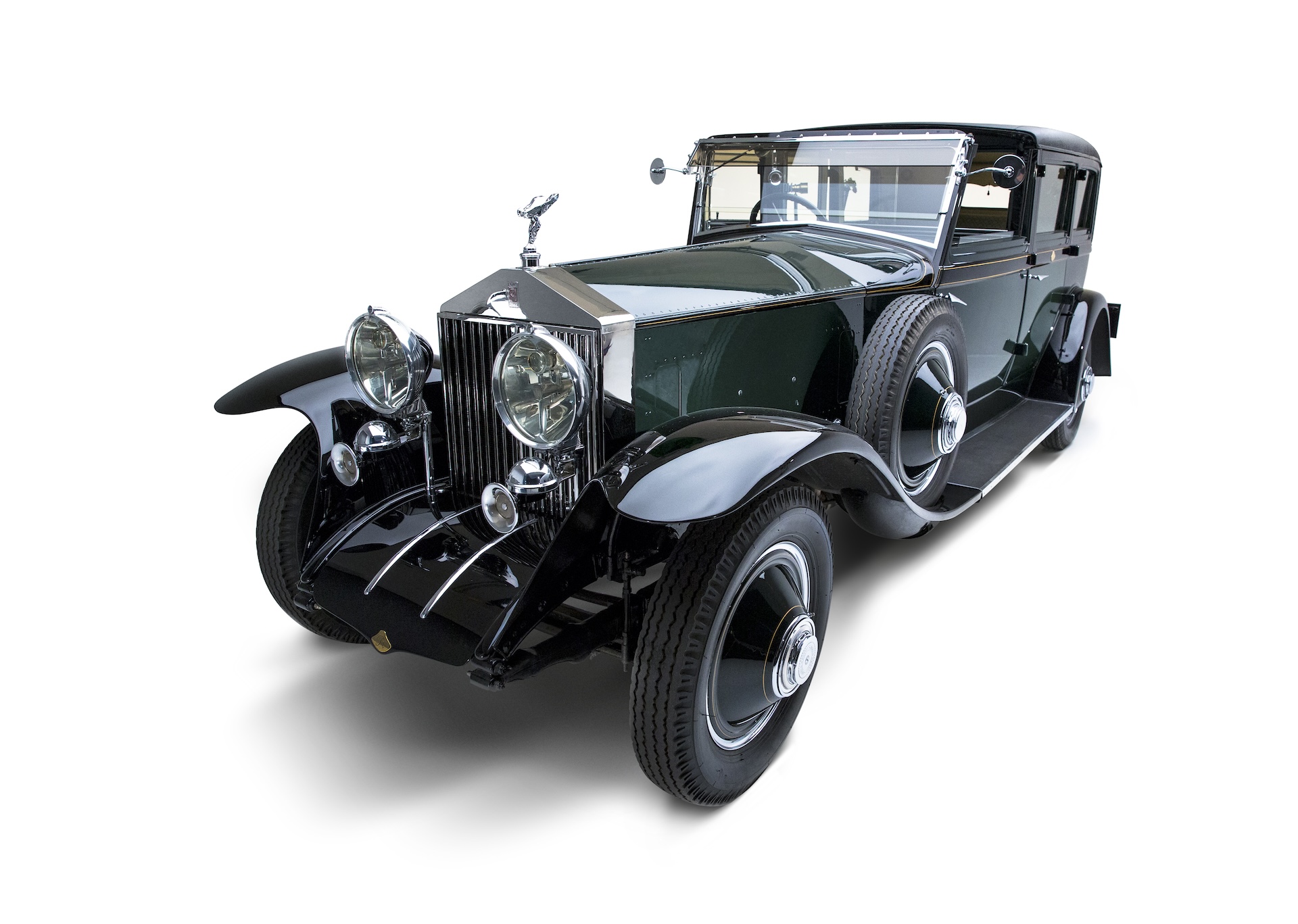
Marlene Dietrich arrived in Hollywood in 1930 already incandescent from The Blue Angel. Paramount handed her a green Phantom I.
The car even cameoed in Morocco, bracketing the performance that earned her an Academy Award nomination.
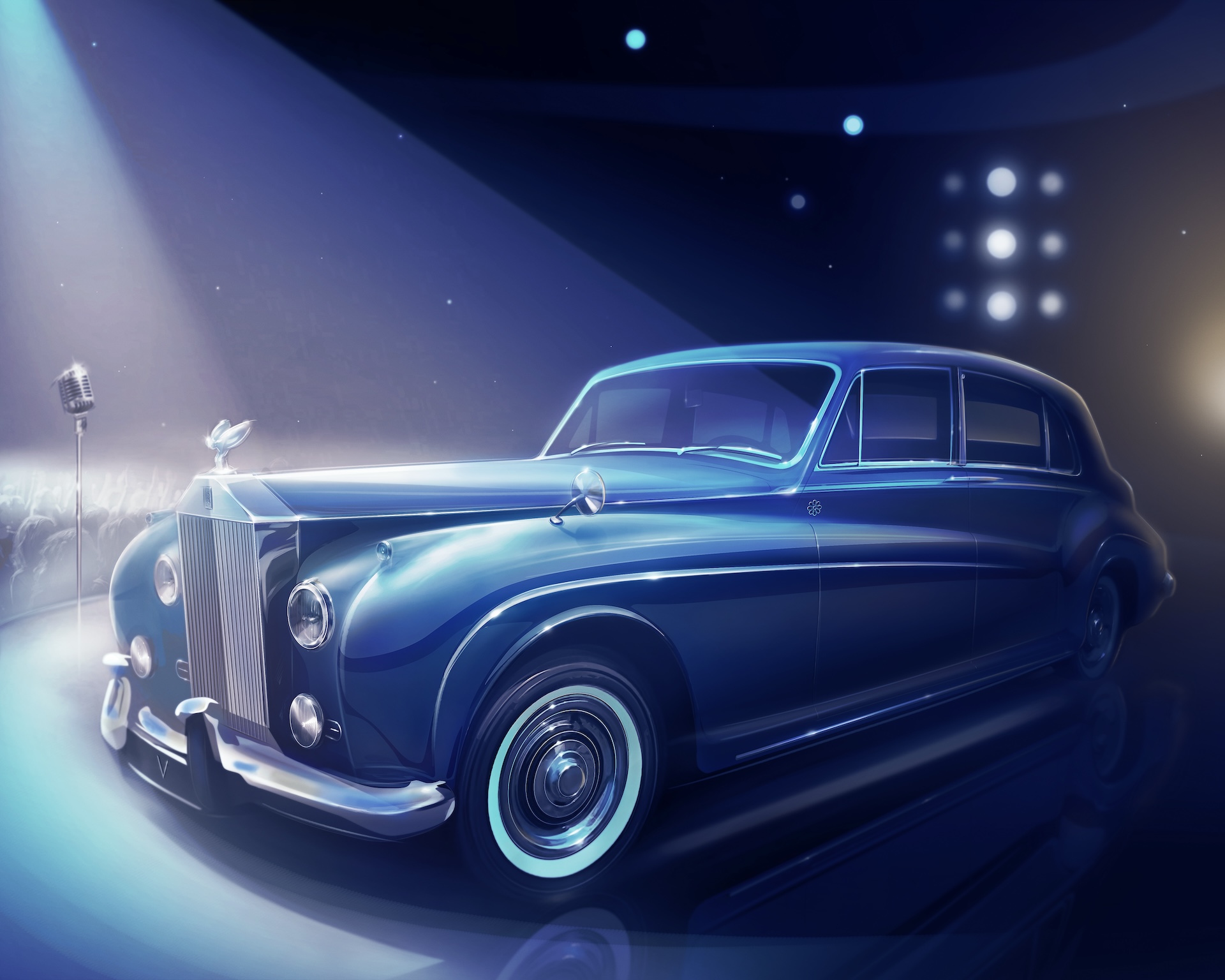
By the mid-sixties, the script flipped to rock ’n’ roll. Elvis Presley, at full cultural tilt, bought a Midnight Blue Phantom V fitted with Bespoke flourishes: a microphone, a rear-armrest writing pad for lightning-bolt lyric ideas, a mirror and a clothes brush for instant show-time polish.
When the mirror-finish paint attracted the enthusiastic pecks of his mother’s chickens, the car was repainted Silver Blue. Even the King’s Phantom wasn’t immune to the domestic realities of fame.
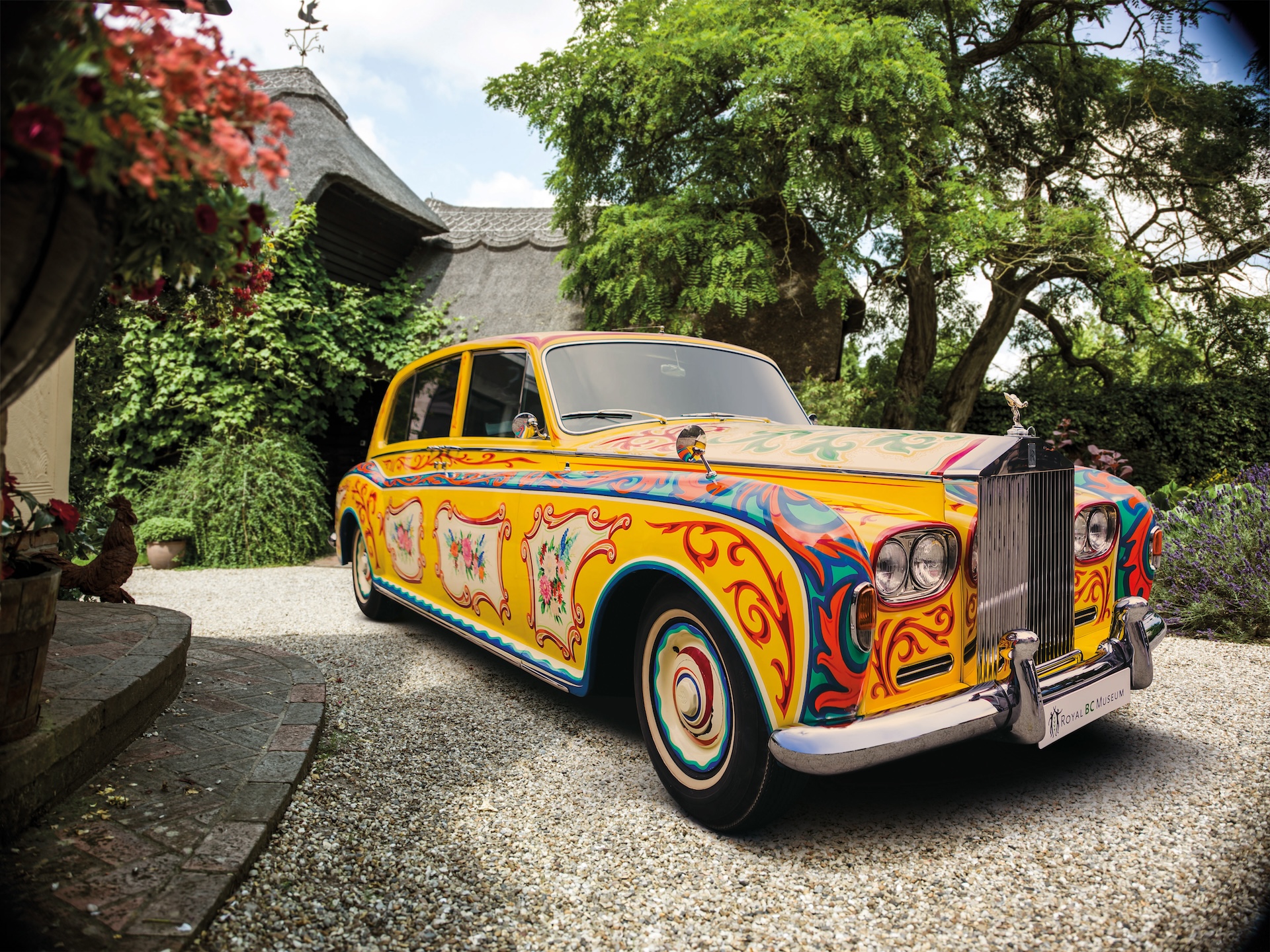
Then there’s John Lennon. In 1964, he commissioned an all-black Phantom V. It had a cocktail cabinet, television, and a refrigerator in the boot. But in May 1967, on the cusp of Sgt. Pepper, Lennon repainted the car yellow, then hand-painted it with psychedelic swirls and floral side panels, finishing with his Libra star sign.
Young fans saw a rolling emblem of the Summer of Love; some elders saw heresy, with one famously swatting the car with an umbrella on Piccadilly, spluttering, “How dare you do that to a Rolls-Royce!”
When it was sold in 1985 for $2,299,000, it became both the most expensive piece of rock ’n’ roll memorabilia and a record auction price for a motor car at the time.
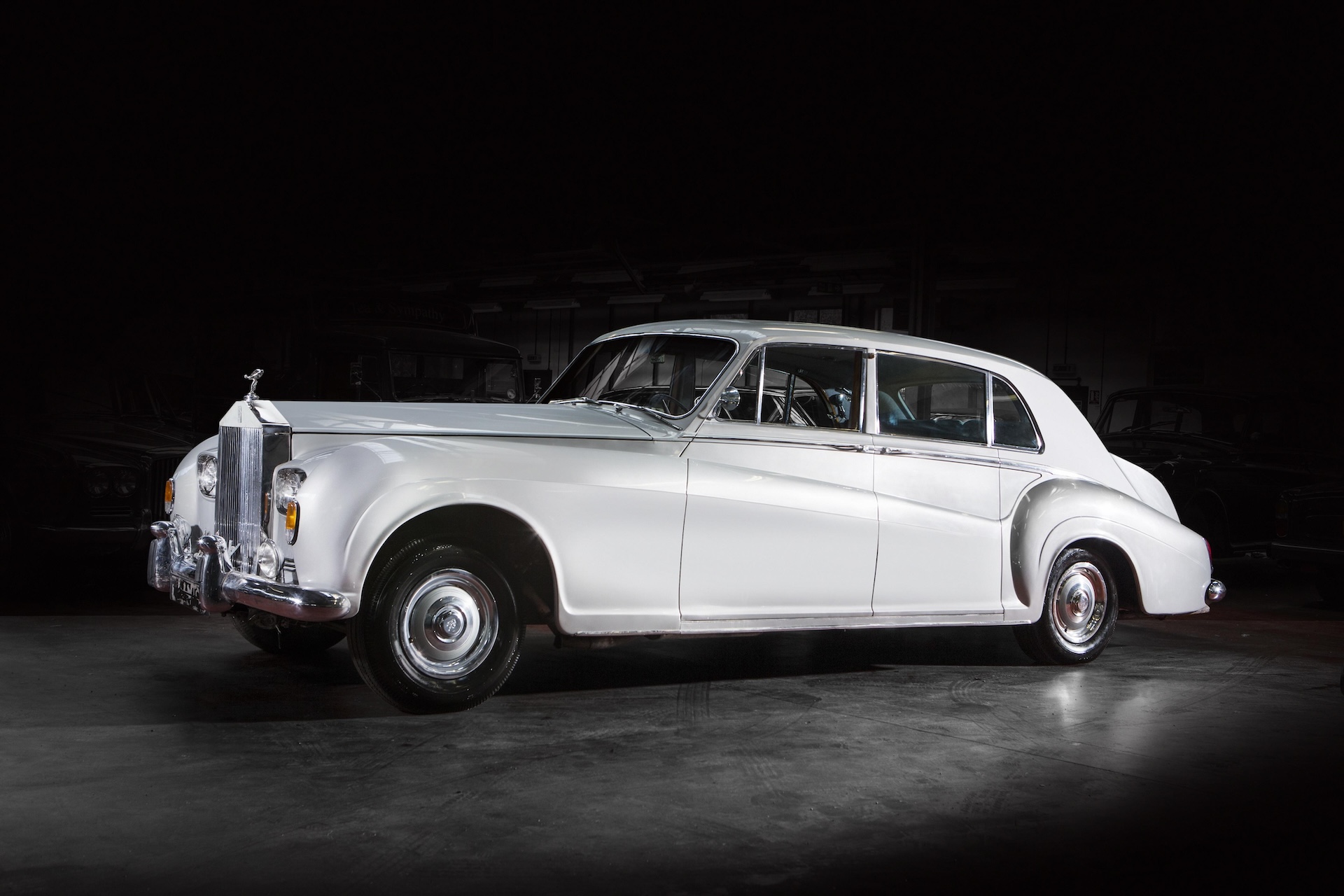
Lennon also owned a white Phantom V (1968) to mirror the White Album era and his new life with Yoko Ono. He spent £12,000, transforming it white inside and out, adding a sunroof, Philips turntable, 8-track player, telephone and television.
It appears in Let It Be and Performance (with Mick Jagger), before Lennon sold it to Allen Klein in 1969.
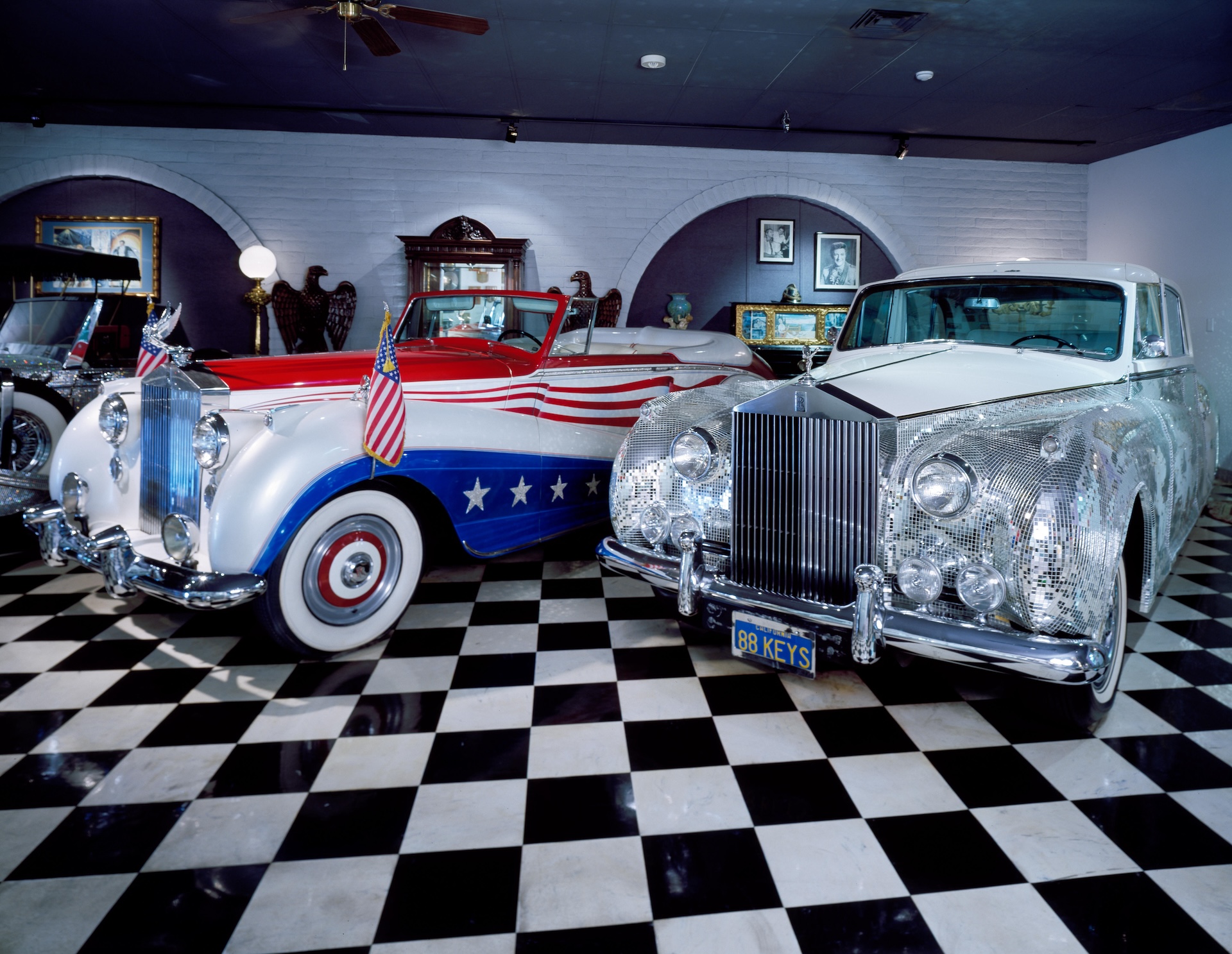
If spectacle had a patron saint, it would be Liberace. His 1961 Phantom V, covered in tiny mirror pieces, drove on stage during his Las Vegas residency. Decades later, it glittered again in Behind the Candelabra, proof that camp and craftsmanship can share a spotlight.
In 1973, en route to a Manchester gig in his white Phantom VI, he spotted a newer car in a showroom window, stopped, bought it, and completed the journey in the fresh acquisition. Later, he went full ‘Rocketman’: black paint, black leather, tinted glass, TV, video player, even a fax machine, and a bespoke audio system so potent the rear screen had to be strengthened.
He also commissioned a pink-and-white Phantom V with matching interior. After a Soviet tour where he was paid in coal, he settled up with percussionist Ray Cooper by giving him the Phantom.
Cooper later picked up a young Damon Albarn from school in it; history looped neatly in 2020 when Gorillaz released The Pink Phantom with Sir Elton as guest vocalist.
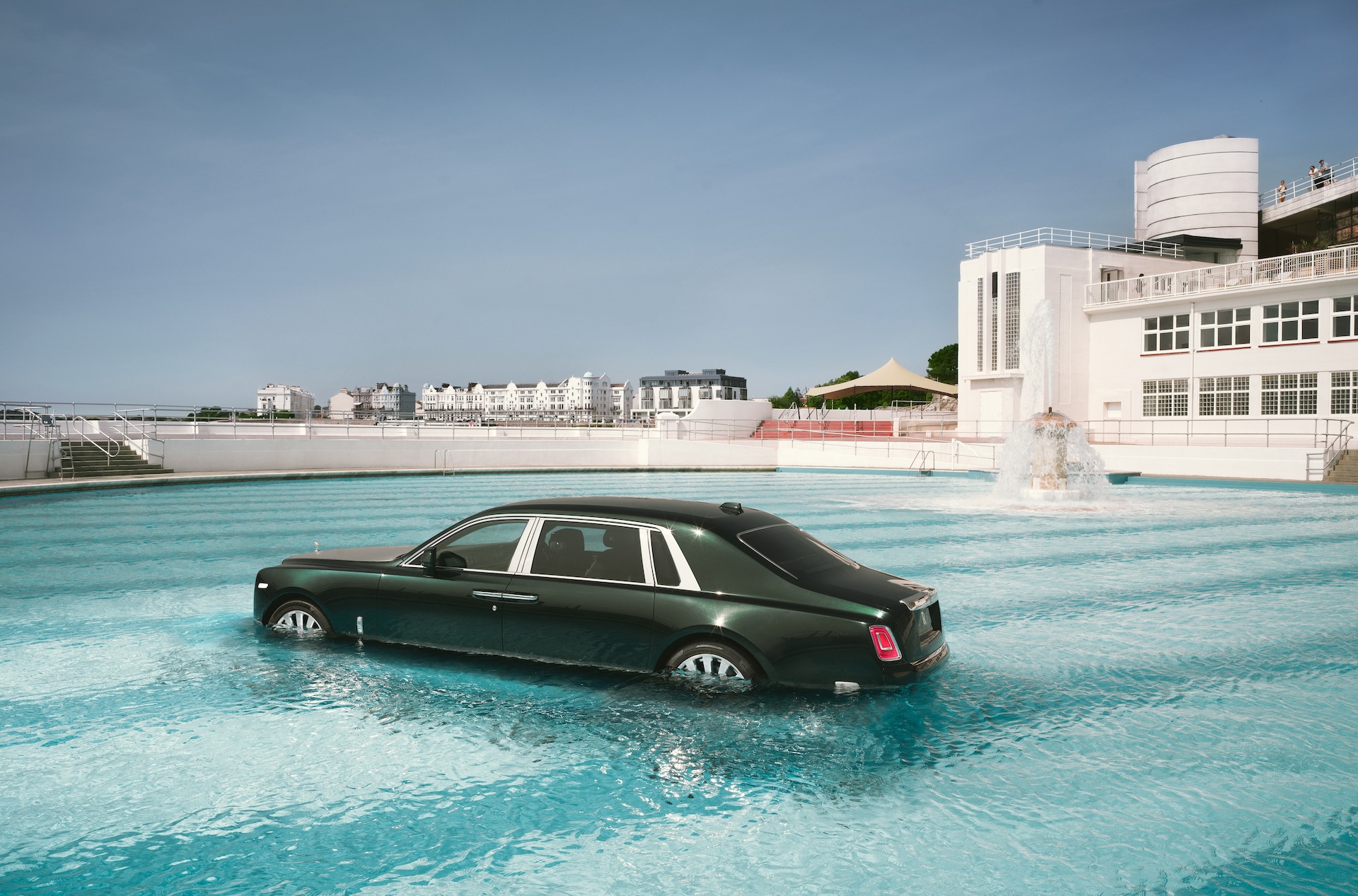
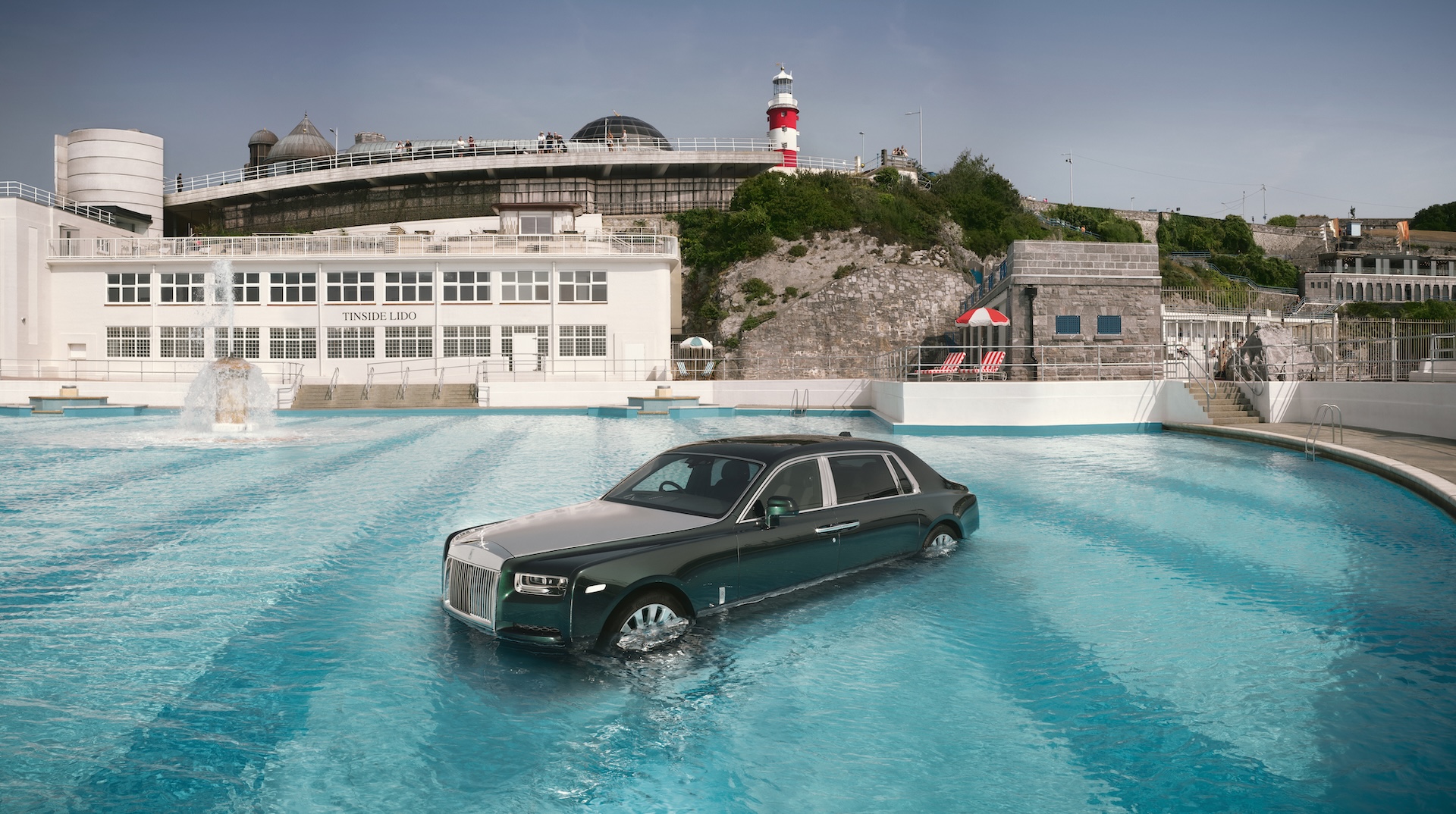
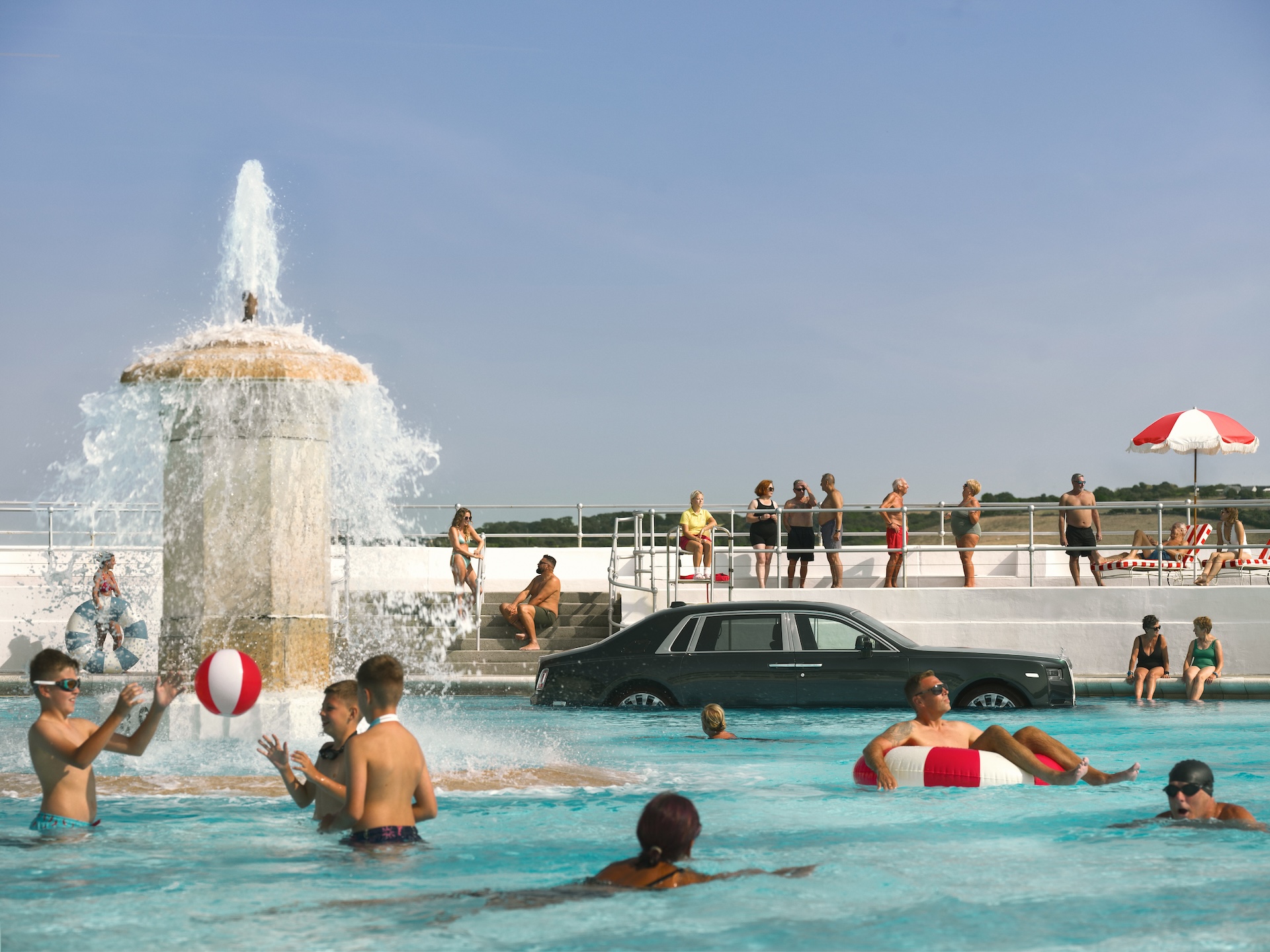
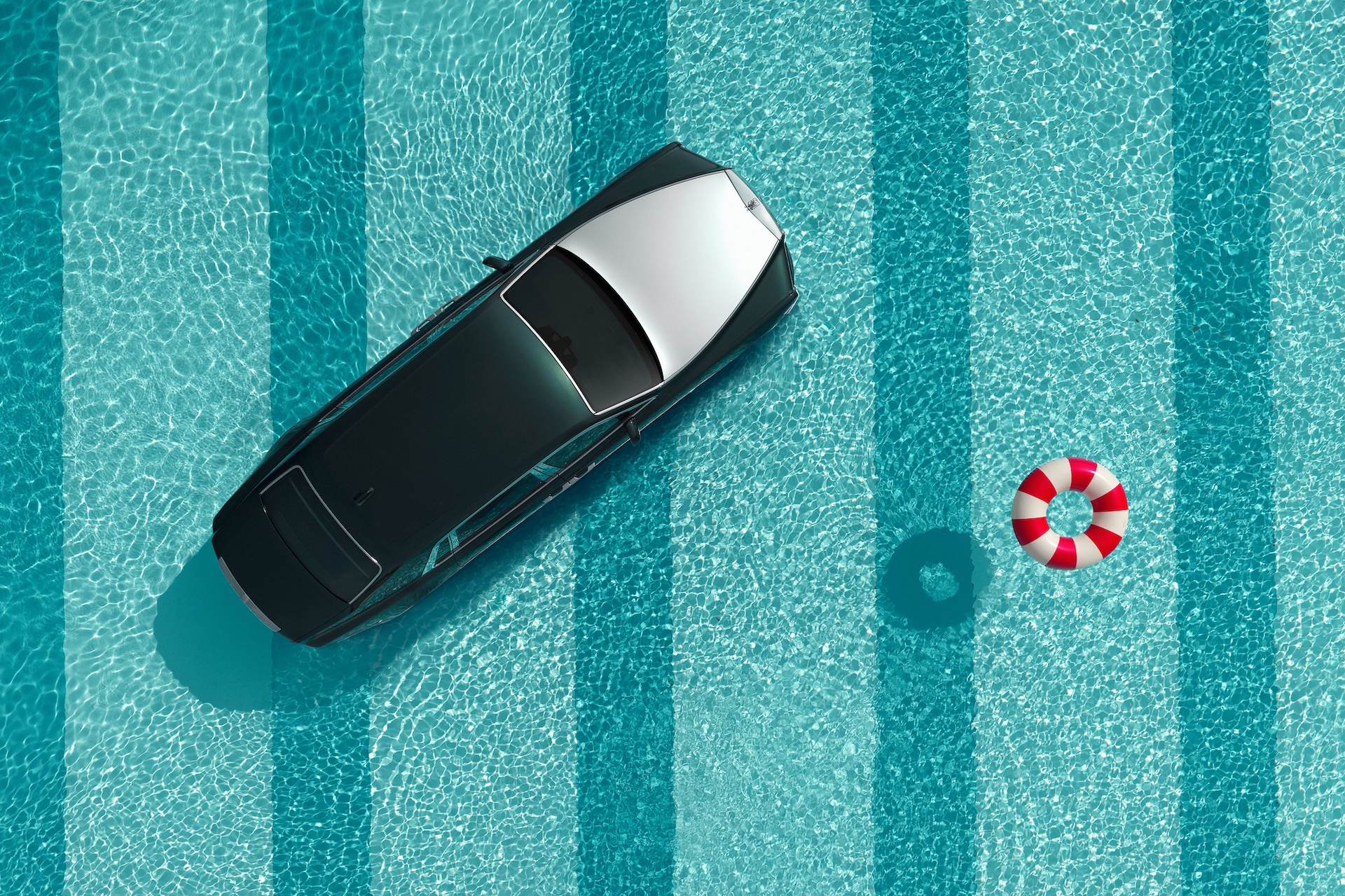
The wildest tale, of course, belongs to Keith Moon. Did the mercurial Who drummer really send a Rolls-Royce into a hotel pool on his 21st? The accounts vary, from a borrowed Lincoln Continental with the handbrake flicked to nothing at all. Yet the myth is so enduring that the car in the water could only ever be a Rolls-Royce.
To mark Phantom’s centenary, Rolls-Royce submerged a retired Phantom Extended body shell in Tinside Lido, Plymouth, an Art Deco landmark linked to The Beatles’ 1967 photo shoot during filming for Magical Mystery Tour.
Since production moved to Goodwood in 2003, the marque’s dialogue with contemporary music has only intensified. By 2016, Rolls-Royce was the most name-checked brand in song lyrics, powered by hip-hop’s rise and Phantom VII’s modern-day renaissance.
A Phantom VII starred in Snoop Dogg and Pharrell Williams’ Drop It Like It’s Hot (2004), a number-one hit that helped stitch Phantom into rap’s visual lexicon. 50 Cent rolled through Entourage in a Phantom VII Drophead Coupé; Lil Wayne put Phantom on the cover of Tha Carter II.
And if you’ve ever heard a rapper purr about “stars in the roof,” that’s the Starlight Headliner: fibre-optic poetry in motion, and part of why Rolls-Royce remains the preferred metaphor for having arrived.
A hundred years on, Phantom is still the icon of icons, individuality and imagination. Across eras and egos, it has offered artists a way to define themselves in motion, to make an arrival feel like a chorus.
As Phantom enters its second century, the question writes itself: what will the next great verse look like—and who will be waiting in the back seat, pen in hand, when inspiration strikes?
Read more automotive news at AutoApp, or check out our latest videos on YouTube and on TikTok!