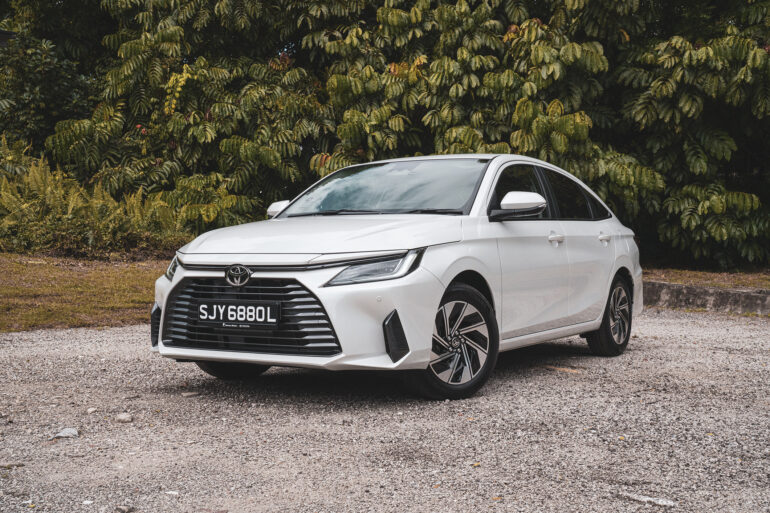
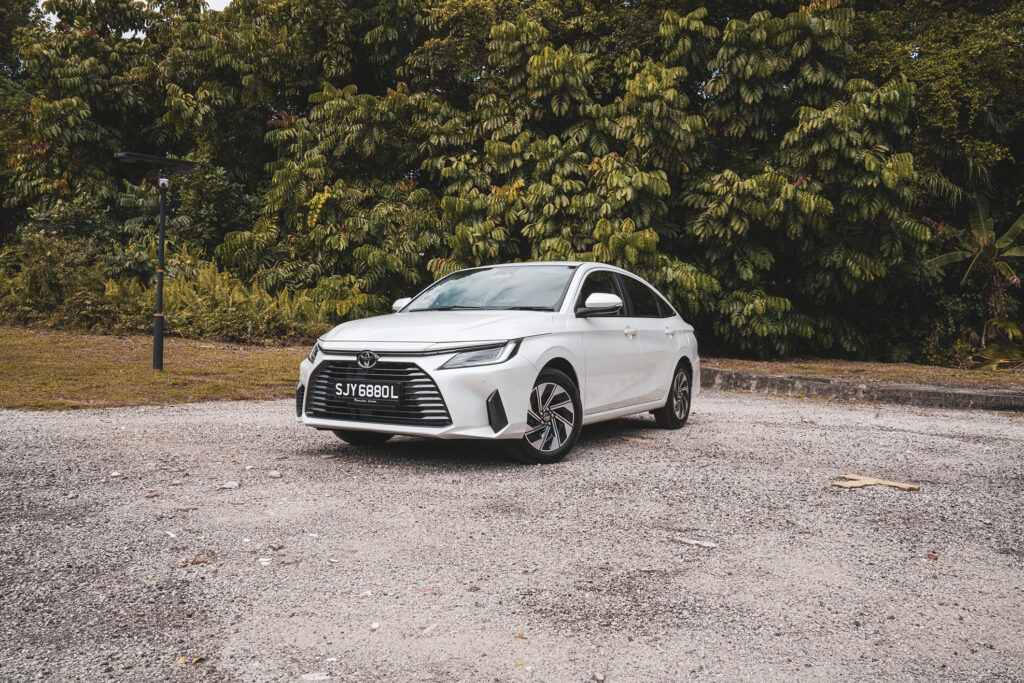
The Toyota Vios has always played a very specific role in Singapore. It has been the dependable one. The practical one. The car families recommend, the one ride-hailing drivers trust, the one that quietly gets on with life without needing applause.
But exciting, it is not. This new version, however, surprised me more than I expected.
In fact, I kept finding myself saying, “Eh, not bad leh,” which in local speak is high praise.
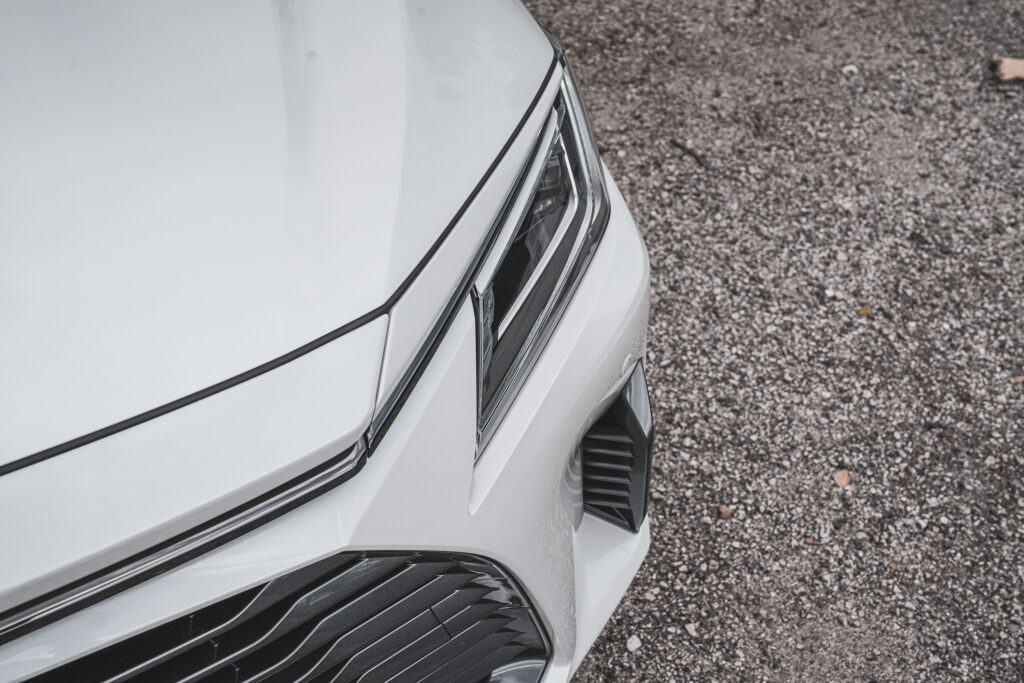
It feels lighter on its feet than it looks.
Within the first few turns, I realised this was not the Vios I remembered.
The steering is quick enough to feel alert, the front end responds eagerly, and the whole car feels nimble when you thread it through traffic or guide it around tighter bends. There is a tidiness to the way it moves that makes everyday driving pleasant rather than purely functional.
You are not going hunting apexes, of course. Nobody is pretending this is a GR product.
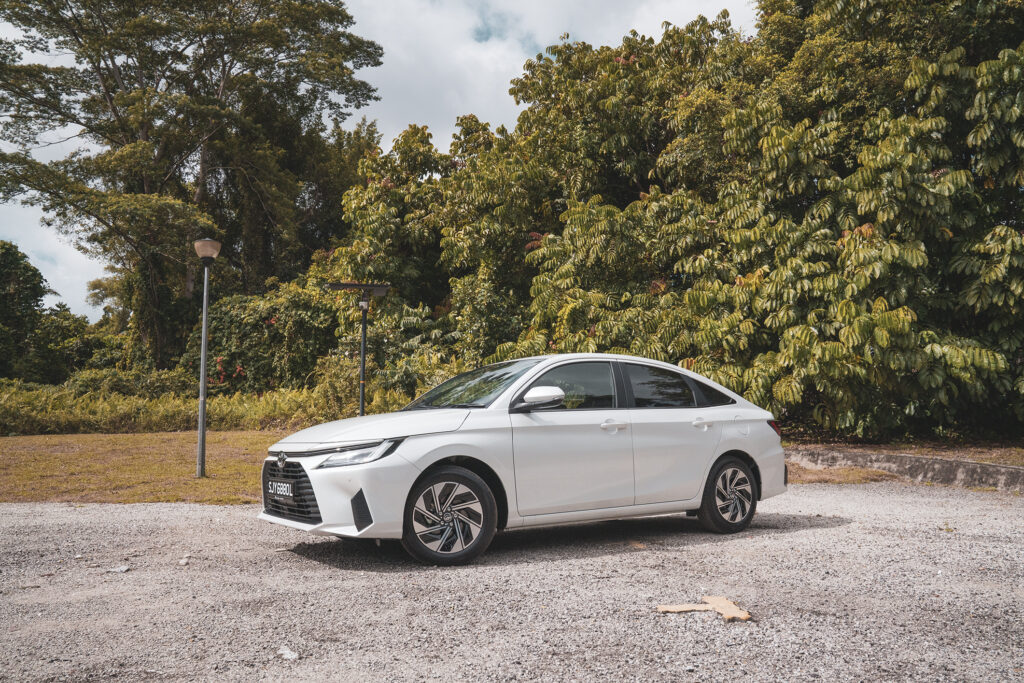
But for the school run, the office commute, the late-night supper mission, it behaves with confidence and ease. You get in, drive, arrive, smile. Job done.
Hybrid helps in all the right places.
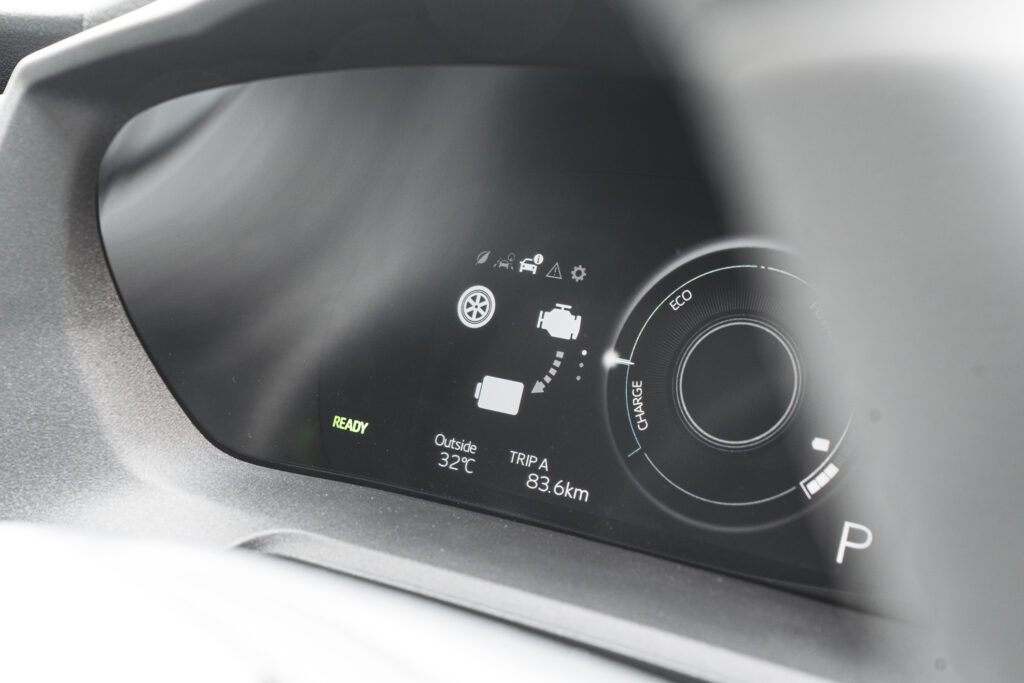
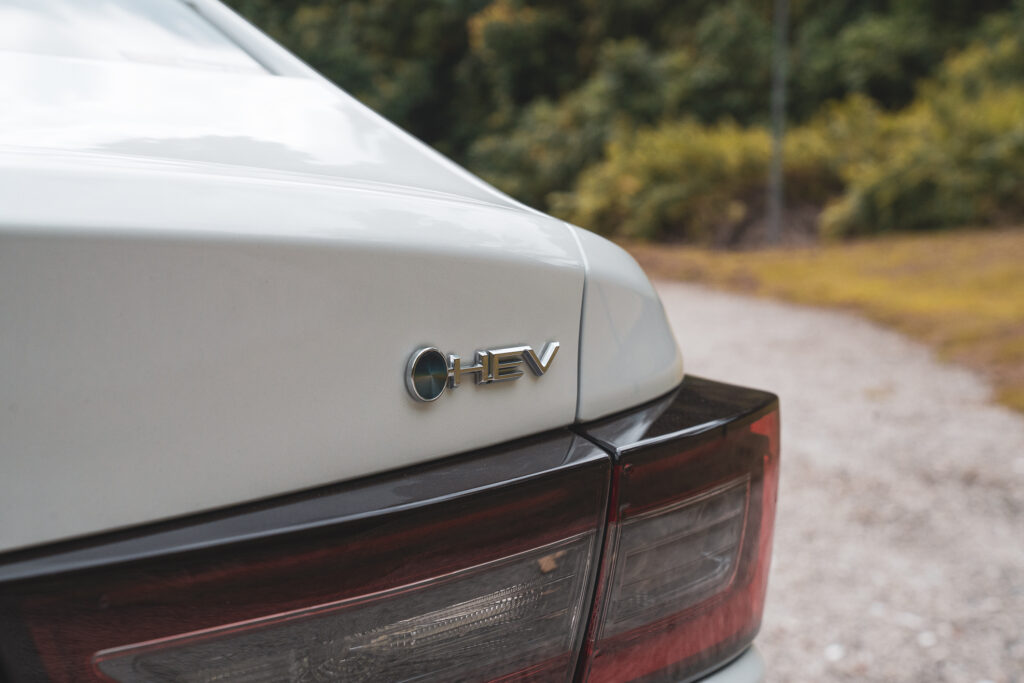
Toyota finally brings electrification into the picture, and it is one of those systems that works quietly in the background without demanding attention.
Fuel economy improves, which everyone loves. What I did not expect was how the electric assistance adds a little extra energy (262 Nm of torque) when you pull away or squeeze the throttle to overtake. The car feels more responsive, less sleepy than older versions.
It is subtle, but you notice it.
Also, can I celebrate something small but wonderful?
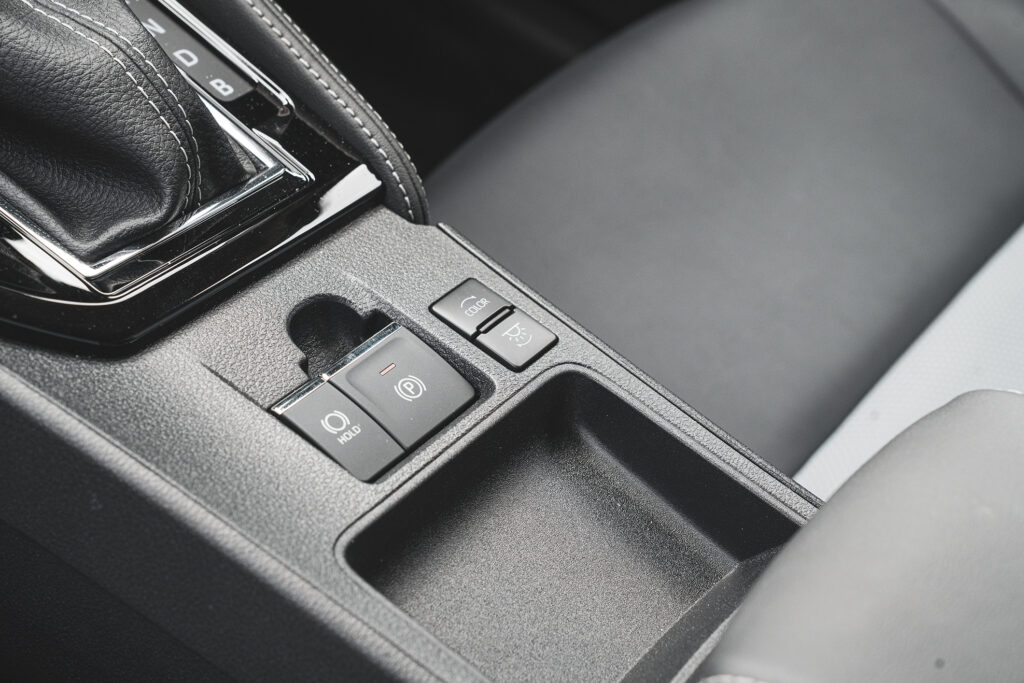
There is no engine start-stop system.
At traffic lights, the car simply slips into EV mode. The engine does not cut off, restart, or vibrate. You just sit there in calm, cold air waiting for green.
After years of being mildly irritated by aggressive start-stop calibrations, this felt like therapy.
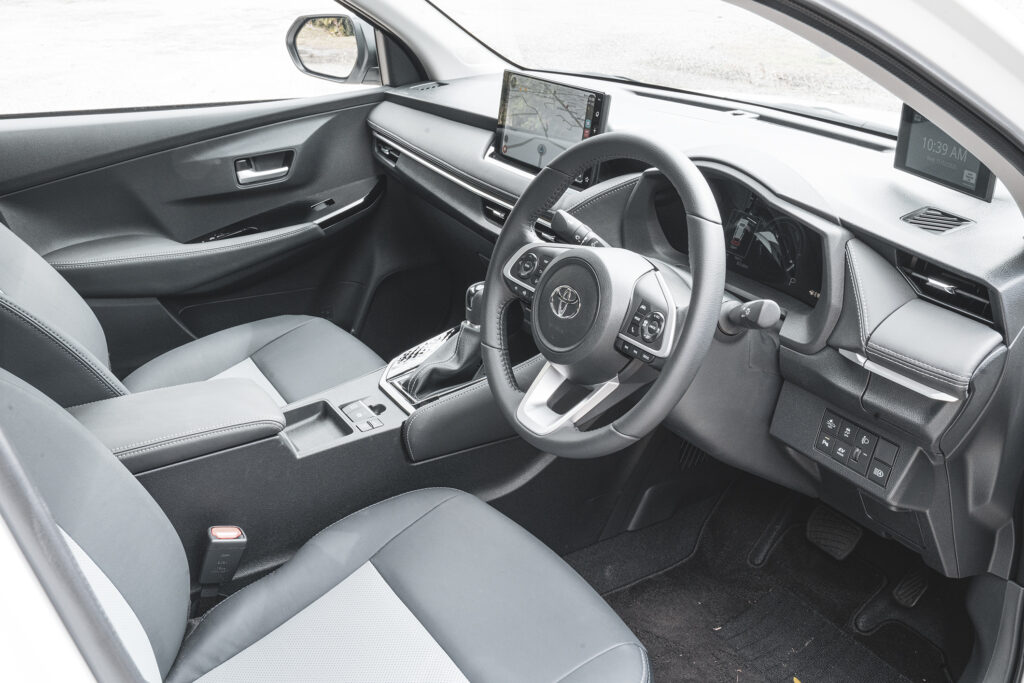
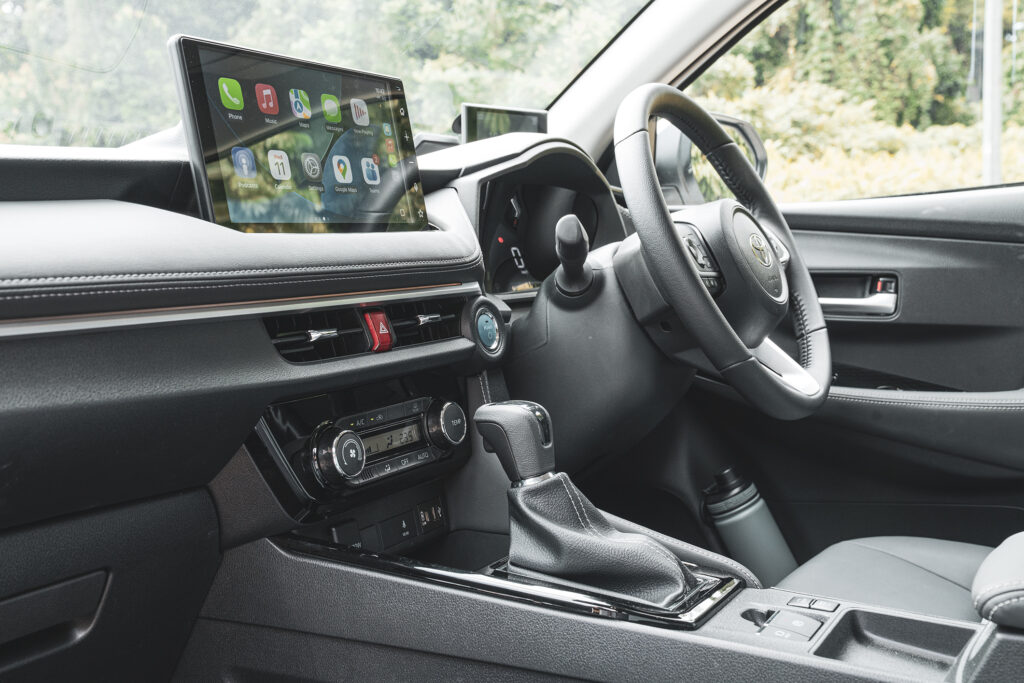
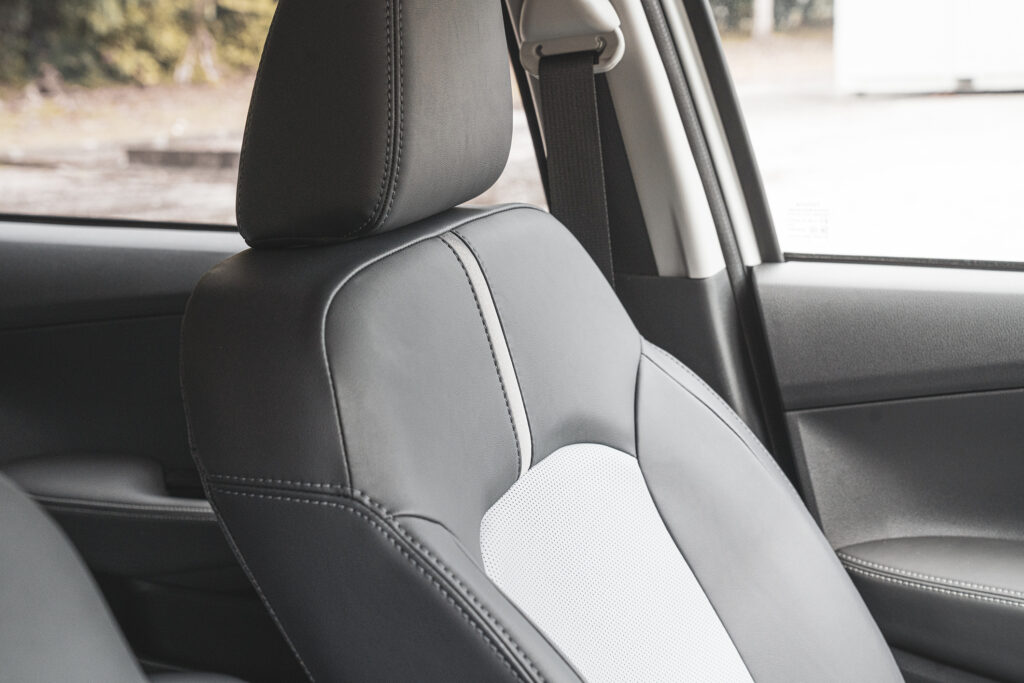
Hang on, this interior looks expensive.
Then came the next surprise.
The cabin looks good. Properly good.
The design is clean, contemporary and a lot more sophisticated than you might expect from a car in this segment. If you blindfolded someone and asked them to guess, an entry-level sedan wouldn’t be their first guess.
It feels like Toyota spent time making sure owners would feel proud sitting in it, not just satisfied.
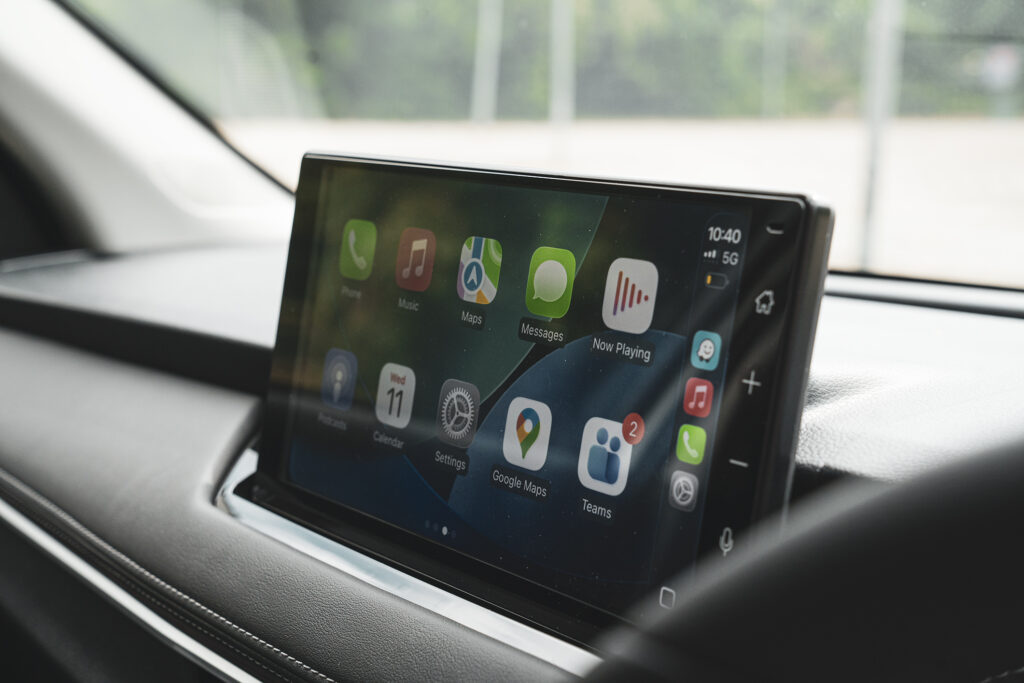
Everything works intuitively. Nothing shouts for attention. You settle in very quickly.
The magic trick at the back
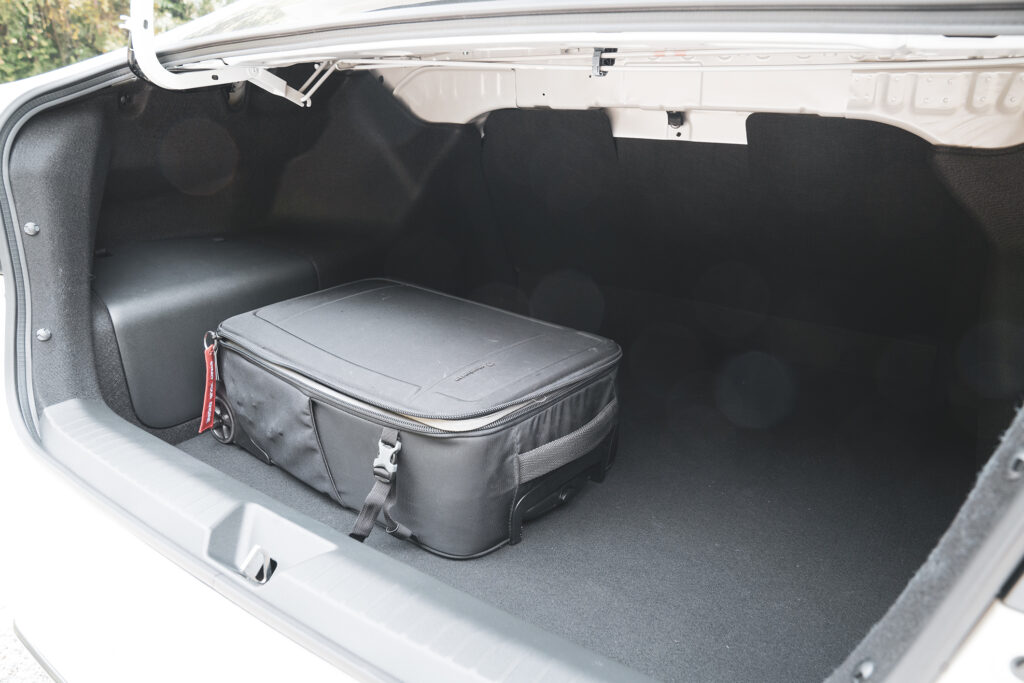
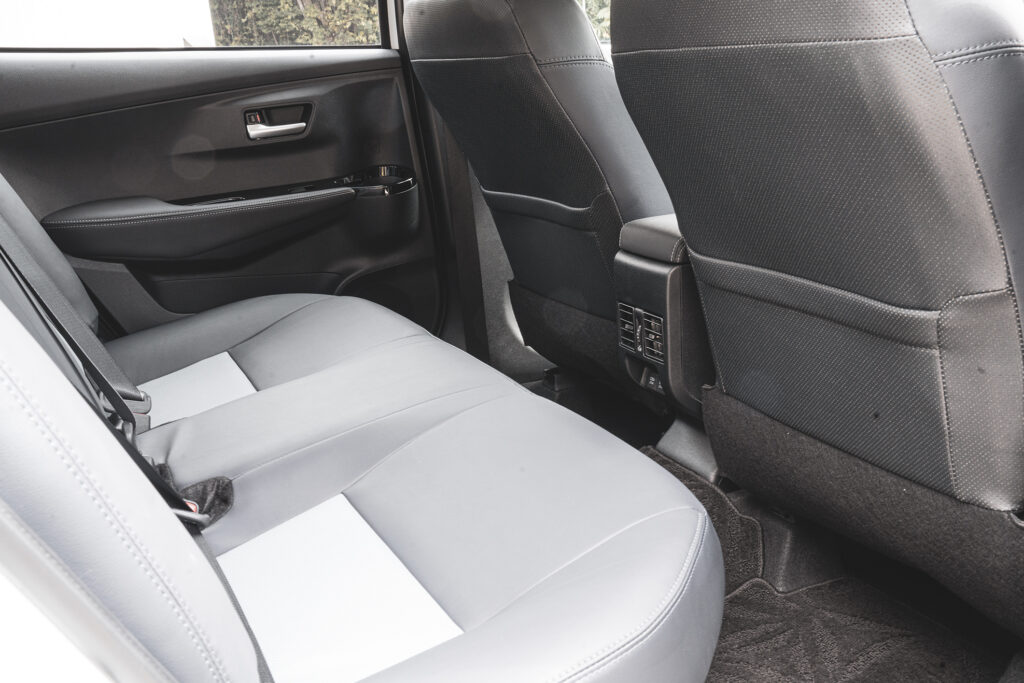
Let’s talk about the boot.
It is huge.
You glance at the Vios from the outside, and you do not anticipate cavernous cargo capacity. Yet open it up, and suddenly you start planning ambitious supermarket trips you previously avoided.
Big suitcases, baby gear, airport runs, random bulky purchases you promised you would measure before buying. The Vios handles them calmly.
Practicality has always been its strength, and it remains undefeated here.
Air-conditioning that means business
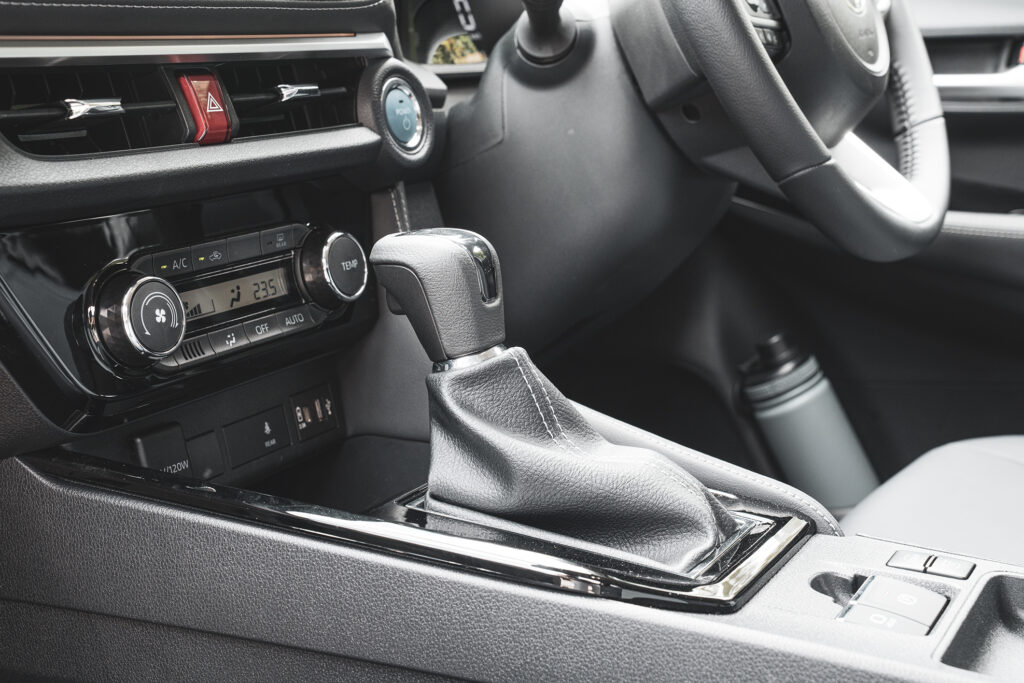
I need to dedicate space to this because it genuinely impressed me.
Fan speed one. The temperature is 24 degrees. It was a sunny day, and I felt cold.
This is the old-school Japanese air-con mastery that many of us grew up with. Efficient, immediate, unapologetic. You might even find yourself turning it down.
A rare modern luxury.

The bits you will notice
It is not perfect.
When the car regenerates energy, particularly at higher speeds, you hear a noticeable drone. Think engine braking. Some drivers will shrug. Others may wish Toyota had filtered it out a bit more.
Then there is the price.
At around 180k, buyers will absolutely realise they have options. The market today is crowded and competitive, with many cars fighting for attention and offering tempting equipment lists.
But here is why the Vios still matters
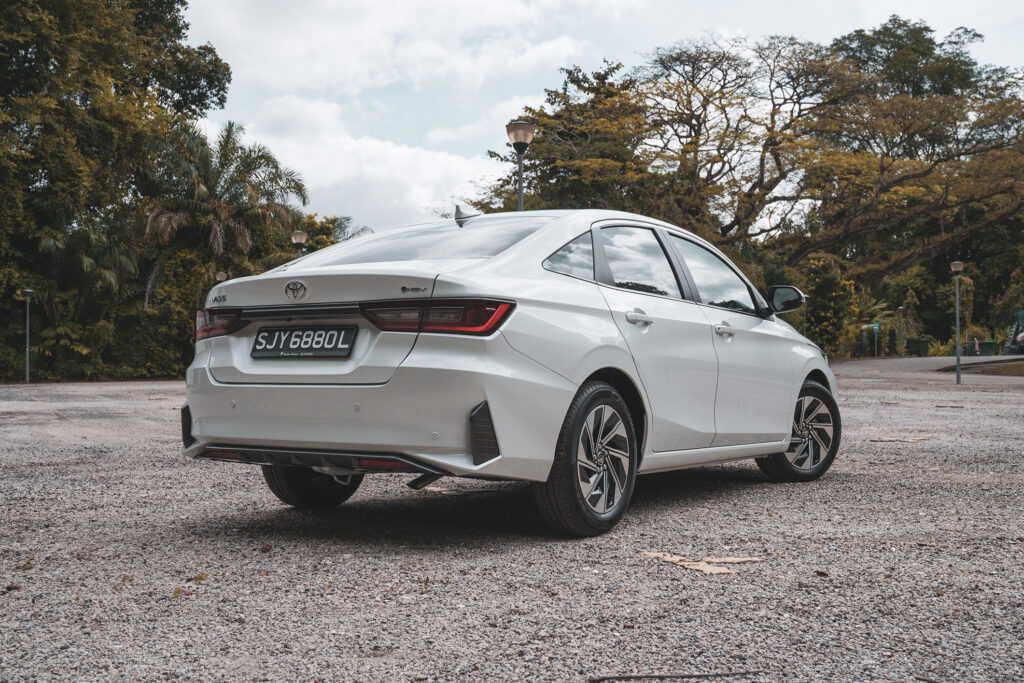
Even in this environment, the Vios makes a very strong case for itself.
It offers modern safety systems, impressive efficiency, surprising driving competence, a premium-feeling cabin and genuine everyday practicality. There are some quality issues; you can tell its production origins are from Southeast Asia. Which makes the price tag even harder to swallow.
But after spending time with it, I came away thinking the Vios has matured beautifully. At the very least, it has improved in all areas from its predecessor.
That in itself is a very nice upgrade.
Technical Specifications
Toyota Vios Hybrid 1.5 eCVT (A)
Engine: 1.5-litre. 4-cylinder in-line 16-valve
Powertrain: Front-Wheel Drive
Power: 110 bhp
Torque: 262 Nm
Gearbox: eCVT
0-100km/h: 11.5 seconds
Top Speed: 155 km/h
Fuel Tank Capacity: 36 Litres
Fuel Consumption: 27 km/litre (claimed)
Price: S$178,888 with COE (accurate at the time of this article)
Photo Credits: Joel Tam
Read more automotive news at AutoApp, or check out our latest videos on YouTube and on TikTok!