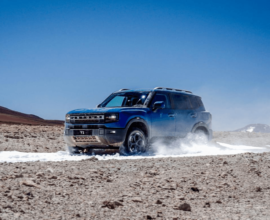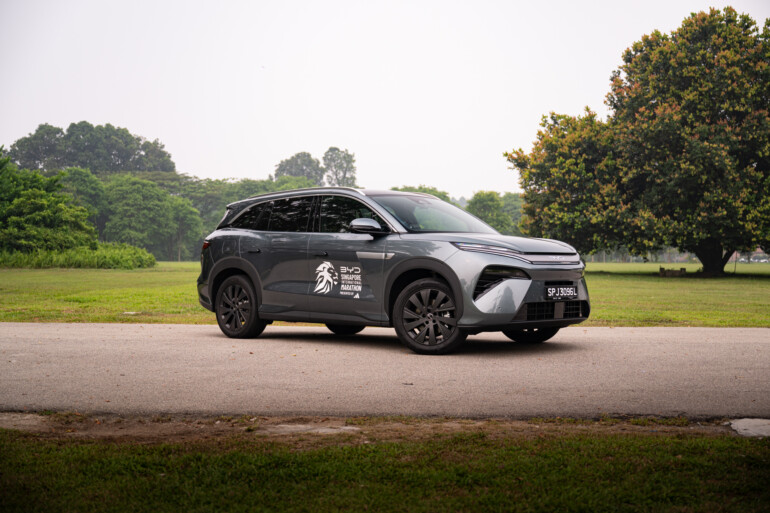
The BYD Sealion 8 has seven seats, 900km of combined range and enough equipment to embarrass cars costing considerably more.
There is a set of electric seat controls mounted high on the front passenger seat of the BYD Sealion 8. Press the buttons and the seat glides forwards, creating more legroom behind it. This sort of arrangement is normally called a “boss button”, because it allows the important person sitting in the back of a chauffeur-driven car to create additional space without having to ask.
The Sealion 8 is a seven-seat family SUV, so presumably the boss is your child, and this tells you quite a lot about BYD’s approach to the car.
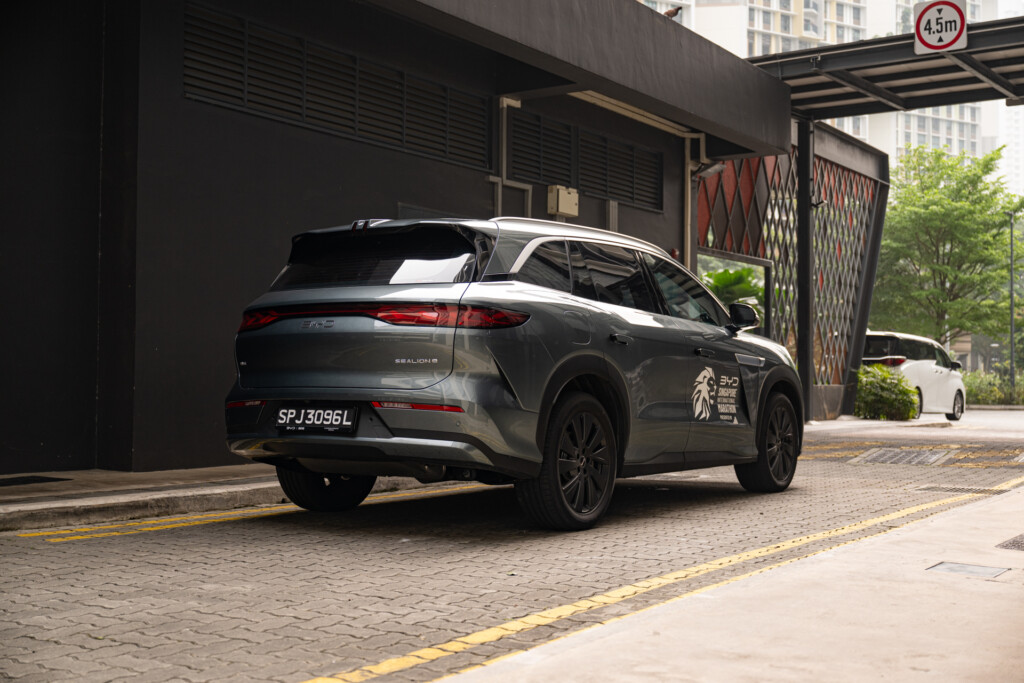
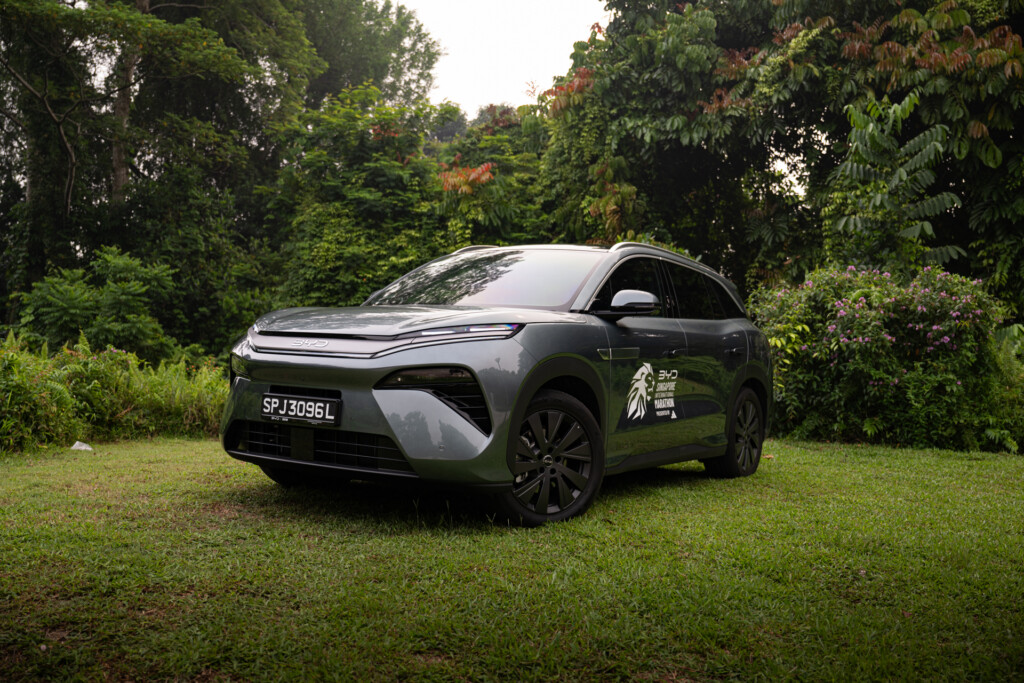
At 5,040mm long and 1,996mm wide, with a 2,950mm wheelbase, the Sealion 8 occupies roughly the same amount of real estate as some luxury limousines.
The Sealion 8 gets a broad, upright face, slim lighting elements and muscular wheelarches that give the sides some shape. Various cuts and creases break up what would otherwise be an intimidating amount of sheet metal.
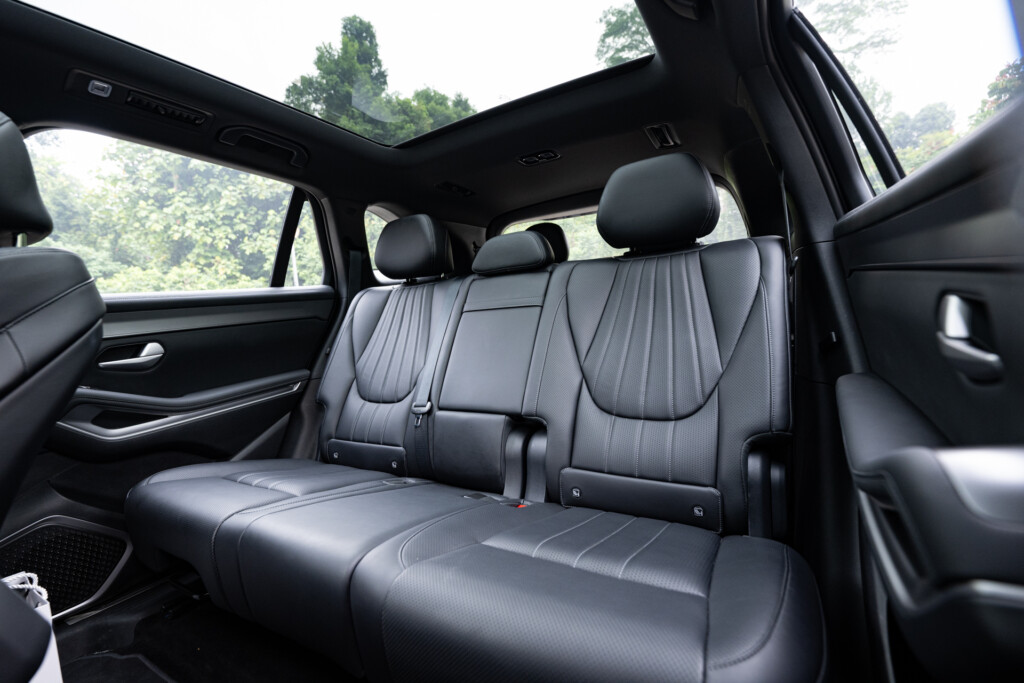
The real benefit of the Sealion 8’s dimensions becomes apparent when you open the rear doors. They are enormous, and so is the space behind them.
The middle row slides and reclines, while the third-row backrests can also be adjusted. With some negotiation from the middle row, the guys in the back might even remain friends afterwards.
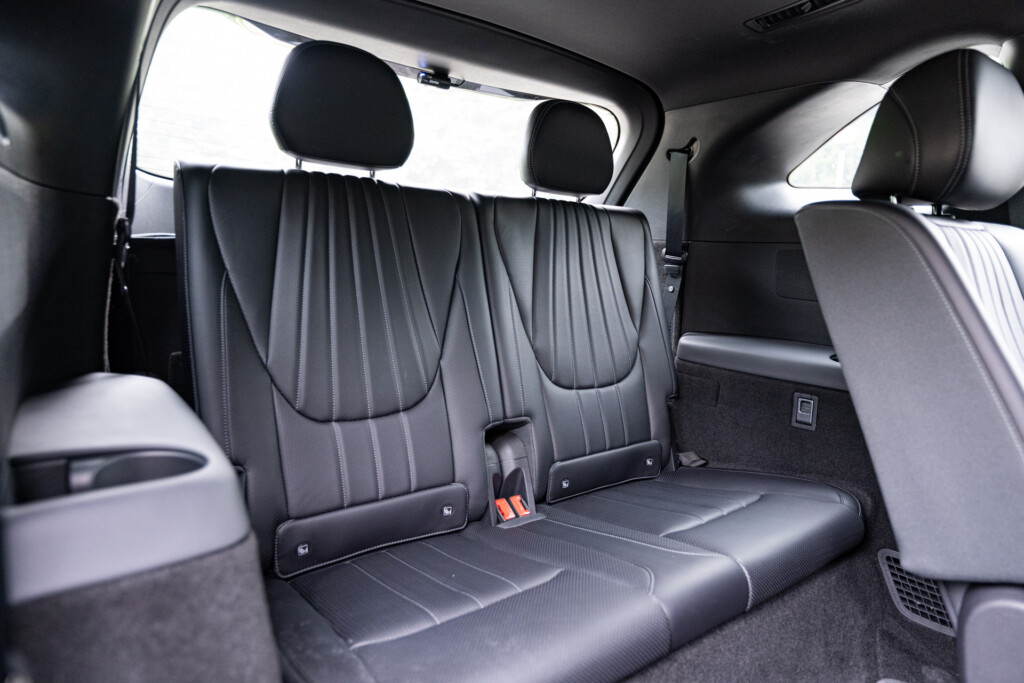
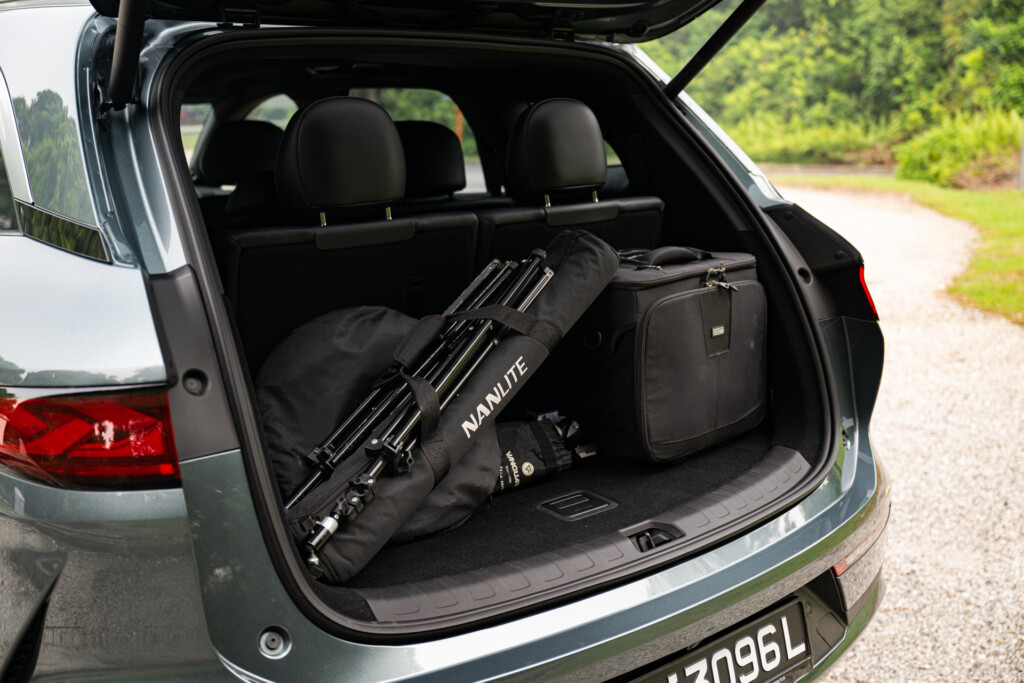
That distinguishes the Sealion 8 from the many five-plus-two SUVs where seats six and seven seem designed primarily for children, emergency use or adults who have wronged you.
There are proper air-conditioning vents above both rear rows, too. Manufacturers can talk all they like about premium upholstery and panoramic roofs, but anyone sitting in the third row ultimately has one question: “Got aircon or not?” Here, the answer is yes.
There are 270 litres of luggage capacity with all seven seats in use, expanding to 960 litres with the third row folded and as much as 1,960 litres with both rear rows down.
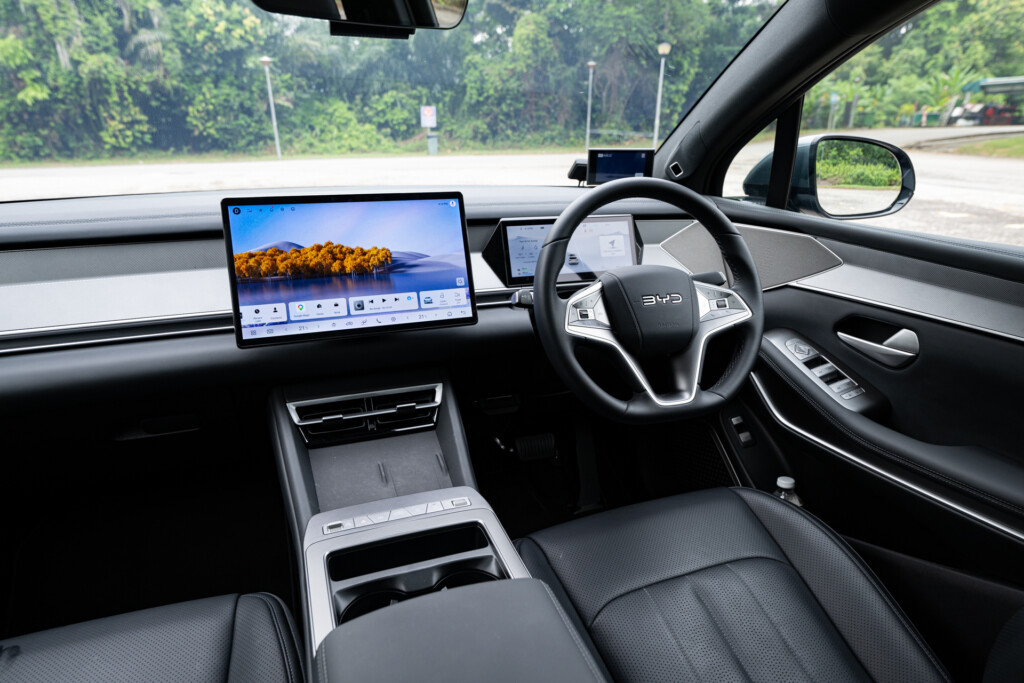
Remember the Atto 3? It had guitar-string door pockets, rotating displays and an interior that felt as though several designers had each been given their own corner and told not to speak to one another.
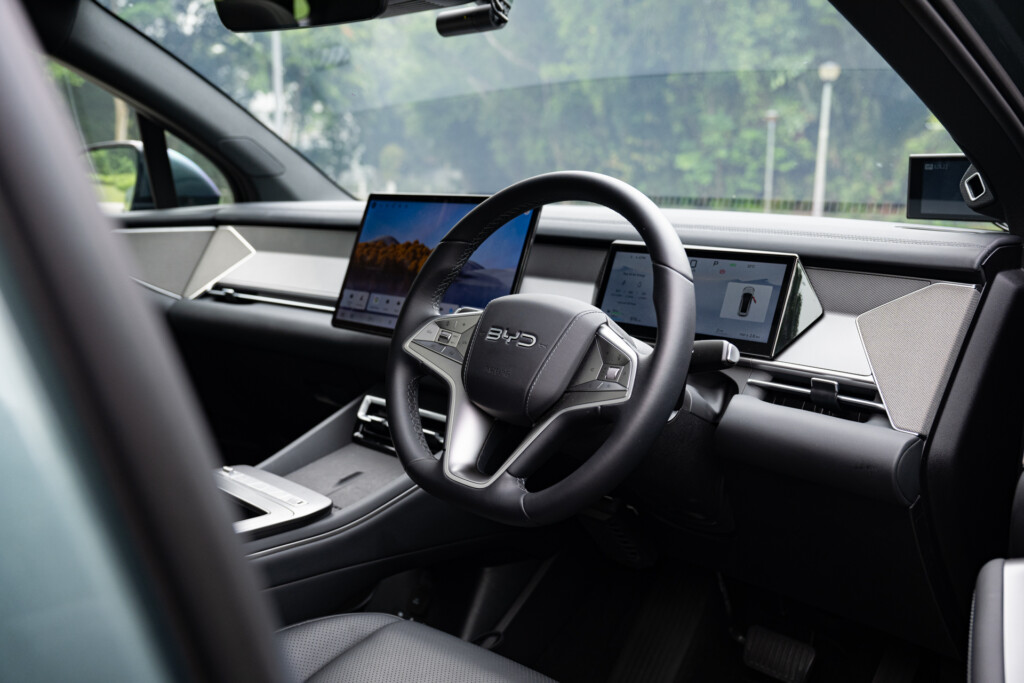
The Sealion 8 is considerably calmer. Its dashboard is broad and horizontal, and a 12.3-inch instrument display sits ahead of the driver, while the centre is dominated by a 15.6-inch touchscreen.
There is still plenty happening, but it no longer feels as though the cabin is auditioning for your attention.
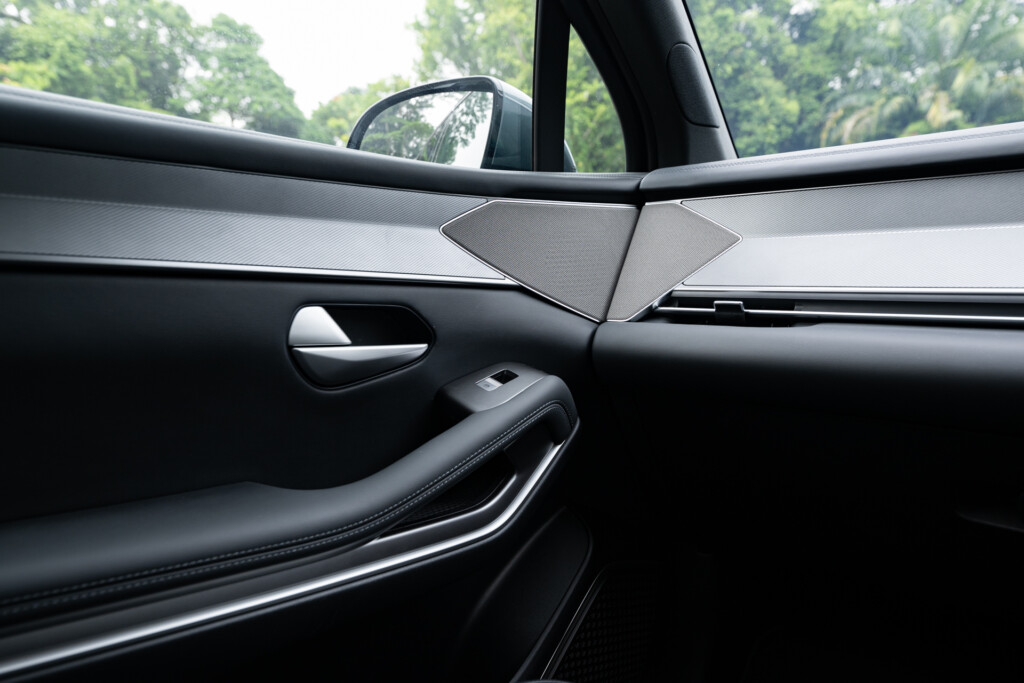
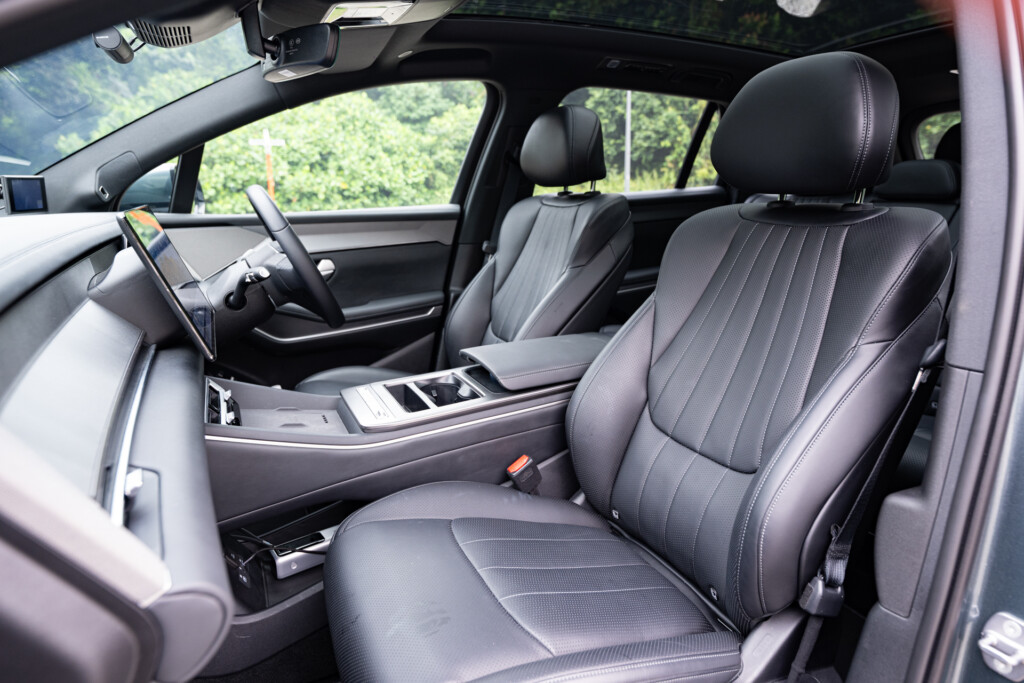
Some plastics lower down feel ordinary, and the absence of extensive ambient lighting can leave the cabin surprisingly dark at night.
But, you get electric front seats with heating and ventilation, that aforementioned boss control for the passenger chair, a huge panoramic roof and numerous charging points dotted around the cabin.
Everything important feels solid, and because the cabin itself is so enormous, there is a sense of generosity that expensive trim cannot always replicate.
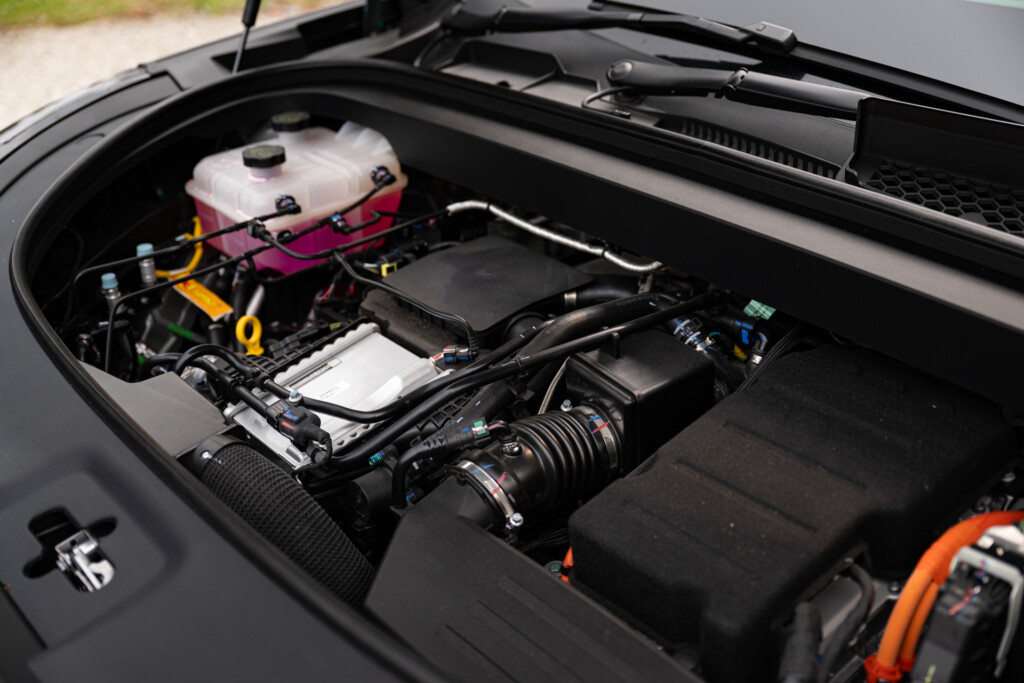
Under the bonnet sits a 1.5-litre turbocharged petrol engine. But, like BYD’s other DM-i models, the Sealion 8 generally treats electricity as the preferred way of moving itself.
Its 19kWh Blade Battery provides up to 80km of WLTP-rated electric range. Once that is depleted, the petrol engine joins proceedings, allowing the complete system to cover up to 900km with a full battery and 60-litre tank.
Charge it regularly and it is entirely plausible that much of your weekday commute could be completed without burning petrol. Then when Friday arrives and somebody suggests driving to Kuala Lumpur, you simply go.
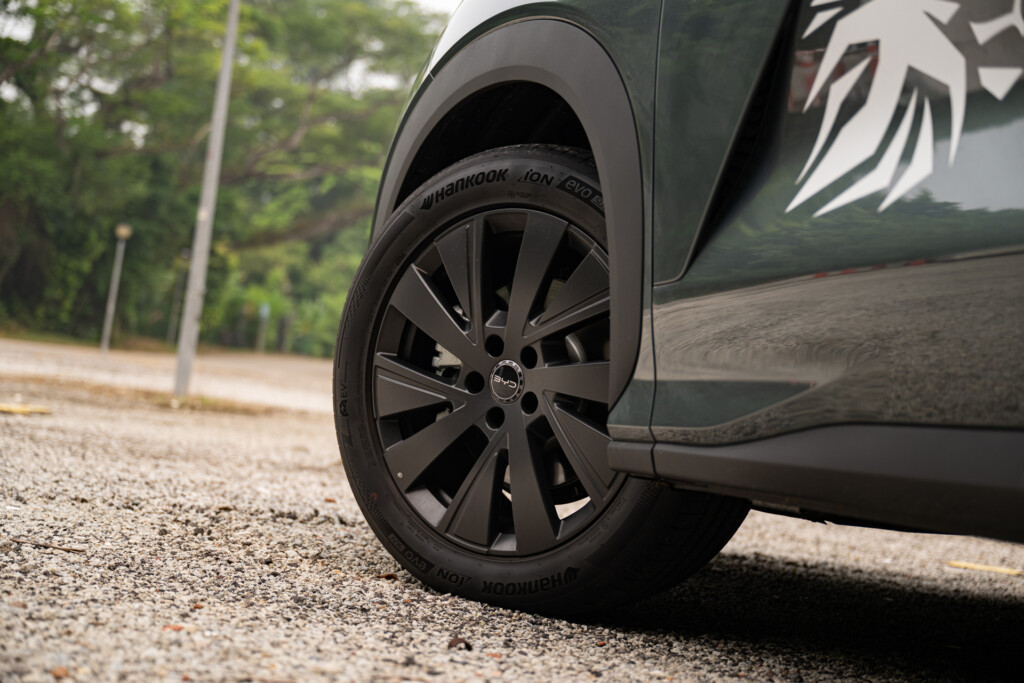
The transition between the two is impressively discreet. The Sealion 8 defaults to electric driving, and when the 1.5-litre engine eventually wakes up, it does so without making much of an announcement. Double-layer glass helps isolate wind noise, contributing to an unusually hushed cabin at speed.
That refinement fits the car far better than any attempt at sportiness would.
Combined output is 205kW, or 275bhp, with 315Nm of torque. Zero to 100kmh takes 8.6 seconds. A 2.3-tonne, seven-seat family SUV does not need to reach 100kmh in four seconds. It needs to merge onto the PIE without drama when Grandma, three children and half of Decathlon are on board.
The instant response from the electric motor helps here. Despite its considerable size, the Sealion 8 feels effortless rather than sluggish, and there is enough torque available immediately that ordinary acceleration rarely leaves you wanting. Even fully loaded, the powertrain has little difficulty getting the car moving.
The chassis reaches much the same conclusion. A double-wishbone suspension arrangement at the front and a multi-link setup at the rear, along with frequency-selective dampers on the Singapore-specification front-wheel-drive model.
The Sealion 8 is happiest being driven gently. On smooth roads and expressways, it settles into an easy gait. The quiet drivetrain, relaxed steering and generous cabin make long-distance cruising particularly pleasant.
Start asking more of the suspension and its size begins to make itself known. Rapid crests and dips can catch the dampers out, resulting in noticeable secondary body movement. The car can bob after larger undulations rather than settling immediately.
The steering is light, the view out is generous and the full suite of cameras makes manoeuvring something nearly two metres wide less stressful than it otherwise would be.
Fuel consumption with the battery at a low state of charge is rated at 5.3 litres/100km. AC charging peaks at 11kW and DC charging at 40kW.
The DC figure will look pedestrian beside modern EVs boasting 150kW, 250kW or more, but remember, the battery is only 19kWh.
And if you cannot charge at all, there is a petrol engine.
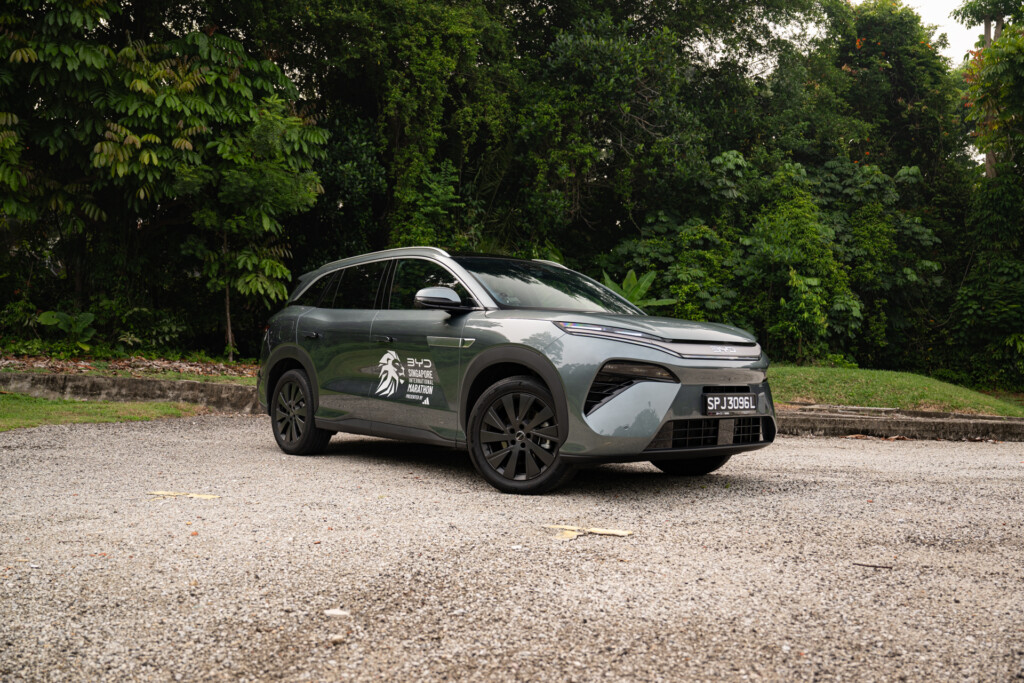
At launch in July, the Sealion 8 was offered at S$238,888 with guaranteed COE. Once you ignore brand badges and simply look at what is being offered, the Sealion 8 becomes difficult to dismiss.
Chinese cars used to provoke a simple question, “Is it cheap enough to take the risk?” That question feels outdated in today’s car market. BYD sold enough cars and developed enough technology that the badge itself no longer needs much explanation.
The relevant question with the Sealion 8 is instead, “Why would I bother with other competitors?”
The automotive industry often talks about doing more with less. BYD has apparently misunderstood, and it has done more with more with the Sealion 8.
BYD Sealion 8 DM-i
Engine: 1.5-litre turbocharged four-cylinder with plug-in hybrid system
Motor: Permanent-magnet synchronous electric motor
Drivetrain: Front-wheel drive
Power: 205 kW / 275 bhp
Torque: 315 Nm
Battery: 19 kWh BYD Blade Battery
Electric range: Up to 80 km (WLTP)
Combined range: Up to 900 km
0- 100 km/h: 8.6 seconds
Top speed: 200km/h
Fuel consumption: 5.3 litres/100km (claimed)
AC/DC charging: 11 kW / 40 kW
Dimensions: 5,040mm x 1,996mm x 1,760mm
Wheelbase: 2,950mm
Price: S$236,388 with COE
Read more automotive news at AutoApp, or check out our latest videos on YouTube and on TikTok!