The Proton e.MAS 5 is small, sensible and designed to make electric motoring affordable… before Singapore adds COE pricing.
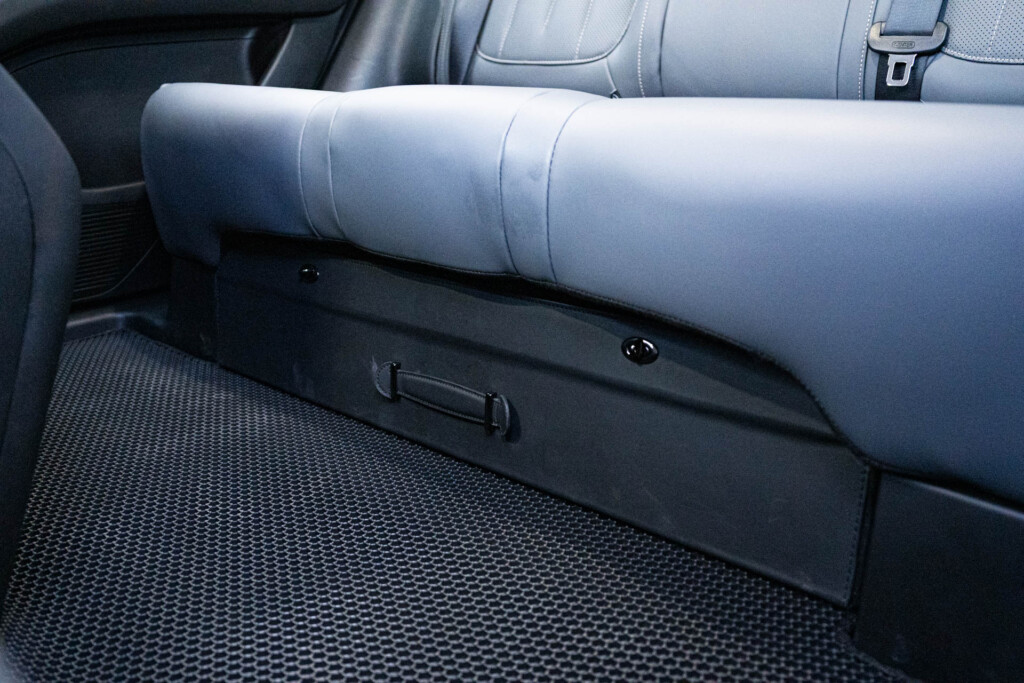
There is a 28-litre storage compartment underneath the rear seat of the Proton e.MAS 5. Proton suggests putting shoes in it. This tells you quite a lot about the car: it is a compact electric hatchback designed around ordinary things.
In Malaysia, Proton introduced it explicitly as an affordable EV. In Singapore, things become more complicated.
At the time of writing, the e.MAS 5 costs S$173,100, including a Category A COE. The current COE component alone is S$132,004. Its listed Open Market Value is S$15,000. Welcome to Singapore, where the right to own your affordable car can cost nearly nine times what the car is officially worth before taxes.
The e.MAS 5 cannot do anything about this. What it can do is be a surprisingly good little car.
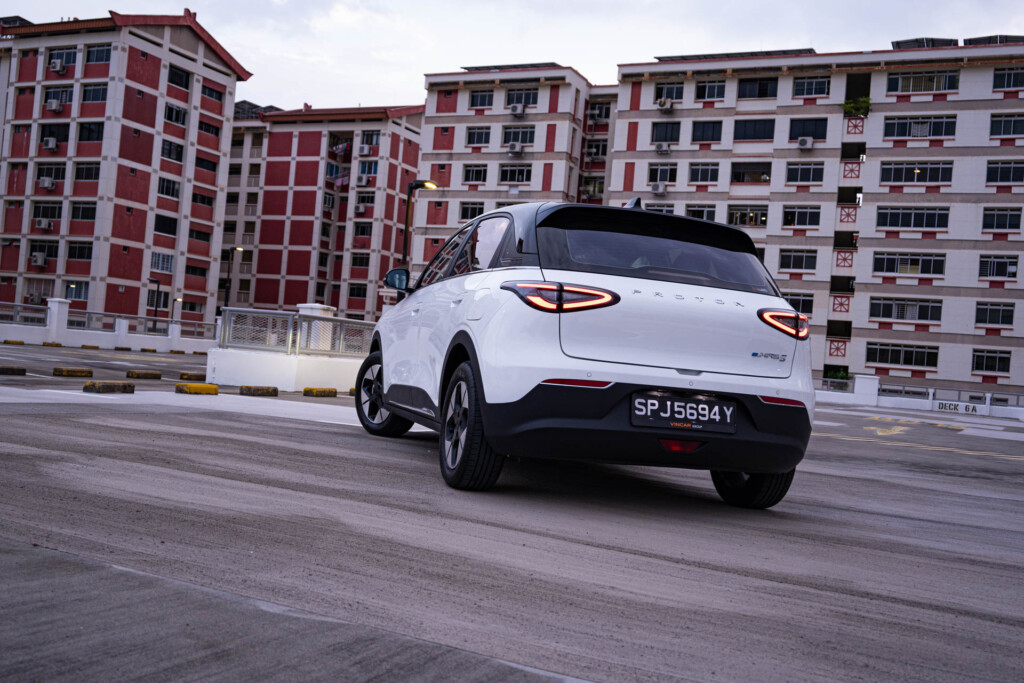
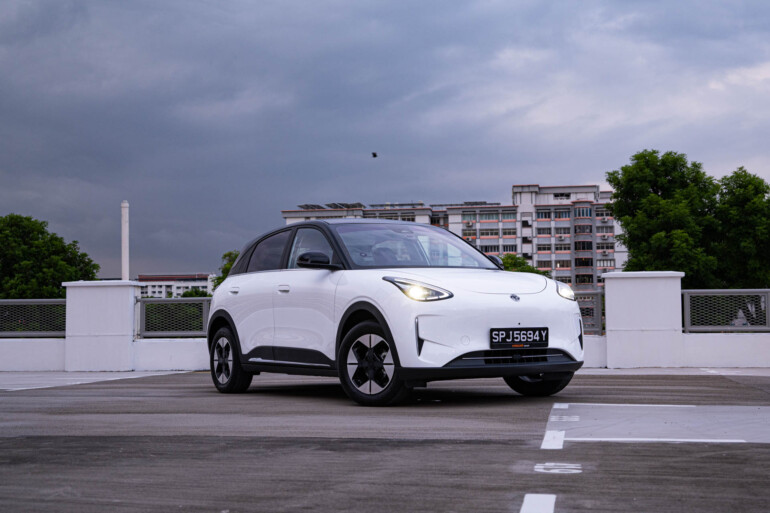
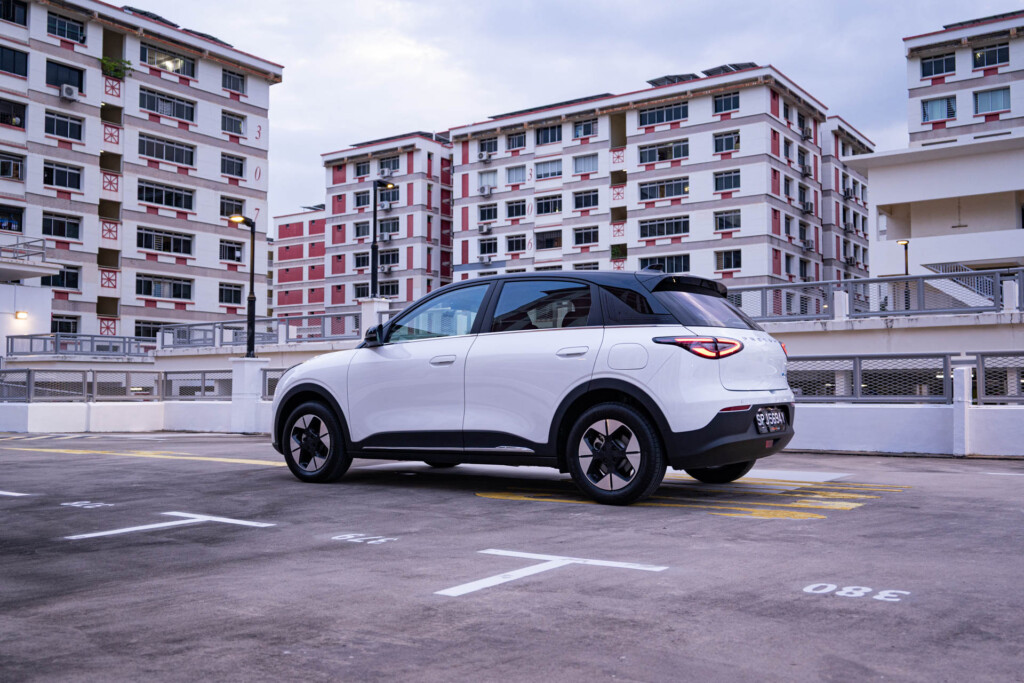
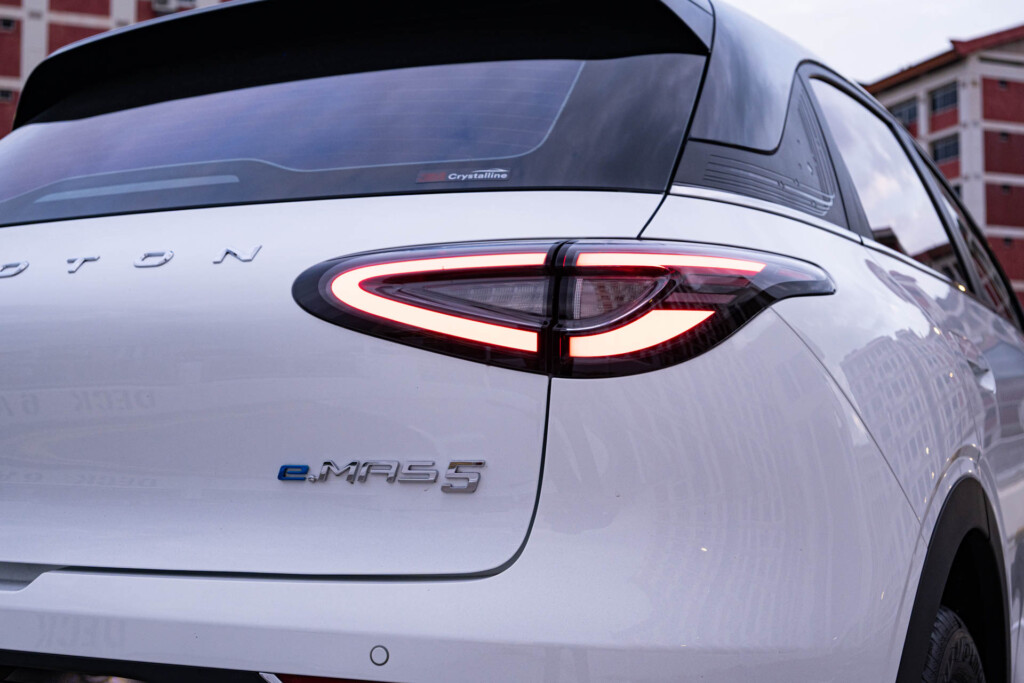
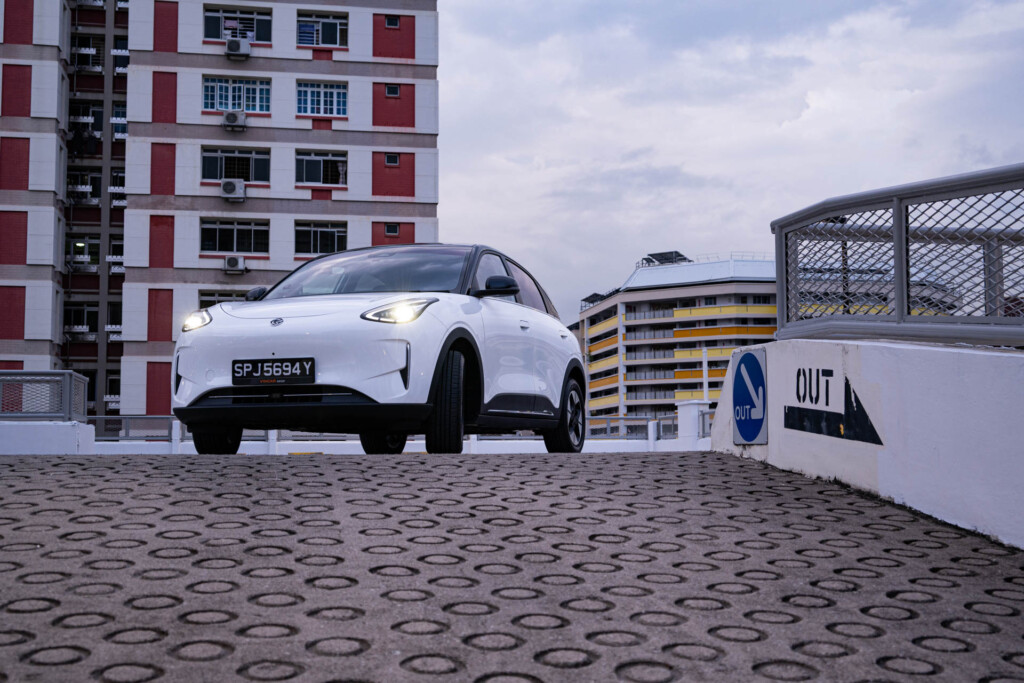
The e.MAS 5 is rather cute. There are rounded bumpers, softly sculpted wheelarches and C-shaped lighting elements front and rear. Nothing is particularly aggressive.
At 4,135mm long and 1,805mm wide, it is compact enough to fit Singapore naturally, while a 2,650mm wheelbase pushes the wheels towards the corners and frees up more room inside than the exterior dimensions suggest, and this clever packaging is arguably the e.MAS 5’s best trick.
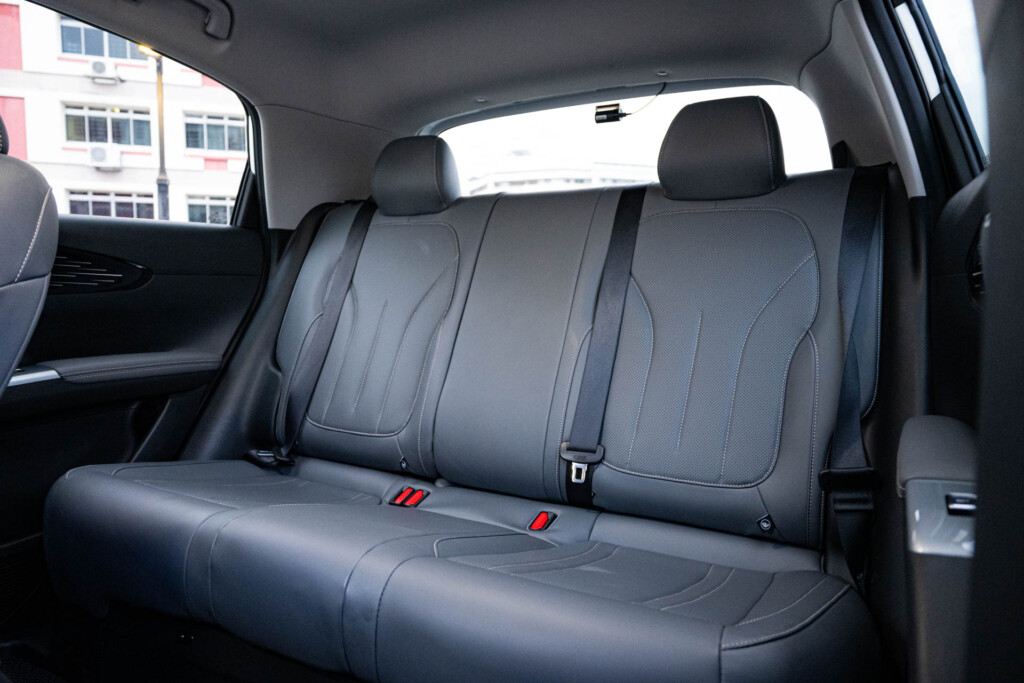
Rear legroom is surprisingly generous considering the overall length, helped by the long wheelbase and largely flat floor. The compromise is foot room; there is not a great deal of space underneath the front seats, particularly if the occupants in front have lowered them, so passengers wearing larger shoes may find themselves searching for somewhere comfortable to put their feet.
Fortunately, there is that drawer beneath the rear bench. Shoes solved.
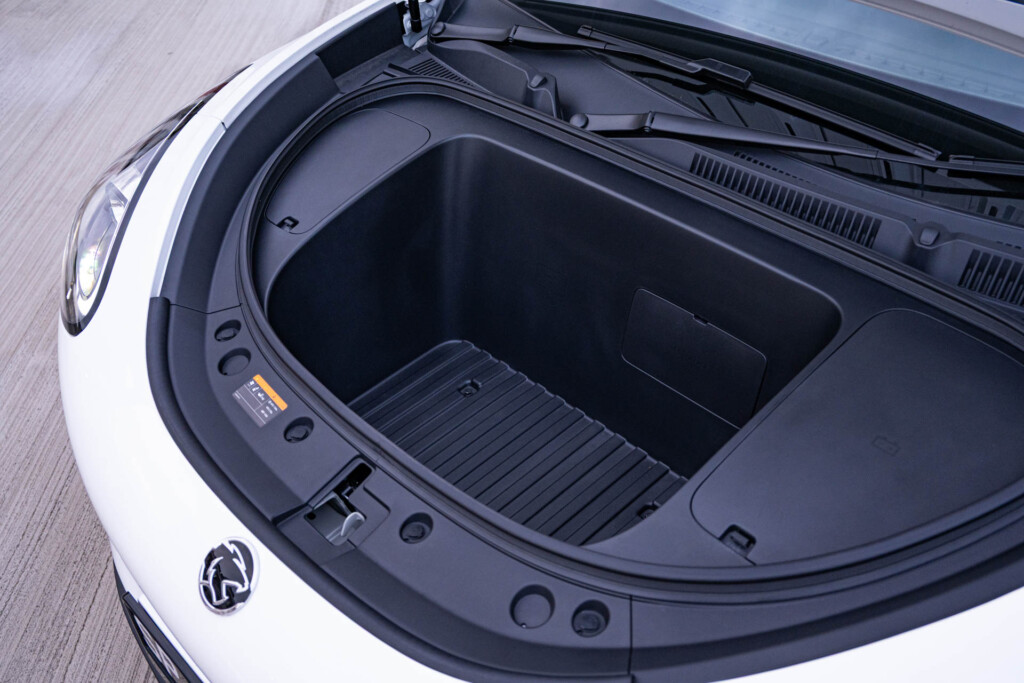
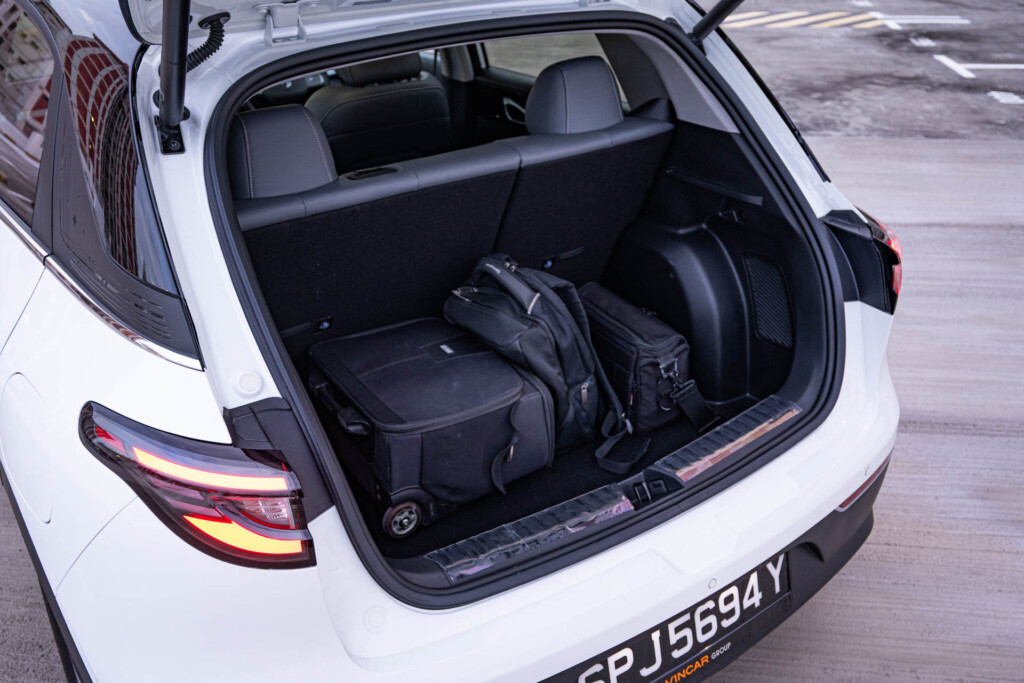
Elsewhere, Proton seems to have gone slightly mad with storage. There are 32 compartments throughout the cabin, including 20 litres beneath the centre console, the 28-litre rear underseat compartment and a 70-litre frunk beneath the bonnet.
The conventional boot holds 375 litres, expanding to 1,320 litres with the rear seats folded. For something barely longer than four metres, that is excellent.
And because this is the Premium version sold locally, the tailgate is electrically powered. A powered boot on a small entry-level hatchback is faintly hilarious. Since the car is compact enough that a sufficiently determined person could probably reach the tailgate from the back seat.
Still, luxury is luxury.
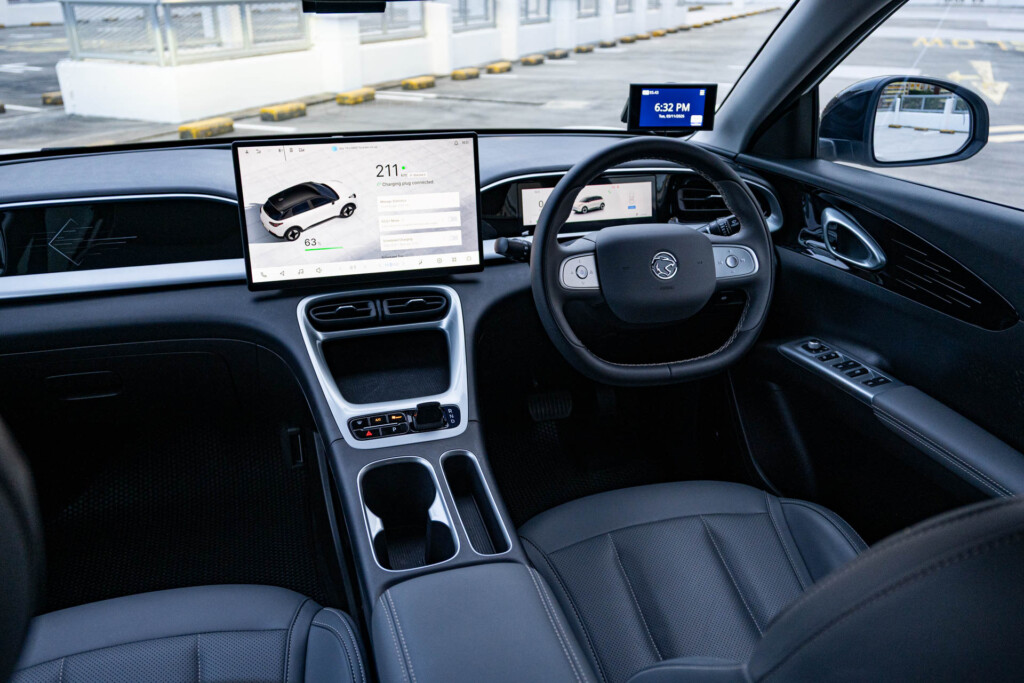
The cabin follows much the same formula. You are not greeted by acres of leather, aluminium and mood lighting, but neither does it resemble something built down to a price.
The surfaces feel sturdy, the two-tone leatherette trim helps brighten things up, and the dashboard has enough visual interest to avoid feeling austere.
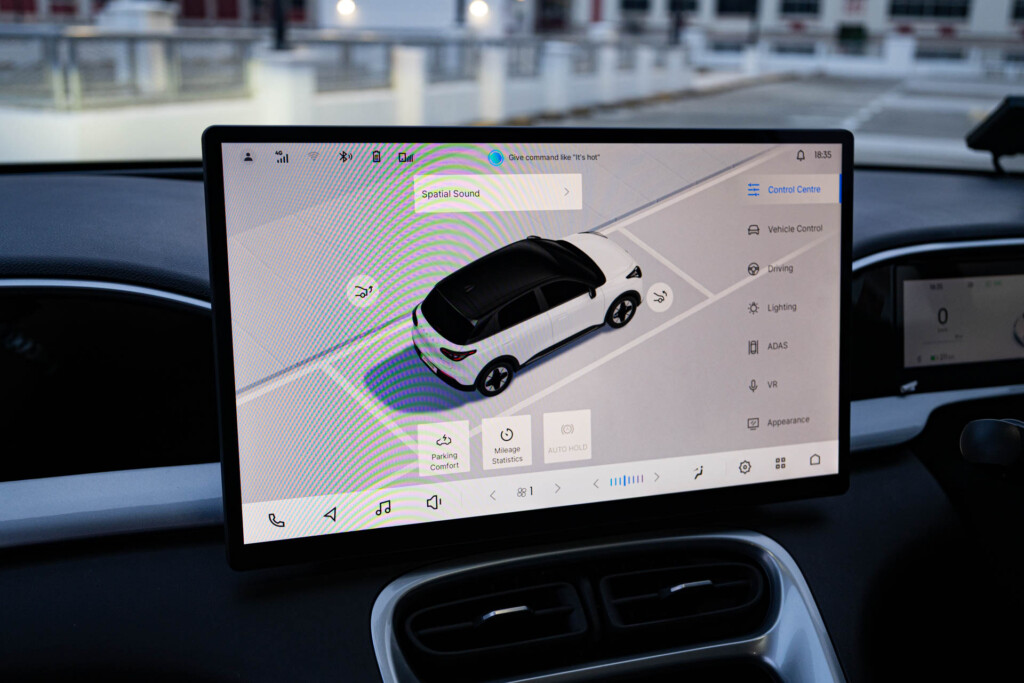
The centrepiece is a 14.6-inch Full HD touchscreen, accompanied by an 8.8-inch digital driver’s display. Wireless Apple CarPlay and Android Auto are standard, along with a 360-degree camera and a suite of driver-assistance systems. Physical controls are relatively sparse, which means spending some time learning where Proton has hidden everything.
There is one particularly strange interface decision: the climate-control system does not display conventional temperature numbers.
Instead, you get a slider that moves between blue and red… essentially the same system fitted to inexpensive cars 30 years ago, only now rendered digitally on a 14.6-inch high-definition display. Technology has brought us full circle.
Fortunately, the air-conditioning itself works well. That matters more in Singapore than whether the cabin is exactly 21.5 degrees Celsius. Rear passengers get their own air vents, too. Again, very sensible.
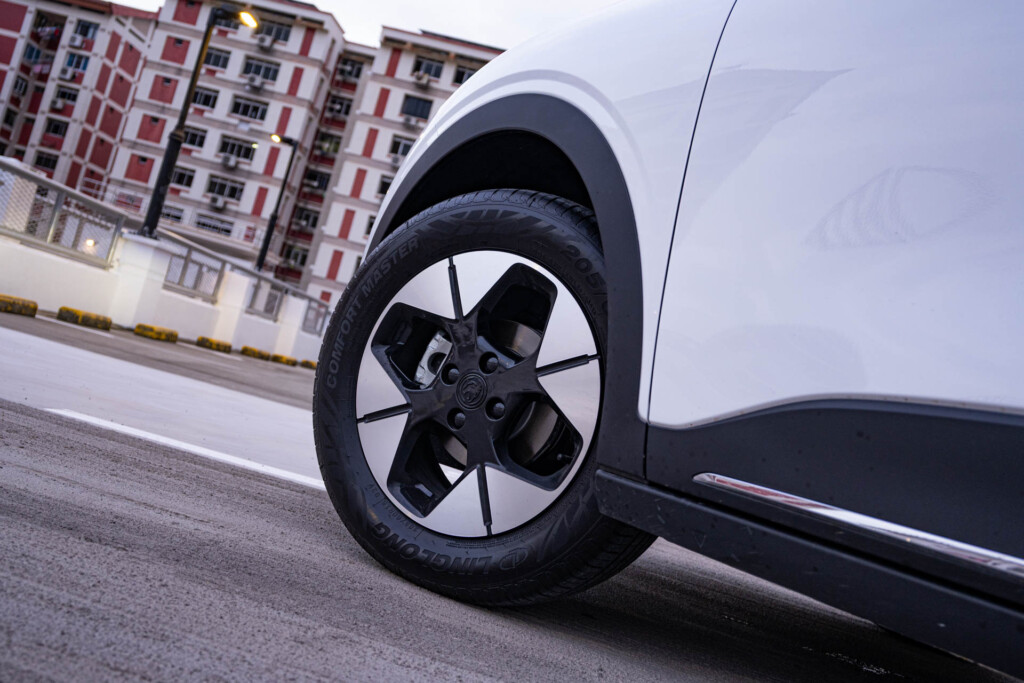
There is a single electric motor mounted at the rear, producing 85kW (114bhp) and 150Nm of torque. The e.MAS 5 takes 10 seconds to reach 100 km/h, although the more relevant 0-to-50 km/h sprint takes 3.9 seconds. Around town, it is perfectly brisk.
The more surprising bit is what happens when the road bends. The e.MAS 5 weighs only a little over 1.3 tonnes, which is practically lightweight by modern EV standards. The battery sits low in the chassis, the driven wheels are at the back and Proton has given it a multi-link rear suspension rather than the cheaper torsion-beam arrangement you might expect.
You can carry speed into a bend without immediately discovering several hundred horsepower attempting to overwhelm the tyres. The steering is easy to judge, the body remains composed, and the modest power output means you can use far more of the accelerator far more often.
The e.MAS 5 proves something enthusiasts have been saying for years: making a slow car go quickly is often more entertaining than making a very fast car go slowly.
There is another pleasing surprise. The e.MAS 5 has the contemporary collection of assistance systems, including adaptive cruise control, autonomous emergency braking, lane-departure warning, blind-spot monitoring and rear cross-traffic alert.
Ordinarily, this paragraph would be followed by several sentences about how to turn everything off. Not here.
A software update has made the warnings less intrusive, and the lane-departure system sufficiently restrained to leave activated throughout its test. Better still, switch the speed warning off, and it stays off instead of resurrecting itself every time you restart the car. Thank you, seriously.
The Singapore e.MAS 5 gets the larger of its available batteries: a 40.16kWh CATL lithium iron phosphate pack. Official WLTP range is 325km.
The relatively small battery means replenishing it does not take long. Proton quotes 21 minutes to charge from 30 to 80 per cent on a suitable DC charger, making the e.MAS 5 well suited to urban life.
Which brings us back to S$173,100.
The e.MAS 5 is a fundamentally affordable car trapped in a fundamentally unaffordable car market. Proton launched it in Singapore in July 2026 at S$158,988 with COE. The current listed price has since risen to S$173,100 as Category A COE moved to S$132,004.
At S$173,000, buyers inevitably begin comparing it with cars that are larger, more powerful or wear badges with more prestige.
This is not really Proton’s fault; the e.MAS 5’s OMV is only S$15,000. Its problem is that Singapore taxes cheap cars and expensive cars using the same scarce piece of paper.
There is another way of looking at it. Not everyone wants a 2.2-tonne electric SUV with 400 horsepower. Some people simply need a car,
The Proton e.MAS 5 scratches that itch. In almost any normal car market, this would make an excellent first EV. If only Singapore priced cars that way.
Proton e.MAS 5 Premium
Powertrain: Single rear-mounted electric motor, Rear-wheel drive
Power: 85 kW (114 bhp)
Torque: 150 Nm
Battery: 40.16 kWh CATL LFP
Range: 325 km (WLTP)
0-50km/h: 3.9 seconds
0-100km/h: 10.0 seconds
Efficiency: 6.6 km/kWh
DC charging: 30-80% in 21 minutes
Price: S$173,100 with COE
Read more automotive news at AutoApp, or check out our latest videos on YouTube and on TikTok!