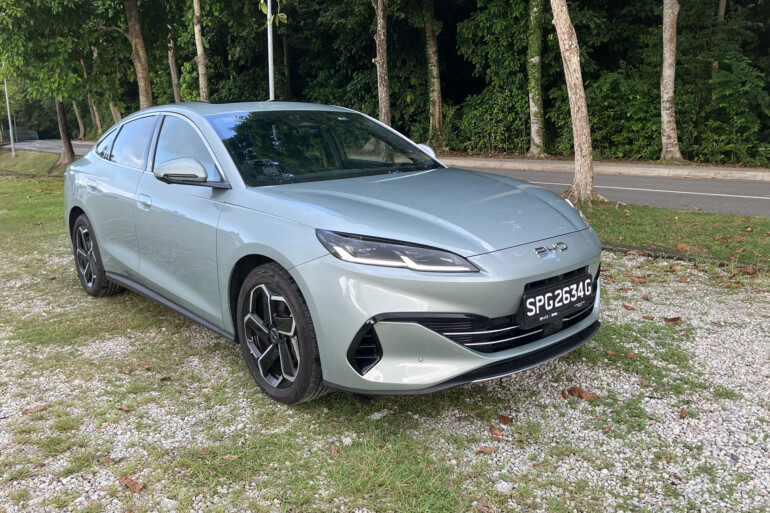
The BYD Seal 6 DM-i is the brand’s first plug-in hybrid sedan for Singapore, and it is an excellent all-rounder with excellent range and a surprisingly decent drive.
If you’re looking to buy a BYD sedan in Singapore right now, you essentially have three choices. There’s the Seal, which is the OG BYD sedan offering, the Seal 6 EV, which is the slightly smaller and more affordable option, and then the recently-launched Seal 6 DM-i, which is a plug-in hybrid model.
Confused yet? Certainly, the lineup can be a bit mind-boggling, but the thing you need to know is that the Seal 6 DM-i is the one to go for if you’re not ready to commit to the full-fat EV lifestyle just yet.
Spot The Difference
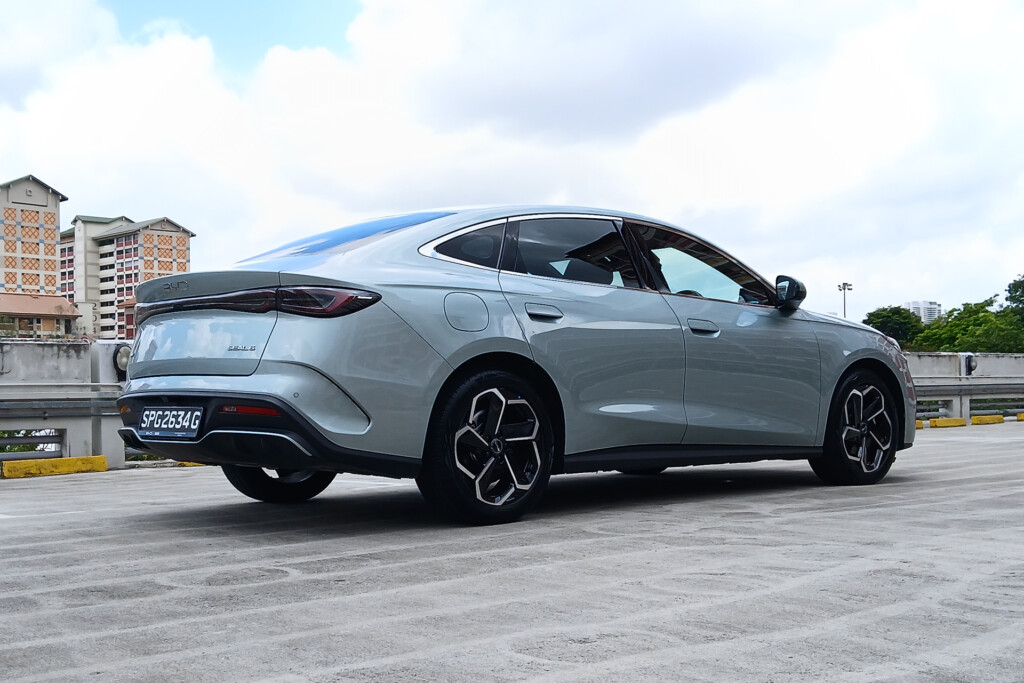
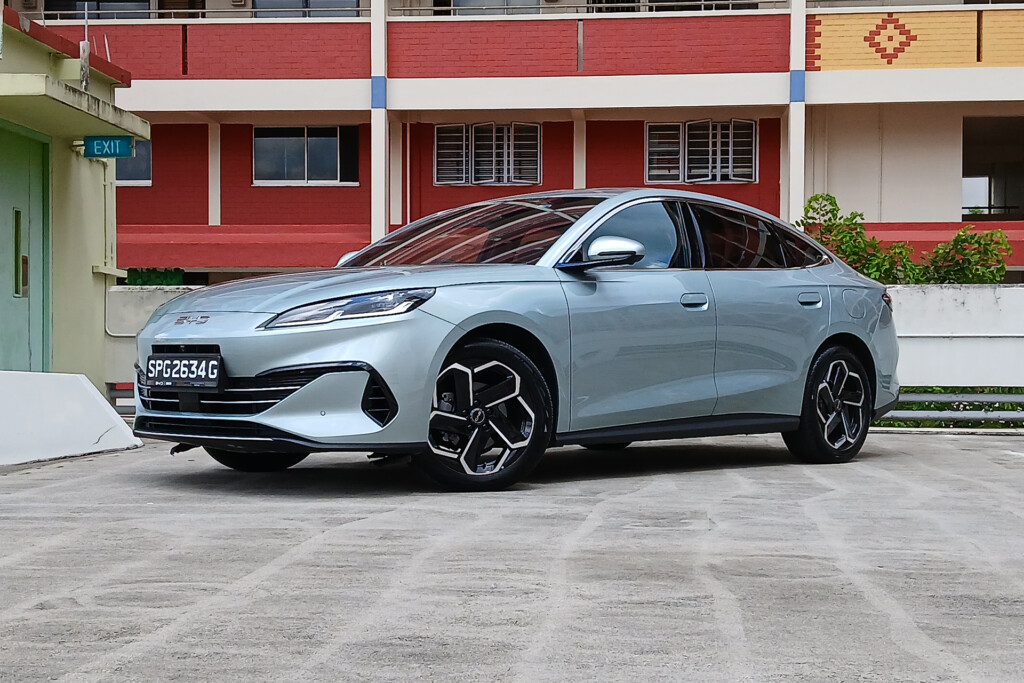
Visually, the Seal 6 DM-i looks very similar to its EV counterpart. It’s the same sleek soap bar shape, with many of the same design elements present here.
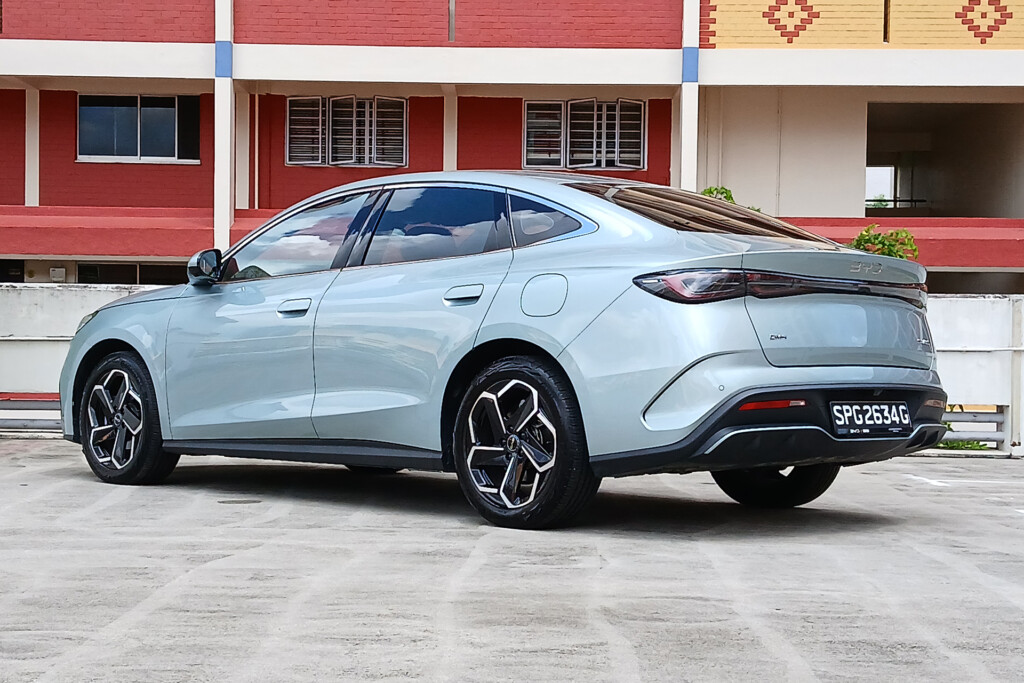
But squint a little and you can spot some differences. The front gets a smoothed out nose that mimics the more premium Seal, instead of the grill design of the Seal 6 EV. And at the back, the taillight bar has a slightly different shape and pattern than its sibling. It’s not immediately obvious though, and it does require a keen eye to pick out.
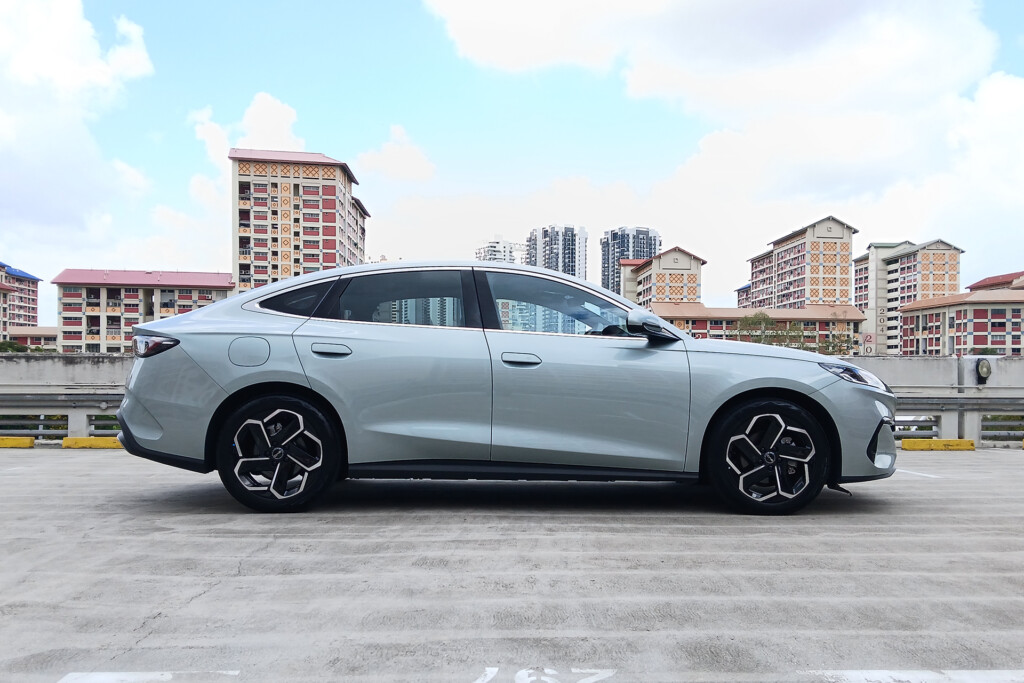
The car’s proportions also hide something else: the Seal 6 DM-i is actually the longest out of the three, with a length of 4,840mm. That makes it 40mm longer than the Seal, and a full 120mm longer than the Seal 6 EV.
The short overhangs does make the car seem deceptively compact, and you’ll only realise its real size when you’re parking the car. Despite that however, the Seal 6 DM-i has the shortest wheelbase of the trio, at 2,790mm, compared to 2,820mm for the Seal 6 EV, and a massive 2,920mm for the Seal.
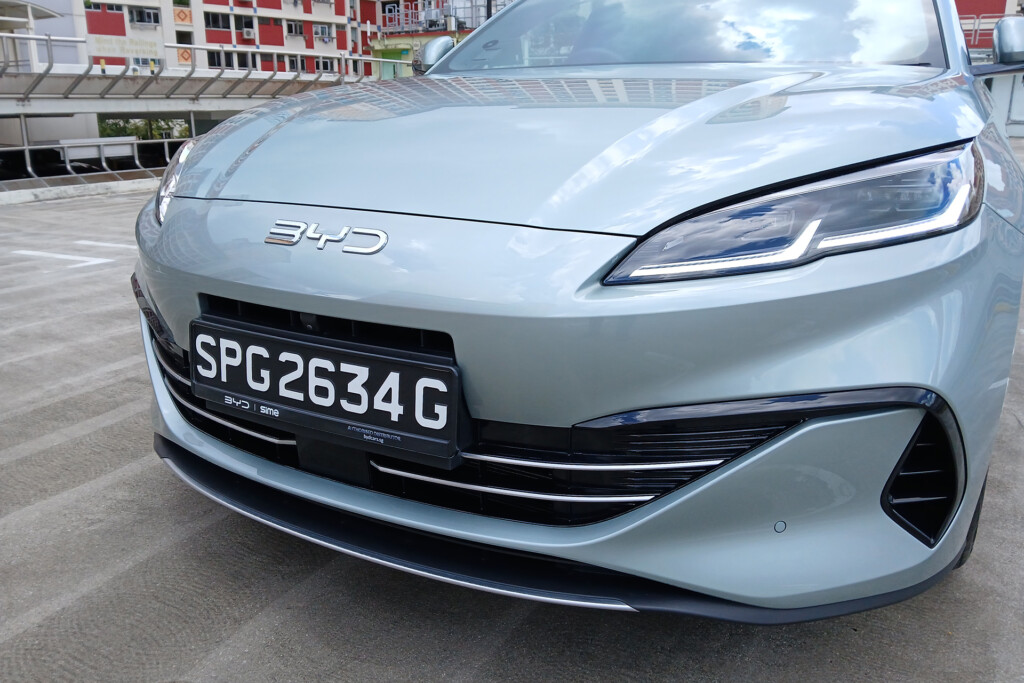
Something else unique is the test car’s colour, dubbed Palm Green, which BYD says is exclusive to the DM-i model. So that’s one way of making it stand out if you want to differentiate it from the others.
Mix and Match
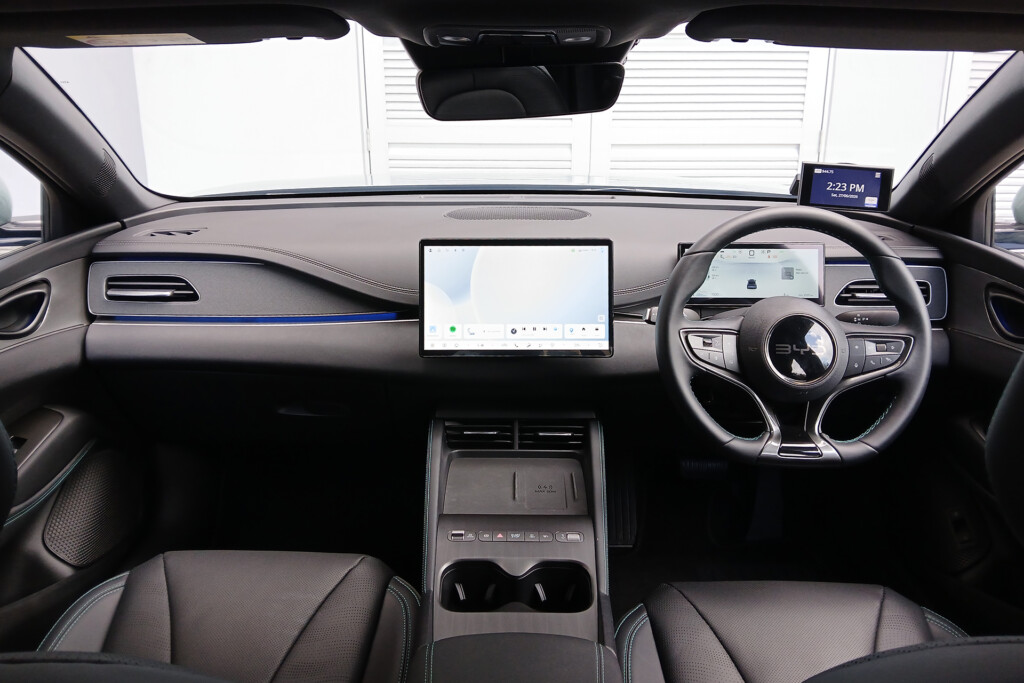
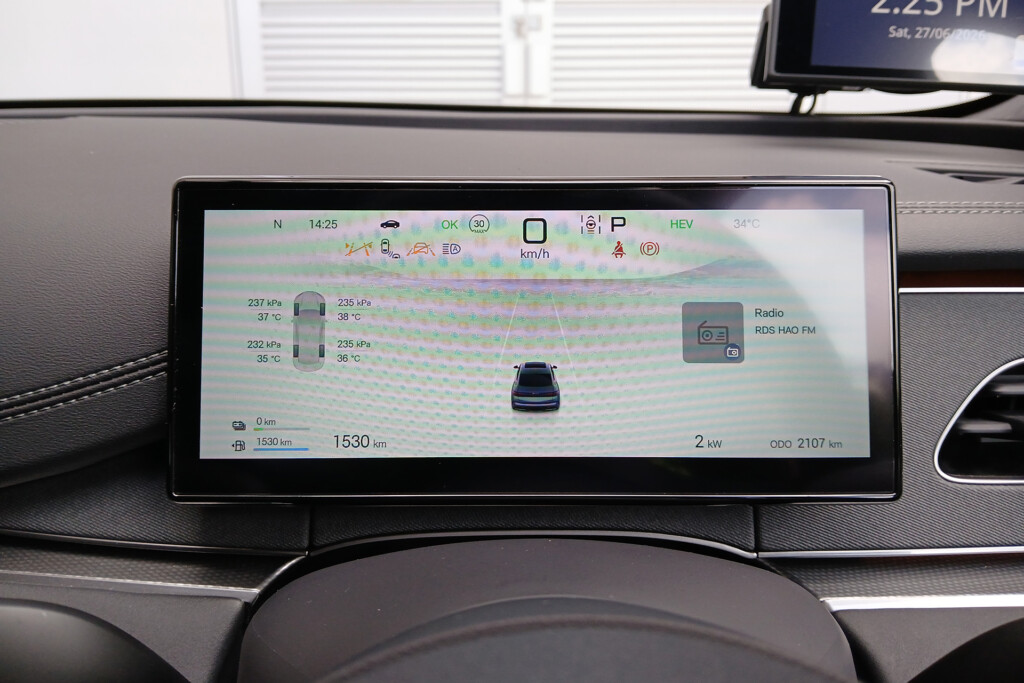
On the inside, it appears that the Seal 6 DM-i has combined bits from both its siblings. The steering wheel and 8.8-inch driver instrument display is taken from the Seal, while the centre console design, with its 12.8-inch central touchscreen and felt-trimmed wireless charging tray, is borrowed from the Seal 6 EV.
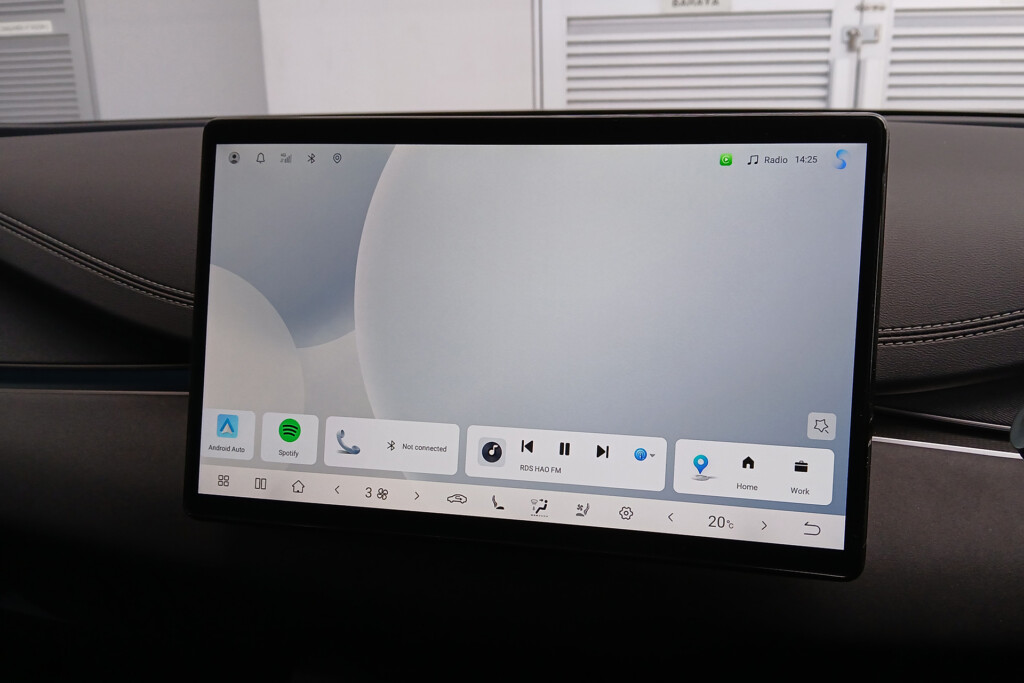
That said, there is still some room for individualism. The top of the dash is finished in a rather nice leather material, and there’s a pretty cool ambient lighting element on the lower section that looks subtly cool, especially at night.
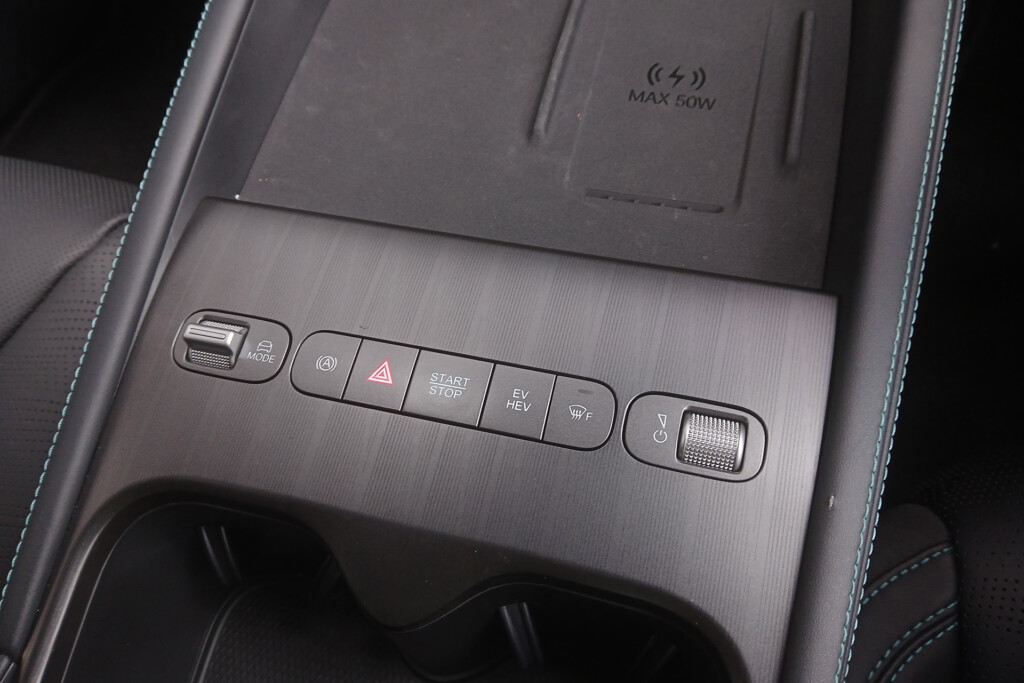
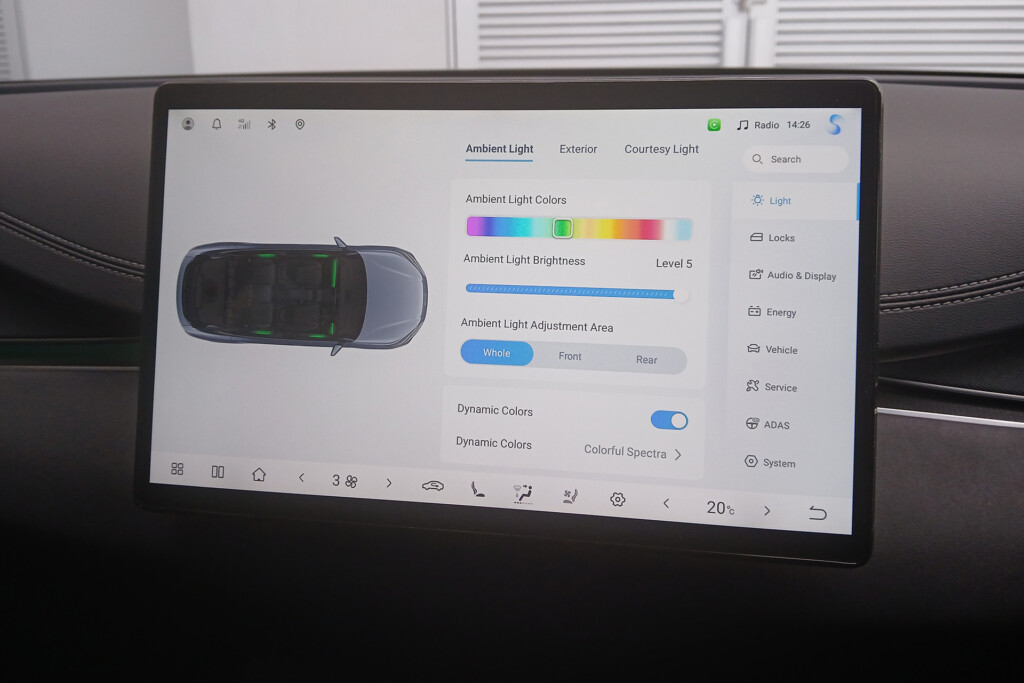
The rest of the interior is as you were. The infotainment software is fairly straightforward if you’re familiar with BYD’s interface, and there’s a handy set of buttons and switches for those who still desire the physical tactile touch.
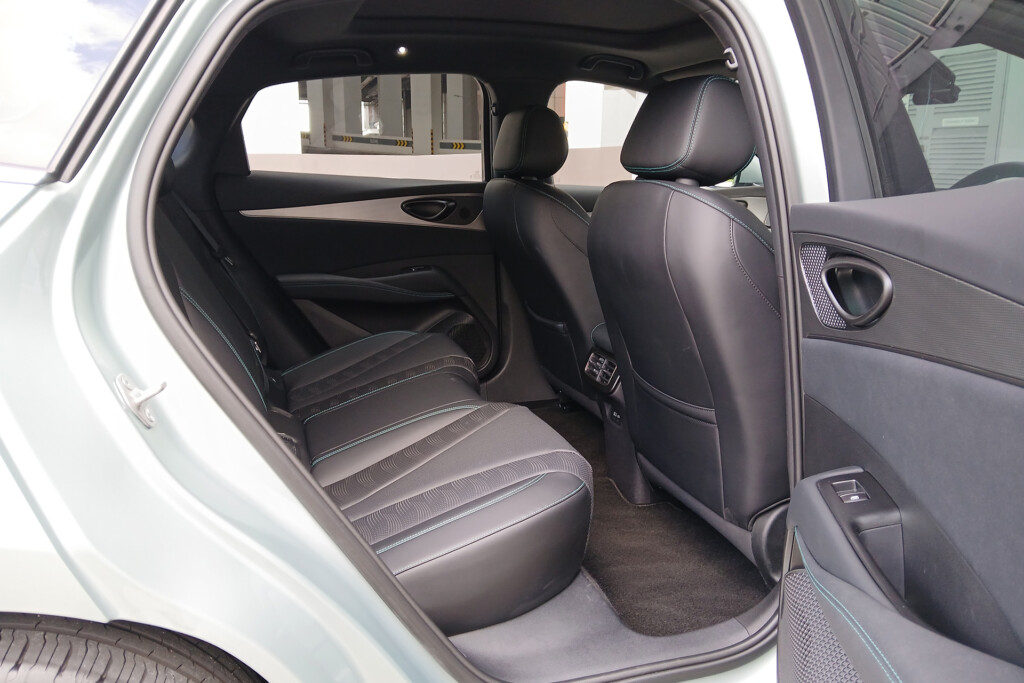
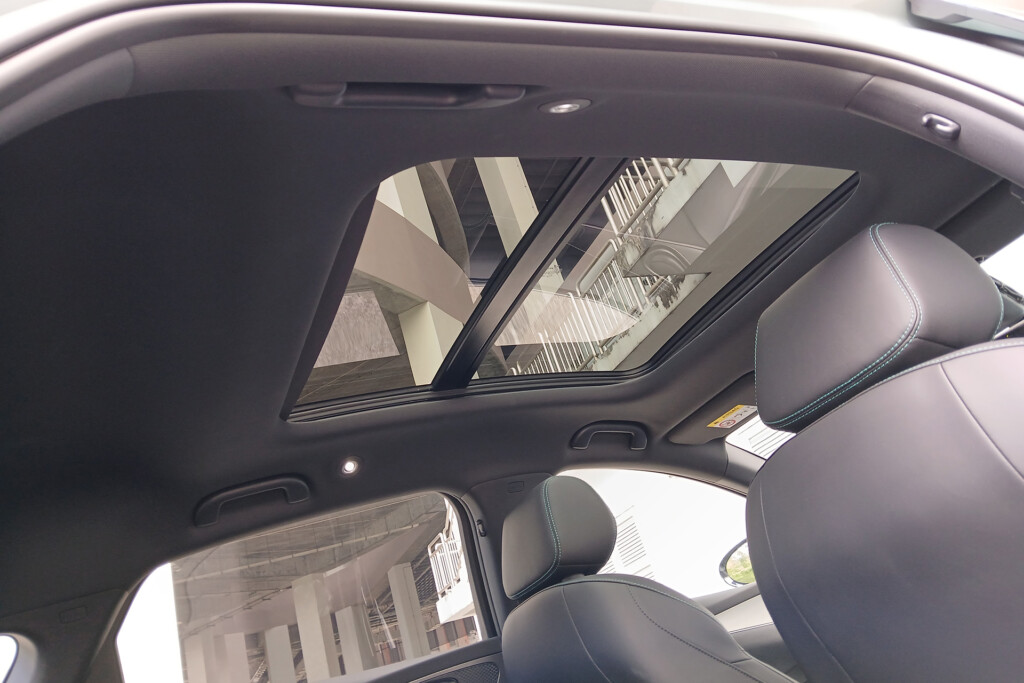
The shorter wheelbase means that the Seal 6 DM-i is not quite as spacious in the back as compared to its other two siblings, though there’s still more than enough room to accommodate three adults without too much trouble.
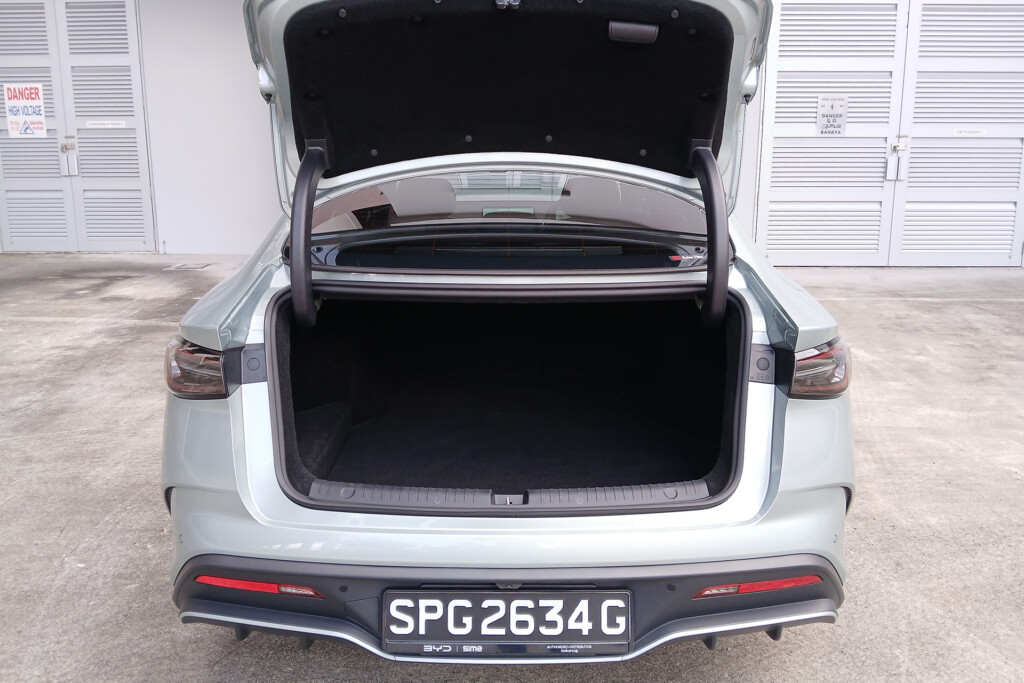
Similarly, the car’s lengthy dimensions means that the Seal 6 DM-i actually has the biggest boot out of the three, with 491 litres worth of capacity available, compared to 460 litres for the Seal 6 EV and 400 litres for the Seal.
Of course, the other two EVs also have the benefit of a frunk for additional storage, which the hybrid DM-i has to forgo due to the engine.
Well-Sorted All Round
The DM-i system is fundamentally the same as the one found in the larger Sealion 6 DM-i SUV. However, in the Seal 6 DM-i, the powertrain has been tuned to produce 219bhp and 260Nm of torque, at least in the top spec Premium trim tested here.
It’s a decent amount of boost, and you can feel it on the move. The car picks up speed effortlessly, and it has no trouble keeping up with traffic. Certainly, it feels a touch more responsive than the heavier SUV, despite having a negligible 4bhp increase and 40Nm less torque.
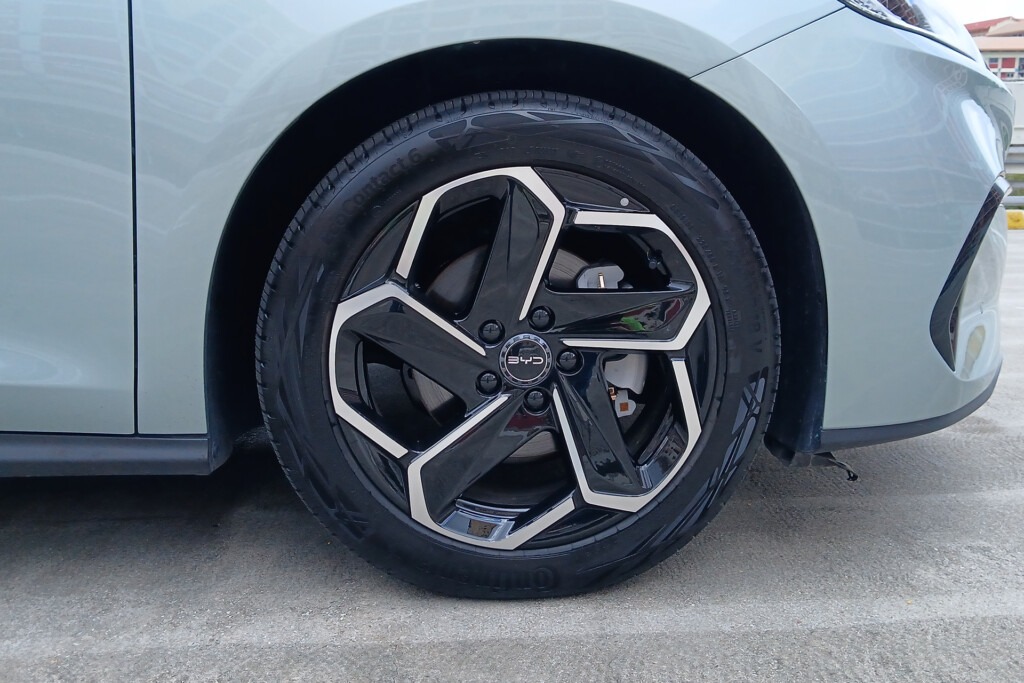
More impressively though, the car feels surprisingly engaging to drive. The steering is responsive and nicely-weighted, and the car generally corners pretty flat with little body roll. The car’s kerb weight of 1,770kg, which puts it on the lighter side for a PHEV, could perhaps be a contributing factor to the car’s relatively nimble handling abilities.
Ride quality is equally excellent, with the car coping extremely well on most surfaces, and only getting mildly disturbed over harsher bumps. In fact, the ride was so well-sorted that I didn’t even notice that I suffered a big puncture until the tyre pressure warning came up on the driver’s display.
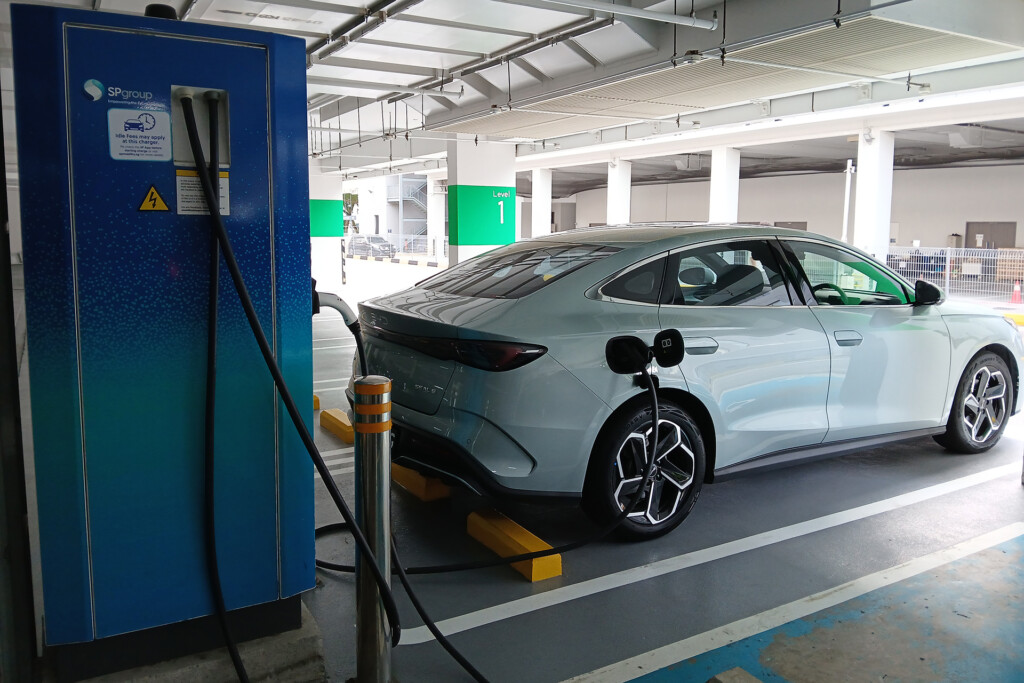
On the practical front, the bigger 19kWh battery of the Premium trim means that you get a pretty generous 105km worth of driving range in EV mode. That should easily cover a day’s worth of driving for the average Singaporean, and if you manage your driving well, you could feasibly go about without using the petrol engine for an extended period of time.
Should you need to though, BYD claims that the car can offer up to 1,300km worth of driving range when the electric and petrol drivetrains are combined. Of course, the real world figure is ultimately down to your own personal driving style, but if you are a conservative driver, hitting or even exceeding that figure shouldn’t be much of a problem.
The Best One Yet?
Each of the three BYD sedans do have their own strengths, but it seems that the Seal 6 DM-i might have the strongest pull for those who want something that offers the fewest compromises.
Probably the biggest appeal of the Seal 6 DM-i has to be its plug-in hybrid drivetrain, which delivers exceptional real world range for those who do a combination of short urban journeys and long road trips. But the rest of the car excels too, and it feels like it’s a car that has something for everyone.
At $195,888 with COE (accurate at time of writing), the Seal 6 DM-i Premium naturally sits in between the entry-level Seal 6 EV and the more premium Seal. It is arguably the most well-sorted all-rounder of the BYD sedans, and if that’s what you’re looking for, then the choice is pretty clear.
Technical Specifications
BYD Seal 6 DM-i Premium
Engine: 1.5-litre in-line 4
Drivetrain: Front-Wheel-Drive
Power: 219 bhp
Torque: 260 Nm
Gearbox: Single-Speed (A)
0-100km/h: 7.9 Seconds
Top Speed: 180 km/h
Fuel Tank Capacity: 65 litres
Fuel Economy: 3.9 litres/100km (claimed)
Price: S$195,888 with COE (accurate at the time of this article)
Article and photos by: Ben Chia (@benchiacars)
Read more automotive news at AutoApp, or check out our latest videos on YouTube and on TikTok!