Dongfeng wades into the Cat A electric SUV game with the Vigo, but beyond its funky looks lies a somewhat rough, unpolished diamond.
They say good things come to those who wait. My Dongfeng Vigo test drive was rescheduled twice due to various circumstances surrounding the car. Given the proliferation of similar other Cat A electric SUVs on the market though, I can’t say that it was a delay I minded too much.
But I suppose it did add a sense of anticipation when I finally got my hands on the car. Was it worth the wait? Perhaps, but not for the reasons you’d expect.
Chunky Cuteness
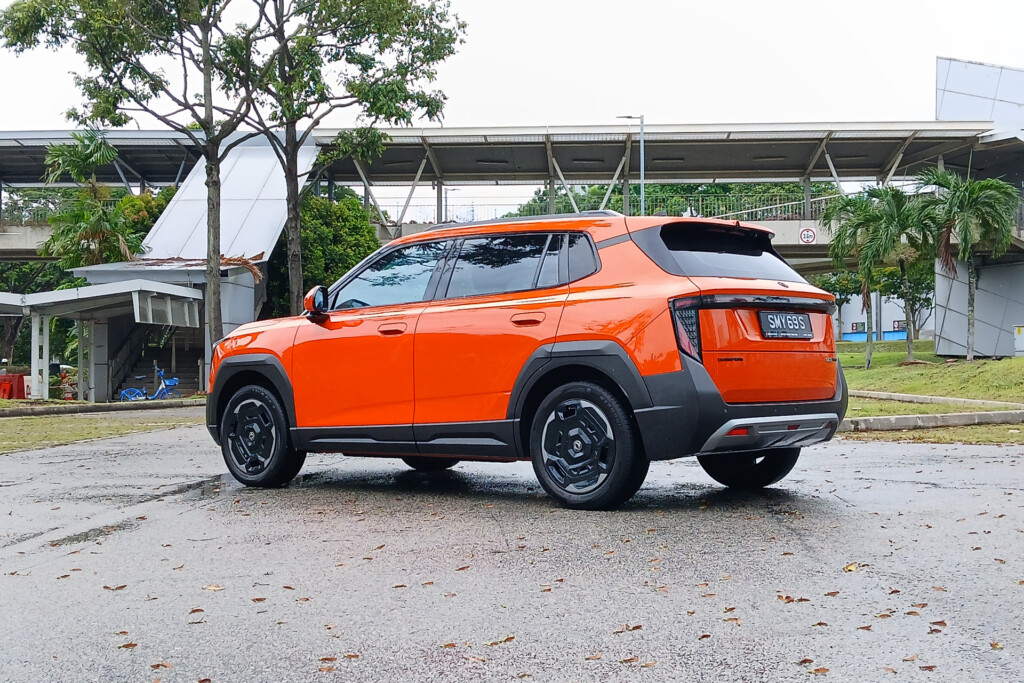
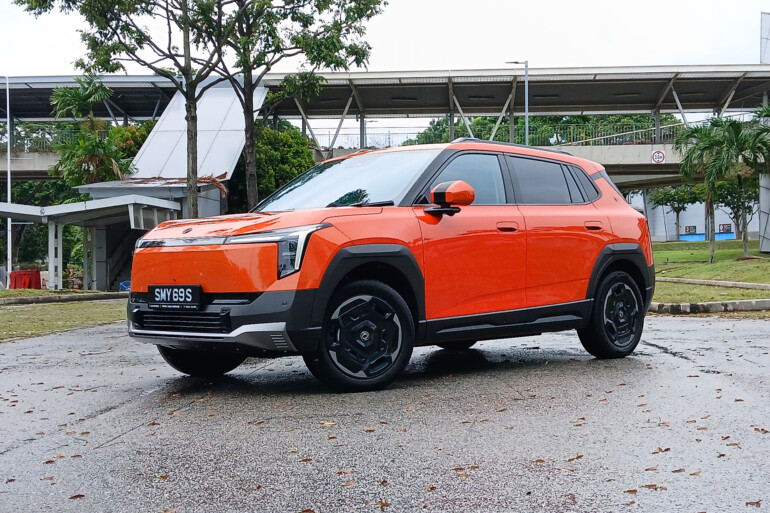
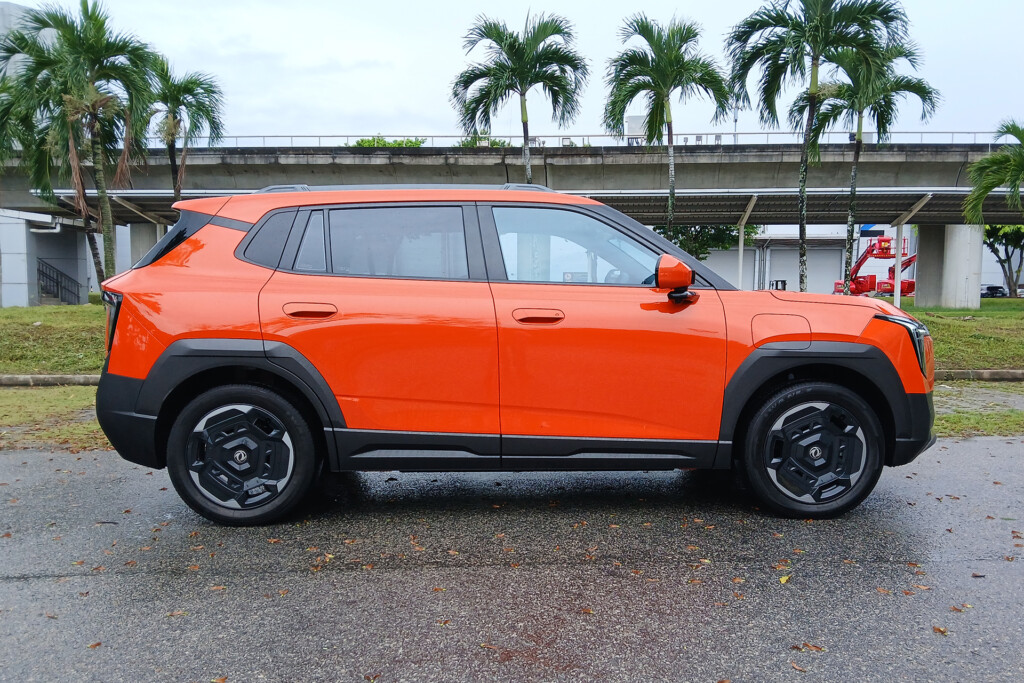
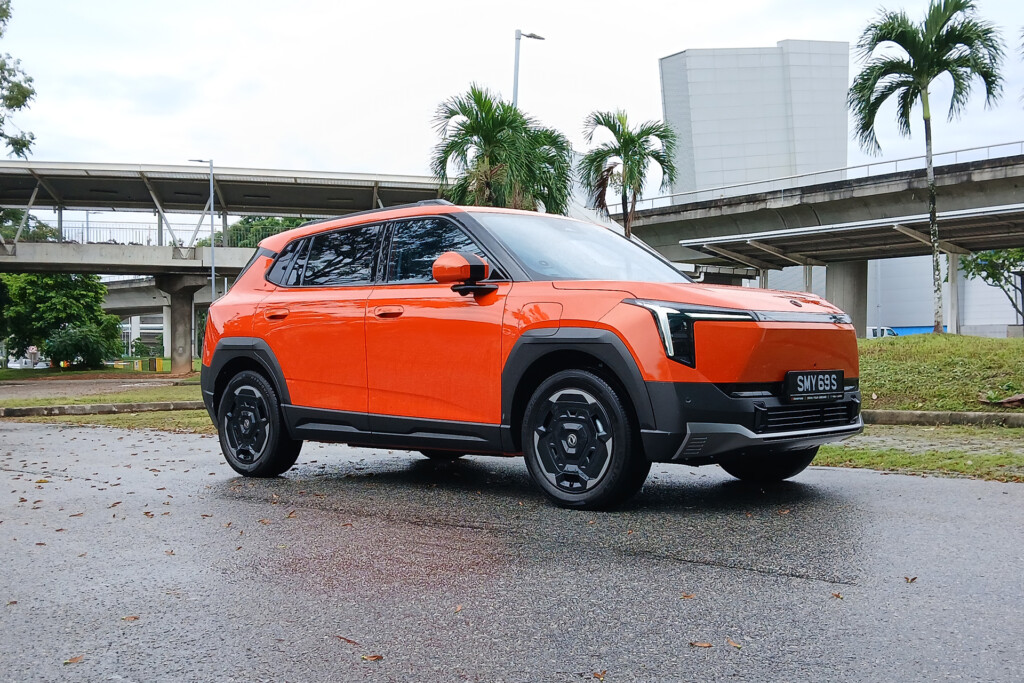
The Vigo does at least try to stand out visually from the other cookie-cutter SUVs out there. Its boxy and chunky looks is meant to evoke a sense of ruggedness, but its diminutive size means that it ends up coming across as more adorable than aggressive.
The slim T-shaped LED headlights, with a similar design mirrored for the taillights, look fairly smart, while there are neat design tidbits like the two-tone door mirrors to keep things interesting.
At the very least, the Vigo is an easily identifiable car on the roads, perhaps helped along by the test car’s bright orange shade, which is much more than can be said for many other cars in this segment.
Physical Practicality
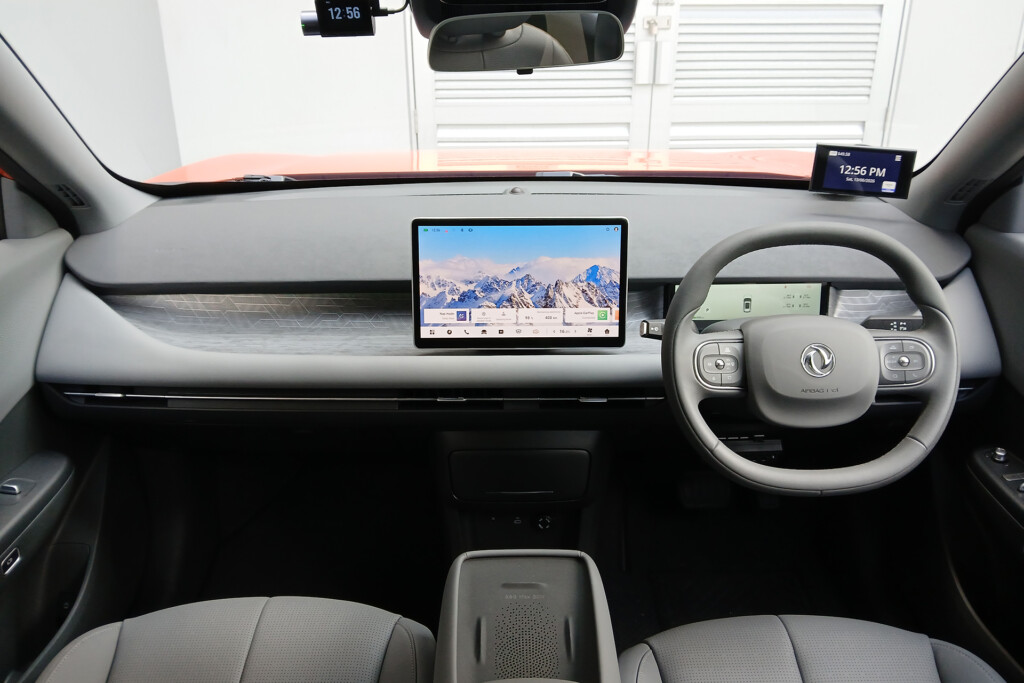
In contrast to the exterior, the Vigo’s interior is a model of conservatism by comparison. It’s a very typical Chinese EV setup, with a large central touchscreen dominating proceedings. However, Dongfeng has also wisely saw it fit to include some physical controls as well, notably for the door mirror adjustments, which are on the door itself, the only logical place for them to be.
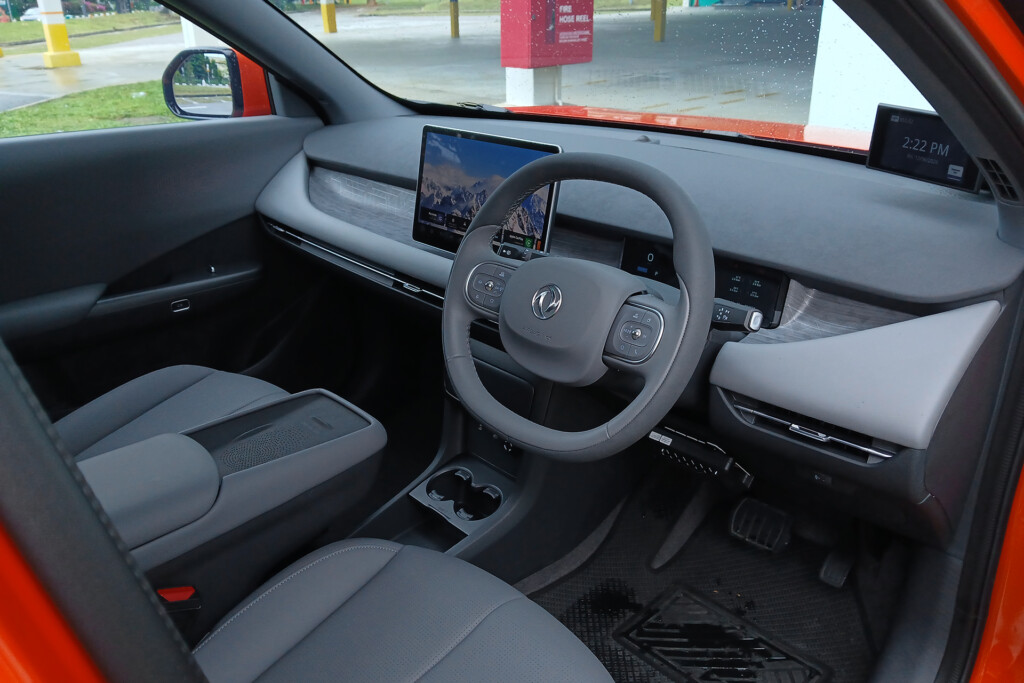
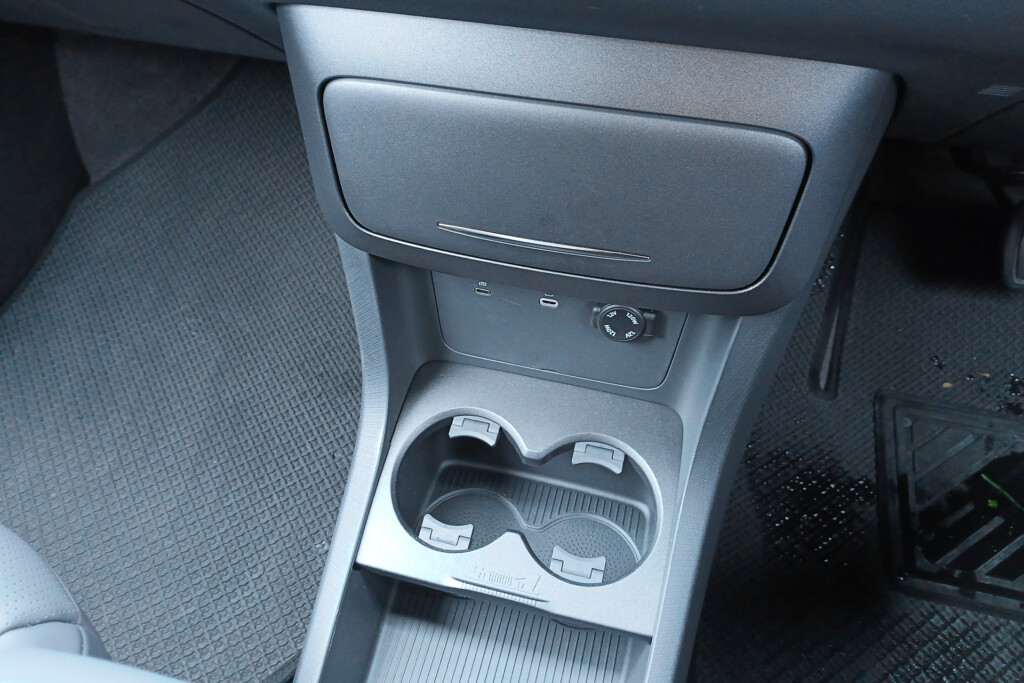
There are further buttons on the steering wheel too, but these take a bit more time to figure out, notably the cruise control function which I could not get to work. Nevertheless, it all adds up to a somewhat more intuitive experience overall compared to many of the Vigo’s other EV rivals.
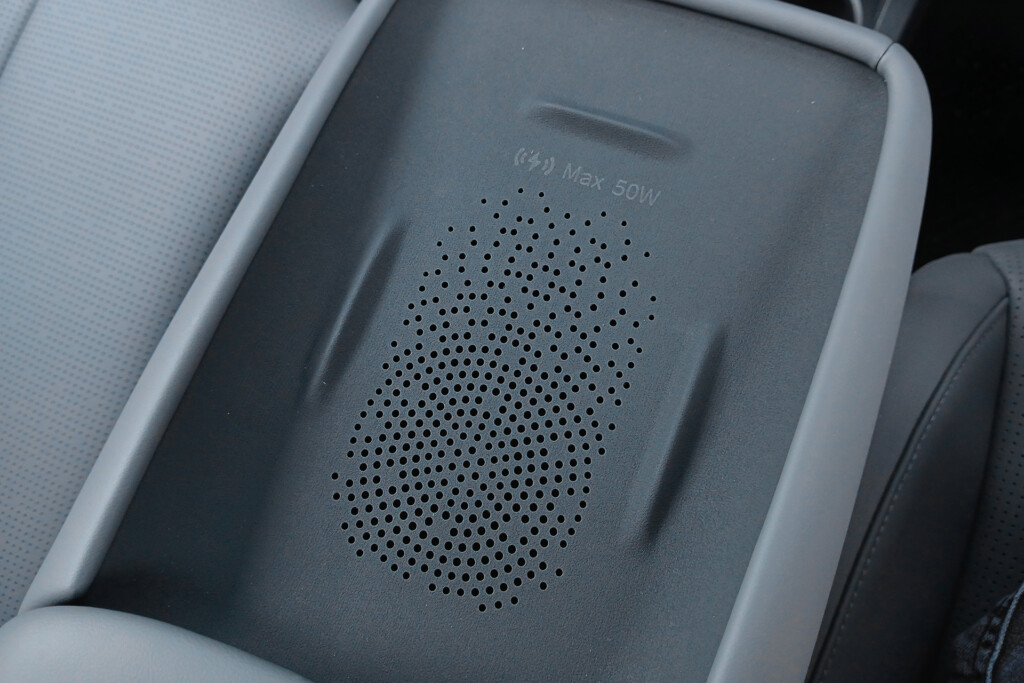
Other practical nice touches include the small covered cubby just below the air con vents, which is extremely useful for items such as a pair of sunglasses. There’s also plenty of storage space under the armrest, which itself houses the wireless smartphone charger. It feels like there’s a place for everything, and everything in its place.
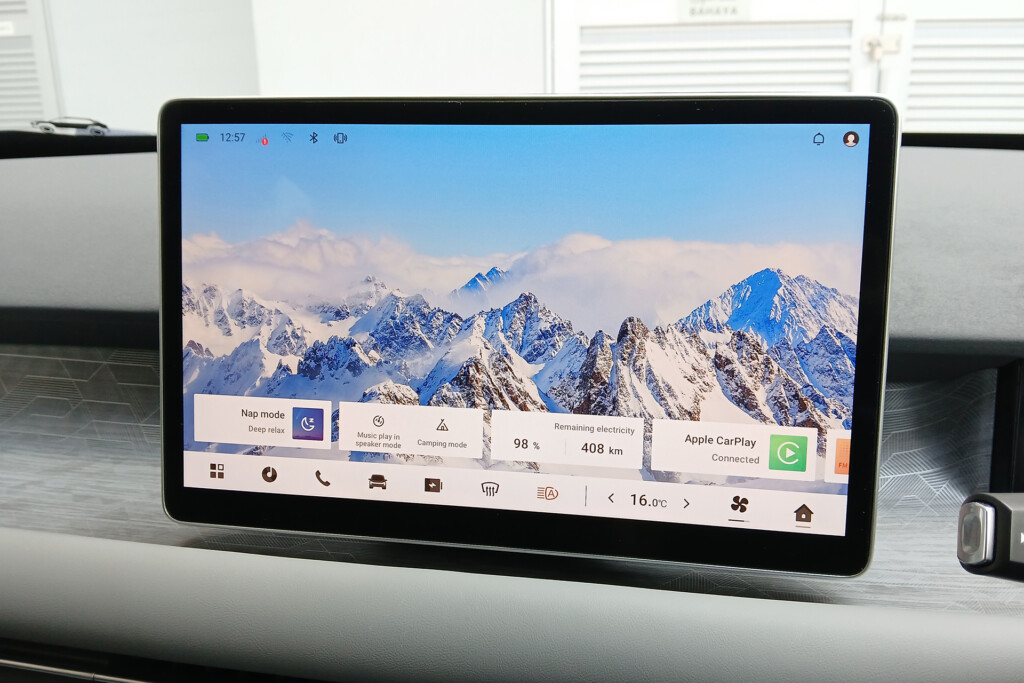
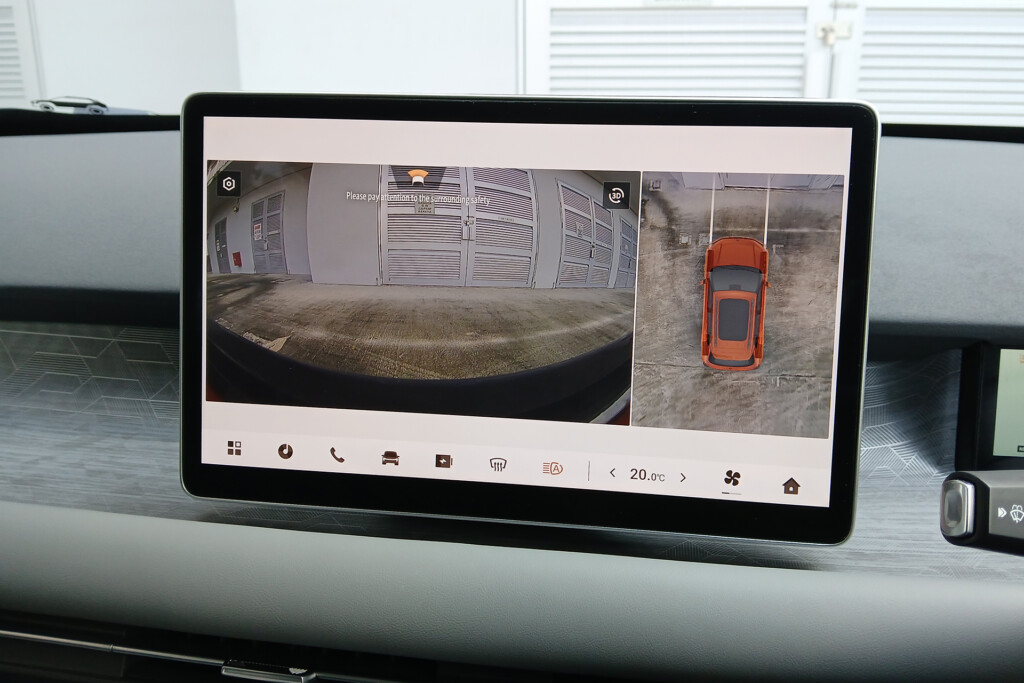
The infotainment system software itself is quite simple and straightforward, with many of the functions readily accessible and the interface being quite easy to understand. There’s even a fun external speaker system that can broadcast various sounds and noises to people outside the car, a feature clearly cribbed from Tesla and Zeekr, but it does feel a tad silly and gimmicky.
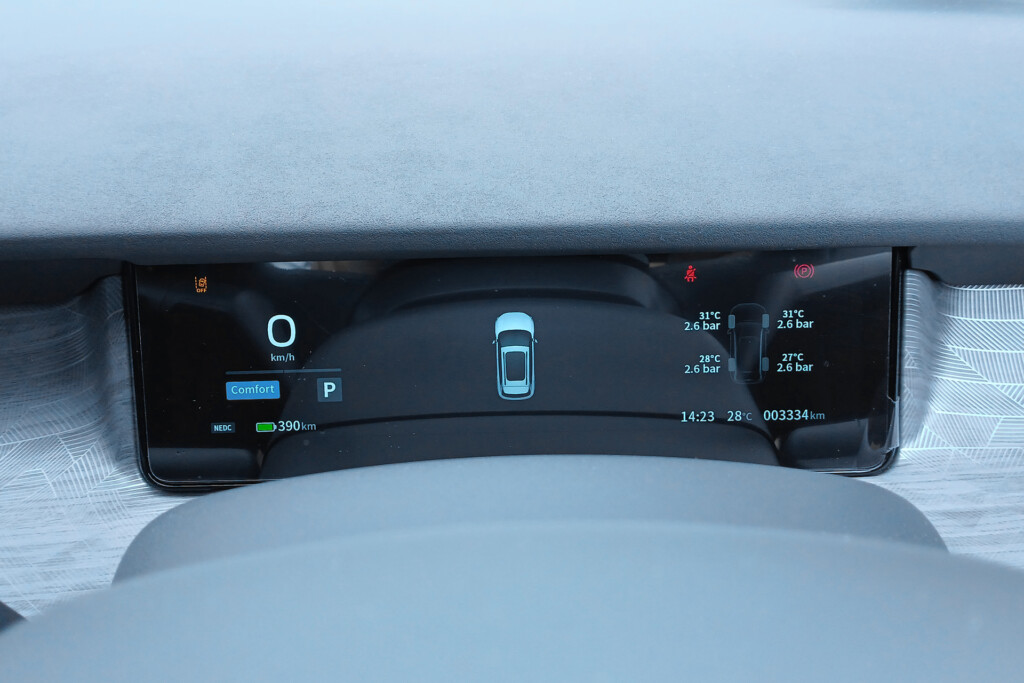
The only notable drawbacks are the lack of wireless Android Auto (only wireless Apple CarPlay) due to licensing issues, and the odd traffic sign recognition system which displays some signs on the driver instrument display in Chinese.
Space to Split
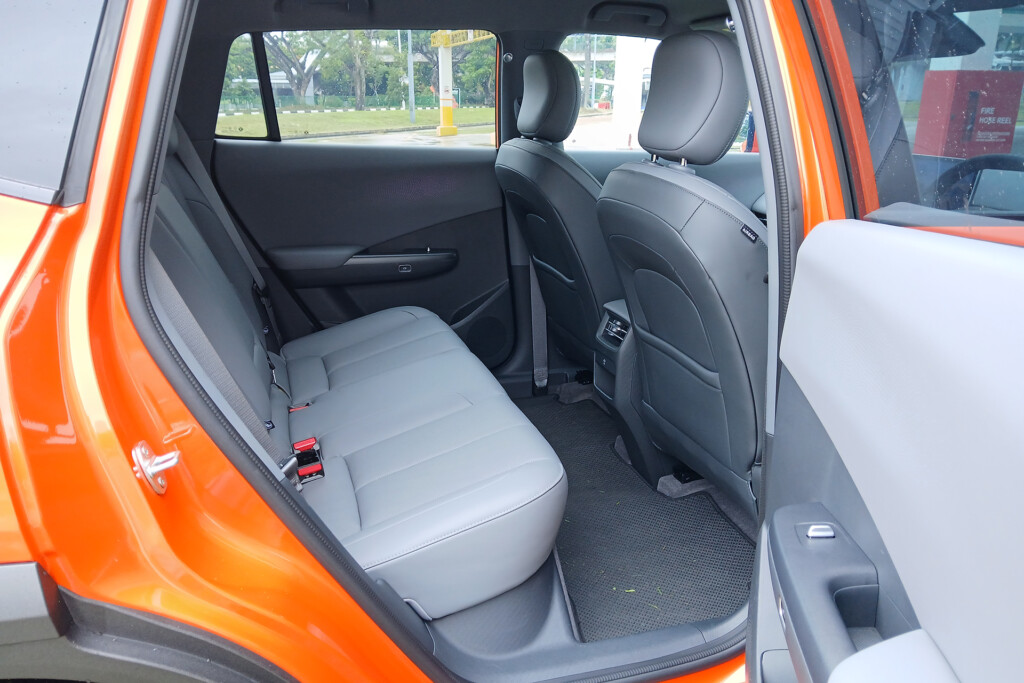
The packaging efficiencies of EVs mean that it is to be expected that many of them would come with spacious interiors. But the Vigo really maximises this advantage to the fullest, with plenty of room available despite its compact size.
The rear can accommodate two fairly tall adults without their legs or head brushing up against anything, thanks perhaps to the car’s squared-off design and the lengthy 2,715mm wheelbase.
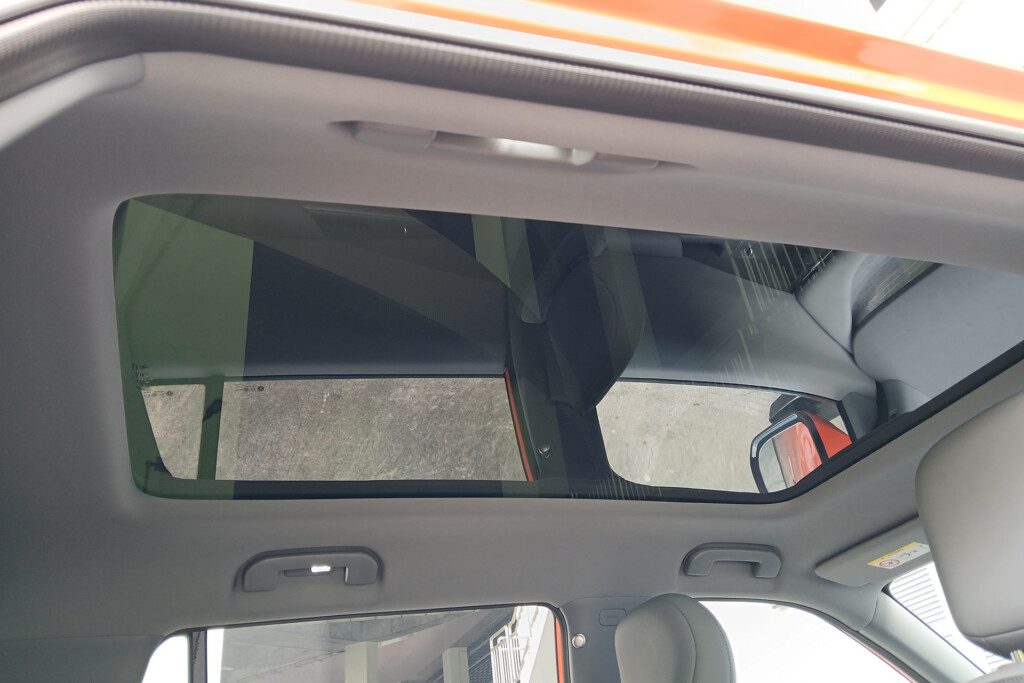
The large glass panoramic roof brings in lots of light and a sense of airiness to the cabin too, although the lack of a covered shade means that it can get quite hot on scorching days, resulting in the air con having to work overtime to cool things down.
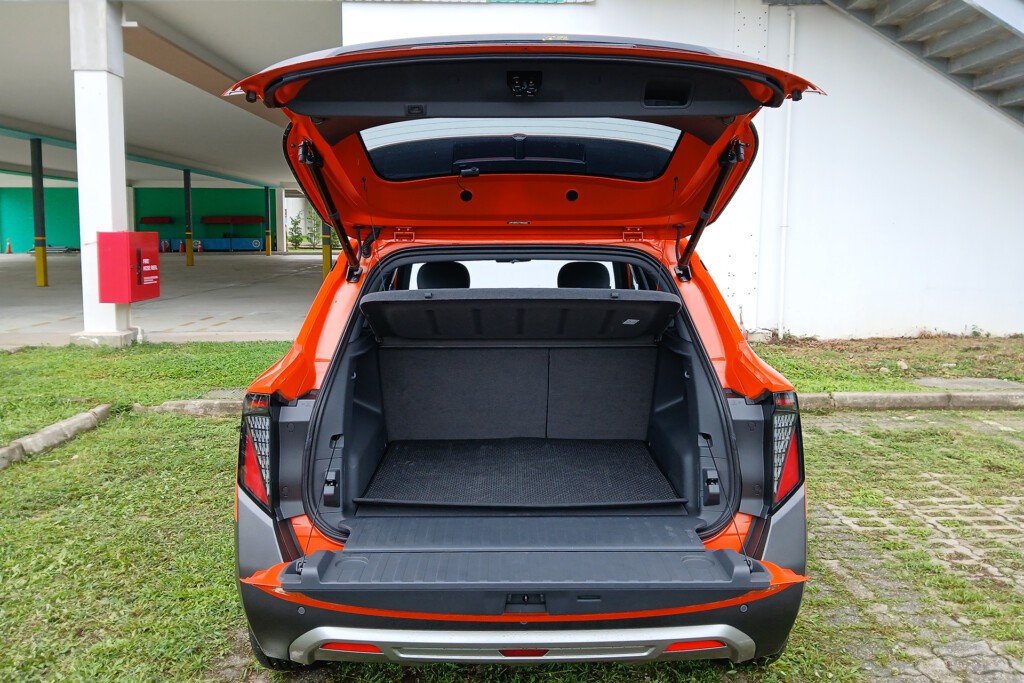
There’s lots of room for non-human stuff too, with the Vigo offering an extremely capacious boot capacity of 500 litres, which is nearly as big as some estate cars. You can double that by folding the rear seats down, but in truth you probably won’t need to most of the time unless you’re carting furniture back from Ikea.
Something novel that the Vigo offers is a split tailgate, which is pretty neat because when was the last time you saw one of those? The benefits of such a design are manyfold: You can open the upper portion safely even if you’re backed up a bit too close to a wall, and the bottom part is also useful for if you need to load or unload heavy stuff without the risk of scratching the bumper.
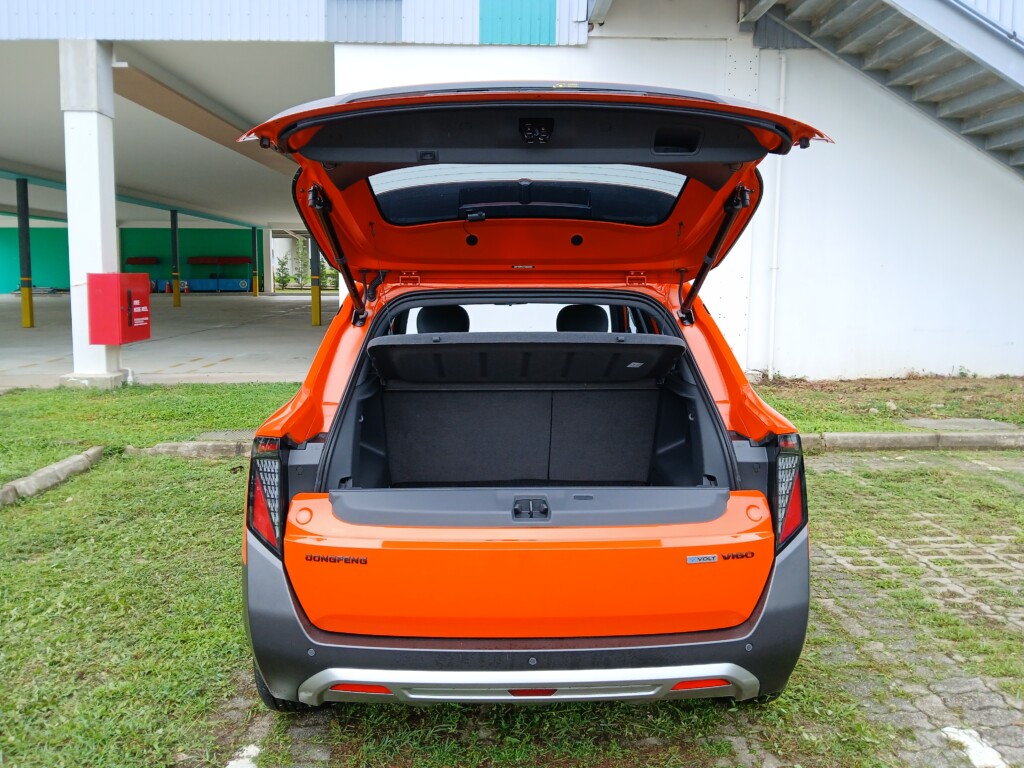
Perhaps the most useful function of the split tailgate though is the ability to double as a makeshift bench, with the bottom part being able to withstand up to 150kg of weight, or two average-sized adults. It even comes with a cupholder cutout on each side, perfect for a couple to sit on while they enjoy a romantic night under the stars.
Energetic But Odd
Despite its modest power output of just 99kW/133bhp due to its Cat A status, the Vigo feels surprisingly eager in its acceleration, perhaps thanks to the 230Nm of torque on tap. It doesn’t quite have that instant rocket blast feeling of more powerful EVs, but it builds up speed briskly enough, and it certainly feels faster than what its 9.5 second century sprint time suggests.
Beyond that though, the rest of the Vigo’s driving mannerisms are a bit of a disappointment. The steering feels overly vague and weirdly loose, and I found myself constantly having to make corrections just to keep it tracking straight. And this is with the lane keeping assist function switched off, something that’s highly recommended because of how intrusive it is.
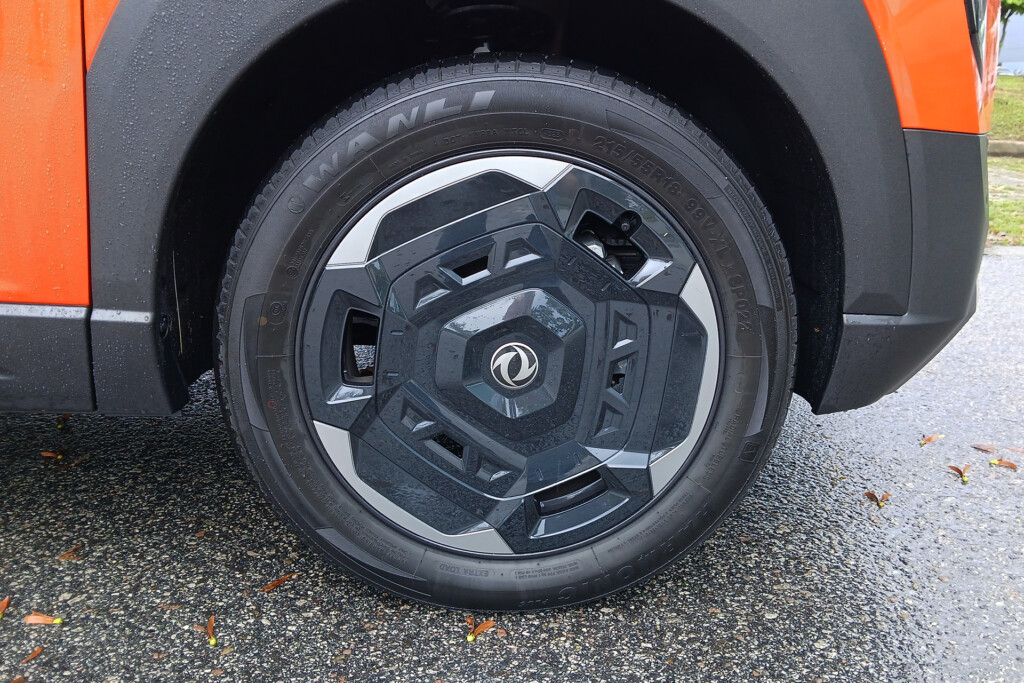
The brakes too could do with a bit more sharpness, and the 18-inch Wanli Harmonic Plus tyres suffer greatly from a lack of grip. It makes things a bit sketchy if you’re entering corners a bit too hot (not that you would normally do that in a car like this anyway), but it also invites extra caution when you’re navigating slippery carpark floors on a wet day.
The ride quality is firm, perhaps a bit on the harsher side, and while it certainly is not the worst out there, you will definitely feel the effects of going over a badly constructed road surface, of which there are many of those littered throughout Singapore.
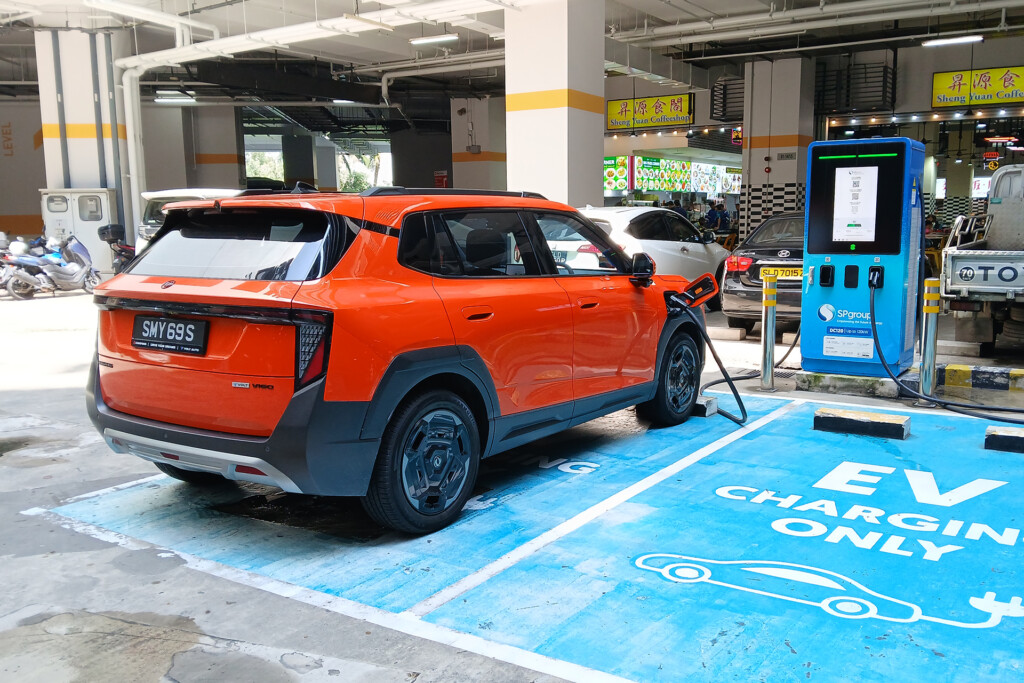
Range is quoted at 471km with a fully charged battery, with a claimed energy consumption figure of 5.7km/kWh. Truth be told though, you’ll be lucky if you manage to break past 400km, although given its status as an urban city runabout, this is less likely to be an issue for the Vigo as you would think.
An Interesting Choice
With so many Cat A EV models now available in Singapore, it will have to take something very special for any new offering to stand out from the crowd.
The Vigo does achieve that to some extent, thanks to its rather novel styling, and surprisingly well-thought out interior. But it is let down somewhat by its driving manners, which feels a bit behind the curve when compared to its rivals.
Still, if you value novelty and smart practicality over driving enjoyment, then the Vigo should very much be on your shortlist for consideration if you’re shopping for a small electric SUV in Cat A.
Technical Specifications
Dongfeng Vigo
Powertrain: Single Electric Motor, Front Wheel Drive
Power: 99 kW (133bhp)
Torque: 230 Nm
Gearbox: Single-Speed (A)
0-100km/h: 9.5 Seconds
Top Speed: 150 km/h
Battery Capacity: 51.87 kWh
Drive Range: 471 km (claimed)
Energy Consumption: 5.7km/kWh (claimed)
Price: S$175,888 with COE (accurate at the time of this article)
Article and photos by: Ben Chia (@benchiacars)
Read more automotive news at AutoApp, or check out our latest videos on YouTube and on TikTok!