School was back in session, although this particular classroom looked rather different from the ones I remembered.
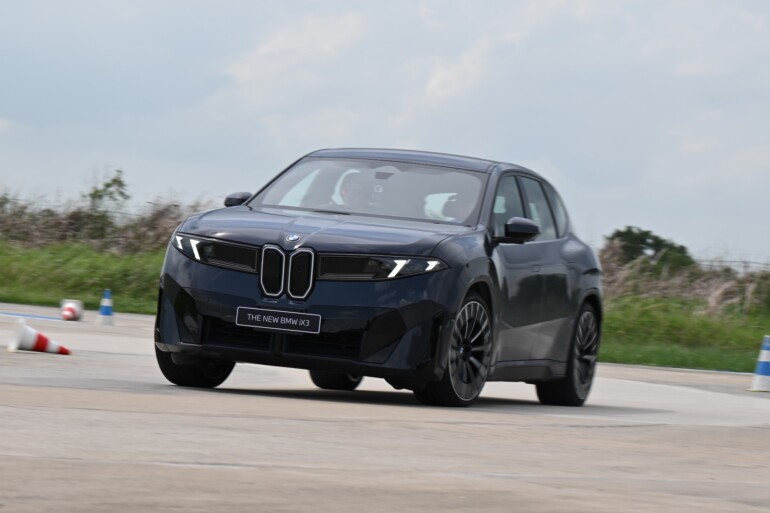
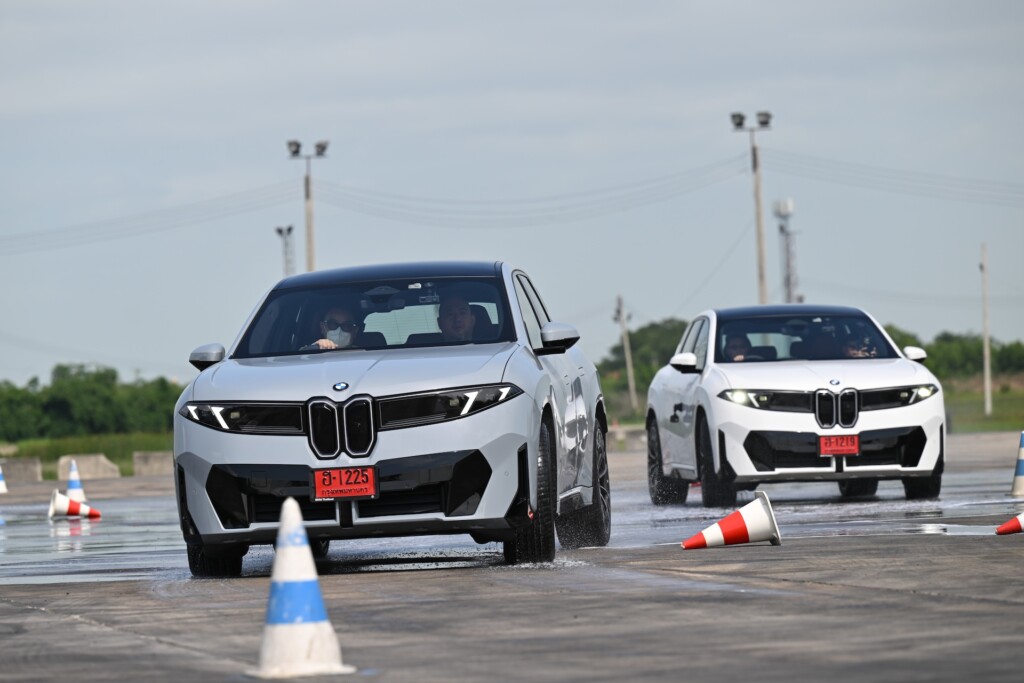
There were no desks, whiteboards or stern-looking teachers. Instead, there was a fleet of BMW iX3s waiting at Pathum Thani Speedway, just outside Bangkok, and a driving programme that involved a closed circuit, public roads and rather more horsepower than the average lesson plan.

BMW called it the iX3 Masterclass, bringing together more than 60 journalists from Indonesia, Malaysia, the Philippines, Singapore and Thailand to experience the first production model from its Neue Klasse generation.
The name Neue Klasse carries considerable weight within BMW. It references the series of cars that helped reshape the company during the 1960s, but this modern interpretation is not merely a nostalgic exercise; it represents a fundamental rethink of how future BMWs will be designed, powered and controlled.
And the new iX3 is our first proper look at that future.
A familiar name, but a new beginning
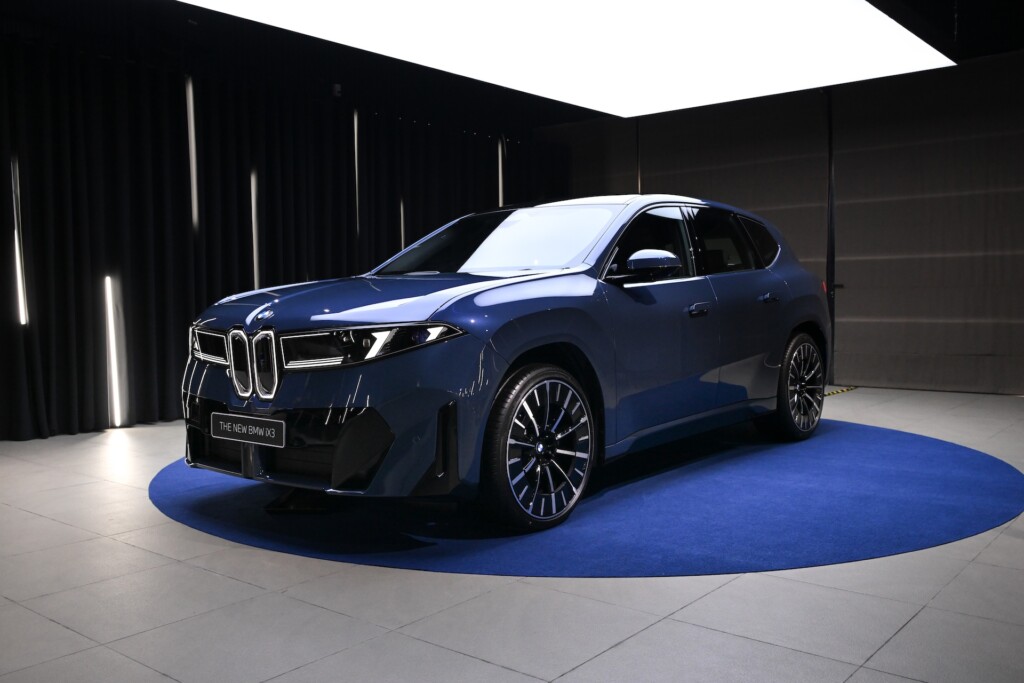
At first glance, the iX3 remains recognisably a BMW sport activity vehicle. Its proportions are conventional enough, with a tall body, a long wheelbase and the visual presence expected of a premium family SUV.
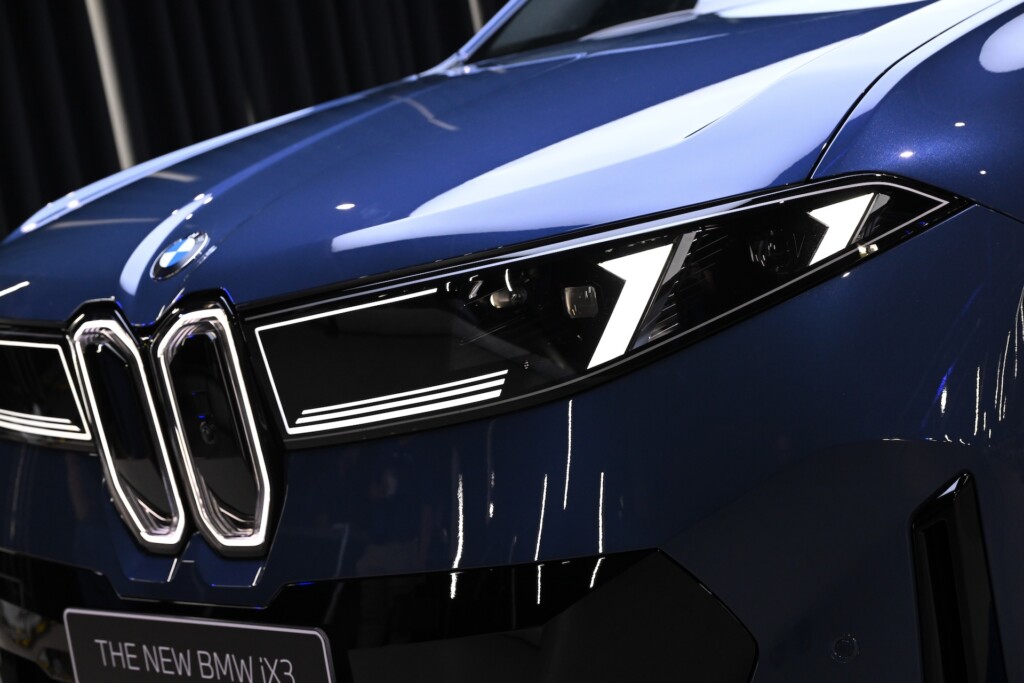
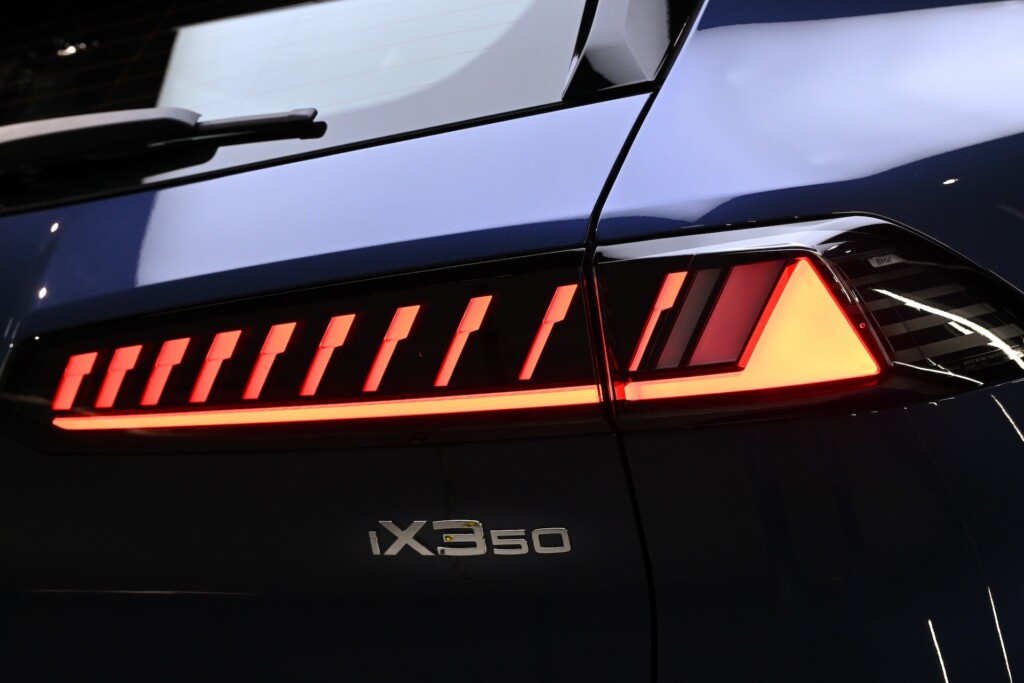
Look closer, however, and the details begin to change. The kidney grille has returned to a more vertical orientation, referencing the original Neue Klasse models. It is illuminated rather than surrounded by traditional chrome, while the flush door handles and clean body surfaces give the car a more contemporary appearance.
This is a design that quietly removes much of the visual clutter that has crept into modern cars, and the visual restraint suits it rather well.
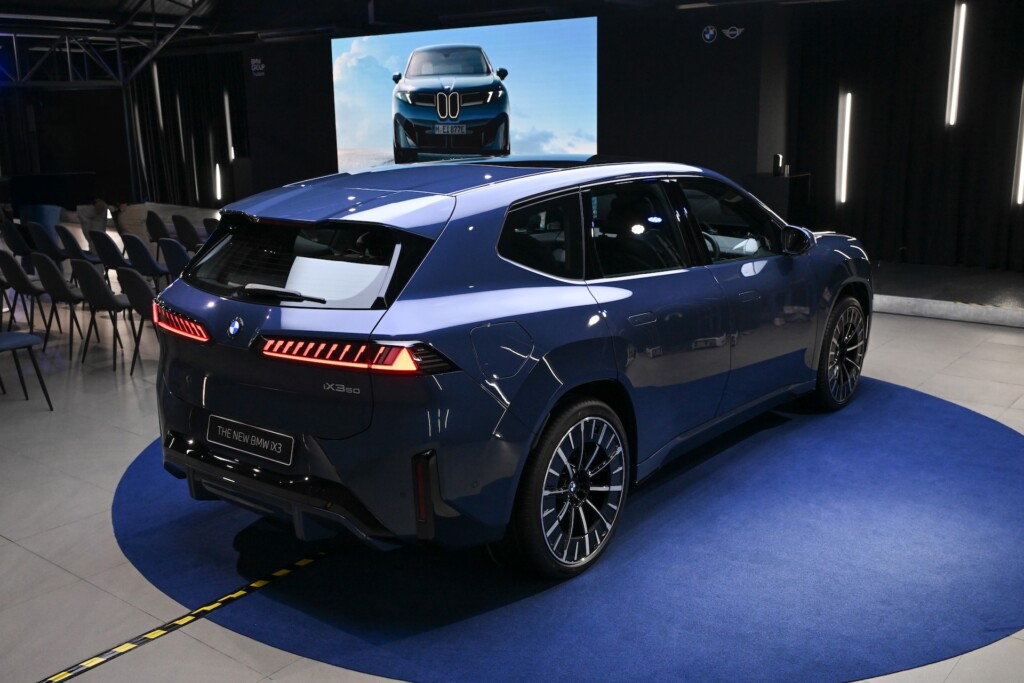
Along the sides, large uninterrupted surfaces are broken up by a handful of precise character lines. The squared-off wheel arches and 22-inch aerodynamic wheels add some necessary muscle, while the wide horizontal taillights make the rear appear lower and broader than it really is.
Clearly, practical studies remain part of the curriculum.
The classroom of the future
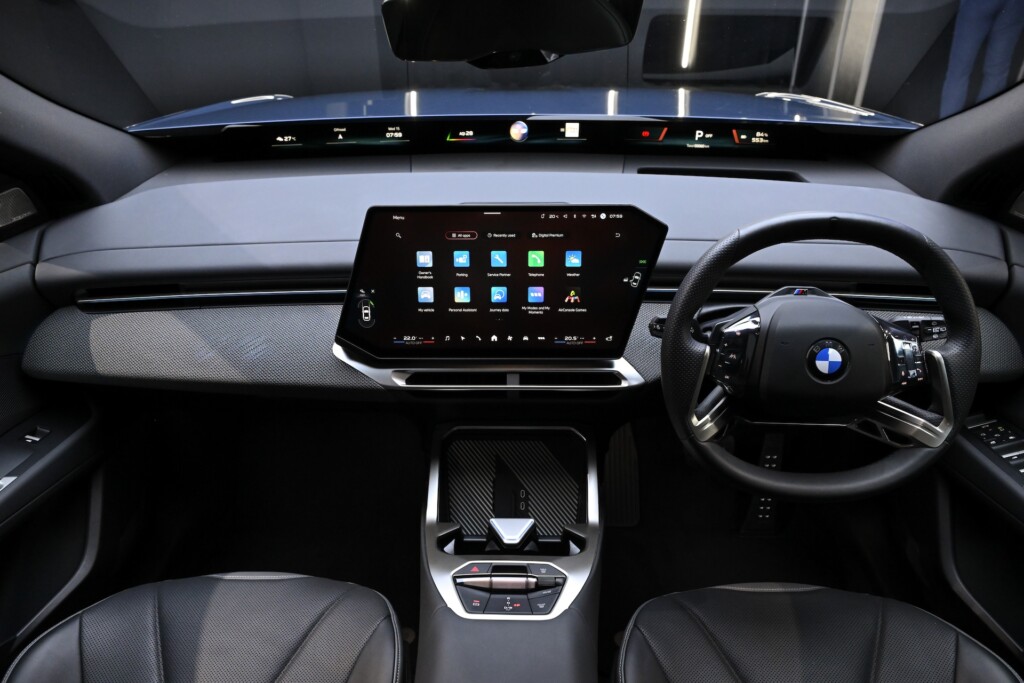
Inside, the iX3 feels more radical. The traditional instrument cluster has effectively disappeared. In its place is BMW Panoramic Vision, which projects information across the lower edge of the windscreen.
Essential driving information sits directly ahead of the driver, while other information can be positioned towards the centre or passenger side. Above it, a three-dimensional head-up display provides navigation and driving guidance.
It all sounds complicated on paper, but it is surprisingly natural in practice.
Rather than forcing me to look down repeatedly at a conventional display, the iX3 keeps the most important information higher in my field of vision. BMW describes this as a “hands on the wheel, eyes on the road” approach, which is marketing language that, for once, accurately describes the experience.
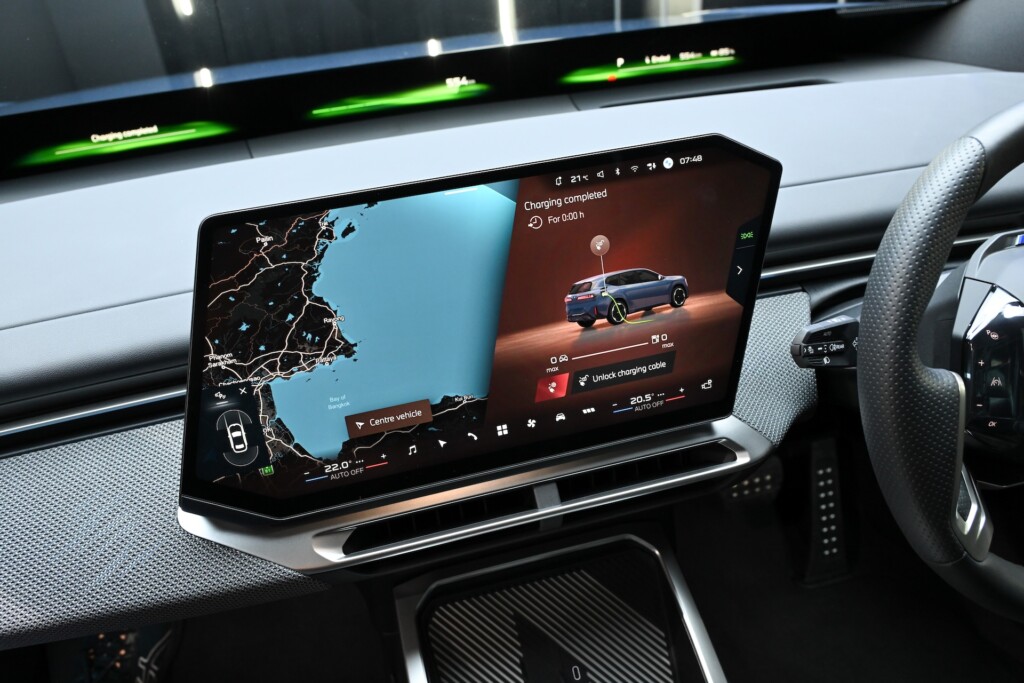
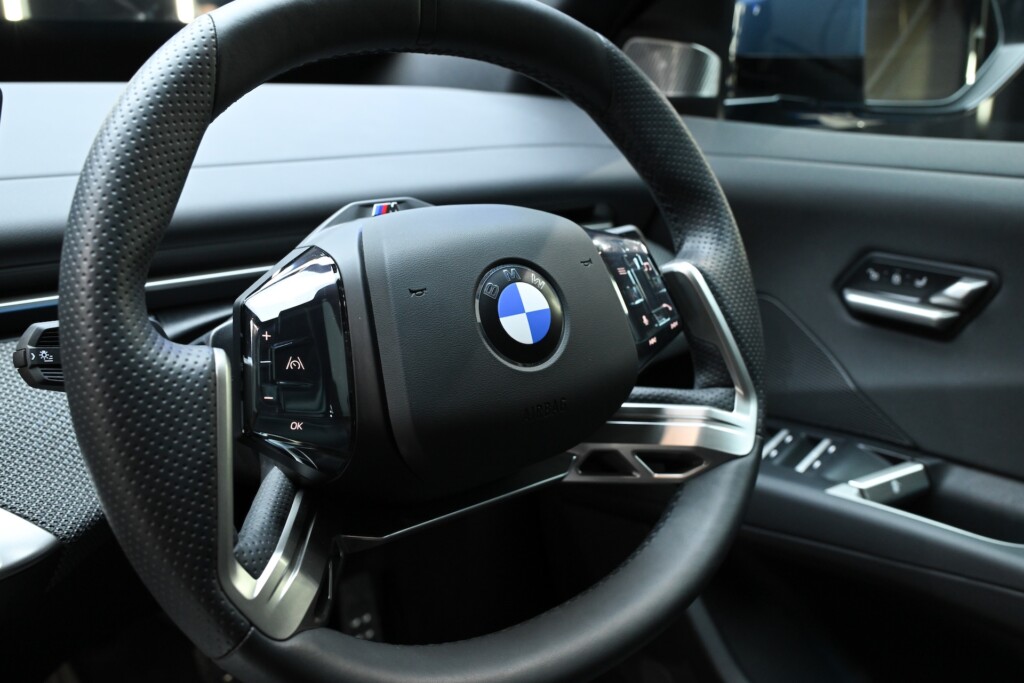
A large central touchscreen remains, angled slightly towards the driver. Frequently used functions are arranged through customisable widgets, while the steering wheel retains physical controls with illuminated surfaces and haptic feedback.
There is still a learning curve. Any cabin that introduces a new operating system inevitably requires a few minutes of exploration. However, the interface feels logically arranged, and the panoramic display quickly becomes one of those features that makes a conventional instrument panel seem slightly old-fashioned.
BMW has also embraced what it calls “Shy Tech”, reducing the number of visible switches and allowing functions to reveal themselves only when required. It sounds like the digital equivalent of a quiet student who turns out to know all the answers.
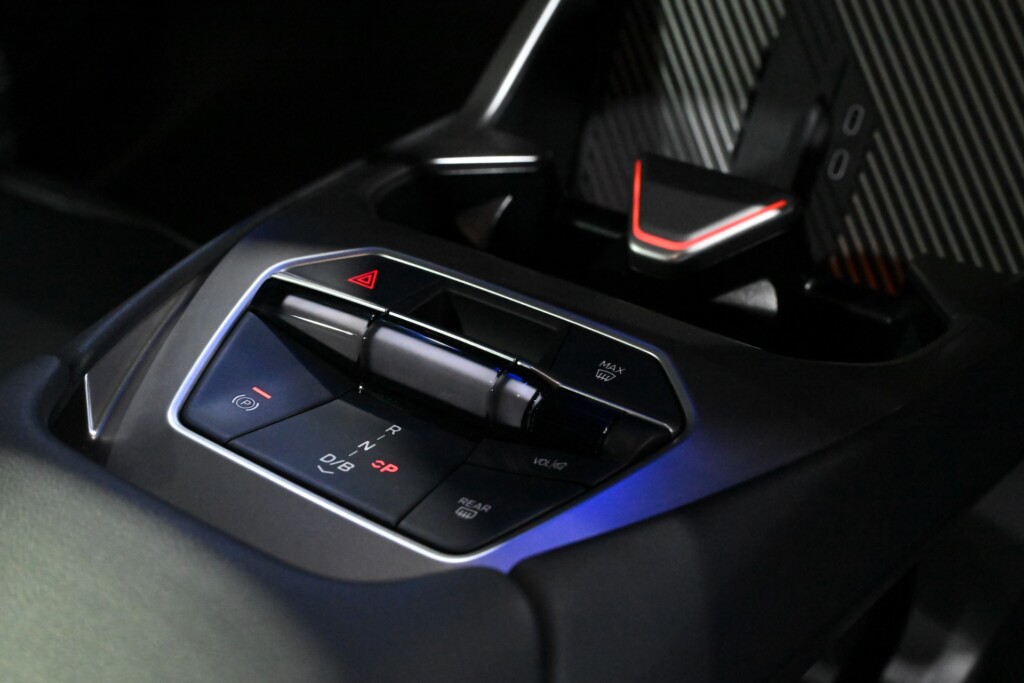
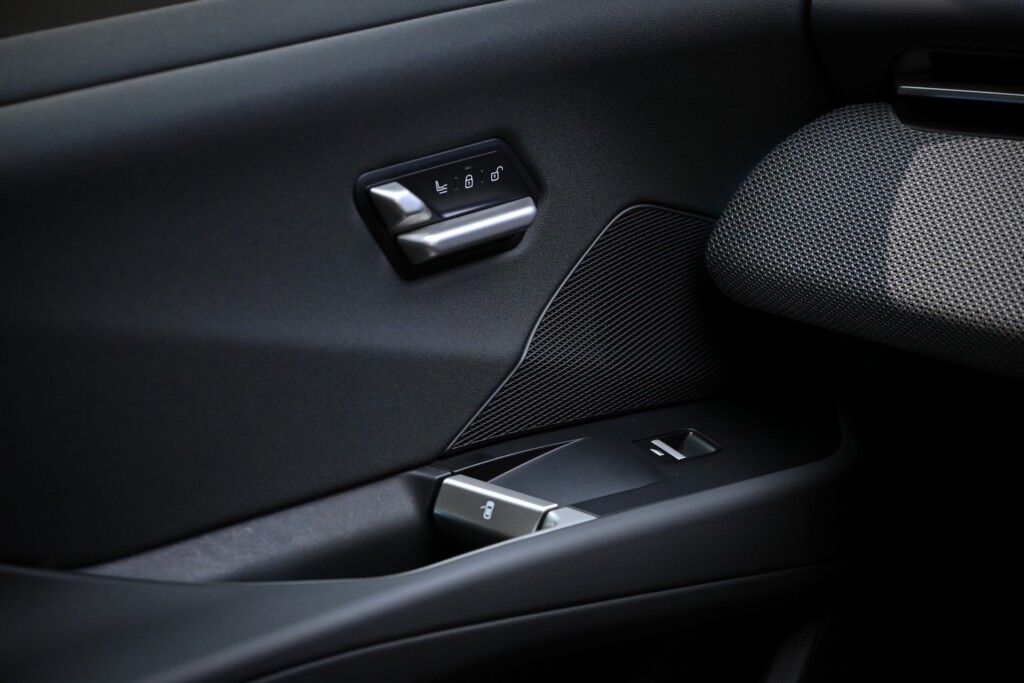
The rest of the cabin follows a similarly minimalist theme. The dashboard appears to float across the interior, merging into the door panels to create a wraparound effect. Large windows, atmospheric lighting and the panoramic glass roof add to the sense of space.
There is generous room across all five seats, while the front chairs offer electric adjustment, lumbar support and seven massage programmes.
First examination
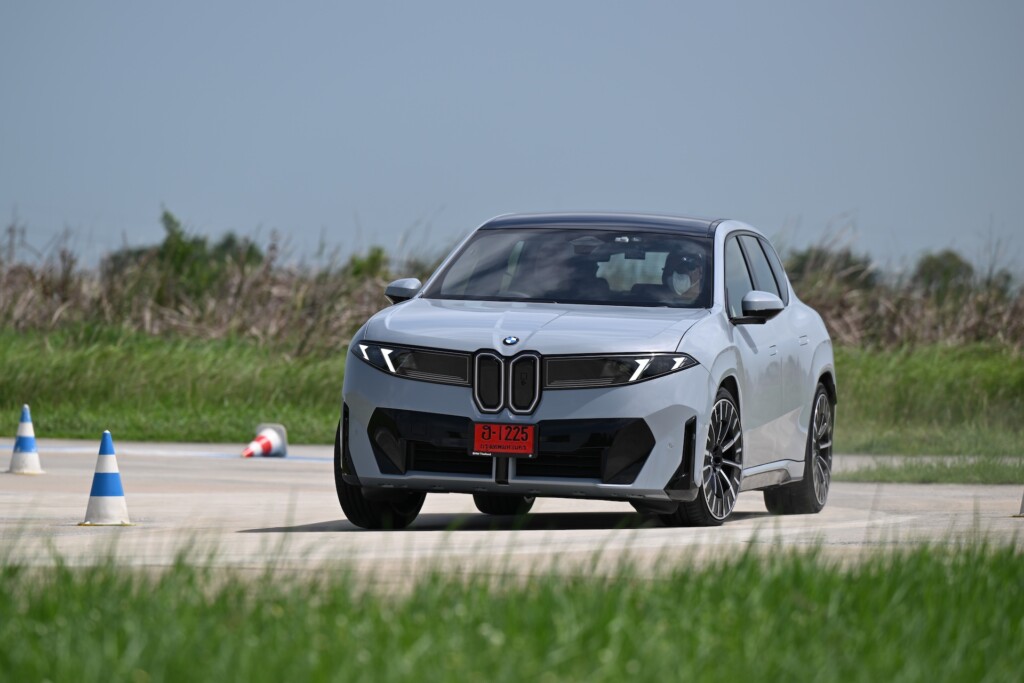
Our first lesson took place on the circuit.
The BMW iX3 50 xDrive uses two electric motors producing a combined 345kW, equivalent to 469hp, and 645Nm of torque. Power is sent to all four wheels, allowing it to accelerate from zero to 100km/h in 4.9 seconds. Its maximum speed is 210km/h.
Those figures are impressive, although outright acceleration is hardly unusual among modern electric vehicles. Even large electric SUVs can now launch away from the lights with the urgency of startled wildlife.
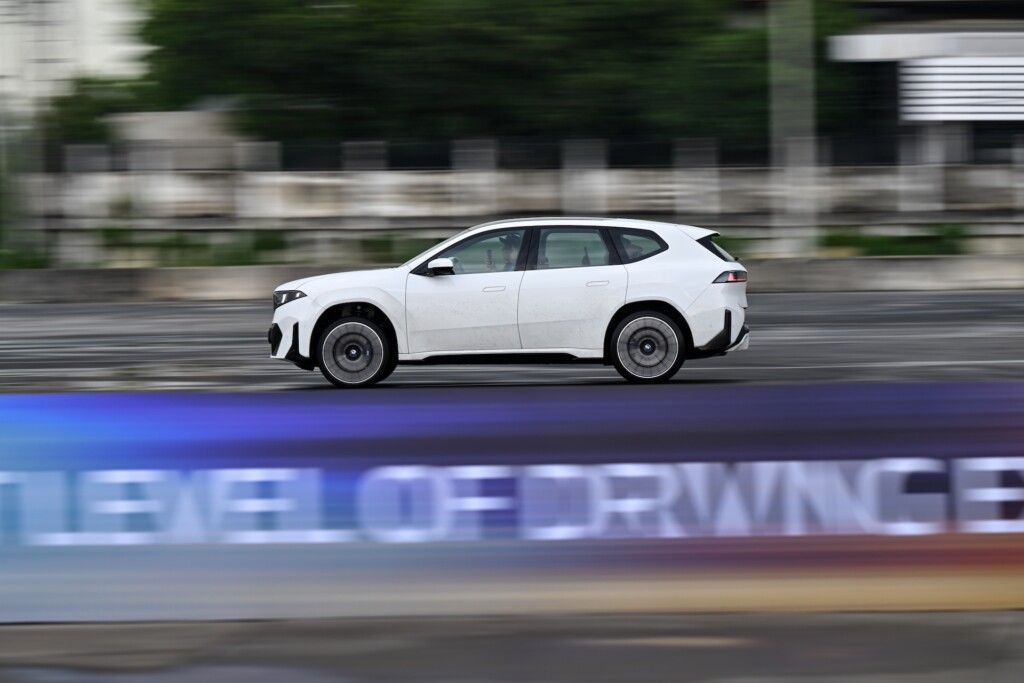
The more interesting question is what happens after the first straight. At its core is a central control unit BMW calls the Heart of Joy. Despite the slightly sentimental name, its job is highly technical: it coordinates the powertrain, braking, energy recuperation and elements of the steering through a single high-performance controller.
Traditionally, these systems may operate through several separate control units. Bringing them together allows the vehicle to process information and respond more quickly, with BMW claiming speeds up to 10 times faster than conventional systems.
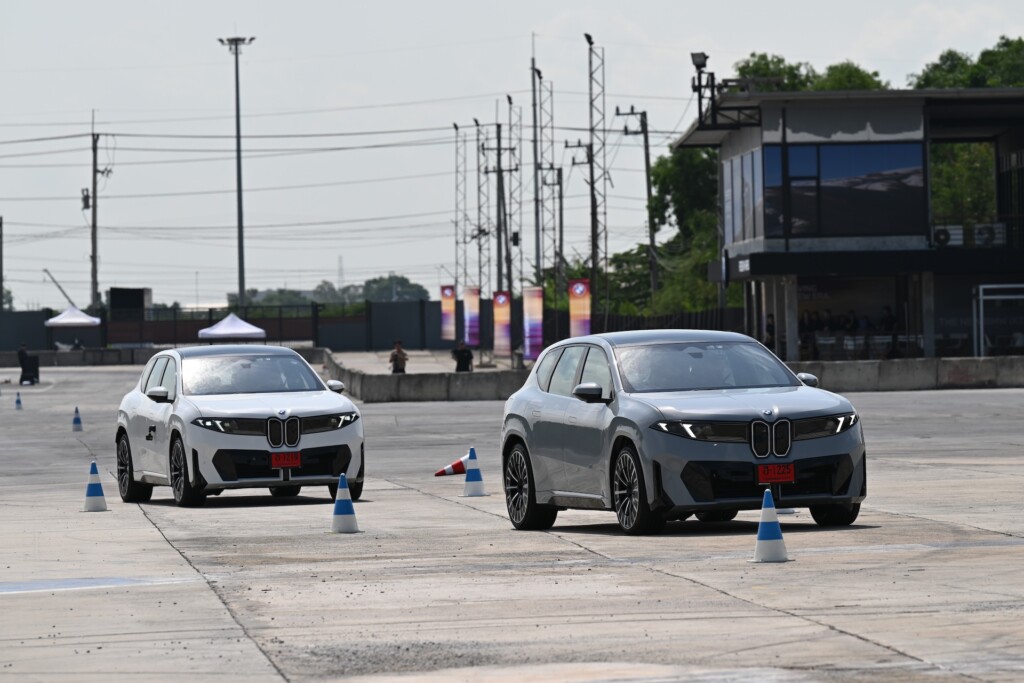
Behind the wheel, the benefit is not something you see. You feel it.
Throttle inputs are immediate without being abrupt. The braking response is consistent, while the transition between regenerative braking and the physical brakes feels impressively natural.
Some electric vehicles brake as though two separate systems are negotiating over who should stop the car. The iX3 simply slows down smoothly and predictably.
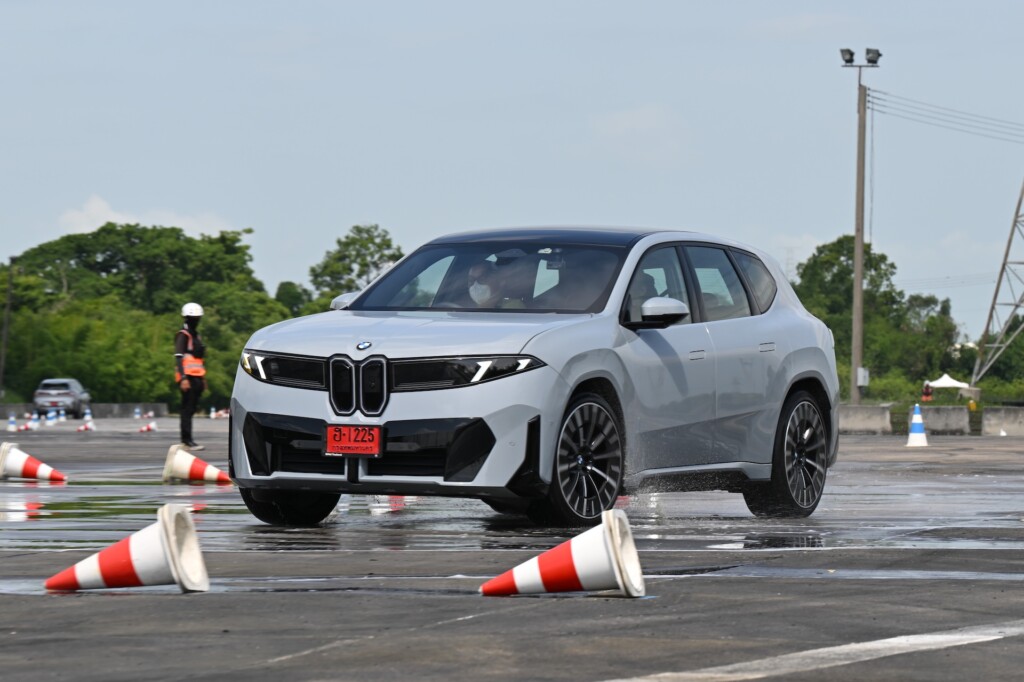
Through the circuit’s faster directional changes, the car remained composed. You are never entirely unaware of its size or battery mass, but neither dominates the experience.
The steering responds cleanly, and the body settles quickly after each change in direction. There is plenty of grip, but the iX3 does not feel as though it is relying on tyres alone to disguise its weight.
Does it shrink around the driver like a small sports saloon? Of course not. Physics has not been removed from the syllabus. However, it behaves with the discipline expected of a BMW.
The quieter lesson
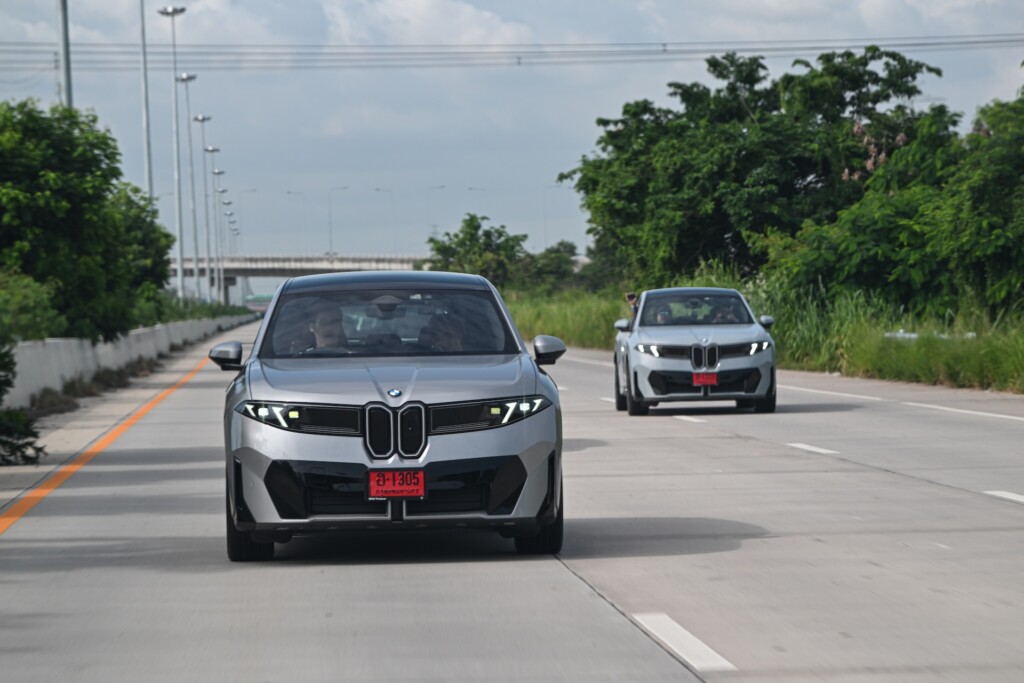
Leaving the circuit revealed another side of the BMW iX3.
On public roads, its outright performance became less important than the calmness of the cabin. The motors operate almost silently, road noise is well contained, and the body feels solid over less-than-perfect surfaces.
The sense of serenity is helped by the interior design. With fewer visual distractions and key information positioned across the windscreen, the cabin feels less cluttered than many technology-heavy electric vehicles. This is where the iX3 makes its strongest case.
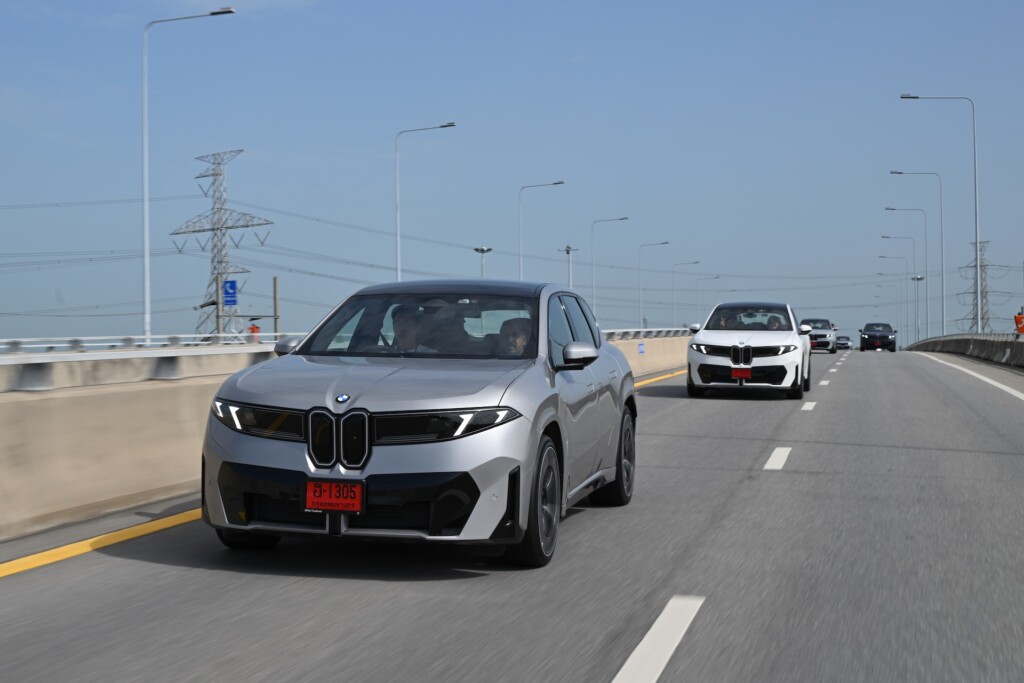
Fast electric SUVs are no longer rare. Neither are large touchscreens, ambient lighting systems or extensive driver assistance features. The challenge is making all of those elements work together without turning the driving experience into an electronics demonstration.
BMW’s Symbiotic Drive system is a good example. Rather than treating driver assistance as something that is either fully active or completely disengaged, the system allows human and electronic inputs to overlap more naturally.
A light steering correction does not immediately cancel the lane assistance, while a gentle press of the brake pedal does not necessarily deactivate adaptive cruise control. The assistance works around the driver rather than behaving like a nervous driving instructor grabbing the controls at every opportunity. This made the iX3 feel supportive rather than intrusive.
Range anxiety receives detention
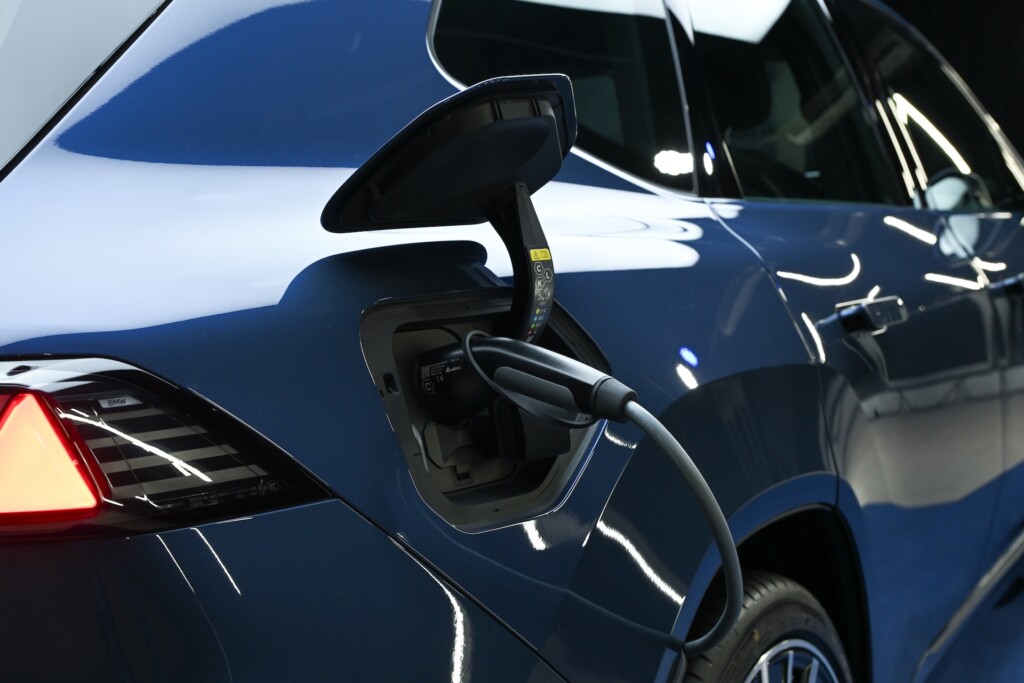
The BMW iX3 is fitted with a 113.4kWh battery and has a claimed WLTP range of up to 805km.
More significant is its 800-volt electrical architecture, which supports charging at up to 400kW. Under suitable conditions, BMW says the car can recover as much as 372km of range in 10 minutes, while a 10-to-80 per cent charge takes 21 minutes.
Naturally, those figures depend on access to a sufficiently powerful charging station. A 400kW capability is less useful when the charger beside you resembles something from the early days of electric motoring.
Still, it gives the iX3 a degree of future-proofing. Charging infrastructure will continue to improve, and the car is designed to take advantage of that progress.
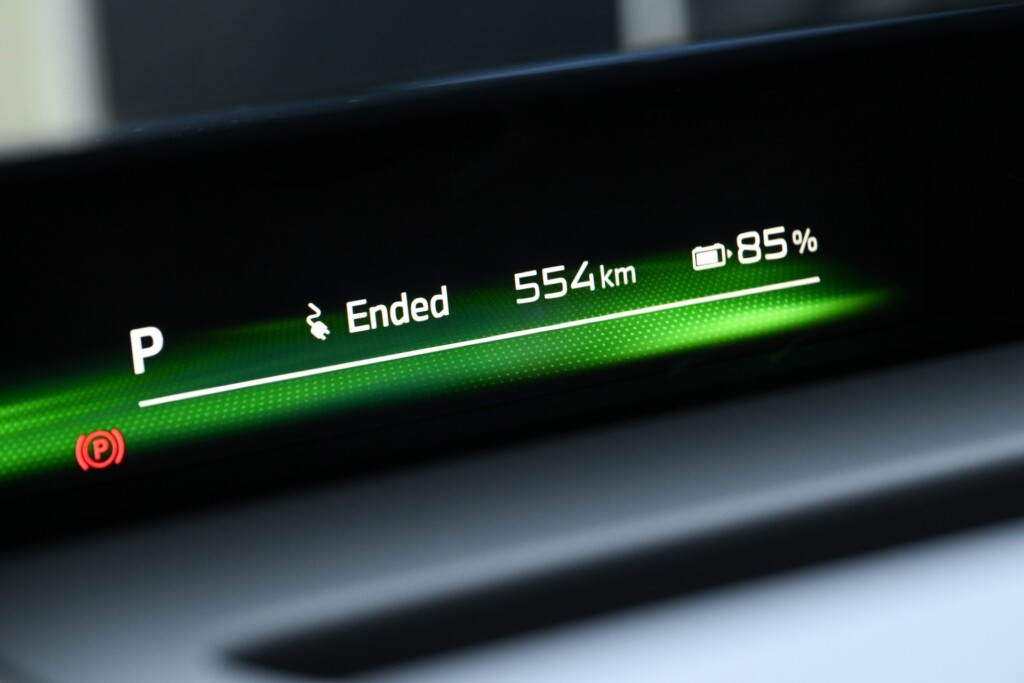
BMW also says its sixth-generation electric drivetrain reduces energy losses by 40 per cent and weight by 10 per cent compared with the previous system.
These improvements are not as glamorous as acceleration figures, but they are arguably more important. Electric vehicles need to become more efficient, lighter and easier to live with.
A convincing start to the semester
The BMW iX3 is important because it establishes the foundation for a new generation of BMW models.
That may ultimately be the biggest lesson from this Masterclass. The future of BMW will not be defined by one screen, one battery or one clever computer. It will depend on how successfully all those components work together. On this evidence, the new iX3 has done enough to earn a strong report card.
Class dismissed? Not quite. For BMW’s Neue Klasse, this is only the first lesson.
Read more automotive news at AutoApp, or check out our latest videos on YouTube and on TikTok!