Hyundai adds a large electric seven-seater SUV to its lineup, and the Ioniq 9 delivers a remarkably refined and tech-laden experience for the family.
It seems like if you want a large electric six- or seven-seater car here, there’s simply no escaping the number 9.
Aside from the numerous Chinese MPVs that all feature the digit in their names, even the SUV options all have ‘9’ in their nomenclature. There’s the versatile Volvo EX90, the interestingly-styled Kia EV9, and now another Korean contender, in the form of the Hyundai Ioniq 9.
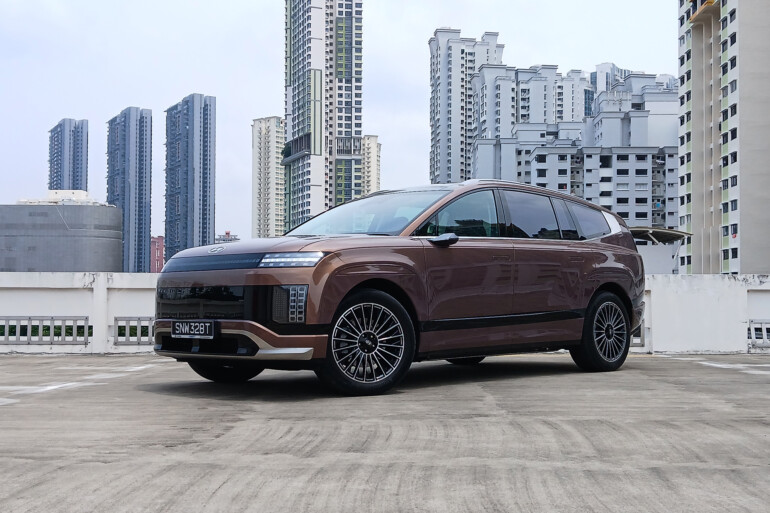
The third member of Hyundai’s Ioniq EV lineup goes straight to the top of the range as the flagship model, and it makes a big entrance into the world of family SUVs with its massive presence and impressive levels of tech, refinement and space.
Big Bang
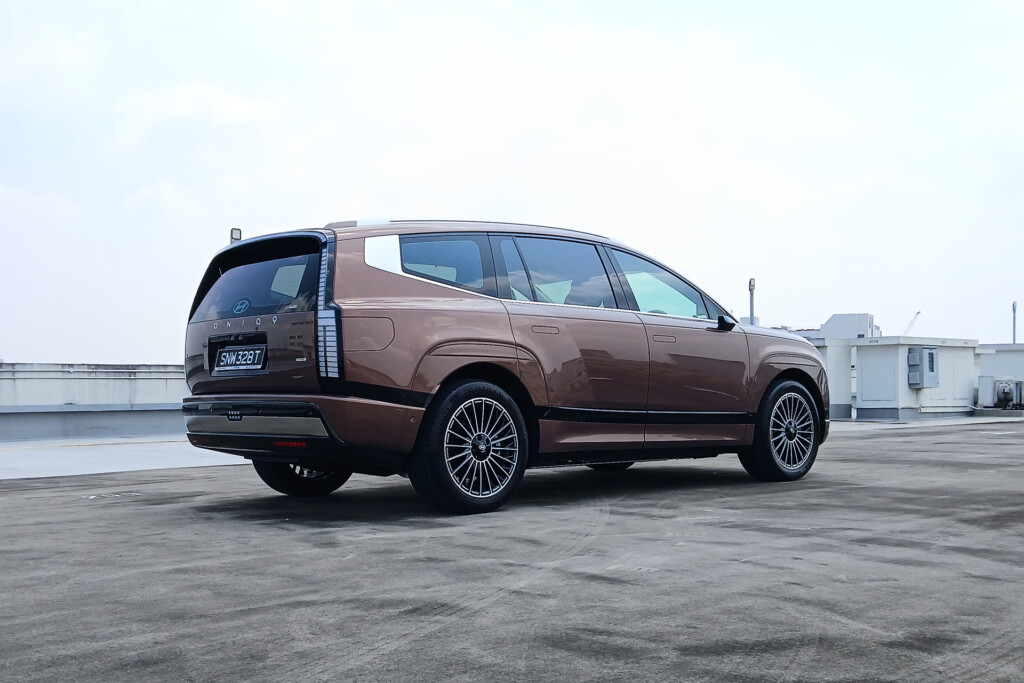
Walking up to the Ioniq 9 makes you realise that it is an absolutely massive unit. It measures in at over 5 metres long and neatly 2 metres wide, and it’s the kind of car that would make you think twice before entering that tight multi-storey carpark.
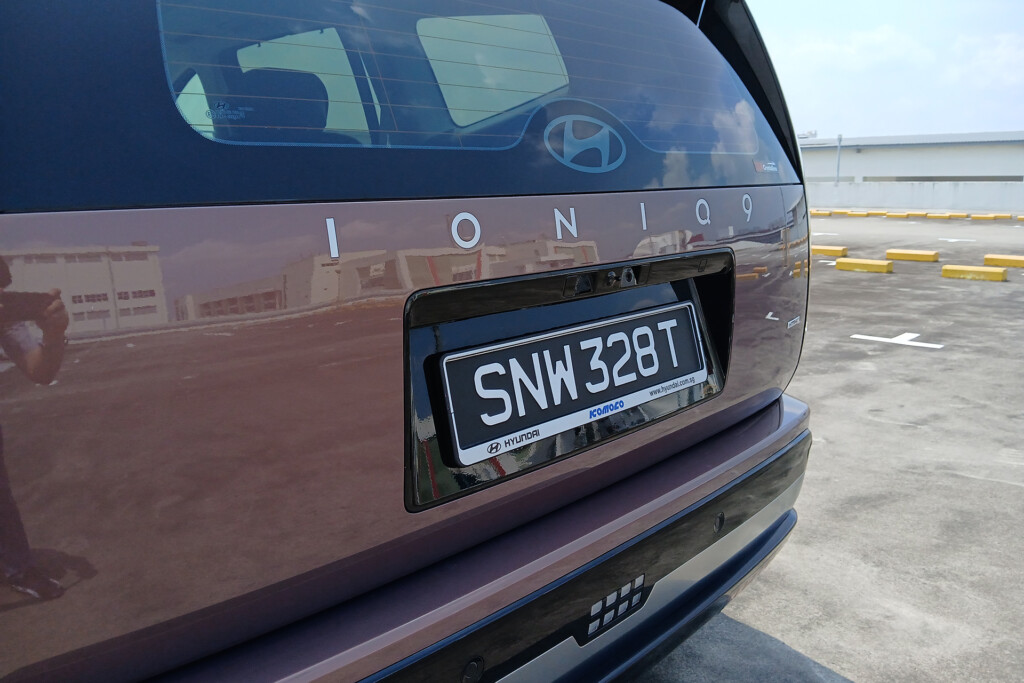
It does look a bit deceptive in pictures, with the curved lines and sleek profile hiding the car’s bulk pretty well. It doesn’t have the typical boxy styling that most large seven-seater SUVs tend to adopt, although the near-vertical tailgate does look somewhat at odds with the car’s overall design language.
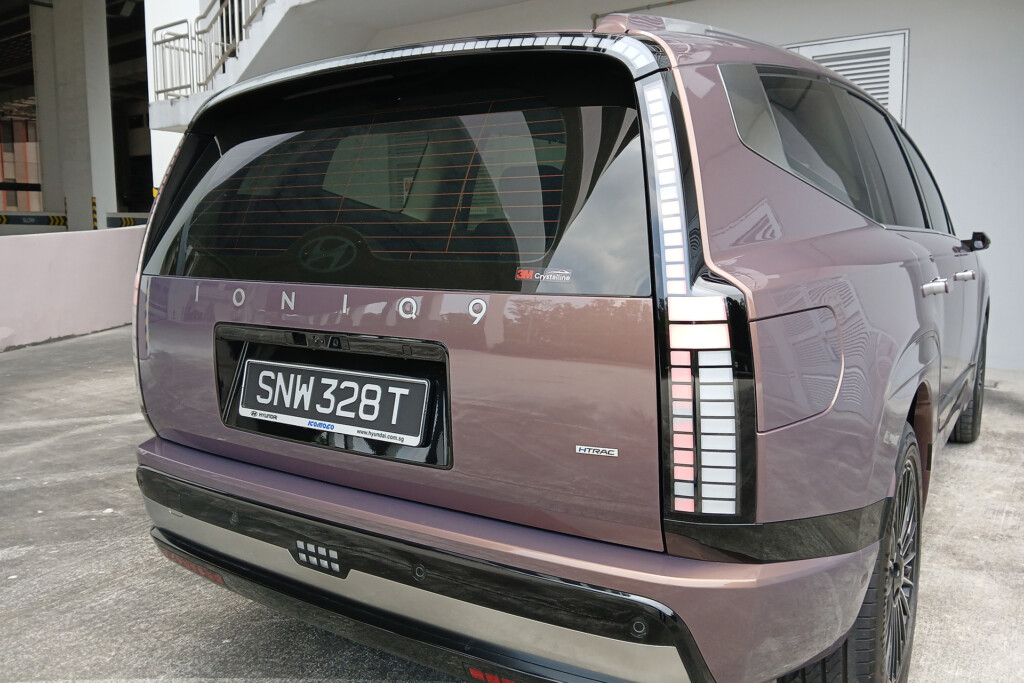
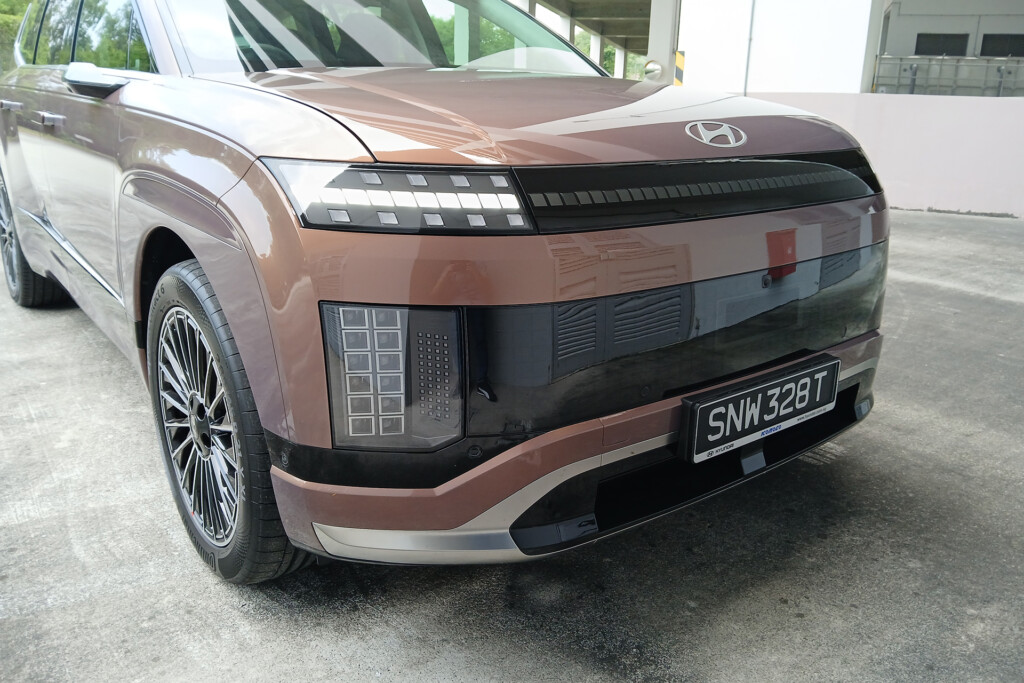
There are very obvious cues to the Hyundai Ioniq identity, such as the lighting pattern that the brand calls ‘Parametric Pixels’. But the most distinctive element are the slim stalks housing the cameras where you would normally find the wing mirrors, something pioneered by the Audi e-tron and also featured on the Ioniq 9’s Korean cousin, the Kia EV9.
Mirrorless Cameras
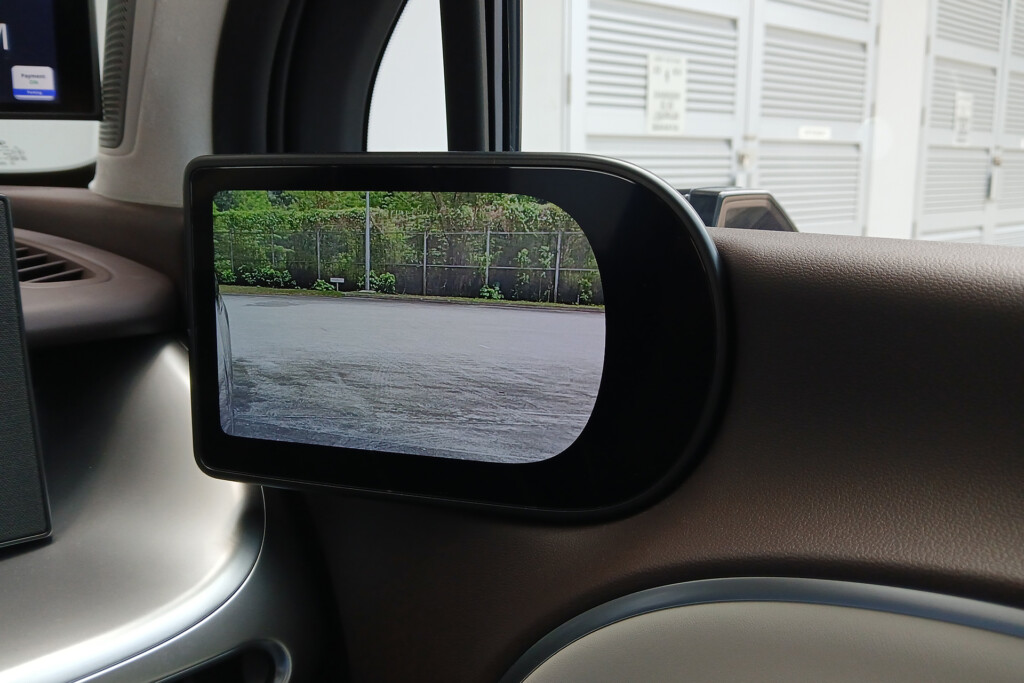
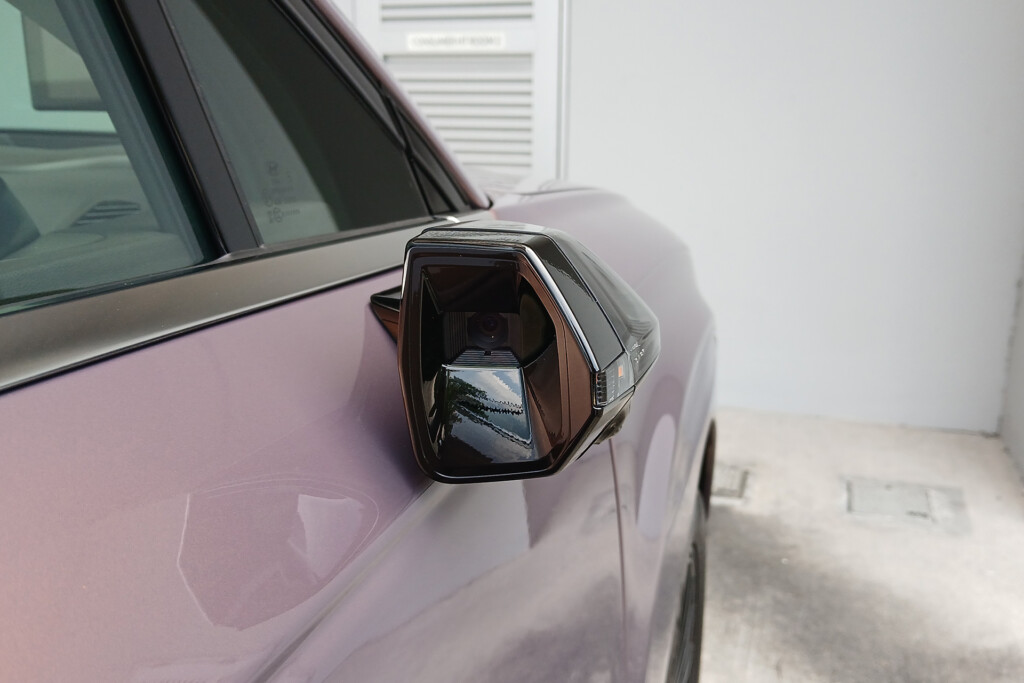
Truth be told, the Digital Side Mirror experience (as Hyundai terms it) feels like a mixed bag. Having cameras in place of mirrors is a weird sensation, as they don’t offer the same sort of depth perception of a traditional mirror, so it can be a bit hard to judge the distance of cars behind you.
Parking is also rather tricky, especially for a car of this size, and you end up being very dependent on the 360-degree all-round camera, which is really not an ideal situation to be honest.
That said, you do get used to it after a while, and to its credit, the cameras do provide a much clearer image in low-light and visibility conditions, such as at night or in heavy rain. I guess that could be an acceptable trade-off, but it’s still not something that I am particularly enamoured by.
Behold The Space
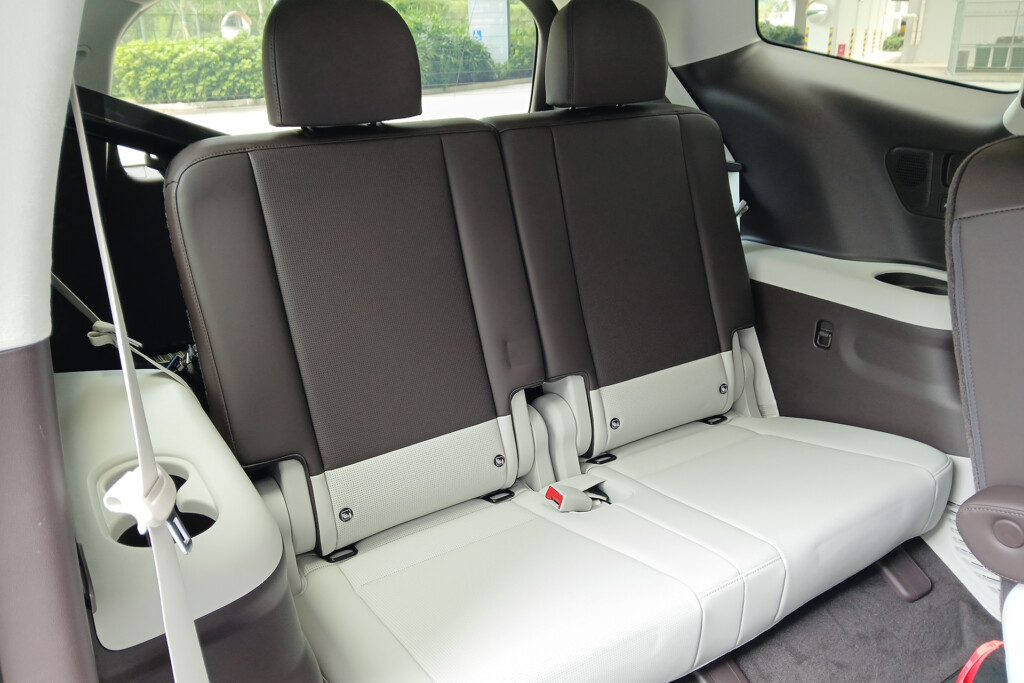
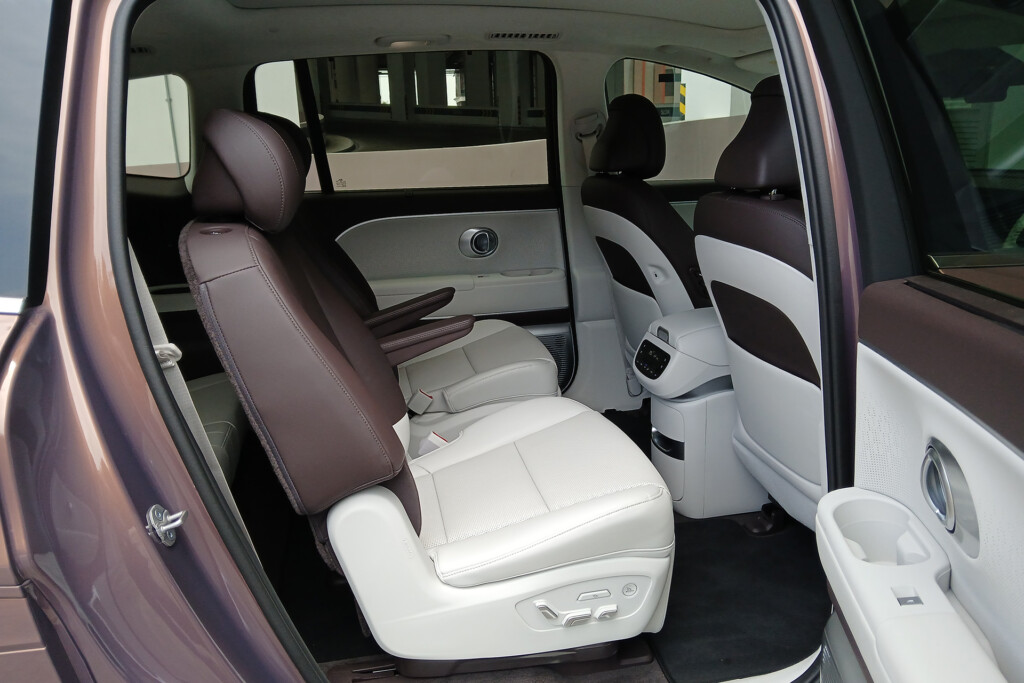
The rest of the interior though is a good example of a large SUV done right. There’s plenty of space, as you’d expect from a car like this, but also lots of handy practical features that shows how much thought Hyundai has put into when crafting this family-oriented vehicle.
The test drive unit is the flagship 6-seater Calligraphy variant, which means the second row features two individual captain’s chairs. While they don’t have the bells and whistles you get in the luxe Chinese MPVs, like massage functions, they do recline and are ventilated. More importantly though, they fold electrically at a touch of a button, making access to the third row extremely convenient.
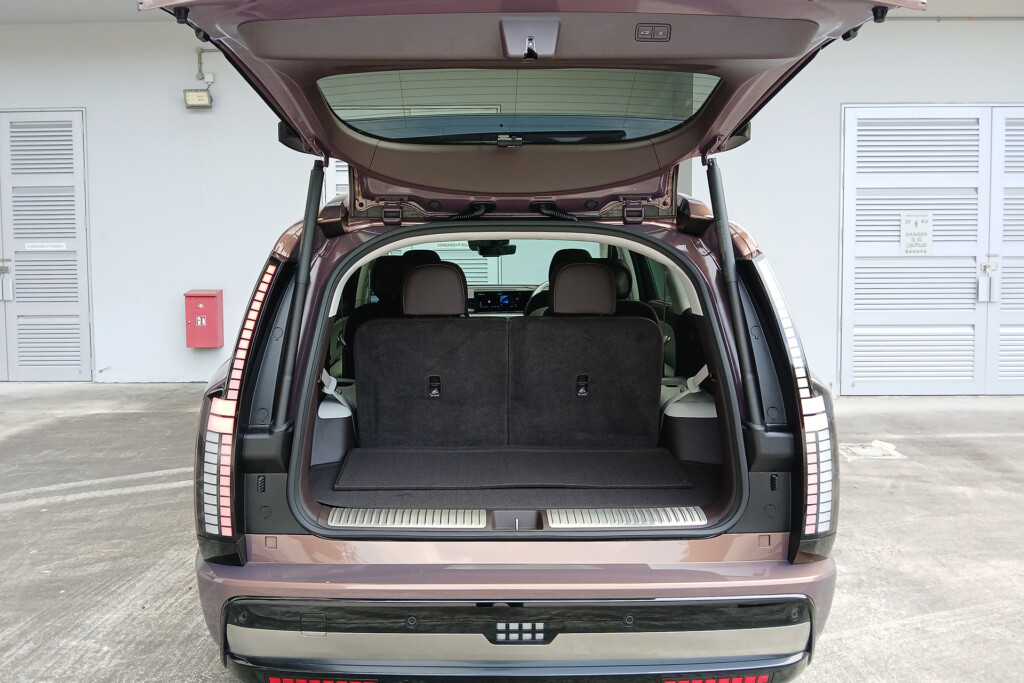
Very few SUVs have a third row that is genuinely spacious, but Hyundai does at least give it a good go. There’s quite a decent amount of headroom, though legroom is still slightly limited.
It’s good enough for most normal sized adults, and you can of course push the second row seats forward if required.
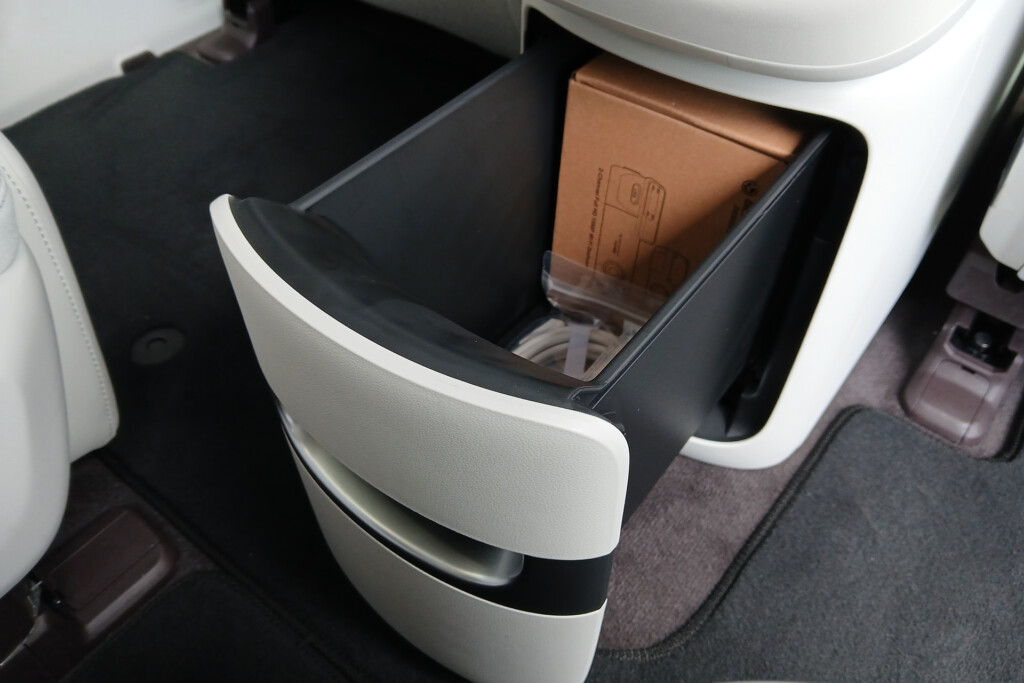
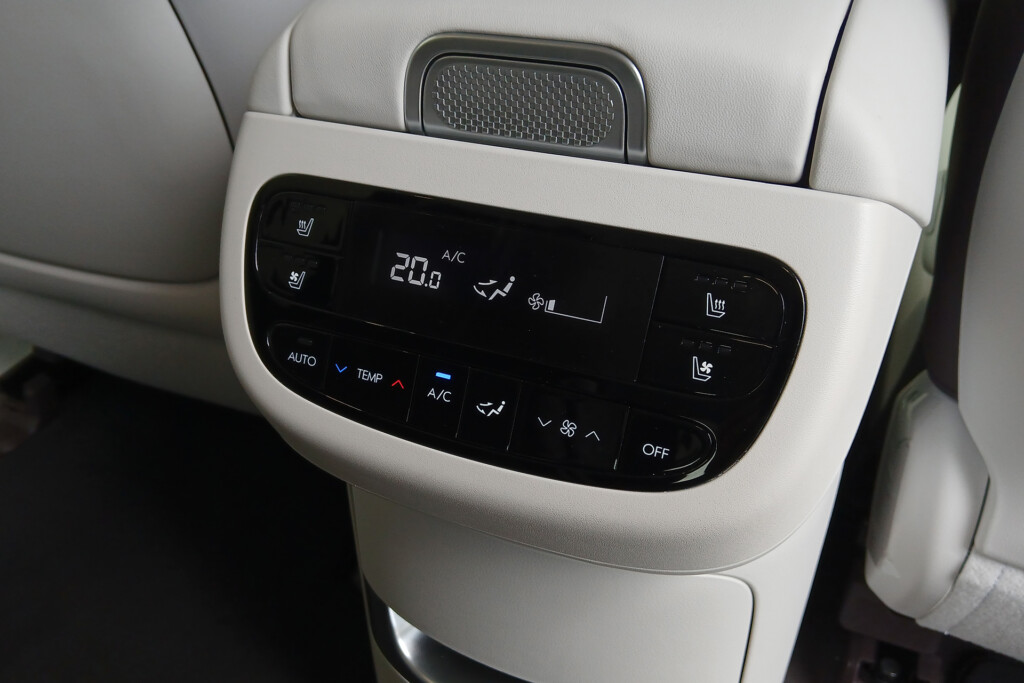
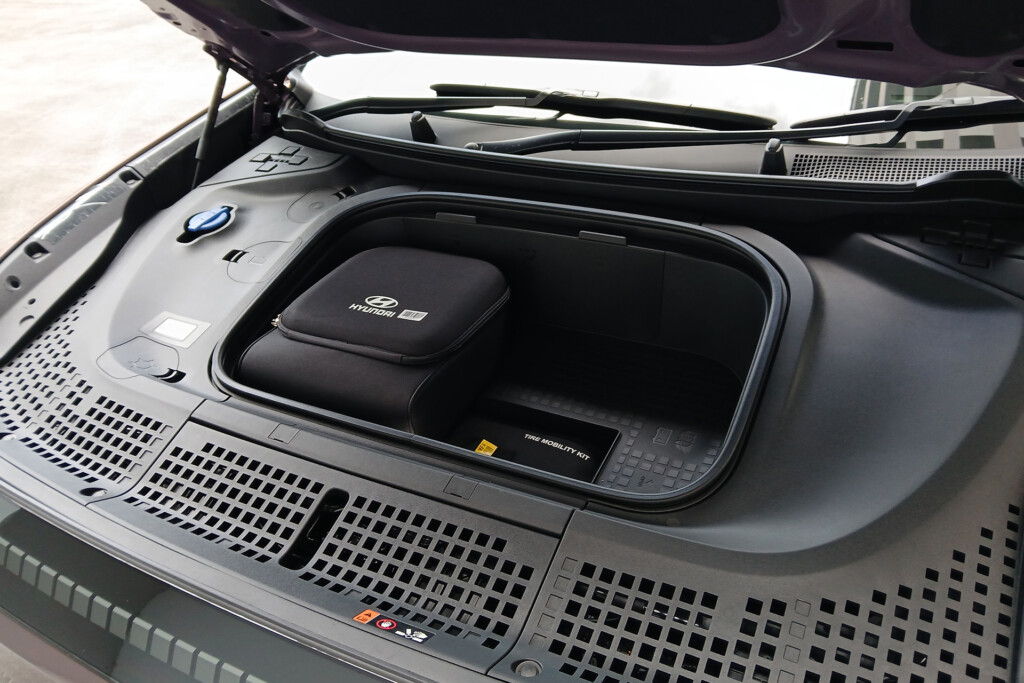
There’s lots of space for things too, with plenty of storage solutions all around the cabin.
You get a neat tray low down on the centre console that’s useful for things like cards and keys, and just below that there’s a UV-C sterilising compartment that can give your phone or other loose items a good clean.
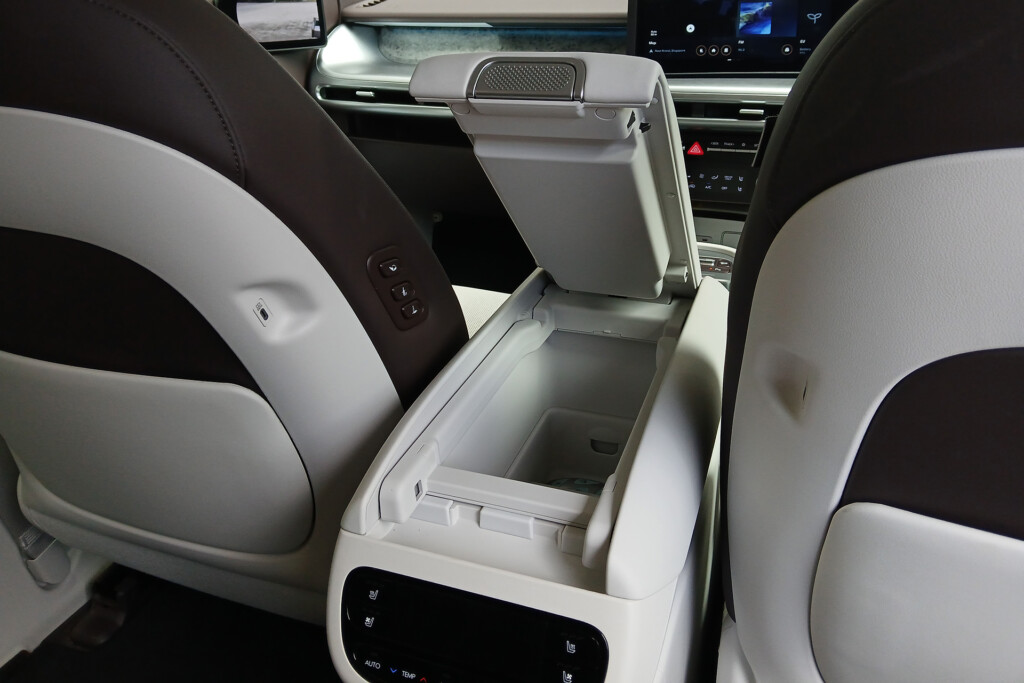
The central armrest also hides a large storage space that can be opened forwards or backwards, which is quite a cool trick really.
You can even move the entire console fore and aft to free up room, and put it within easy reach of the rear passengers.
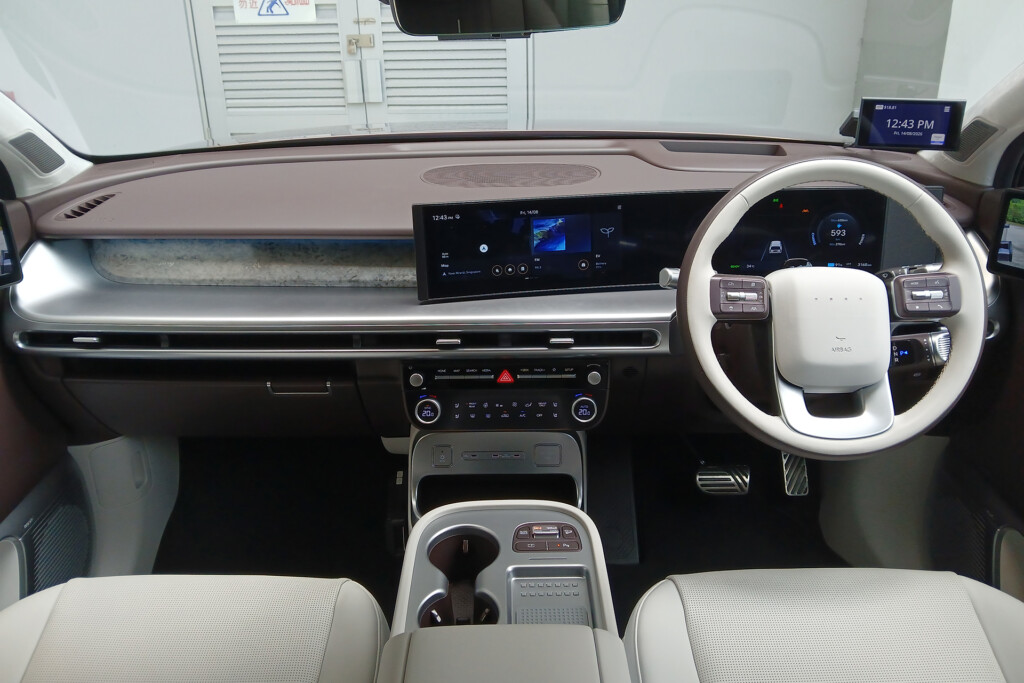
The rest of the interior bears the usual Hyundai style of having everything laid out in a simple and intuitive manner. The Koreans deserve credit for eschewing the touchscreen-intensive interface that most EVs have adapted, and instead kept to traditional buttons and switches.
The 12.3-inch infotainment screen may seem a bit small when compared to what else is available out there, but it works well in this application. There’s wireless Apple CarPlay/Android Auto, lots of USB chargers everywhere, and a premium 14-speaker Bose sound system that audiophiles will enjoy.
‘Tis Very Extremely Quiet
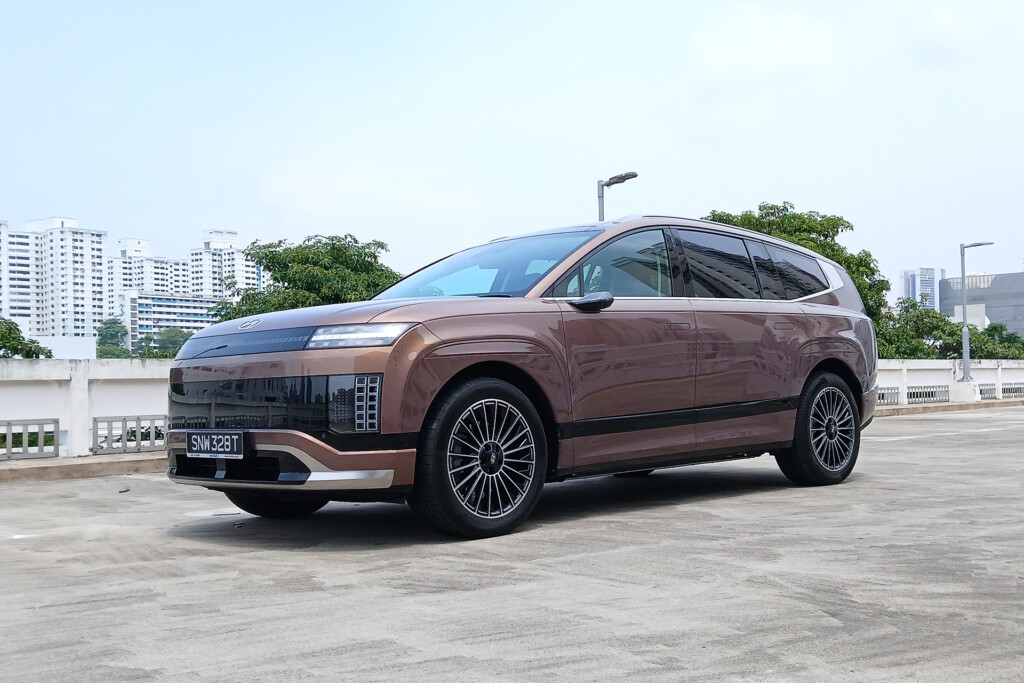
On the move, the most obvious thing you’ll note about the Ioniq 9, besides its size, is its impressive levels of refinement. The car is incredibly quiet, and outside noise is kept firmly at bay, almost to the point of isolation. It’s a sensation reminiscent of some of the most luxurious European limousines, although the silence can feel a tad disconcerting at times.
The ride quality is extremely well-controlled too, with its highly-advanced suspension setup that makes light work of bumps and undulations, and it feels like a car that can easily take on long road trips effortlessly and without a fuss.
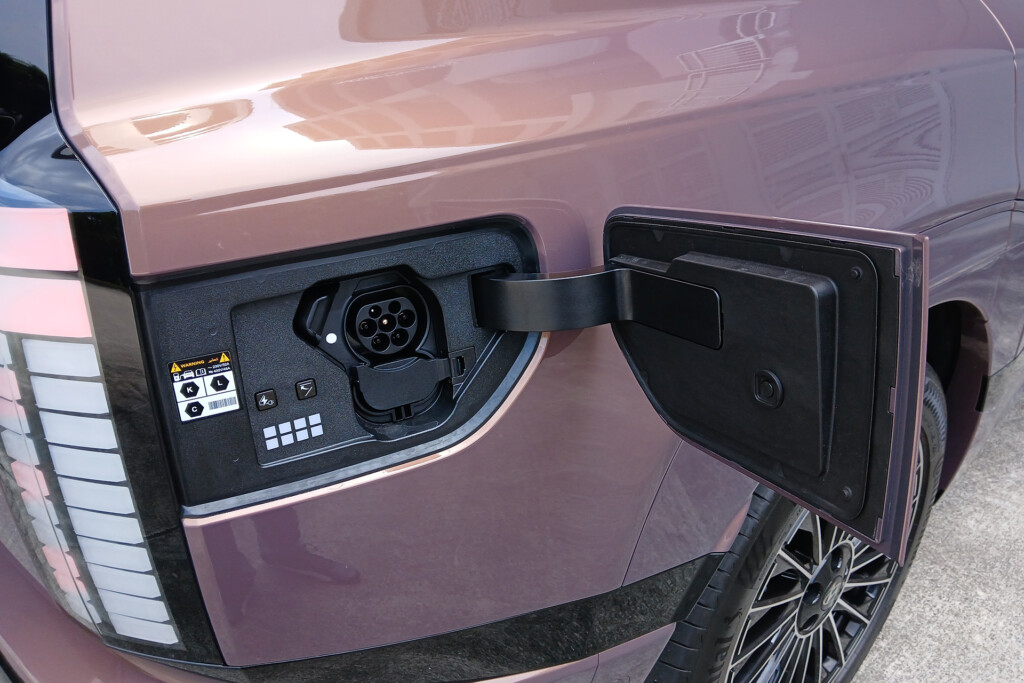
It probably has the range to do so too, with Hyundai claiming that the car is capable of going up to 600km on a full charge. That said, it doesn’t seem like the most efficient in its consumption, with a claimed figure of 4.9km/kWh.
I managed 4.5km/kWh over a weekend test drive covering almost 400km, and it feels like a range in the 500s might be realistically achievable thanks to its massive 110.3kWh battery.
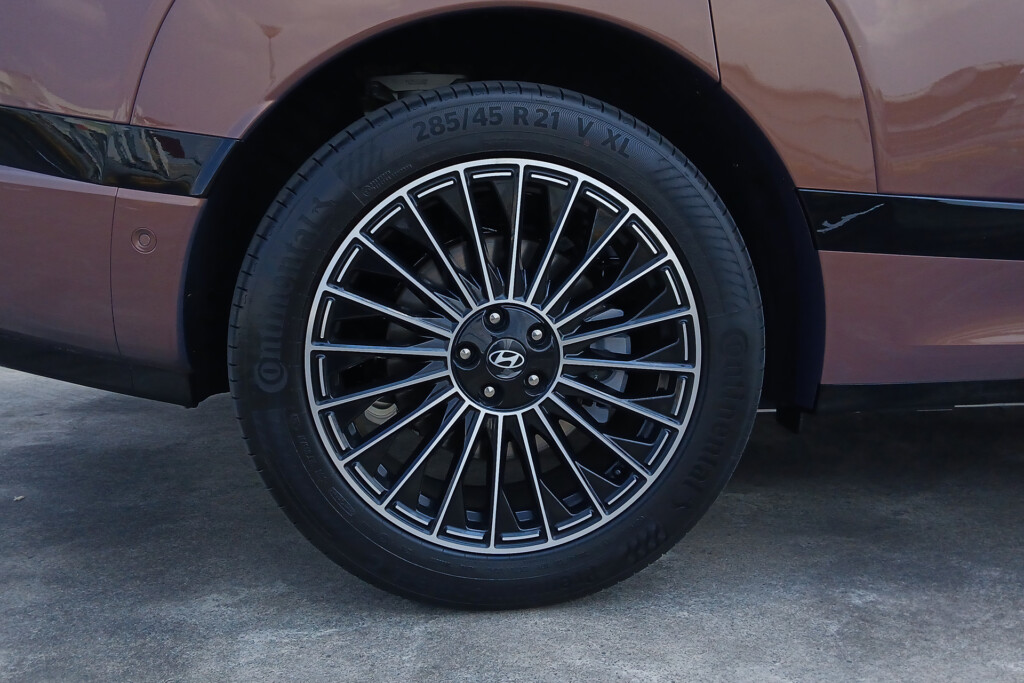
With the dual electric motors producing a total of 303bhp and 605Nm of torque, the Ioniq 9 in this setup is capable of going from 0-100km/h in 6.7 seconds.
It doesn’t sound that quick, and the car doesn’t offer the same sort of violent acceleration tendencies of other EVs with similar power outputs, but this is still a car that can go alarmingly fast if you are able to hold your nerve and push the throttle fully down, something that I wouldn’t really recommend for legal reasons.
It is clearly not a car meant for sporty driving of course, and that is underlined in its handling ability. The Ioniq 9 definitely feels its heft in the corners, although generally speaking it has reasonably decent agility for its size, with a nicely-weighted steering helping matters along the way. It doesn’t feel as cumbersome or clumsy as other large-sized SUVs, but there’s no defying physics regardless, in spite of its advanced suspension.
A Top Choice
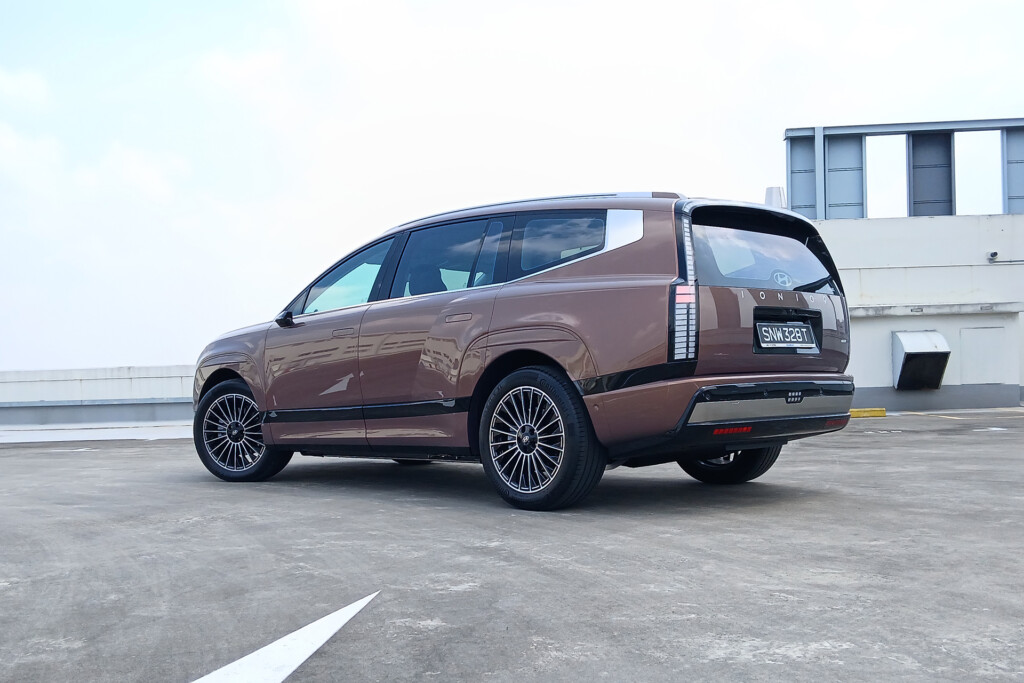
There’s certainly no lack of options for those looking for a large six or seven-seater car to ferry their family around, but the Ioniq 9 stands out for its futuristic tech and sheer luxurious levels of comfort.
Its price tag of $343,999 with COE is just about on par with similar electric MPVs or SUVs of this size, but few can match the Ioniq 9’s combination of space, practicality, drivability and refinement.
There are some quirks to get used to, like the digital mirrors, but on the whole the Ioniq 9 does have plenty going for it. Of all the 9s available out there, this one almost feels like a 10.
Technical Specifications
Hyundai Ioniq 9 Calligraphy 6-Seater
Powertrain: Dual Electric Motors, All Wheel Drive
Power: 226 kW (303bhp)
Torque: 605 Nm
Gearbox: Single-Speed (A)
0-100km/h: 6.7 Seconds
Top Speed: 200 km/h
Battery Capacity: 110.3 kWh
Drive Range: 600 km (claimed)
Energy Consumption: 4.9km/kWh (claimed)
Price: S$343,999 with COE (accurate at the time of this article)
Read more automotive news at AutoApp, or check out our latest videos on YouTube and on TikTok!