We’re among the first to preview the all-new BMW 3 Series, one of the brand’s most important cars in an era when petrol, mild-hybrid, and full-electric powertrains will increasingly sit side by side.
Few cars are more important to BMW than the 3 Series.
For more than 50 years, it has been the car that perhaps best explains what a BMW is supposed to be: compact enough to enjoy, practical enough to live with, luxurious without becoming a limousine, and above all, genuinely good to drive.
It is also a model I know rather well.
I have owned a 3 Series before, two in fact, and over the years I’ve driven several generations in different forms. More recently, I took the outgoing G20-generation 3 Series on a long drive from Singapore up to Penang last year, which reminded me just how complete the car remains over distance.
There are faster BMWs, bigger BMWs and certainly more expensive BMWs, but the 3 Series has always felt like the centre of the brand to me.
Perhaps that also comes with being something of a serial BMW owner. My current daily driver is a petrol-powered X1, and something about the way BMW tunes its steering, chassis, controls, and drivetrain keeps pulling me back.
So standing in Munich, looking at the all-new 3 Series, felt more significant than simply seeing another new car.
This is BMW reinventing one of the cars that helped define the company.
And perhaps, in some small way, one that has also helped shape my own relationship with the brand.
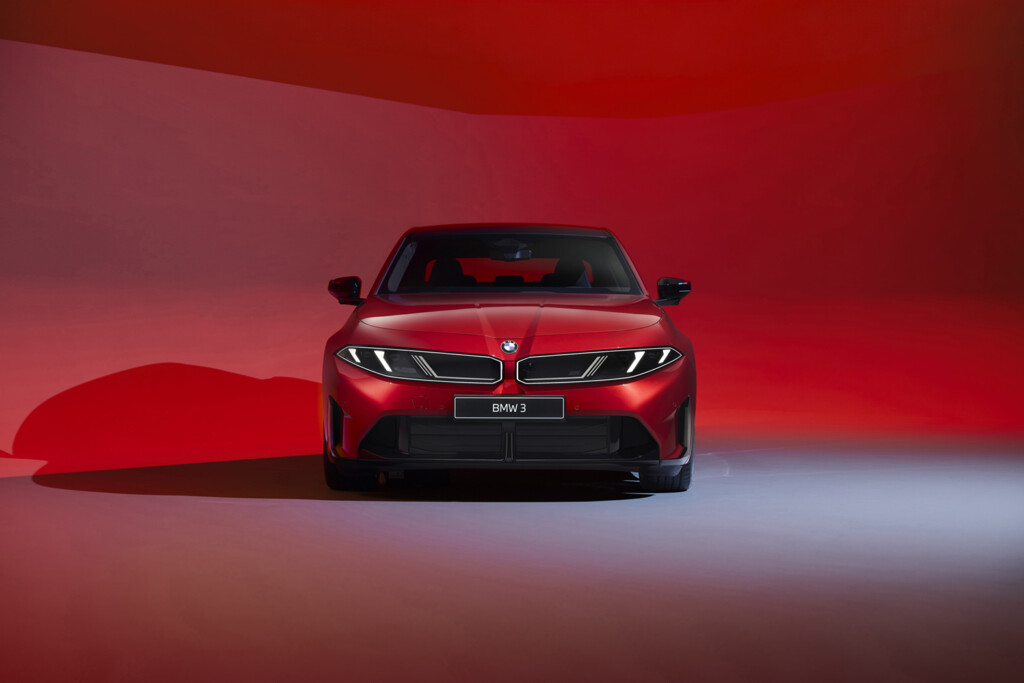
Welcome to the new face of BMW
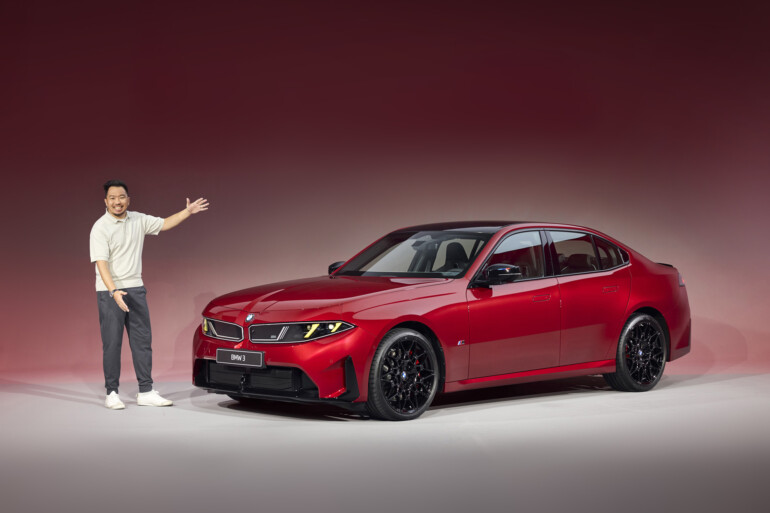
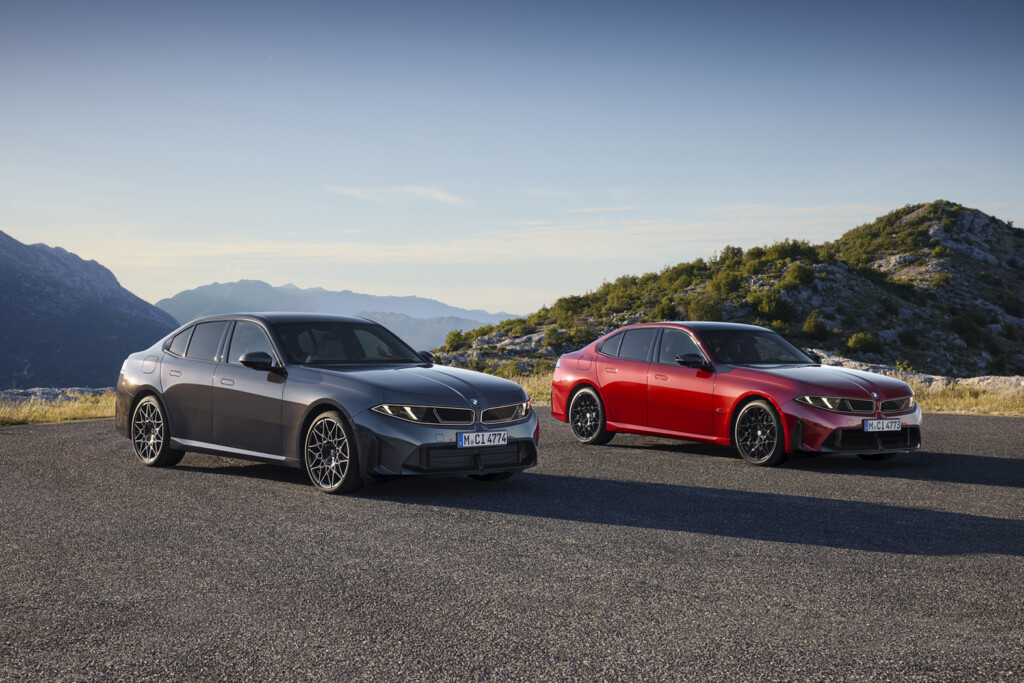
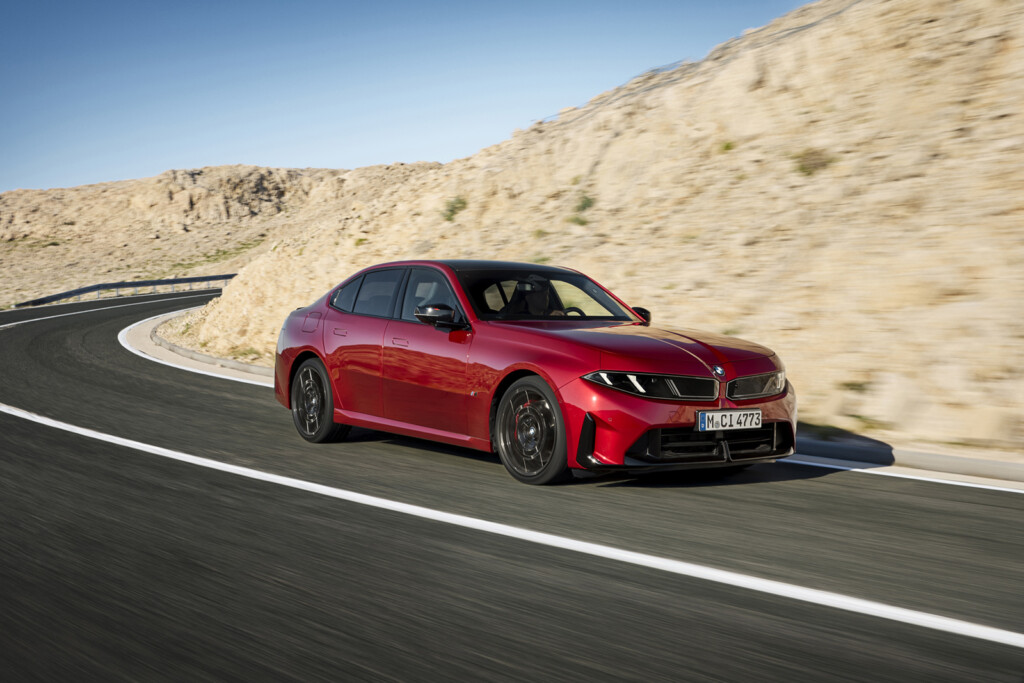
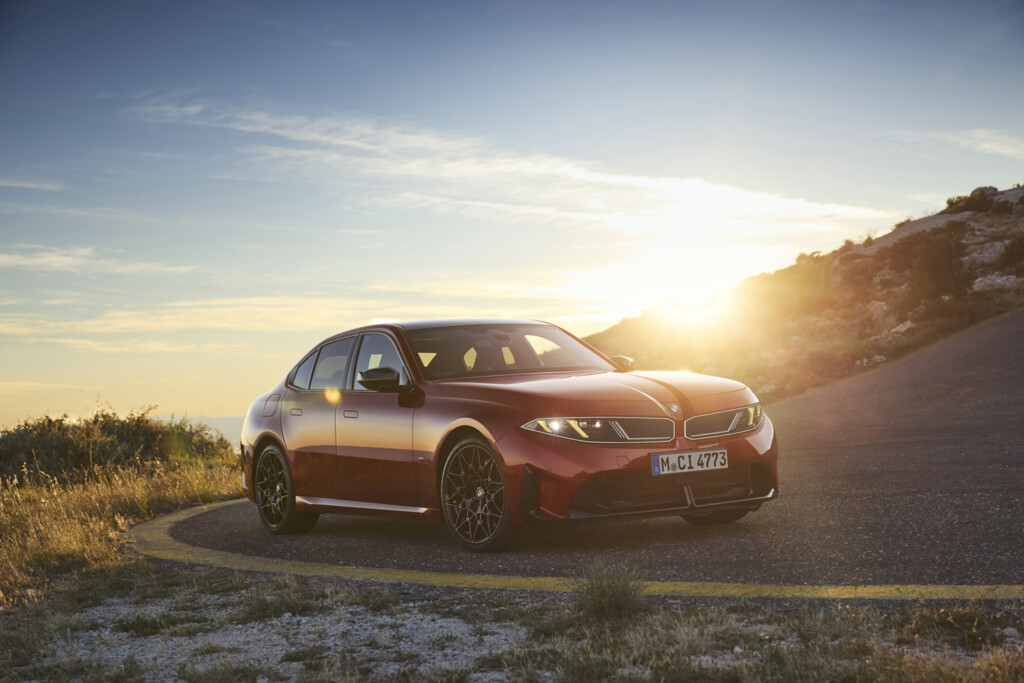
The first car we were shown was the M350 xDrive, the M Performance flagship of the new petrol-powered 3 Series range.
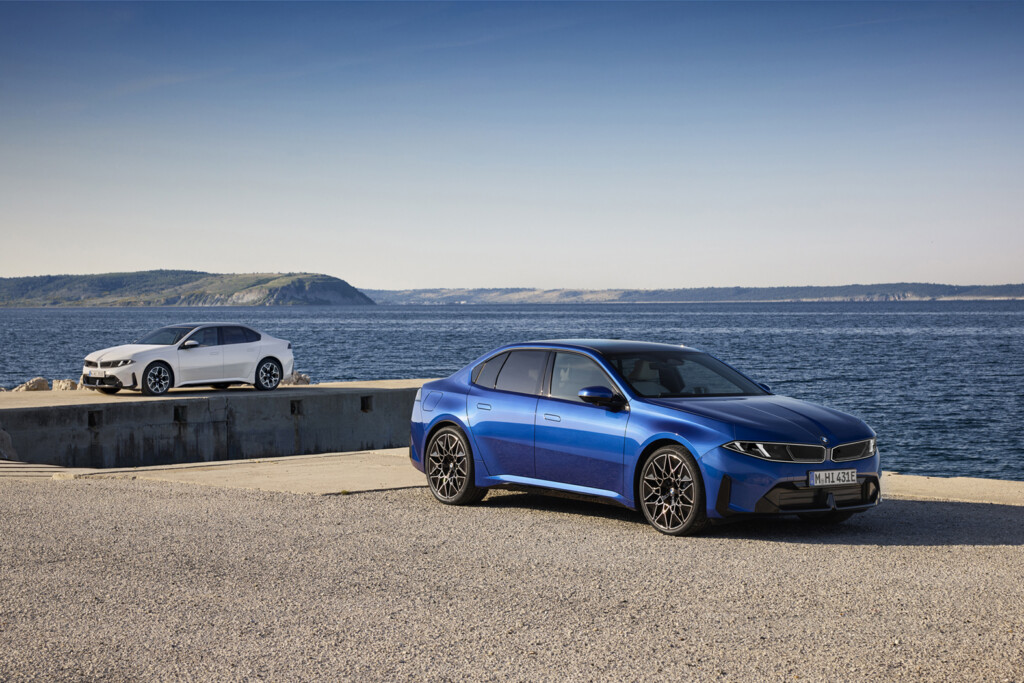
Visually, this is a very different 3 Series from the one we know today.
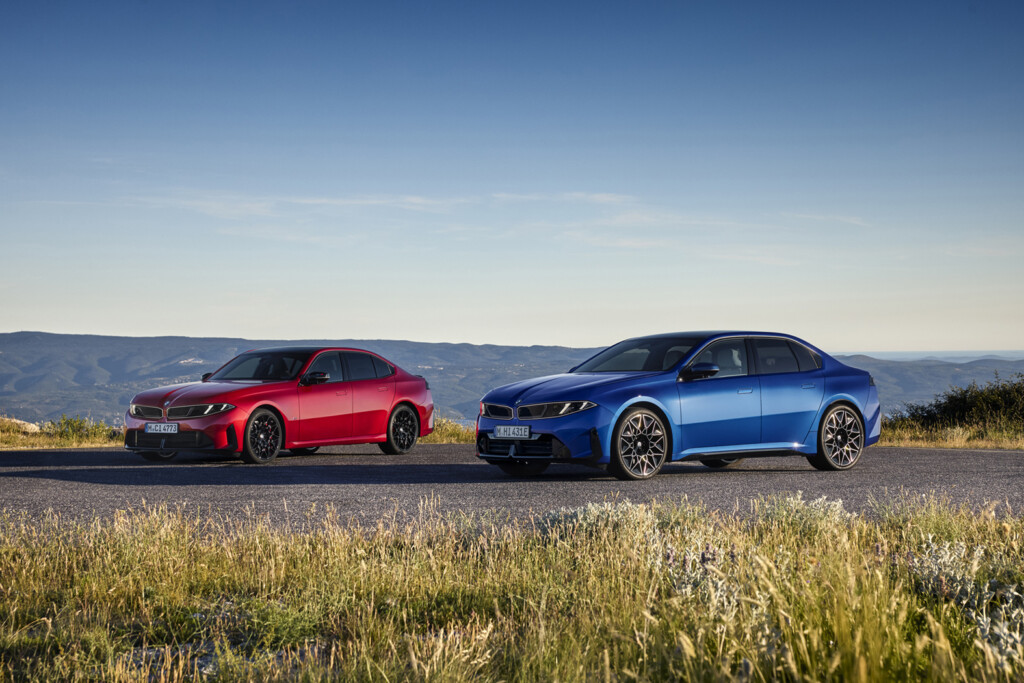
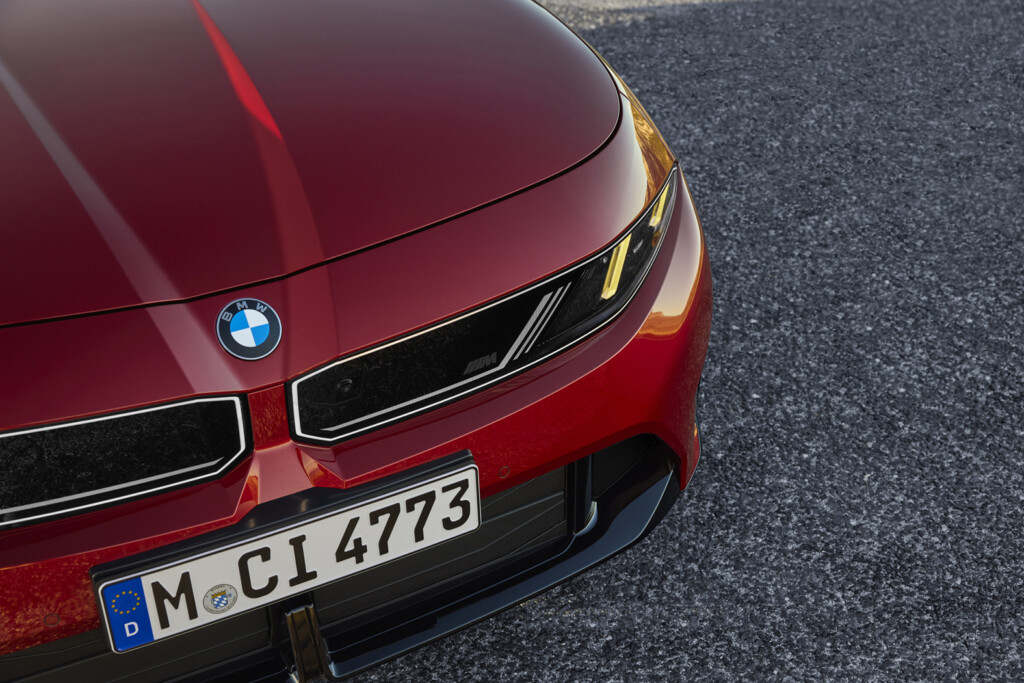
The car adopts BMW’s new design language, closely related to the Neue Klasse look first seen on the new iX3 and subsequently the i3. From some angles, the resemblance between the petrol-powered 3 Series and electric i3 is quite striking.
That, of course, is deliberate.
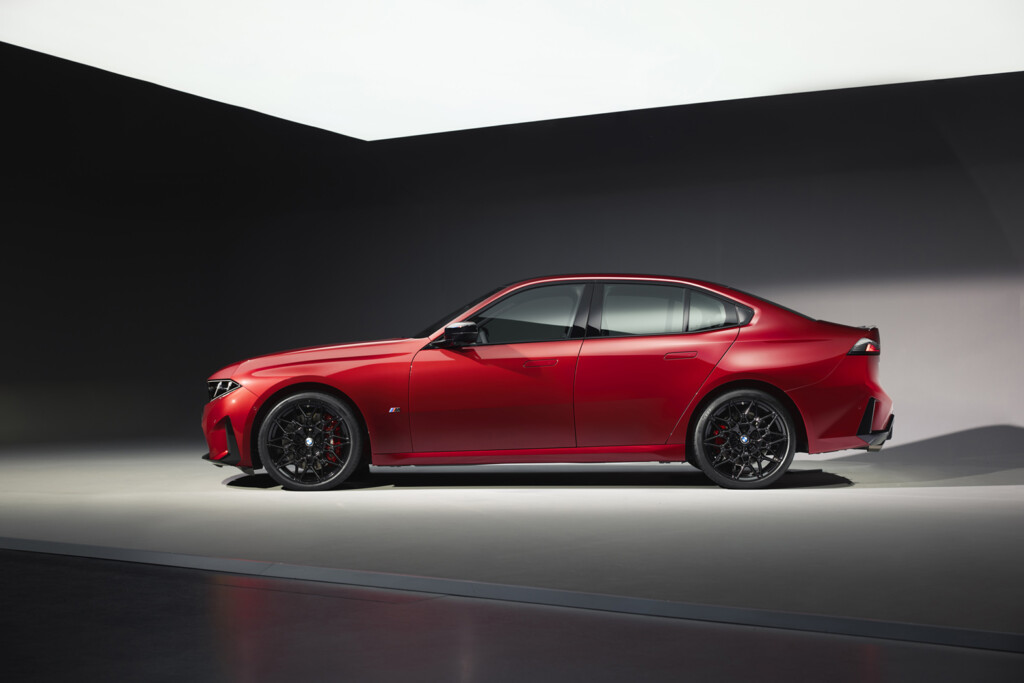
BMW appears to be moving away from the idea that its EVs need to look like some completely separate species. Whether powered by petrol or electricity, these cars will increasingly share the same family identity.
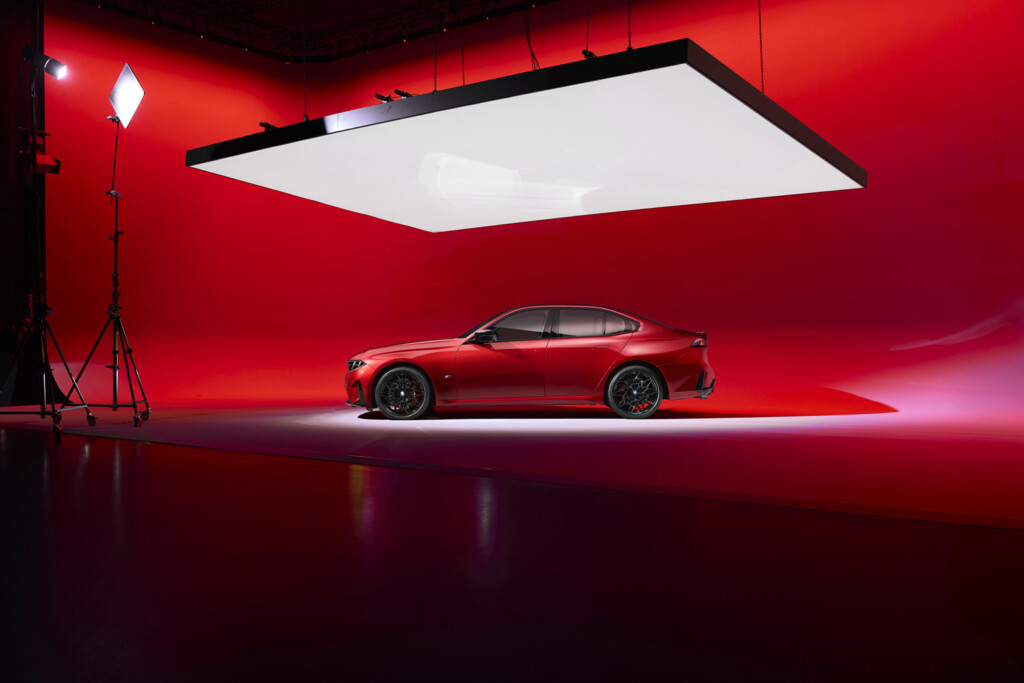
The familiar BMW cues remain, though they have been thoroughly reinterpreted. The headlights and kidney grille are integrated into a single visual unit, the surfacing is cleaner, and the overall shape feels much more pared back than some of BMW’s more elaborate recent designs.
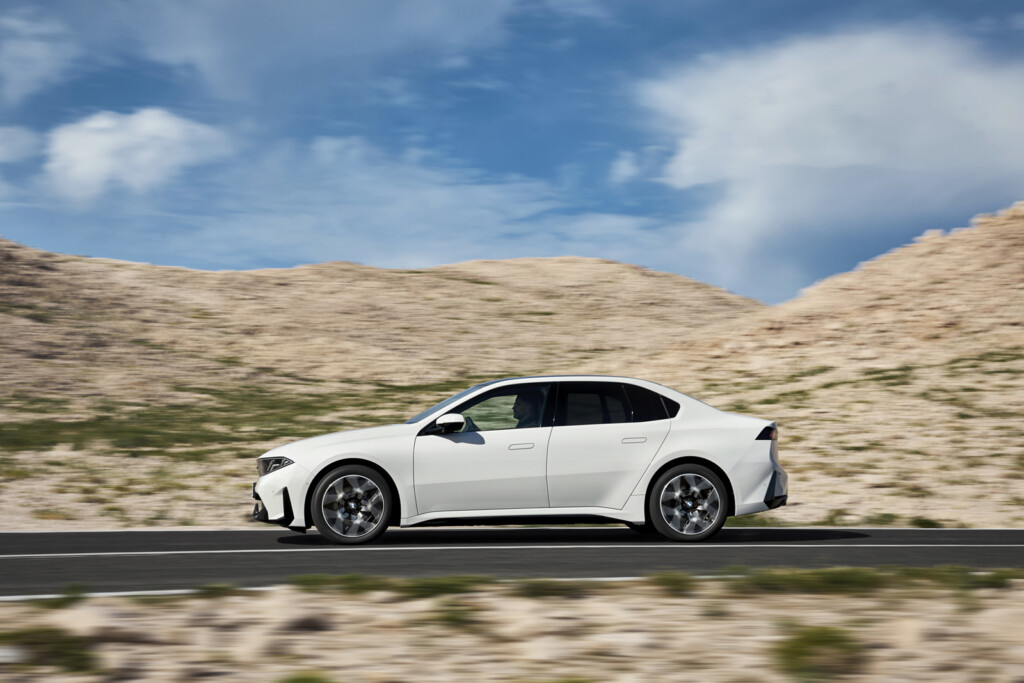
The proportions remain very much those of a sports saloon.
The combustion-powered 3 Series measures 4,765mm long, 1,850mm wide and 1,455mm tall, riding on a 2,860mm wheelbase.
Meanwhile, the electric i3 is 4,760mm long, slightly wider and taller, with a longer 2,897mm wheelbase.
Put them side by side, and the differences are clear, but the basic message is clear.
Petrol or electric, this is what a modern BMW 3 Series looks like now.
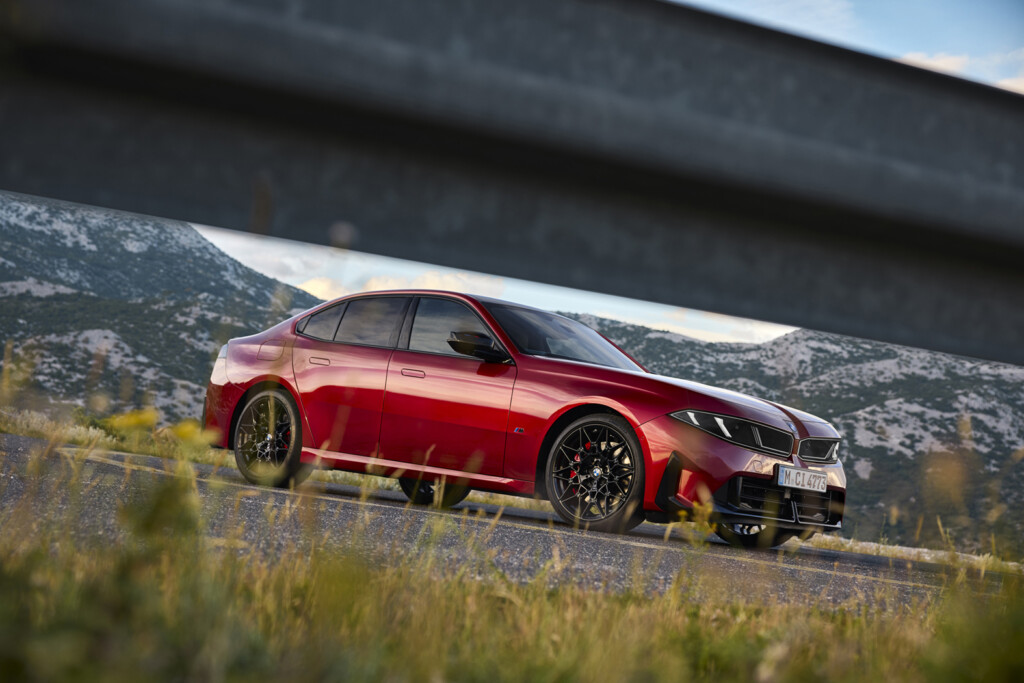
The M350 still flies the flag for the straight-six
The M350 xDrive also answers one question many BMW enthusiasts will probably be relieved to hear answered.
Yes, the straight-six is still alive.
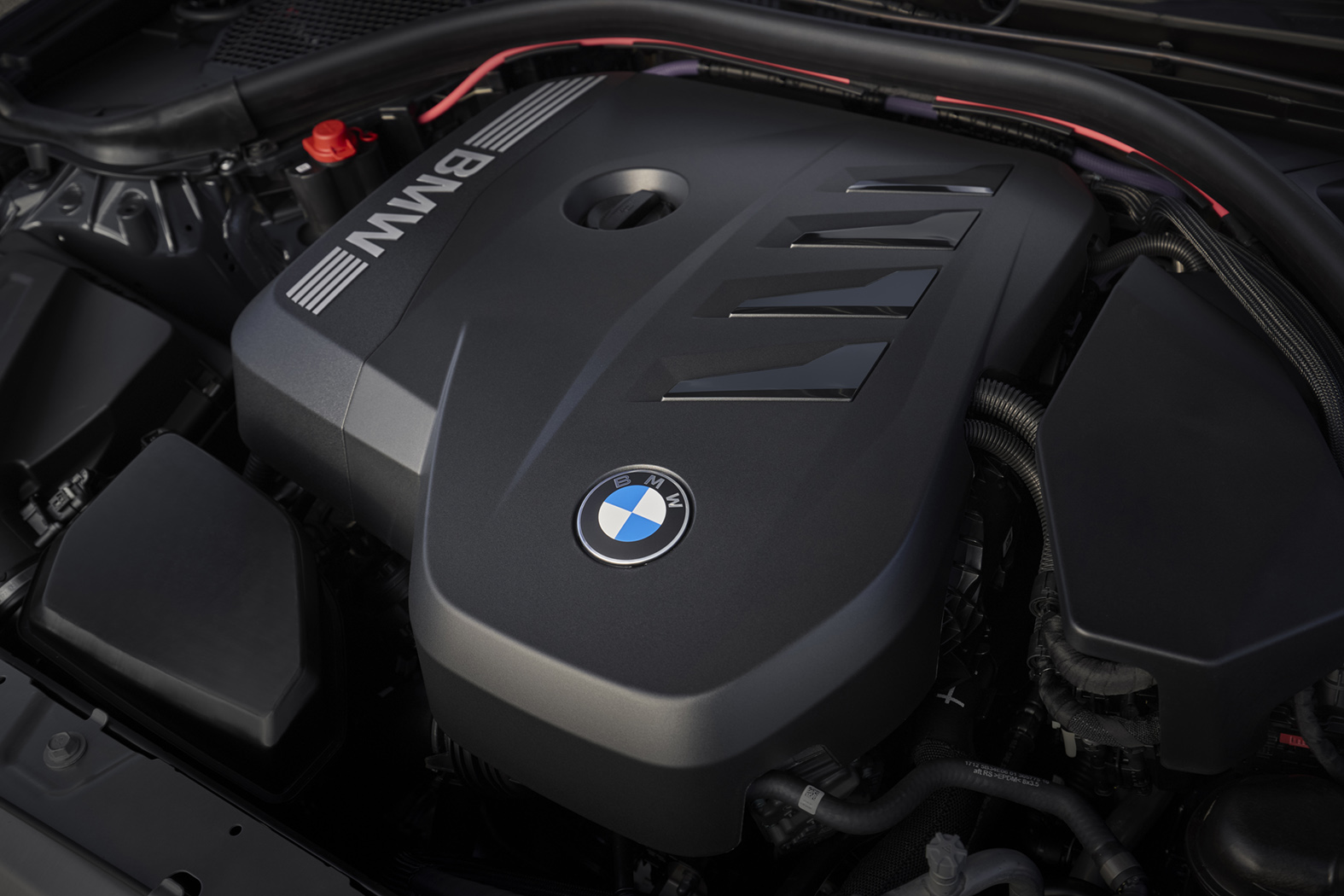
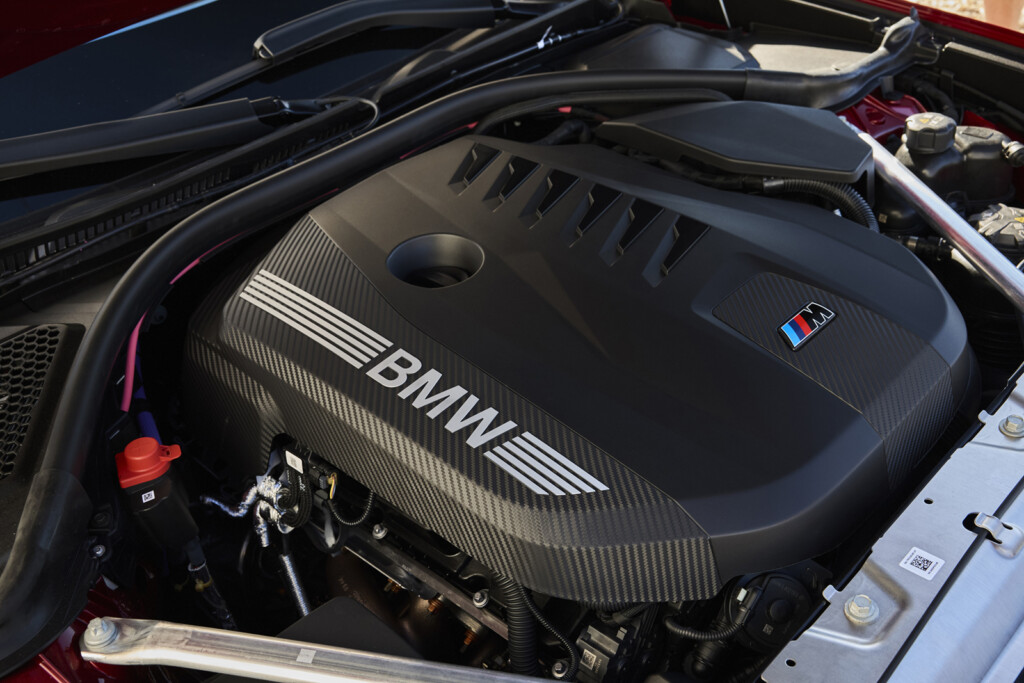
Under the bonnet sits a 3.0-litre BMW TwinPower Turbo inline-six paired with 48V mild-hybrid technology. Combined output stands at 443hp and 580Nm, with power channelled through an eight-speed Steptronic transmission and xDrive all-wheel drive.
BMW quotes 0–100km/h in 4.1 seconds, with top speed electronically limited to 250km/h.
The particular car we saw in Munich was hardly subtle either.
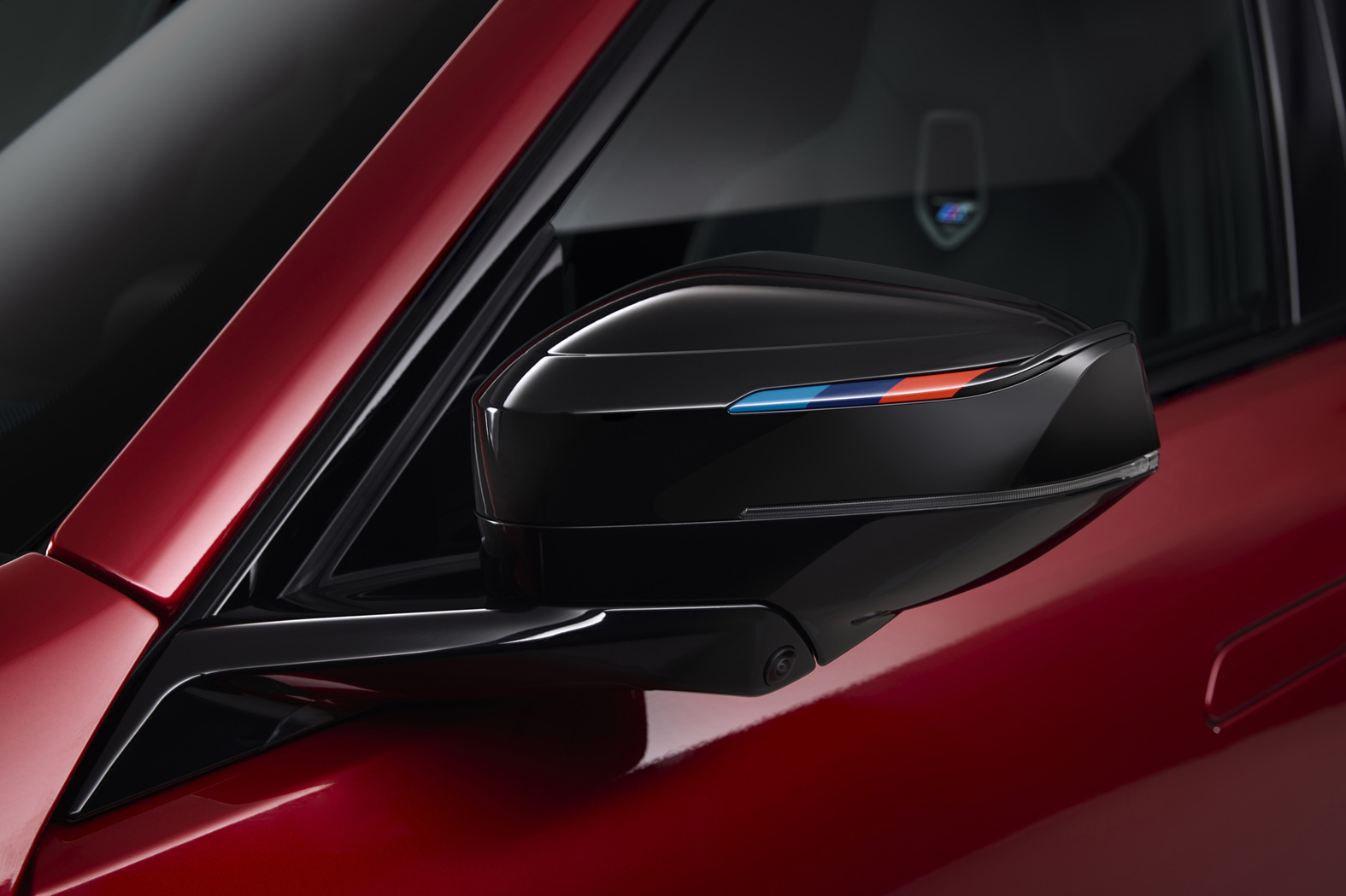
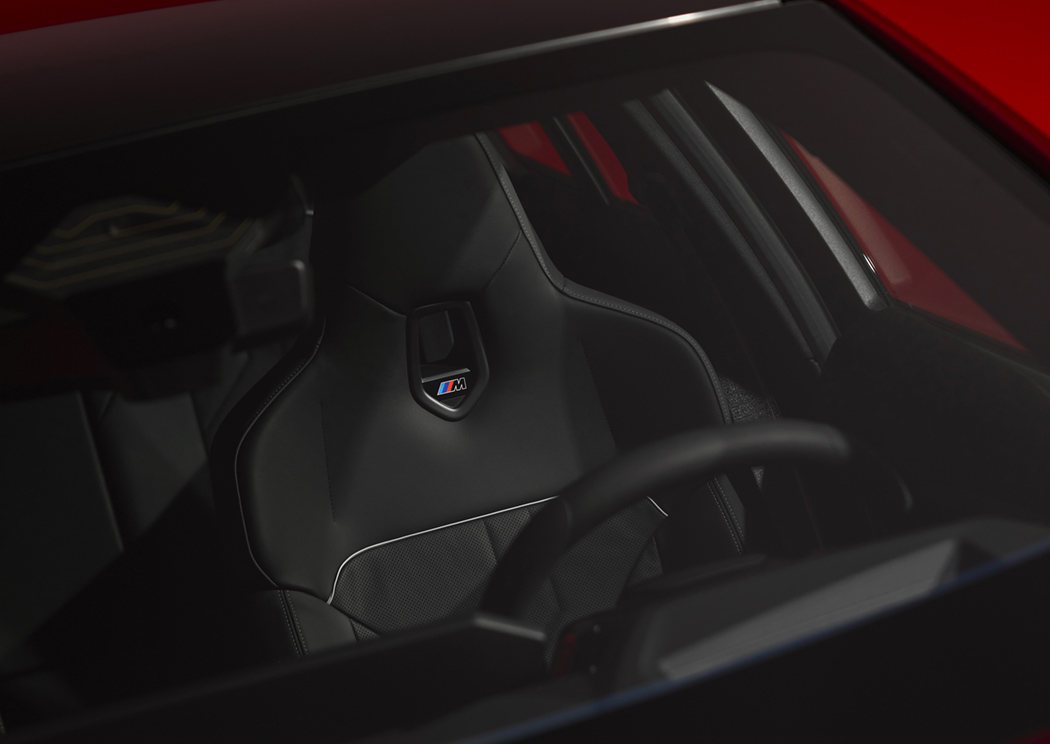
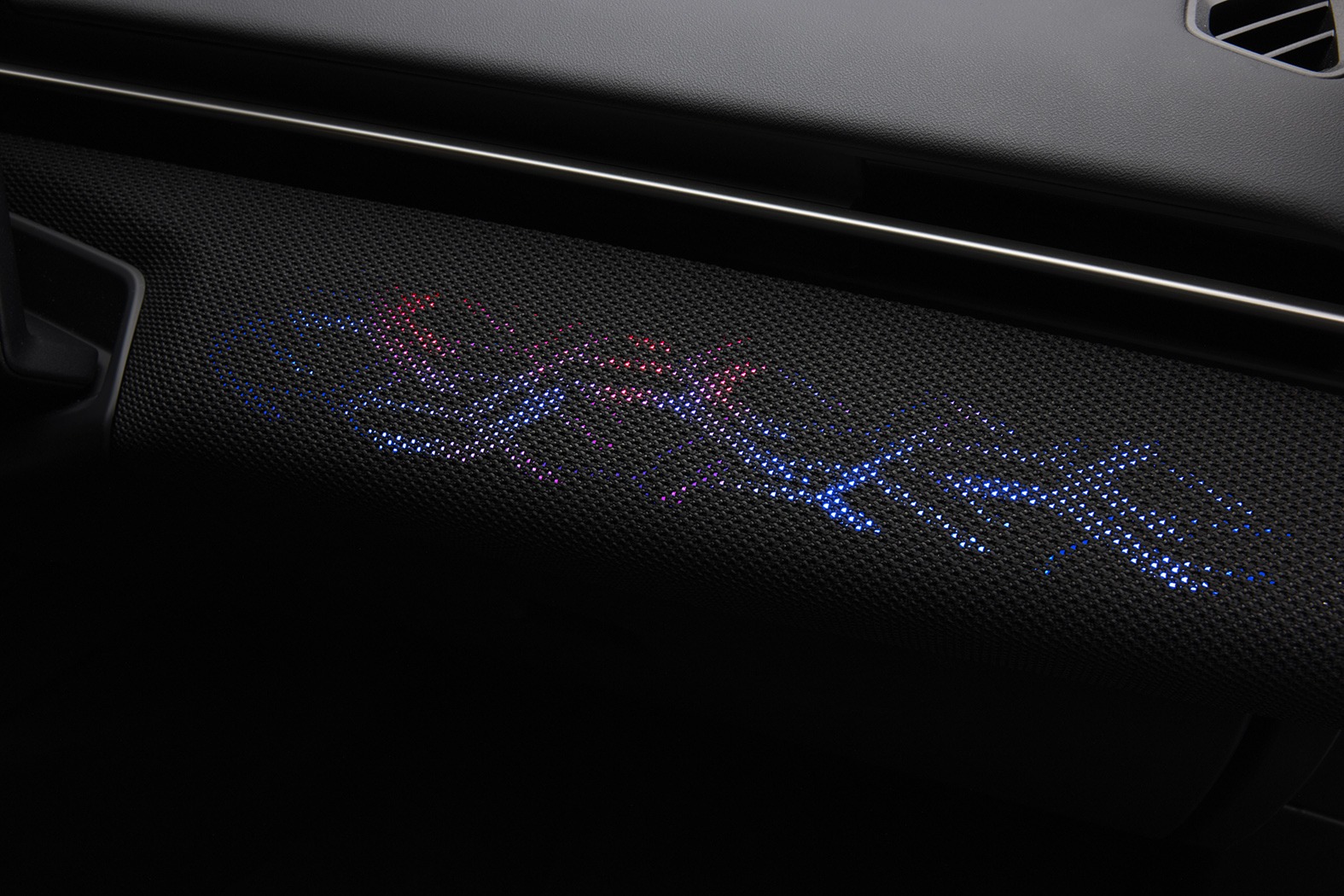
It wore a generous selection of M Performance parts and accessories, giving us perhaps the most aggressive interpretation of the new shape. Larger wheels, sporty detailing, and plenty of M embellishment made it clear this wasn’t meant to be the sensible company-car version.
Somewhere underneath all that decoration, however, is the basic shape that will also serve the regular 3 Series range.
And that may actually be more relevant to most buyers.
There is a 320 and 318 too
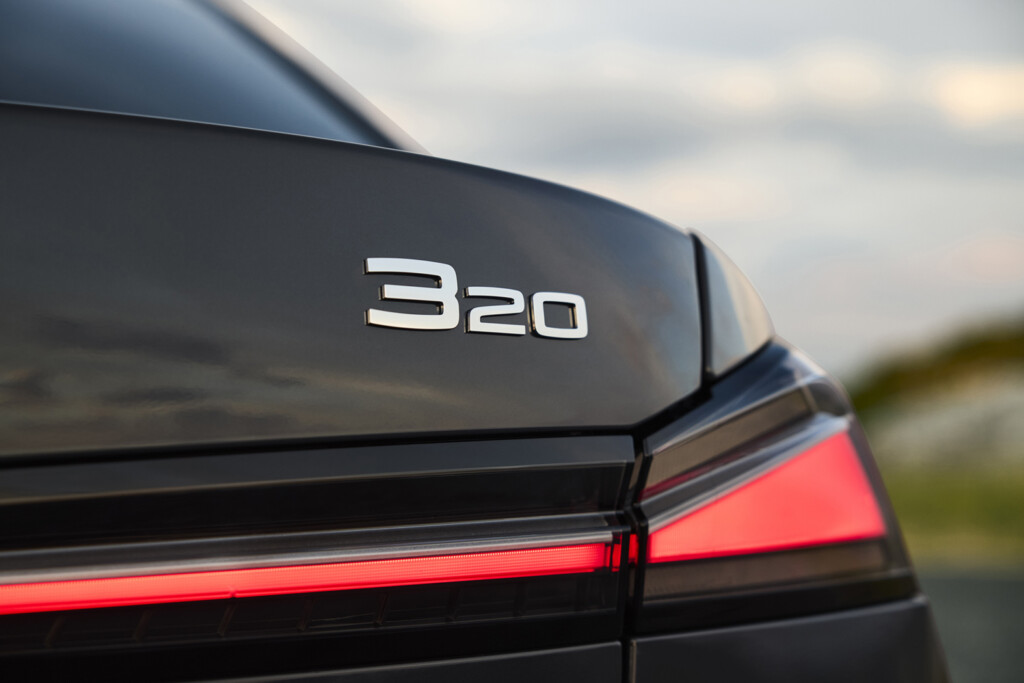
Beneath the M350, BMW has also confirmed the 320 and 318.
Both use 2.0-litre four-cylinder petrol engines and, crucially, now use 48V mild-hybrid technology.
The 320 produces 211hp and 330Nm, while the 318 makes 156hp and 250Nm. Both use an eight-speed Steptronic gearbox.
The mild-hybrid element matters because it shows how BMW is approaching the transition to electrification.
These are still fundamentally petrol-powered cars. You still fill them with petrol, and an internal combustion engine still does the bulk of the work.
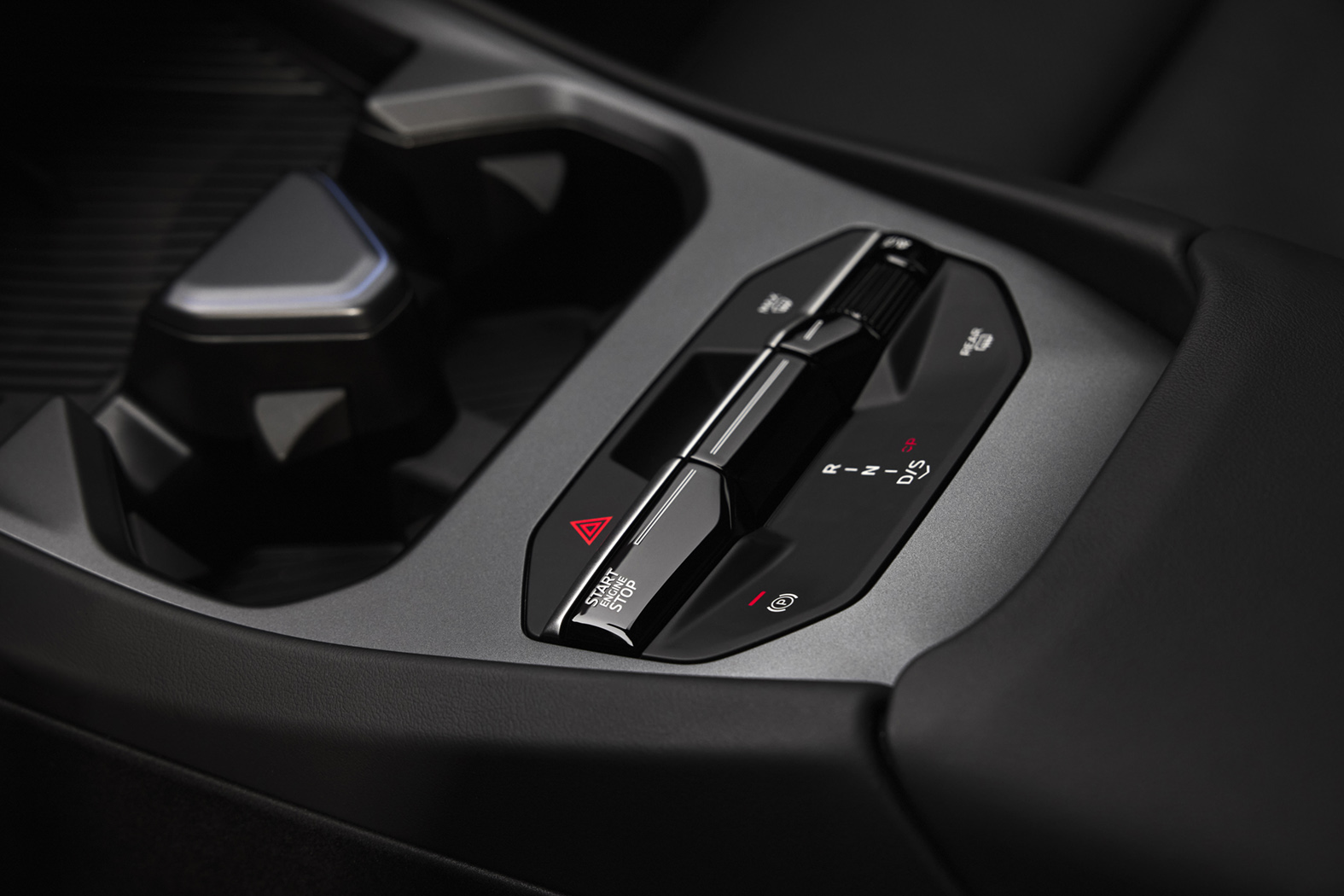
The 48V system assists the engine, allows energy recuperation during deceleration, and supports features such as smoother stop-start operation and coasting. In the M350, an electric motor is integrated into the transmission, while the 318 and 320 employ a belt-driven starter generator.
So even on the petrol side of the family, electrification is already part of the equation.
It is simply happening in a far less dramatic way.
At one end you have the pure-electric Neue Klasse cars.
At the other, familiar petrol engines are being assisted by increasingly sophisticated electrical systems to make them smoother and more efficient.
Where Singapore eventually slots into this global line-up remains to be seen.
The 318 and 320 would naturally seem the more realistic volume models for our market, while the M350 would sit at the enthusiast end of the range, assuming BMW Singapore offers it.
Then there is the i3
And this is where the new 3 Series story becomes especially interesting.
Alongside the petrol cars sits the new BMW i3, now no longer a quirky compact electric car but the fully electric interpretation of the 3 Series itself.
The i3 sits on BMW’s dedicated Neue Klasse architecture and introduces the company’s sixth-generation electric drivetrain.
In i3 50 xDrive form, two electric motors produce a combined 469hp and 645Nm. A substantial 108.7kWh battery supports DC charging at up to 400kW, with BMW quoting a provisional WLTP range of 729km to 911km, depending on specification.
There is also an i3 40 xDrive producing 374hp and 520Nm, using a smaller 82.8kWh battery. Its WLTP range stretches from 566km to 710km.
Those are serious numbers.
More importantly, they show just how far EV technology has moved.
An electric 3 Series with potentially more than 900km of claimed range changes the conversation quite significantly.
Range anxiety becomes less persuasive when the theoretical distance between charges is longer than many people would willingly drive in one sitting anyway.
Two 3 Series, two different philosophies
This leaves BMW in a fascinating position.
For the first time, buyers are effectively being given two interpretations of the same 3 Series idea.
One uses petrol engines supported by mild-hybrid technology.
The other is electric from the ground up.
They look remarkably similar, share a common design philosophy and increasingly speak the same digital language, but underneath they are fundamentally different machines.
And I suspect enthusiasts will have a great deal of fun arguing over which one counts as the “real” 3 Series.
BMW itself doesn’t seem particularly interested in choosing sides.
The company seems quite happy to let customers decide.
Even the M3 is heading down the electric road
The conversation becomes even more interesting when you look at what BMW M is doing.
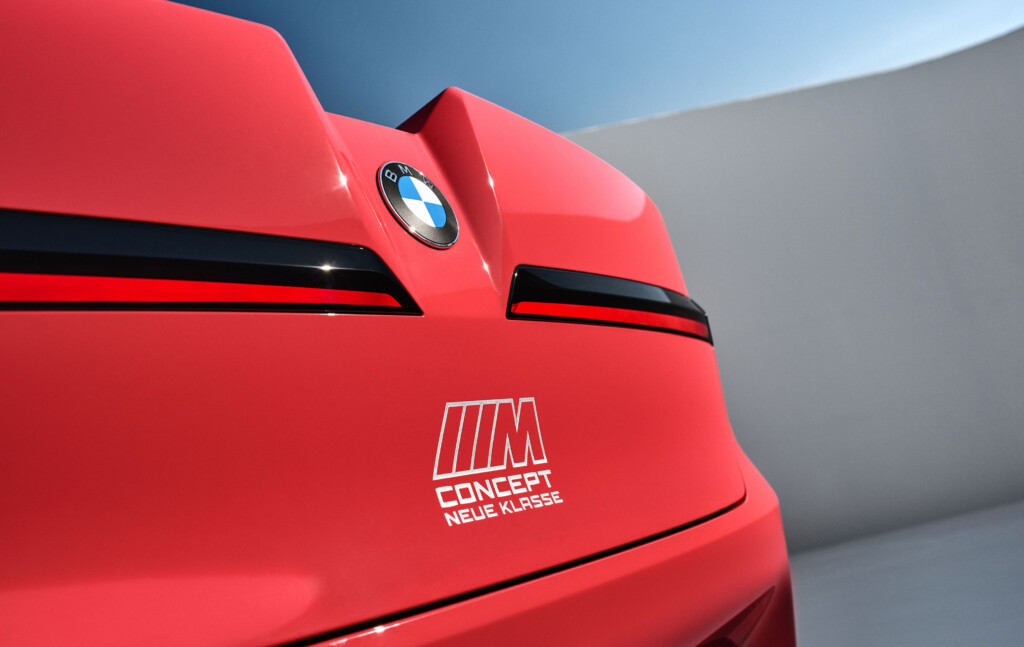
BMW recently unveiled the M Concept Neue Klasse, an all-electric high-performance concept that previews the next generation of BMW M models.
At its heart is an extraordinary drivetrain: four electric motors, one powering each wheel.
BMW says its M-specific version of the Heart of Joy vehicle-control system can manage torque and power at each wheel individually, allowing the car to combine rear-wheel-drive characteristics with the traction and control of all-wheel drive. Fully electric BMW M models based around this concept are due from 2027.
And while BMW has not yet launched the production electric M3, the M Concept Neue Klasse clearly previews where the next generation of M performance cars is heading.
That matters enormously in the context of the 3 Series.
For decades, the M3 has effectively been the ultimate expression of the 3 Series formula.
Engines such as the original four-cylinder S14, the later naturally aspirated straight-sixes and today’s turbocharged S58 have helped define different generations of the car.
Soon, that idea could involve four electric motors instead.
That is a pretty seismic change.
The question isn’t simply EV versus petrol
I’ll admit I come into this discussion carrying some bias.
My current daily car is a petrol-powered BMW X1, and I love driving it.
I’ve driven plenty of EVs. Some are incredibly quick. Some are wonderfully refined. Some are arguably more technologically sophisticated than my X1 in almost every measurable sense.
Yet something still feels different about getting back into a BMW with an engine.
The way the throttle responds, the way the gearbox works through its ratios, the subtle mechanical feedback and the relationship between engine, chassis and driver all contribute to the experience.
BMWs are simply very good at this stuff.
My recent long drive to Penang in the G20 3 Series was another reminder.
A good 3 Series has always been able to do the boring things remarkably well.
It settles down beautifully on a highway, carries people and luggage comfortably and feels properly engineered for long distances.
Then, when the road gets interesting, something is usually waiting underneath.
That balance has always been one of the 3 Series’ greatest strengths.
And that is why I don’t think the important question is whether an EV can accelerate faster than a petrol-powered BMW.
That debate has already become rather boring.
Electric motors are extraordinarily good at producing acceleration.
The more interesting question is whether an electric BMW can reproduce the connection that made cars such as the 3 Series matter in the first place.
Can an electric BMW still feel like a BMW?
BMW clearly thinks it can.
The company has gone to considerable lengths to ensure that the Neue Klasse is not merely about batteries and range figures.
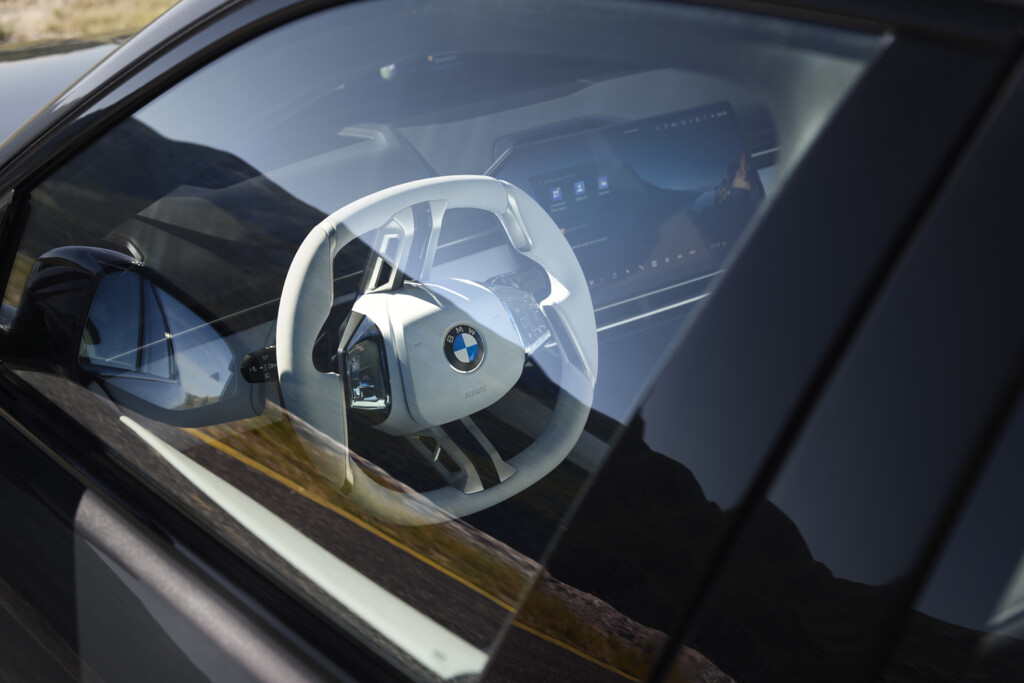
The i3 uses BMW’s new Heart of Joy high-performance computer, which integrates key driving-dynamics functions and reacts far more quickly than previous vehicle-control systems. BMW says the system manages functions including drive, braking, some steering functions and energy recuperation.
That tells you where BMW’s priorities lie.
The engineers know perfectly well that an electric 3 Series cannot survive purely on a giant touchscreen and a good charging curve.
It still has to feel like a BMW.
Perhaps more importantly, it still has to feel like a 3 Series.
That is a much higher bar.
Will the i3 eventually become the 3 Series?
Which brings us to perhaps the biggest question of all.
Could the i3 eventually become the default 3 Series?
It is entirely possible.
With up to 469hp in the i3 50 xDrive form, an enormous claimed range, and seriously fast-charging capability, the electric car no longer looks like a compromised alternative to the petrol model.
In many areas, it looks like the technically superior proposition.
For Singapore in particular, where driving distances are relatively short, and electrification continues to grow, an electric 3 Series could make enormous practical sense.
At the same time, BMW has spent decades cultivating customers who care about engines.
For some buyers, the character of a straight-six still matters.
For others, even a four-cylinder BMW with mild-hybrid assistance may offer enough of that familiar mechanical relationship to remain appealing.
Which is perhaps why seeing the M350 in Munich felt strangely reassuring.
BMW isn’t treating the arrival of the Neue Klasse as an instruction to erase everything that came before it.
For now, at least, it is giving us both.
A 443hp straight-six 3 Series sits at one end.
A 469hp electric i3 sits at the other.
And somewhere not too far into the future, an all-electric M car with four motors will push the idea even further.
A very important 3 Series
That makes this generation one of the most consequential 3 Series models BMW has produced.
It arrives as the company transitions between two eras.
And perhaps that is why this particular 3 Series matters to me more than most new cars I see.
I’ve owned one.
I’ve driven generations of them.
I’ve spent days behind the wheel of the G20 on a road trip from Singapore to Penang, and back.
And after owning several BMWs over the years, I have become very familiar with that particular combination of engineering, driver focus and everyday usability that BMW does so well.
So I want the new 3 Series to succeed.
Not simply because it is new.
And not simply because the numbers look impressive.
I want it to preserve whatever made the 3 Series important in the first place.
Whether that ultimately comes from a straight-six, a four-cylinder mild hybrid, or a battery and electric motors may matter less than we think.
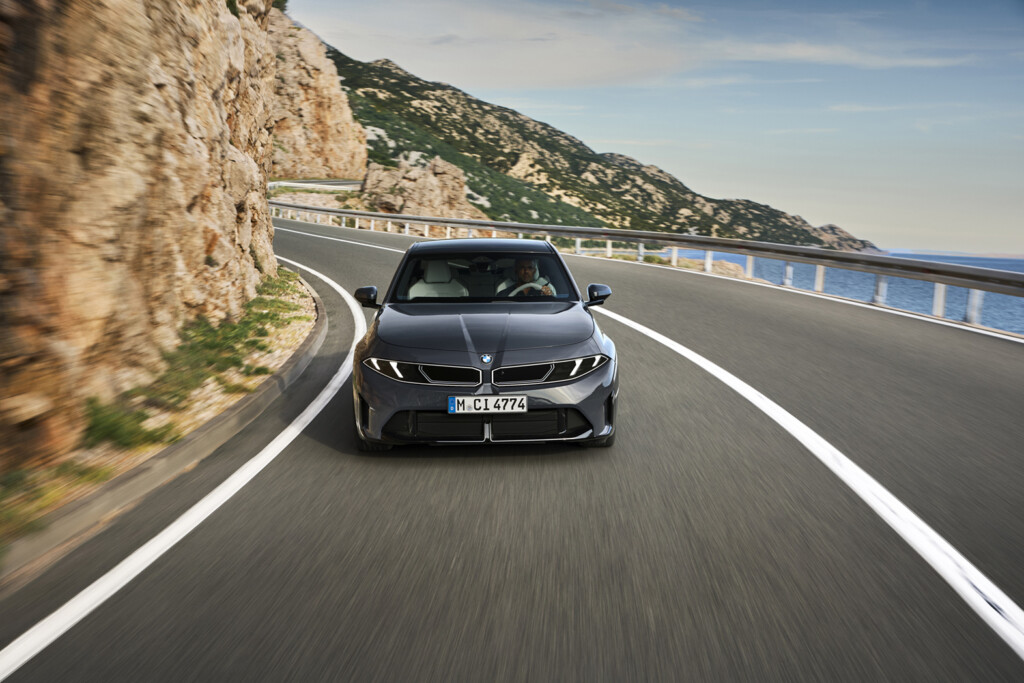
BMW’s bigger challenge is ensuring that whichever one you choose, you climb out at the end of a good road thinking the same thing generations of 3 Series owners have thought before: That was good to drive!