The Suzuki Fronx may be slightly dated by today’s standards, but it offers an easy, no frills driving experience that is refreshingly simple in today’s tech-laden market.
Apparently, Fronx is short for “Frontier crossover”. Silly name aside, the Fronx is quite interesting. Because beneath the odd badge is a compact SUV that sits at an interesting crossroads for Suzuki.
It is smaller than the Vitara, effectively stepping into the gap left by the Baleno, and arrives at a time when the brand’s SUV line-up is in a state of polite upheaval. The Ignis is already out the back door, the S-Cross looks like it may not be far behind. The Vitara, on the other hand, is waiting for its next electrified chapter.
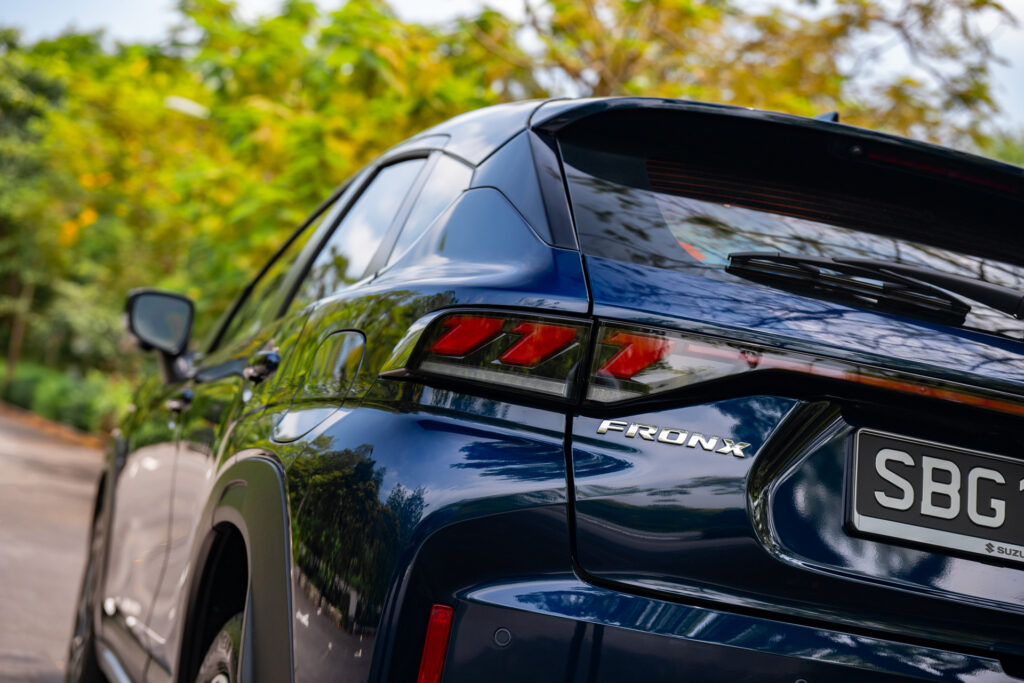
So what exactly is the Fronx?
Think of it as Suzuki having another go at the urban crossover brief, this time with a bit more style and equipment.
At just under four metres long, it is larger than the old Ignis but still neatly compact by modern standards. In an age when even supposedly “small” SUVs have begun to resemble studio apartments on wheels, that is refreshing.
A familiar shape, dressed for the occasion
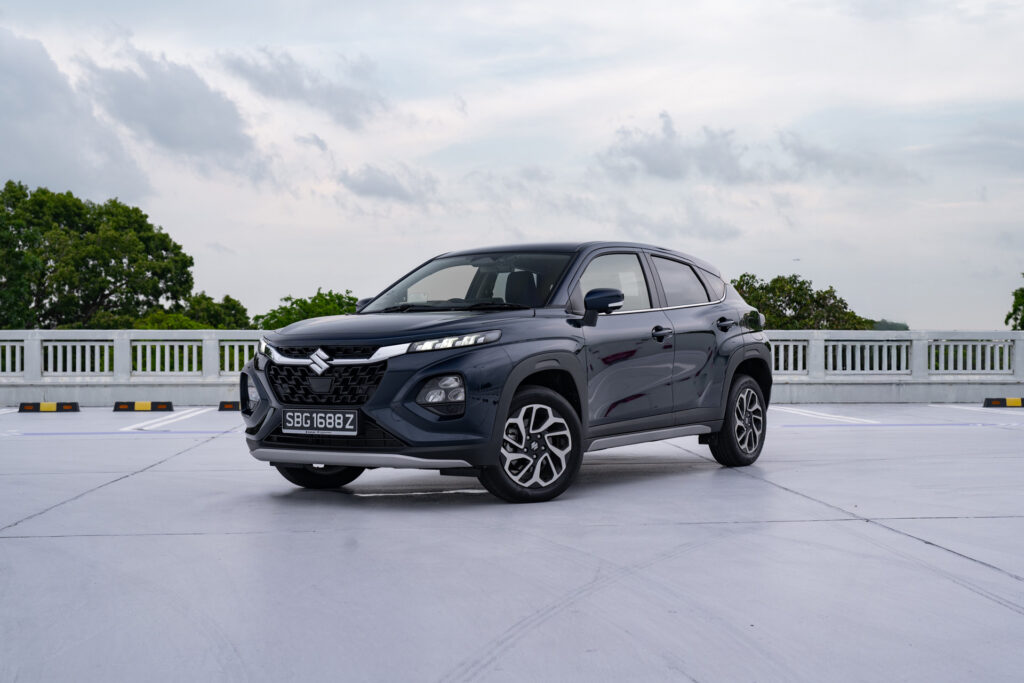
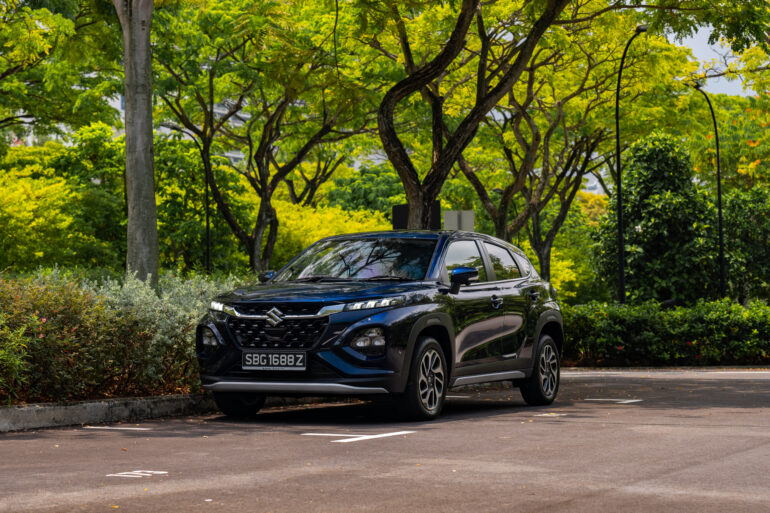
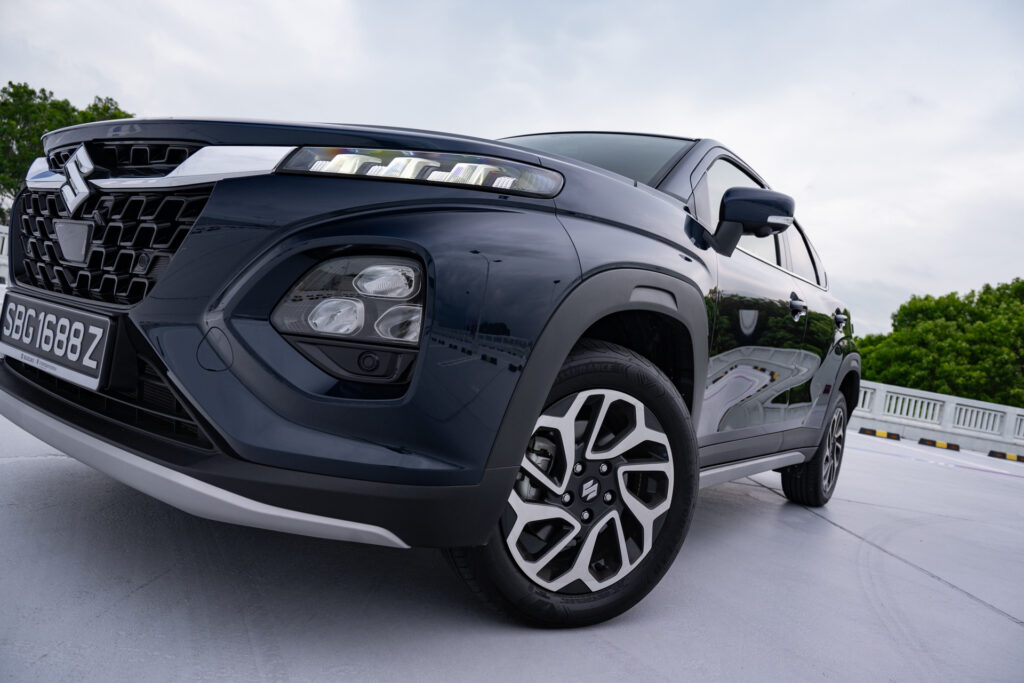
Visually, the Fronx makes a great first impression. It certainly will not stop traffic, but it is tidy, upright and proportioned with some care. Suzuki has managed to make it look reasonably chunky without tipping into parody, which is harder than it sounds when every other compact crossover now wants to cosplay as a baby Range Rover.
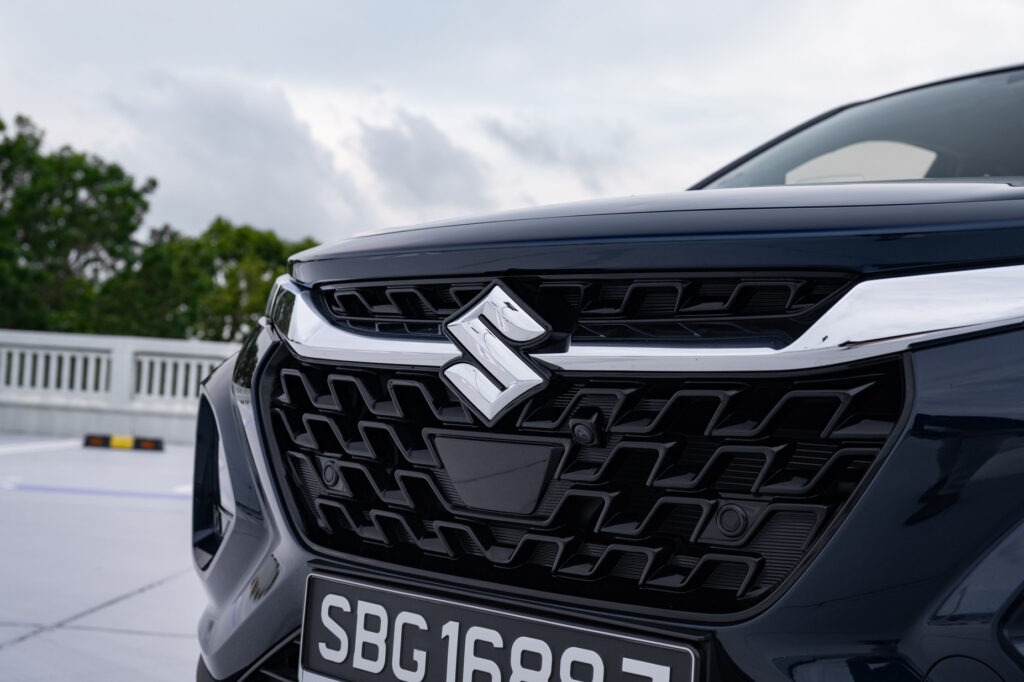
The front end is clean and contemporary, the ride height is just enough to satisfy SUV expectations, and the overall shape is more cohesive than many of the oddly inflated hatchbacks masquerading as crossovers today.
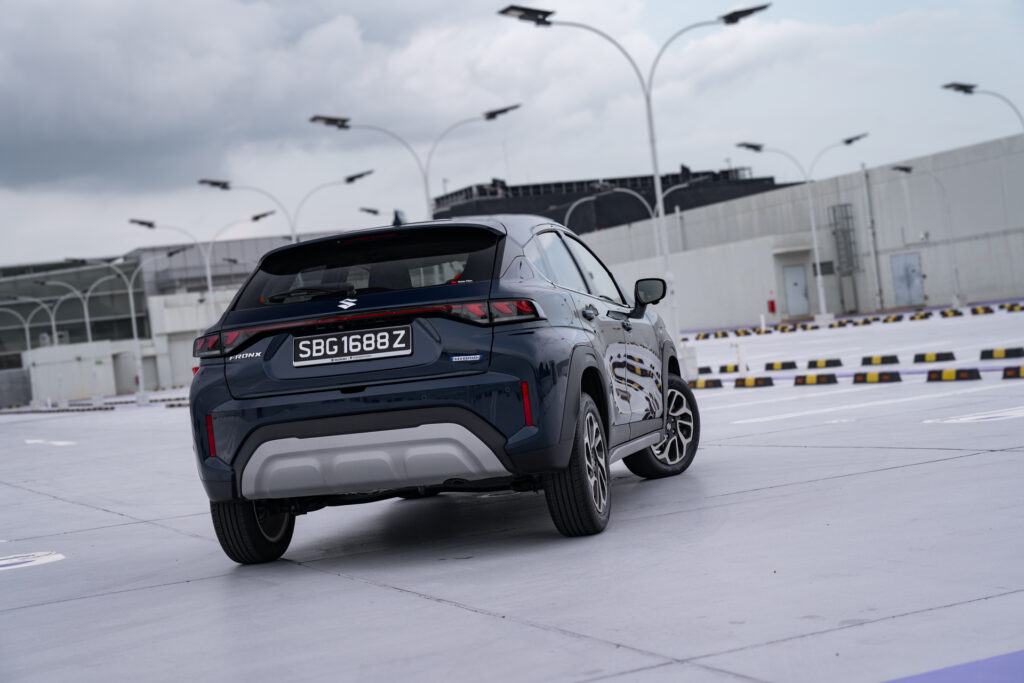
There is an honesty to it. The Fronx does not pretend to be a rugged mountain conqueror, nor does it drape itself in acres of theatrical body cladding in a desperate plea for relevance. It simply looks like a small Suzuki trying to be useful.
Suzuki still trusts buttons. Glory be.
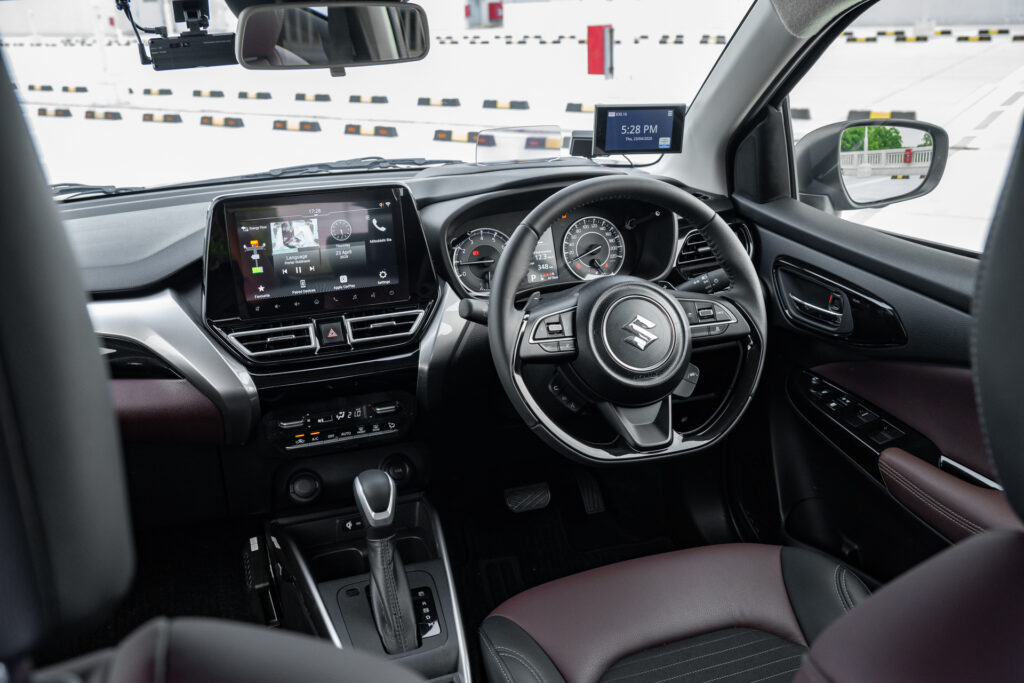
The cabin is classic Suzuki. On one hand, it looks a little dated almost the moment you climb in. On the other, it is pleasingly sensible, and in 2026 that already makes it feel mildly rebellious.
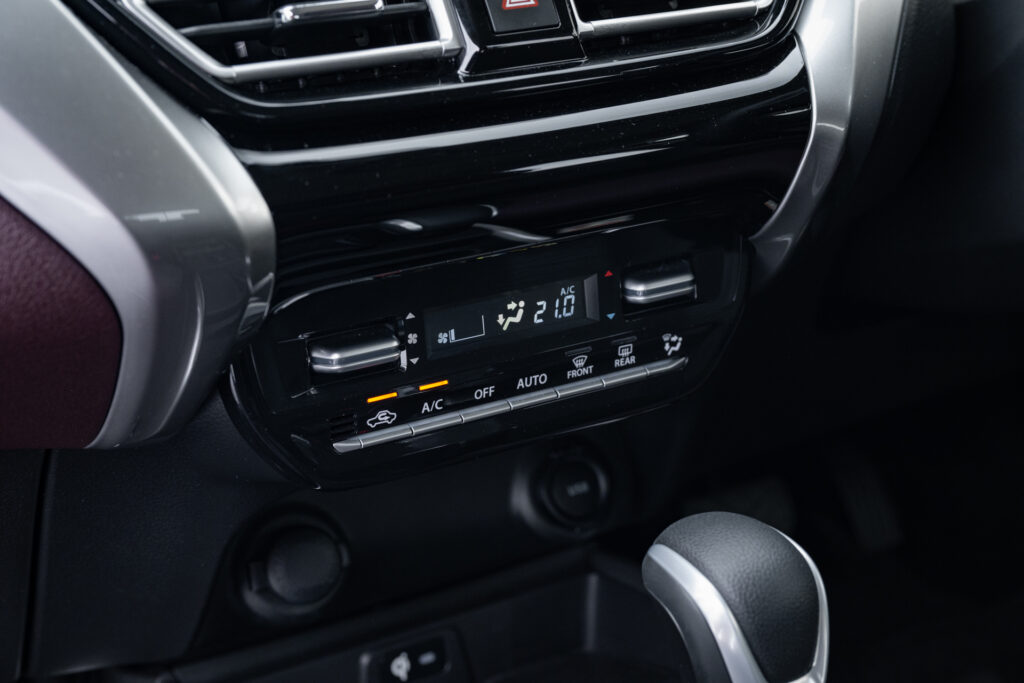
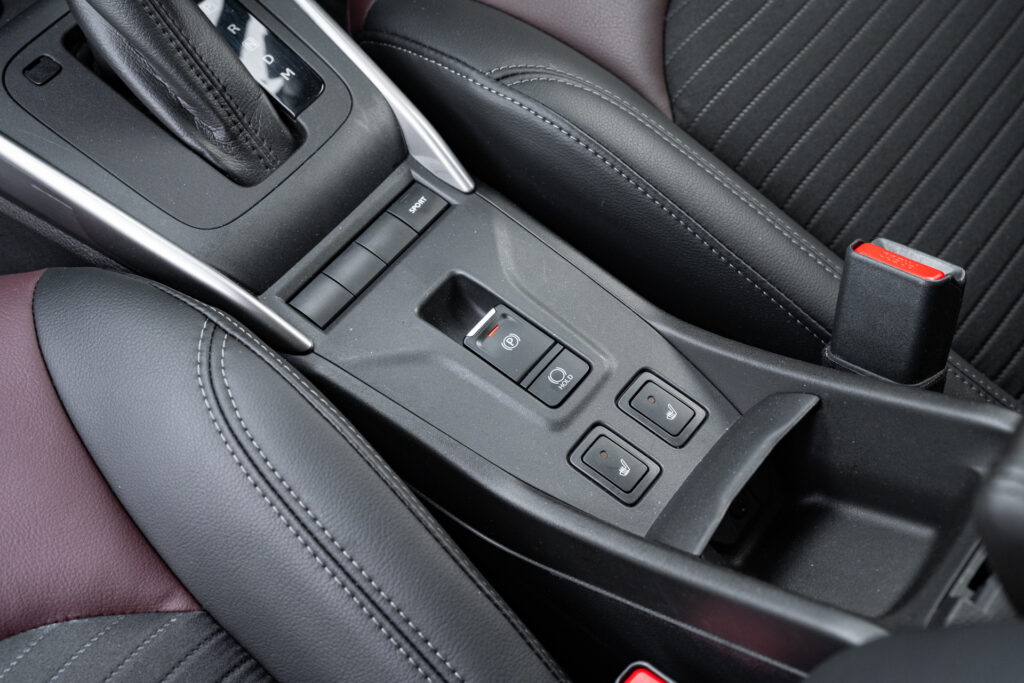
There are actual buttons for the climate controls. Real switchgear. Proper knobs. Large fonts, clear symbols, and a layout that does not require the user to have spent six months retraining as a software engineer.
Where too many rivals bury basic functions in touchscreen menus for no reason other than trend-chasing minimalism, this feels wonderfully refreshing.
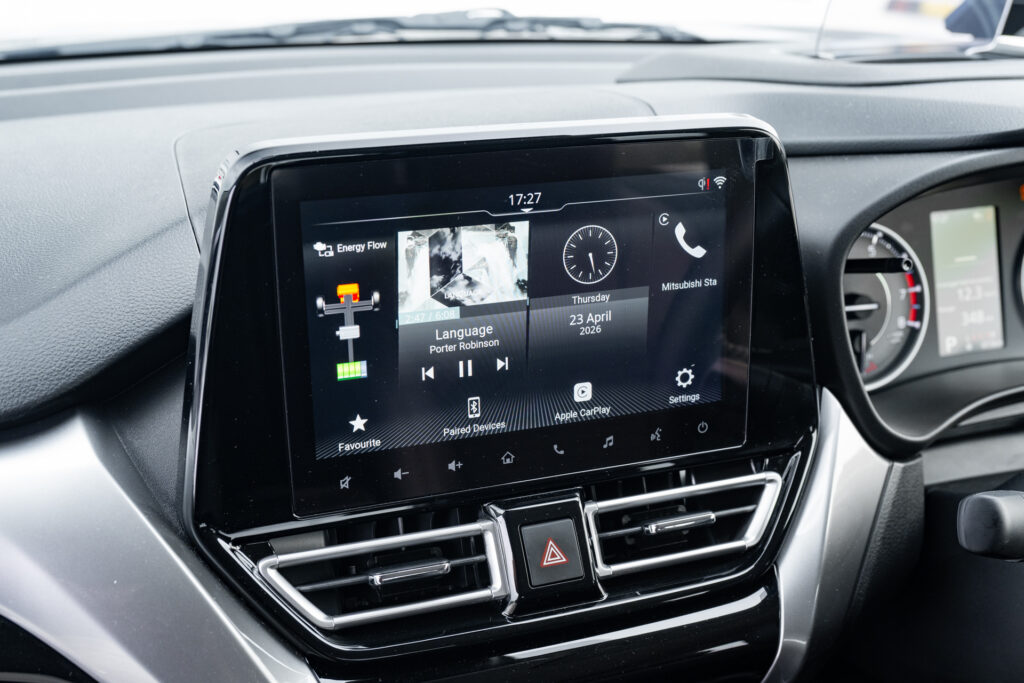
The 9.0-inch infotainment screen is a sensible size, with wireless Apple CarPlay and Android Auto. The instrument cluster is straightforward too, pairing a colour display with two clean analogue dials. No fireworks, no holograms, no nonsense. It works.
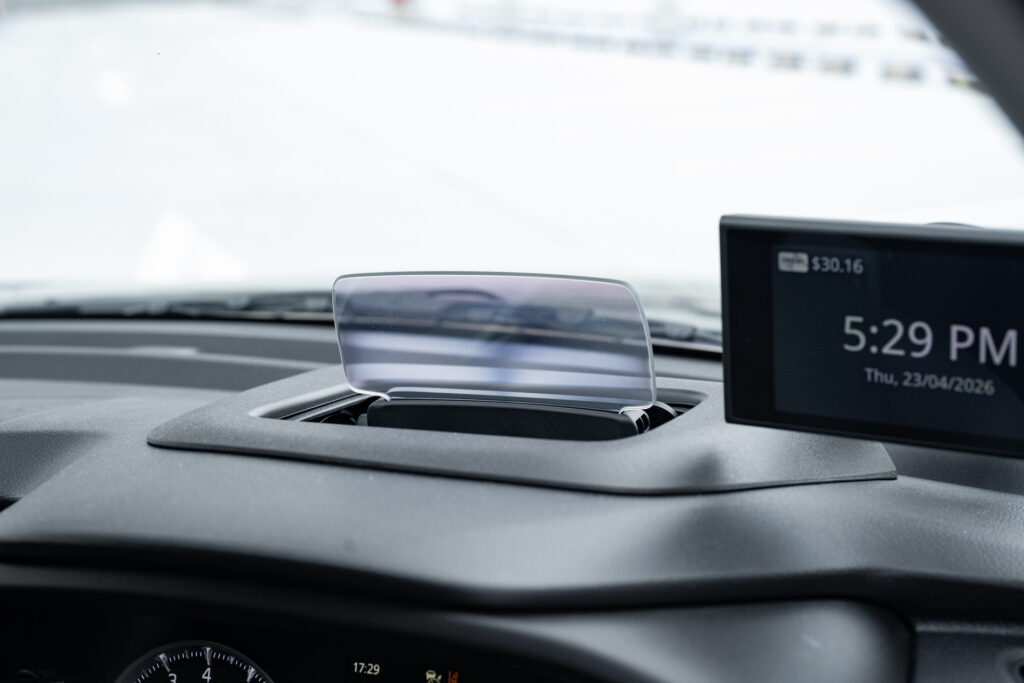
There is even a head-up display, projected onto a small plastic screen in the old-fashioned manner. Heated front seats, a wireless charger, a surround-view camera, decent cupholders, and enough storage cubbies to keep daily life under control all help the Fronx score points where it matters.
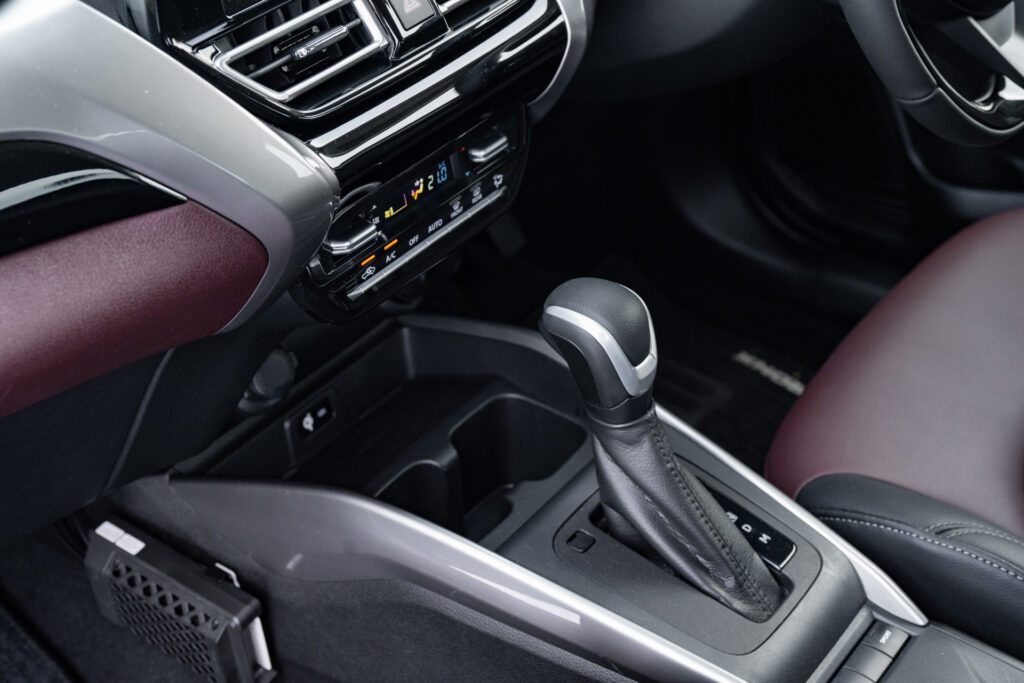
From a usability perspective, then, the interior is genuinely likeable. From a design perspective, it does feel built to a price. Much of the cabin is hard plastic, and some of the trim embellishments are not especially convincing. The glossy black and metallic-effect pieces try their best, but there is only so much theatre you can extract from a modestly priced Suzuki.
Still, it feels solidly assembled, and I would take sturdy and logical over fashionable and irritating any day of the week.
Surprisingly roomy, sensibly packaged
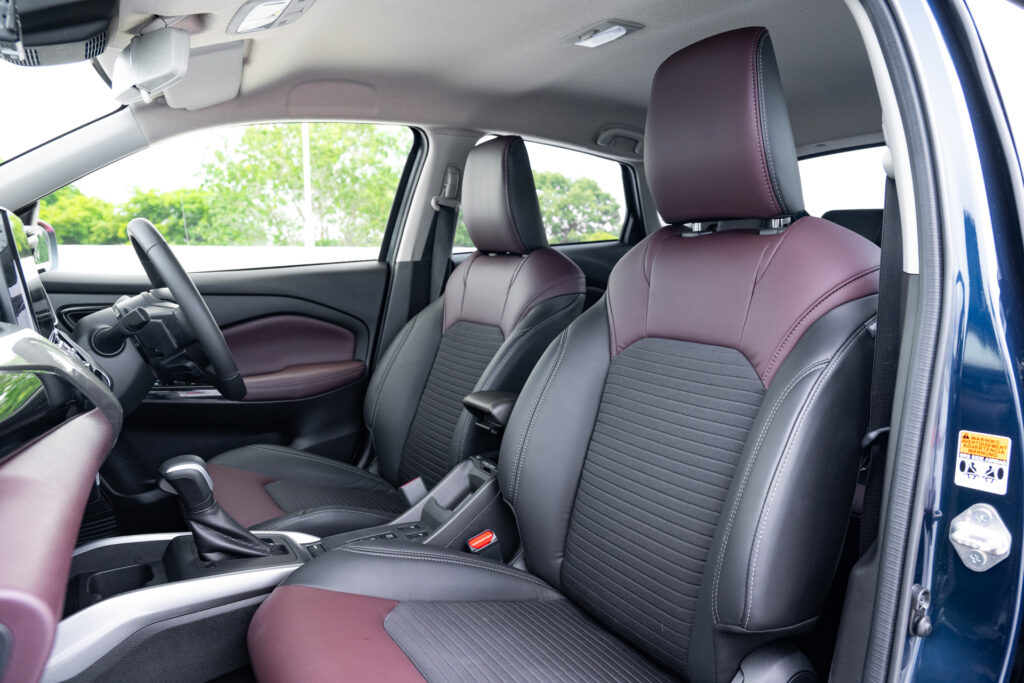
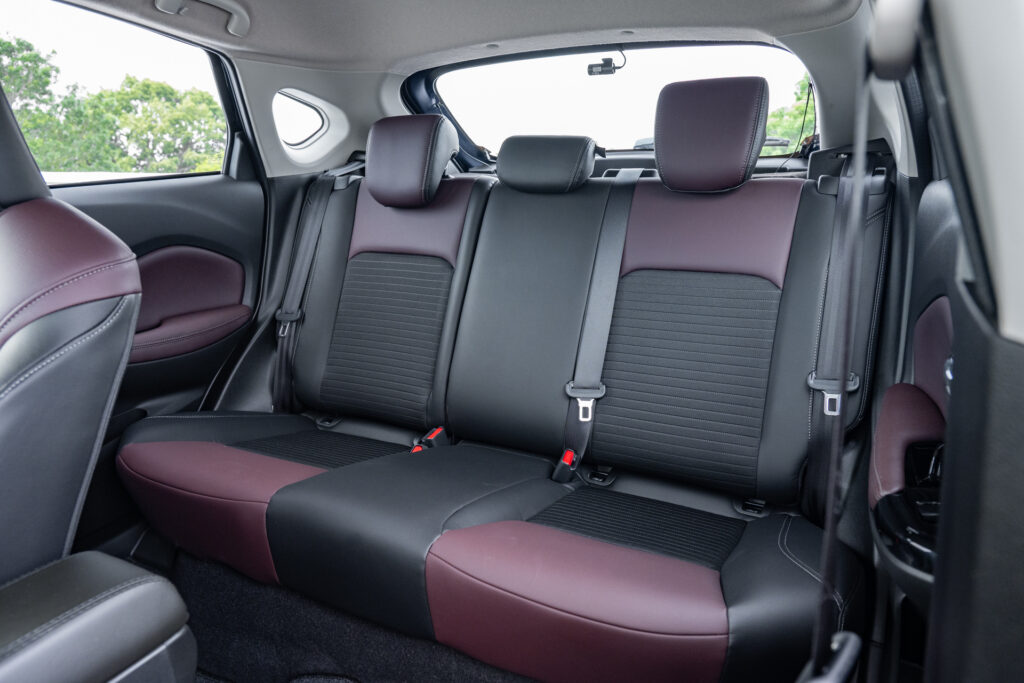
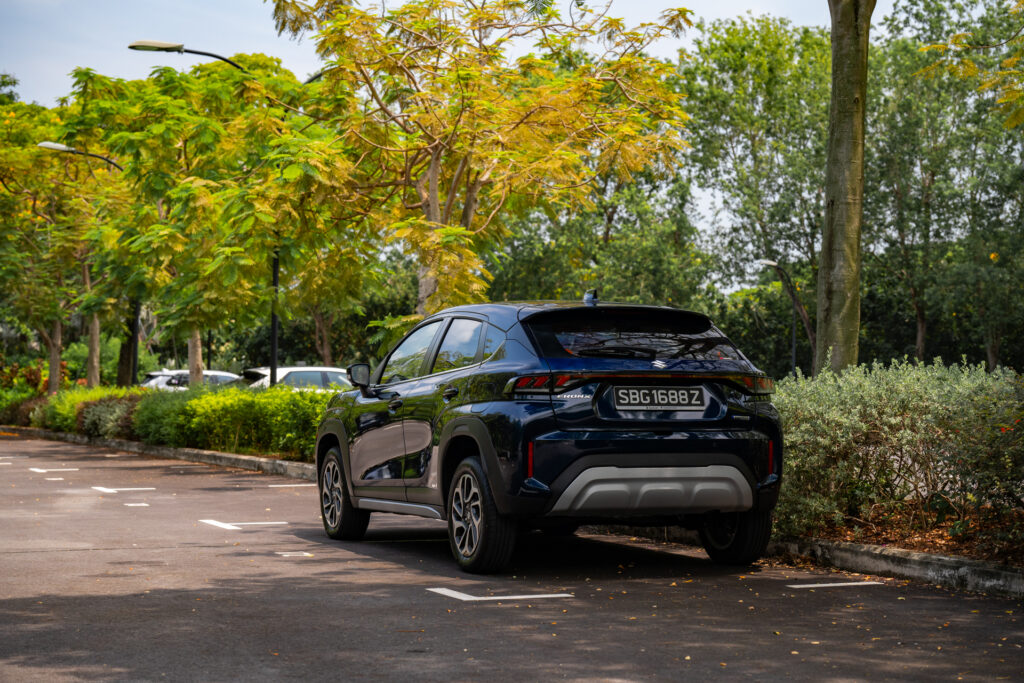
One of the Fronx’s neat tricks is how much space it manages to carve out from its compact footprint. Rear legroom is impressive for a vehicle this size, and headroom is decent too, though the tapering roofline does make the back feel slightly more enclosed than ideal.
There is no fold-down armrest and no rear air vents, but rear passengers do at least get USB ports and bottle holders. For families, there are ISOFIX points on the outer rear seats and three top-tether anchorages, which should keep the practical-minded happy.
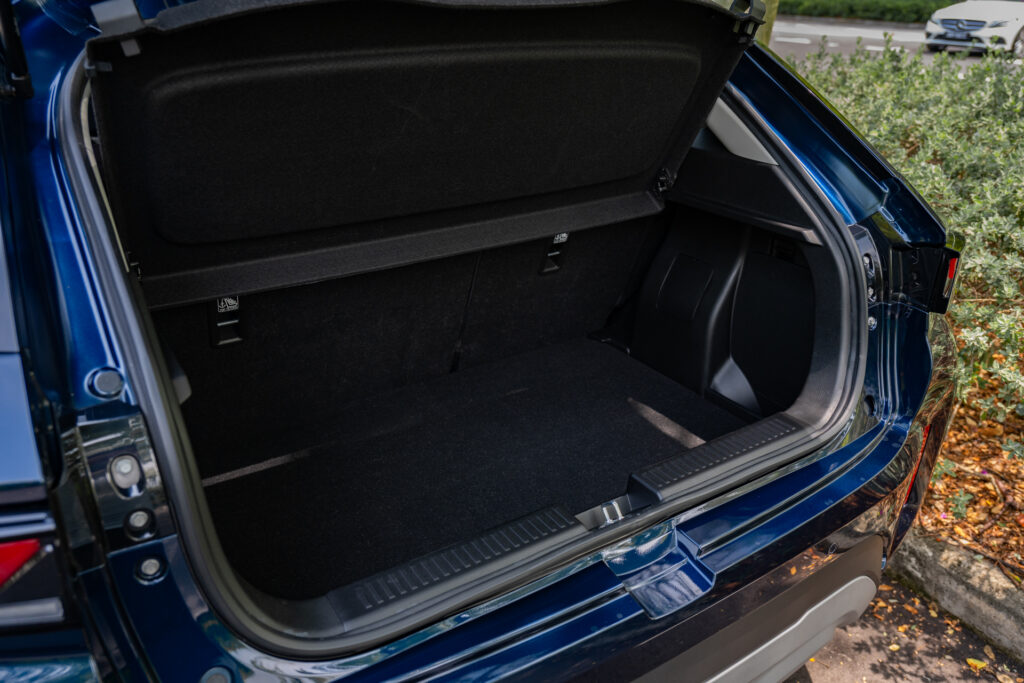
The boot is usefully shaped, and the split-folding rear seats add versatility. There is also a two-level boot floor, giving you a bit of cargo height.
The bit where it all goes slightly limp
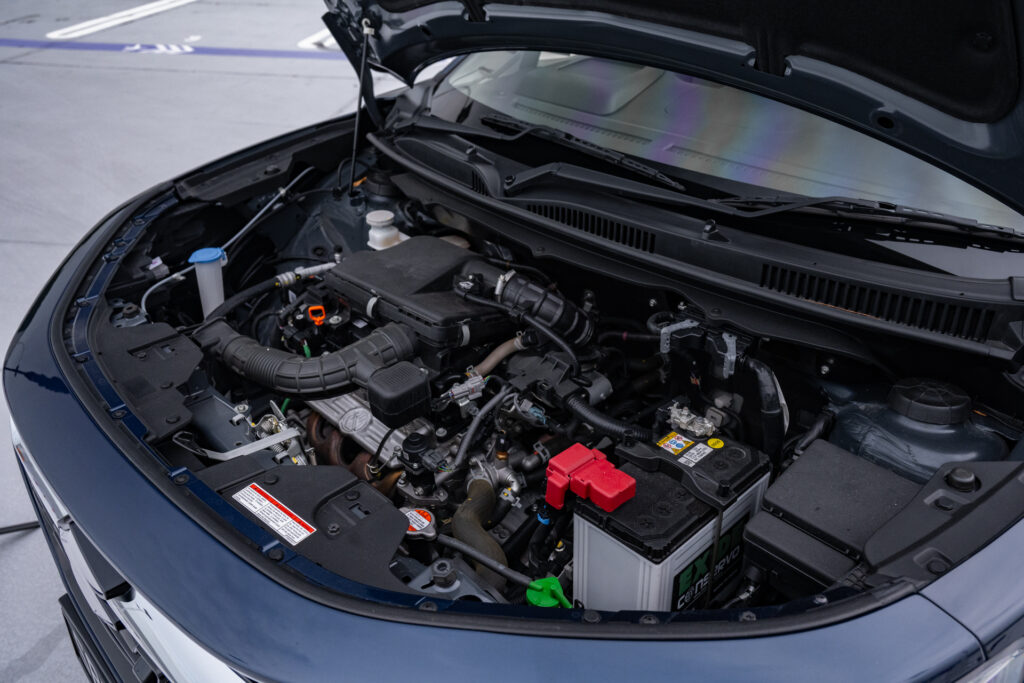
Under the bonnet sits a naturally aspirated 1.5-litre four-cylinder petrol engine paired with a mild-hybrid system. That sounds fine in theory. Sensible, efficient, straightforward. The problem is that, in practice, it is about as lively as a damp tea towel.
The mild-hybrid system does its bit. It smooths out the stop-start function nicely, and the car is reasonably efficient, returning 13.7km/litre over a mixed traffic route. Around town, it feels docile and agreeable enough.
But ask for meaningful acceleration, and the Fronx begins to protest in a strained, rather gloomy voice. It is not dangerously slow, and it will overtake when asked, but it does so with the air of a man reluctantly climbing the stairs because the lift is broken.
On steeper inclines, the lack of urgency becomes particularly obvious. Flick it into Sport mode and the engine grows noisier, but not noticeably more enthusiastic.
This is where the I miss one of Suzuki’s peppy little turbo engines. The chassis feels competent enough to handle more spirit, but the powertrain simply does not bring the conversation.
The six-speed automatic does not help much either. A CVT might have been dreary in its own way, but it may at least have kept the engine in a sweeter spot. Here, the gearbox occasionally seems unsure whether it wants to save fuel or save face.
Composed, comfortable, but not especially engaging
And yet, it would be unfair to say the Fronx is bad to drive. It is not. In fact, it is largely quite agreeable.
The suspension absorbs bumps well, and the body remains well controlled through corners. There is no excessive wallow, no silly top-heaviness, and thanks to its relatively low centre of gravity, it feels tidier than many SUV-shaped rivals.
The trouble is the steering. It is accurate enough, but there is precious little feel coming back through the wheel. It is the sort of steering setup that tells you where you are pointing, but not why you should care.
Which is a shame, because Suzuki has form here. The Vitara, for instance, has always had a bit of eagerness about it. The Fronx, by contrast, feels as though it has been instructed to behave itself at all times.
Still, one area in which Suzuki deserves praise is in the calibration of its safety systems. The lane-keep assist is gentle and unobtrusive, and the rest of the driver assistance package avoids the infuriating bing-bong hysteria that now plagues so many new cars. There is no overzealous driver monitoring system squawking at you for glancing at a mirror. For that alone, Suzuki deserves a biscuit.
Stuck at the crossroads
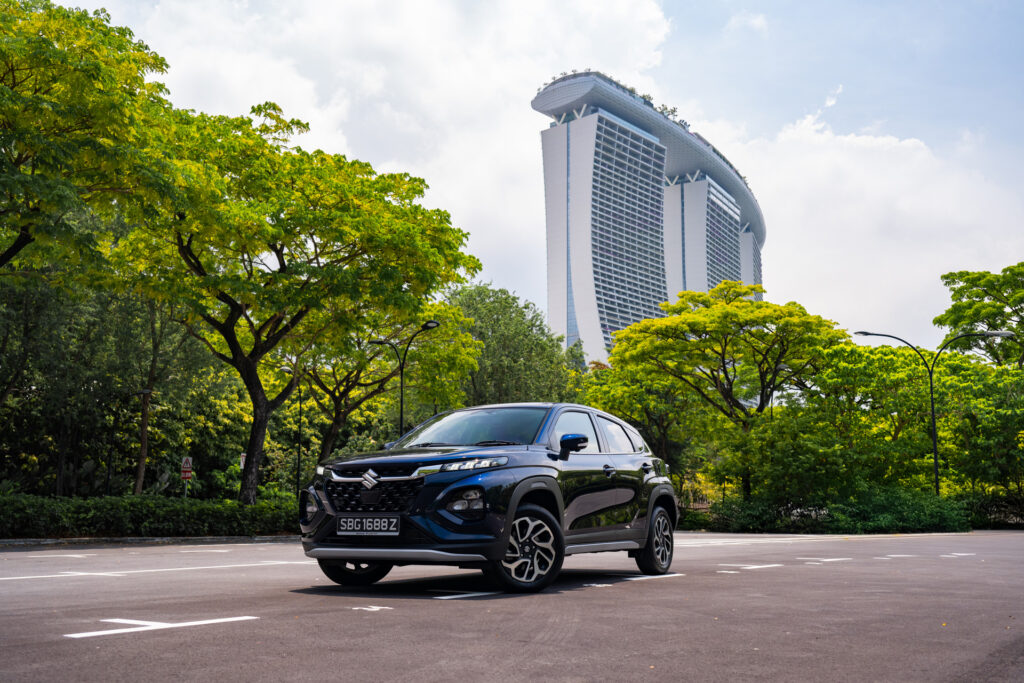
The Fronx sits in an awkward but understandable position. It is not the cheapest option in its segment, nor is it the most powerful. Rivals from newer Chinese brands will tempt buyers with more kit and more metal for less money. That is simply the reality of the market now.
But not everyone wants to gamble on an unfamiliar badge. Not everyone wants a dashboard that behaves like an iPad having a tantrum. And not everyone needs a small SUV to feel like it was tuned by a caffeinated TikTok influencer.
It feels well-built. It is easy to use. It is sensibly packaged. It has plenty of standard equipment, and its safety systems are among the least annoying in the business. It also carries Suzuki’s hard-earned reputation for reliability.
The issue is that it stops just short of being genuinely endearing. It needs more sparkle. More urgency. More of that old Suzuki cheekiness.
At present, it feels like a sensible pair of walking shoes. Dependable, comfortable, and entirely practical. But you do wish they came in a slightly better colour and with a bit more spring in the sole.
Technical Specifications
Suzuki Fronx
Engine: 1.5-litre 4-cylinder, Front Wheel Drive
Power: 101 bhp (Combined)
Torque: 137 Nm
Gearbox: 6-Speed (A)
Top Speed: 165 km/h
Fuel Tank Capacity: 37 Litres
Fuel Economy: 15.4 km/litre (claimed)
Price: $191,888 with COE
Photo Credits: Sean Loo (@auto.driven)
Read more automotive news at AutoApp, or check out our latest videos on Ignition Labs TV and on TikTok!