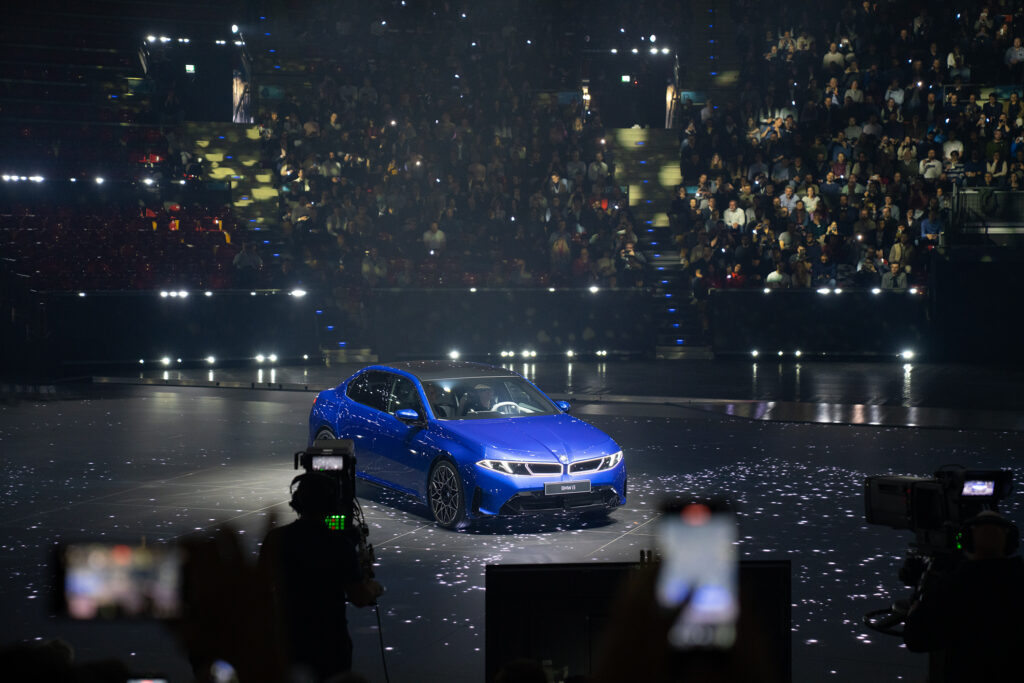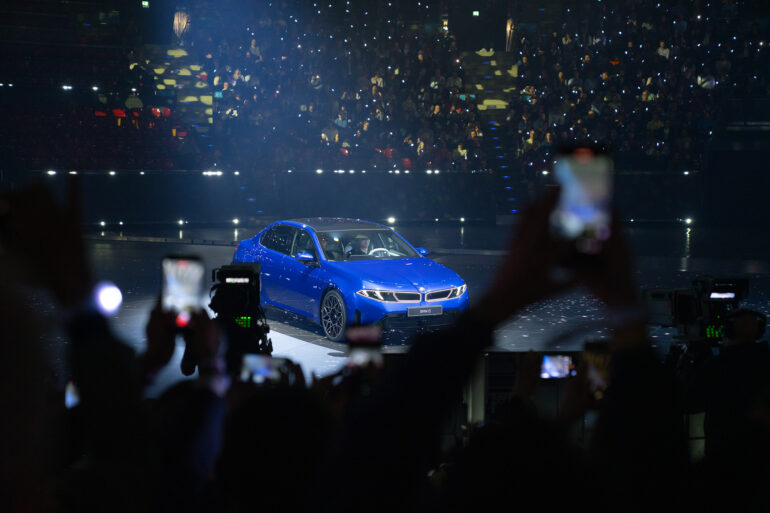
There’s a shift happening in the EV world. Yes, the Chinese brands moved early, with faster systems, better charging, and sharper digital experiences. But the new BMW i3 feels like the point where that changes, at least for the Munich-based brand.
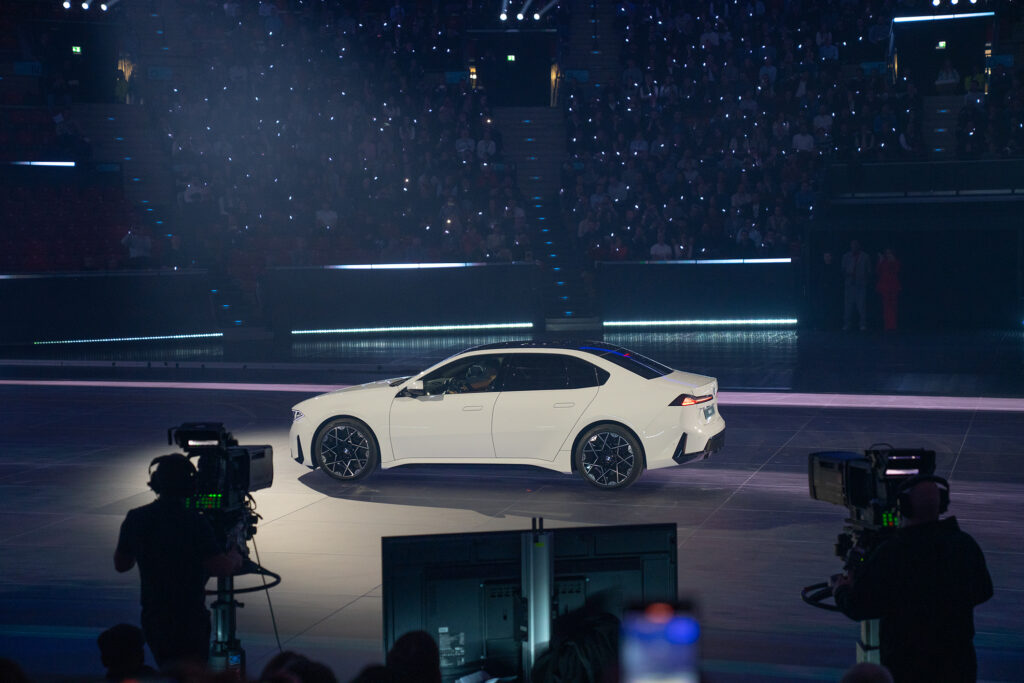
1. It’s not the first Neue Klasse car, but it’s the one that defines success
The Neue Klasse technically begins with the iX3. That’s where the platform debuts.
But the i3 is where it gets really tested. The volume seller. Because this is a 3 Series, and for five decades, the 3 Series has been the benchmark for what BMW is all about. Sporty, usable, desirable.
The i3 carries that same expectation, just in a fully electric form.
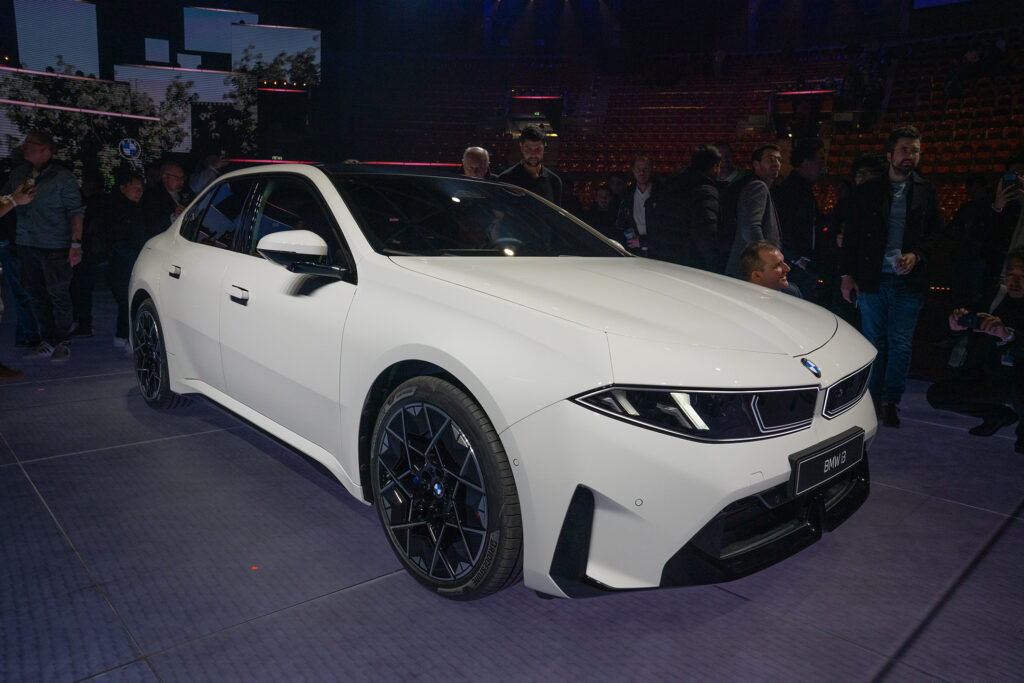
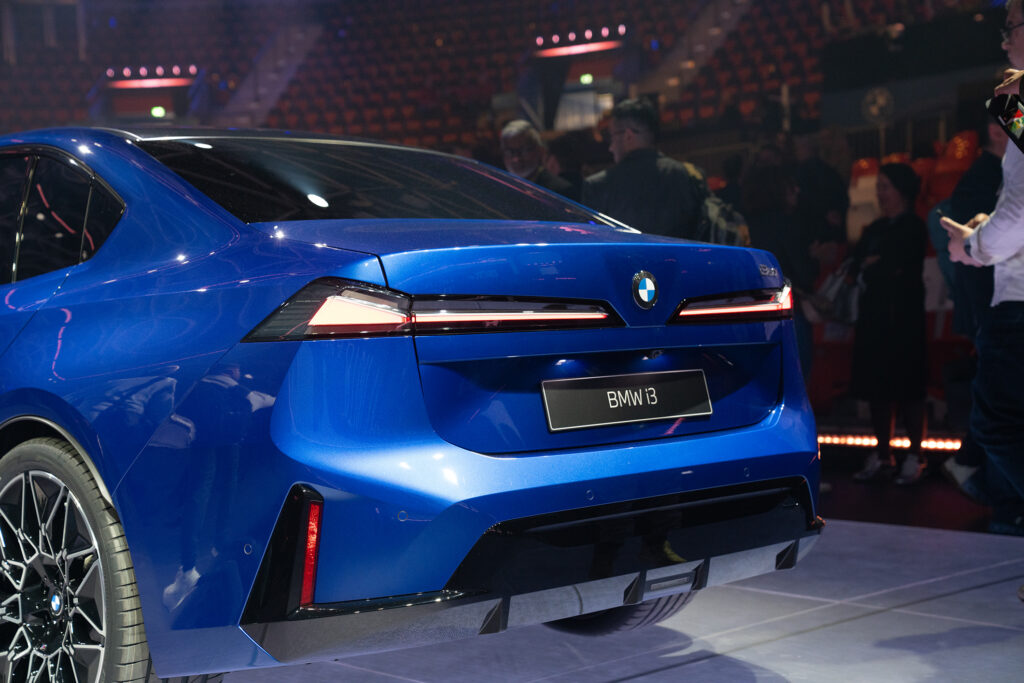
Even in its proportions, BMW has been careful. Long wheelbase, short overhangs, that familiar 2.5-box sedan silhouette. It still looks and feels like a 3 Series (we’ll see the new one in a few months’ time), just reinterpreted for a new era. If this car works, the Neue Klasse works.
2. The hardware leap is finally real, not theoretical
This is where BMW closes the gap.
The i3 runs on sixth-generation eDrive with a completely new battery concept using round cells, higher energy density, and an 800-volt architecture
The numbers tell the story:
- Up to 900 km of range
- Up to 400 kW DC charging
- 400 km of range added in 10 minutes
- Around 30% improvement in range and charging speed over the previous generation
This is BMW stepping into the same conversation as the fastest-moving EV players, particularly in China, where this level of performance is already the norm.
There’s also bidirectional charging. Vehicle-to-Load, Vehicle-to-Home, even Vehicle-to-Grid. Your car can now power your house, your devices, or feed energy back into the grid.
That’s a completely different relationship with the car.
3. BMW has rebuilt its digital brain from scratch
This might be the biggest shift of all.
The i3 introduces a new electronics architecture built around four “superbrain” computers, each handling core functions like driving dynamics, infotainment and driver assistance
The result is up to 20 times more computing power.
But more importantly, it enables a proper software-defined car.
Over-the-air updates. Continuous improvements. Features that evolve over time.
Then there’s the new BMW Panoramic iDrive.
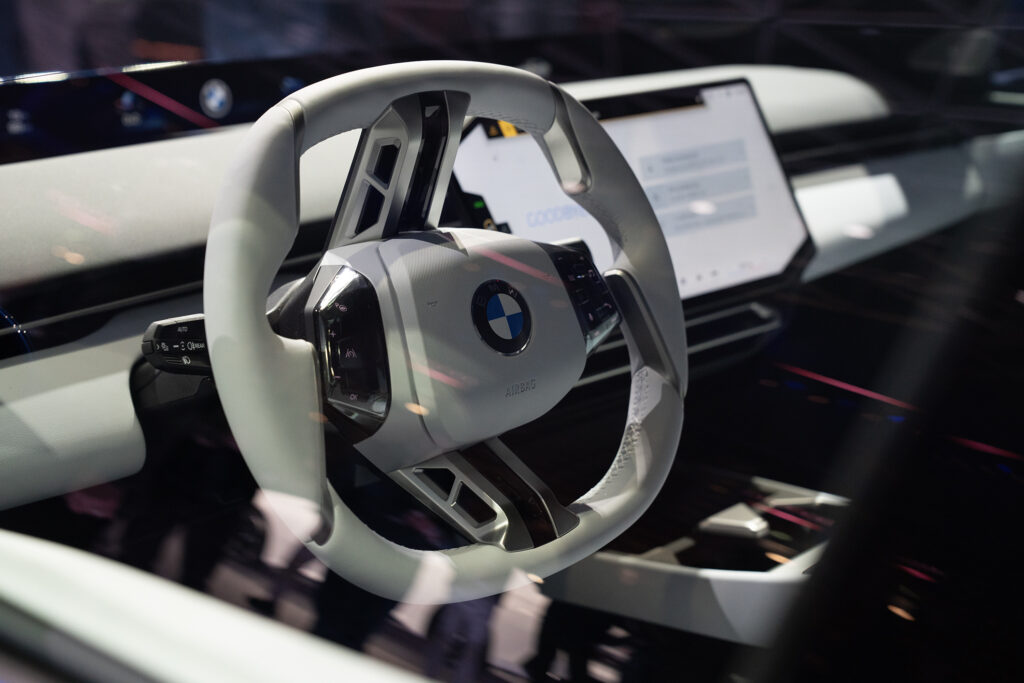
Instead of a traditional instrument cluster, information is projected across the windscreen from pillar to pillar. Paired with a 17.9-inch central display and optional 3D head-up display, it creates a layered, driver-focused interface that feels genuinely new
Even the voice assistant has been upgraded to support large language model capabilities, enabling more natural, conversational interaction.
For a brand that has historically leaned on hardware, this is a significant pivot.
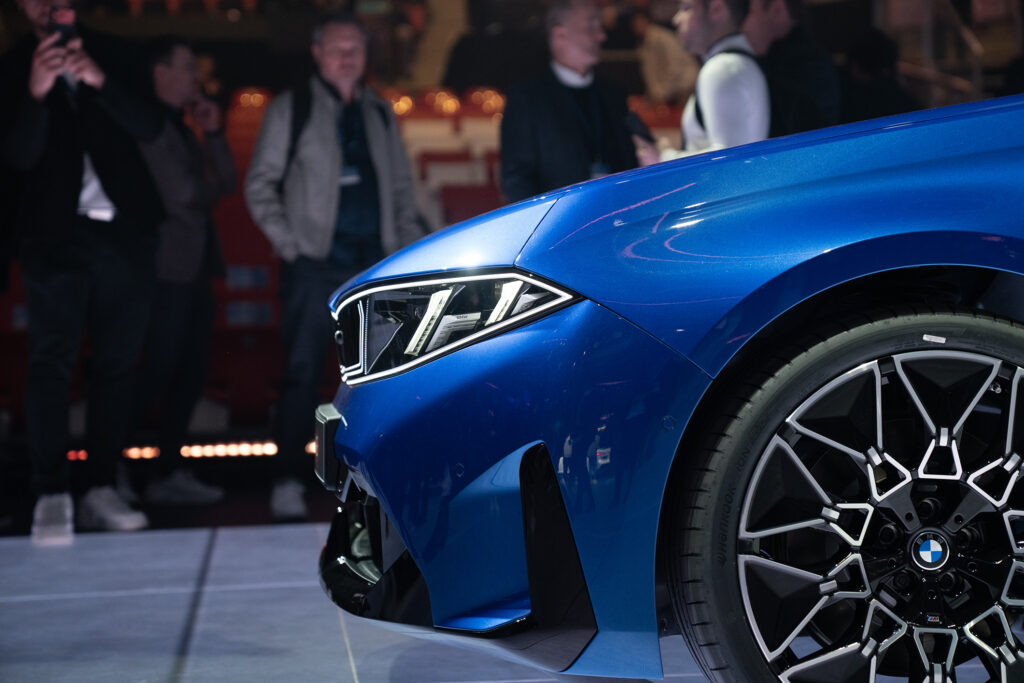
4. It redefines how a BMW EV should drive
BMW knows its reputation lives or dies by how the car drives.
So the i3 doesn’t just rely on electric torque to impress.
At the centre of it all is the “Heart of Joy”, a high-performance control unit that manages drive, braking, recuperation and steering, reacting ten times faster than previous systems
That translates to smoother inputs, more precise cornering, and a more natural flow when driving.
There’s also a proper mechanical foundation:
- Low centre of gravity from the flat battery design
- New suspension setup with a five-link rear axle
- Optional adaptive M suspension
- Dual-motor xDrive setup with 469 hp and 645 Nm
Even braking gets attention. The “Soft-Stop” system delivers what BMW claims is its smoothest stopping process ever.
Beyond the performance figures, this car restores and amplifies that sense of control and balance that made the 3 Series special in the first place.
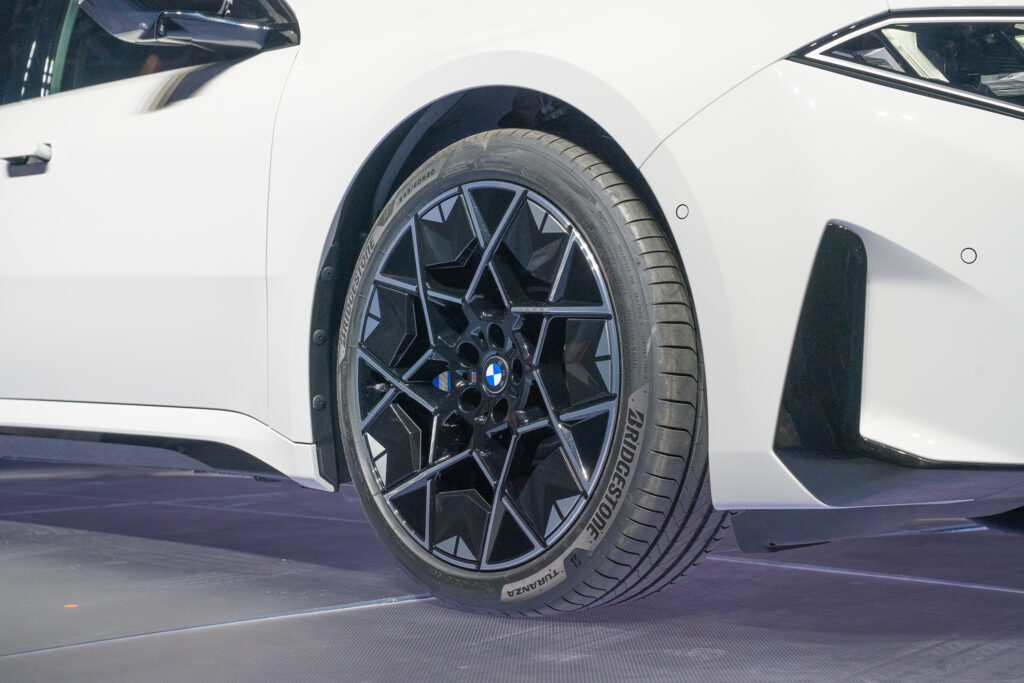
5. It shows BMW is thinking beyond just the car
The i3, with BMW’s Neue Klasse ethos, represents a shift in philosophy.
From sustainability to ownership experience, BMW is clearly widening the scope.
The car uses around 30% secondary materials, with recycled plastics, aluminium and even marine waste integrated into the build
Production is also being reworked. The Munich plant will eventually produce only fully electric Neue Klasse models.
Even charging has been rethought as an ecosystem. Intelligent route planning, automatic charging flap, battery pre-conditioning, and integration with home energy systems.
All of these point to something bigger: an entire EV experience that can finally compete with (and surpass?) what newer players have been offering for years.
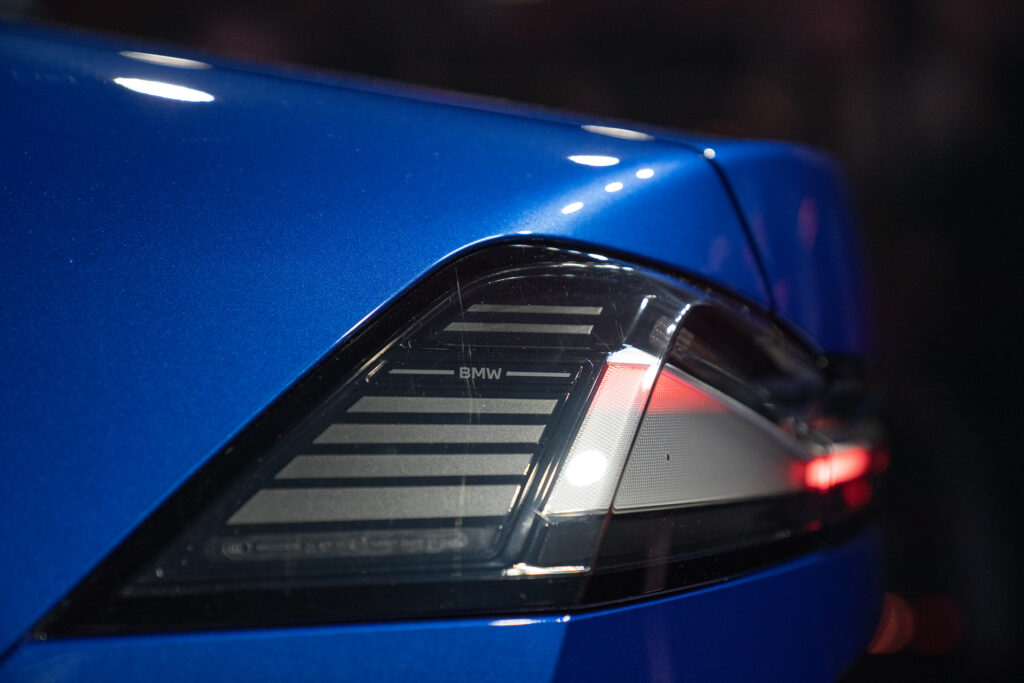
A new generation of BMW
The iX3 may introduce the Neue Klasse. But the i3 is where it becomes real. The one that needs to work not just on paper, but in everyday life.
It will pave the way for a new season for BMW, where a well-balanced offering of ICE, BEVs, xEVs, and yes, even Hydrogen-powered cars (new X5) will define the German giant for years to come.
For the first time in a while, it feels like BMW isn’t reacting to the market. It’s ready to shape it again.