The unseen part of BMW’s Neue Klasse: Why sustainability starts before the car exists
When BMW talks about the Neue Klasse, the conversation usually leans towards the obvious. Range, charging speeds, performance, and digital interfaces. The things you can see, measure, and compare.
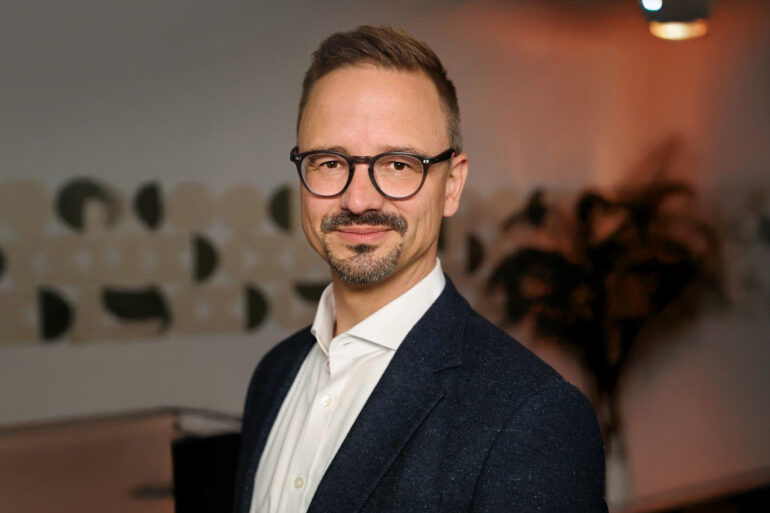
But after speaking with Nils Hesse, BMW’s Vice President for Product Sustainability, it became clear that the more interesting story begins much earlier than that.
Before the car is designed. Before the battery is engineered. It begins with what the car is made of.
Starting from the right place
One of the more striking things Hesse shared was that sustainability wasn’t added to the Neue Klasse later. It was the starting point.
“We started with sustainability in mind. It’s designed into the Neue Klasse.”
That might sound like a subtle distinction, but it changes everything. Instead of improving a finished product, BMW is deciding from the outset which materials to use, where recycled content can replace primary ones, and how to do all of that without compromising the quality expected of a BMW.
Because that’s the real challenge.
No one walks into a showroom hoping their premium car feels “sustainable”. It still has to feel right, first and foremost. But at the same time, there’s an unspoken expectation that the brand has done its thinking. And if the question ever comes up, you’d better have a credible answer.
Thankfully, Hesse has the answers.
“If you look at the i3, for example, we redesigned parts like the front bumper to reduce the number of materials, so up to 85% is made from the same material, making it much easier to recycle.”
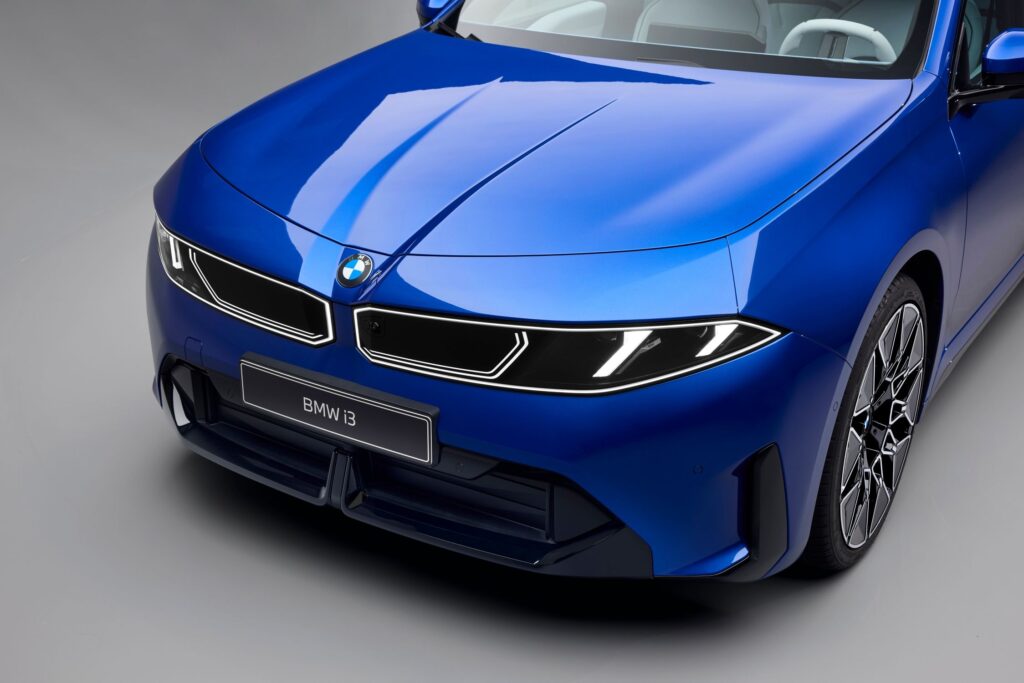
Like the front bumper, you’re unlikely to think about secondary aluminium being used across key components, or the growing use of recycled materials throughout the car.
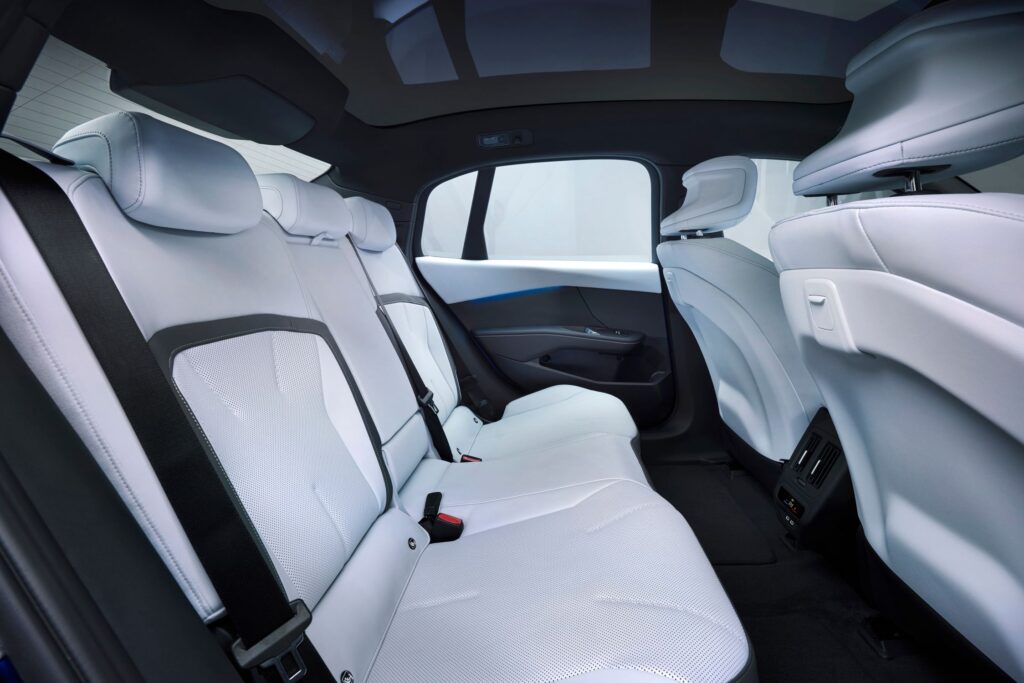
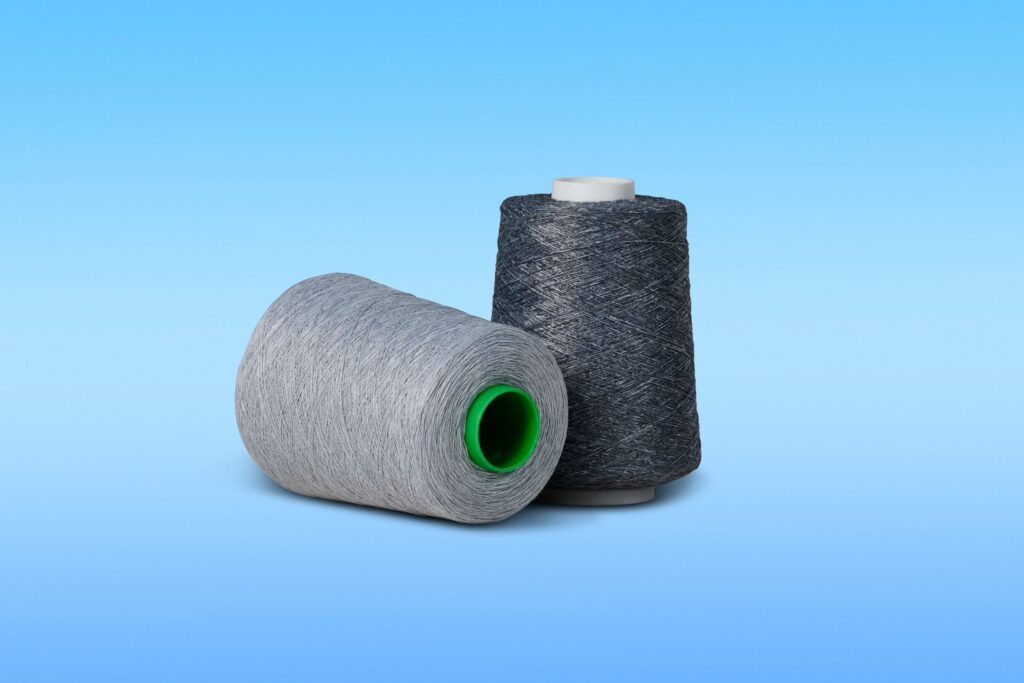
Even inside, with seat materials made from recycled PET or alternative upholstery options depending on market preferences, the expectation is simple.
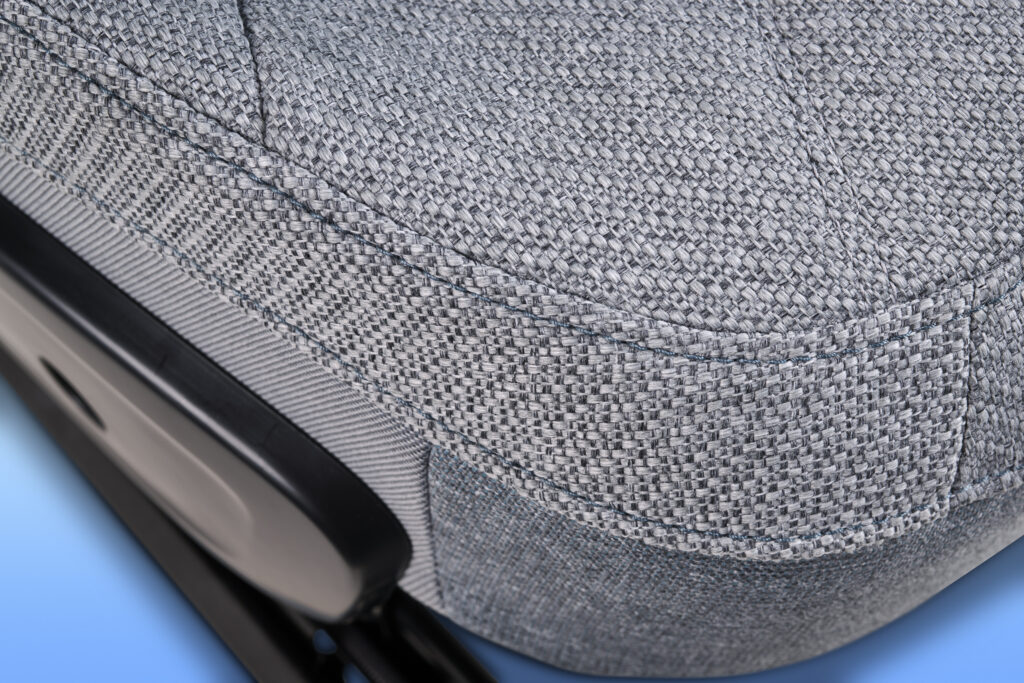
Yet, it should still feel like a BMW, and that’s the point. When sustainability is done well, it shouldn’t feel like a feature. It should feel normal.
The reality of cost and commitment
Of course, there’s a practical side to all this. Sustainability isn’t always cheaper, and Hesse is candid about it.
“It’s a mixed calculation; sometimes you have to pay more to reduce CO₂ emissions. But overall, it’s an investment.”
That word, investment, reframes the conversation, giving it a long-term perspective. This is no longer just about doing the right thing in the moment, but more about building resilience, reducing reliance on raw materials, and preparing for a future where these choices are no longer optional.
It’s easy to assume that the future of its sustainability begins and ends with electric vehicles.
But BMW’s approach goes further than that.
While EVs bring added focus on reducing the footprint of battery cells, much of the car is still made up of steel and aluminium. Those materials are being rethought across all drivetrains, not just electric ones.
“It doesn’t really matter which drivetrain you’re looking at. We’re applying the same sustainability measures across all models.”
This is a reminder that sustainability isn’t tied to a powertrain but the entire product.
From headline to expectation
Perhaps the most telling shift is in how sustainability is perceived.
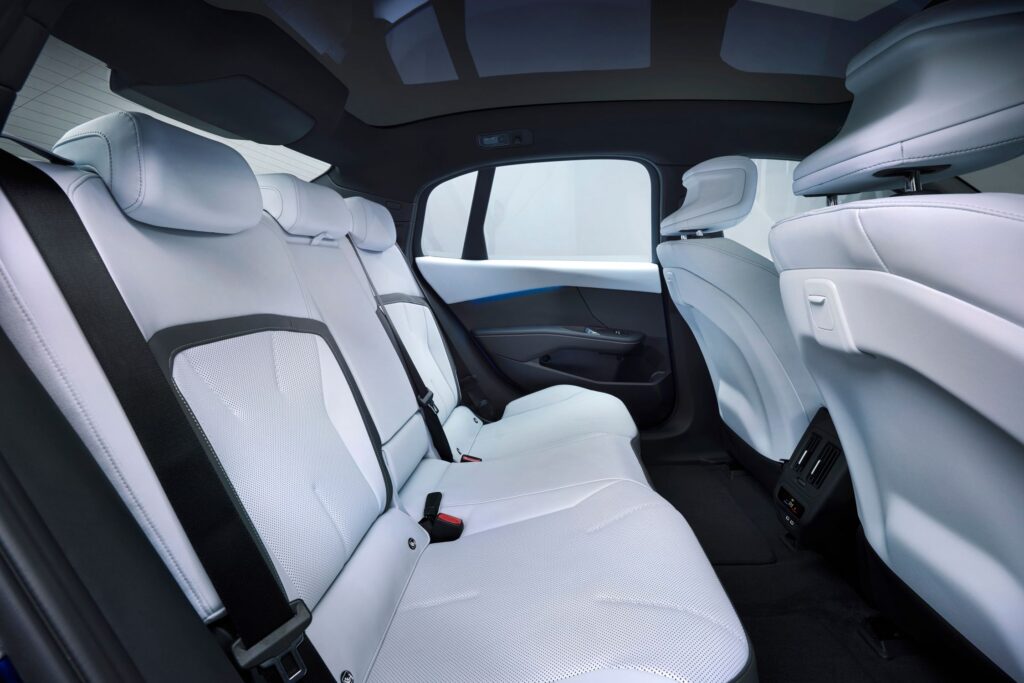
A few years ago, it was something brands highlighted. Something new, something worth pointing out. Today, it’s becoming expected.
“The customer of a premium product expects the product to be sustainable, but it’s not the main reason to buy it.”
That’s why it doesn’t dominate the headlines around cars like the i3 or iX3. Not because it isn’t important, but because it’s becoming assumed.
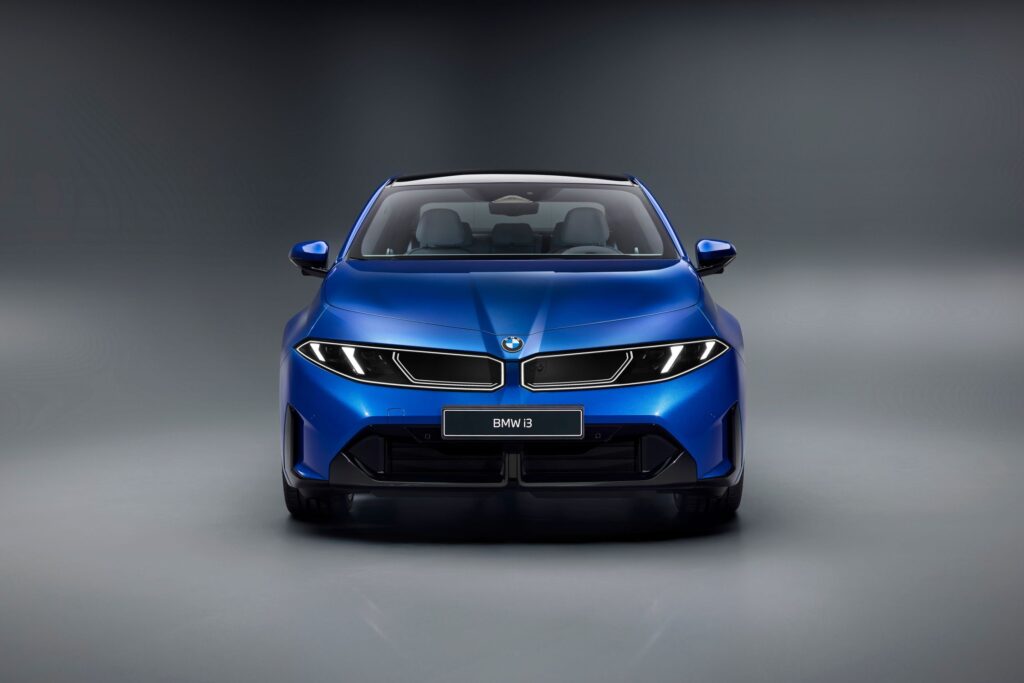
BMW sees the iX3 as the starting point. A pilot. What comes next, including the i3, is about scale.
“Scaling beats pilots, we’re not talking about it, we’re doing it.”
The Neue Klasse approach, yes, with all its tech and dynamics, along with the sustainability efforts, will be applied to 40 models across the range. It would seem that the true difference lies in scale.
It’s one thing to build a sustainable car. It’s another to make every car more sustainable.
WATCH THE DEEP DIVE BELOW: