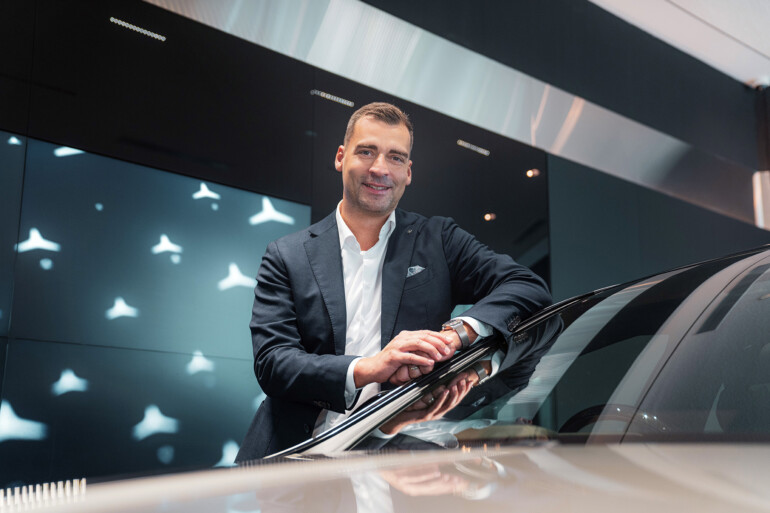
As the Singapore automotive industry undergoes one of its most significant transformations in history, Mercedes-Benz is preparing for one of the largest product offensives the company has ever undertaken.
For Mercedes-Benz Singapore, the coming years will see a substantial expansion of both its combustion-engine and electric vehicle line-up, accompanied by new digital technologies, upgraded customer touchpoints and a renewed emphasis on ownership experiences.
Leading this charge is Marcel Luis Mustelier Perez, President and CEO of Mercedes-Benz Singapore, who believes the brand’s future success will be defined not only by the vehicles it introduces, but by how customers experience the brand throughout their ownership journey.
Speaking to AutoApp, Marcel outlined how the company intends to navigate a rapidly changing automotive landscape while remaining true to the engineering, craftsmanship and innovation that have characterised Mercedes-Benz for more than 140 years.
One of the Largest Product Offensives in Mercedes-Benz History
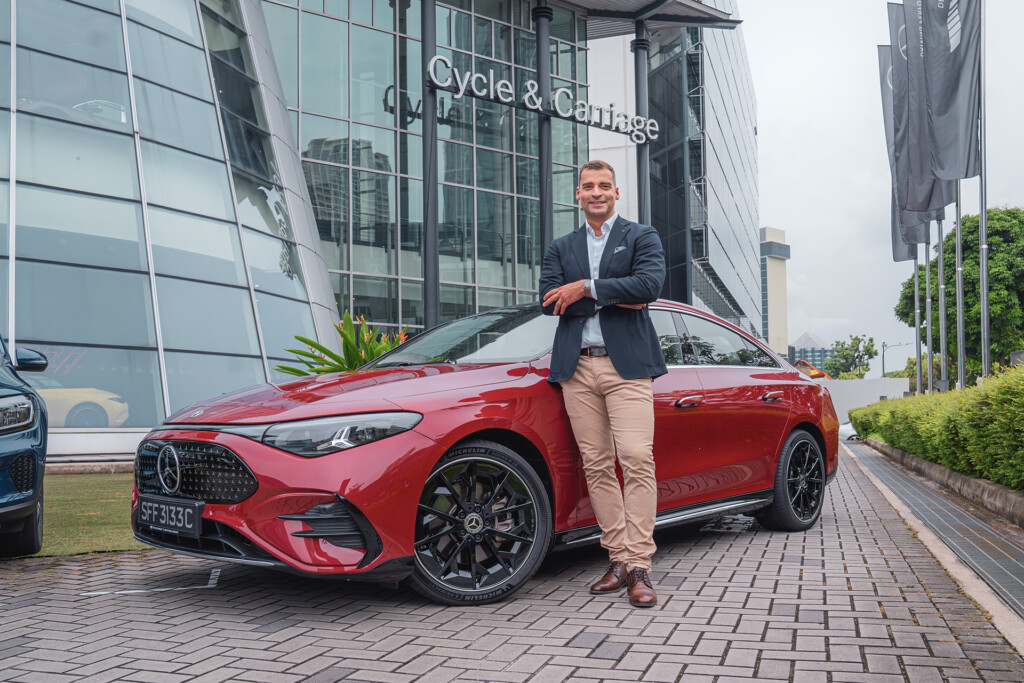
According to Marcel, the scale of product development currently underway is unprecedented for the brand.
Mercedes-Benz plans to introduce approximately 16 new models spanning 2026 and 2027. The initiative represents years of investment and planning, much of which was accelerated during the COVID-19 period as the company increased its commitment to research and development.
While Mercedes-Benz has repeatedly reinvented itself throughout its history, Marcel believes the magnitude of today’s transformation is unlike anything the company has experienced before.
“The way technology evolves, the way powertrains evolve and the expectations of customers are changing at a pace that requires us to move faster than ever.”
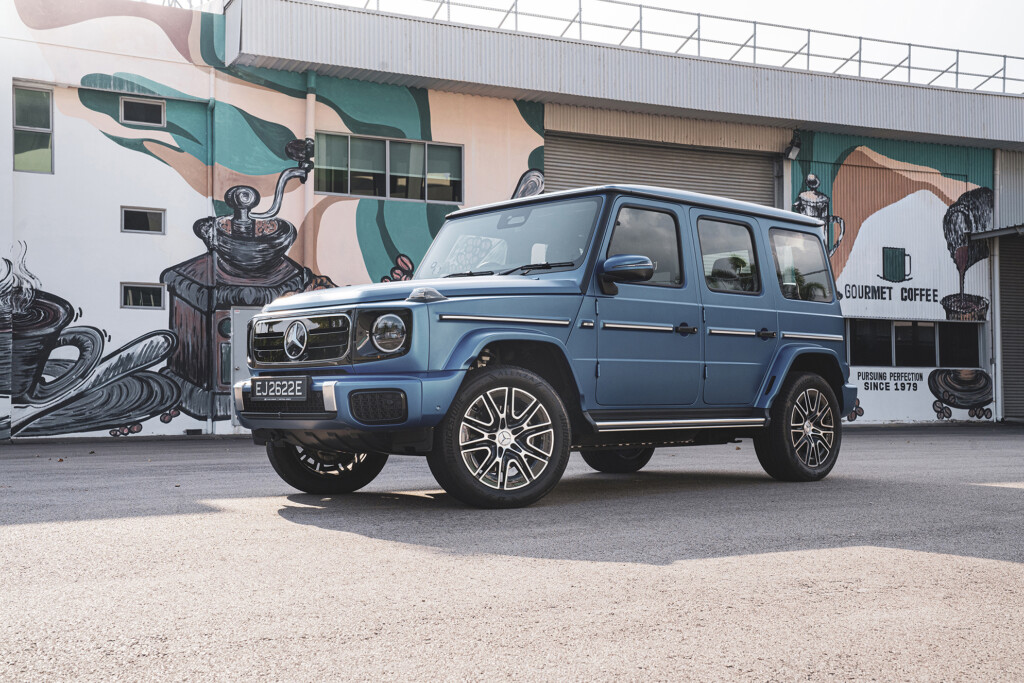
The core of this product offensive are three strategic priorities.
The first is electrification. Mercedes-Benz intends to further strengthen its position in the electric vehicle segment, introducing a new generation of battery-electric products while maintaining customer choice.
By the end of the decade, customers across the Mercedes-Benz portfolio will have ample choices for both electric and combustion-engine powertrains.
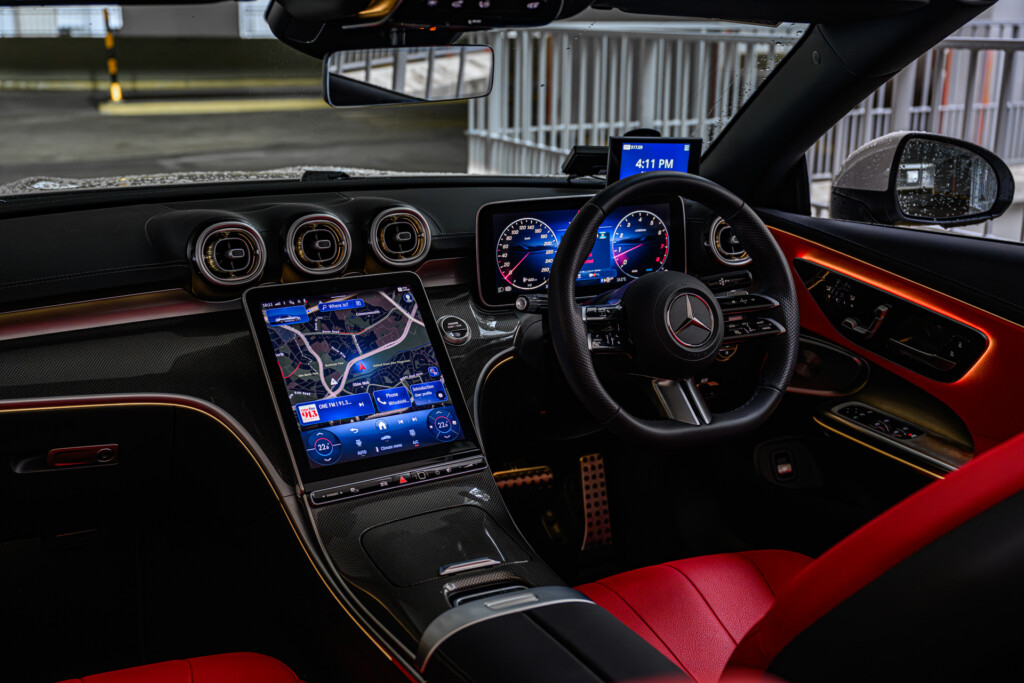
The second priority is reinforcing the brand’s leadership in technology and innovation. Marcel noted that future vehicles may require shorter development cycles and more frequent updates to remain competitive throughout their perceived lifecycle.
The third pillar centres on software-defined vehicles. Future Mercedes-Benz models will increasingly be powered by the new Mercedes-Benz Operating System, enabling enhanced connectivity, over-the-air updates and readiness for future technologies such as higher levels of autonomous driving when legislation permits.
“Our strategy is not only about today’s generation of vehicles. It is to also ensure our cars are prepared for the technology leaps that are coming next.”
Creating a ‘Welcome Home’ Experience
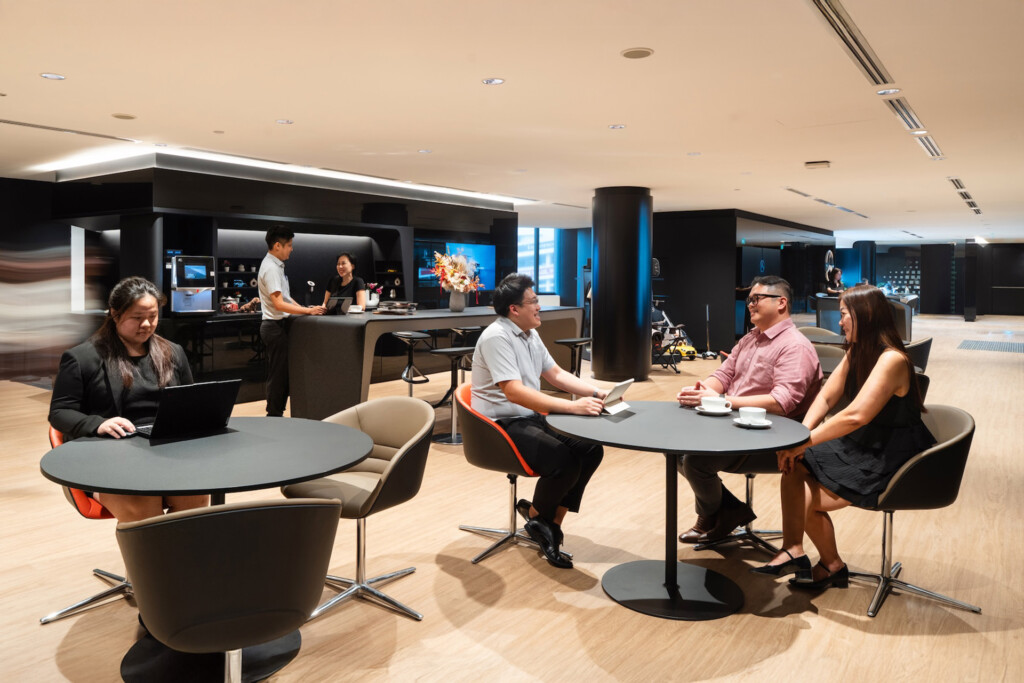
While new products remain important, Marcel believes customer experience will be an equally critical differentiator in the premium automotive segment. Internally, Mercedes-Benz refers to this philosophy as “customer excitement” rather than customer service.
For Marcel, the relationship between customers and Mercedes-Benz extends far beyond the point of purchase.
This philosophy has given rise to a new customer-centric approach built around the concept of “Welcome Home”, an idea intended to create a seamless and consistent experience across every interaction with the brand, from online browsing and vehicle purchases to ownership, servicing and repeat purchases.
The company continuously measures customer feedback across multiple touchpoints, recognising that a single poor experience can undermine an otherwise positive ownership journey.
“What matters is consistency. Everything must feel cohesive and designed around the customer.”
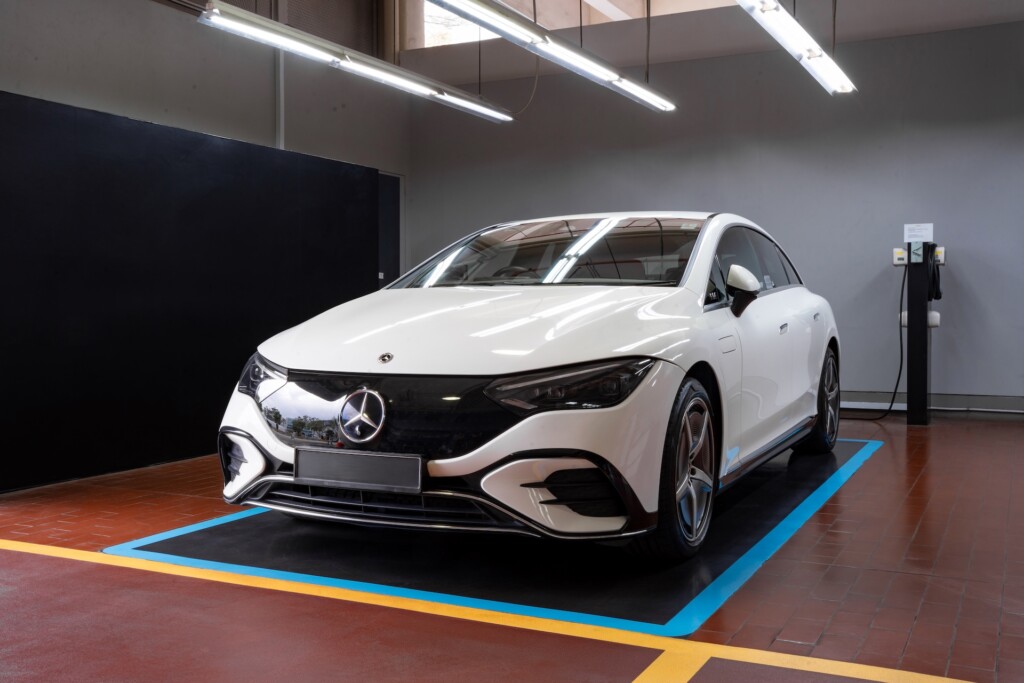
To achieve this, Mercedes-Benz Singapore is introducing several new initiatives.
One example is MB.CHARGE Public, which consolidates access to thousands of charging points into a single application. Customers can view pricing upfront, manage charging sessions and eventually access cross-border charging services between Singapore and Peninsular Malaysia without requiring separate accounts or applications.
The company is also expanding concierge test-drive programmes, allowing prospective customers to experience vehicles at locations convenient to them rather than requiring visits to a showroom.
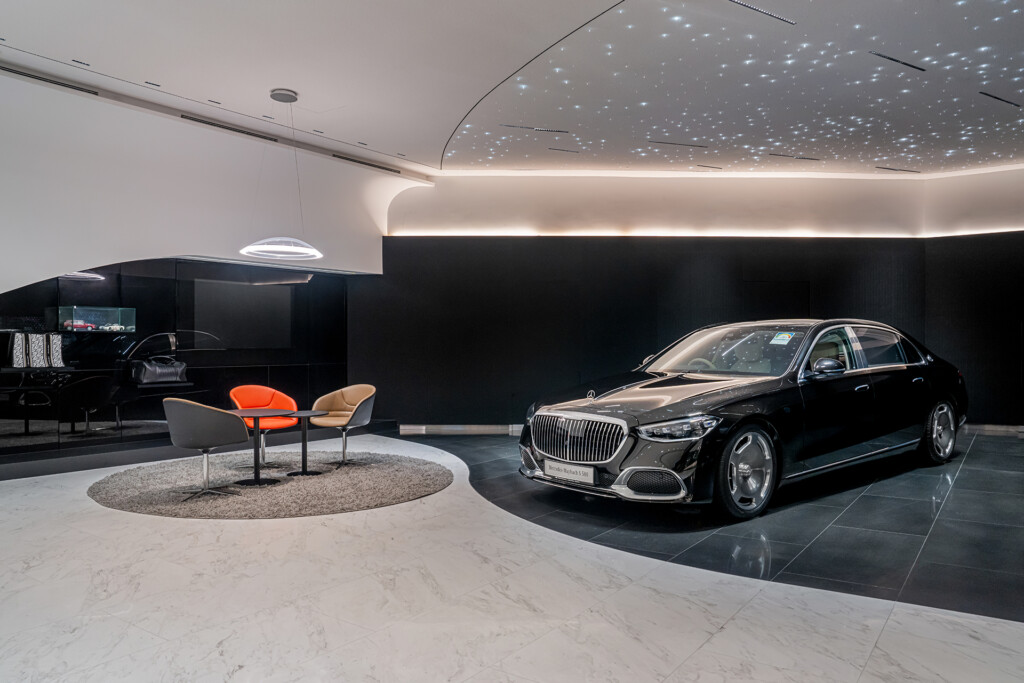
For owners of higher-end models, the Exclusive Lounge further enhances personalisation opportunities through an expanded range of bespoke colours, trims and finishes.
These initiatives, Marcel said, are designed to create what he calls “magic moments”, unexpected experiences that exceed already high customer expectations.
Understanding the Singapore Buyer
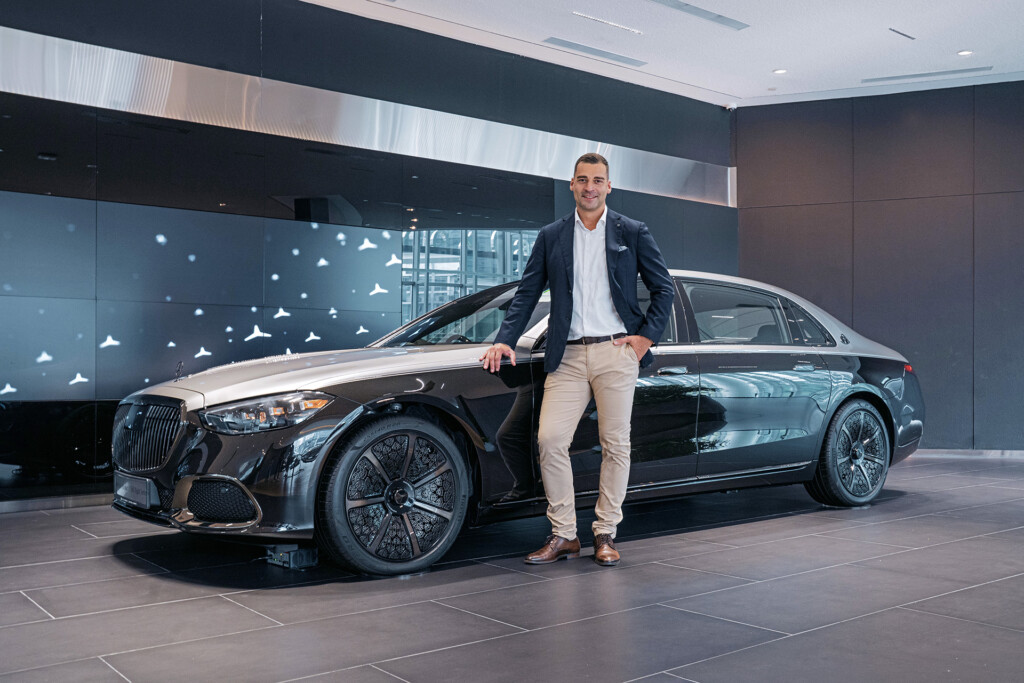
Despite global trends influencing vehicle development, Marcel emphasised that Singapore remains a unique market with its own priorities.
Singaporean buyers, he noted, strongly appreciate Mercedes-Benz’s traditional strengths in engineering, design, craftsmanship and innovation. However, they are also among the most value-conscious premium car buyers in the world.
Given the significant costs associated with vehicle ownership in Singapore, customers place considerable importance on long-term value, residual values and aftersales support.
Trust, therefore, plays a central role in purchasing decisions.
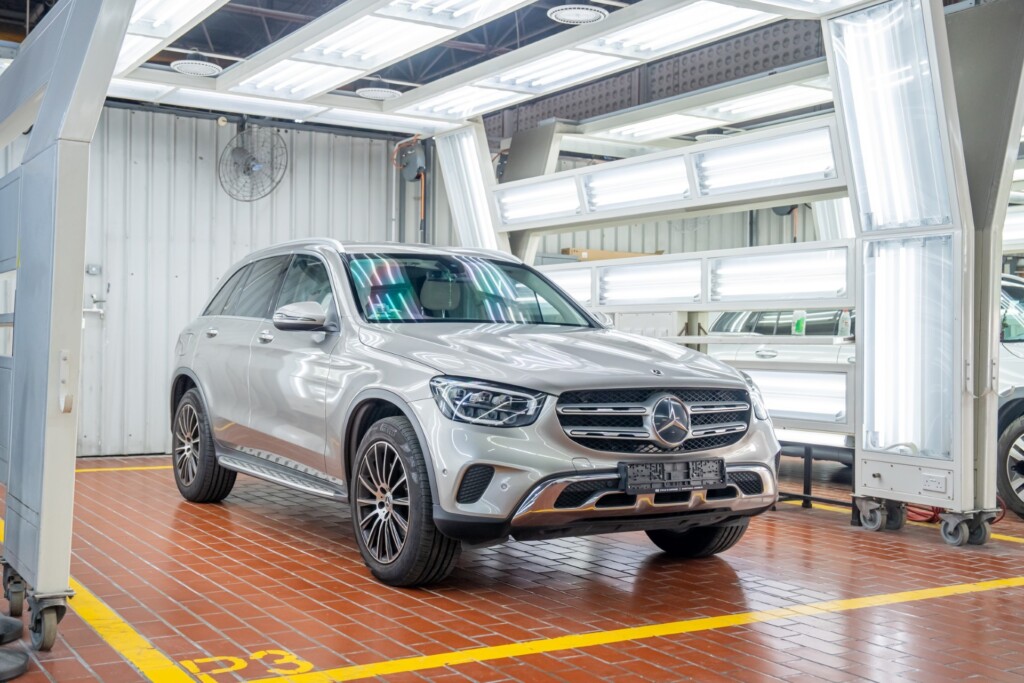
Mercedes-Benz benefits from a strong reputation for long-term ownership support, particularly as customers consider newer technologies such as electric vehicles and advanced driver-assistance systems.
Safety is another area where Marcel believes the brand’s reputation remains a key advantage. As autonomous driving technologies become more sophisticated, Singaporean customers continue to place a high level of trust in Mercedes-Benz’s engineering standards and testing processes.
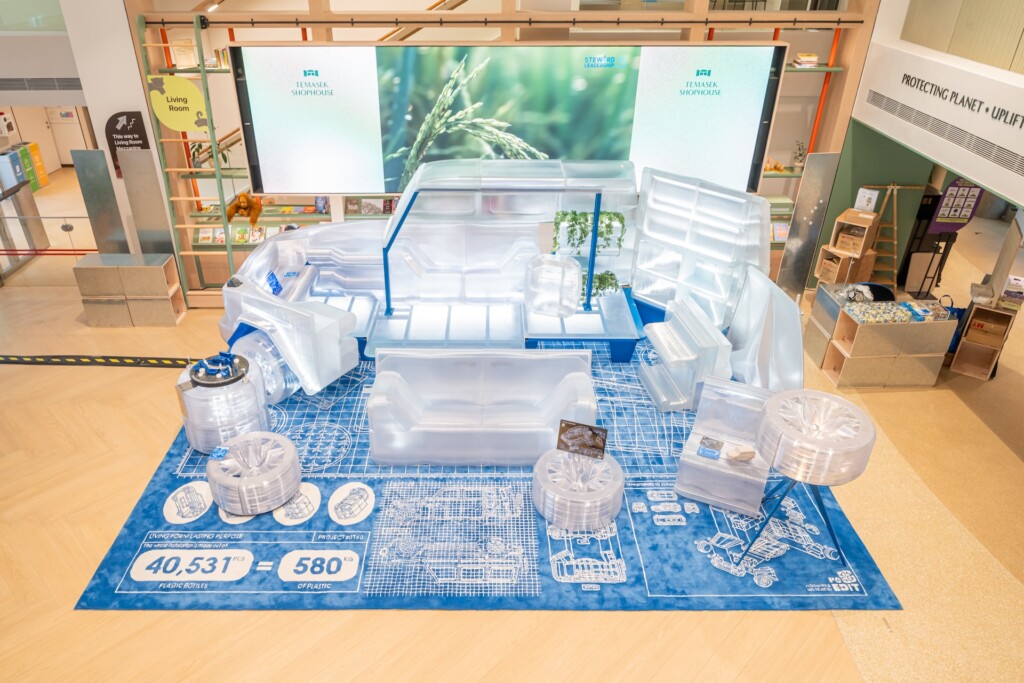
At the same time, sustainability has become an increasingly important consideration.
Marcel highlighted Mercedes-Benz’s Ambition 2039 initiative, which aims to achieve net carbon neutrality across the company’s value chain. He stressed that sustainability extends beyond electrification and includes manufacturing processes, renewable energy adoption, logistics and supplier commitments.
“I think customers increasingly recognise that sustainability is about much more than simply introducing electric vehicles.”
Defining Success Beyond Sales
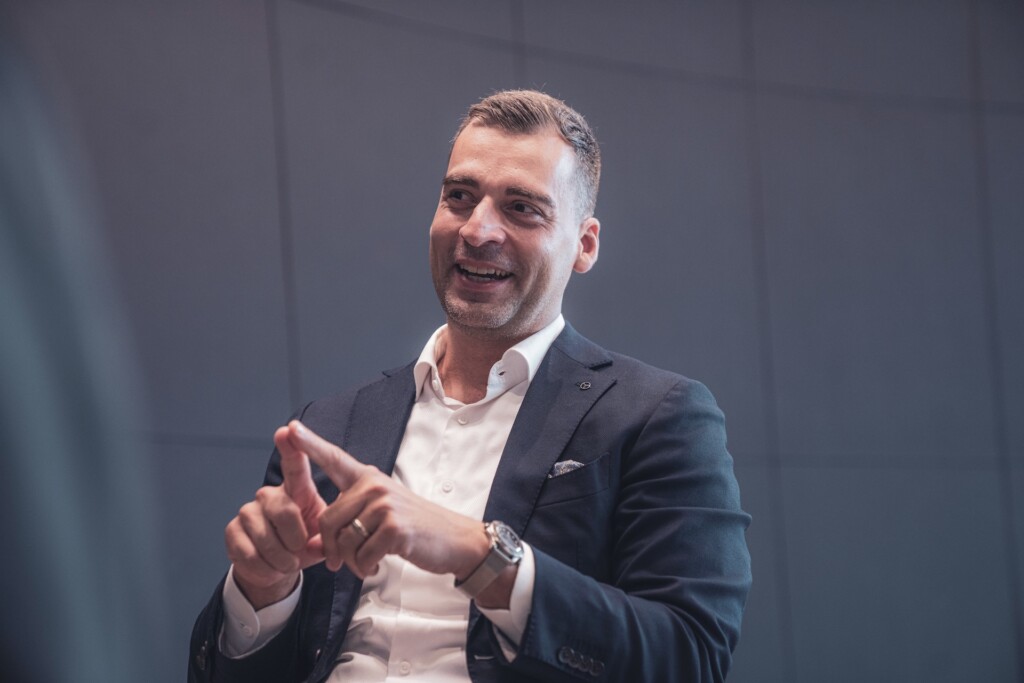
While maintaining market leadership remains important, Marcel believes success cannot be measured solely through registration figures.
Mercedes-Benz retained its position as the leading European premium luxury brand during the first quarter of 2026, despite an increasingly competitive environment and the arrival of numerous new entrants.
The company’s immediate objective is to strengthen its position within the growing battery-electric vehicle market as new products arrive throughout the year. Yet, Marcel believes the more meaningful measure of success lies elsewhere.
“What matters is whether customers understand what Mercedes-Benz stands for.”
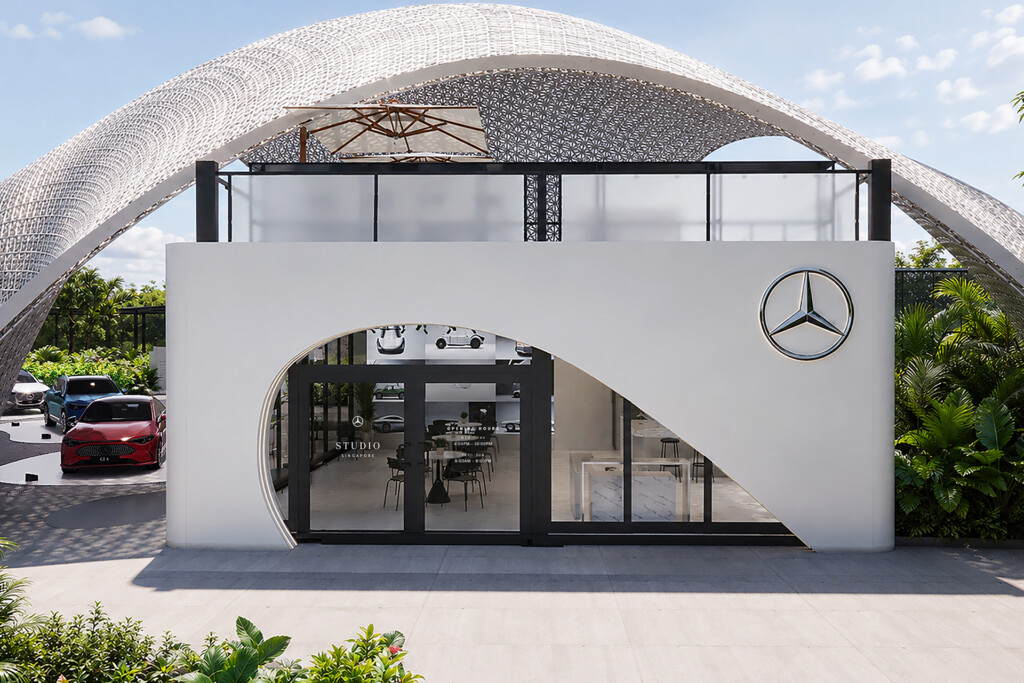
To support this objective, Mercedes-Benz Singapore will officially launch the Mercedes-Benz Studio at Gardens by the Bay later this year, a new out-of-showroom experience at one of Singapore’s most iconic locations.
The facility aims to make the brand more accessible to prospective customers while showcasing the company’s heritage, innovation and future direction.
The Studio also connects to a wider ecosystem of brand experiences, with concepts such as G-Haus and Mission Electric shaping how Mercedes-Benz would guide customers into the electric future of the brand, each giving owners and enthusiasts an alternative way to experience the brand on their own terms.
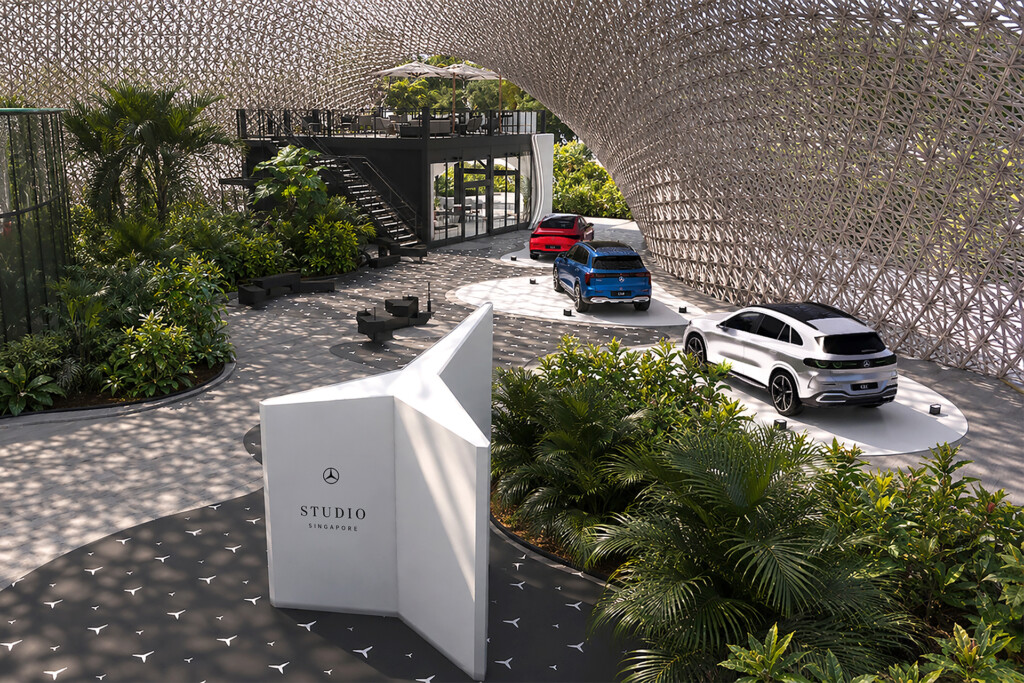
For Marcel, initiatives such as the studio, upgraded service facilities and expanded ownership programmes all serve the same purpose: transforming customers into long-term advocates of the brand.
Ultimately, he believes the strength of Mercedes-Benz will continue to be defined not only by the vehicles it builds, but by the emotional connection it creates with customers.
Which Models Are His Personal Favourites
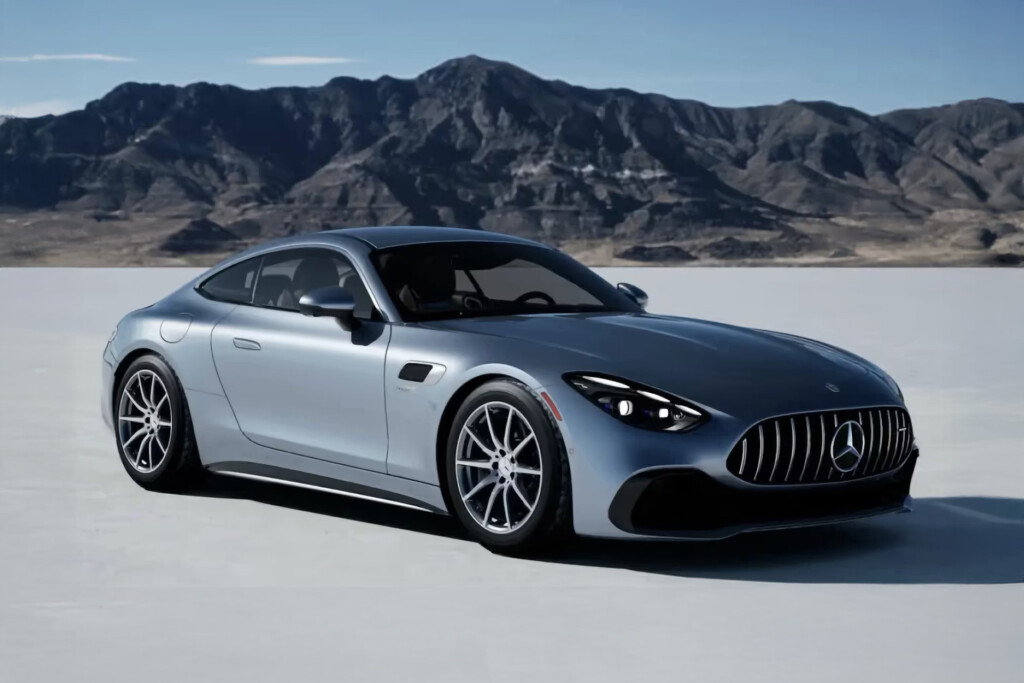
When asked which upcoming model he personally anticipates most, Marcel highlighted two vehicles.
The first is the new AMG GT, which he described as a significant milestone for Mercedes-AMG, combining electrification with the distinctive character and emotional appeal of the brand’s V8-powered performance cars.
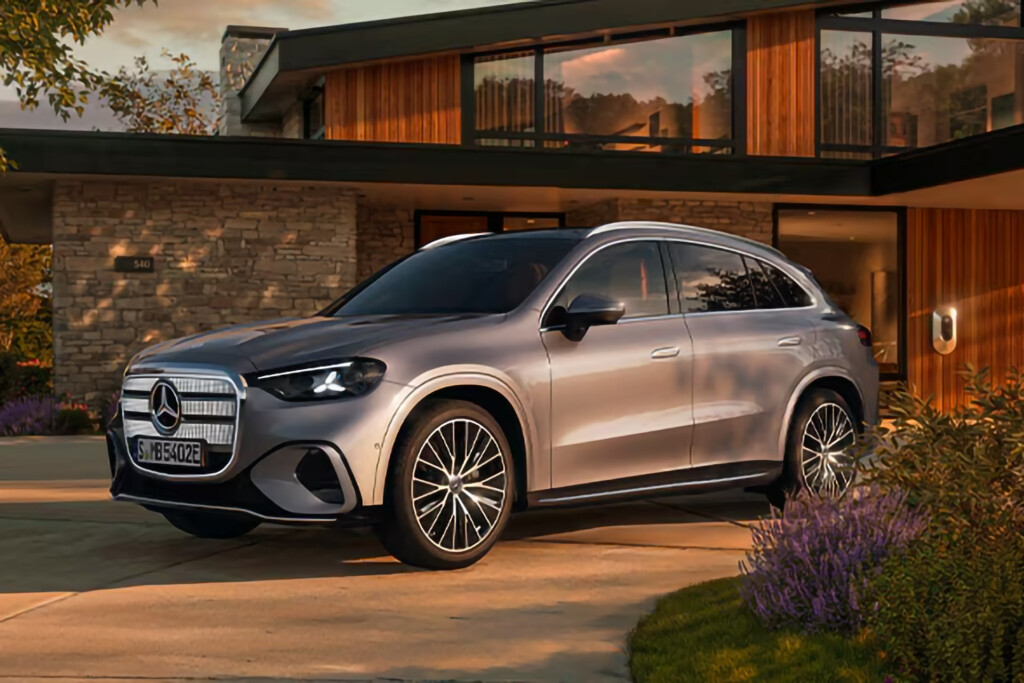
The second is the all-new GLC EV, which he believes is particularly well-suited to Singapore thanks to features such as rear-axle steering and air suspension, technologies that enhance both manoeuvrability and comfort in an urban environment.
Together, they represent the broader direction Mercedes-Benz is taking: embracing new technologies while preserving the qualities that have made the three-pointed star one of the most recognisable symbols in the automotive world.
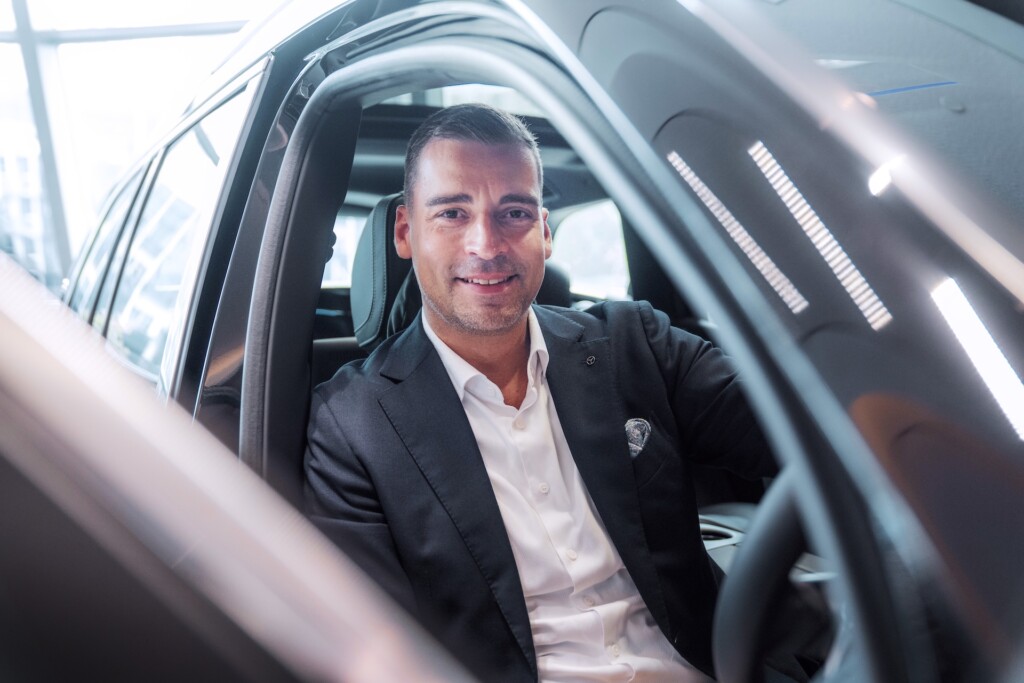
For Marcel, the story of Mercedes-Benz has never been one of standing still. Across 140 years, the company has repeatedly reinvented itself in response to changing technologies, customer expectations and market realities. The transition now underway may be among the most significant in its history, but he sees it as a continuation of a journey that began when the automobile itself was first invented.
As new electric models arrive, software increasingly shapes the driving experience, and customer expectations continue to evolve, Mercedes-Benz Singapore is preparing for a future that looks very different from its past.
Yet, the qualities that have long defined the three-pointed star will remain unchanged. The vehicles may evolve, but the promise behind them remains the same: to create something customers will continue to aspire to own, today and for generations to come.
Read more automotive news at AutoApp, or check out our latest videos on YouTube and on TikTok!