Visiting Munich again felt familiar to me. It carries the history of the BMW brand in a way that’s hard to miss (or forget). But stepping into their renovated plant for a preview was especially exciting; it felt like catching something just before it fully comes to life.
We were told that we were among the first to witness the plant’s operations. The second batch, to be exact. So there was clearly a sense of anticipation. Like everything was in place, waiting for that moment when it all begins.
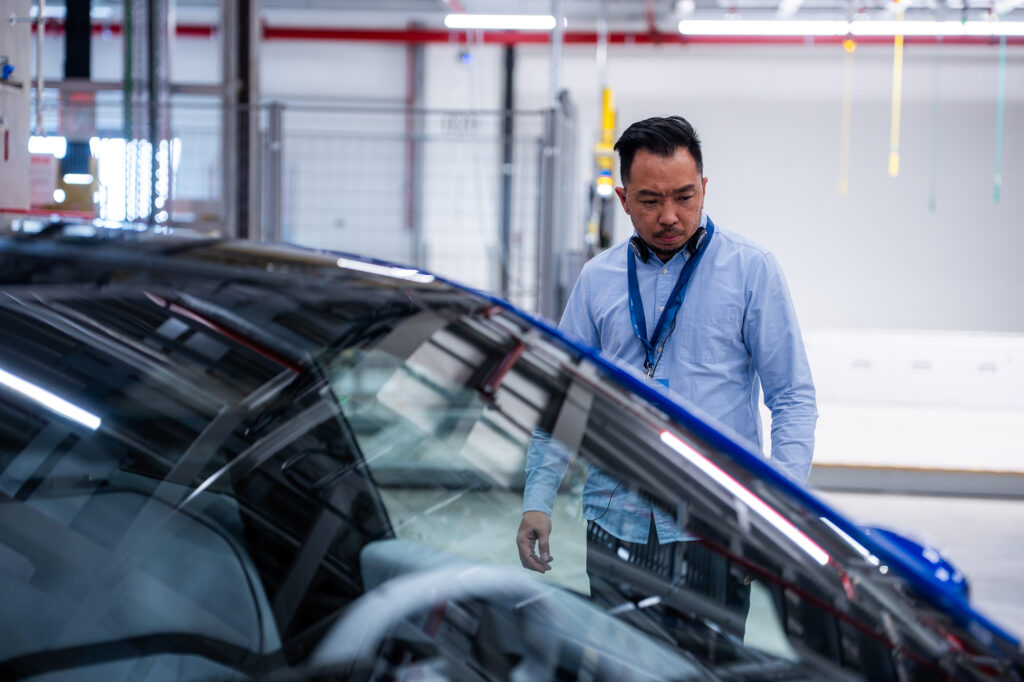
Preparing for its next chapter
The BMW Plant Munich has been around for over 100 years. You feel that immediately. At the same time, much of what I saw points to what’s coming next.
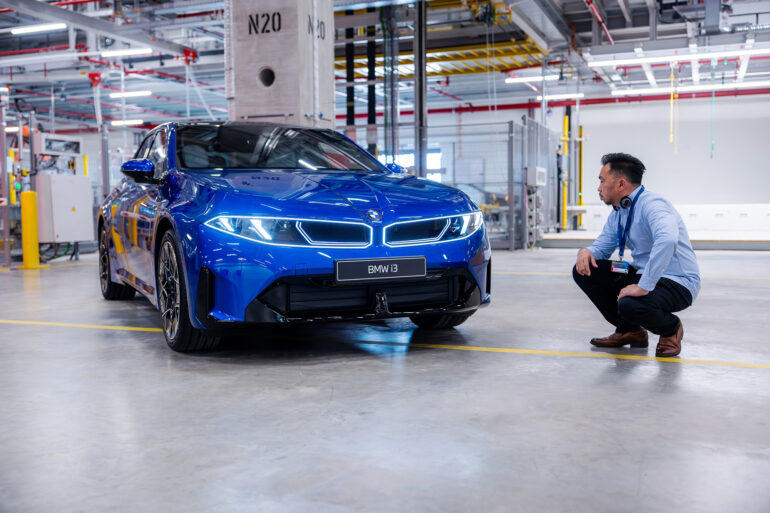
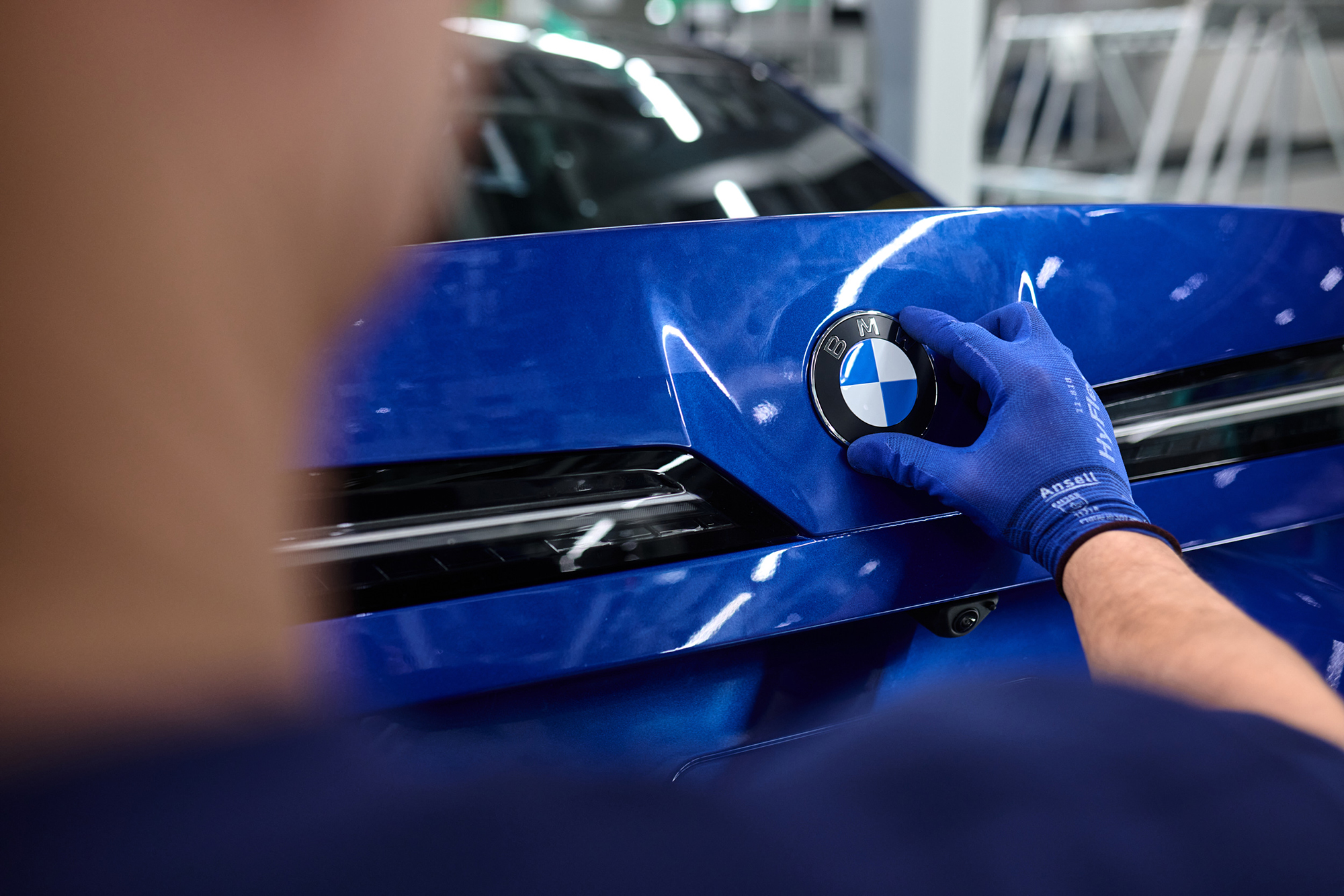
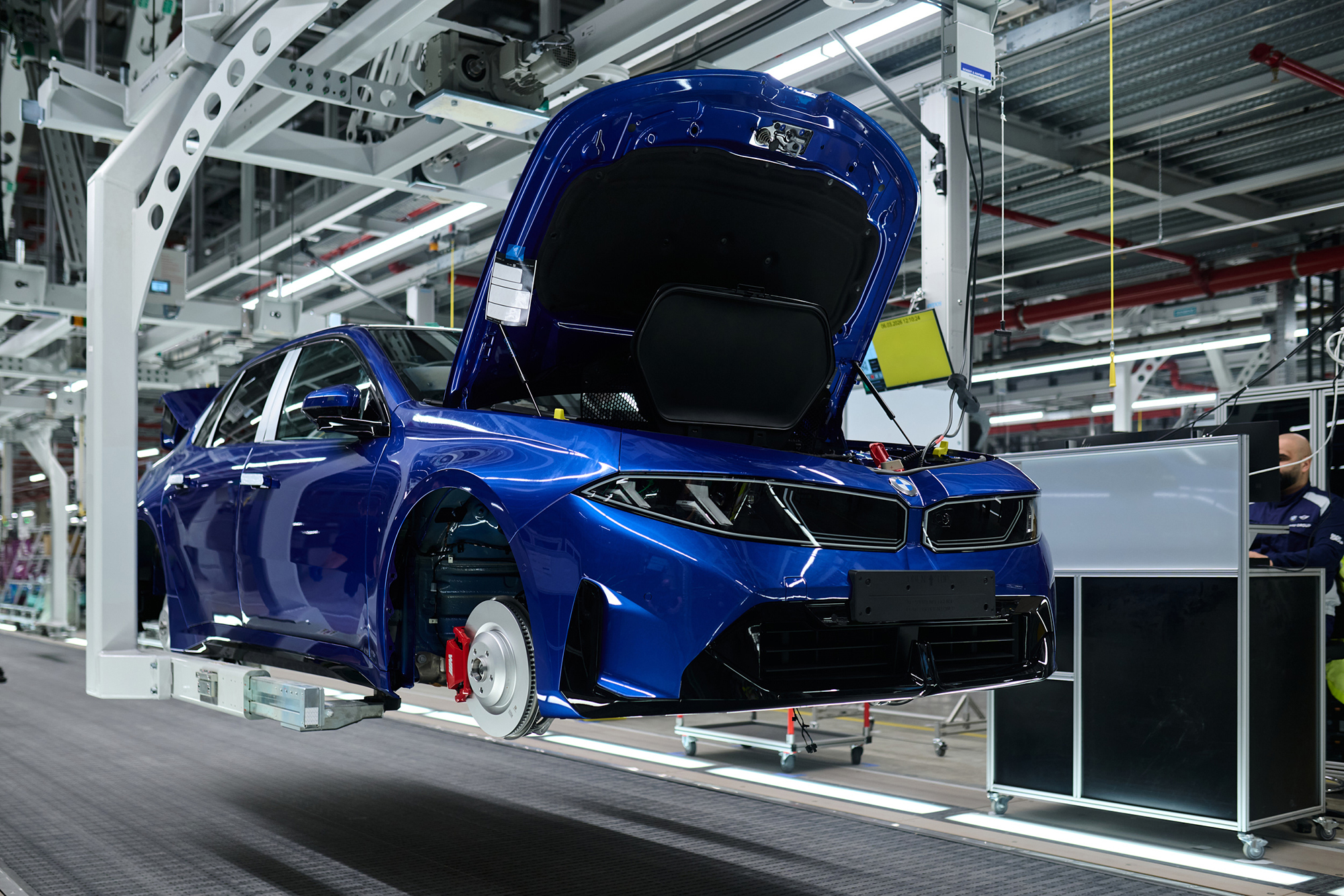
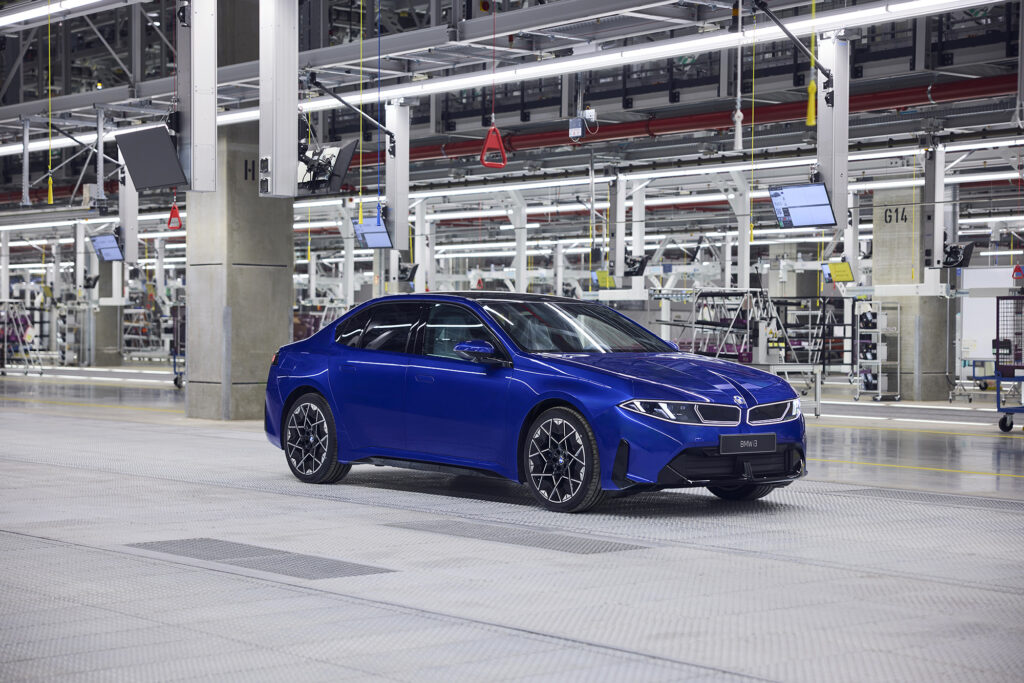
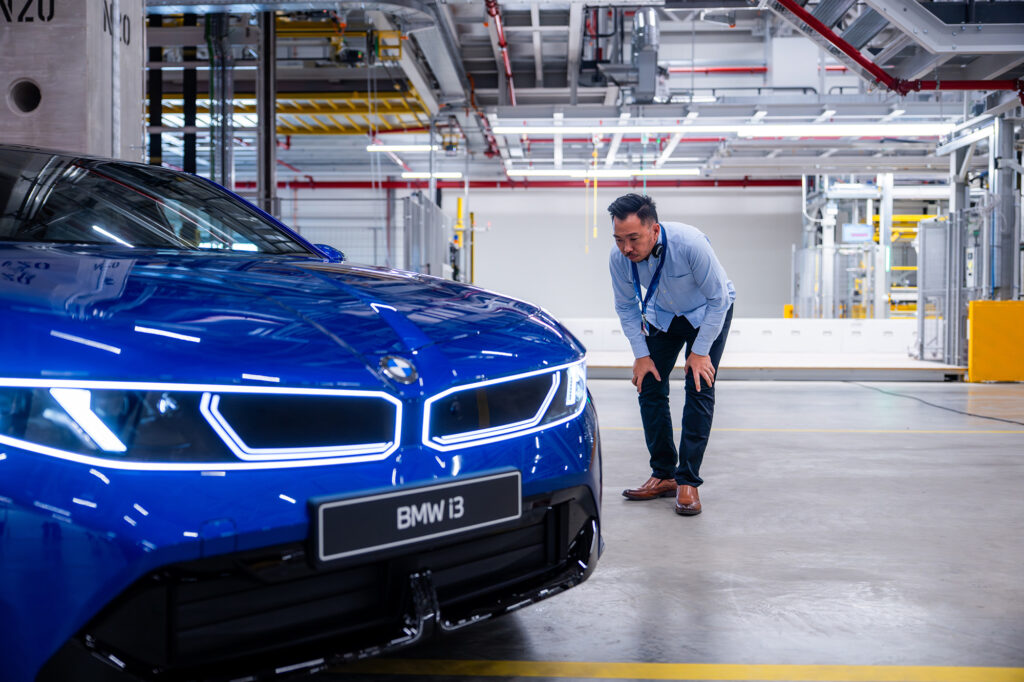
By August 2026, this will be where the new BMW i3 begins full production, as part of the Neue Klasse lineup. A year later, the plant will transition fully to electric vehicle production. It is currently already building the i4 here.
Walking through it now, it feels like a space in transition. Not quite what it was, yet almost what it will be.
A transformation still in motion
During the preview, it was clear how much had already been reshaped.
BMW invested around €650 million into transforming the plant. Building upwards, instead of sideways, due to the limited land mass.
New structures sit alongside existing ones, with large sections reworked to support the Neue Klasse models.
You don’t see everything running at full pace yet, but you can see how the pieces are coming together. The layout, the flow, the intent behind it.
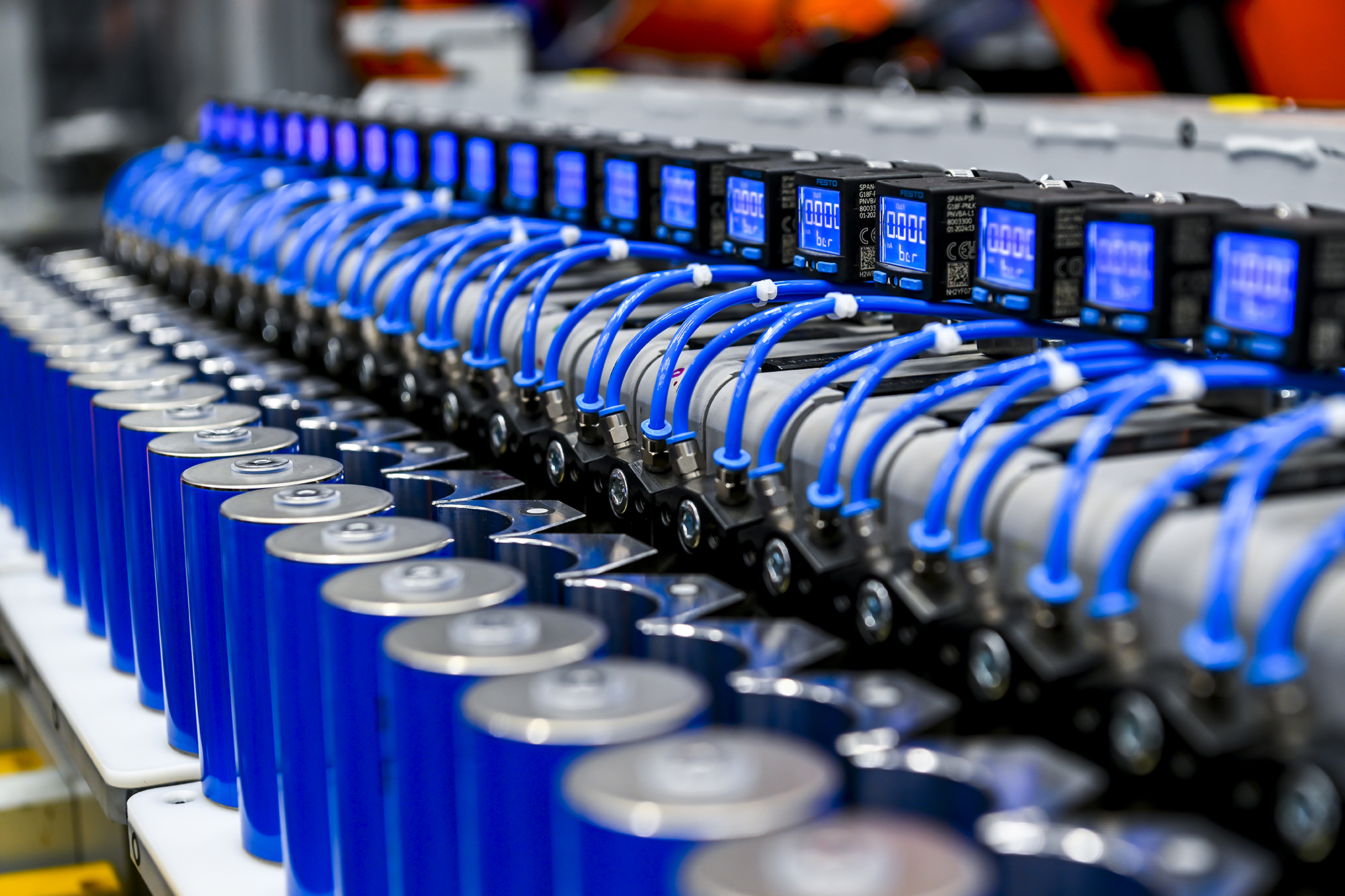
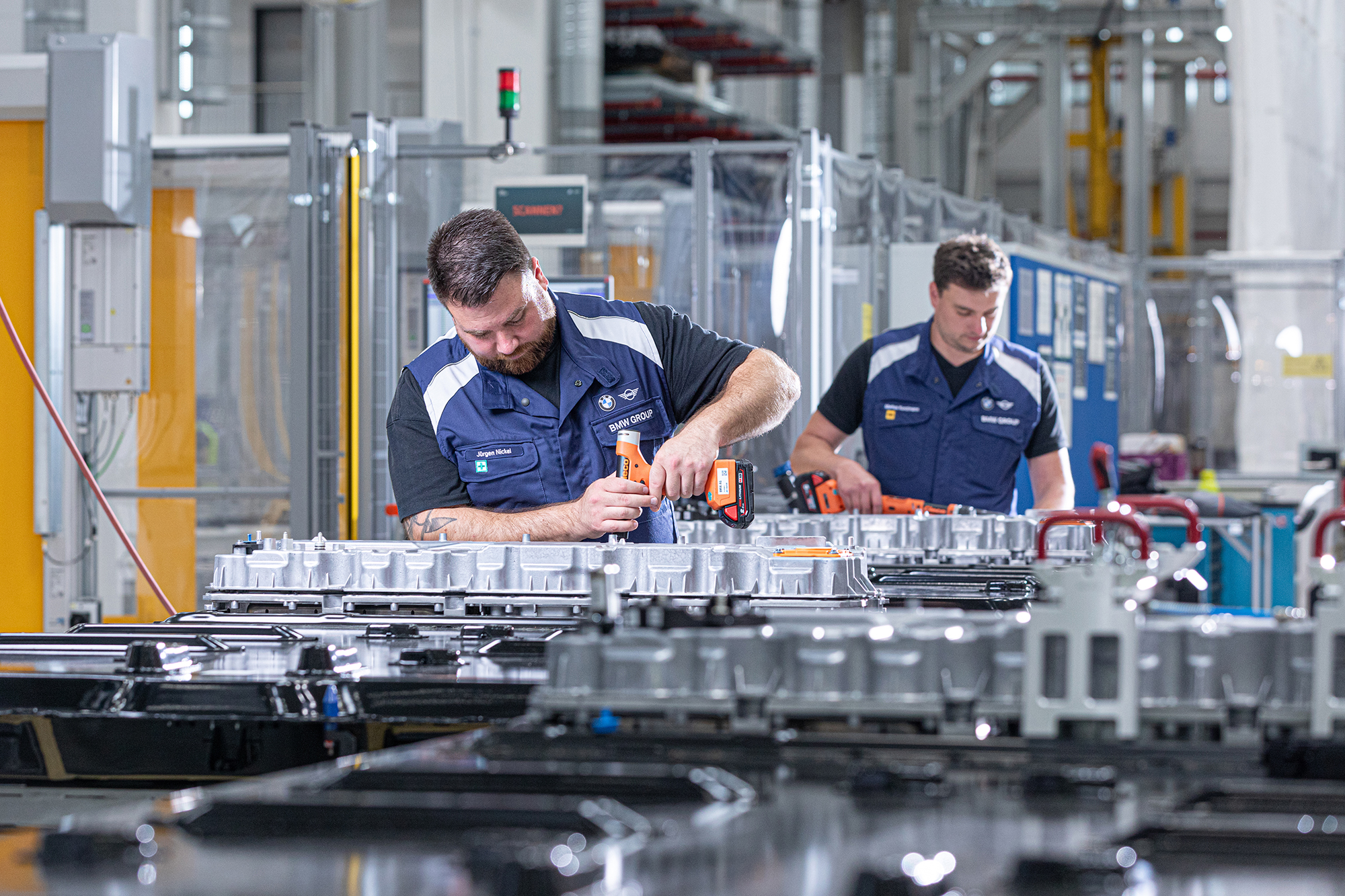
Where systems start to take shape
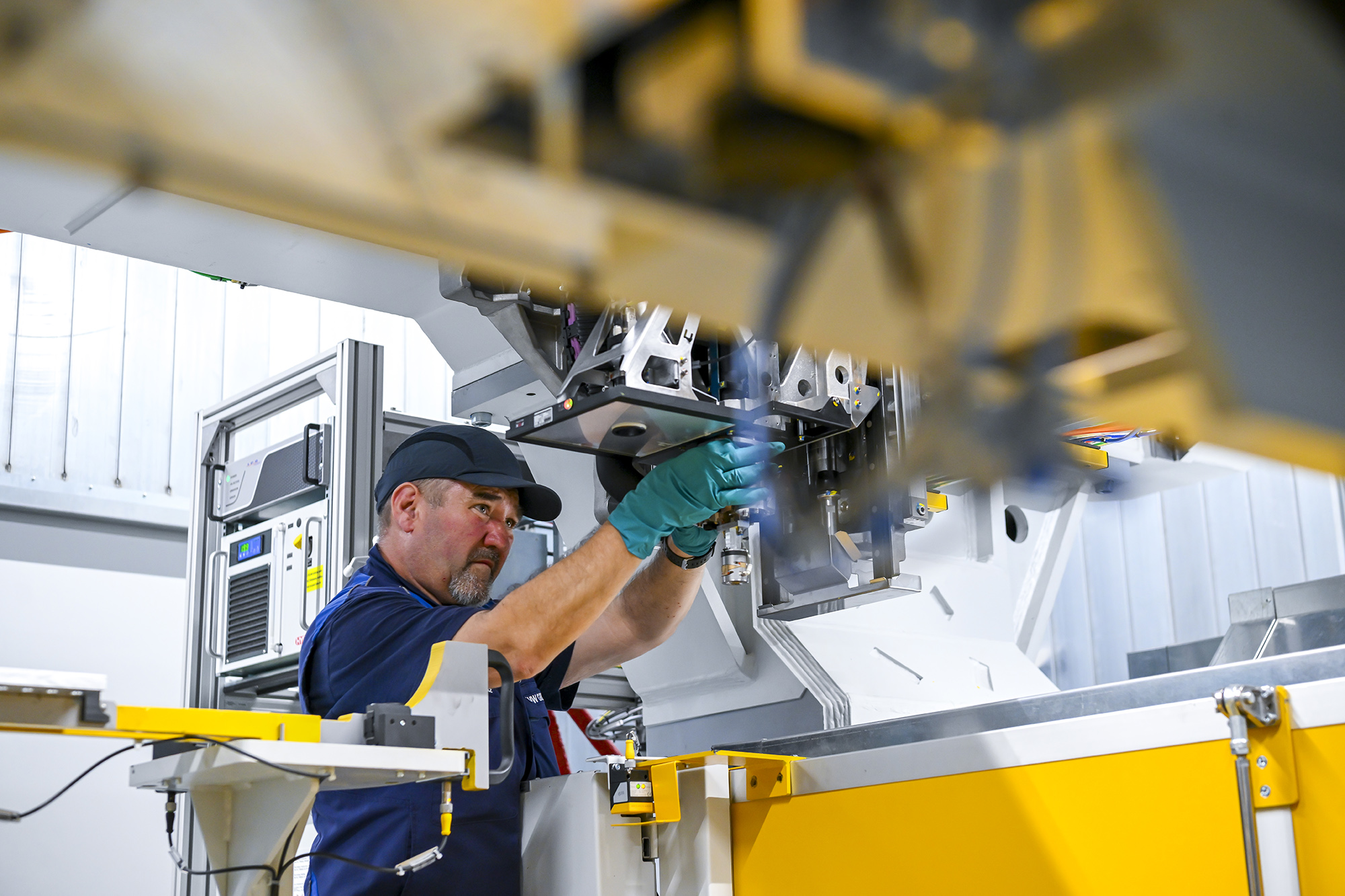
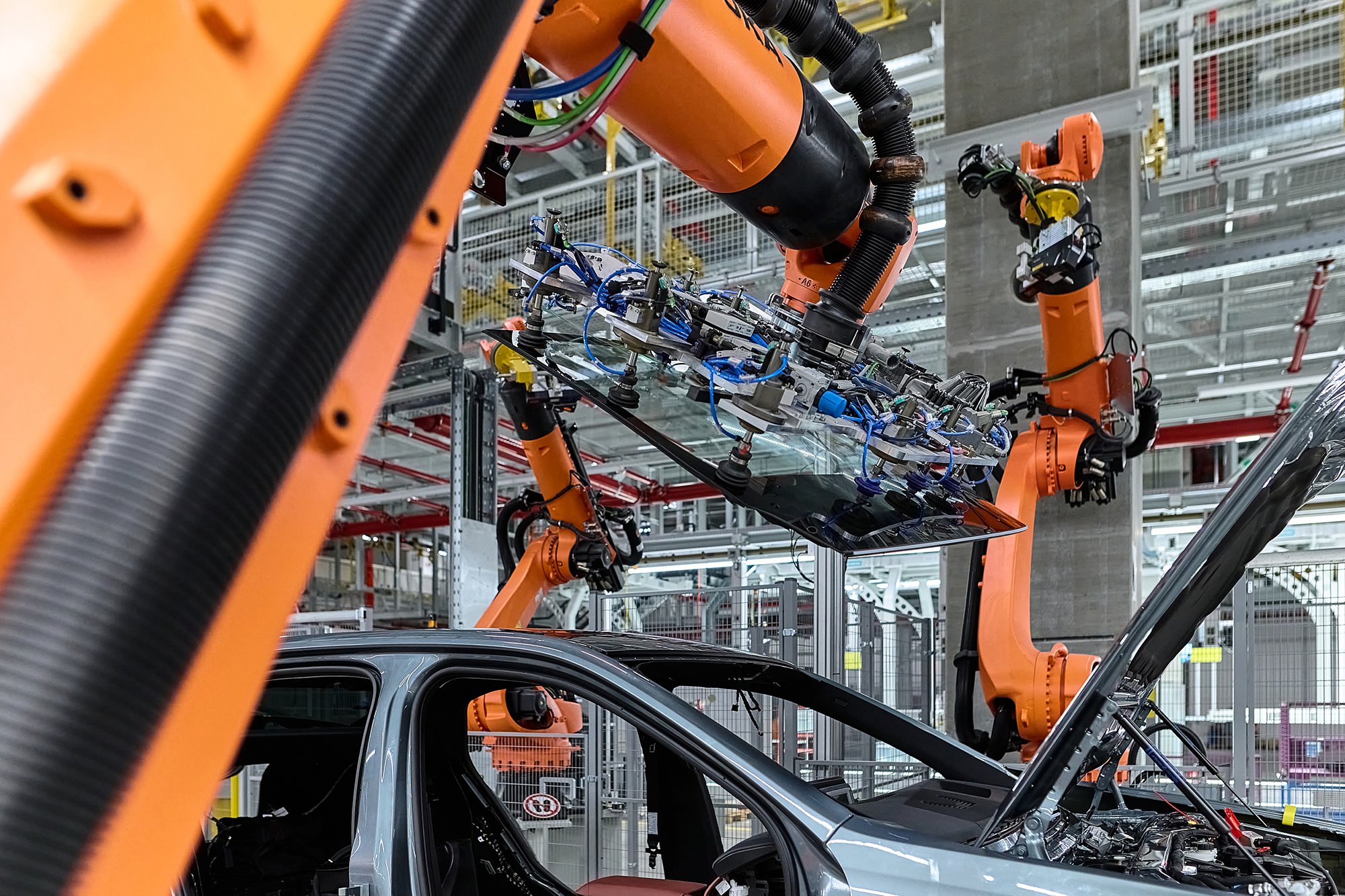
In the body shop, rows of robots are already in place, set up for the joining processes that will eventually run at scale.
Around 800 industrial robots have been installed here, handling the majority of these tasks.
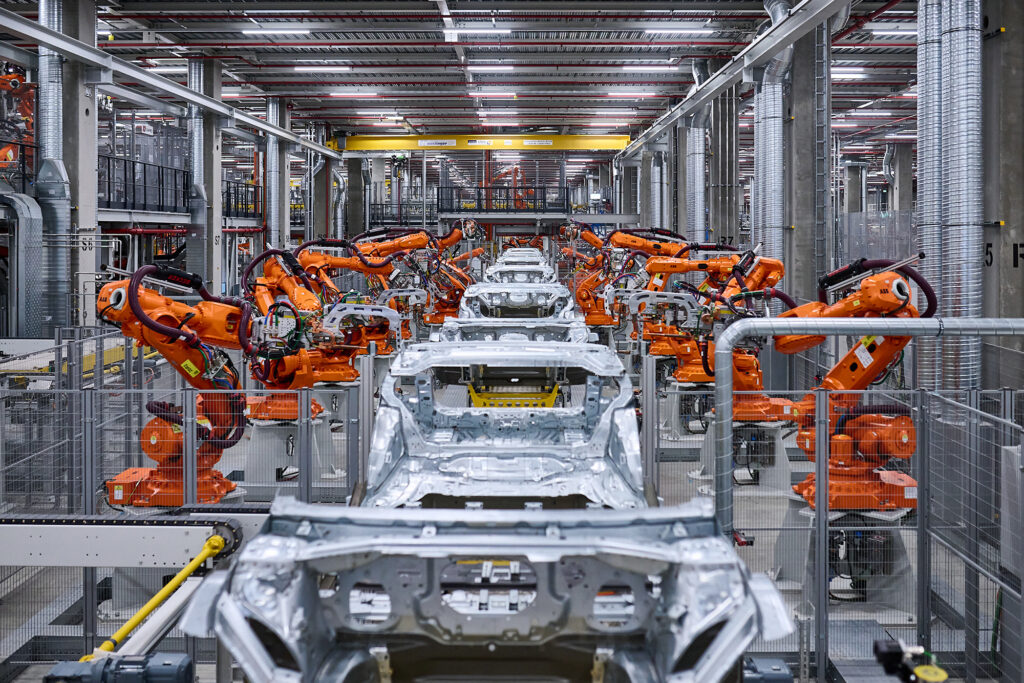
During the preview, we didn’t get to see the full rhythm of production, but there was a clear sense of how it will operate. All stages and movements are precise, structured, and designed to minimise complexity.
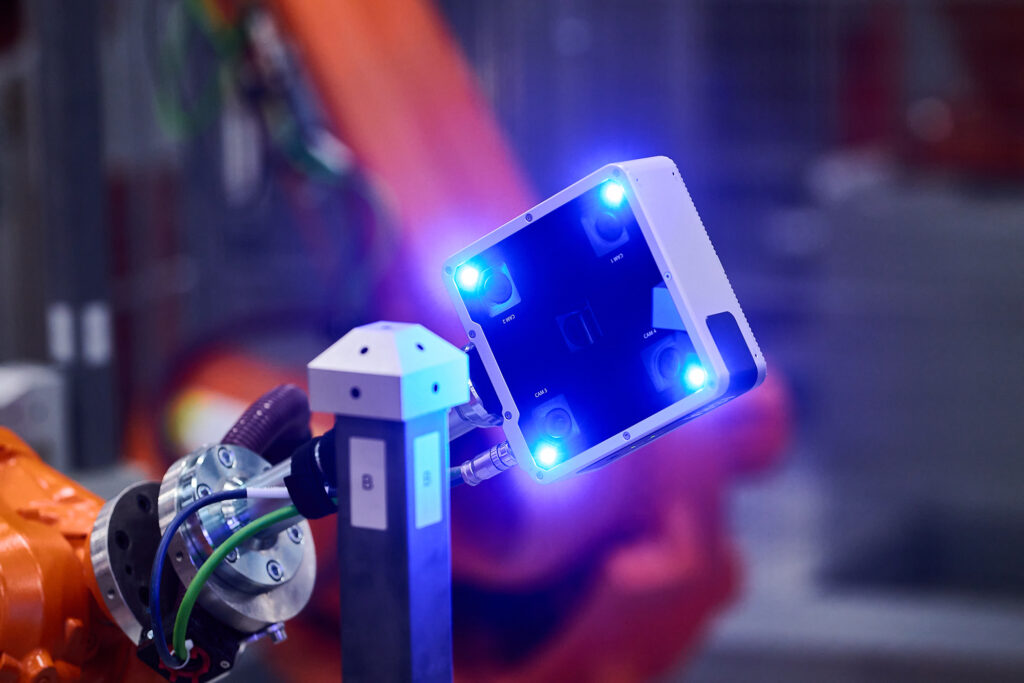
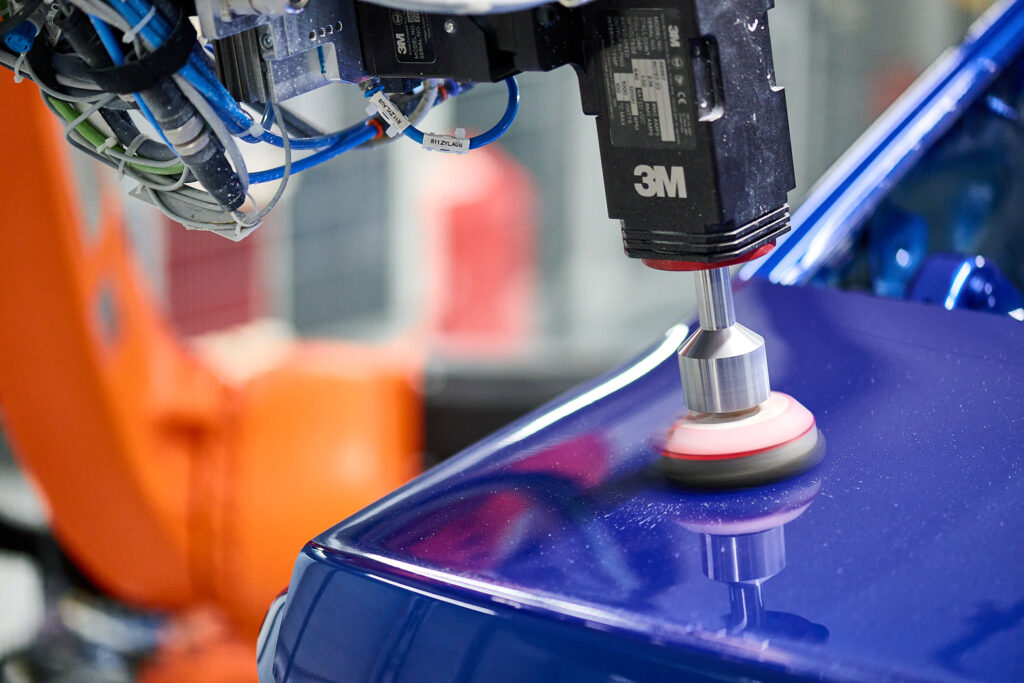
Quality systems are also built into the process. Camera-based inspection and AI-assisted checks are ready to monitor surfaces and flag any deviations. Witnessing these reminded me of the Hyundai Innovation Centre here in Singapore, where AI systems and robotic dogs assemble and deliver cars within hours of an order.
But the scale at Plant Munich will be far larger. Once it gets going, this plant is expected to produce up to 1,000 i3 saloons a day.
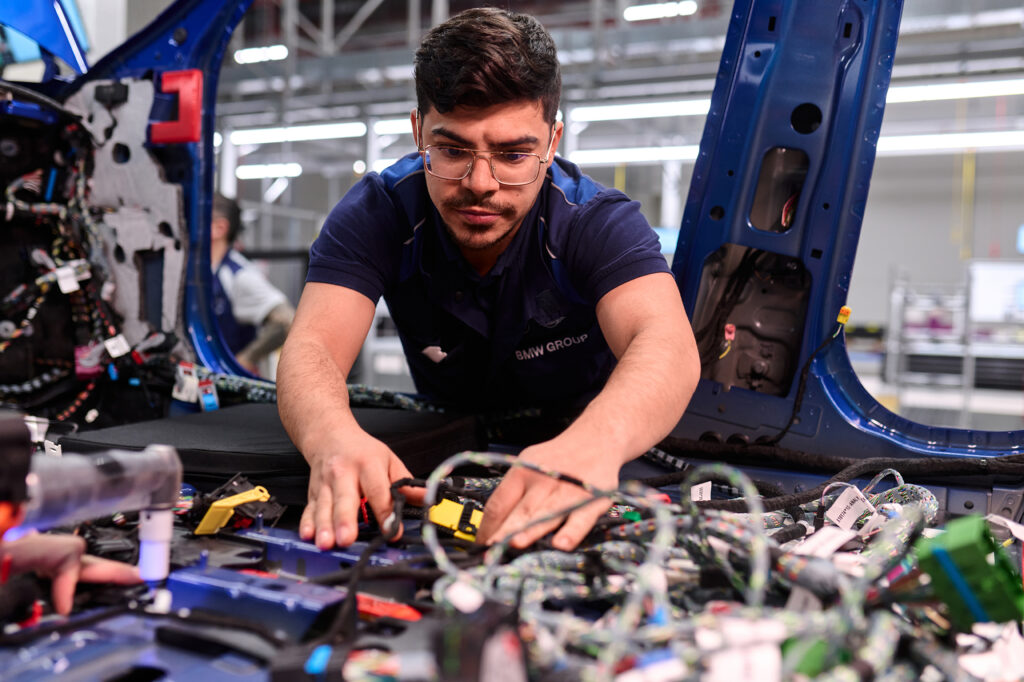
A more connected assembly process
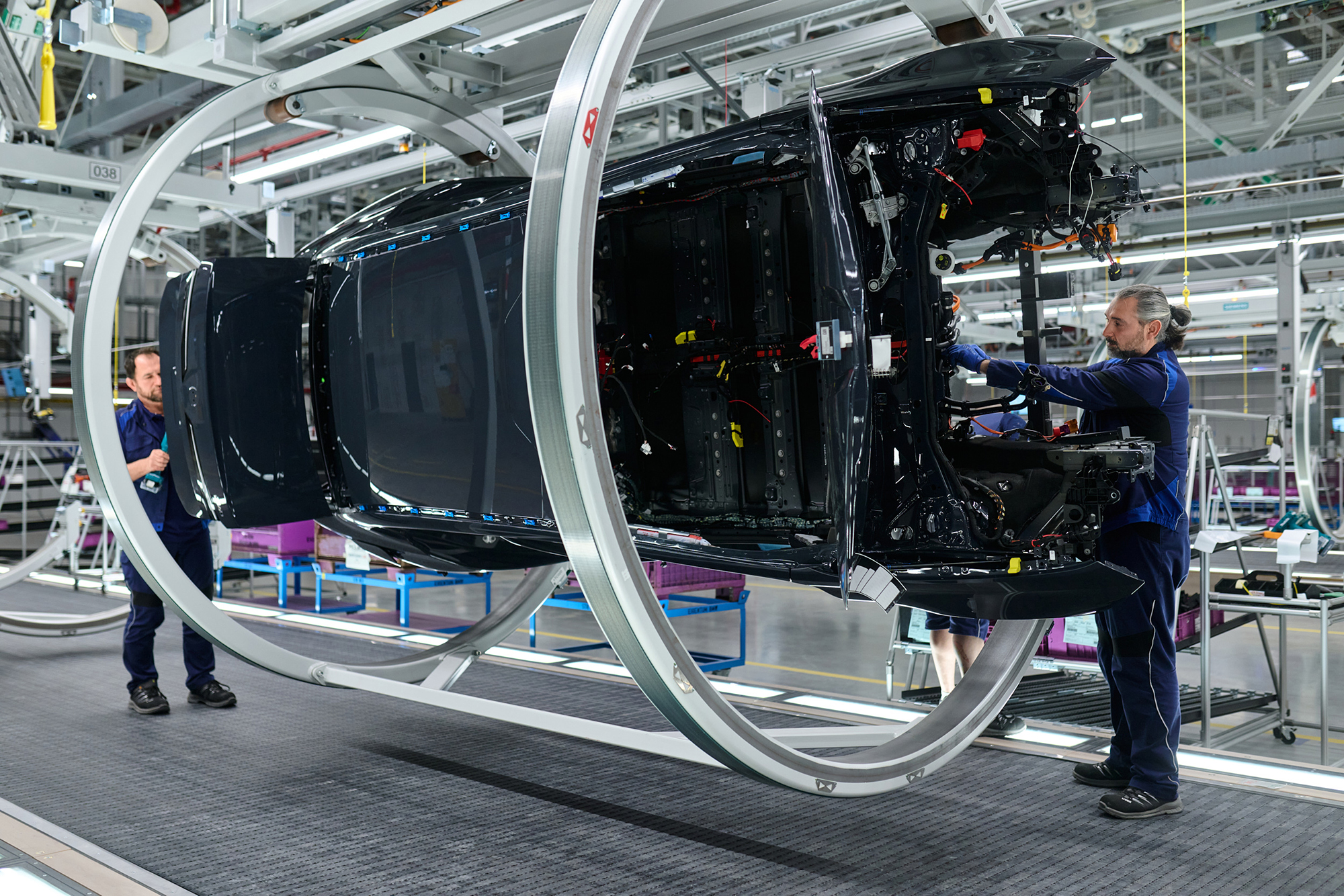
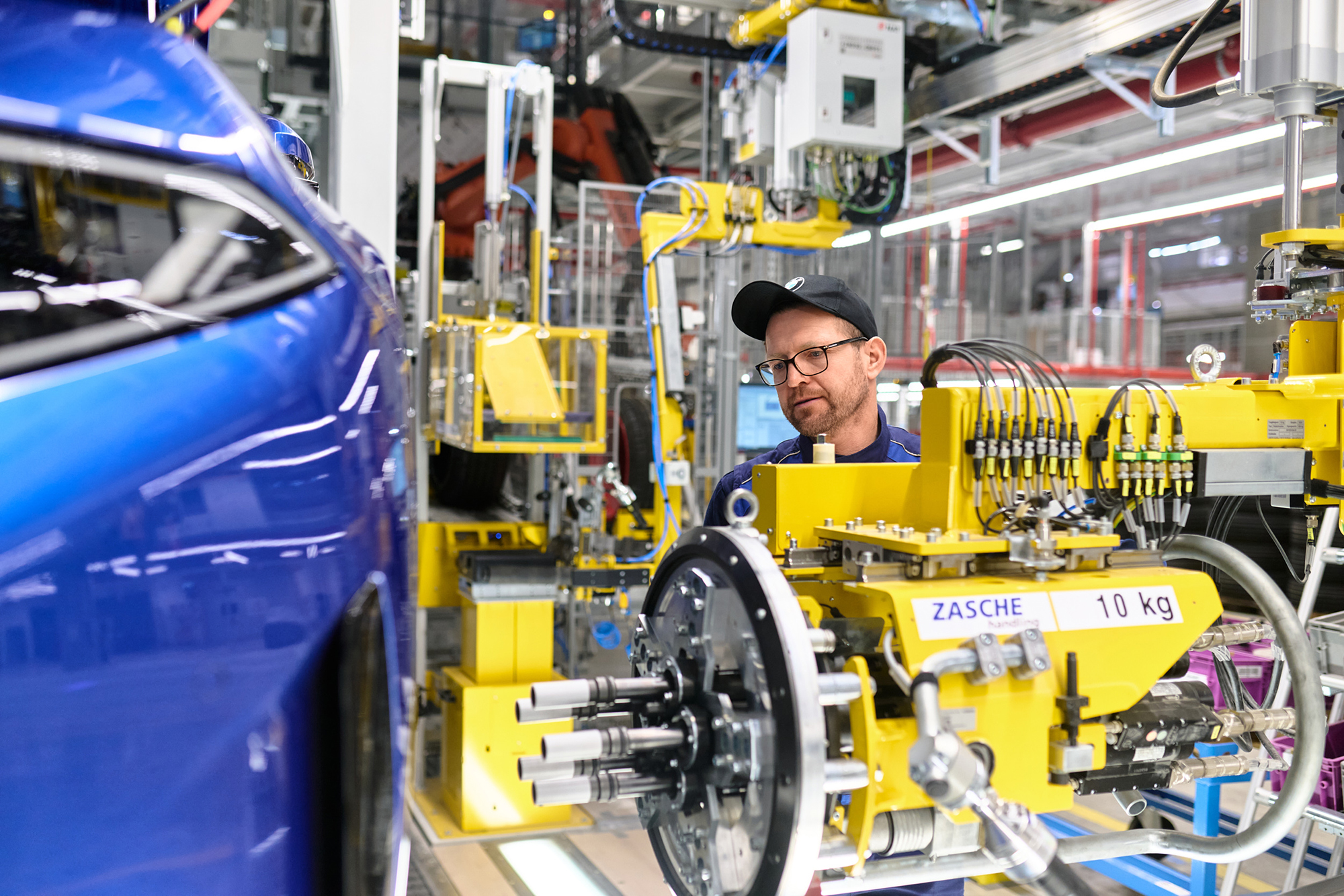
Further along, the assembly area shows how digital the process has become.
Once production begins, each car will transmit thousands of data points as it moves through the line.
That level of connectivity isn’t something you fully experience during a preview, but understanding how it works changes how you look at the space. Every station, every tool, every step feels part of a larger system.
Rethinking how everything moves
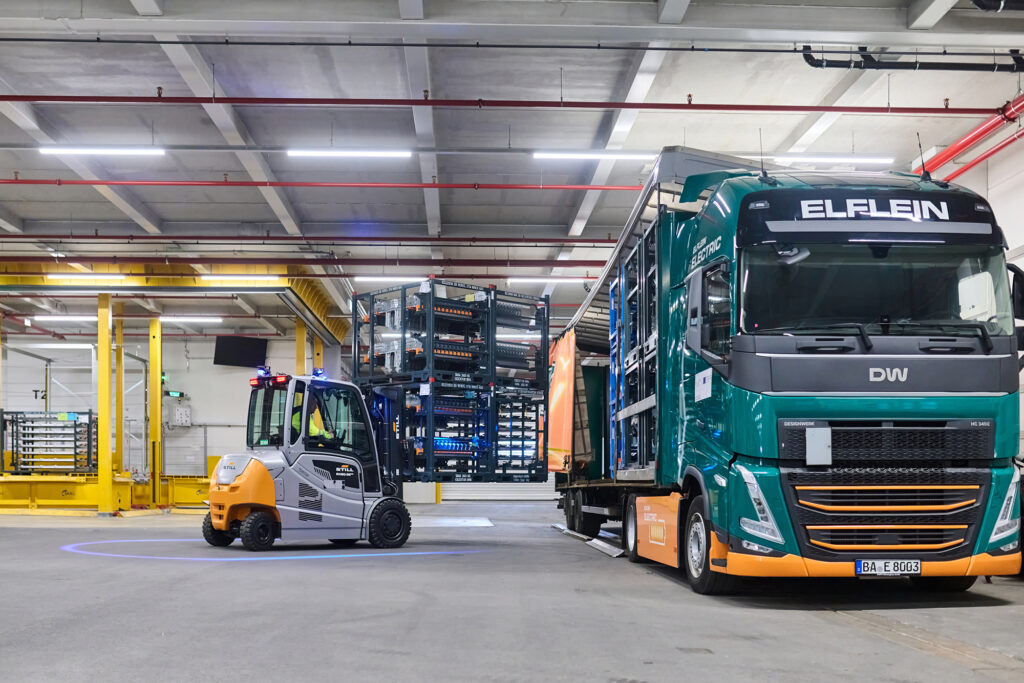
The logistics setup is another area where the thinking becomes clear.
Around 2.5 million parts move through the plant each day under full operations. The system is being put in place to handle that scale with less movement and more direct delivery to the assembly line.
A large portion of supply tasks will be automated, with parts delivered straight to workstations and moved through multi-level systems built to fit within the city-based plant.
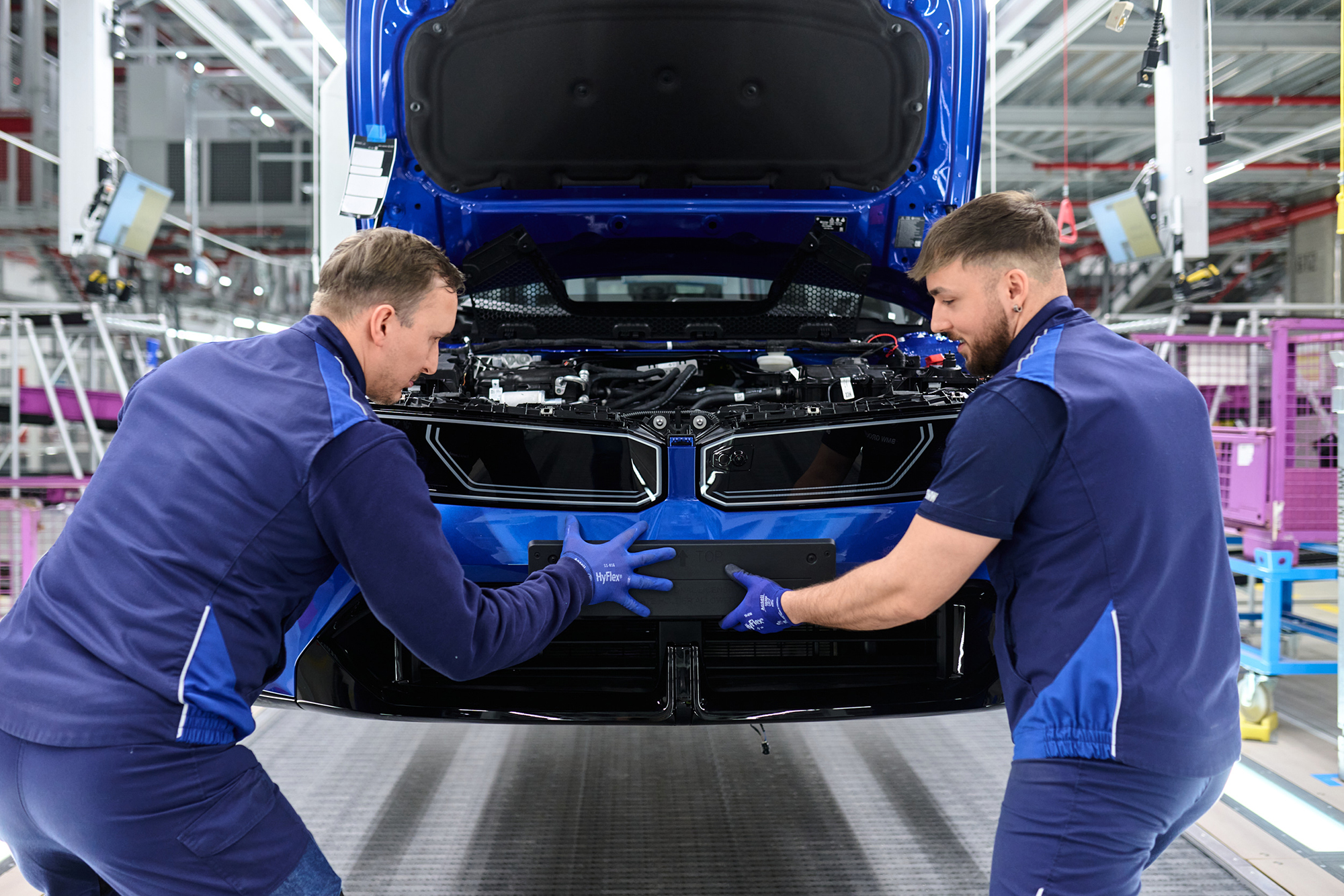
Yet, after speaking to plant director Peter Weber, it’s clear the intent of automation isn’t to replace jobs, but to support them. The human element remains central, especially in areas like fitting doors, interiors and wiring, with machines stepping in to assist rather than take over.
Details that give it character
There are smaller elements that help complete the picture.
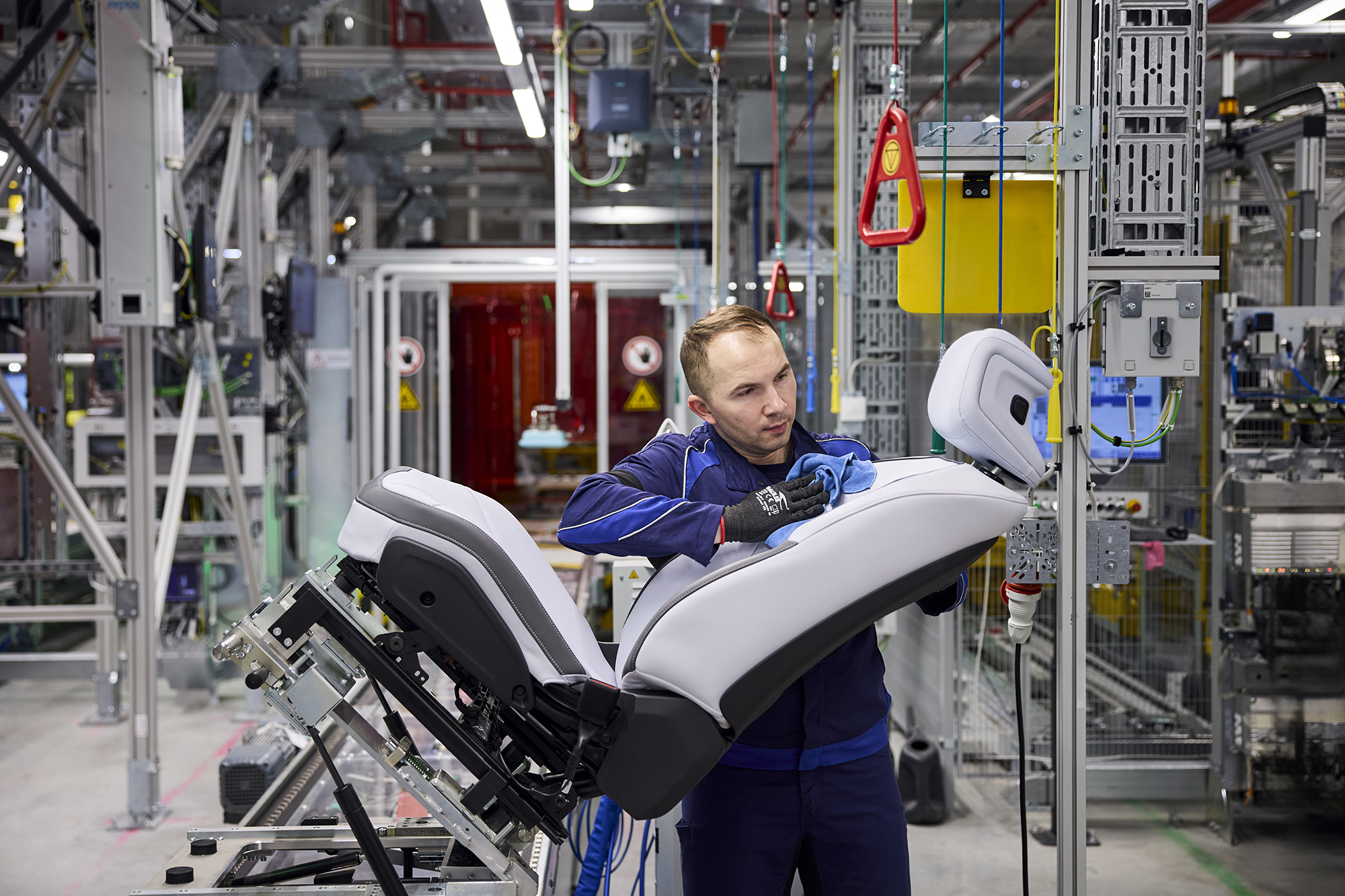
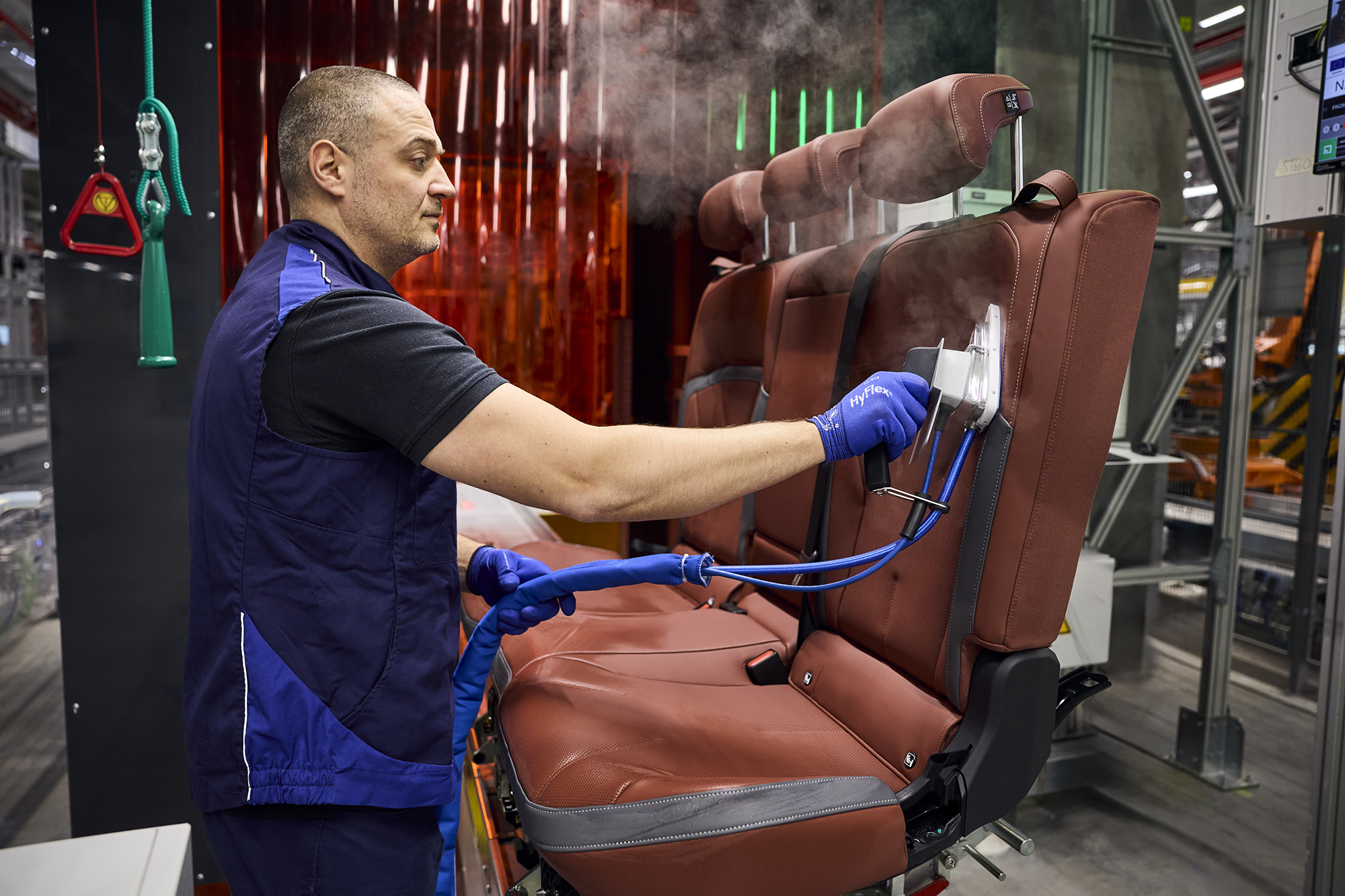
An in-house seat manufacturing facility sits within the plant, supplying seats directly to the assembly line in sequence. Materials are collected and reused within the process. Workstations are designed to support the people working alongside these systems.
These details don’t stand out immediately, but they shape how everything comes together.
BMW Plant Munich: Looking ahead
As mentioned earlier, the new i3 will be built here, supported by a wider network that includes battery production in Bavaria and electric motor production in Austria.
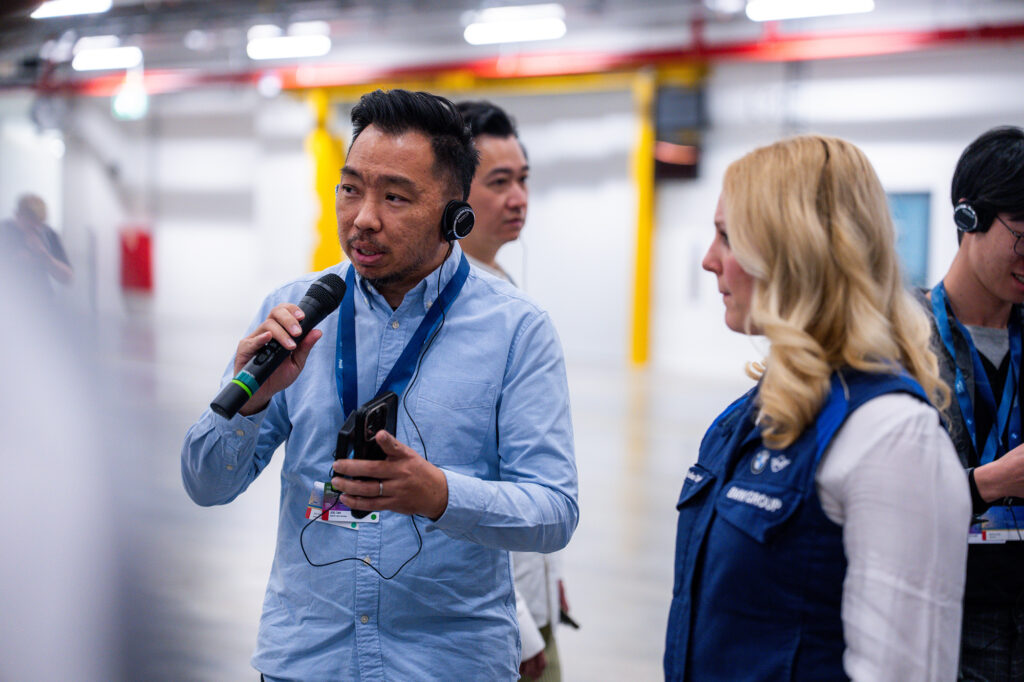
We had the unique opportunity to meet and speak with the plant’s various department heads, and every session was insightful. So while I didn’t quite see the finished story, I was deeply impressed by the setup.
There’s something quite interesting about that perspective.
You start to notice how much thought went into how everything will work once it’s fully running. Not to mention the sheer scale of what goes into manufacturing a car. Yet BMW Plant Munich exudes a clear, confident face; the systems are ready for the next step.
Now it’s just a matter of time before it all comes together for a very special car, and then some.
Just for fun: Want to see the plant in an unconventional way? Let Elias Hountondji from the Red Bull Driftbrothers take you on a tour with his BMW M2 Drift Competition car through the heart of the BMW plant in Munich below: