
An odour is defined as a distinctive smell, especially an unpleasant one. Or a lingering quality or impression that attaches to something.
Step into BMW’s Odour Lab in Munich, and that definition takes on a more human dimension. Because smell, more than anything else, is emotional.

“Going into the Odour Lab, I expected a facility that creates a signature scent for the brand. The reality couldn’t be more different.”
The things you don’t think about
When you get into a new car, certain things stand out immediately. The way the door shuts. The feel of the steering wheel. The layout of the screen.
And then there’s the smell.
That familiar “new car” scent that most people recognise instantly, but rarely question.
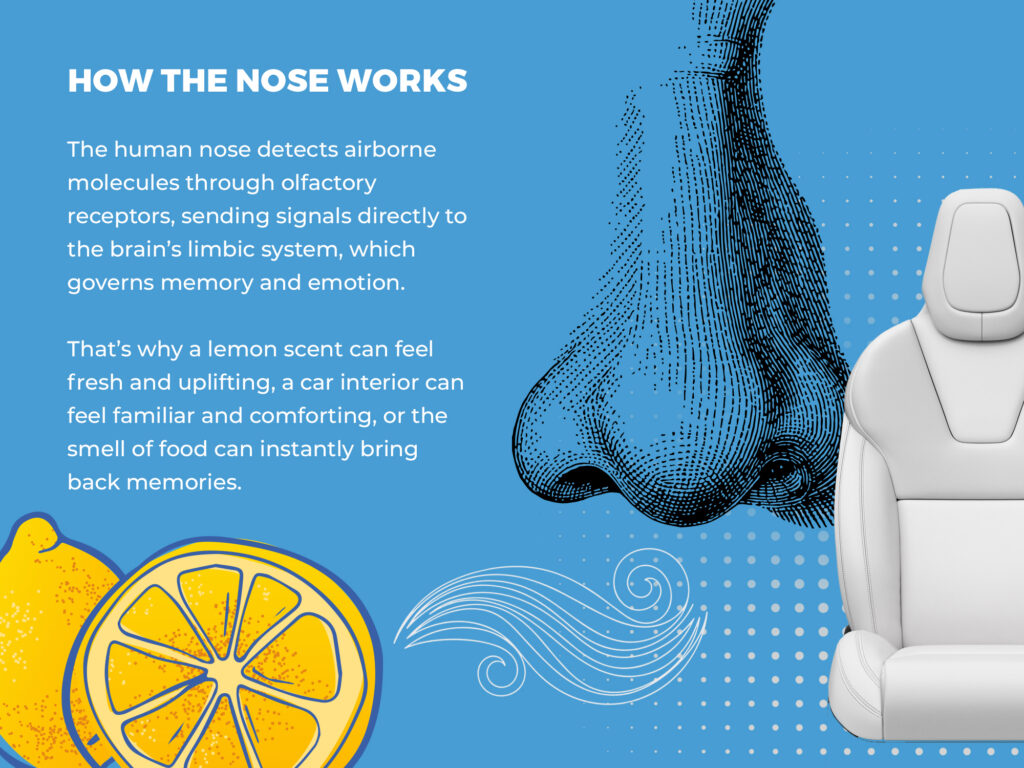
Going into the Odour Lab, I expected a facility that creates a signature scent for the brand. The reality couldn’t be more different. At BMW, that scent is not artificially created. Like our noses, it is authentic and therefore carefully preserved.
What the Odour Lab actually does
Scent-wise, the Odour Lab at BMW Plant Munich focuses on matching what you smell with what you see. That begins by identifying and eliminating unwanted odours from materials, while ensuring that what remains is both safe and authentic to the car.
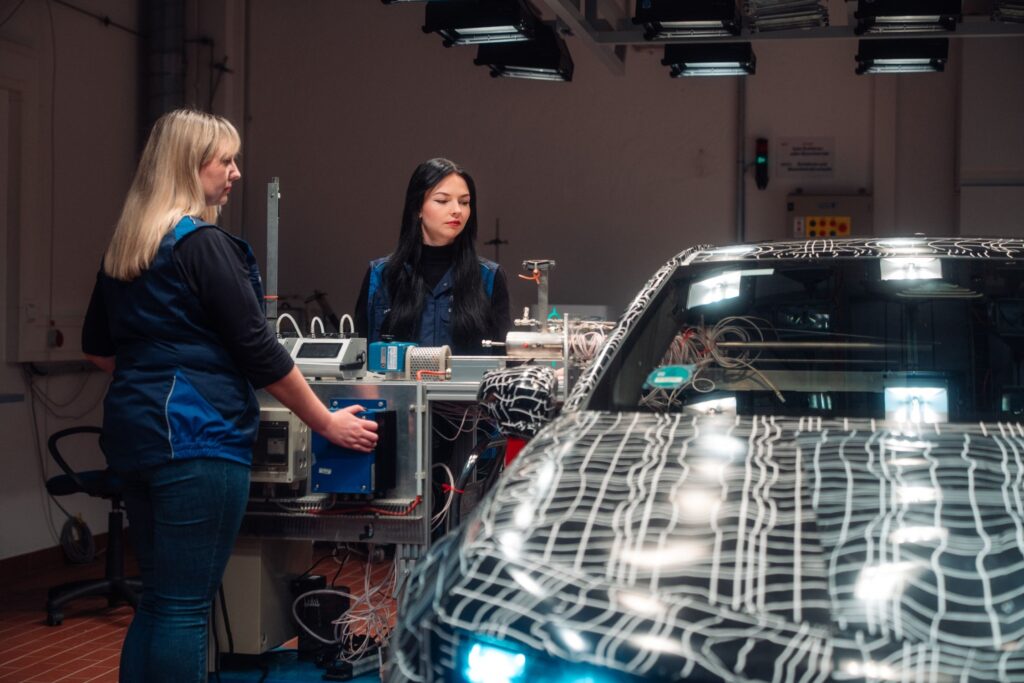
Every material is tested. Individual components, assemblies, and even complete vehicle interiors are evaluated under different conditions, such as temperature and humidity.
Because scent evolves over time.
“BMW has been refining its own testing methods for more than 25 years … even shaping practices across the industry”
And in an enclosed space where people spend hours, it becomes part of the ownership experience in ways most don’t consciously notice.
BMW has been refining its own testing methods for more than 25 years, continuously measuring and evaluating emissions and scent profiles inside the cabin. We were told that these standards have since been adopted more widely, even shaping practices across the industry and among regulatory bodies.
Science behind the scent
Behind the scenes, the process is far more detailed than you might expect.
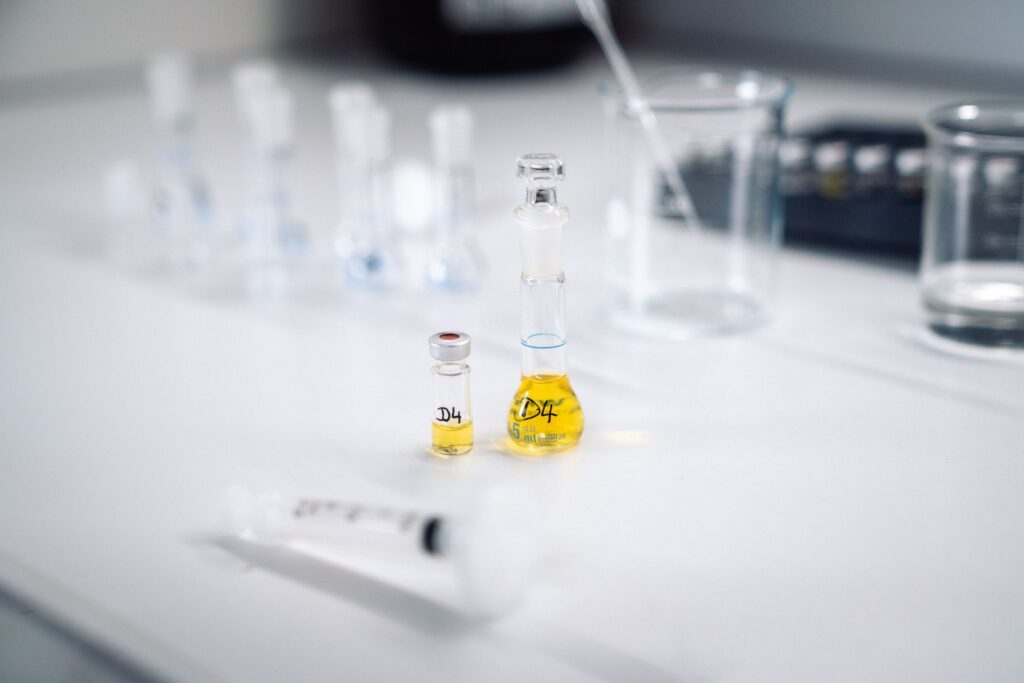
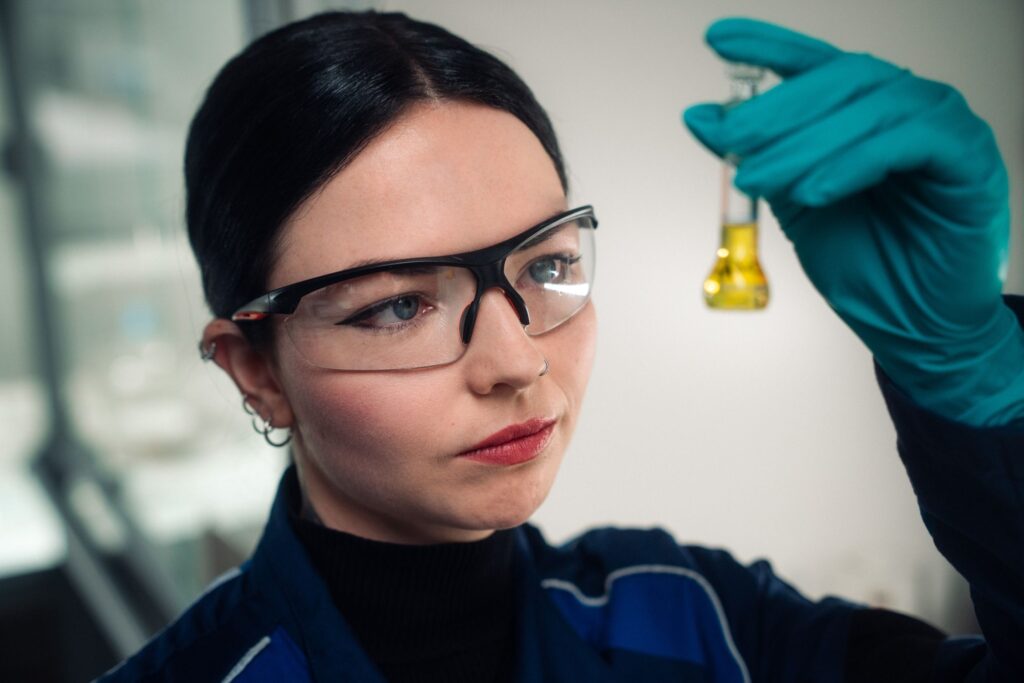
Materials are placed inside controlled chambers that simulate real-world cabin conditions, where temperature can be raised significantly to accelerate and measure how substances release gases over time. These tests focus on volatile organic compounds (VOCs) emitted by materials such as plastics, adhesives, foams, and upholstery.
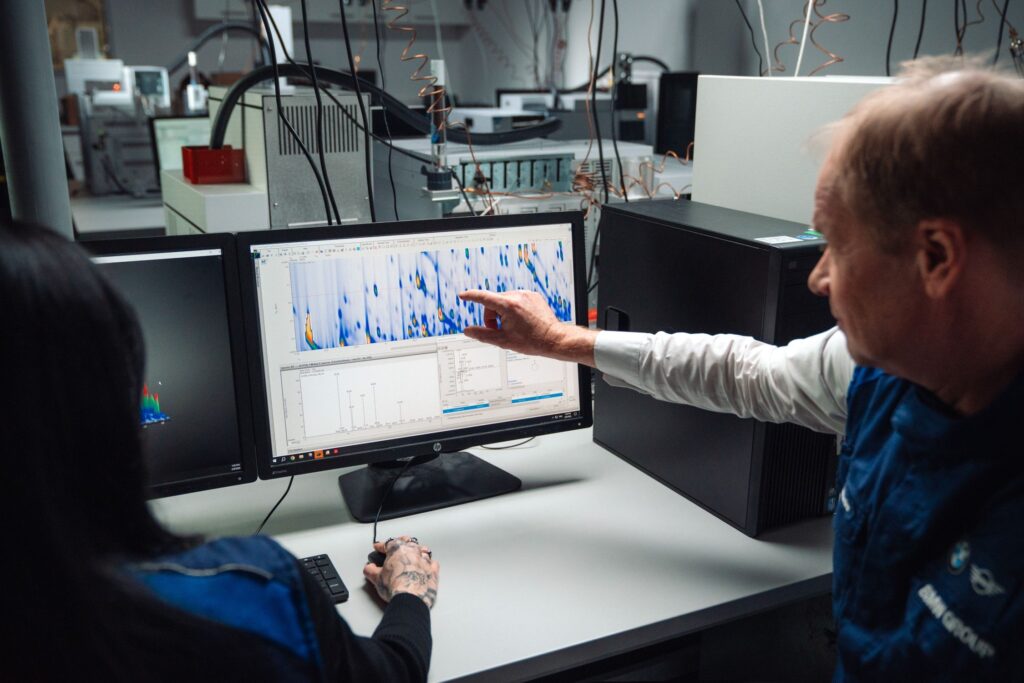
Air samples from these chambers are then analysed using advanced systems such as Gas Chromatography–Mass Spectrometry in conjunction with thermal desorption units. In simple terms, this allows engineers to break down and identify the exact chemical compounds released from each material and measure them with precision.
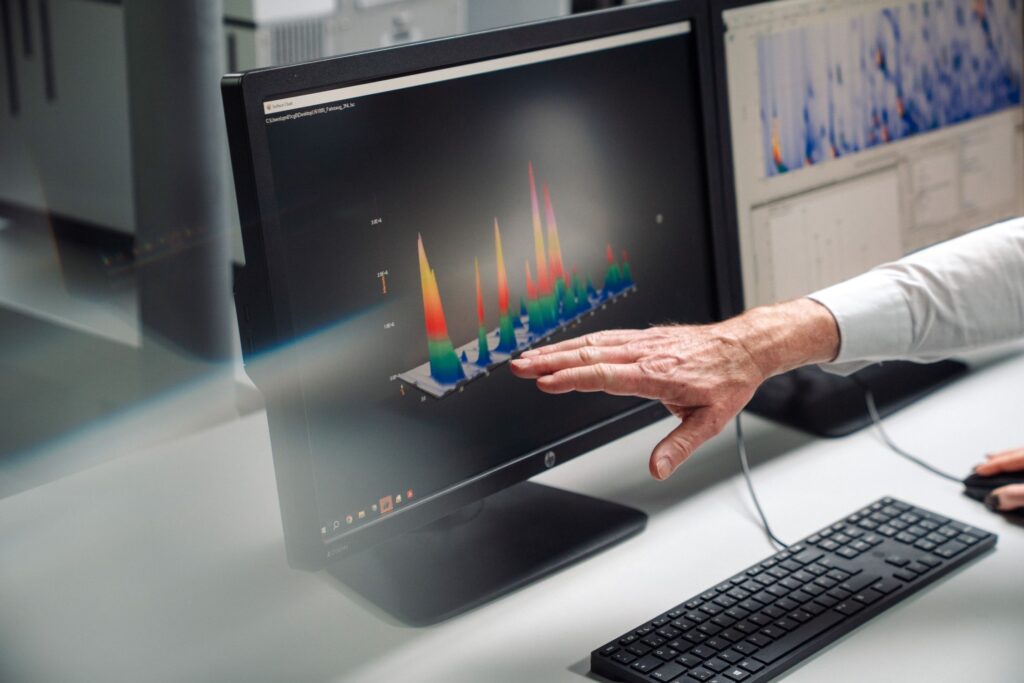
It means the team isn’t just detecting a smell. They understand exactly what is causing it.
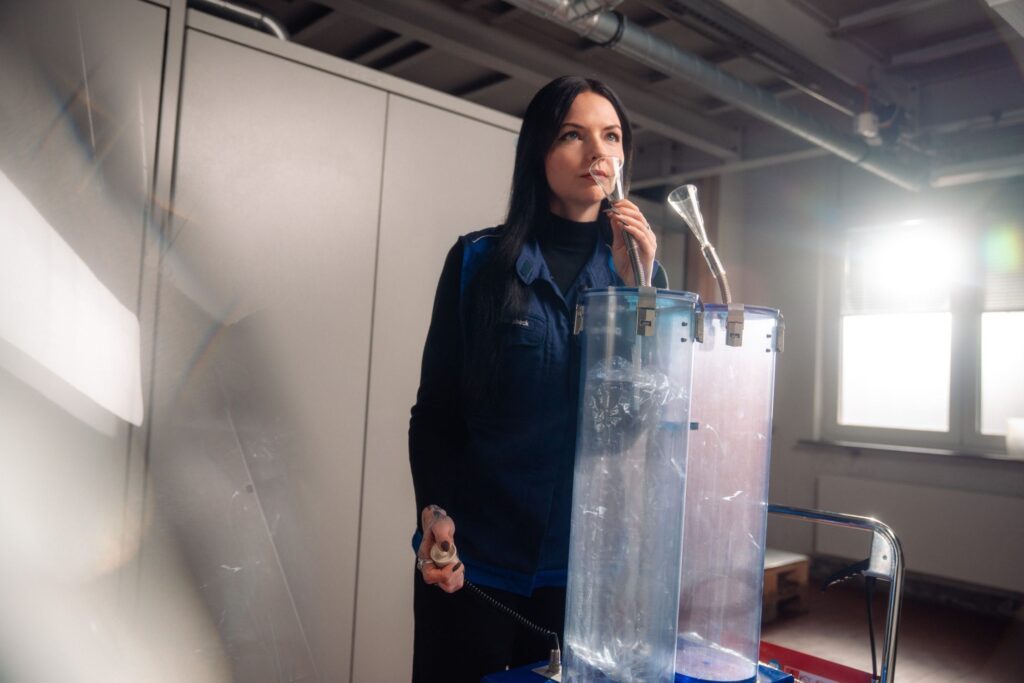
At the same time, scent is still evaluated the way it ultimately matters, by people. Samples are diluted and presented to trained assessors, who judge intensity and quality using calibrated reference standards.
Because a car doesn’t exist in a lab, but with its occupants.
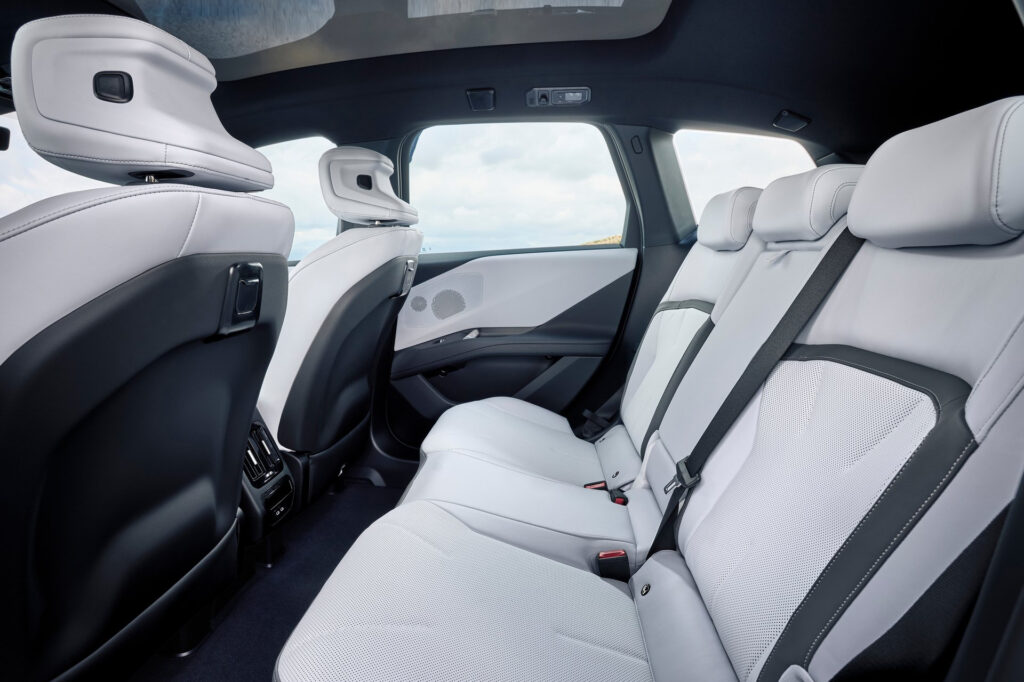
Smell as part of sustainability
What stood out most during the tour was how this work ties into a broader sustainability perspective.
BMW approaches sustainability across the entire lifecycle of the car, from raw materials to production and eventual recycling. Within that, interior air quality is treated as a key factor in health and well-being
Materials can release emissions, even in small amounts, and these can affect occupants over time. That is why material selection goes beyond aesthetics and durability, extending into how each element behaves in the cabin environment.
“Health and well-being are an integral part of product sustainability for us,” says
Nils Hesse, BMW’s Vice President for Product Sustainability.
It adds another layer to what defines a well-made car.
The role of the human nose
Despite the precision of modern measurement tools, human perception remains central to the process. While subjective, it remains the best assessor that no machine can replace.
Trained experts review materials and interiors through sensory evaluation, working alongside technical systems to ensure consistency and quality
Scent is shaped by memory, emotion and expectation. It is influenced not by a single component, but by how every material interacts within the space.
The result feels cohesive, even if it is never consciously analysed.

A different way of thinking about quality
Walking through the Odour Lab shifts your perspective slightly.
Quality extends beyond what you can see or touch. It includes the absence of unpleasant elements and the balance of everything that surrounds you inside the car.
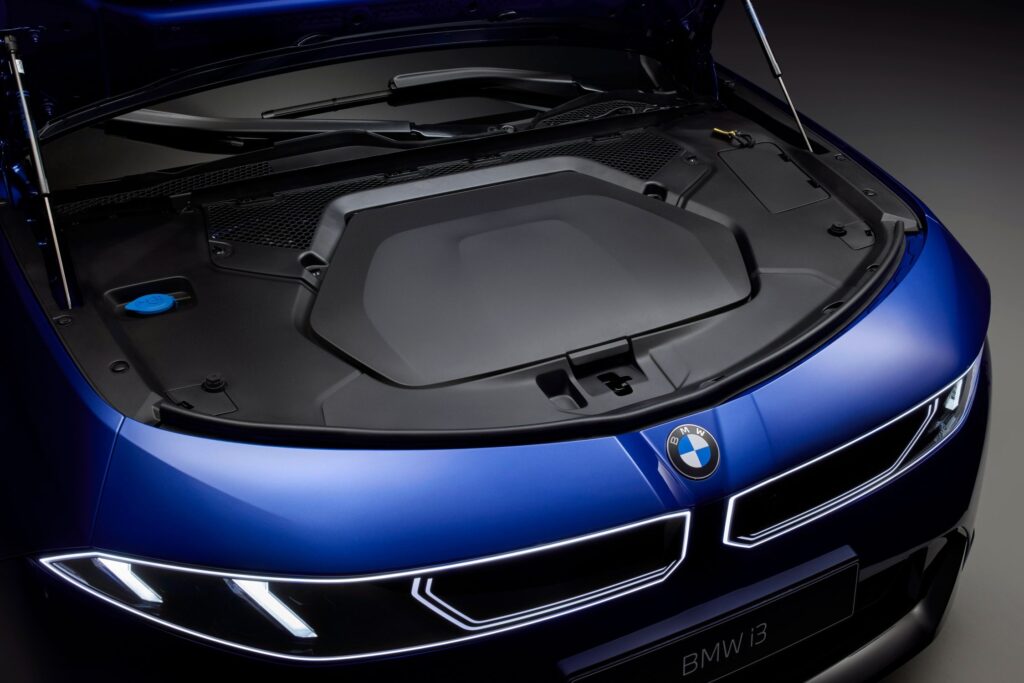
In models like the new i3, part of BMW’s Neue Klasse, this thinking is embedded early in development. Materials are chosen not only for sustainability and design, but also for how they contribute to the cabin environment.
Indeed, some of the most important details are the ones you never notice.
WATCH THE VIDEO: