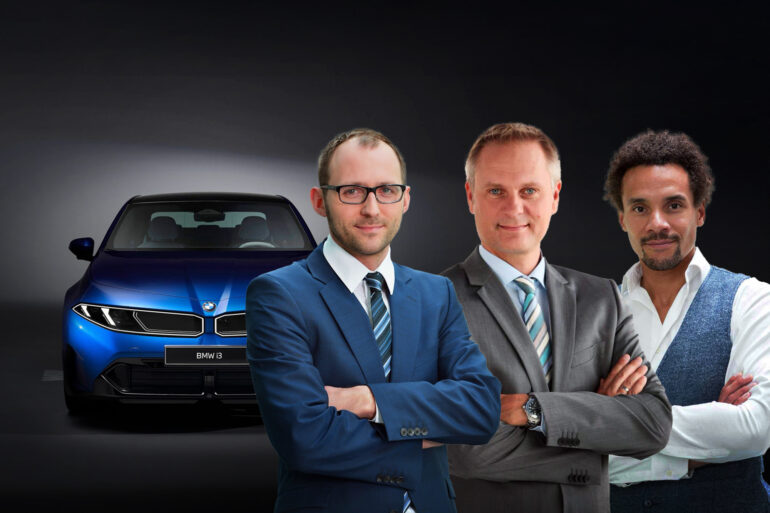
There’s a moment when you stand in front of the new BMW i3, and suddenly, everything just clicks.
No, not in a dramatic way. More like a quiet realisation that something has definitely shifted. The proportions feel right, the tech feels intentional, and somehow, despite everything being new, it still feels like a BMW.
Over conversations with Norman Wiebking, Stephan Durach and Oliver Heilmer, it becomes clear that this wasn’t accidental.
Getting the Foundations Right
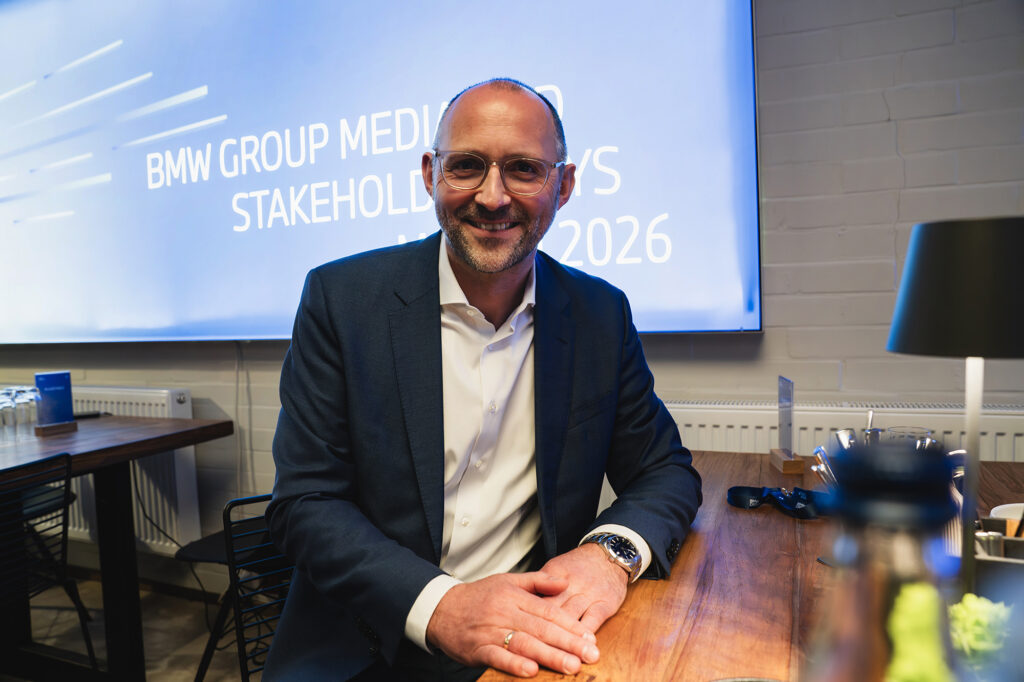
For Norman Wiebking, this car was never just another product cycle. It was part of something much bigger from the very start.
“The new i3 was, from the very beginning of the Neue Klasse, part of our development,” he tells me.
That meant there was no room for half-measures. Especially not with a name like i3, sitting so close to the DNA of the 3 Series.
“You can’t do a compromise with the 3 Series, to be honest,” Wiebking says, almost matter-of-factly.
Everything had to work. The new 800V architecture, the battery integration, and the proportions. Even the car’s stance was engineered from the outset, not adjusted later.
Neue Klasse Isn’t Just a Platform
Wiebking is quick to point out that Neue Klasse isn’t just about hardware.
“Neue Klasse is a new era for BMW. We decided to make everything new,” he explains.
That includes the powertrain, the interface, and the way all systems talk to each other. The ambition wasn’t to improve things individually, but to make them work as one.
“It’s a 360 perfect match of the technologies,” he adds.
You can sense that cohesion in the car. Nothing feels like an afterthought.
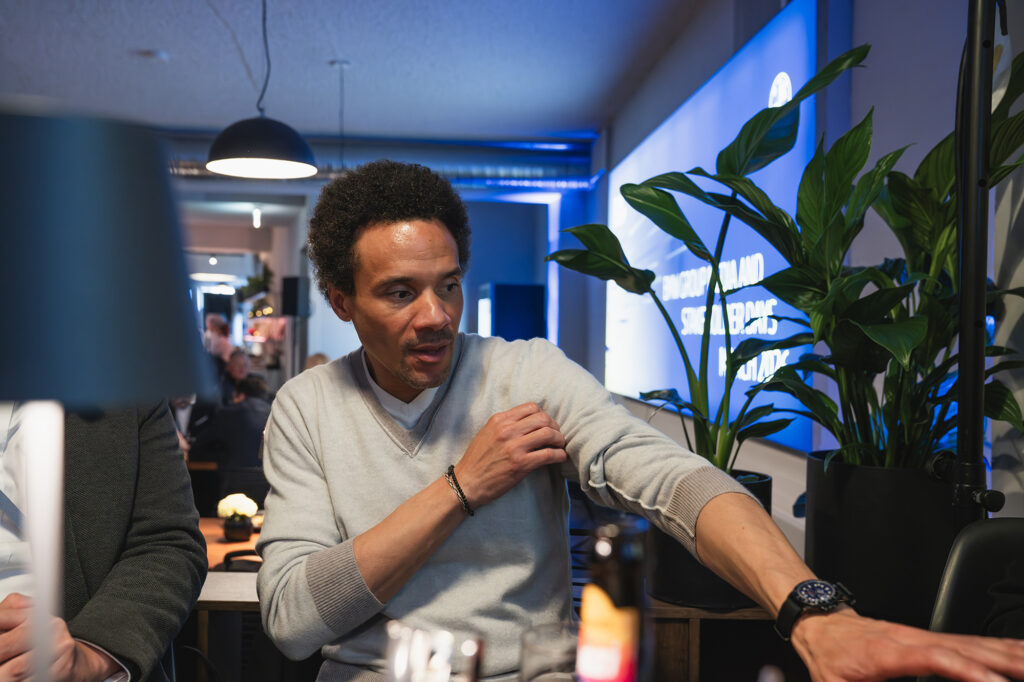
You Recognise The New BMW i3 Without Knowing Why
On the design side, Oliver Heilmer had a slightly more emotional challenge.
How do you create something completely new, but still instantly familiar?
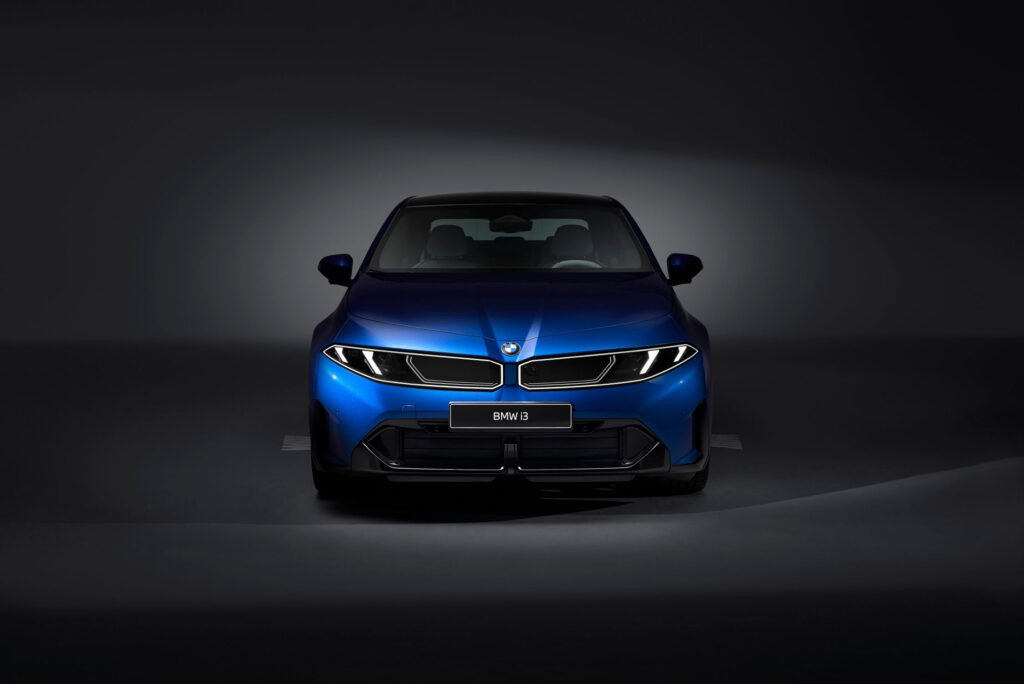
“The best thing that could happen is that… you instantly feel, this is a BMW, and I cannot say why,” Heilmer says.
That feeling is intentional.
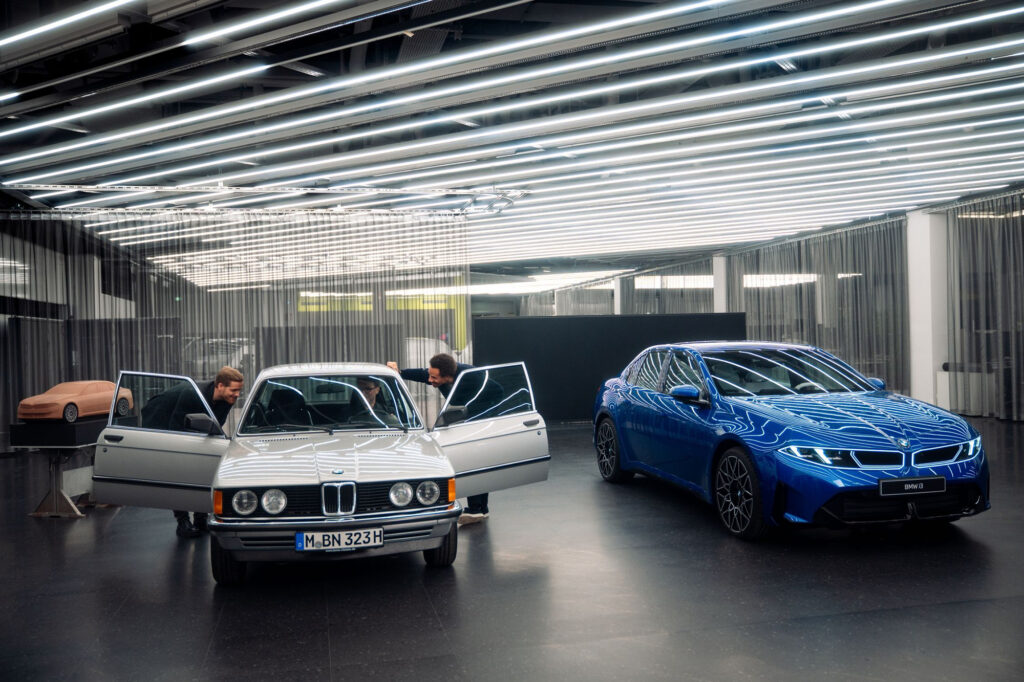
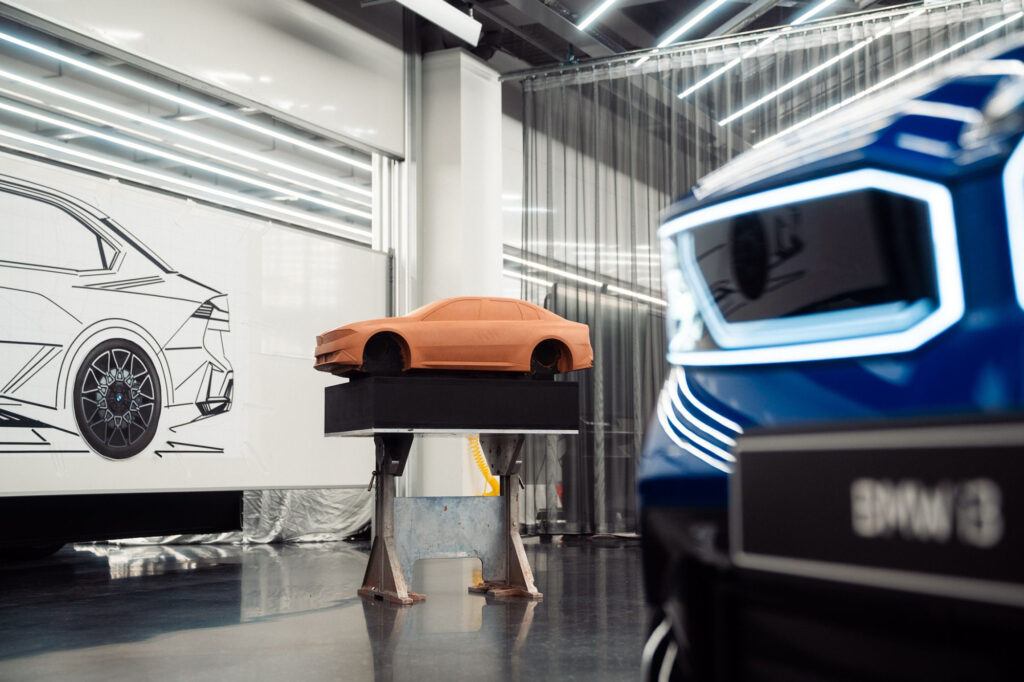
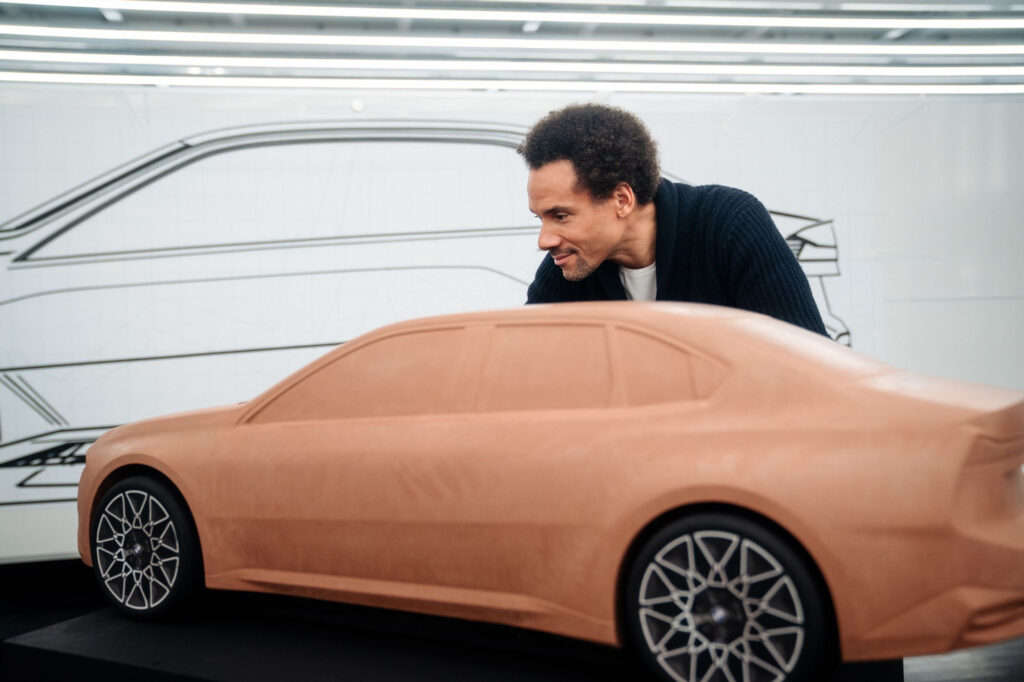
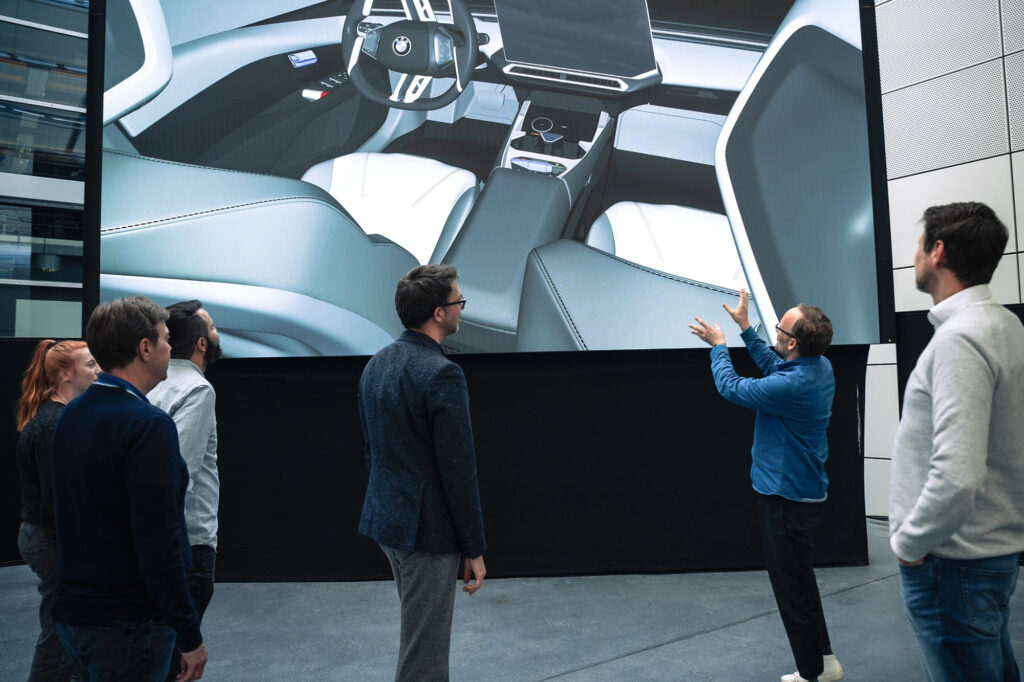
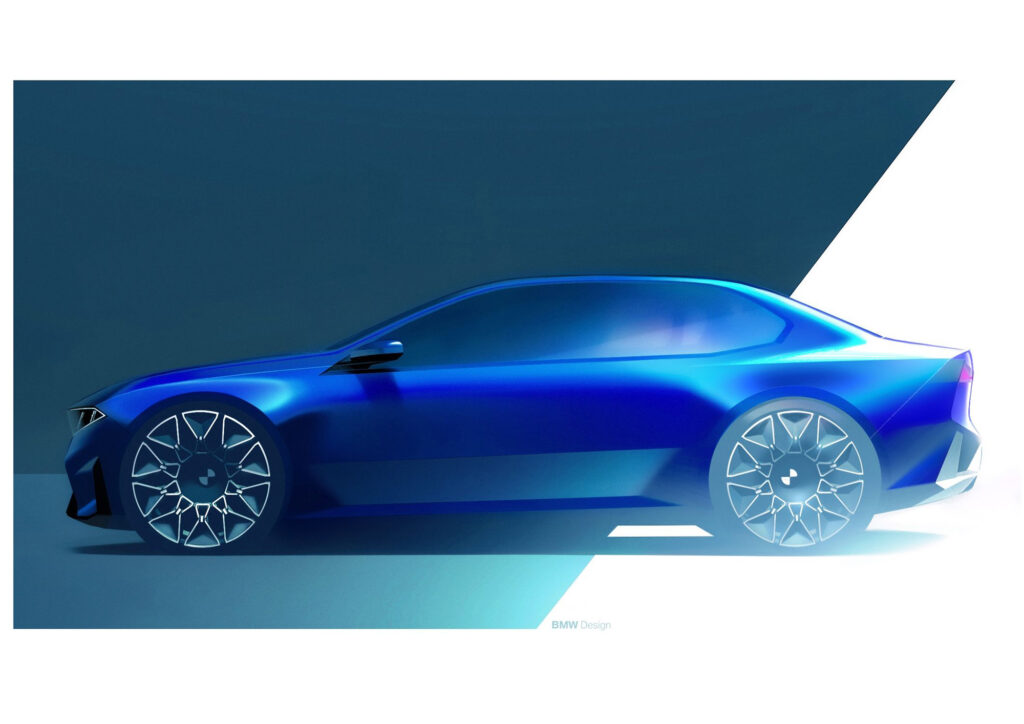
He and his team went back through generations of BMWs, from the E21 to the E46, studying proportions, stance, and subtle cues that define the brand.
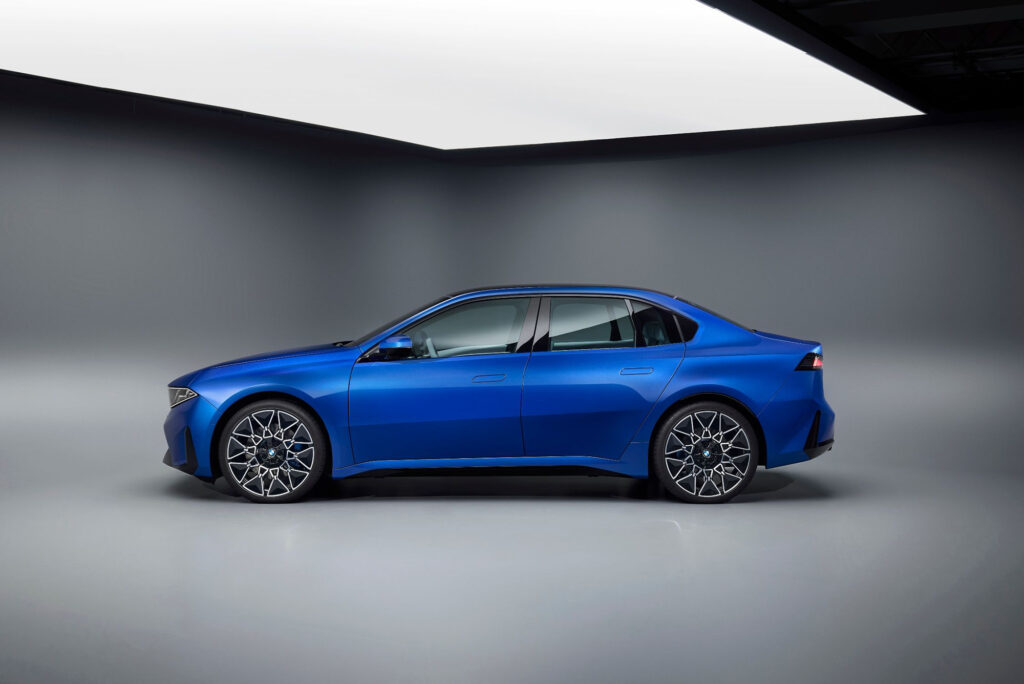
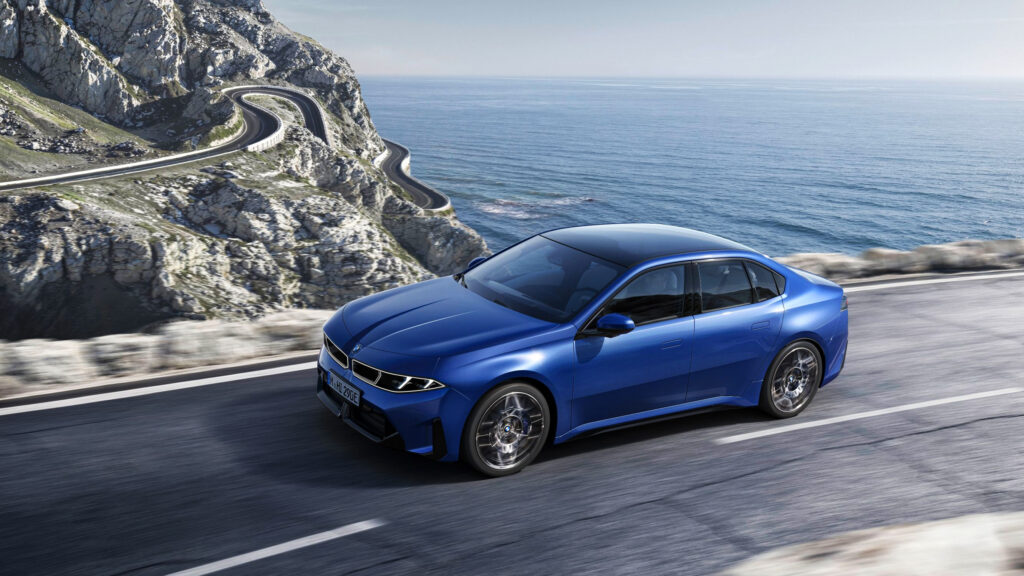
The result is what they call a “2.5-box” silhouette. Still recognisably a sedan, but with a shorter front, stronger rear, and a more planted stance.
“It’s how it stands… It’s still premium, high-end,” Heilmer explains.
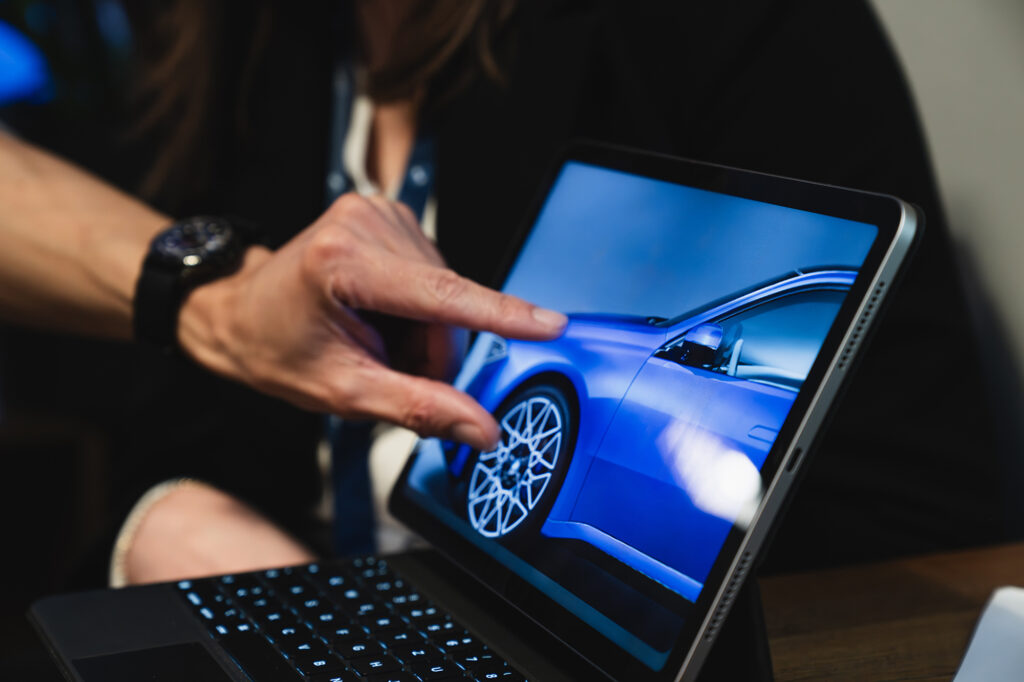
Even details you don’t see require rethinking. The paint, for example, had to be reformulated so metallic flakes wouldn’t interfere with radar sensors.
It’s engineering meeting design in ways most people will never notice.
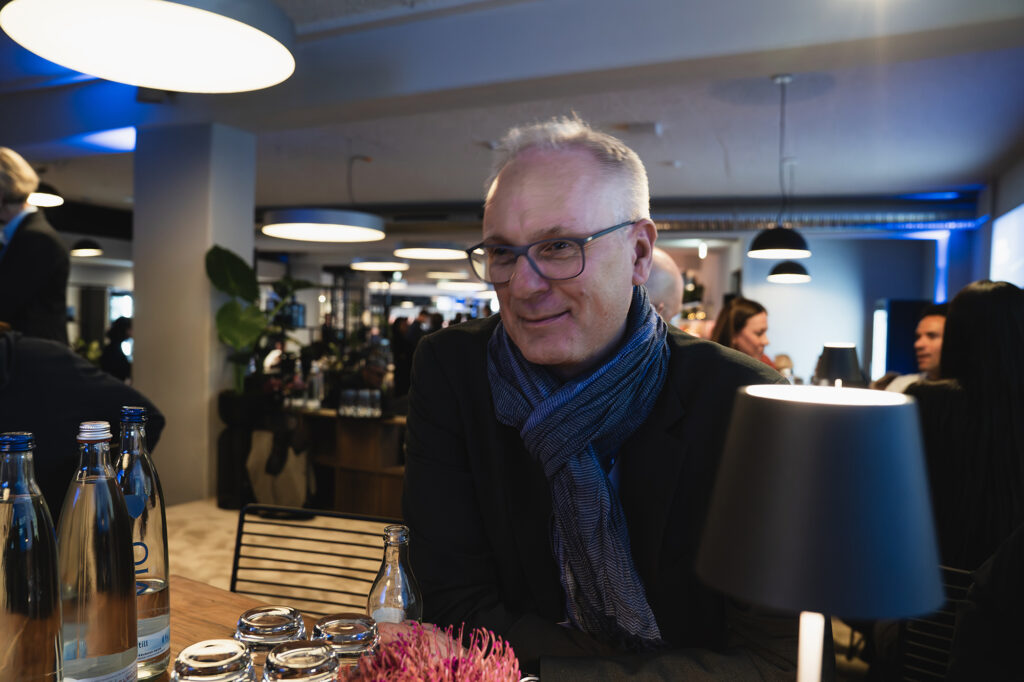
Rethinking the Way You Look at Information
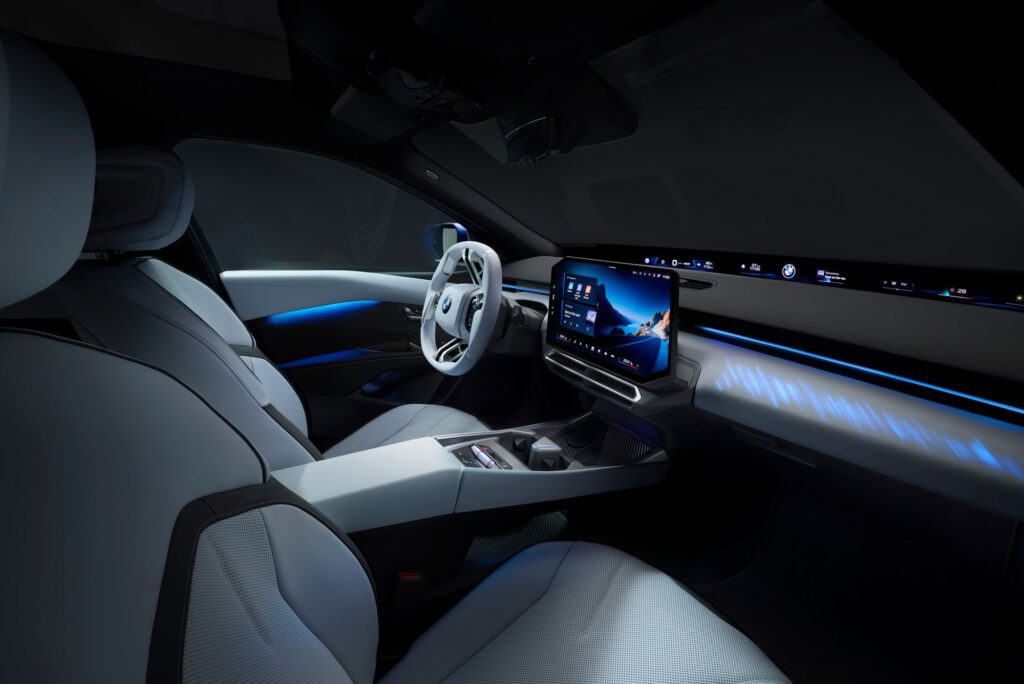
Inside the car, the biggest shift comes from the panoramic vision display.
For Stephan Durach, this wasn’t about making something flashy. It was about fixing something fundamental.
“We tested our concept with 3,000 customers,” he says.
The conclusion was clear. Drivers don’t want more screens. They want better placement of information.
“You want something easy to understand… where you don’t have to look down,” Durach explains.
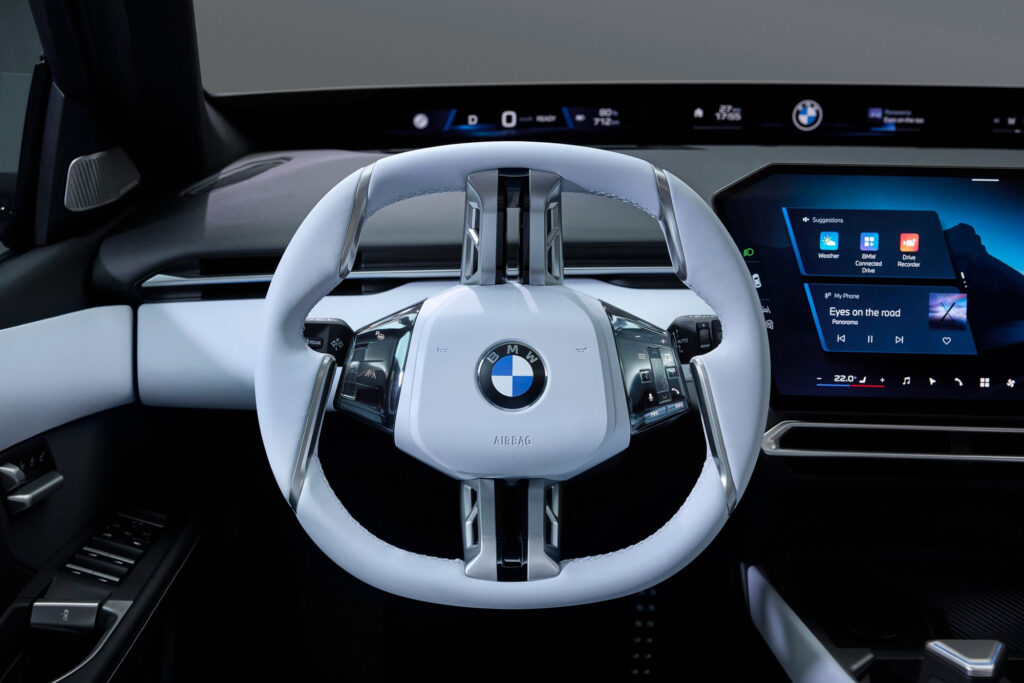
By moving key information to the base of the windscreen, BMW keeps your eyes where they should be. On the road.
It also changes something surprisingly basic. How do you position yourself in the car?
“Now you can place the steering wheel exactly where it fits you best, not where you need it to see the display,” Durach adds.
Letting Go of Old Habits
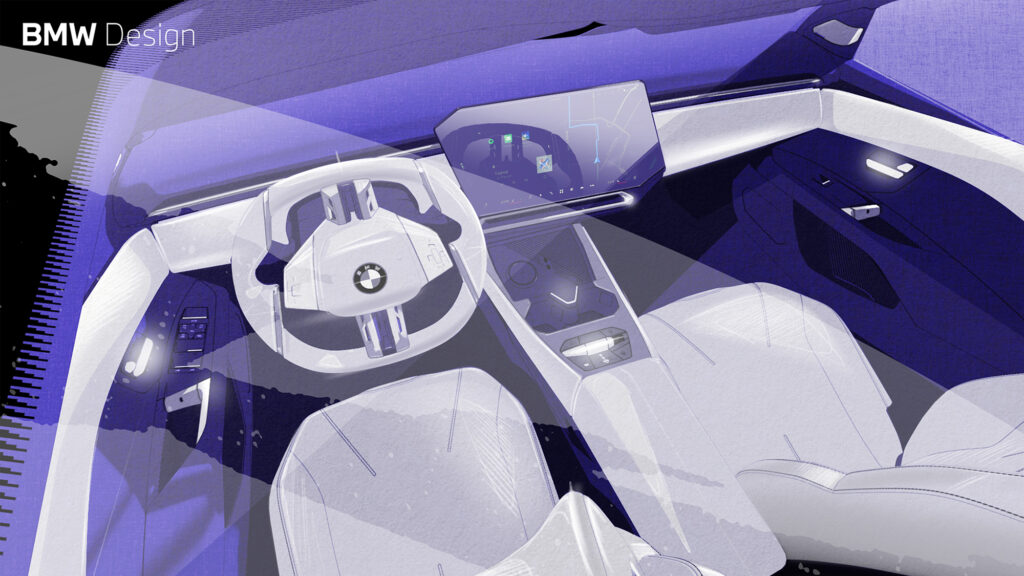
One of the boldest decisions was removing the iDrive controller. For years, it was a defining feature of BMW interiors. Now it’s gone. And according to Durach, most people don’t even notice.
“People don’t ask for it,” he says.
Touch, voice and contextual controls have simply made it unnecessary.
It’s one of those changes that feels controversial until you use it.
When the Car Starts to Understand You
The next step is where things get interesting.
Durach talks about a new generation of intelligent assistants that go beyond simple commands.
“I ask my car to change the interior colour to my favourite Munich soccer team… and it switches to red,” he says with a smile.
It sounds like a party trick, but it reveals something deeper. The system now understands context; it connects information and interprets intent.
It feels less like using a feature and more like having a conversation.
The BMW i3. Still a BMW at Heart
For all the innovation, Wiebking keeps coming back to one thing.
Driving.
“Performance is one thing… but the driving behaviour, especially the steering, this is a big challenge,” he says.
That balance between performance and feedback hasn’t been lost in the shift to electric. If anything, it’s been sharpened.
The Takeaway
After spending time with the people behind the BMW i3, one thing becomes clear.
BMW hasn’t forgotten how to build cars. Yes, it might have taken a more modern approach, but that’s exactly what’s necessary in this day and age.
From design to interface to driving feel, everything has been reconsidered. Yet, the goal remains surprisingly simple.
As Heilmer puts it, you should get in, experience it, and just feel it.
A sense that this is very much a BMW.